Lake Toba
Lake Toba, Indonesia
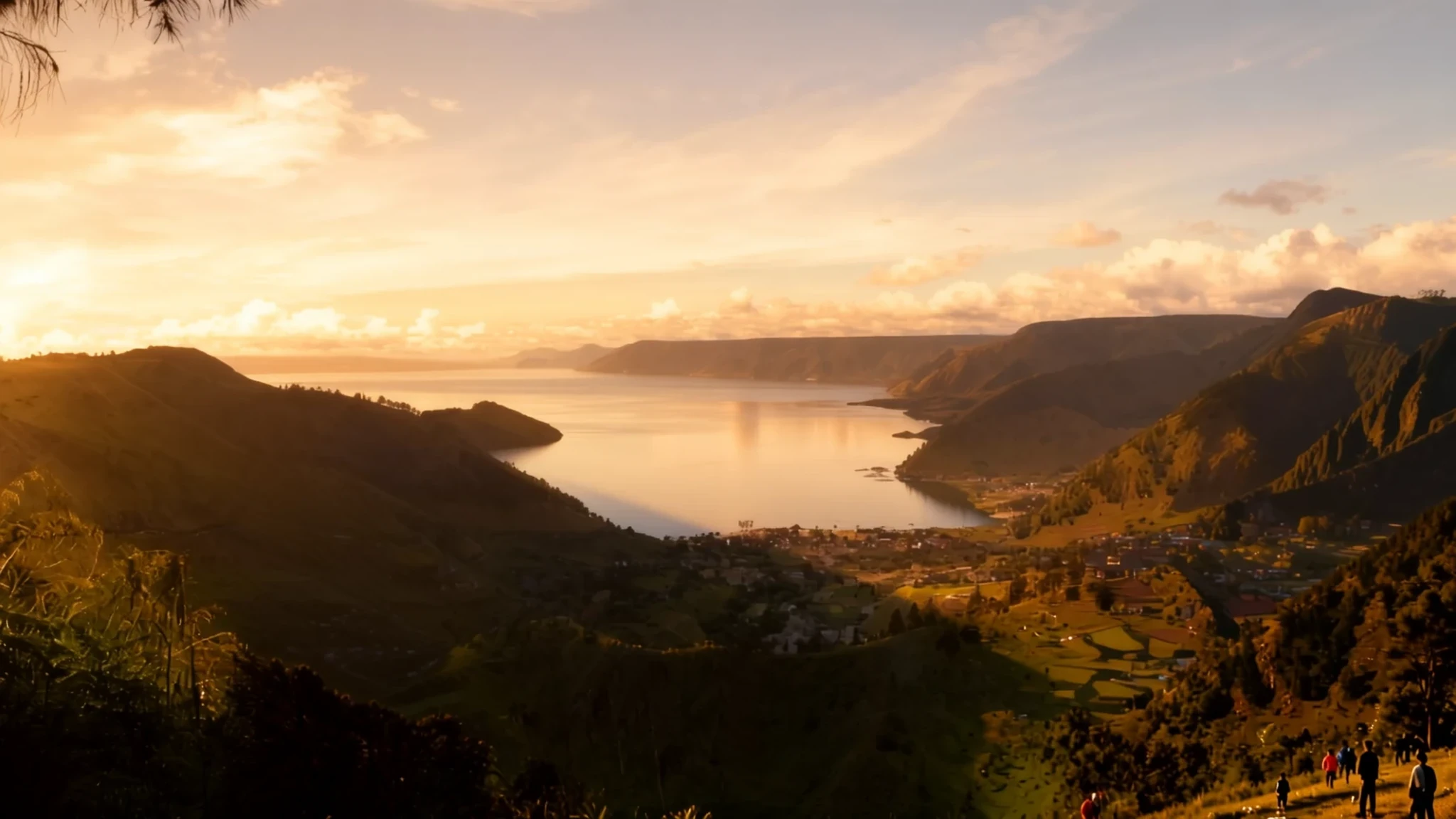
Lake Toba is a vast volcanic crater lake in northern Sumatra, with an island in its middle and cool highland air at 905 metres.
The place
Lake Toba fills the crater of a vast volcanic caldera in the northern part of Sumatra, Indonesia. The surface sits at 905 metres, so the air is cooler than on the coastal plains, and the water spreads so widely that it can feel more like an inland sea than a lake. It is far longer than it is wide, and its depth is considerable. Forested ridges and hills rise around almost every shore, so the view shifts as the light moves across them through the day.
Much of the lake's character comes from Samosir, an island lying in the middle of the water. Samosir connects to the mainland through a single land bridge on the western side, so many travellers arrive by road from the Sidikalang direction and cross over. Villages, rice fields and pine woodland cover its slopes, and the Batak Toba people have shaped the settlements, houses and tombs that line the island.
The lakeshore towns of Parapat and Tuktuk handle most of the visitors. Parapat is the main bus hub, while Tuktuk has more guesthouses and restaurants with lake views. Services thin out quickly away from these centres, so the practical advice is simple: carry cash, carry water, and allow more time than the map suggests. The water is warmed by volcanic activity and is pleasant for swimming, and the pace of life is slow.
Its story
The lake was made by one of the most violent events the planet has recorded in its recent past. A huge eruption emptied a deep magma chamber so thoroughly that the ground above collapsed into the void, leaving a caldera that later filled with water. Geologists date the eruption to many tens of thousands of years ago, placing it among the largest explosive events known from Earth's recent geological history. Ash and gas are thought to have reached the upper atmosphere in quantities that cooled the planet for a time, a short-lived volcanic winter that hit many regions hard.
That climate shock has been linked to a bold idea. Some researchers proposed that the eruption may have pushed early human populations in parts of East Africa and India down to small numbers, leaving a mark on the genetic diversity of people everywhere. The argument became known as the Toba catastrophe theory, and it drew attention because it tied a single geological event to the make-up of living humans.
Not everyone accepts it. Later studies have searched for evidence of lasting population collapse, among people and other animals, and found little of it. Other explanations, including shifts in migration patterns, can account for the genetic signals as well. The debate remains open, which is typical of work that relies on scattered fossils, ancient DNA and the dating of ash layers.
The lake itself is the clearest reminder of the event. It sits inside the ring of an ancient collapse, and the surrounding hills form the rim of that old disaster. Local tradition and the landscape have developed side by side over a very long time.
What to see
- Panoramic hilltop views over the lake — Samosir island
From the hills on Samosir island you get a wide panorama of the whole lake, with the water, the far shore and the forested ridges laid out below. Go early, when the air is clear and the viewpoint is quiet. The climb is manageable, but wear shoes with grip, since the paths turn slippery after rain. Carry water, because there is little to buy near the top.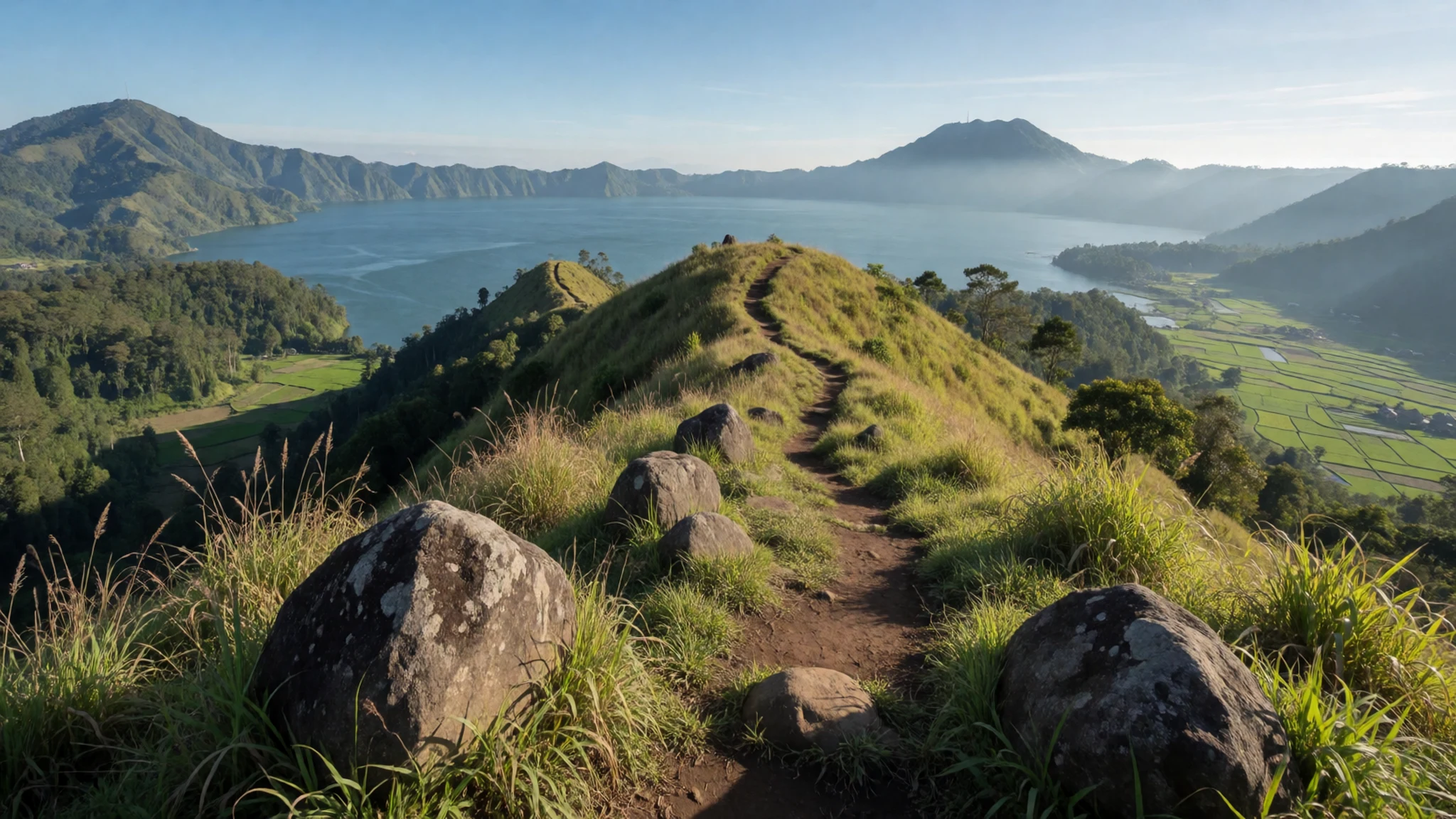
- Tele observation tower — Tele, Samosir island
The observation tower at Tele, on the Samosir side of the lake, gives a high vantage point over the water and the villages that edge it. It is a short, easy stop for a half-day trip. Late afternoon brings softer light across the lake. Entry arrangements and opening times can change, so check locally on the day.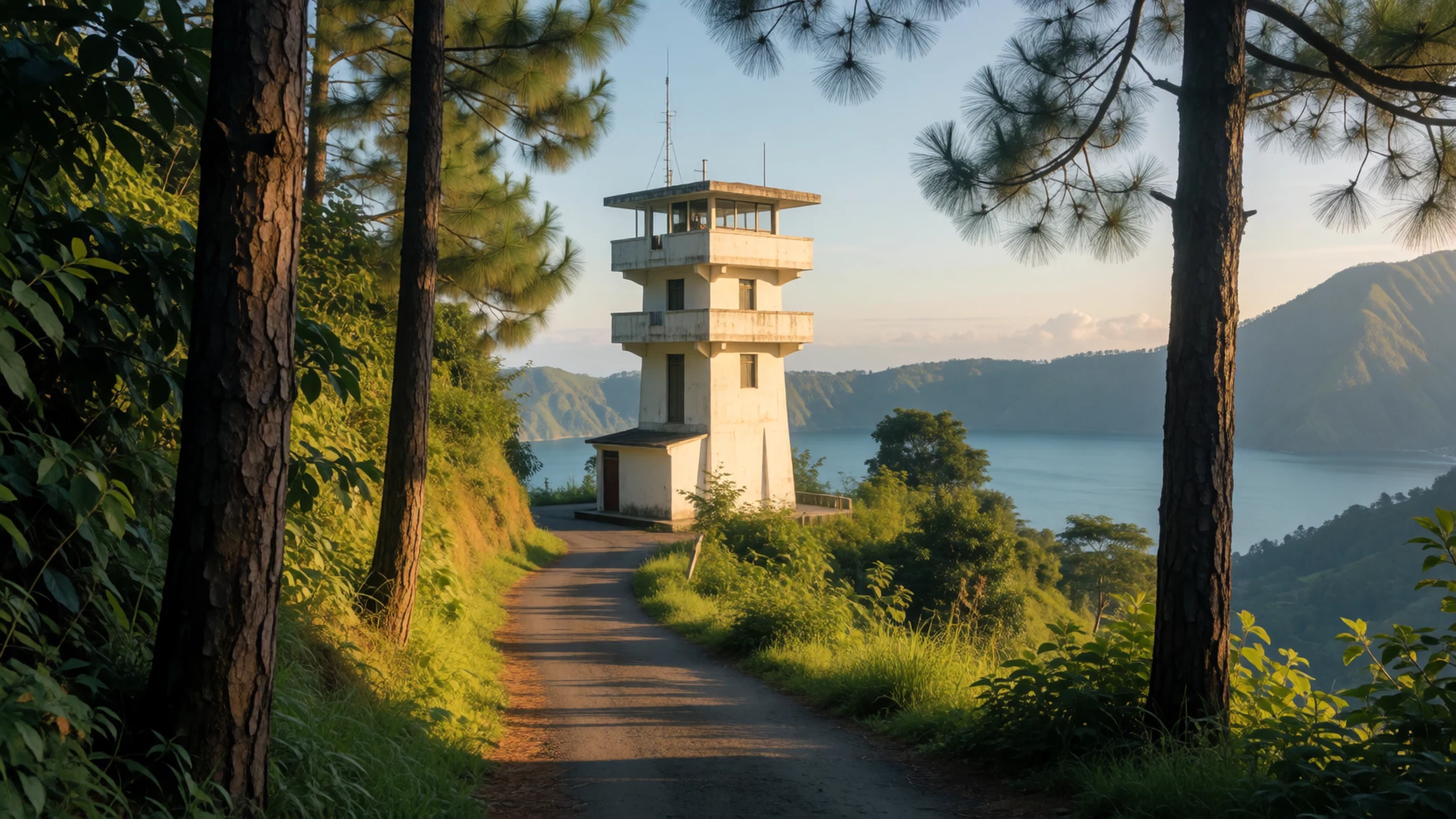
- Tombs of Batak kings — Samosir island villages
Around the Samosir villages stand tombs and monuments raised for past Batak kings. Many are carved and sit inside family compounds, so they are historic sites and places of ongoing local significance at once. A local guide can explain the family histories and customs attached to them. Dress modestly, stay outside any fenced enclosure unless invited, and ask before taking photographs.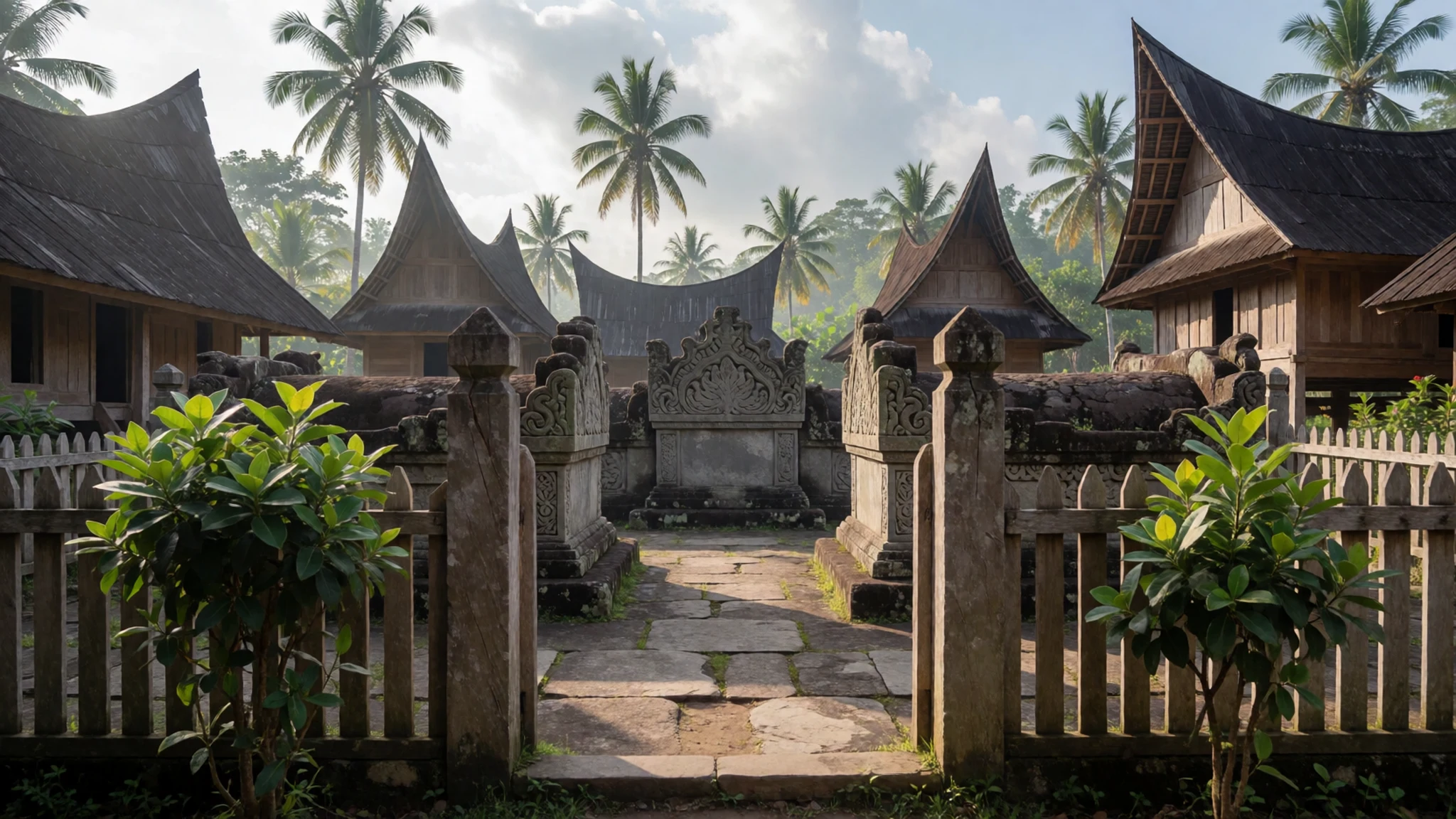
- Pine forests around the lake — Lake shore and Samosir hills
Pine woodland covers many of the slopes around the lake and gives welcome shade for walks away from the water. The dark green trees soften the hills and contrast with the open surface of the lake. Paths are often rough and unsigned, so keep to established tracks and tell someone where you are heading. A short walk in the morning is pleasant before the heat builds.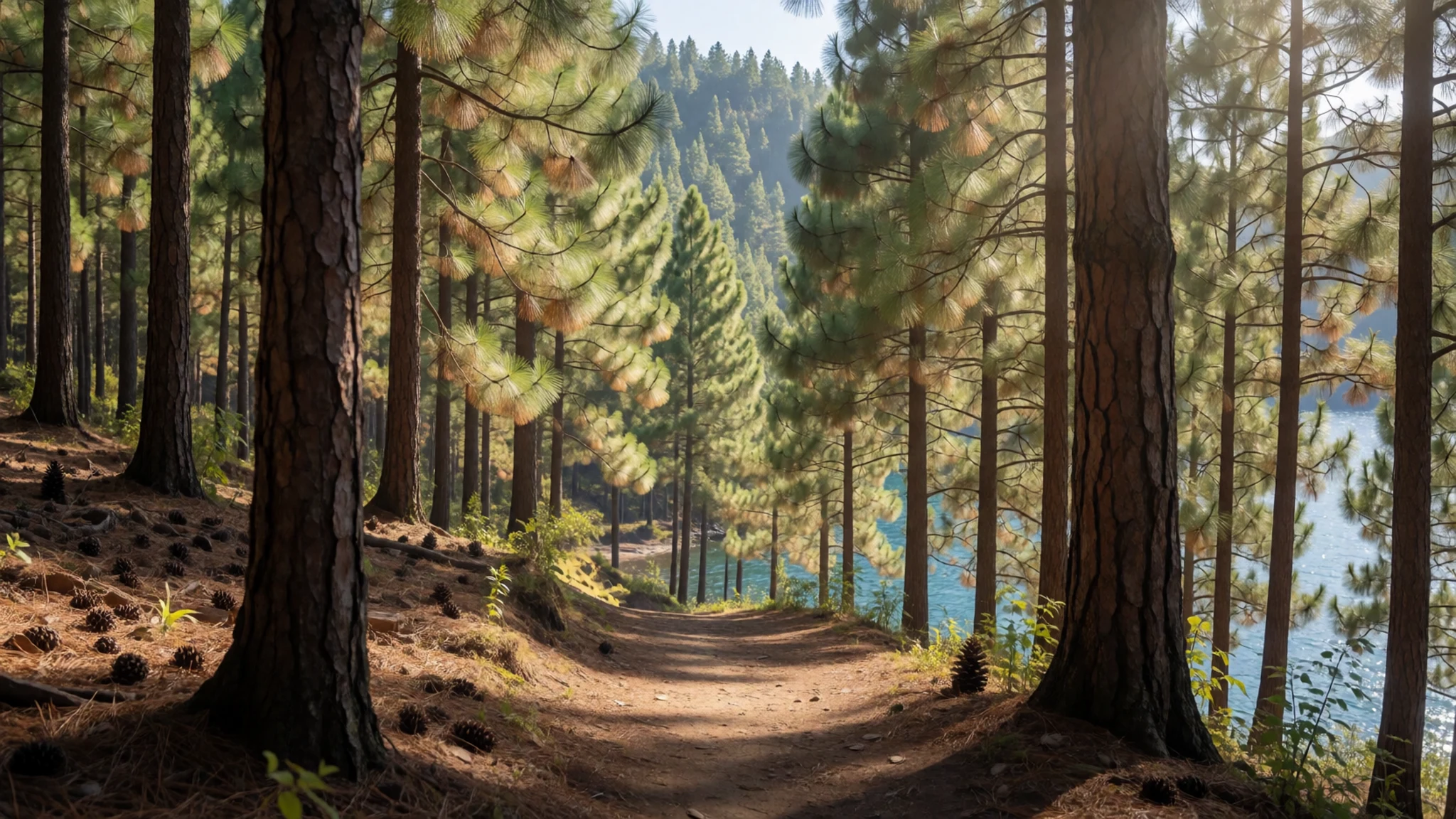
- Batak dance and folk songs at Bagus Bay — Bagus Bay, lakeside restaurant
In Bagus Bay, a lakeside restaurant holds an evening performance of traditional Batak dance, followed by folk songs sung by a group of men. Performance days and start times can change, so confirm them locally before planning the evening. It makes a relaxed end to a day on the water. Sit back, listen, and keep flash photography to a minimum during the songs.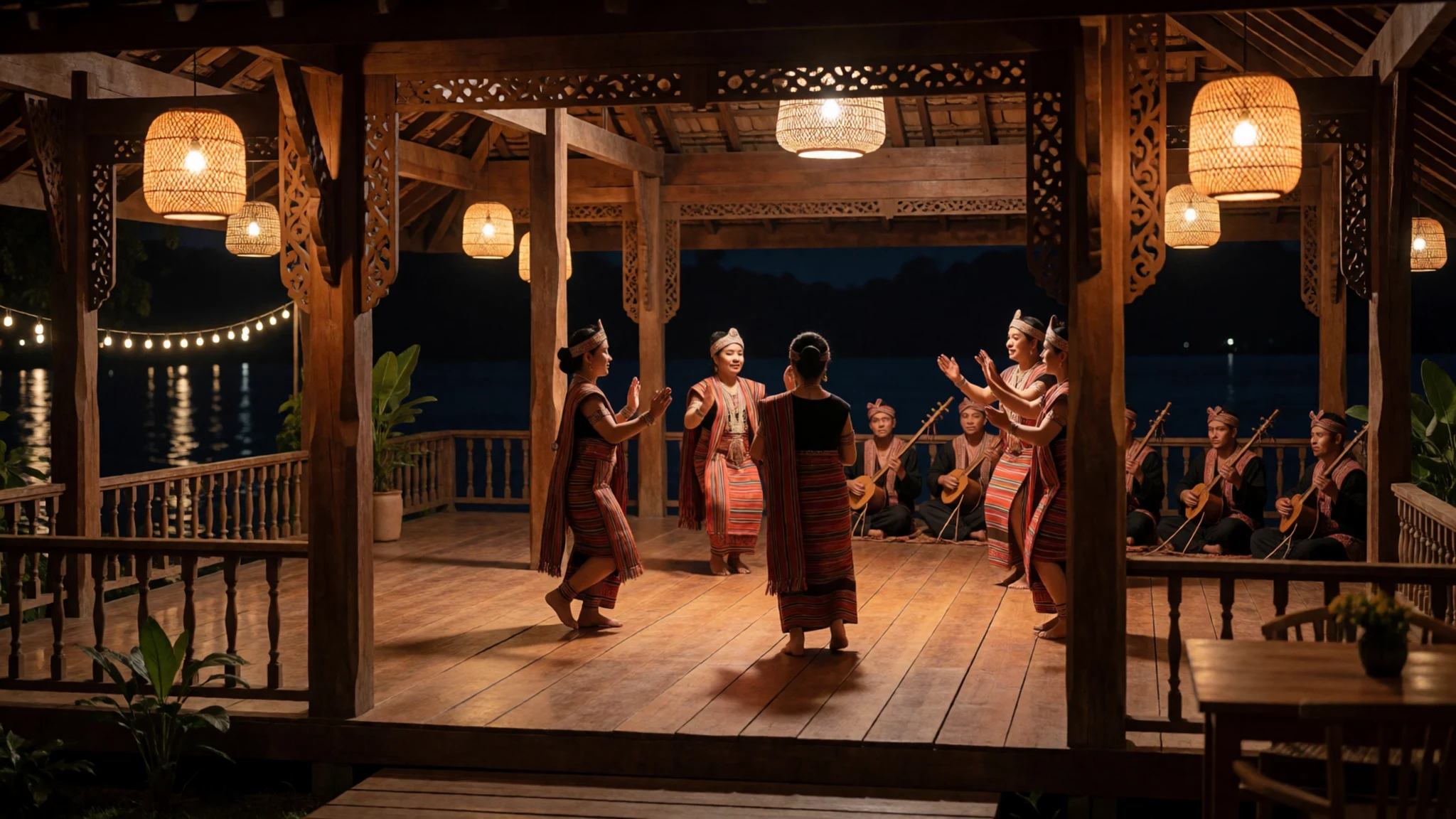
Culture
Lake Toba is home to the Batak Toba people, whose customs centre on family lineage, community ceremony and respect for elders. Many households still organise themselves around kin groups, and the events that mark births, weddings and funerals bring large gatherings together. Visitors are usually welcomed warmly, although some local men can be persistent in their attention, so a calm and polite manner helps.
Traditional dance and song are performed for locals as well as for guests, and they belong to a living culture rather than a museum display. Tuak, the palm drink, is shared at family occasions, but some local people object to alcohol altogether, so it is best to accept it only when it is offered.
Many homes and tombs stand within family compounds away from the main shoreline. Keep to the paths, stay at the edges of yards, and ask before entering a house or burial site. Photographs of people at ceremonies need permission, and a short greeting in Indonesian is always appreciated. Keep voices calm during rituals and avoid loud music on the water in the evenings. Cover your shoulders and knees at tombs and ceremonies, and ask before photographing anyone.
What to wear
Traditional dress around Lake Toba centres on the ulos, a hand-woven cloth made by the Batak Toba people. Ulos is woven on a frame loom from cotton or silk threads, with bold bands of colour and geometric patterns that carry meaning within the community. It is draped over the shoulders or wrapped around the body at weddings, funerals and important family occasions, and it is given as a gift to mark status and respect. Some cloth is still made by hand, while other pieces now come from workshops.
Day to day, people around the lake dress much as they do across Indonesia. Everyday clothing is mostly Western-style, with shirts, trousers, skirts and sandals in the market towns, and the ulos comes out for ceremonies. Younger people in the towns follow mainstream fashion, while older generations are more likely to keep the cloth in family use.
For a visitor, the sensible choice is light, breathable clothing with long sleeves or a shawl to cover the shoulders when visiting villages, tombs and ceremonies. Pack a light layer for cooler evenings, since the lake sits at 905 metres. Shoes with good grip suit the wet, sloping paths around villages and forest, and a sun hat helps on the water.
What to eat
- Arsik — Lakeside eateries in Tuktuk and Parapat
Carp cooked over firewood and seasoned until savoury, spicy and a little sour, with a smoky aroma from the fire. Local cooks say resting the fish in the fridge overnight before frying makes it richer. It is served with the head turned towards the diner, which adds to its presentation.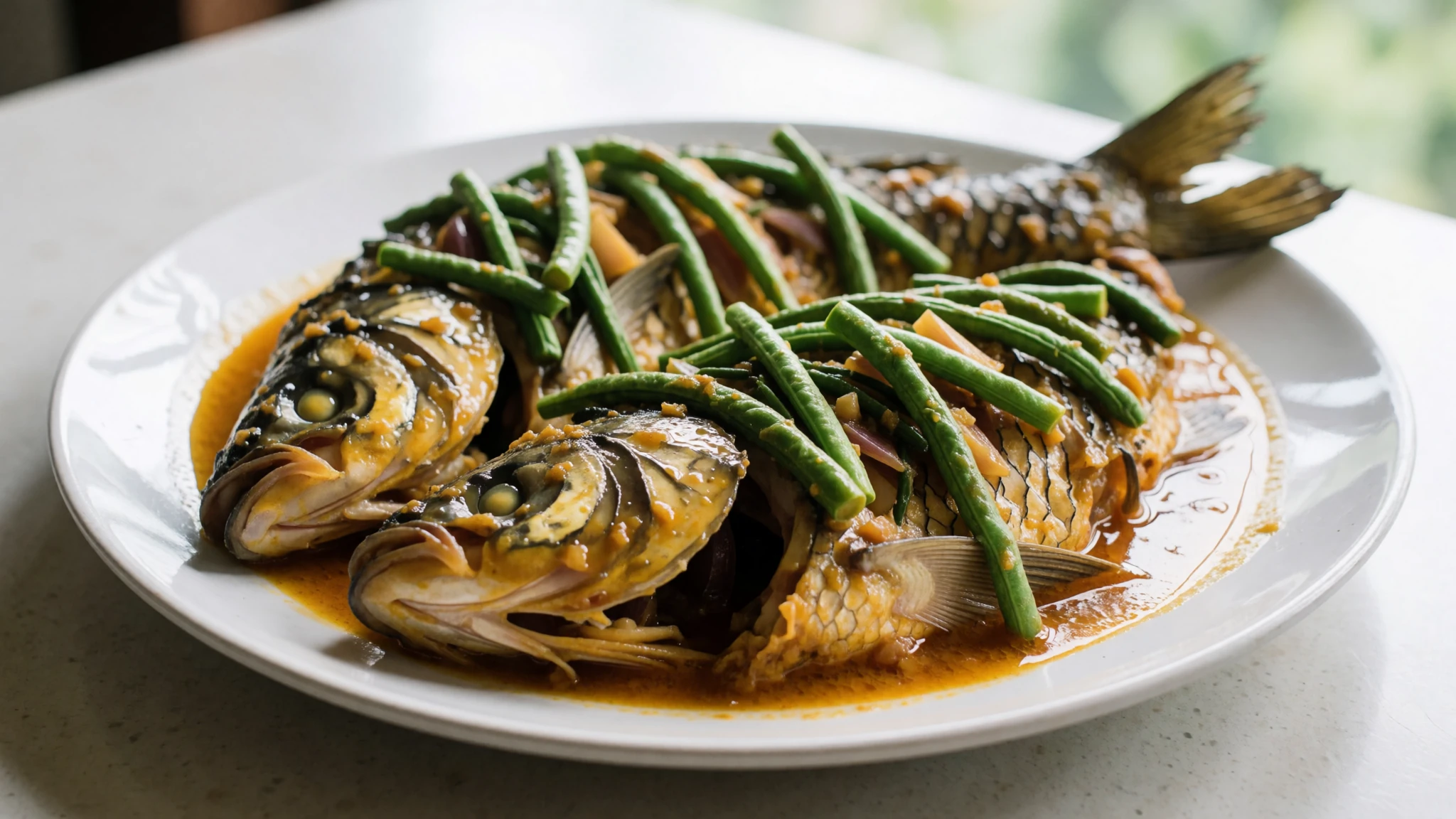
- Naniura — Market stalls and souvenir shops around Tuktuk
Carp cured in lime juice and salt, then coated in a spice mix and left to soak until the flavours settle. It is light, tangy and eaten cold, which suits the heat. Naniura is also one of the lake's most popular food souvenirs.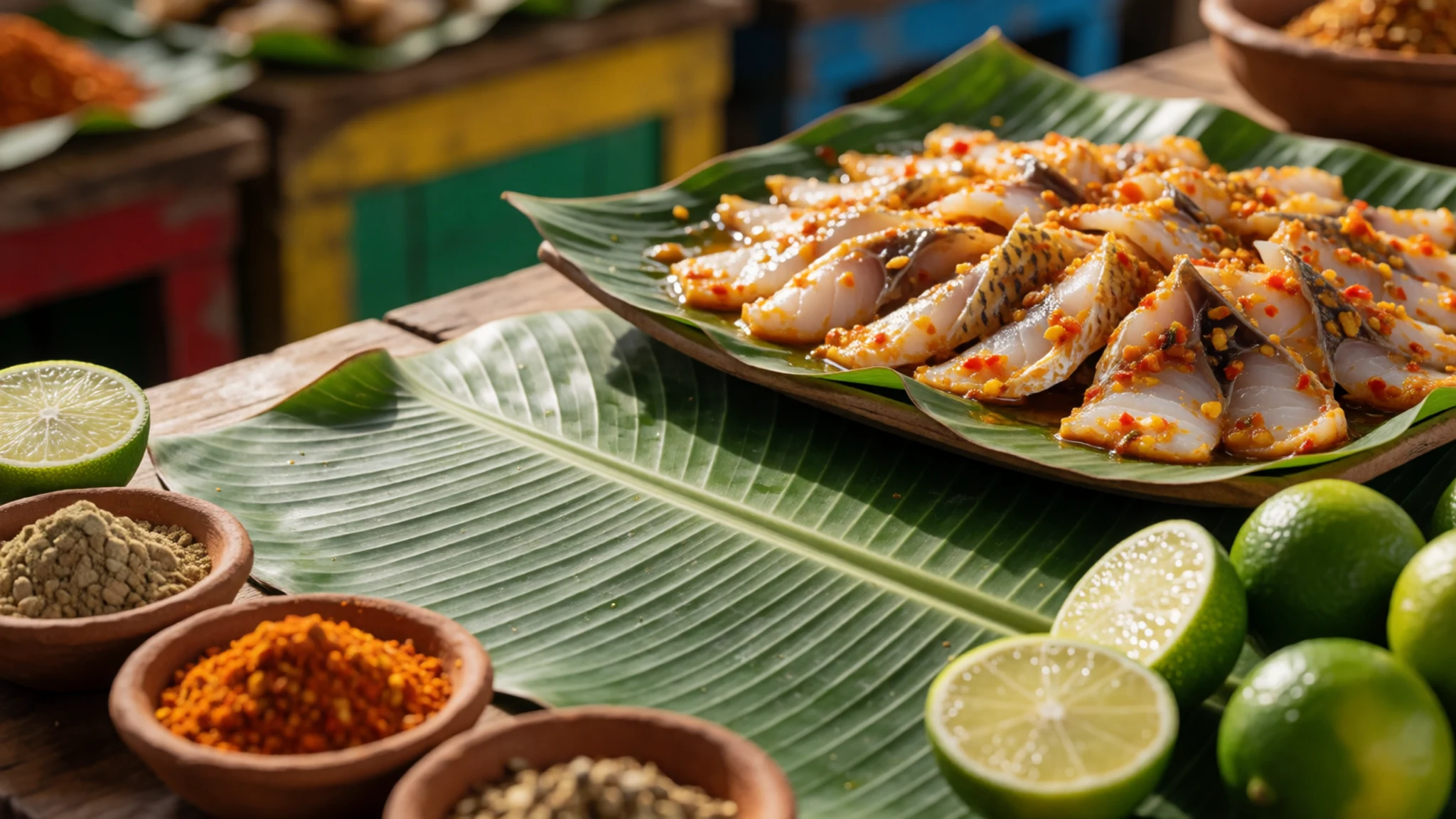
- Tipa-Tipa — Souvenir centres around the lake
A crisp snack made from old rice, soaked and then roasted in a pan until golden-brown. It is meant to be eaten with tea or coffee during long family conversations. Its texture and taste make it a favourite to take home. - Itak Gurgur — Family celebrations, or a market stall in Parapat
A hand-shaped rice snack whose name means ground rice, burned. The rice is ground the traditional way, moulded by hand and fried until the outside turns crisp. Brown sugar inside melts when bitten into. It is served at Batak traditional events. - Tuak — Village homes and palm-wine stalls around the lake
A palm drink tapped from the sugar palm, once served to kings during important discussions and still popular around the lake. It is mildly intoxicating, and some local people refuse it for that reason. Tuak is poured at family gatherings and sold at village palm-wine stalls.
Plan it
Best time. The driest spells come in February and June, when roads are easier and walks are more comfortable, while October to December bring the heaviest rain. The lake is pleasant for most of the year, but rain can fall in any month.
How long. 2–3
Getting there. Fly into Kualanamu International Airport in Medan, then take a long road journey by car, bus or shared minibus. Silangit Airport, close to the southern shore, is an alternative where flights serve it. Start early, as the roads are slow.
Budget. low
Tips
- Start long road journeys early, since bends and traffic slow everything down
- Carry cash for small eateries, village visits and boat rides
- Ignore touts quoting absurd prices for tuk-tuks, and agree fares before you ride
- Hire a licensed local guide for any jungle walk, because walking into the forest unguided is dangerous
- Bring water and a basic first-aid kit, as clinics are sparse and hospitals are far away
Etiquette
- Dress modestly in villages, at tombs and at ceremonies
- Ask before photographing people, especially during rituals
- A polite, firm no settles unwanted attention from persistent sellers or local men
Nearby
Sources
- Wikidata Q183360 (CC0)
- Wikipedia: Lake Toba (rev 1369640512) (CC BY-SA 4.0)
- Wikivoyage: Lake Toba (rev 5308870) (CC BY-SA 4.0)
- Photo 01-toba-zoom.jpg (Public domain)
- Photo 02-lake-toba-and-the-surrounding-hills.jpg (CC BY-SA 4.0)
- Photo 03-map-of-lake-toba.jpg (Public domain)
- Photo 04-toba-overview.jpg (Public domain)
- Photo 05-ship-in-lake-toba.jpg (CC BY-SA 4.0)
- Photo 06-lake-toba-banner.jpg (CC BY 3.0)
- Photo 07-lake-toba-aerial-view.jpg (Public domain)
- Photo 08-laketobaseshore.jpg (CC BY 3.0)


