Lake Skadar
Lake Skadar, Albania
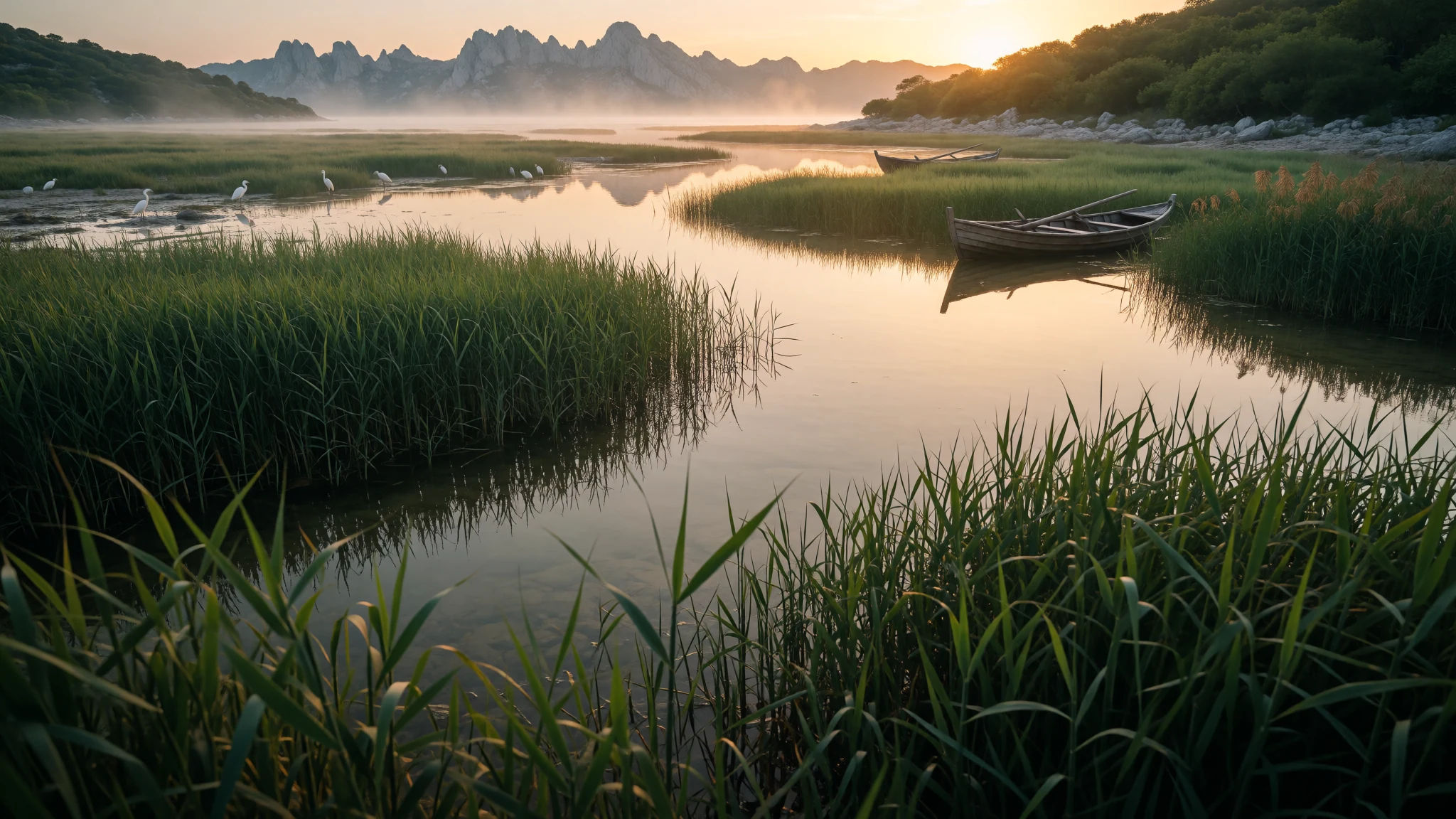
Visit Lake Skadar to explore wild wetlands, ancient stone fortresses, and crystal-clear waters shared between Montenegro and Albania.
The place
Lake Skadar sprawls across the border between Montenegro and Albania, forming a vast aquatic ecosystem that shifts its boundaries with the changing seasons. As the largest body of fresh water in the Balkan Peninsula, its surface area expands and contracts dramatically throughout the year. Fed primarily by the Morača River, the lake discharges its waters into the Adriatic Sea via the Buna River, creating a dynamic hydrological network of wetlands, flooded meadows, and rocky shores.
The terrain is characterized by karst topography, featuring underground springs known locally as okos that bubble up from deep sublacustrine depressions. While the northern and western shores rise into dramatic limestone cliffs and winding river canyons, the southern and eastern edges dissolve into quiet reedy marshes that provide critical breeding grounds for migratory birds. The Montenegrin portion has long been managed as a protected national park, whereas the Albanian sector functions as a designated nature reserve, safeguarding rare species such as the Dalmatian pelican and pygmy cormorant from encroaching human development.
Visiting this landscape means trading the congested tarmac of the Adriatic coast for a slower pace of life. Traditional wooden fishing boats still glide across mirror-like coves choked with water lilies and chestnut beds. Small villages cling to the limestone slopes, where old stone houses look out over vast expanses of water that change colour from slate grey to brilliant turquoise depending on the shifting mountain skies and the silt carried down by the spring snowmelt.
Its story
The history of Lake Skadar is inextricably tied to the rugged trade routes, shifting empires, and borderlands of the western Balkans. For centuries, the shores and islands of the lake served as natural redoubts for local rulers, traders, and outlaws who used the impenetrable maze of reeds and rocky outcrops to evade foreign armies coming up from the coast. The city of Shkodër, situated near the southeastern edge, gave the lake its traditional name and has stood for millennia as a strategic gateway between the Adriatic interior and the high mountains.
During the Ottoman period, the islands within the lake became fortified outposts. Small fortified islets like Grmožur were transformed into formidable military garrisons and later used as isolated island prisons, earning local nicknames such as the island of serpents. As political boundaries shifted through the nineteenth and twentieth centuries, the lake was divided between different sovereign states, yet local communities continued to share deep fishing traditions and commercial ties that paid little heed to the patrol boats on the water.
Today, the cultural landscape tells the story of resilience and isolation. Abandoned fortresses crumble quietly into the limestone scrub, reclaimed by wild figs and nesting birds, while old stone bridges built during earlier centuries still span narrow tributary streams. The heritage of Lake Skadar is preserved not just in regional museums, but in the enduring rhythms of net-weaving, freshwater fishing, and small-scale viticulture practiced by families who have farmed these damp margins for generations.
What to see
- Rijeka Crnojevića Horseshoe — Western shore, Montenegro
A dramatic river loop where the water carves a sweeping U-turn through steep green hills before emptying into the western basin of the lake. The viewpoint from Pavlova Strana offers an iconic panoramic vista across the winding river valley, ancient stone bridges, and the distant silvery waters of the wider lake below.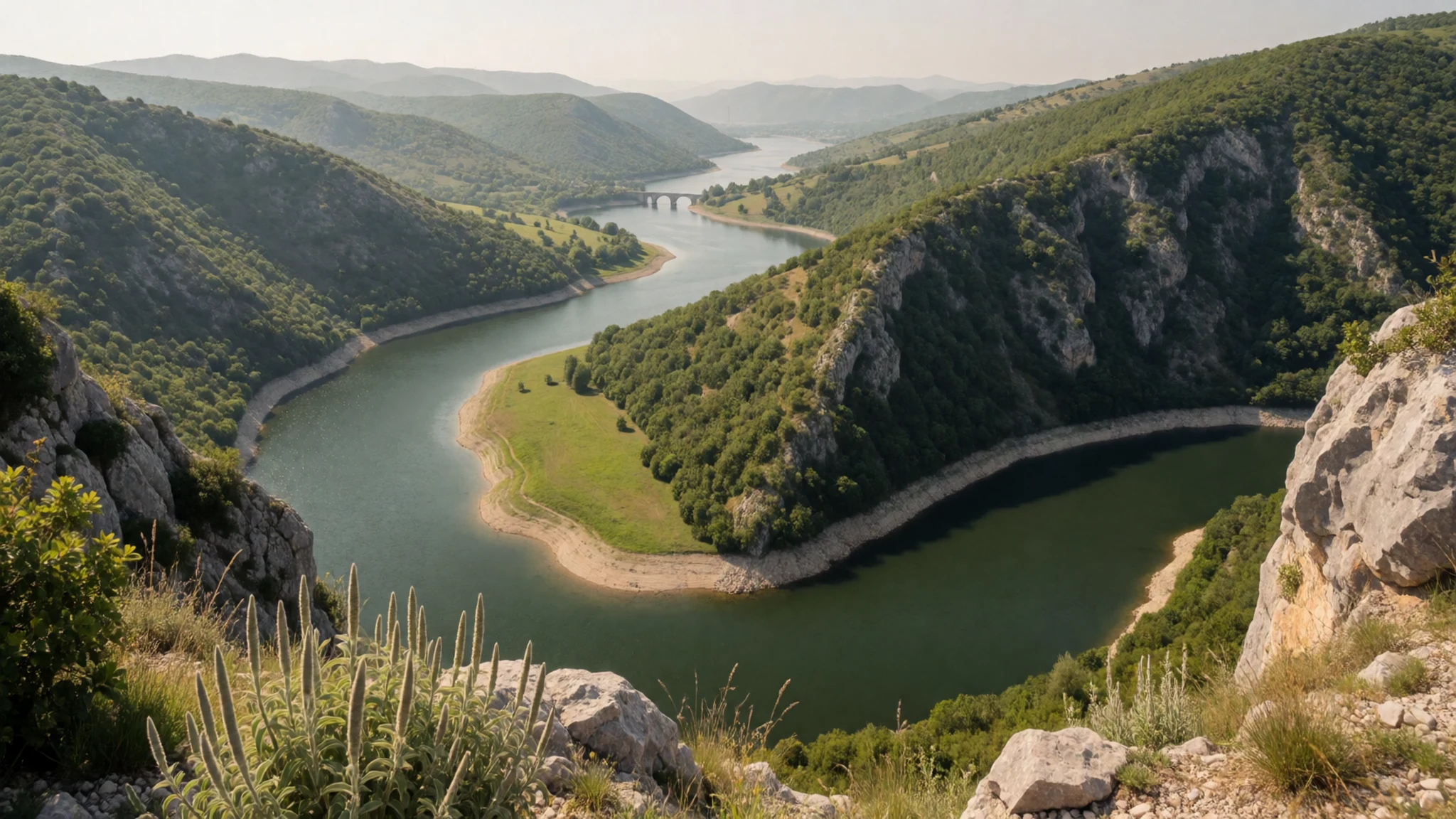
- Grmožur Fortress — Southern basin, Montenegro
Often referred to as the island prison, this brooding 19th-century fortification sits upon a tiny rocky islet in the southern waters of the lake. Built originally by the Ottomans and later repurposed by Montenegrin authorities, the crumbling stone ramparts are now entirely taken over by colonies of cormorants and gulls.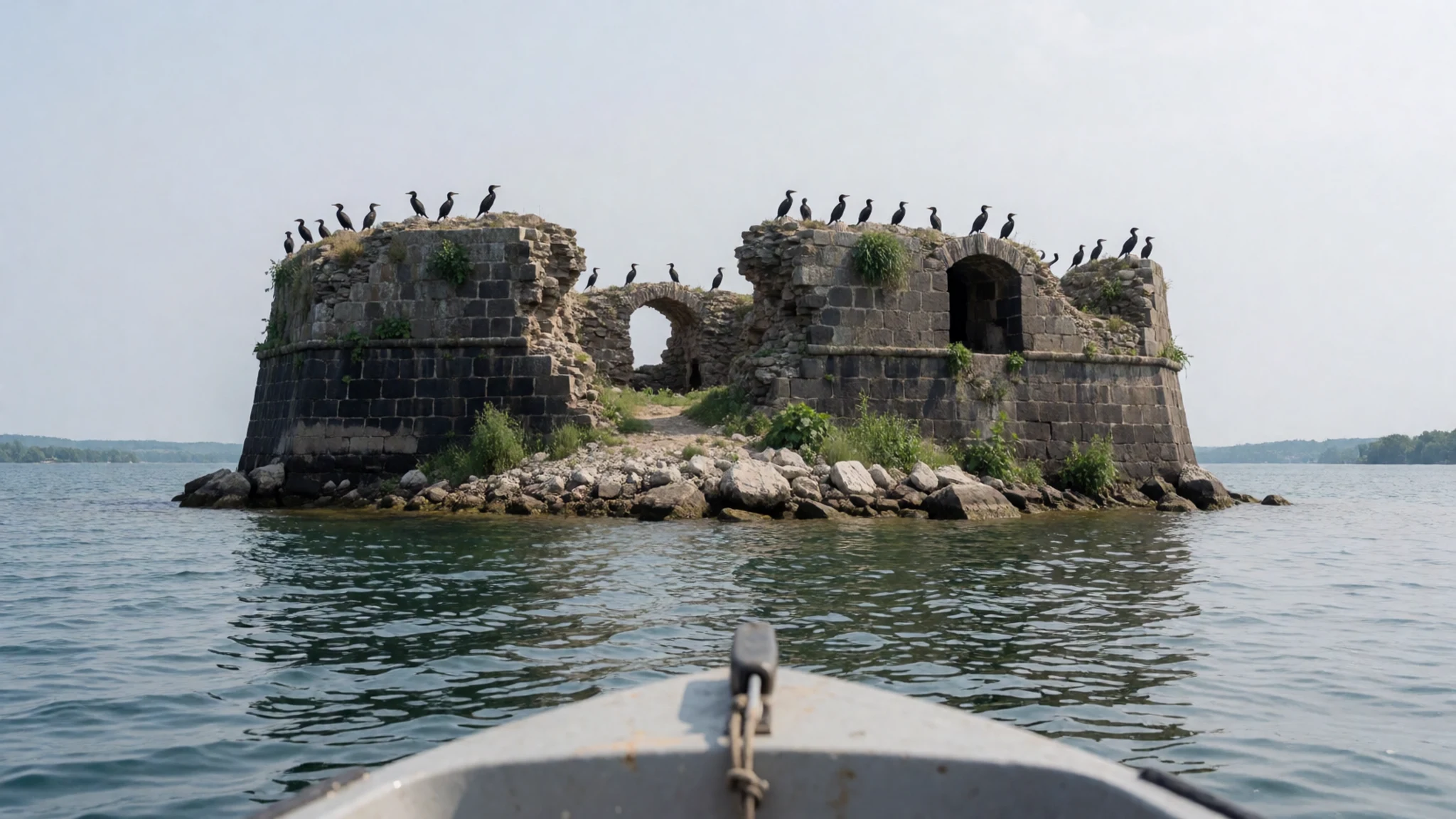
- Vitoja Karstic Spring — Near Tuzi, Montenegro
Located near the town of Tuzi, this powerful sublacustrine spring gushes crystal-clear water from beneath the limestone strata. It serves as a popular local recreational spot where visitors can observe the raw hydrological force of the karst system feeding directly into the lake basin from underground aquifers.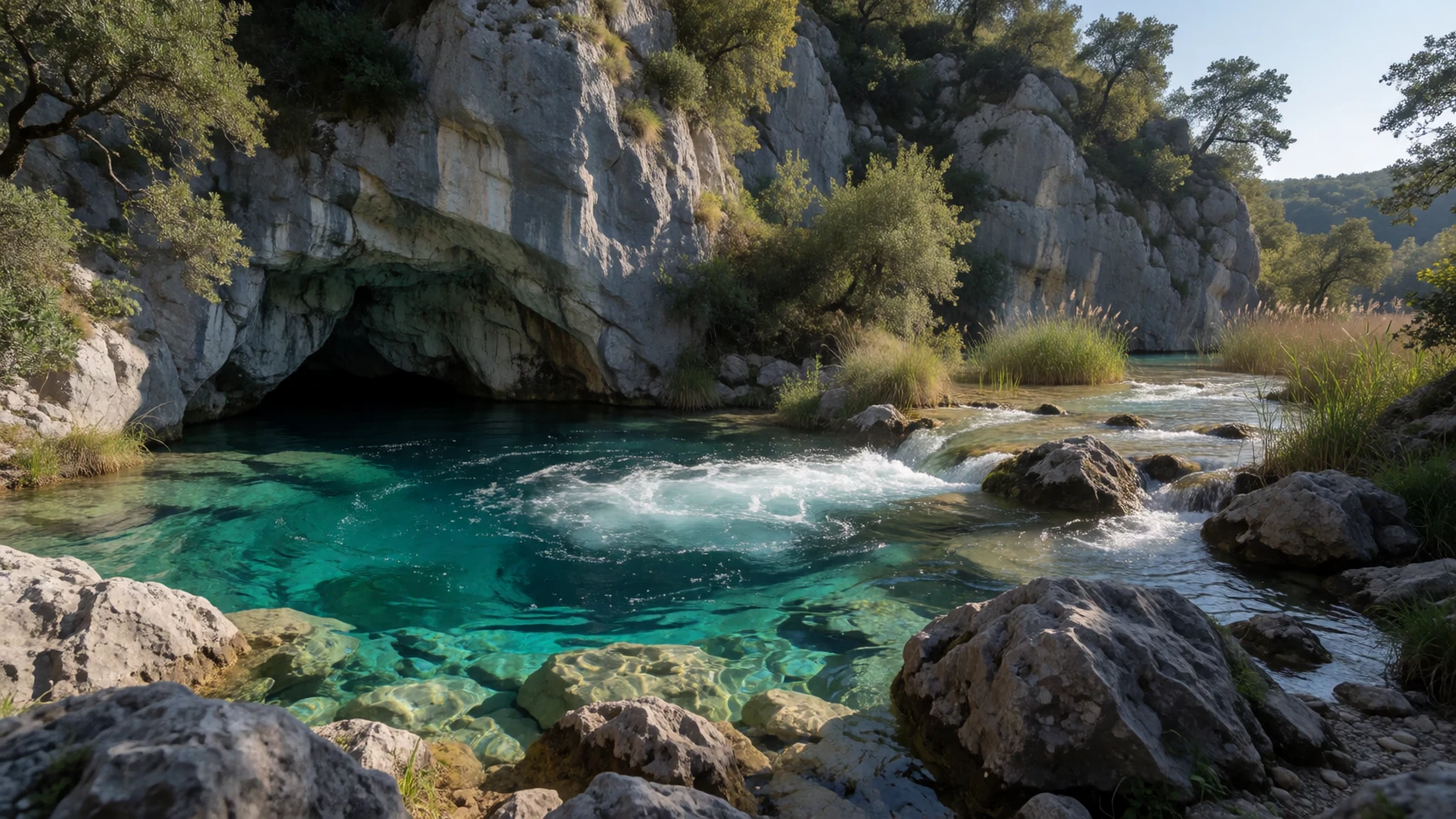
- River Buna Outflow — Southern delta, Albania/Montenegro border
The southern outlet where the lake discharges its accumulated waters through the Buna River toward the Adriatic Sea. This slow-moving boundary area features traditional wooden fishing platforms, reed-fringed banks, and a peaceful riparian landscape where birdwatchers can observe diverse wetland fauna year-round.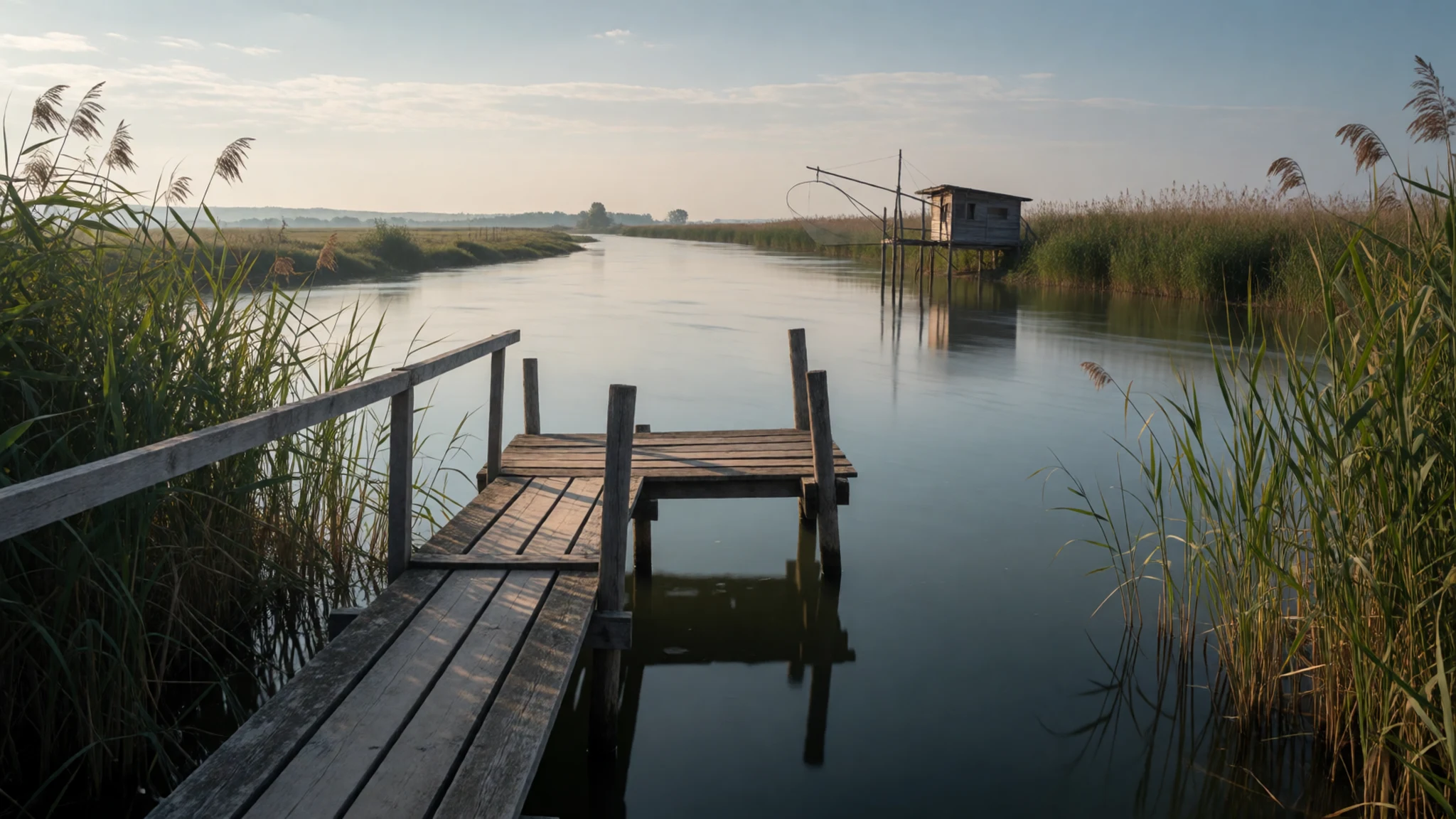
- Virpazar Village — Northwestern shore, Montenegro
A historic lakeside settlement situated at the confluence of two small rivers, serving as the primary gateway for boat excursions onto the water. Visitors can arrange traditional wooden boat tours, rent kayaks, or explore the stone market square surrounded by rustic cafes and old architectural remnants.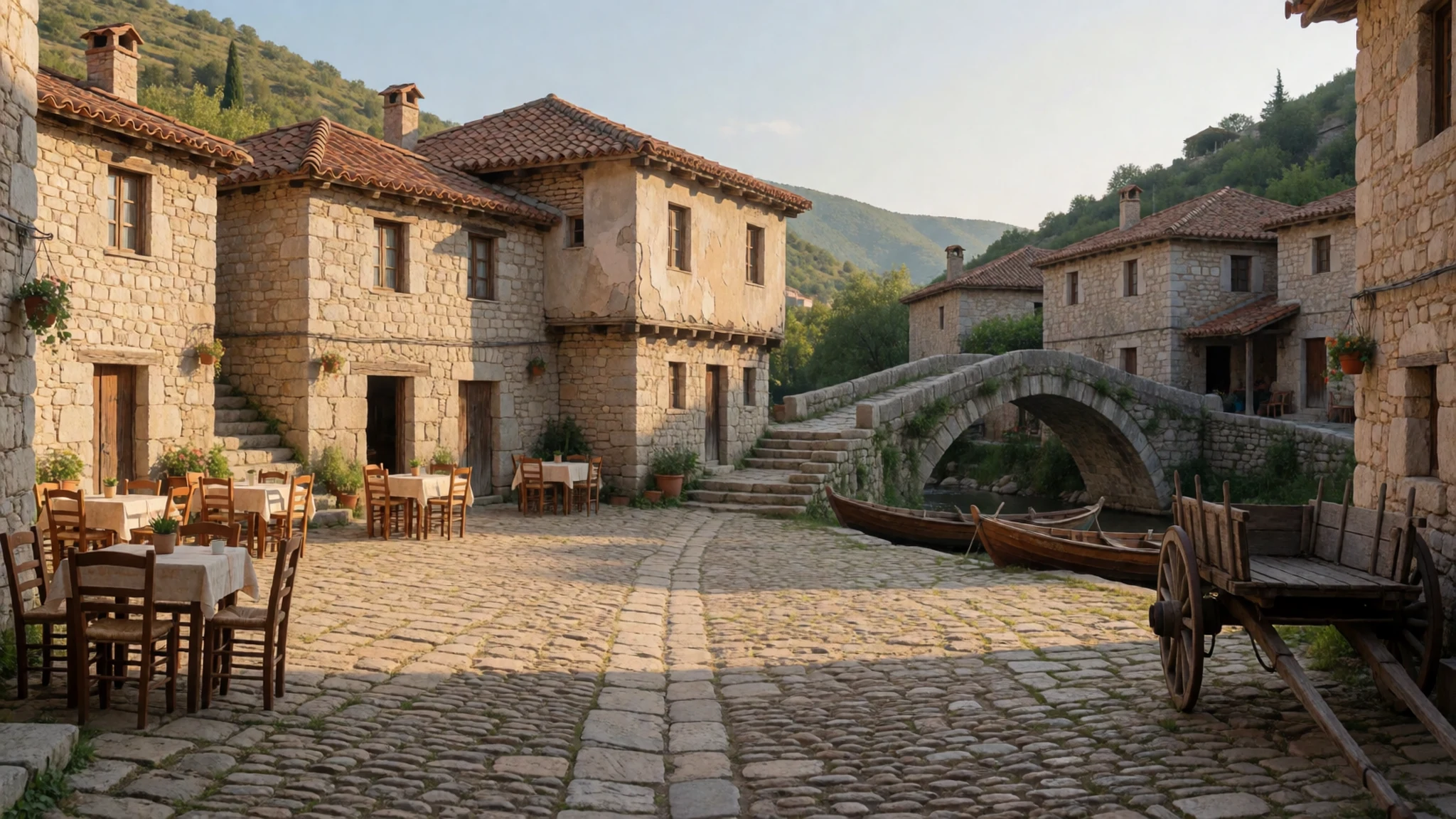
Culture
Life around Lake Skadar moves at a deliberate pace rooted in agrarian and fishing traditions that span generations. Hospitality is taken seriously, and guests are frequently welcomed with strong coffee, homemade fruit preserves, or local wine. Social interactions value sincerity and composure, and public displays of drunkenness are viewed with deep disapproval. When sharing a drink of local plum spirit, known as rakija, social etiquette requires looking your drinking companion directly in the eyes during the toast to show mutual respect.
Modesty remains an important cultural norm, particularly in rural settlements and when visiting religious sites scattered across the region. While casual summer attire is acceptable along lake beaches and outdoor cafes, visitors are expected to cover their shoulders and knees when entering churches or monasteries. Public institutions and administrative offices also enforce conservative dress codes, prohibiting extremely short trousers or beachwear indoors. When sharing meals or gathering in village taverns, patience and a polite greeting go a long way toward bridging language barriers with local residents.
Always maintain eye contact when clinking glasses for a toast, as failing to do so is considered a sign of disrespect.
What to wear
Traditional clothing in the Lake Skadar region reflects centuries of practical adaptation to both the scorching summer heat and the chilly winter mountain winds. Historically, garments were crafted from locally spun wool, linen, and heavy felted fabrics. Men traditionally wore embroidered waistcoats, heavy wool trousers, and felt caps, while women donned woven aprons, layered linen dresses, and elaborate headscarves adorned with silver coins or botanical motifs. These historical ensembles are now primarily preserved for folk festivals, national holidays, and cultural heritage displays rather than daily wear.
Contemporary dress across the towns and lakeside villages is casual and practical. Locals wear modern European streetwear, with lightweight cottons and linens dominating the warmer months, and durable denim, fleece, and waterproof jackets required when autumn storms sweep down from the surrounding peaks. For visitors exploring the area, comfortable walking shoes or sandals with good grip are essential for navigating uneven stone pathways, rocky shorelines, and wooden boat decks.
When visiting religious monasteries or formal local institutions, travellers should pack modest layers that cover the shoulders and knees. Swimwear must be strictly confined to designated lake beaches or swimming areas, as walking through village streets in swimwear is considered inappropriate.
What to eat
- Smoked Carp — Any traditional lakeside tavern around Virpazar or Rijeka Crnojevica
A signature regional delicacy harvested directly from the lake's fresh waters, traditionally salted, sun-dried, and lightly smoked over wood embers. It is typically served sliced thin as an appetizer or simmered in a rich onion and tomato broth in traditional lakeside taverns.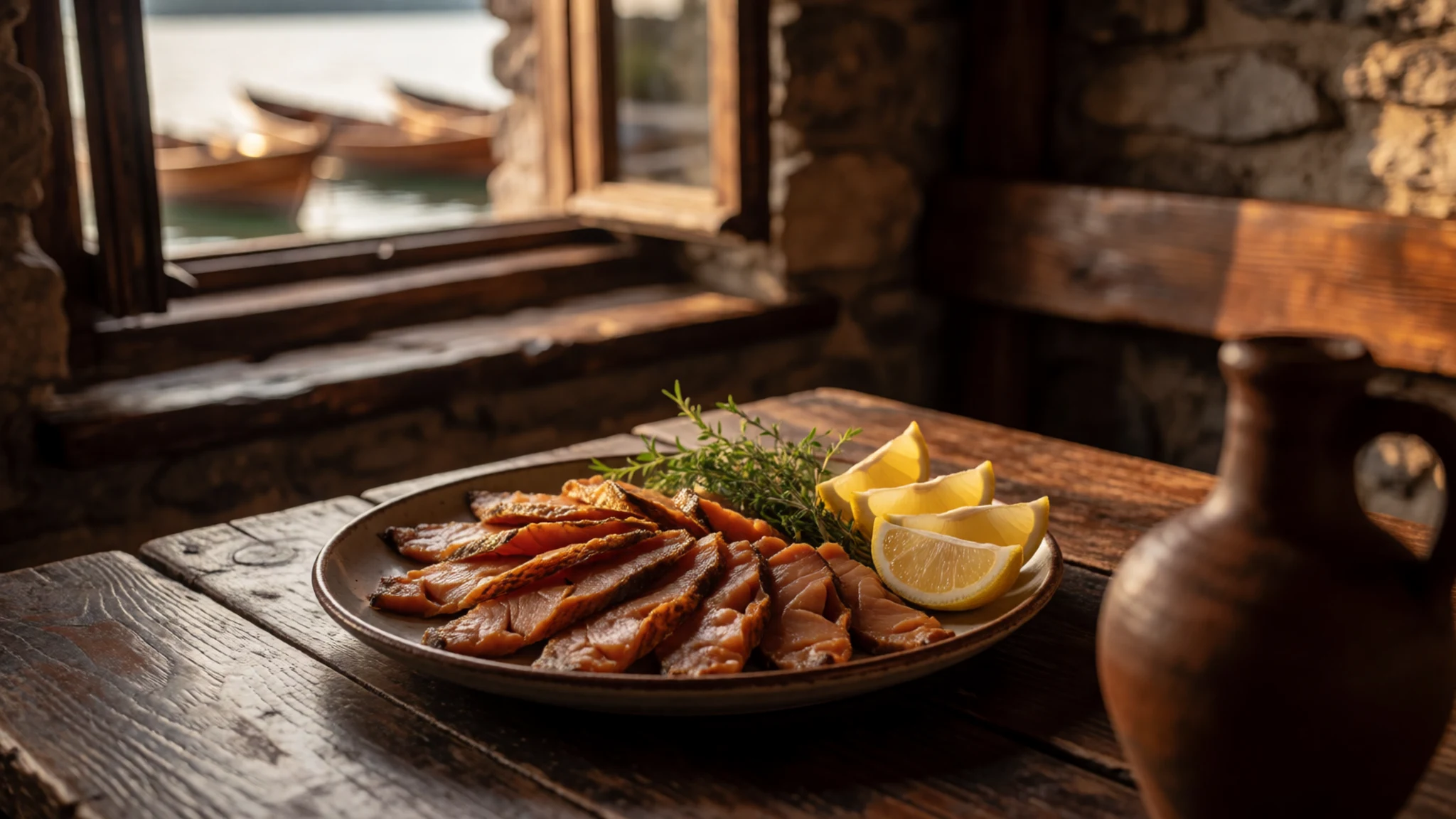
- Njeguški Pršut — Local markets and traditional family-run eateries across the region
A prized dry-cured ham originating from the nearby mountain highlands, air-dried over beech wood smoke and mountain breezes. It is sliced paper-thin and served cold alongside local cheeses as an essential hors-d'oeuvre before the main meal.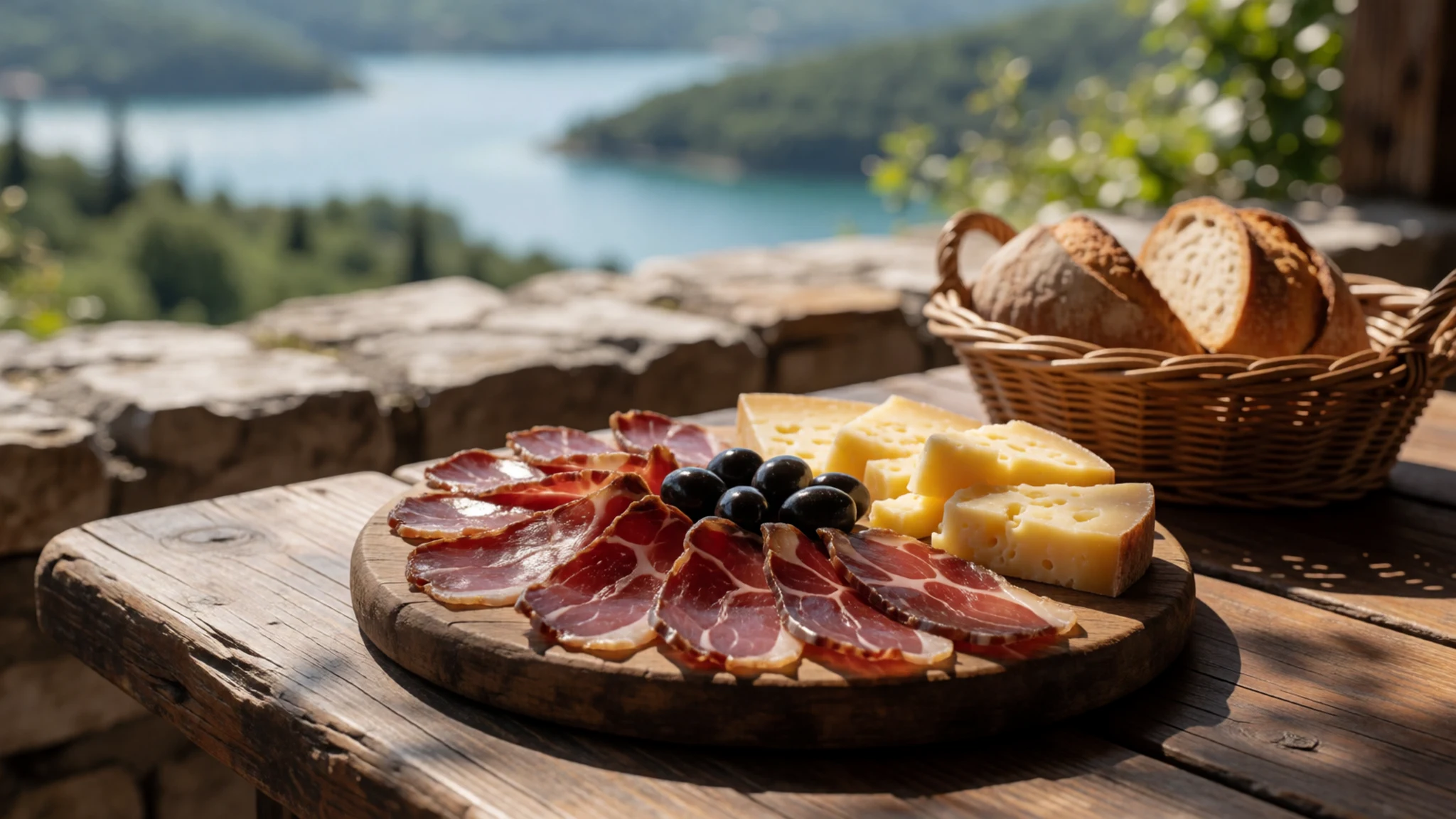
- Cicvara — Rural family restaurants and mountain roadhouses
A rich, hearty traditional dish made from corn flour cooked slowly in fresh milk cream and melted cheese until thick and buttery. It is traditionally served warm in a shallow clay dish, often accompanied by sour milk. - Kastradina — Traditional village taverns throughout central Montenegro
A traditional cured mutton specialty prepared through a rigorous process of salting, drying, and smoking over hardwood fires. It is commonly slow-cooked with cabbage or potatoes during cooler months to create a deeply warming stew. - Donuts with Honey and Figs — Local cafes and village bakeries near the lake shore
Golden, pillowy fried dough pastries served drizzled with thick local honey and accompanied by sun-dried figs. They represent a classic regional dessert enjoyed alongside afternoon coffee or wine.
Plan it
Best time. May, June, September, and October offer the most pleasant weather for boat trips and hiking without the intense heat and heavy crowds of midsummer.
How long. 2–3
Getting there. Fly into Podgorica Airport, then take a taxi or bus toward Virpazar (about 30 minutes away); international train lines also connect Podgorica to Bar with a stop at Virpazar.
Budget. mid
Tips
- Book boat tours in the early morning to catch calm waters and active birdlife
- Carry cash in local currency, as small village shops and boat operators rarely accept cards
- Wear sturdy footwear for exploring uneven limestone paths and rocky shoreline trails
- Check official border and visa requirements in advance if crossing between Montenegro and Albania by land or water
Etiquette
- Look your companion in the eyes when clinking glasses during a toast
- Cover your shoulders and knees when visiting churches or monasteries
- Keep to main roads and avoid uncultivated border zones due to historical landmine warnings
Nearby
Sources
- Wikidata Q203811 (CC0)
- Wikipedia (rev 1381495439) (CC BY-SA 4.0)
- Wikivoyage (rev 5388259) (CC BY-SA 4.0)
- Photo 01-skadarsko-jezero.jpg (CC BY-SA 4.0)
- Photo 02-satellite-image-of-lake-scutari-2020.jpg (Public domain)
- Photo 03-lake-shkod-r.jpg (CC BY 3.0)
- Photo 04-westlicher-teil-des-skutarisee.jpg (CC BY 3.0)
- Photo 05-02-maja-stosic-pavlova-strana.jpg (CC BY-SA 4.0)
- Photo 06-grmozur-2.jpg (CC BY 2.5)
- Photo 07-skadar-lake-montenegro-37.jpg (CC BY-SA 4.0)
- Photo 08-dalmatian-pelican-lake-skadar.jpg (CC0 1.0)


