Kotor
Kotor, Montenegro
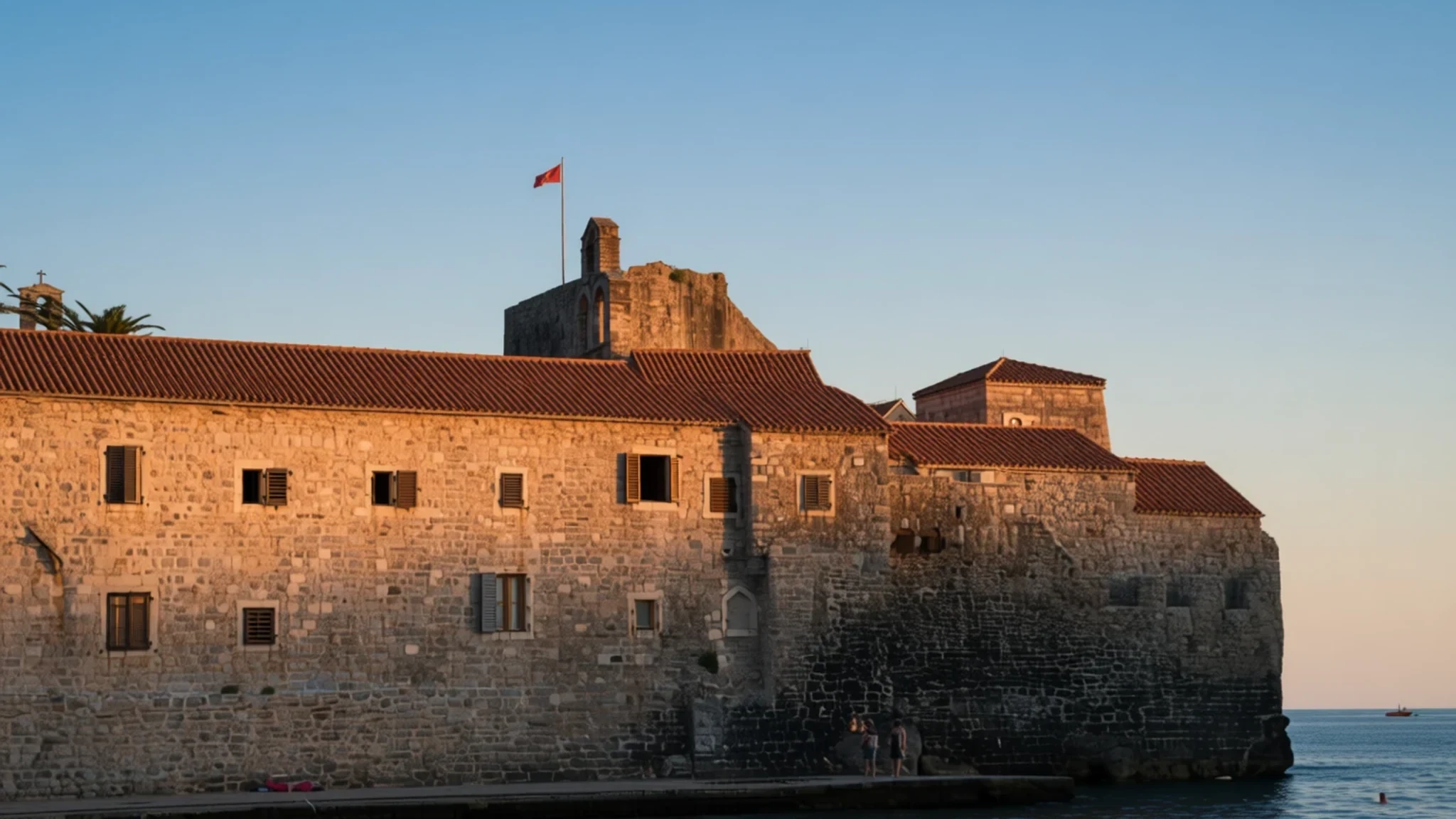
Come for a walled old town set against steep mountains on one of the Adriatic's most dramatic inlets, and stay long enough to climb above it.
The place
Kotor sits at the inner end of the Bay of Kotor (Boka Kotorska) on Montenegro's northern coast, where the Adriatic runs far into a deep, narrow inlet. The bay is a ria, a former river valley drowned by the sea, so the water is long and the mountains drop almost straight into it. The old town occupies a small strip of flat ground at the foot of these slopes, enclosed by walls that Venetian builders constructed during the centuries the town belonged to their republic. Inside, the lanes are stone-paved and the squares are small, and most of the historic centre is closed to traffic, so walking across it takes far less time than the views seem to deserve.
The landscape is the main reason people come. A walk along the walls rises above the rooftops and gives a long view down the bay, with terracotta roofs in the foreground and water beyond. Behind the town a zigzag path climbs the hillside toward a church and a ruined fortress, and the switchbacks are steep enough to test knees in summer heat.
In recent years cruise ships have brought large groups who fill the main square and the cathedral steps by late morning. The crowds thin once the day-trippers leave, and the evening light on the bay suits the old town better than midday. Summer is hot and still, with little shade on the walls, so carry water and start climbing early. A couple of days covers the old town, the walls and the hill path, with time left over for a boat trip out onto the bay.
Its story
Kotor's recorded past runs through a long list of rulers, which helps explain why its buildings look so layered. Illyrian peoples lived around the bay before the Romans arrived, and Roman authority later reached the coast. As the Roman west declined, the town passed through Ostrogothic and Byzantine hands, then Serbian, Hungarian and Bosnian ones, and for periods it governed itself as a commune. For most of the later medieval and early modern period, though, the town was Venetian, and that period shaped the walls that still enclose the old town.
The Venetians treated the bay as a strategic frontier. Warships and merchant vessels in the harbour could be watched from the heights above, and the town served as a trading point between the Adriatic and the Balkan interior. The Italian name Cattaro, used in old maps and official papers, is still the name the town is known by abroad in older histories, and the old cathedral square carries a memory of that Italian past in its architecture and layout.
Venetian rule ended when Napoleon's campaigns reached the Adriatic, and the town then passed through French, British and Austrian hands. Under Austria the coast became a naval base, and the harbour was used by the imperial fleet. That naval story reached a dramatic moment in February 1918, when sailors at the base rose in revolt over food and conditions. A memorial plaque to the uprising hangs on the town hall, and it is one of the few reminders of that episode in the town.
After the First World War Kotor became part of Yugoslavia, and it stayed within the federation for decades. Montenegro later became an independent state, and the town today is a regional centre for tourism as well as a place where its layered past is easy to read on the walls and in the squares.
What to see
- St Tryphon's Cathedral — Main square, old town
The cathedral on the main square is the town's landmark. Its building dates from the 12th century, though earthquakes have forced repairs and rebuilding over the centuries, and it blends Romanesque and Gothic styling. A chapel holds the remains of St Tryphon, the patron saint of Kotor. The interior is fairly dim, so bring a light layer, and give worshippers space when you step inside.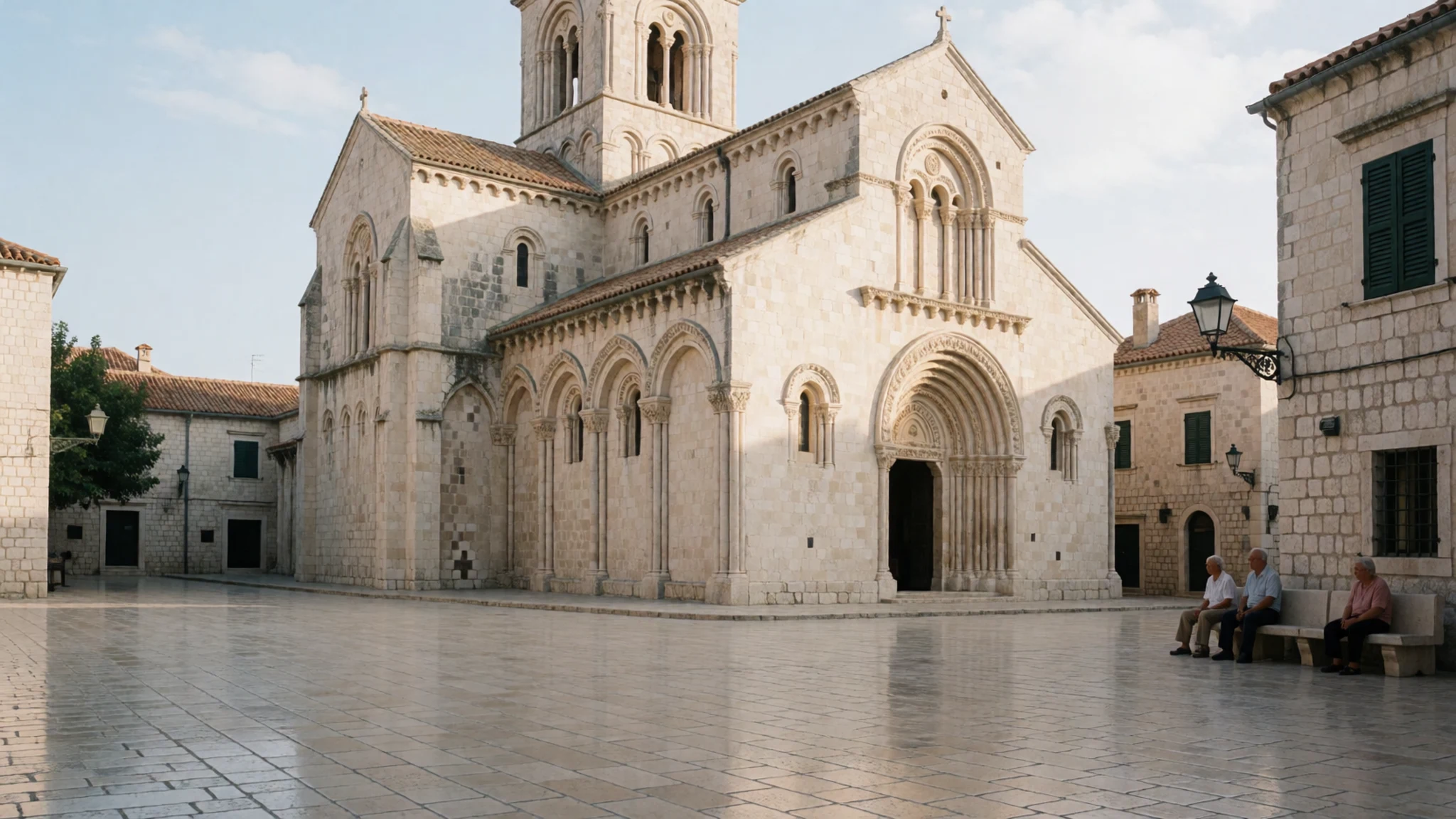
- St Nicholas Church — Old town
The biggest Orthodox church in the old town, St Nicholas is a working place of worship, so keep visits brief during services and dress with covered shoulders. The interior is richly decorated and gives a different feel from the Romanesque-Gothic cathedral on the square. Visits are best in the quieter hours of the day, when the groups have moved on.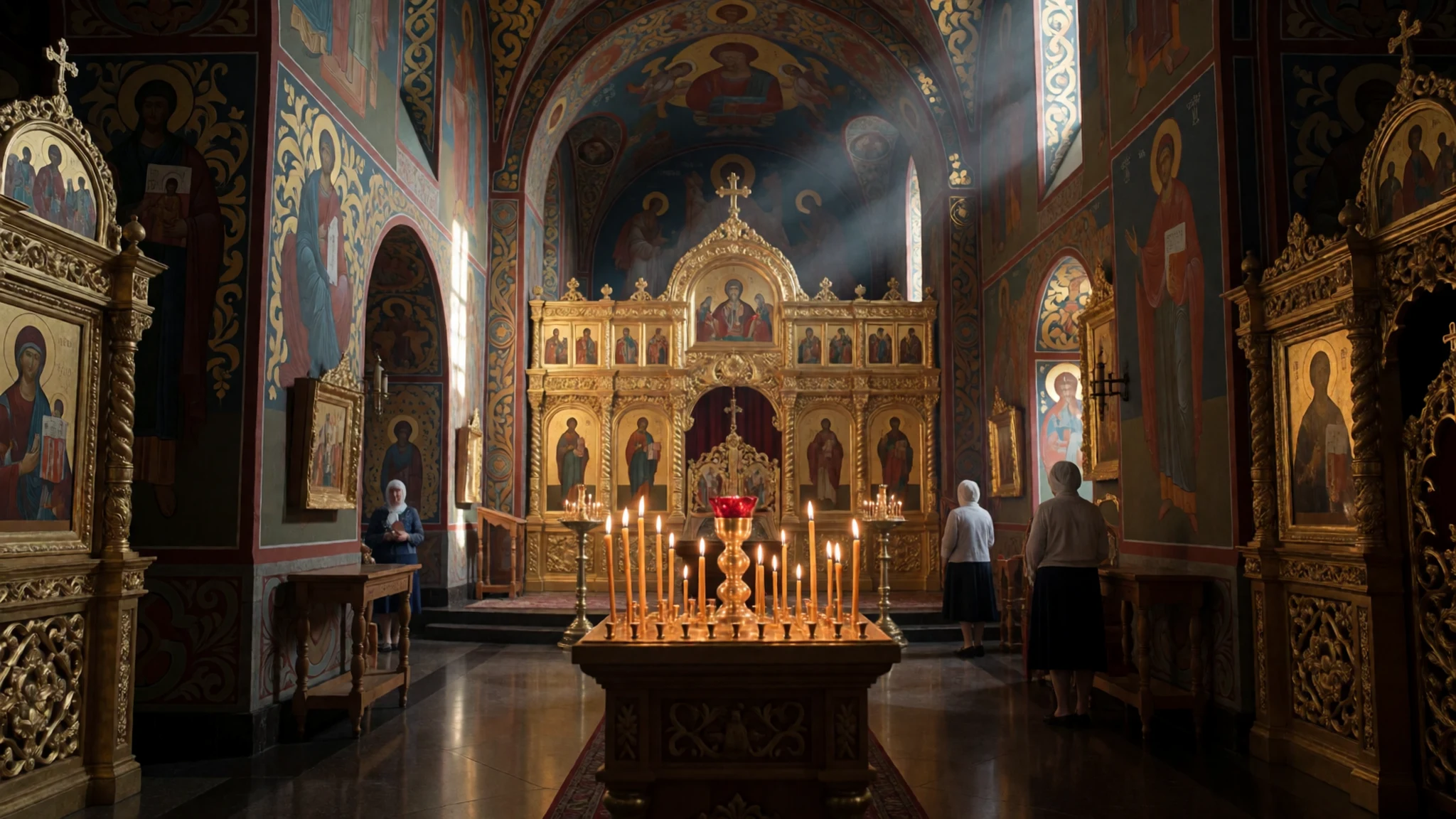
- Castle of San Giovanni — Above the old town, on the fortification trail
The ruins of this castle sit at the top of the trail along the town's fortifications. The climb is steady rather than extreme, and the reward is a wide view over the rooftops to the bay and the mountains behind it. Go early or late in the day, because the stone holds heat in the afternoon, and wear shoes with good grip, as parts of the path are loose.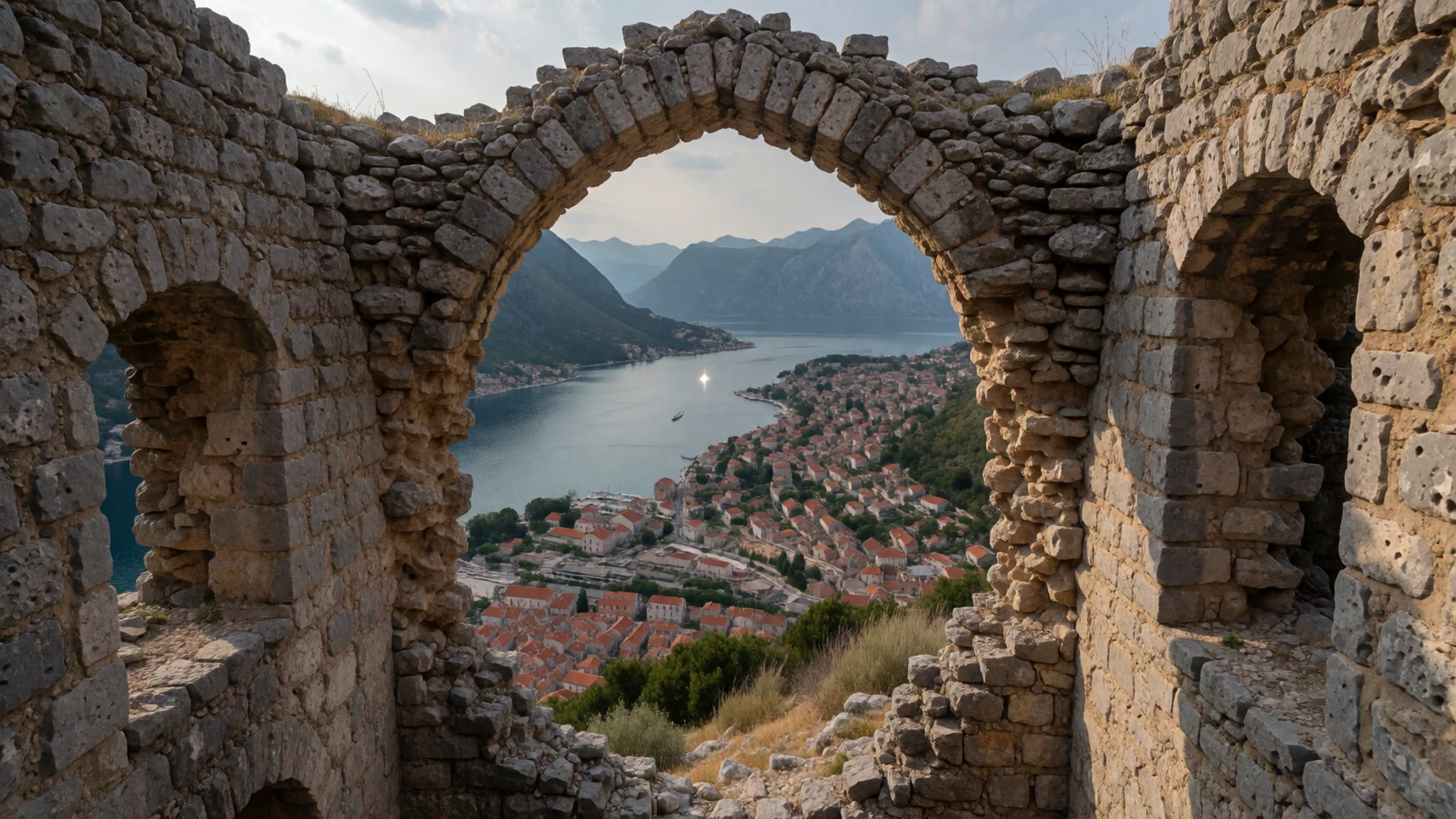
- Church of Our Lady of Remedy — Mountain slope above the old town
This church on the mountain slope above the town was built by plague survivors to honour the Holy Mother. Reaching it means climbing the trail up the fortifications from the old town, a steep and sweaty walk in summer, so take water. The small building rewards the effort with a view over the walls and across the bay.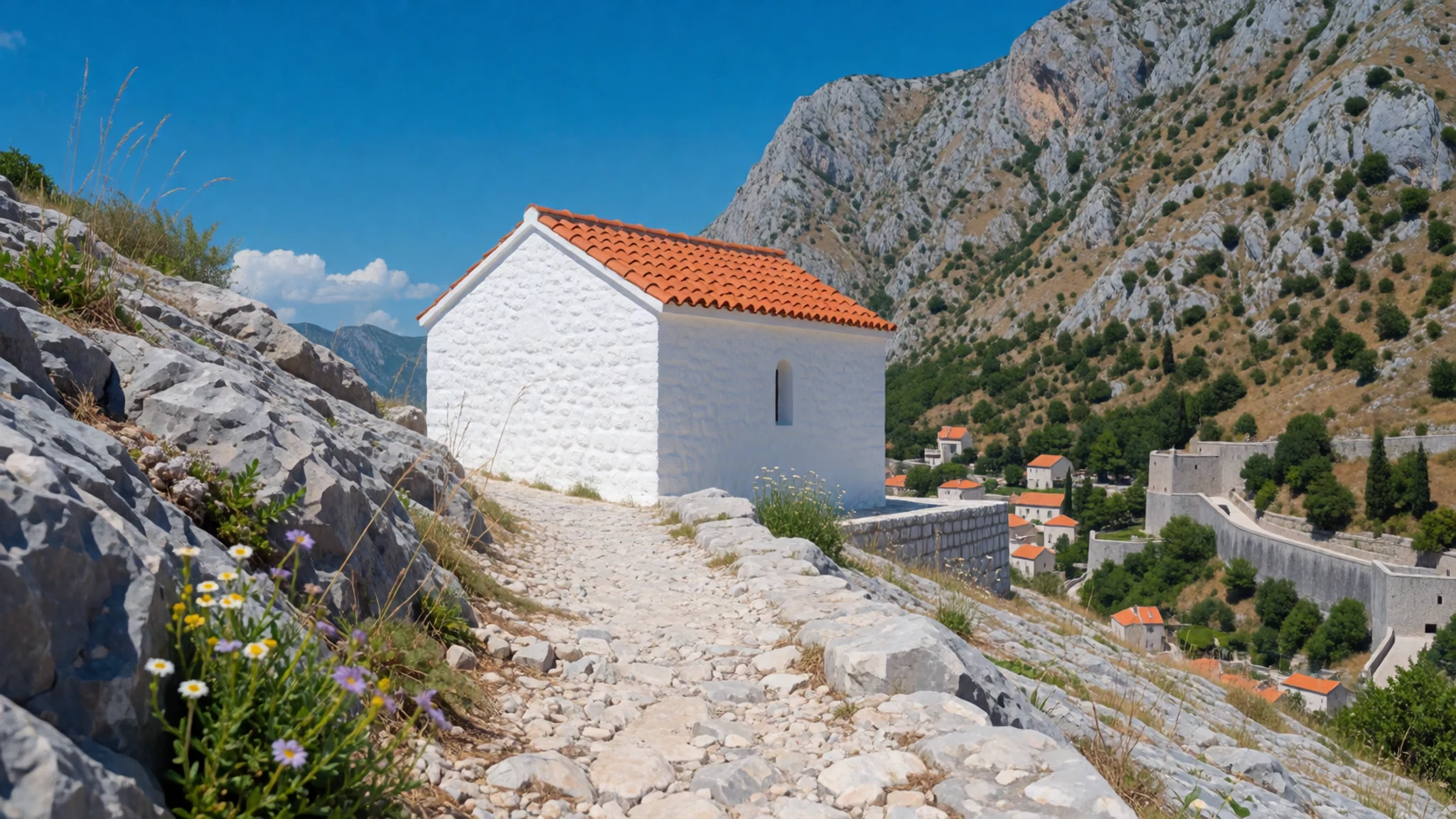
- Maritime Museum — Old town
Three floors of photographs, uniforms, weapons, paintings and model ships trace the bay's seafaring life and the naval base that once used the harbour. It is a good indoor option when the afternoon heat or rain makes the walls less appealing. Allow an hour or so, and read the panels, because much of the material relates to the Austrian-era navy.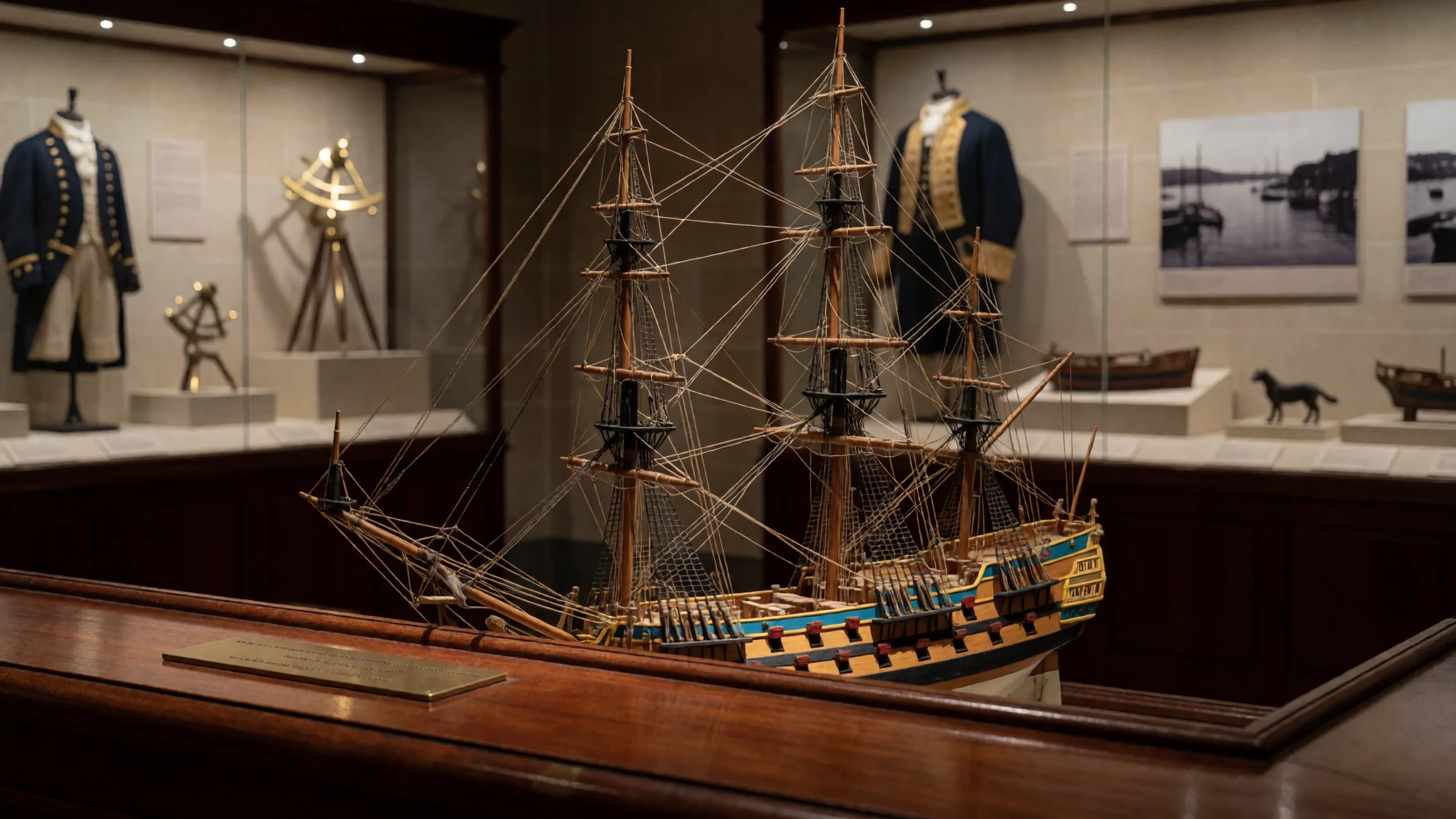
- The walk on the walls — Along the old town walls
The walk along the walls is the best way to understand the town's layout. It climbs above the rooftops and offers changing views of the bay, the narrow streets below and the inlet that runs along the fortifications. Expect steps and uneven stone, take water in summer, and allow time to stop where the views open out.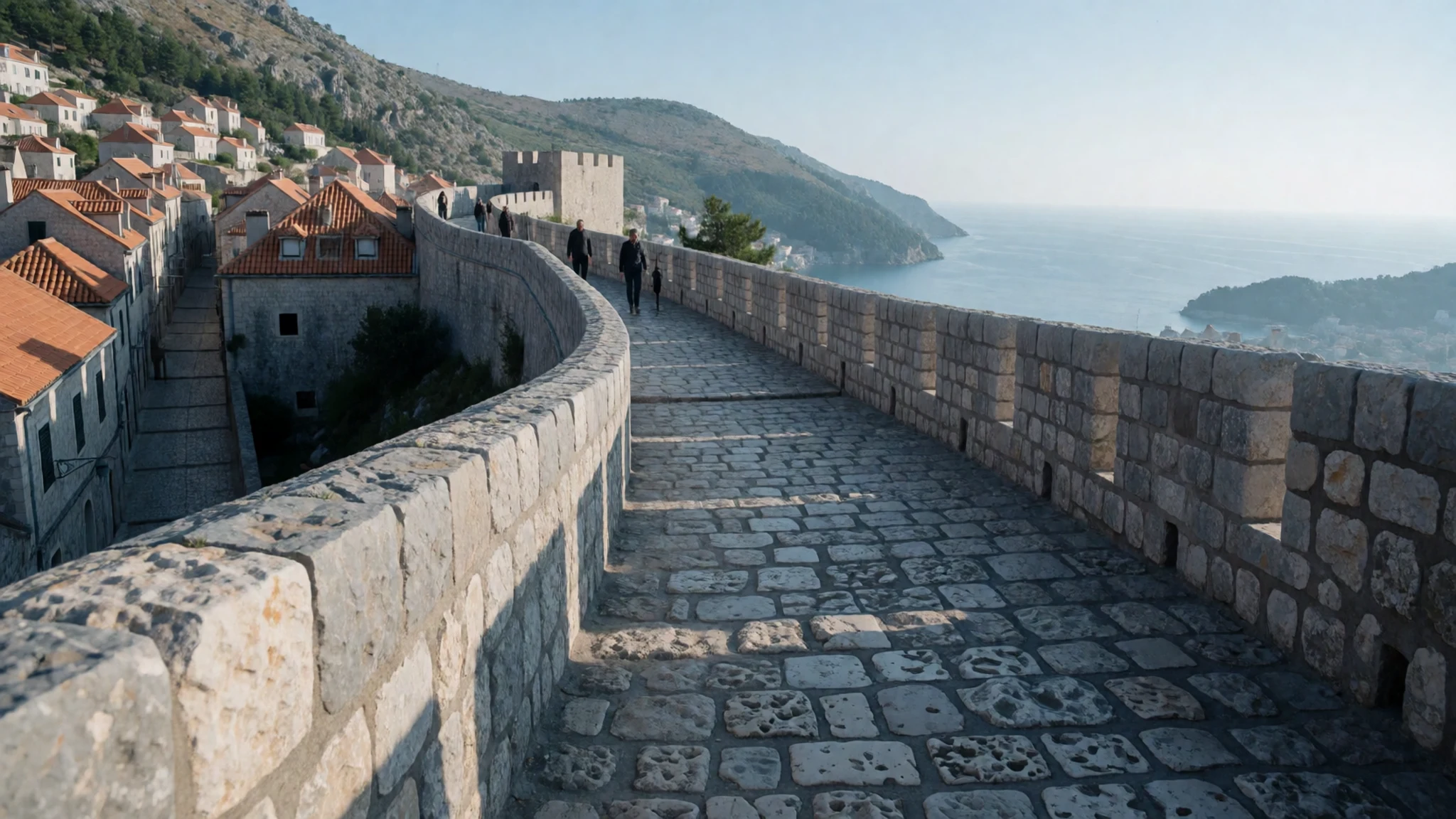
Culture
Kotor takes its festivals seriously. Summer brings the Summer Carnival and Bokeljska Noć, and the town has hosted an international congress of carnival cities, a sign of how much its streets and squares matter to local life. A children's theatre festival, one of the best known of its kind in south-east Europe, draws companies from many countries and fills the old town with performances.
Cats are part of the local identity. Many live in the old town's courtyards and on its steps, and the city has cat shops, a cat museum and Cats' Square (Trg od mačaka). The animals are treated as a civic symbol rather than a nuisance. Locals are fond of them, and so are most visitors, but cats are best admired from a distance rather than fed from restaurant tables.
The churches here are working places of worship first and sights second. Services set the rhythm of the day at the cathedral and at St Nicholas, and staff expect quiet inside. Photographing people at prayer can cause real offence. Take off hats and sunglasses inside churches, keep your voice low, and ask before photographing anyone at prayer.
What to wear
Traditional dress in the Kotor area survives mostly in folk performances, festival processions and the displays of local museums rather than in everyday life, and the sources behind this reading do not describe its cut or cloth in detail. If you want specifics, the Maritime Museum and the town's folk groups are the places to ask. The older costumes of the wider Boka region are generally associated with woollen and embroidered fabrics suited to the mountain air, and they are worn at feast days and celebrations.
What people wear now is much closer to the rest of Europe. In the old town you will see summer dresses, light shirts, shorts and sandals alongside smart casual clothes for evening meals. Locals dress neatly for church and for the Saturday and holiday promenades, and nobody is out of place in simple clothes.
What a visitor should wear depends on the season and the terrain. In summer, pack light, breathable clothes, a hat and sunglasses, because the stone and the walls hold heat and shade is scarce. Carry a layer for evenings and for cool church interiors. Covered shoulders and knees are expected when entering churches. Footwear matters most: the old town's stone is slippery when wet, and the hill paths are steep and uneven, so choose shoes with good grip.
What to eat
- Fresh pastries — A pastry shop in the old town, busy in the morning
The town's most popular pastry shop turns out fresh sweet and savoury pastries from early in the day, and they are a good breakfast before the walls. Locals often take a pastry standing at the counter. Choose one with cheese or meat for a savoury start, or something sweet if the morning is already warm. Eat it early, while it is still fresh.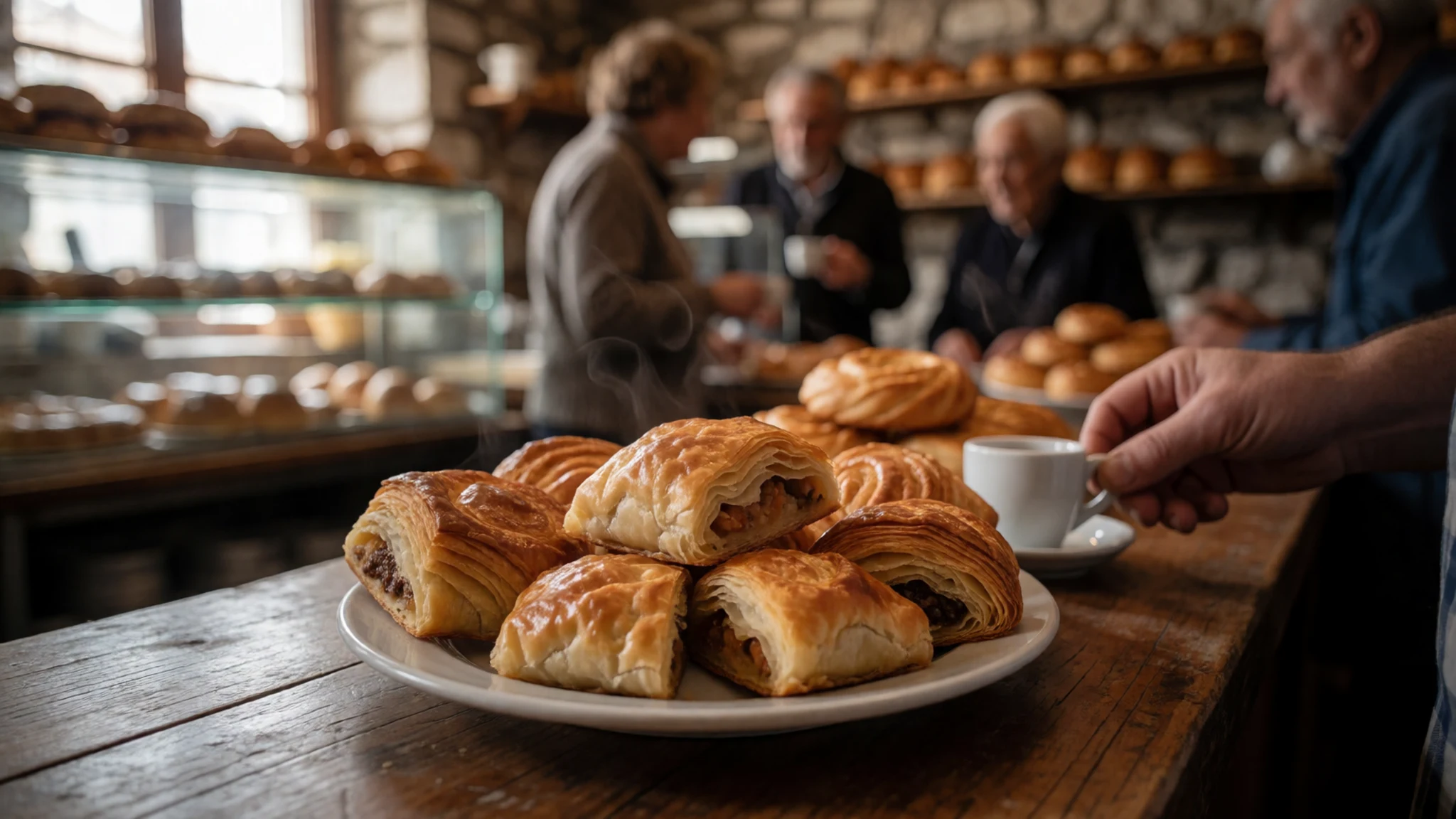
- Pizza by the slice — A slice counter or pizzeria in the old town
Large slices of pizza are sold by the piece for a quick lunch between sights. The Italian influence on the coast shows in the toppings and the way pizzerias work. A slice is an easy, filling option when you want to keep moving, and most pizzerias also serve whole pizzas and pasta for a longer sit-down meal.
- Grilled fish and seafood — A takeaway fish grill, the kind found near the water
Fresh fish and seafood are cooked to order at takeaway grills, often served with side dishes such as seafood risotto and fries. Ask what came in that morning, and eat it quickly while it is hot. The bay supplies much of the fish, so the menu follows the day's catch rather than a fixed list.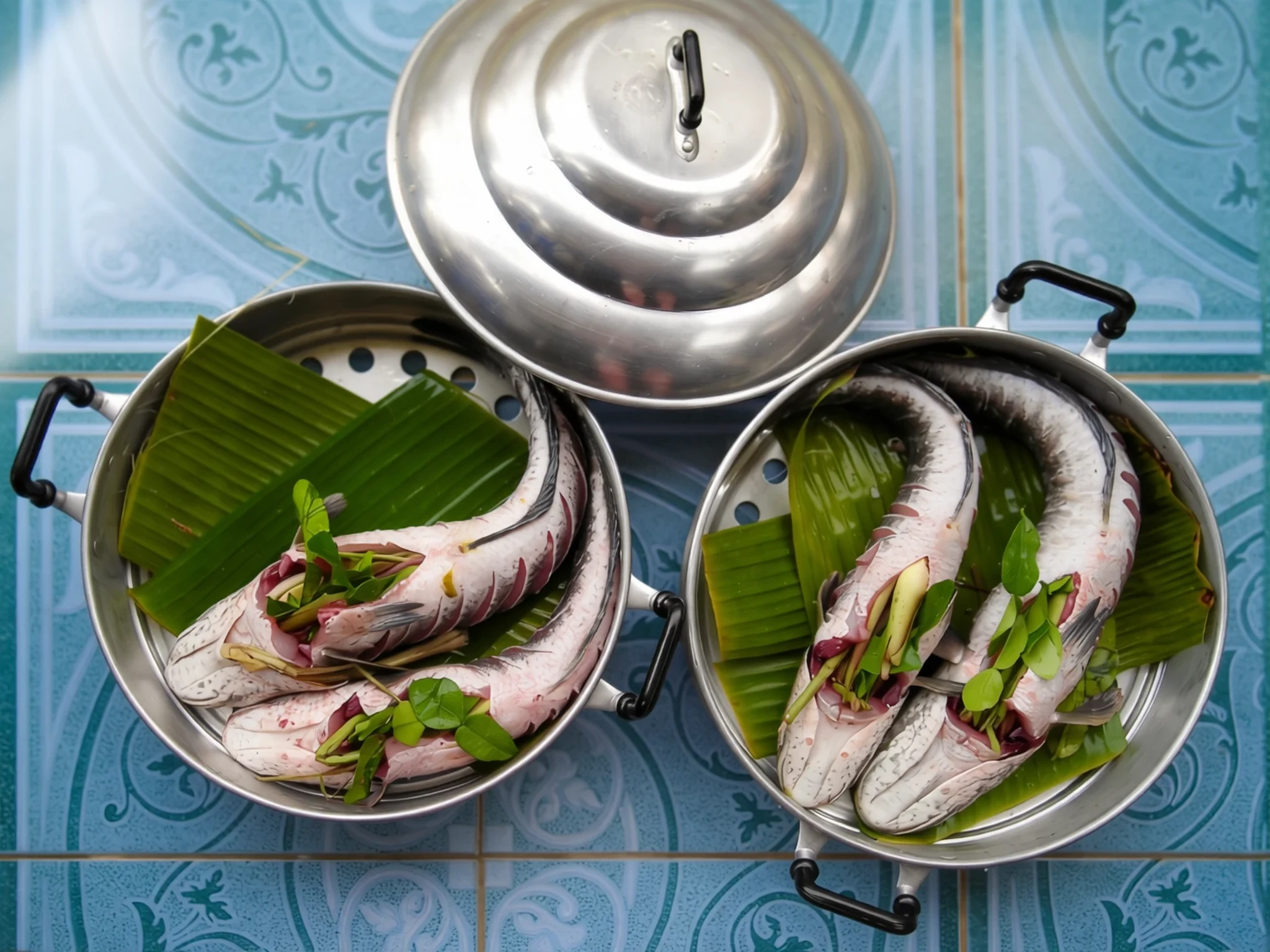
- Grilled meats — A family-run butcher's restaurant, a short walk from the old town
Family-run butchers with an attached restaurant serve generous platters of grilled meat, a hearty meal in the Montenegrin manner. Portions are large, so arrive hungry or share. The service at these places is usually friendly and informal, and they suit a relaxed evening away from the main squares. - Dalmatian-style home cooking — A small local restaurant away from the main square
Coastal Dalmatian-style cooking uses simple preparations of local fish, vegetables, olive oil and herbs, with an emphasis on freshness rather than heavy sauces. Small local restaurants serve it at fair prices, and they are a good way to eat away from the cruise-ship crowds. Ask what is cooked that day.
Plan it
Best time. April, May and October are the easiest months: the days are warm rather than punishing, the bay is pleasant for boats, and cruise groups are lighter than in high summer. July and August are hot and busy, with little shade on the walls. Winter is quiet and damp, and many seasonal businesses close.
How long. 2–3
Getting there. Tivat Airport is 8 km away. Dubrovnik airport in Croatia, 73 km away, has more connections from European cities. From Dubrovnik a fast ferry runs mainly in high season, taking about three hours and avoiding border queues. Buses link Kotor with Budva, Herceg Novi, Podgorica and Dubrovnik, and the bus station is a short walk from the old town.
Budget. mid
Tips
- Visit the old town early or in the evening, before and after the cruise-ship groups arrive.
- Carry cash for small bakeries, kiosks and some smaller restaurants, and expect cards in larger places.
- Bring water and a hat for the walls and the hill path, especially between late morning and late afternoon in summer.
- Book boat trips on the bay in advance during high season, when the best departures fill quickly.
Etiquette
- Dress with covered shoulders and knees when entering churches.
- Ask before photographing people at prayer or during private ceremonies.
- Keep to the marked paths on the walls and stay back from the edges of the fortifications.
Nearby
Sources
- Wikidata Q171080 (CC0)
- Wikipedia: Kotor (rev 1382916568) (CC BY-SA 4.0)
- Wikivoyage: Kotor (rev 5407570) (CC BY-SA 4.0)
- Crkva Gospa od Zdravlja, Kotor bay (User:Ggia) (CC BY 3.0)
- Plac Broni w Kotorze (Marcin Konsek) (CC BY-SA 4.0)
- Church of St. Nicholas, Kotor (Larry Koester) (CC BY 2.5)
- Kotor, Montenegro (Clay Gilliland) (CC BY-SA 2.0)
- Cytadela w obrębie murów miejskich w Kotorze (Marcin Konsek) (CC BY-SA 4.0)
- Kotor-Montenegro-Scurda (Bjørn Christian Tørrissen) (CC BY-SA 4.0)
- Der Domplatz von Cattaro, 1841 (Rudolf von Alt) (Public domain)
- Gedenktafel Matrosenaufstand 1918, Kotor Rathaus (Szojak) (CC BY-SA 4.0)


