Lake Ohrid
Lake Ohrid, North Macedonia
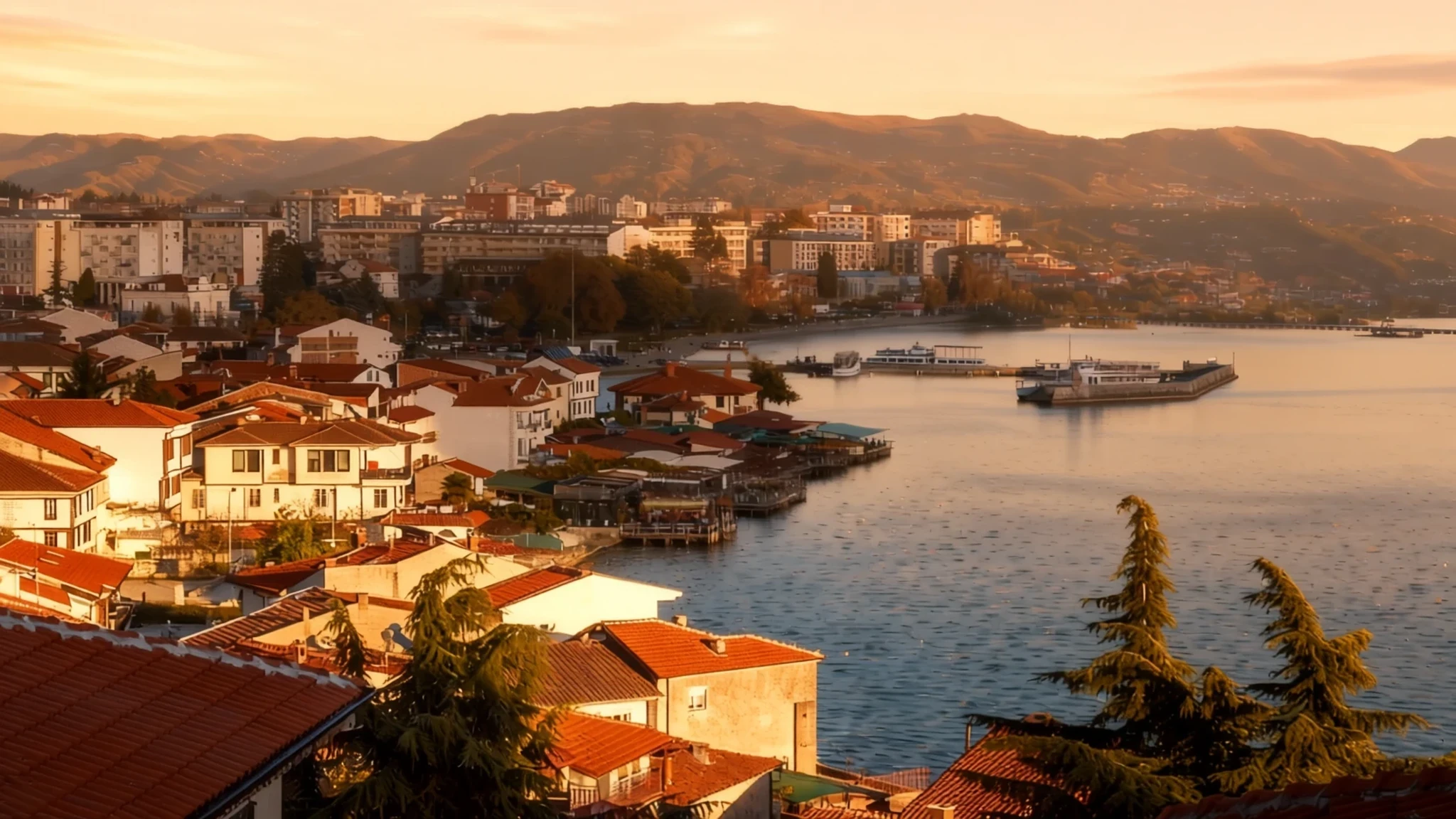
Lake Ohrid is one of the oldest and deepest lakes in Europe, with wildlife found nowhere else, set between the mountains of North Macedonia and Albania.
The place
Lake Ohrid sits at about 695 metres above sea level, in a deep basin on the mountainous border between North Macedonia and Albania. Its water covers around 358 square kilometres. The lake is among the oldest in the world, and its maximum depth of 288 metres and average depth of 155 metres make it the deepest lake in the Balkans. Most of the shoreline lies on the North Macedonian side, where the towns of Ohrid and Struga stand, while Pogradec sits on the Albanian shore. Away from the towns, the lake is ringed by villages, small resorts and the hills of Galičica National Park, which runs along part of the southwestern edge. Scientists value the water for its wildlife, with more than 200 endemic species, many found only in this basin. The Albanian coast has its own protected nature reserve, and the wider basin is managed as a shared transboundary area. For a visitor, the feel changes with the shoreline. Ohrid's old town is compact and busy in summer, while the quieter southern and western edges reward slower travel by bus, taxi or hired car.
Its story
The story of Lake Ohrid begins long before the towns. The basin has held water for an extraordinary stretch of geological time, which is why its animals and plants evolved in isolation and why so many exist nowhere else. People arrived later, and settlement around the lake grew over the centuries. Early Christian communities built churches on the shore, and the basilica at Lin, on the Albanian side, is a reminder of how old the faith is around these waters. In the medieval period Ohrid became a major religious and cultural centre for the Slavonic-speaking world, with monasteries and schools that copied manuscripts and taught in the local language. Later came Ottoman rule, when the lake towns were folded into a wider empire, followed by twentieth-century political change that drew the modern border through the basin. Recognition arrived in 1979, when the North Macedonian side was listed as a World Heritage Site, and the Albanian side was designated in 2019. Today the lake is studied as much for its ecology as for its history. Its story is one of slow natural time, layered human settlement and a border that cuts through a single, continuous body of water.
What to see
- Ohrid Old Town and Samuel's Fortress — Ohrid old town, above the lake
Climb from the old town's lanes to Samuel's Fortress, a medieval hilltop fortress traditionally linked with the Bulgarian ruler Samuel. The path is steep and the stones uneven, so sturdy shoes make sense. The reward is the view over red roofs to the lake and the mountains beyond. Go early or late, because the open slope has little shade in summer heat. Check the official site for opening times.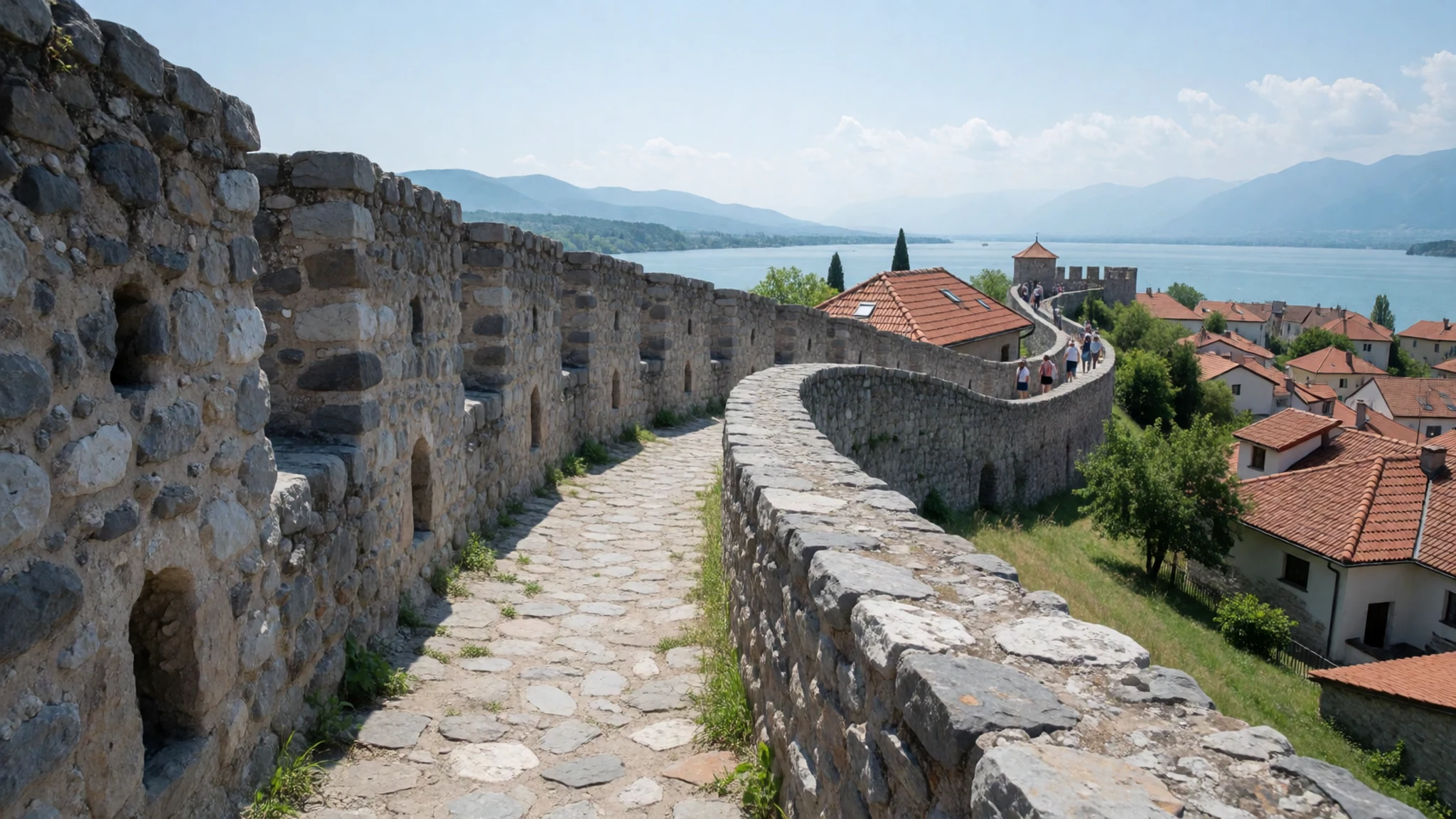
- Church of St John at Kaneo — Kaneo, on the shore below the old town
The small church of St John at Kaneo perches on a rocky outcrop above the water, a short walk from the old town along the shore. It is the picture most people come home with, its stone walls reflected in the lake. Inside, the frescoes are old and fragile, so look without touching. Visit early, before the tour groups arrive.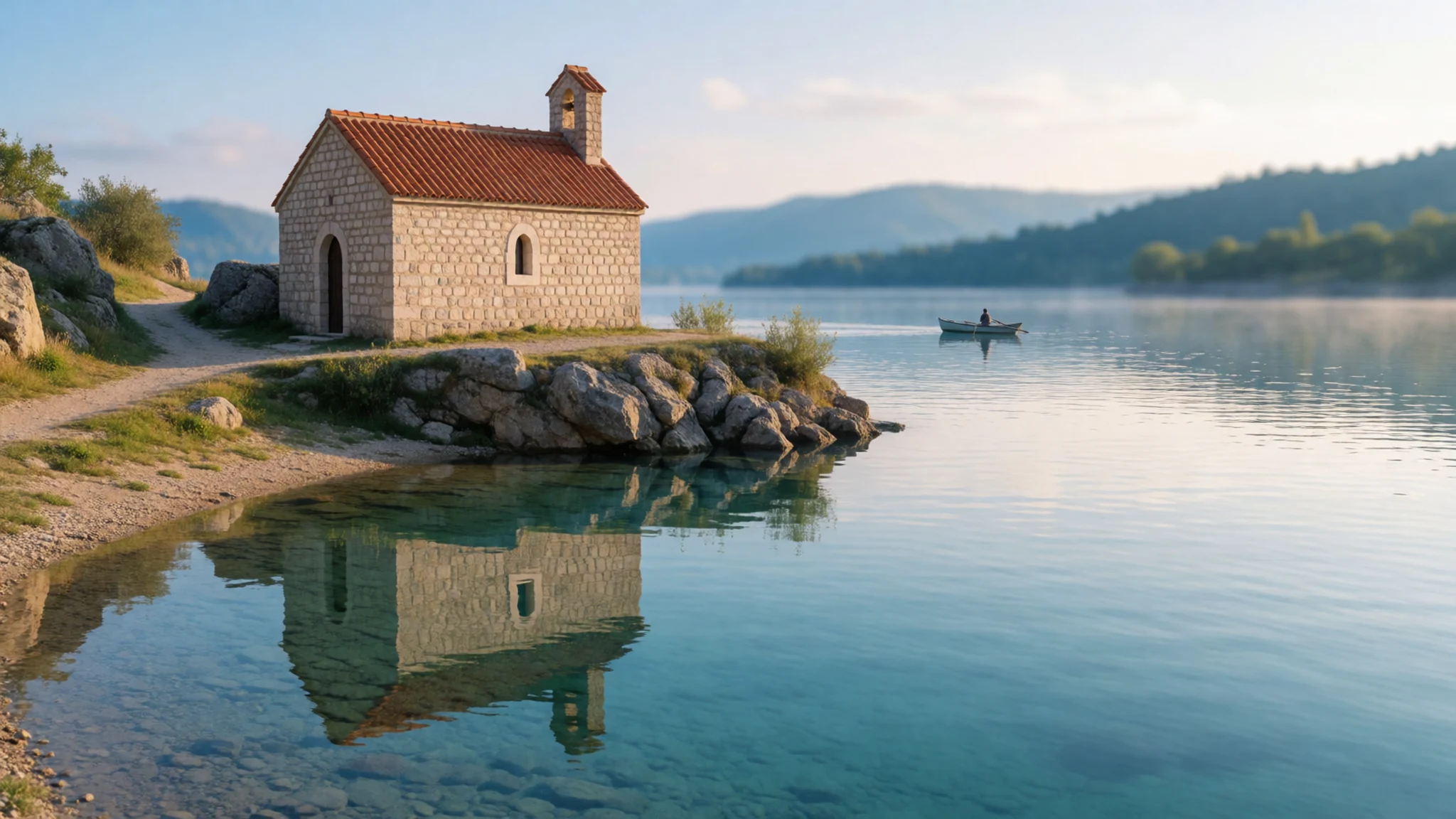
- St Naum Monastery — Southern end of the lake, near the Albanian border
St Naum Monastery stands at the southern end of the lake, close to the Albanian border, with the Galičica hills rising behind it. The grounds are shady and green, and many visitors reach it by boat from Ohrid or by road along the shore. A spring nearby feeds water towards the lake, making it a quiet place to stop. Allow a relaxed afternoon, especially if you combine it with a swim.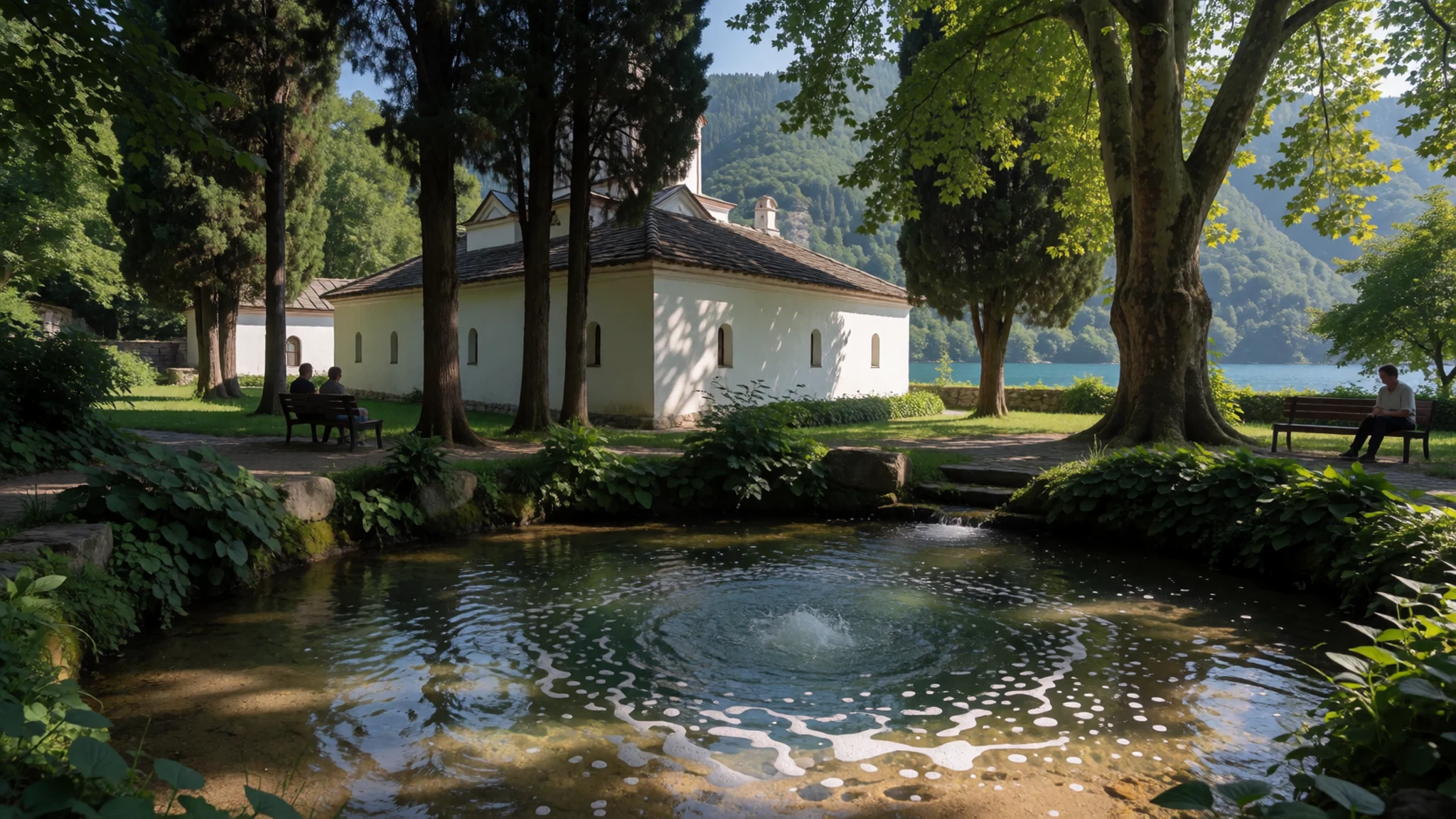
- Lin on the Albanian shore — Lin, near Pogradec, Albania
On the Albanian shore near Pogradec, the site of Lin holds the remains of an early Christian basilica, a reminder of the lake's long religious history. Few visitors come, so it feels quiet compared with the Macedonian side. Combine it with a day exploring the Albanian shore towns. Facilities are basic, so carry water and check current opening arrangements before you go.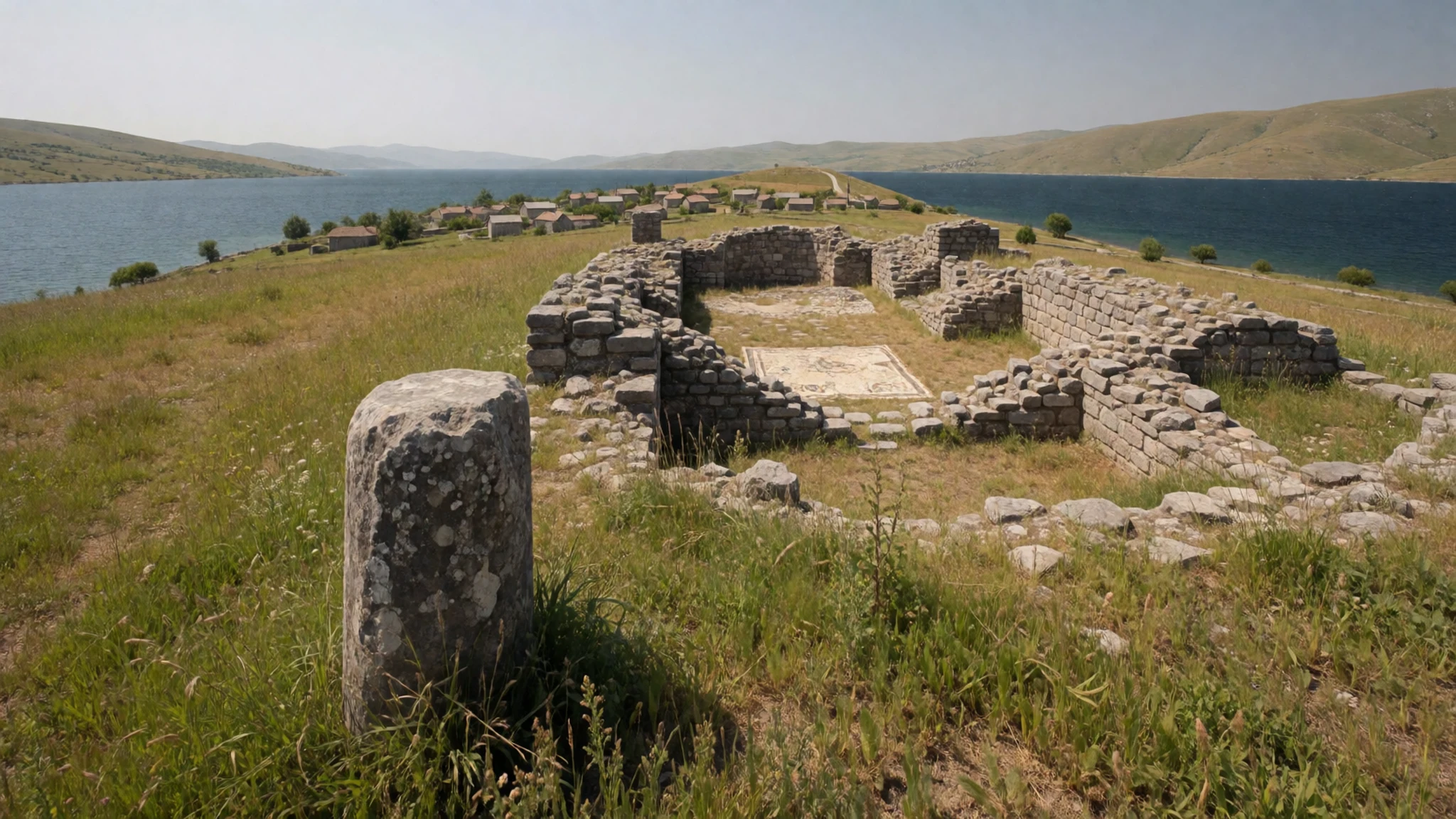
Culture
Lake Ohrid's towns are living communities, and the churches and monasteries on its shores are active places of worship as well as places to visit. The Macedonian Orthodox tradition shapes daily rhythms: churches open for services early, and Sunday mornings in the old town bring families out in their best clothes. Communities of several faiths live across the basin, so religious sites vary in tone. Lakeside life is relaxed in summer, with cafés and restaurants spilling onto the promenade and evening walks part of the routine. Locals greet people politely in shops and cafés, and a simple good morning goes a long way before any question. Photographing people at prayer, at funerals or at private ceremonies is best avoided. In churches and monasteries, cover your shoulders and knees, keep your voice low, and ask before photographing icons or worshippers.
What to wear
Lake Ohrid's region has traditional dress that differs between the Macedonian and Albanian communities, and museums and folk festivals in the wider area show it best. Historically, costumes were typically built from hand-woven wool and linen, with woven or embroidered aprons, sashes and headscarves, while men wore woollen trousers and jackets in dark colours. These garments were worn for festivals, weddings and church holidays rather than daily work, and they survive mostly in regional folk ensembles and in older family pieces. Everyday dress around the lake is ordinary European clothing: jeans, shirts, summer dresses and trainers, with smarter outfits on Sunday mornings in the old town. Visitors should dress for the terrain and the season. In summer the sun is strong, so carry a hat, light long sleeves and sturdy sandals or trainers for steep stone steps and cobbled lanes. Cover shoulders and knees for churches and monasteries, and bring a light scarf for women to cover their hair where it is asked. Swimwear belongs on the beach and in the water, not in the old town.
What to eat
- Ohrid trout — Lakeside restaurants along the waterfront and the Kaneo quay
Grilled lake trout, the local speciality, is served whole with lemon and herbs. Ask for it freshly grilled rather than from a pre-cooked tray. Lakeside restaurants along the waterfront and the Kaneo quay are the easiest places to find it, and portions are usually generous.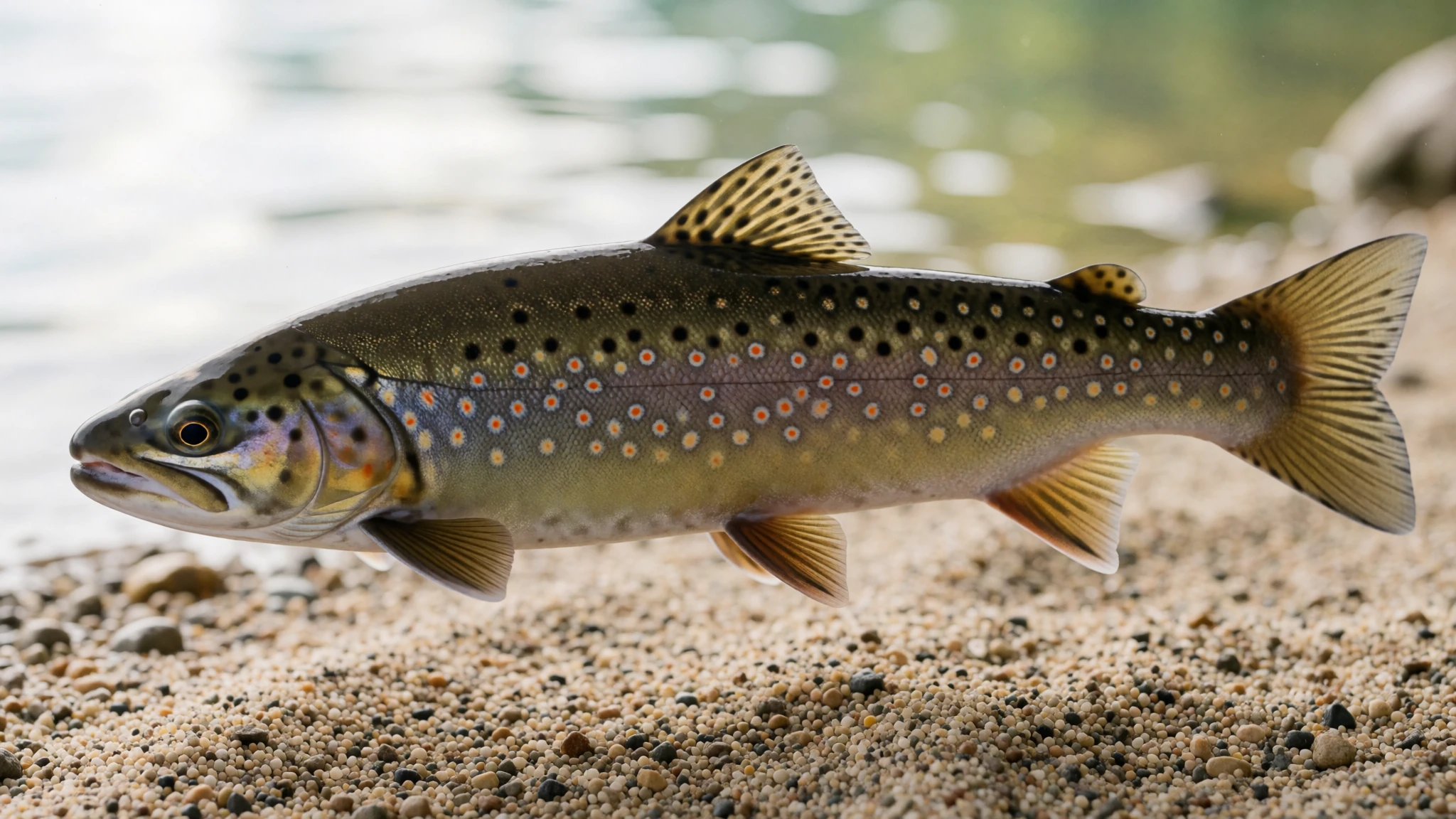
- Tavče gravče — Traditional eateries in the old town
Baked white beans with onion, paprika and oil, cooked in a clay pot until the broth thickens. It is a simple lunch, often served with bread and a pickled pepper on the side. Look for it in traditional eateries in the old town, especially at lunchtime.
- Ajvar — The morning market and shops near the old town
A relish of roasted red peppers, often mild and smoky, eaten with bread, grilled meat or cheese. Jars sold at markets vary widely, so taste before you buy. The morning market and the shops near the old town sell homemade jars, and many families make their own in late summer.
- Burek — Bakeries in the old town and near the bus station
Flaky pastry filled with cheese, spinach or minced meat, eaten warm for breakfast or as a quick snack. Many bakeries sell it by weight. Bakeries in the old town and near the bus station are the places to buy it early. - Shopska salad — Any lakeside terrace restaurant
Chopped tomato, cucumber, onion and pepper, topped with grated white cheese. It is the default starter at terrace restaurants across the region and a good way to start a long lunch. Order it at any lakeside terrace, where it is usually near the top of the menu.
Plan it
Best time. May, June, September and October suit most visitors: the water is warm enough to swim in June and September, and walking the hills is pleasant in spring and autumn. July and August are the busiest and hottest months, with the old town crowded through the afternoon.
How long. 2–3
Getting there. Ohrid St Paul the Apostle Airport is the closest, with the town a short taxi ride away. Skopje airport is the main hub, and the road transfer to Ohrid is long, so book a transfer or a bus in advance.
Budget. low
Tips
- Book summer rooms and boat trips early, since July and August fill quickly
- Walk the old town early or late; midday in summer is hot and the lanes are crowded
- Carry some cash for small cafés and markets, and check card acceptance before ordering
- Take water and a hat for the fortress and the open hillside paths
- Go to St Naum by boat or organised transport rather than walking the shoreline in one go
Etiquette
- Dress modestly for churches and monasteries
- Ask before photographing people, especially at services
- Take rubbish back to town rather than leaving it on the shore
Nearby
Sources
- Wikidata Q156258 (CC0)
- Wikipedia: Lake Ohrid (CC BY-SA 4.0)
- Wikivoyage: Ohrid (CC BY-SA 4.0)
- Photo 01: Lake Ohrid viewed from a NASA satellite (Public domain)
- Photo 02: Ohrid Basin map (CC BY 3.0)
- Photo 03: Museum on Water, Ohrid (CC BY 3.0)
- Photo 04: Ohridospongia rotunda (CC BY 3.0)
- Photo 05: Basilica at Lin, Albania (CC BY-SA 4.0)
- Photo 06: Church of St John at Kaneo (CC BY-SA 4.0)
- Photo 07: Ohrid seen from Samuel's Fortress (CC BY-SA 4.0)
- Photo 08: Ohrid Lake near St Naum Monastery (Public domain)


