Lake Mungo
Lake Mungo, Australia
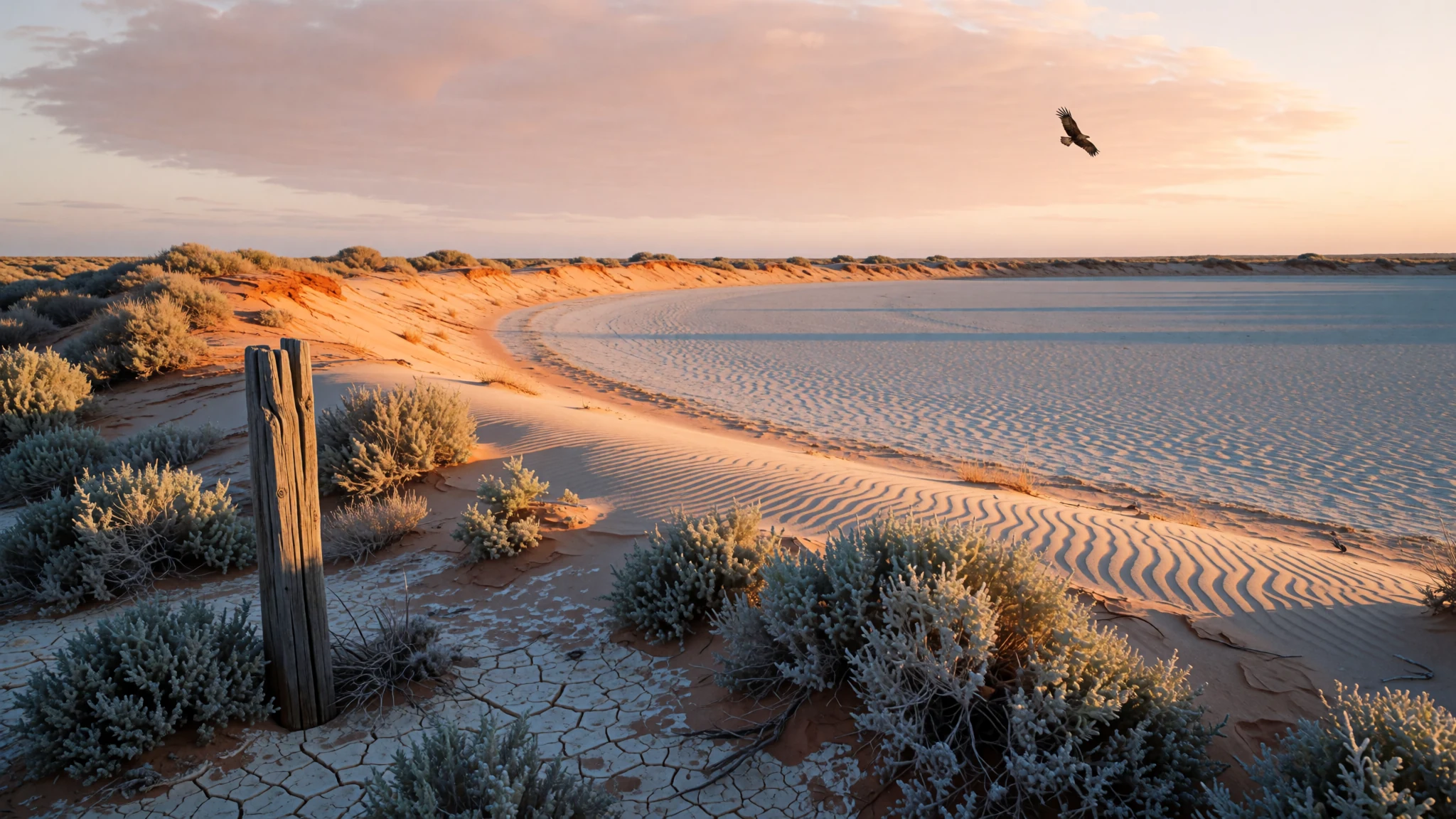
A dry lake in far south-western New South Wales, where some of Australia's oldest human remains were found beside a silent, open landscape.
The place
Lake Mungo is a dry lake in New South Wales, about 760 km west of Sydney and roughly 90 km north-east of Mildura. Water left it long ago, so the lake floor is now a broad, pale expanse of fine sediment, cracked and crusted in places and shaped by wind. It lies at the heart of Mungo National Park, within the Willandra Lakes Region, which is World Heritage listed and takes in seventeen lakes.
The lake is known as much for what the land has kept as for its scenery. Wind and weather have cut back the crescent-shaped dune along the eastern shore, known as the lunette, and the dunes have yielded important archaeological finds. The story page covers those discoveries. For the landscape itself, what stands out is how open and quiet it feels. The sky dominates, there is little shade, and the horizon runs flat in every direction apart from the dune line.
Access is the main practical challenge. The park has no sealed road in. Reaching it means at least 80 km of unsealed track, which can become impassable after rain. Inside the park, the scenic drive loops past the lake and its dunes, and short walks lead onto the lunette. Fuel, water and food should be brought in from Mildura or Balranald, the nearest towns.
Summers are hot and dry, while winter nights turn cold. The surfaces are fragile, so the visit is best taken slowly, on foot where the signs allow, and with respect for the place as a living landscape rather than a backdrop.
Its story
The lake has held no water for about twenty thousand years, yet the lakeside landscape carries a far longer human past. The Paakantyi, Muthi Muthi and Ngiyampaa peoples are the traditional custodians of this country, and their ancestors are thought to have arrived some fifty thousand years ago. They lived well on what the land and lakes offered: emus and marsupials on the plains, and freshwater mussels, crustaceans and fish from the water.
Everything changed after 1788, when the First Fleet reached Sydney and European diseases, smallpox among them, spread to Indigenous communities. Depopulation followed. In the 1840s settlers moved onto the land for farming, bringing sheep and cattle. Those who survived the loss of their country and the diseases were moved to a mission at Balranald.
The pastoral era left its marks. In the 1920s, after the First World War, the Gol-Gol station was subdivided for returned soldiers. The shed, built by Chinese labourers in 1869, is 45 m long and still stands.
Science arrived with the excavations. Lake Mungo yielded Mungo Man, Australia's oldest known human burial, and Mungo Woman, the earliest known ritually cremated human anywhere in the world. The site also yielded evidence of the Lake Mungo geomagnetic excursion. It was the earliest persuasive proof that these excursions originate in Earth's magnetic field rather than in how the sediments formed. The area was declared a national park in 1979.
What to see
- The Lake Mungo lunette — Eastern shore of the dry lake, Mungo National Park
The lunette is the crescent-shaped ridge of sand and clay that runs along the lake's eastern shore. Wind and water have worn it back over many thousands of years, and it is where most of the lake's archaeological finds came to light. Keep to the marked paths, since the surface is fragile and remains may lie close to the surface. Morning light shows the ridge's texture best.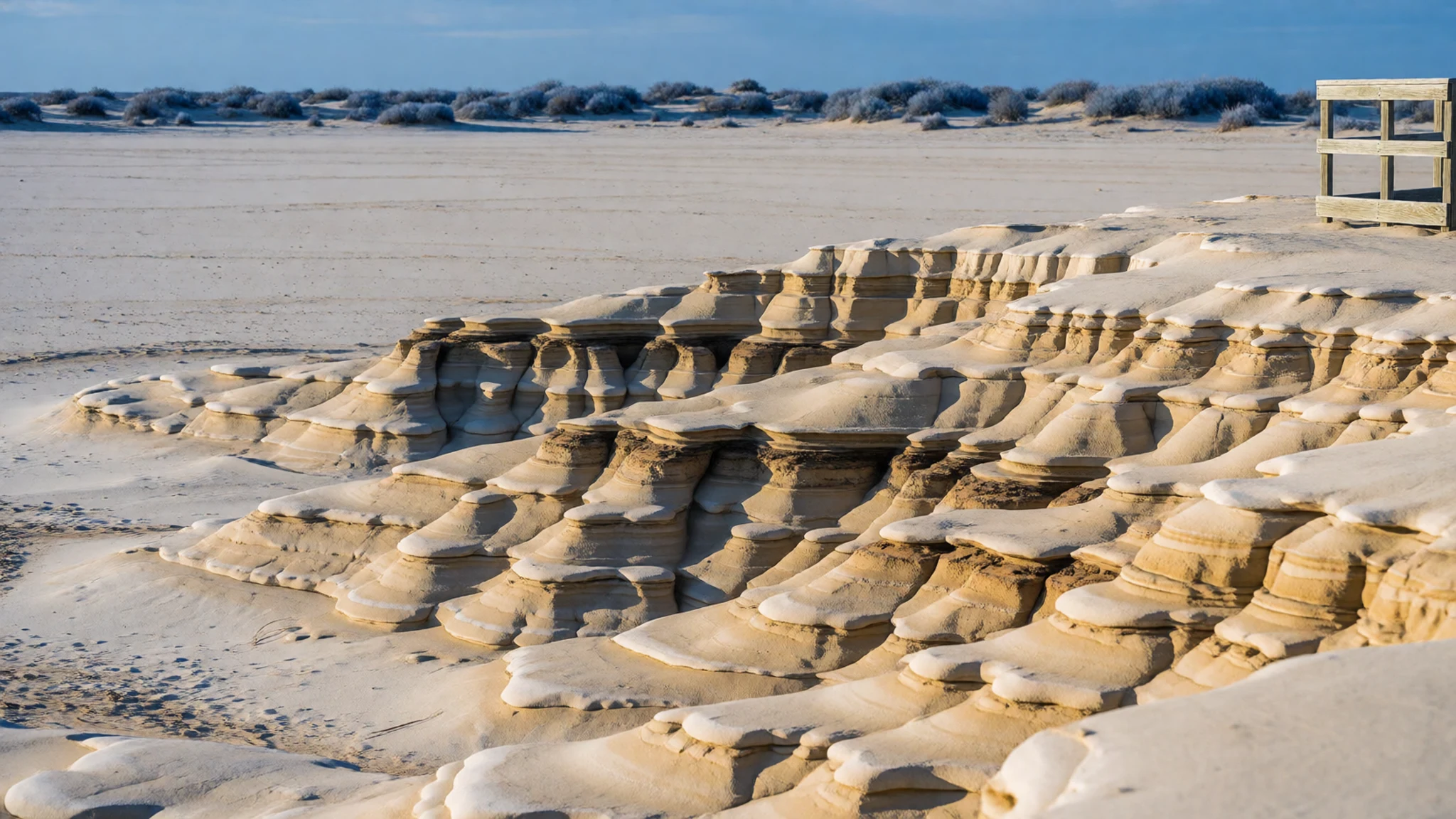
- Walls Road and the China Walls — Scenic drive through Mungo National Park
Walls Road is the park's scenic drive, a long unsealed loop that passes the lake and its dune systems. The China Walls are a line of eroded, layered sand ridges rising above the lake edge, and they draw most visitors to stop and look. Drive slowly, watch for wildlife, and pull over only in marked spaces. The surface changes quickly after rain, so check conditions before you set out.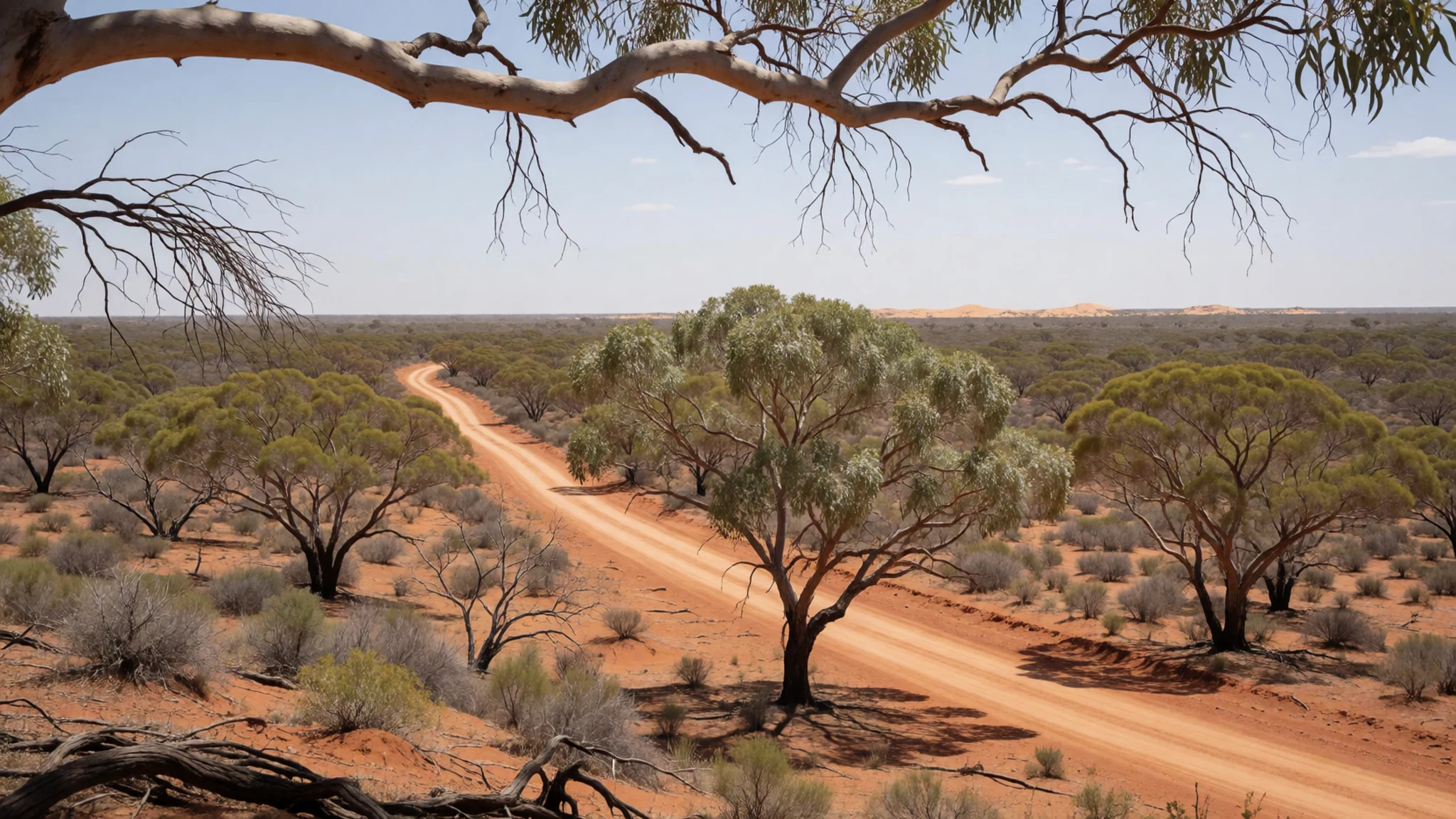
- The Mungo woolshed — Mungo station, outside the national park
The woolshed was built by Chinese labourers in 1869 and measures 45 m. It stands on the Mungo station, which was subdivided in the 1920s for returned soldiers after the First World War, and the station still exists today. The timber and iron buildings tell the story of wool production in this country. Visit respectfully, and ask before going inside any working building.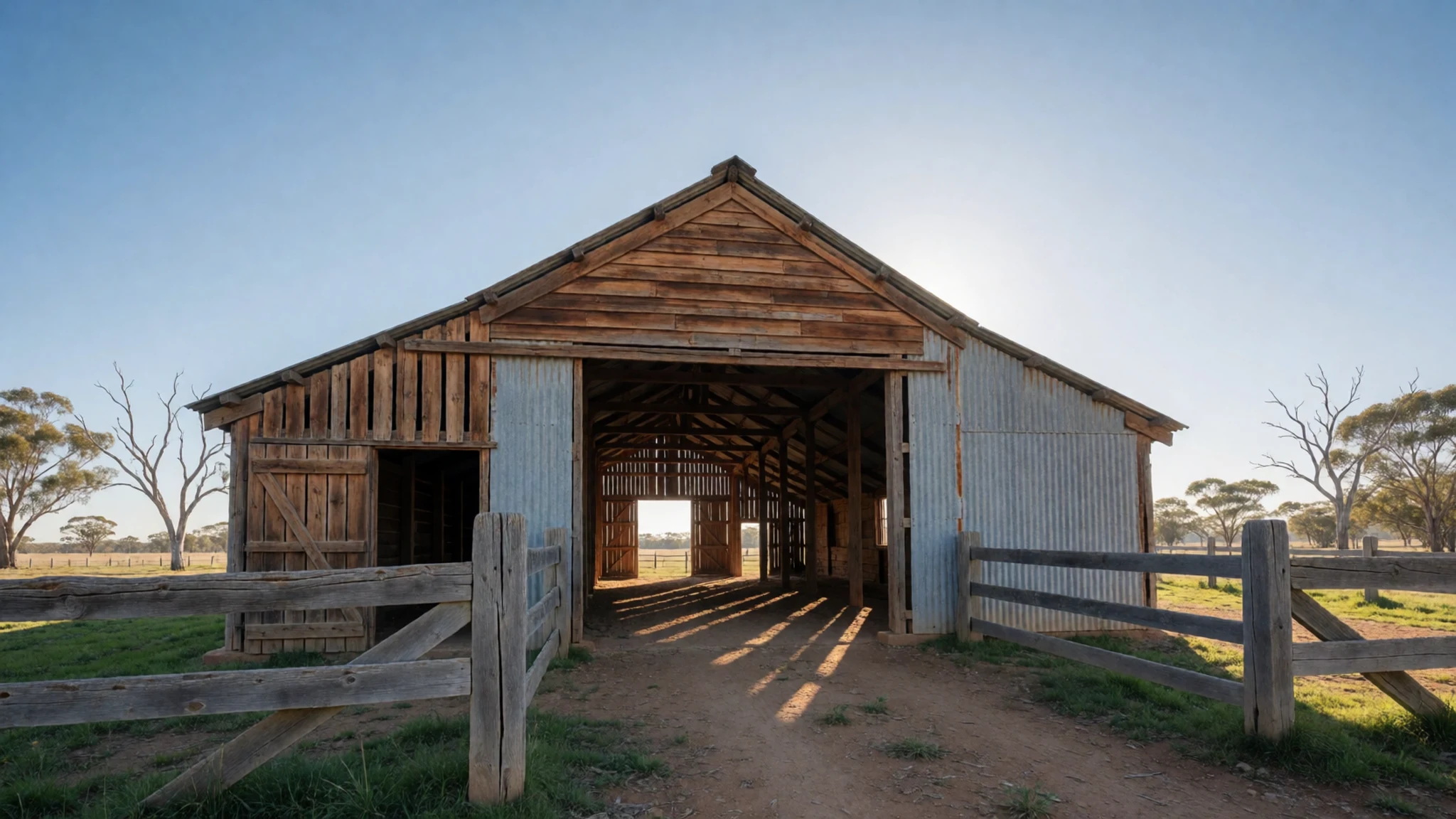
- Bulbugaroo Lake — South of Lake Mungo, inside the park
Bulbugaroo Lake lies south of the main lake, reached by track inside the park. It is one of the features that shows how the old lake system was once linked across the landscape. The views from the higher ground near the water give a sense of the scale of this dry country. There is little shade on the track or at the lake, so carry water and sun protection.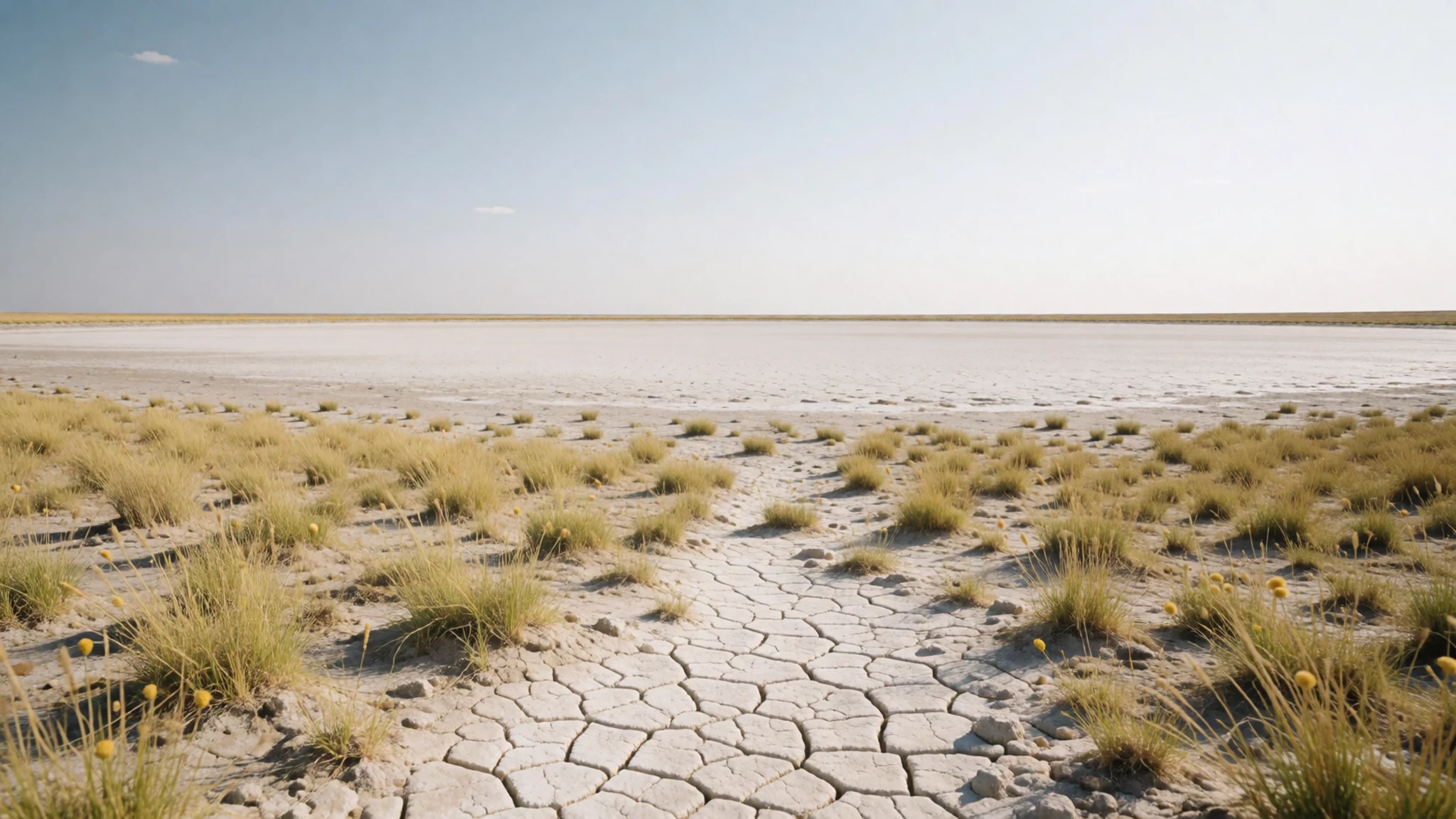
- The wider Willandra Lakes Region — Region surrounding Mungo National Park
The Willandra Lakes Region is World Heritage listed and takes in seventeen lakes, of which Lake Mungo is the best known. Most of the others are dry too, and their sediments record changing wetter and drier periods over a very long span. You only see the region's scale by driving between lakes on unsealed roads. Treat it as a landscape to read slowly, not as a checklist.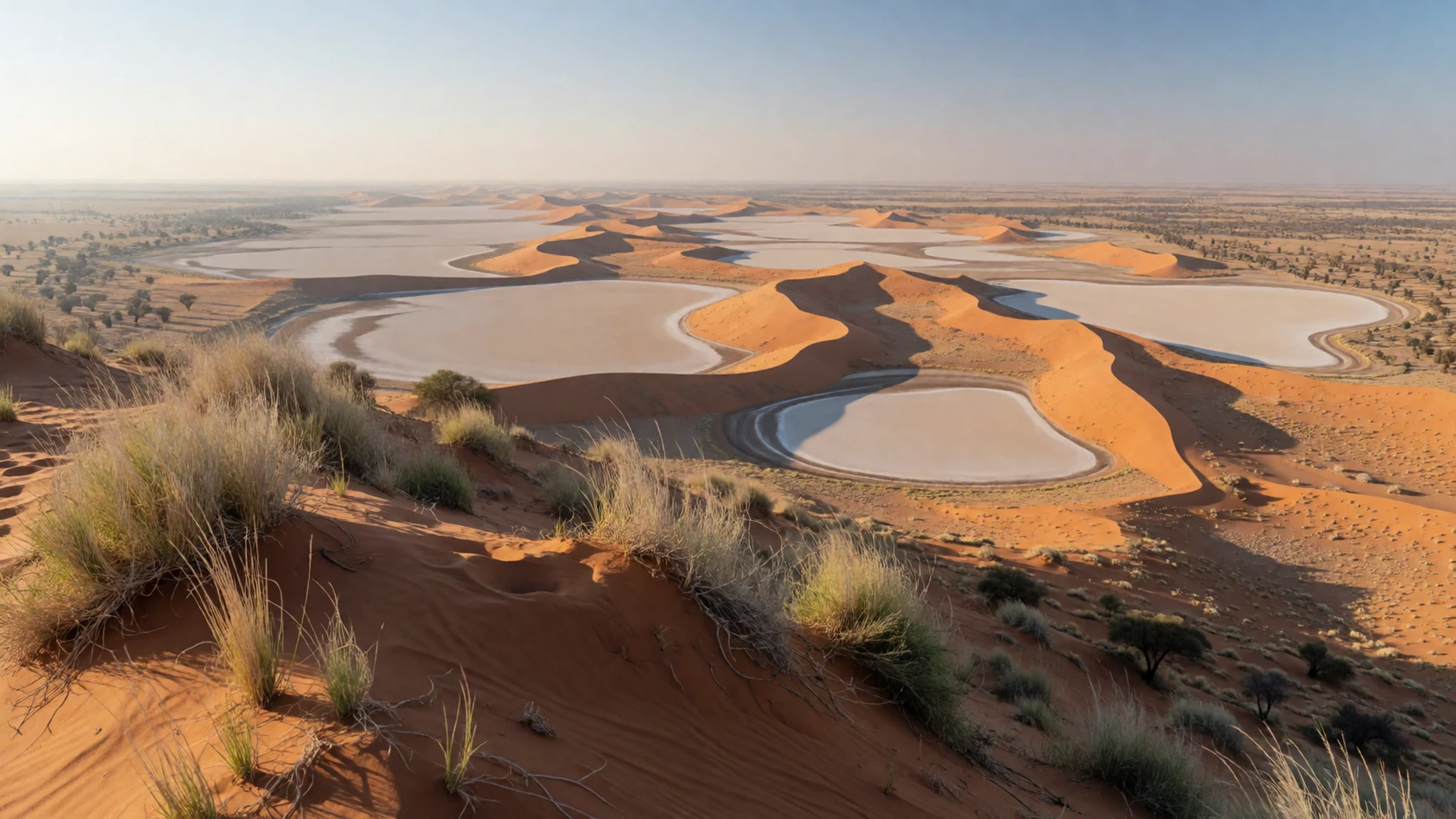
Culture
Lake Mungo sits within the traditional land of the Paakantyi, Muthi Muthi and Ngiyampaa peoples, whose connection to this country runs back many thousands of years. The national park is an important place for understanding human occupation in Australia, and the remains found in its dunes belong to a story that continues. Many visitors arrive expecting an empty, dry landscape, but the land is full of meaning and history, from the old lake shores to the station buildings. Learning something about the first people who lived here before you go changes how the place looks. Being a good guest means slowing down, asking before you photograph anyone, and taking the park's guidance seriously. Do not pick up or move any bones, stone tools or other objects you come across; leave them where they are and report them to park staff.
What to wear
At Lake Mungo, the traditional dress of the Paakantyi, Muthi Muthi and Ngiyampaa peoples is best described by those communities rather than by a visitor's guide, and this reading does not try to reconstruct it. The textile most visible in the wider landscape is wool. The Mungo woolshed and the station around it reflect a sheep economy that began with settlers in the 1840s.
What people wear now is practical. On the stations and in the towns near the park, working clothes dominate: long-sleeved cotton shirts, moleskin or denim trousers, wide-brimmed hats and sturdy boots. Layers matter, because the desert cools quickly after dark.
For a visitor, the same logic applies. Choose long sleeves and loose cotton or linen for sun protection, a wide hat, sunglasses, and closed shoes that grip sand and gravel. Pack a warm layer and a windproof jacket for cold nights in the cooler months, and leave behind anything you would mind getting dusty. The fashion here is function, and that is the point.
What to eat
- Lamb and mutton — Butchers in Mildura and Balranald, and pubs across the region
Sheep country means lamb and mutton are the everyday meat. Butchers in Mildura and Balranald sell local cuts, and many pubs in the region serve them as chops or roasts. Mutton has a stronger flavour and suits slow cooking at a campfire.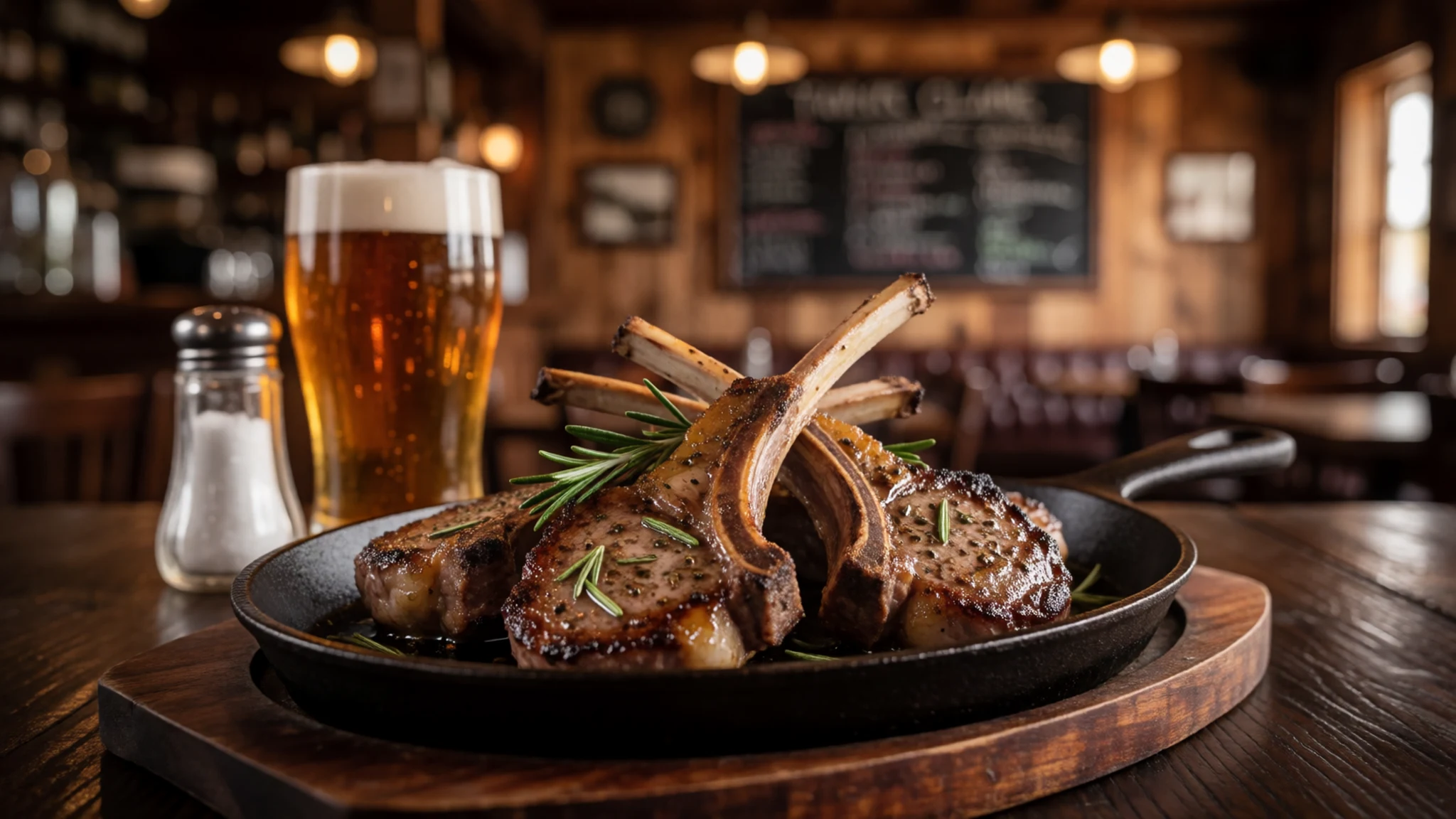
- Emu and kangaroo — Farm butchers and game suppliers in the Riverina
Both appear on farm butchers' counters and at specialist game suppliers across the Riverina. Emu is lean and dark, and it works well grilled in thin slices. Kangaroo is leaner still, so cook it quickly and do not overcook it.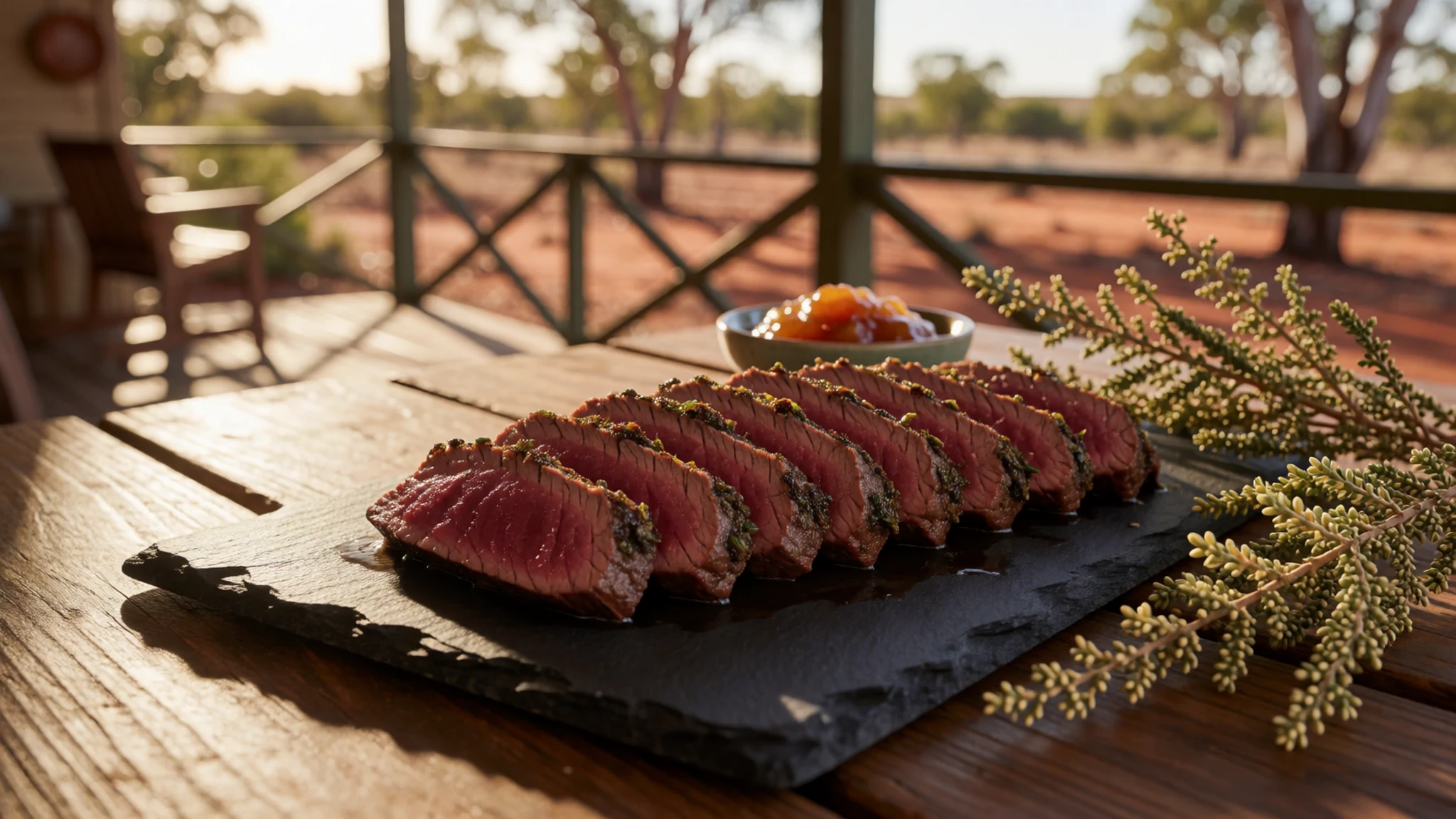
- Riverina fruit — Roadside stalls and markets in the Riverina, such as around Griffith
The Riverina is irrigated country, and its stone fruit, citrus and grapes are sold from roadside stalls and markets in season. Buy only what you plan to eat in the area, because moving fresh fruit into protected zones is restricted and fines apply. Look for the disposal bins and signs along the roads. - Damper and billy tea — Campsites in Mungo National Park
Damper is simple flour-and-water bread baked in the coals or a camp oven. Billy tea is black tea brewed in a tin pot over the fire. Both belong to camp life in this country, and a cool evening at your campsite is the simplest place to try them. - Riverina wine — Cellar doors and wine shops in towns such as Griffith
Wine from the Riverina is made in irrigated vineyards around towns such as Griffith, and cellar doors there pour local reds and whites. Ask which wines are made locally, and buy a bottle to open at the lake in the evening.
Plan it
Best time. May and September are the most comfortable months, with warm days, cool nights and moderate rain, while December to February are the hottest and June to August bring freezing nights. Summer is hot with little shade, and winter nights are cold.
How long. 2–3
Getting there. Drive from Mildura, about 90 km north-east, then cover at least 80 km of unsealed track into the park. Sydney is about 760 km west, a long drive, so allow more time than the distance suggests.
Budget. mid
Tips
- Check road and track conditions before leaving Mildura, because rain can close the unsealed sections
- Carry water, fuel and food for your whole stay, and plan on bringing all of it in
- Go out early or late in the day for the best light on the dunes and cooler walking
- Bring a hat, sunscreen and long sleeves, because there is little shade
- Phone coverage is patchy, so tell someone your route and return time
Etiquette
- Stay on marked tracks and keep off the fragile lake surface and dune crests
- Leave bones, stone tools and any other objects where you find them, and report them to park staff
- Take all your rubbish out with you
- Do not bring fresh fruit or vegetables into the park
Nearby
Sources
- Wikidata Q452812 (CC0)
- Wikipedia (rev 1380969436) (CC BY-SA 4.0)
- Wikivoyage (rev 5395593) (CC BY-SA 4.0)
- A section of Lake Mungo's lunette, Rueparadis (CC BY-SA 4.0)
- 360° Panorama, south of Lake Mungo, Peter Neaum (CC BY 3.0)
- Bones at Lake Mungo, Joy Engelman (CC BY 3.0)
- Lake Mungo's Geological and Archaeological Treasures, NASA Earth Observatory (Public domain)
- Mungo lake 1, dfinnecy (CC BY-SA 2.0)
- Mungo National Park, RegionVisitor90 (CC0 1.0)
- Walls Road (Lake Mungo Scenic Drive), RegionVisitor90 (CC0 1.0)


