Lake Minnewanka
Lake Minnewanka, Canada
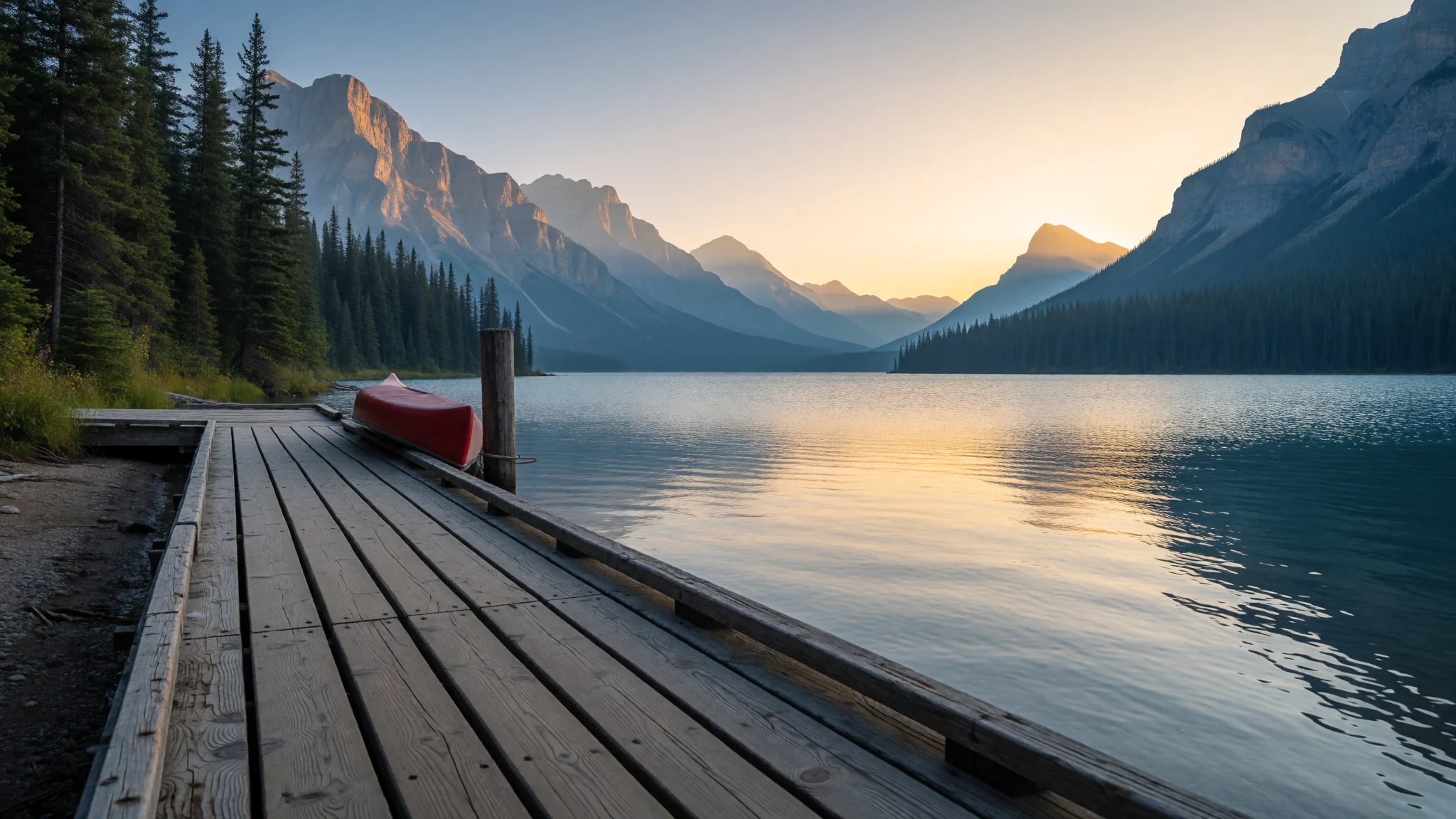
Explore a vast glacial lake in the Canadian Rockies with deep Indigenous roots, dramatic mountain peaks, and submerged history.
The place
Lake Minnewanka rests in the eastern section of Banff National Park in Canada, sitting tucked away in the mountain wilderness. Known in the local Nakoda language as the water of the spirits, this glacial expanse stretches out beneath towering limestone peaks. The surrounding landscape is shaped by rushing alpine streams and dense forests of pine and spruce, creating a stark, quiet contrast against the wide sheet of water. On the southern shores, dramatic ridges rise steeply from the shoreline, while the northern edge offers rugged terrain carved by ancient ice sheets. The air carries the sharp scent of pine and cold mountain water, especially as evening temperatures drop across the valley floor. Wildlife moves freely through the timbered slopes around the banks, where elk, deer, and bighorn sheep frequently graze near the edges of the tree line. Visitors arriving at the western edge find a landscape shaped equally by natural forces and early engineering, with boat tours setting off toward the more remote reaches of the basin. Despite its popularity among travellers exploring the mountain parks, the sheer scale of the surrounding peaks and the cold, clear depths of the water maintain an untamed atmosphere that feels entirely removed from nearby towns.
Its story
The history of Lake Minnewanka stretches back millennia before the arrival of European fur traders or modern surveyors. Aboriginal people inhabited the surrounding valleys long ago, leaving behind stone tools and spearheads that date their presence back thousands of years. The high mountain terrain provided abundant game and reliable flint resources essential for survival in the northern wilderness. Modern history transformed the basin dramatically in the late nineteenth and twentieth centuries. A resort village named Minnewanka Landing sprouted on the shores, drawing summer visitors to rustic lodges and boat moorings. That era ended beneath the surface when engineers dammed the outflow to generate hydroelectric power for the growing park region. The rising water submerged the wooden cabins, docks, and streets of the old settlement, turning the former village into a silent ghost town resting on the lake bed. Later dam construction further raised the water levels and redirected ancient river courses, fundamentally altering the hydrology of the valley. Today, the lake serves both as a modern energy source and a protected ecological sanctuary within a world-famous park, hiding its human past beneath dark, glacial depths while towering summits watch quietly overhead.
What to see
- Lake Minnewanka Boat Pier
The wooden pier on the western shore serves as the departure point for boat excursions exploring the long glacial basin. From here, travellers can look across the wide expanse toward distant mountain ridges and watch the shifting light on the water.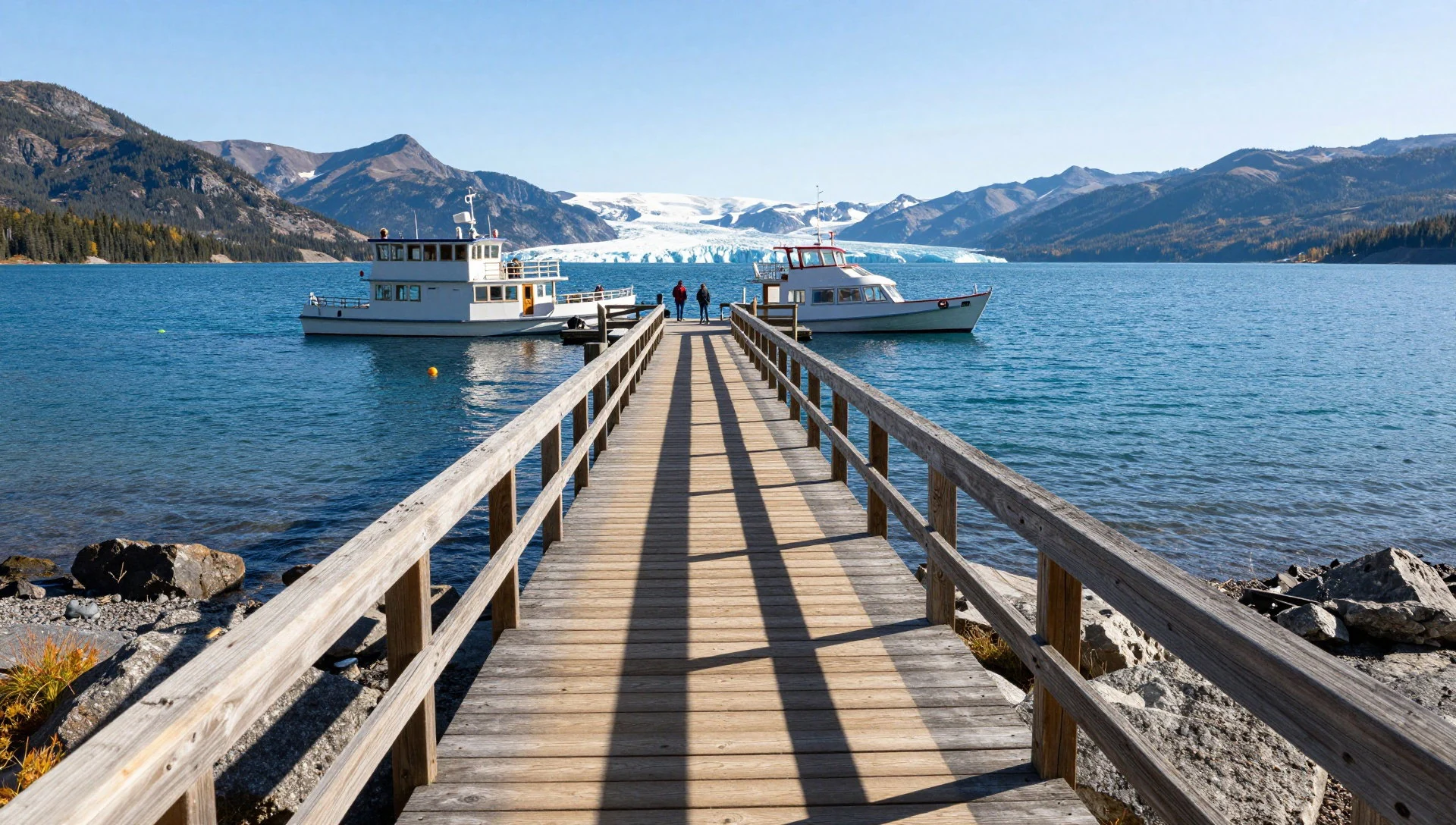
- Mount Inglismaldie South View
The steep limestone faces of Mount Inglismaldie rise dramatically along the southern boundary of the lake. These rugged summits catch the morning sun, casting sharp reflections across the surface of the cold glacial water.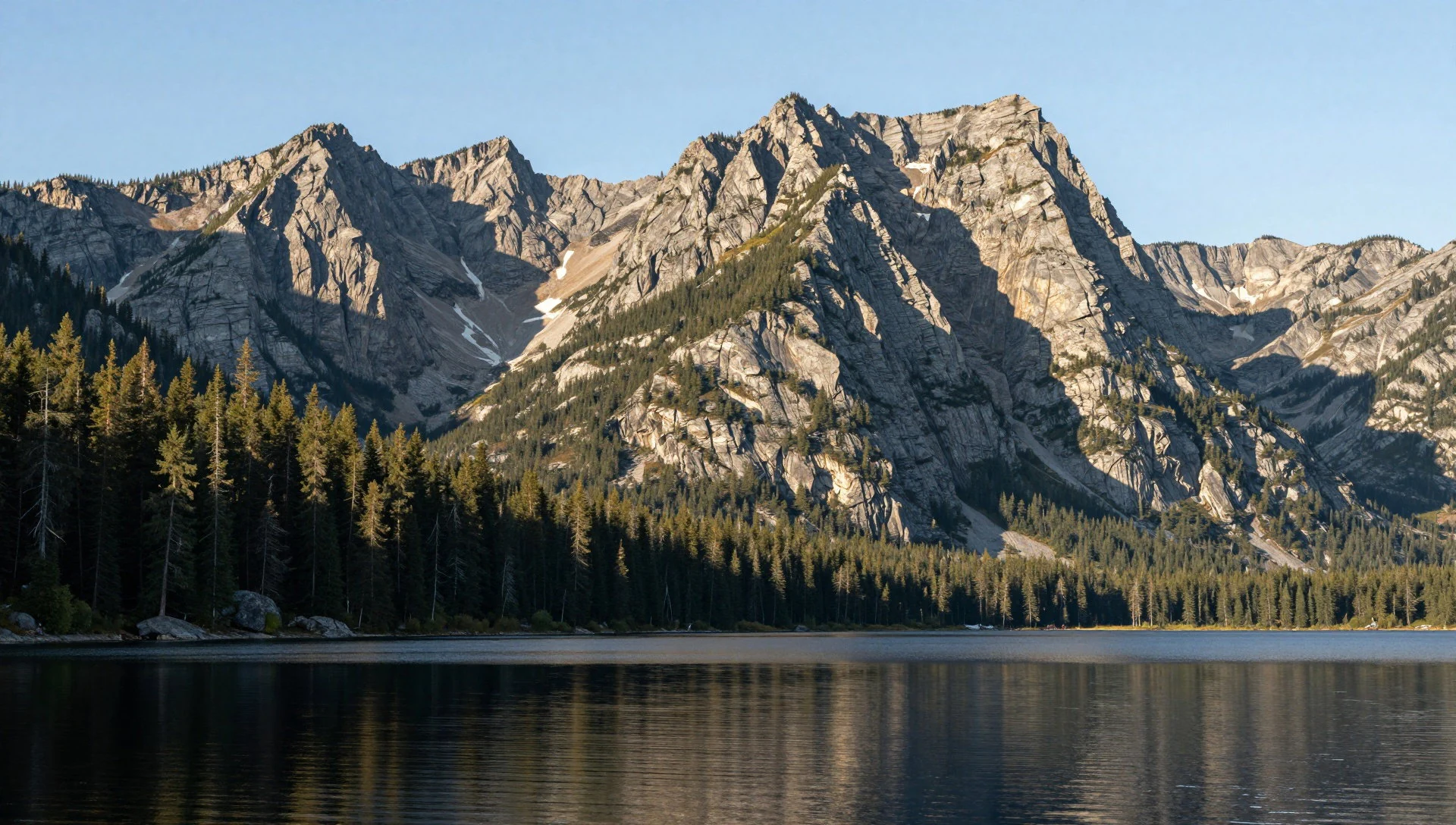
- Cascade Mountain Summit Viewpoint
Higher vantage points near the surrounding peaks offer sweeping panoramas across the entire length of the valley. The trail system reveals how the lake snakes between towering mountain ranges and ancient glacial carved troughs.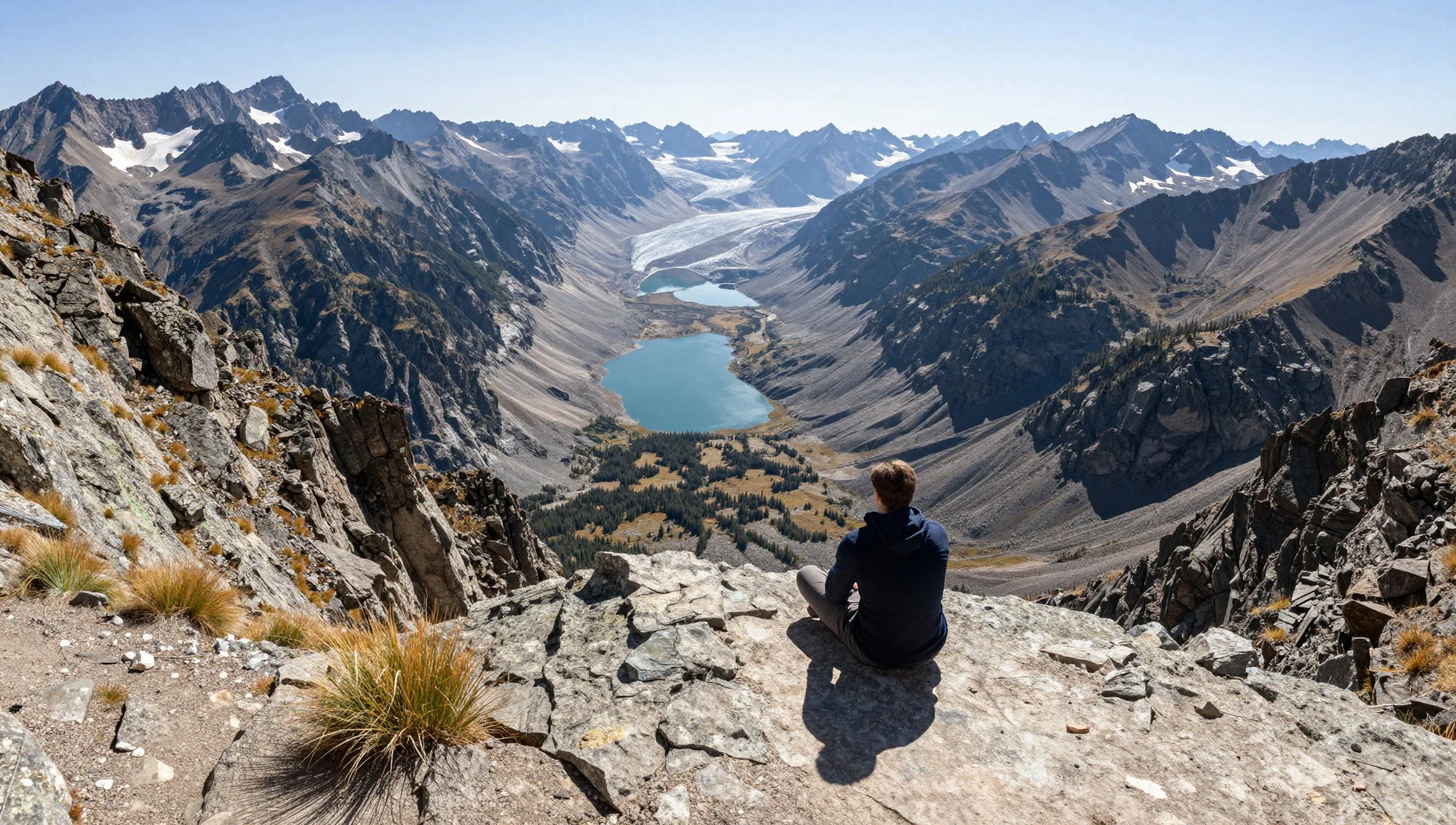
- Two Jack Lake
Located just a short drive away along the secondary park road, this smaller neighbouring lake provides calm reflective waters framed by dense evergreen forests and distant rocky summits. It acts as a quiet alternative for morning strolls and photography.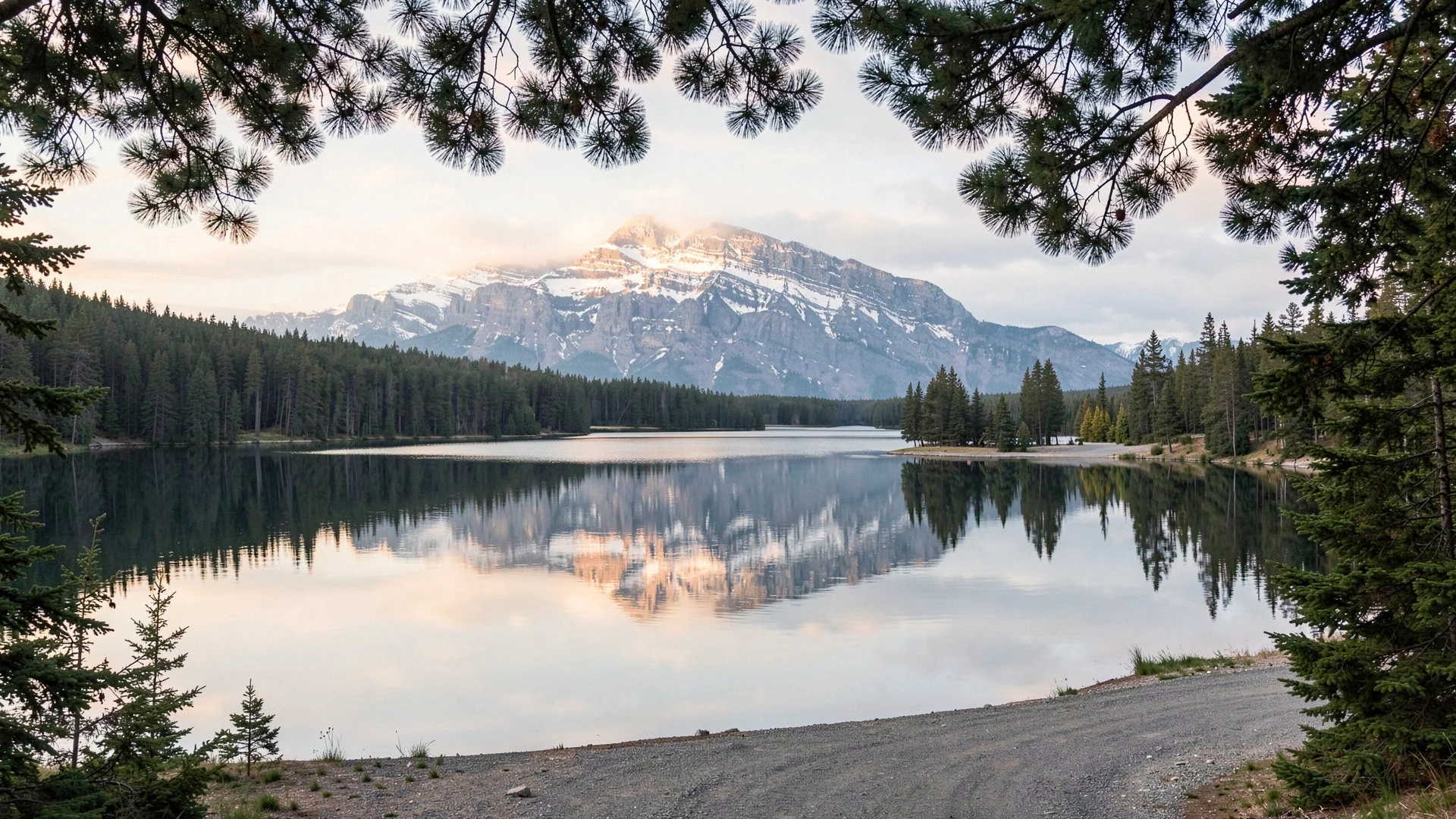
Culture
The cultural fabric around Lake Minnewanka and the broader Alberta region reflects a unique blend of Indigenous heritage, early resource-frontier traditions, and a welcoming international outlook shaped by waves of migration. Long before European settlement, First Nations communities maintained deep spiritual and practical ties to the mountain waters and valleys, viewing the landscape as a living entity deserving of profound respect. Later, railway workers, ranchers, and homesteaders from diverse European and Asian backgrounds infused the local communities with an eclectic, unpretentious spirit. Modern visitors will find local residents exceptionally open and straightforward, valuing outdoor recreation, wildlife conservation, and community gatherings. Etiquette in the national park emphasizes environmental stewardship, quiet enjoyment of nature, and strict adherence to park regulations designed to protect fragile alpine ecosystems and dangerous wildlife. Always pack out all rubbish and maintain a safe distance from bears and elk when exploring the shorelines.
What to wear
Traditional wear in the Canadian Rockies is rooted in practical utility rather than formal ceremonial garments, historically featuring heavy woollens, leather work, and durable outerwear designed to withstand harsh northern winters and damp mountain air. Modern locals and outdoor workers lean heavily toward functional gear, favouring moisture-wicking layers, fleece jackets, flannel shirts, and sturdy hiking boots that can handle sudden weather changes. For visitors exploring Lake Minnewanka, dressing in flexible layers is essential regardless of the season, as bright sunshine can quickly give way to chilly alpine winds sweeping off the water. Sturdy footwear with good grip is mandatory for walking the uneven shore trails or navigating rocky viewpoints. Waterproof jackets, wool socks, and sunglasses to combat high-altitude glare are standard everyday items. Leave delicate city clothes and impractical footwear behind in favour of comfortable, durable outdoor apparel.
What to eat
- Alberta Beef Steak — Any traditional mountain steakhouse in the nearby townsite
Raised on rich native grasses and finished on local barley, regional beef forms the cornerstone of local culinary pride. Enjoy a thick, well-marbled ribeye or sirloin at traditional steakhouses across nearby mountain towns.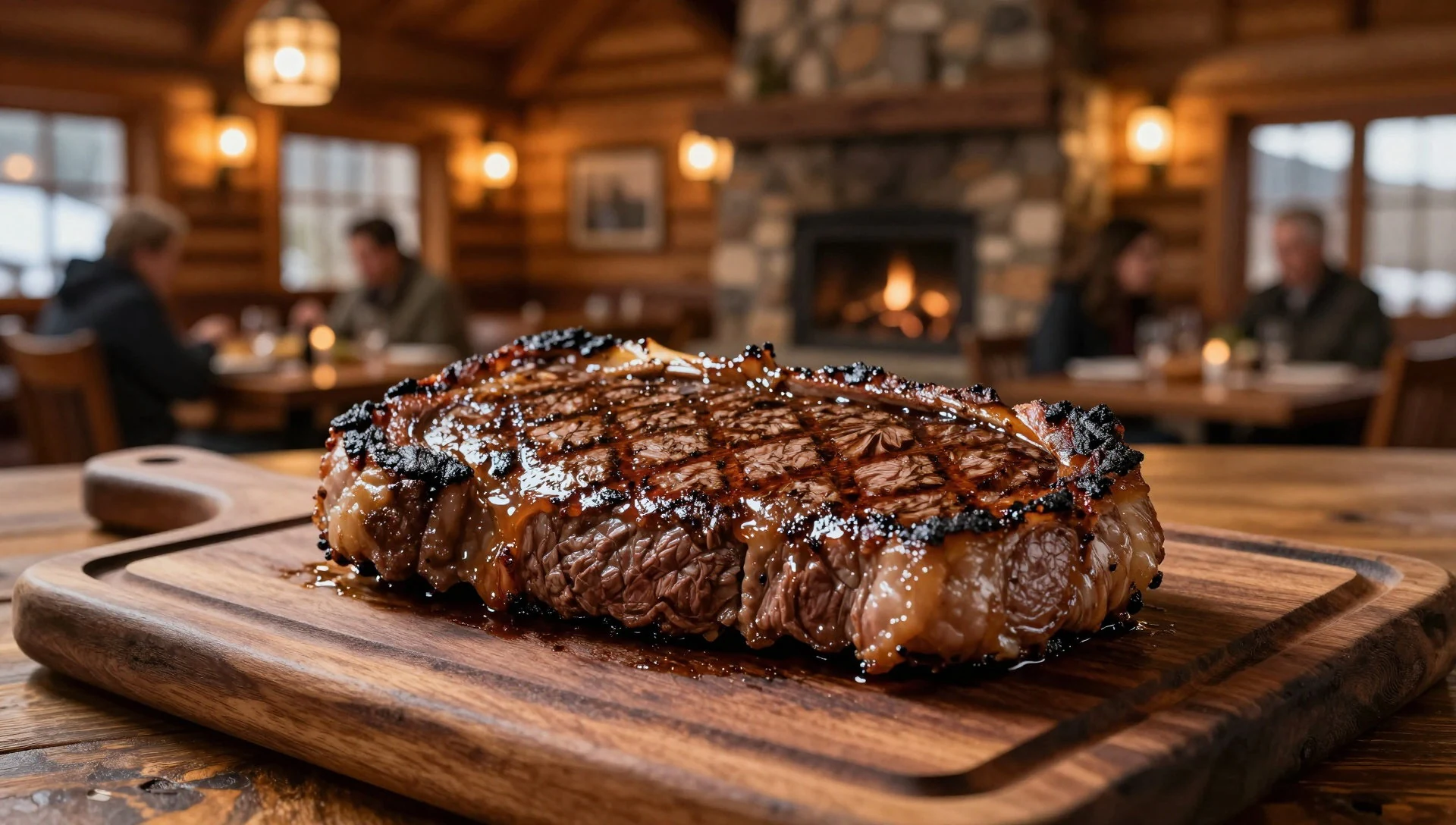
- Bison Burger — Casual eateries and park concession cafes
A lean, nutrient-rich alternative to traditional beef, local bison is prepared simply with cheddar, onions, and local condiments, offering a rich taste of the northern plains.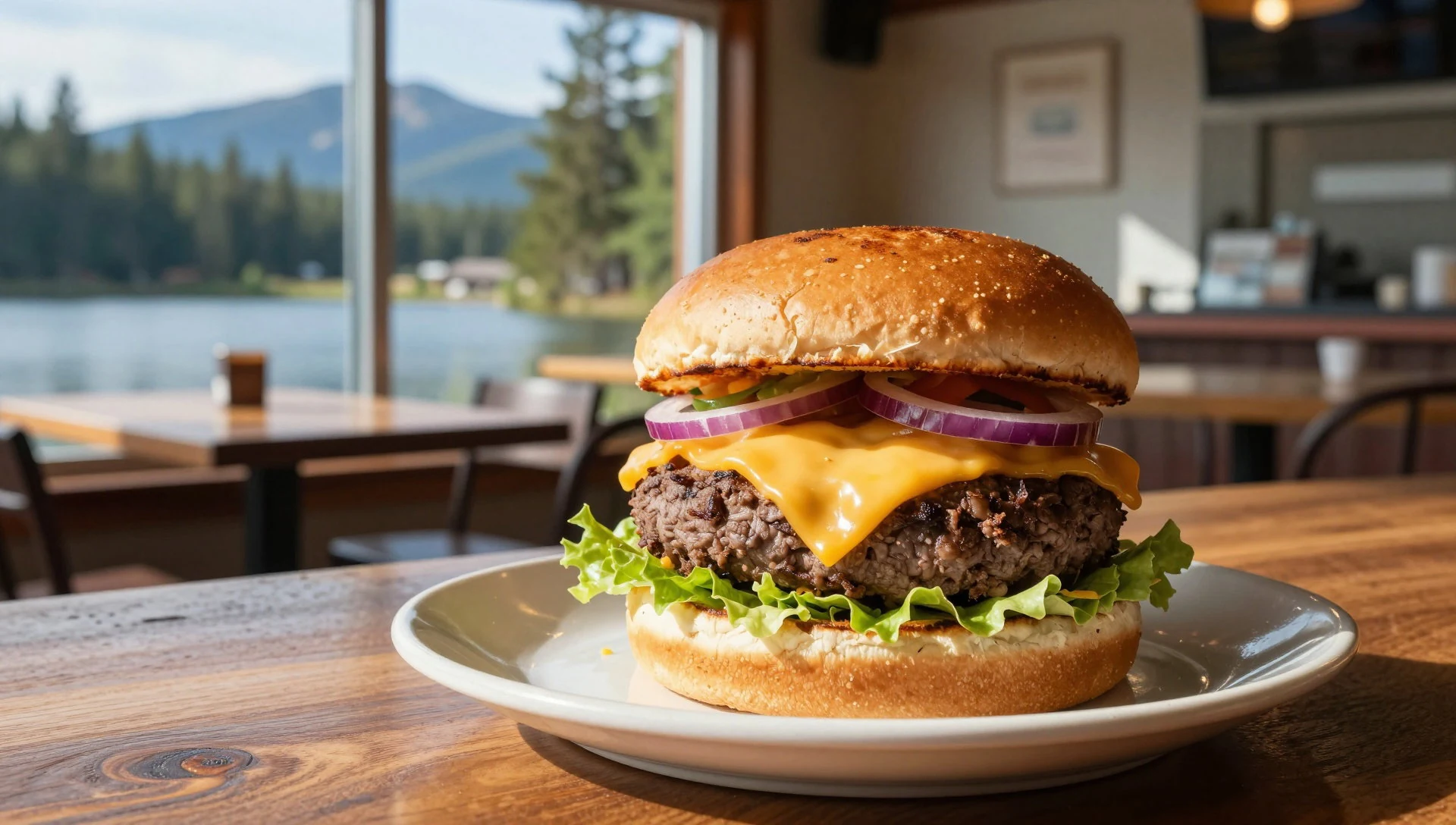
- Chinese Café Combos — Small-town roadside diners across the region
A nostalgic nod to early railway cooks from Fujian province, rural Alberta cafes often serve an eclectic mix of classic burgers, spring rolls, wonton soup, and perogies under one roof. - Poutine — Pubs and casual food counters throughout the valley
Crisp hot fries smothered in rich brown gravy and fresh cheese curds, perfect for warming up after a chilly afternoon hike along the lake shore.
Plan it
Best time. June through September offers the most reliable weather for hiking, boat tours, and outdoor exploration, though summer brings heavy crowds.
How long. 1–2
Getting there. Fly into Calgary International Airport, hire a car or take a shuttle service, and drive west along the Trans-Canada Highway toward Banff National Park.
Budget. mid
Tips
- Arrive early in the morning to secure parking near the boat pier during peak summer months
- Carry bear spray and know how to use it before venturing onto lakeside hiking trails
- Weather in the mountains changes rapidly, so pack warm layers even in midsummer
- Check park restriction notices online before heading out into backcountry areas
Etiquette
- Never feed or approach wild animals, including deer, elk, and bears
- Stay strictly on designated trails to protect fragile alpine vegetation
Nearby
Sources
- Wikidata Q2671348 (CC0)
- Wikipedia Lake Minnewanka (CC BY-SA 4.0)
- Wikivoyage Alberta (CC BY-SA 4.0)