Lake Matheson
Lake Matheson, New Zealand
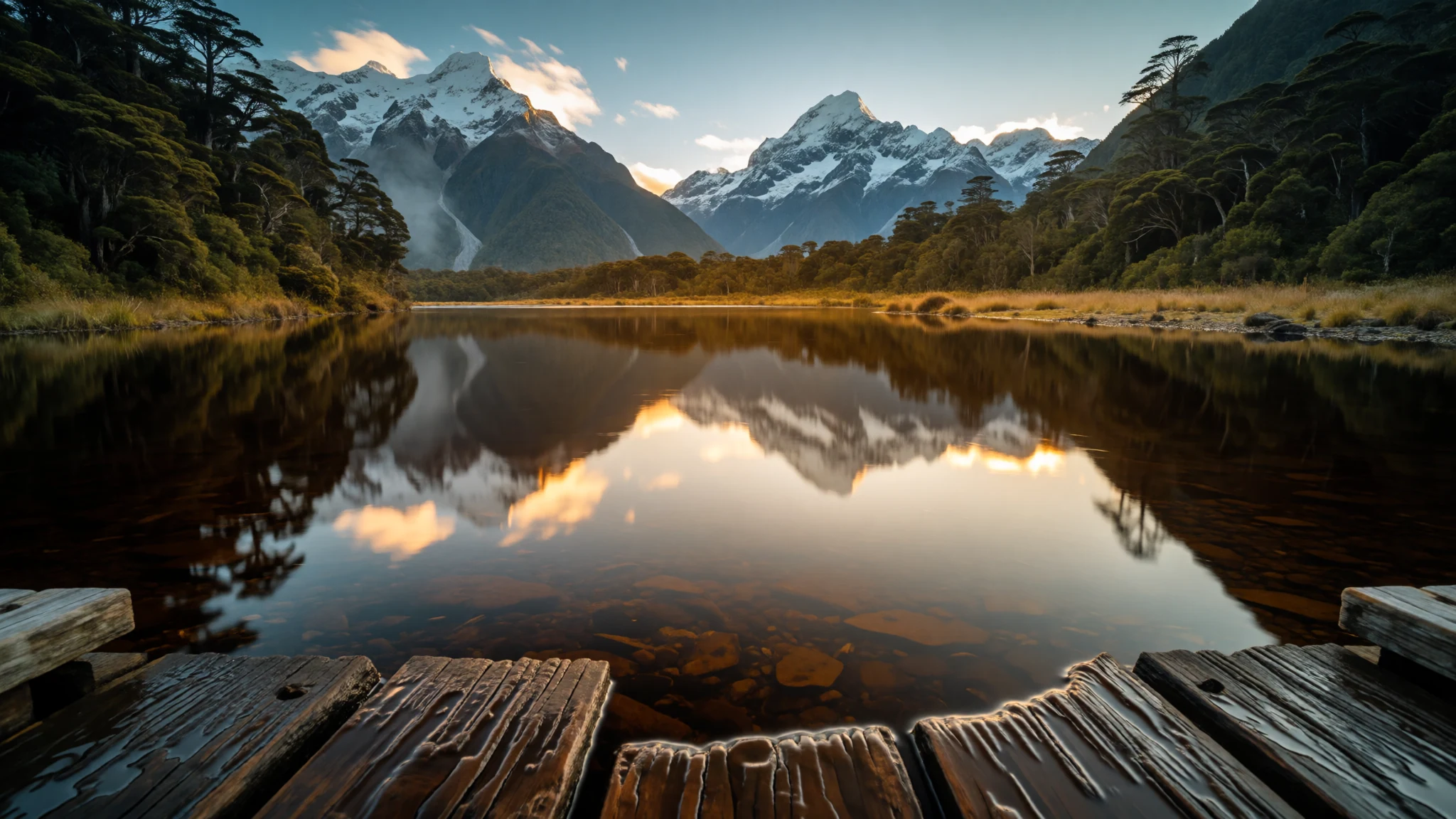
Visit Lake Matheson for its legendary glassy morning mirror reflections of New Zealand's highest alpine peaks framed by ancient podocarp forest.
The place
Lake Matheson, also known by its Māori name Te Ara Kairaumati, rests in the rugged landscape of South Westland on the western fringe of New Zealand's Southern Alps. Situated near the small settlement of Fox Glacier, the water body occupies a depression left behind by retreating ice ages. The surrounding terrain consists of dense native temperate rainforest where towering kahikatea and rimu trees edge the shoreline. Fed entirely by forest streams rather than major alpine rivers, the water absorbs organic tannins from decomposing vegetation on the forest floor. This natural leaching stains the liquid a deep amber hue, significantly reducing underwater visibility and creating the dark, light-absorbing surface required for flawless mountain mirroring. On tranquil mornings before the daytime breezes stir the surface, the lake acts as an immense natural mirror reflecting the snow-clad summits of Mount Tasman and Aoraki / Mount Cook across the water. An easy walking track circuits the perimeter, crossing tannin-stained forest streams via suspension bridges and leading visitors through quiet glades of ferns and moss-draped branches. The surrounding atmosphere is deeply peaceful, punctuated chiefly by the calls of native fantails and tūī birds flit through the damp canopy. While afternoon weather frequently brings ripples and clouds that obscure the peaks, early risers who arrive at dawn are rewarded with one of the country's most celebrated visual spectacles.
Its story
Lake Matheson holds a long and significant history for the indigenous Māori people of the South Island, who traditionally used Te Ara Kairaumati as an important mahinga kai or food-gathering place. Travellers journeying along the rugged coastal trails would stop at the waters to harvest longfin eels and waterbirds to sustain their journeys across the territory. European settlement of the surrounding Cook River flats brought pastoral farming during the colonial era, and the water body was subsequently named in honour of Murdoch Matheson, an early cattle farmer who worked the local land. As transport routes improved and a local tourism industry began to take shape during the early twentieth century, travellers started making the arduous journey to witness the alpine reflections. Early excursions required visitors to take horse-drawn transport or early motor vehicles to the trailhead before embarking on rough bush tracks that lacked modern boardwalks and bridges. Explorers were then rowed out onto the water in small boats to wait in silence for the ripples to subside and reveal the famous mountain views. Over subsequent decades, these iconic reflections were captured by photographers and reproduced on countless postcards, chocolate boxes, calendars, and travel souvenirs, cementing the location's status as a quintessential visual emblem of New Zealand's untamed southern wilderness.
What to see
- Lake Matheson / Te Ara Kairaumati Walk — Fox Glacier township
Lake Matheson features an exceptionally well-maintained walking track that loops completely around the dark, reflective waters through dense podocarp forest. Visitors cross swing bridges over tannin-stained streams and pause at viewing platforms like Reflection Island to witness the iconic mirrored vistas of distant snow-capped alpine peaks.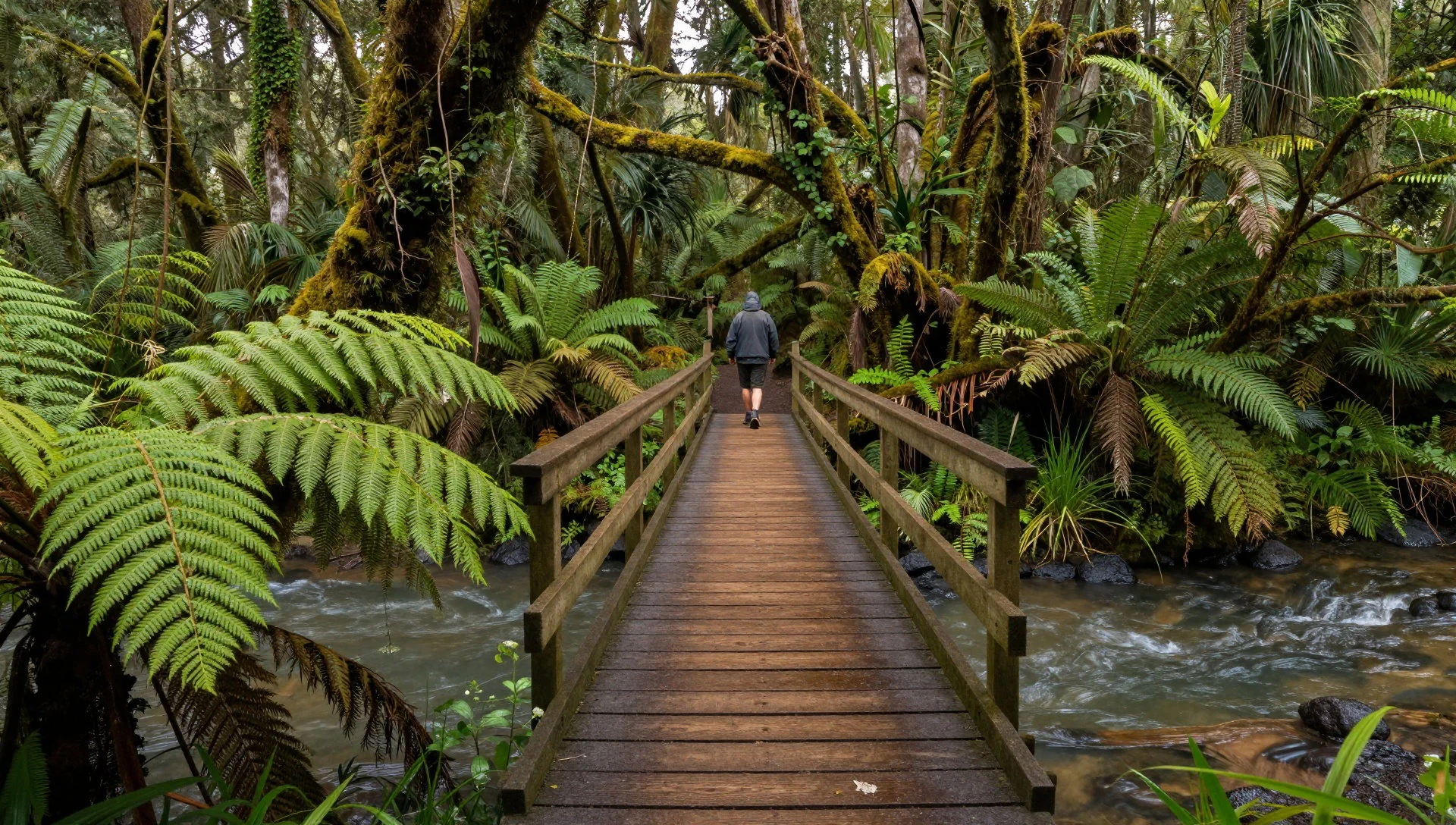
- Westland Tai Poutini National Park — South Westland
Westland Tai Poutini National Park protects the dramatic western slopes of the Southern Alps, encompassing ancient rainforests, roaring rivers, and accessible glaciers. The conservation area stretches from high mountain peaks down to wild coastal beaches, offering visitors exceptional opportunities to experience New Zealand's dynamic geological history and diverse native ecosystems.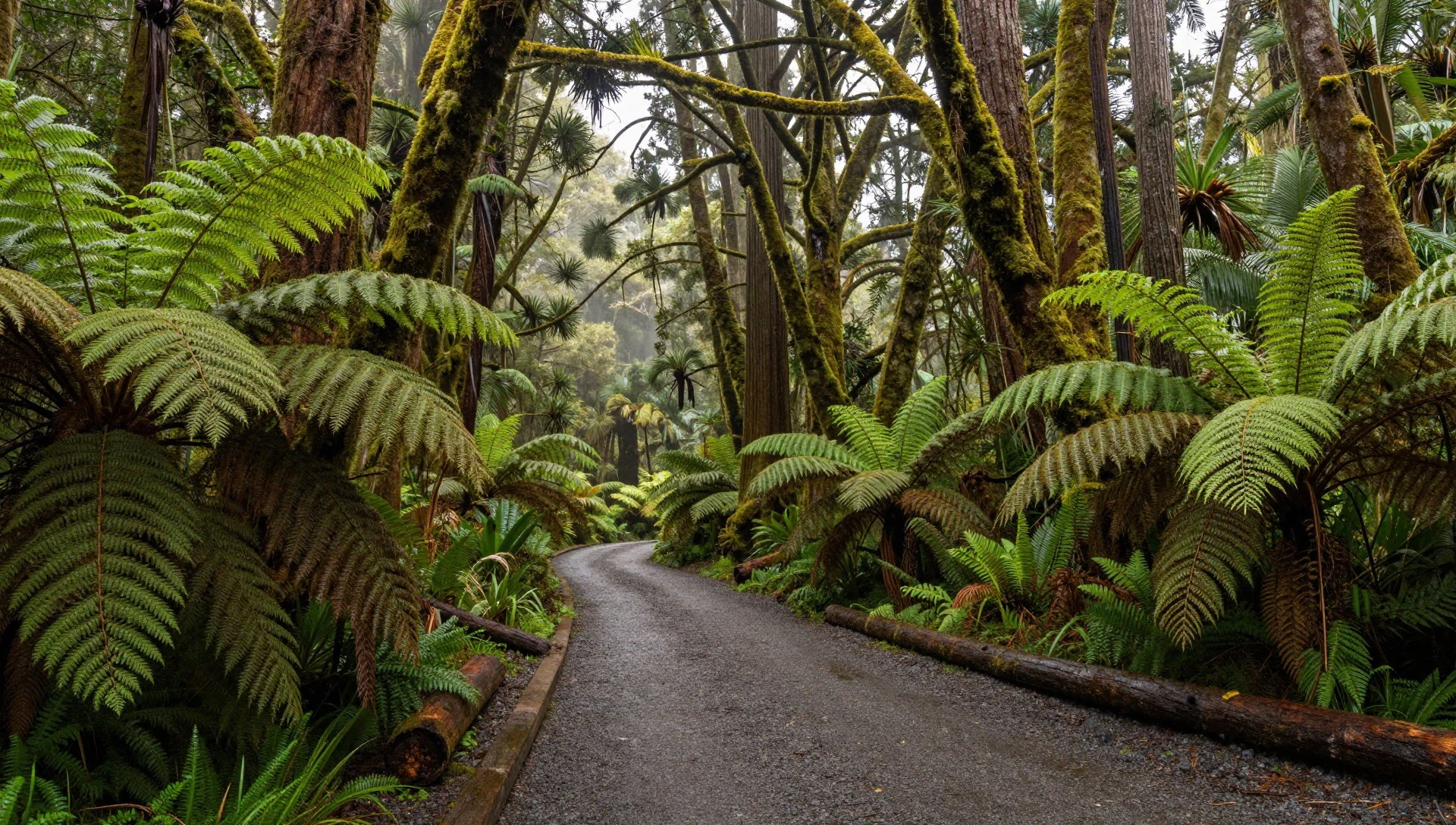
- Fox Glacier / Te Moeka o Tuawe — Westland Tai Poutini National Park
Fox Glacier / Te Moeka o Tuawe is a massive dynamic ice river descending rapidly from the high alpine zones of the Southern Alps towards the coastal plain. Visitors can approach the terminal face via valley floor walking tracks to witness the immense scale of the retreating ice and the rugged carved out landscape.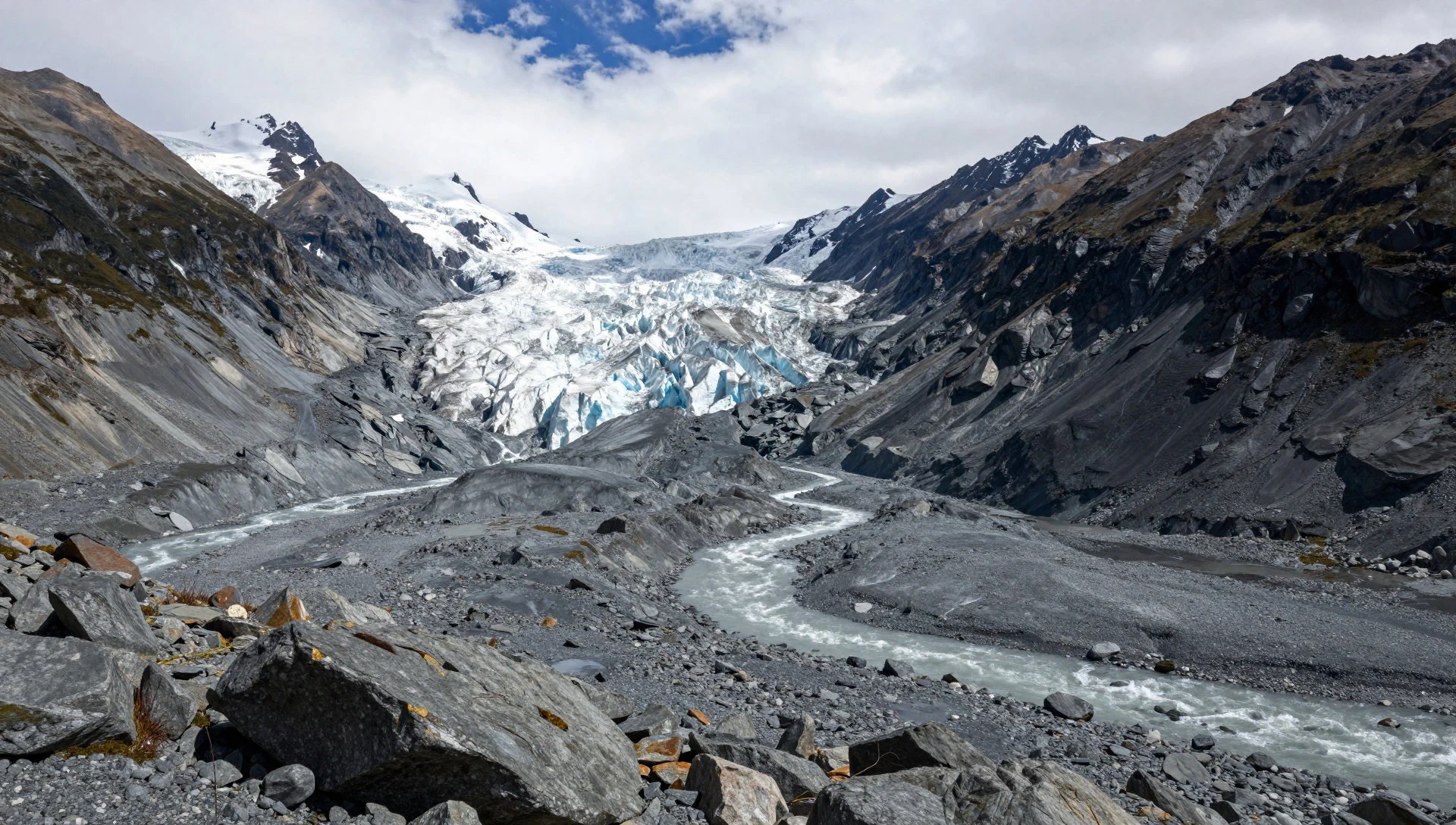
- Punakaiki Pancake Rocks and Blowholes — West Coast region
Punakaiki features a remarkable series of limestone rock columns weathered by relentless seas into shapes resembling stacked pancakes. Heavy ocean swells force seawater bursting through vertical blowholes, creating dramatic plumes of spray along a scenic coastline stretching towards the southern horizon.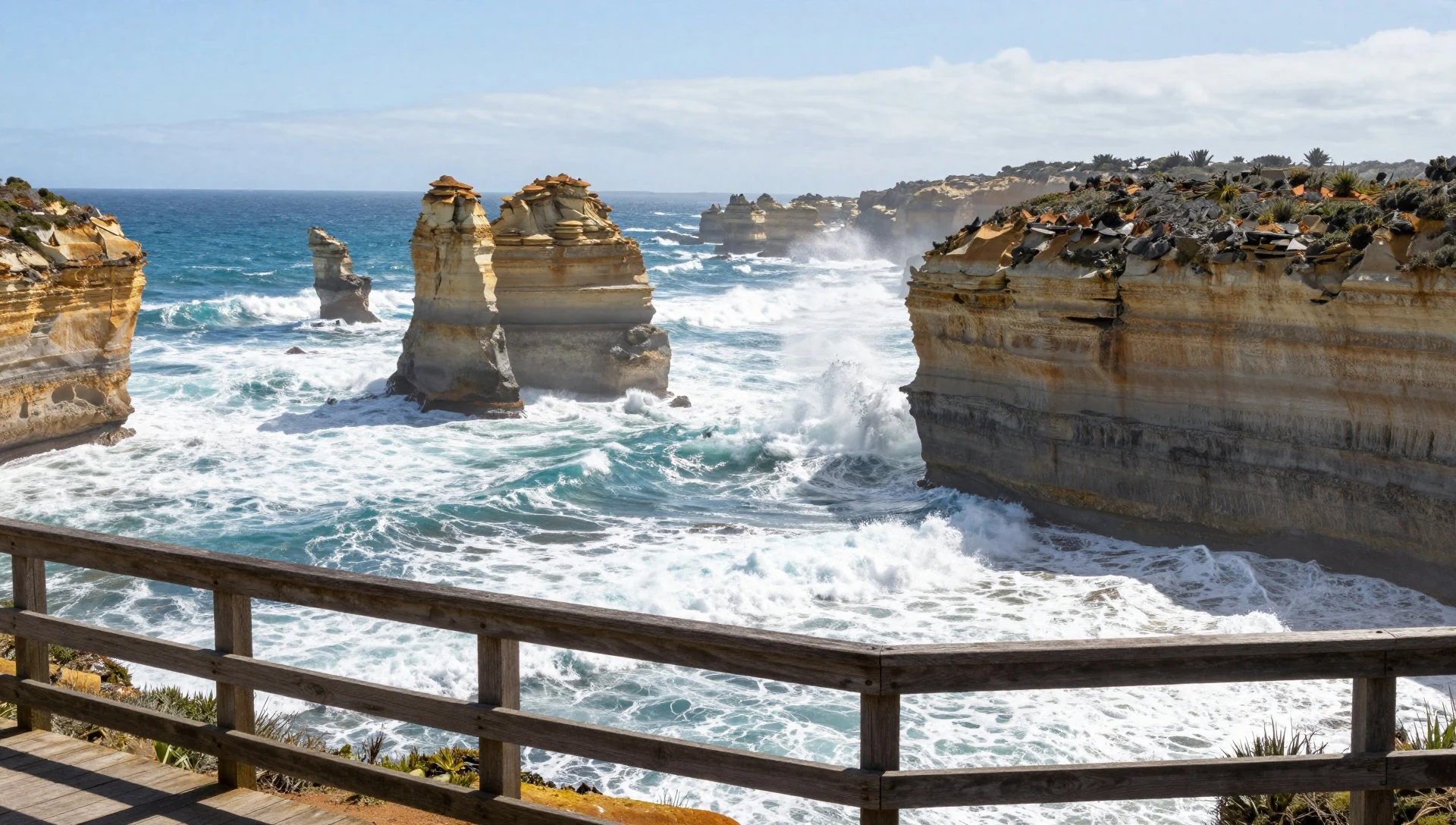
Culture
Lake Matheson and the wider West Coast region are shaped by a distinct local identity forged through isolation, rugged weather, and historical industries such as gold mining, timber felling, and farming. Locals, known colloquially as Coasters, maintain a reputation for fierce independence, resilience, hospitality, and a dry sense of humour rooted in frontier life. The indigenous Māori heritage remains deeply respected, with traditional guardian values influencing how natural conservation areas are managed alongside the Department of Conservation. Community life often revolves around local social institutions such as sports clubs and community halls where visitors are welcomed with straightforward warmth. When exploring the fragile ecosystems surrounding Lake Matheson, visitors must respect biosecurity measures designed to protect native flora and fauna from invasive pathogens. Always clean your footwear and equipment at designated hygiene stations before stepping onto local walking tracks to prevent the spread of soil-borne plant diseases.
What to wear
Lake Matheson and the West Coast region call for practical, weather-resilient attire rather than formal styling. Traditional New Zealand outdoor gear reflects the demands of a maritime and alpine climate where rain and sudden temperature drops are common. Locals and regular visitors typically wear durable layers including waterproof jackets, fleece pullovers, sturdy trousers, and worn woollen garments suited for farm work or bush walking. Modern everyday wear across the coast is casual and utilitarian, favouring comfort, warmth, and protection against coastal gales and relentless rain. Visitors exploring Lake Matheson should dress in breathable synthetic or merino wool layers, ensuring they pack a reliable waterproof rain jacket regardless of the morning's sunshine. Sturdy, broken-in walking boots or waterproof hiking shoes are essential for navigating muddy forest tracks and damp boardwalks. Sun protection, including hats and sunglasses, is also vital given the intensity of the southern sun when skies clear above the reflective water.
What to eat
- West Coast Whitebait — West Coast eateries and cafes
Westland is famous for its whitebait, a prized New Zealand delicacy consisting of tiny native fish fingerlings pan-fried whole in light egg patties. You can sample this seasonal specialty at local coastal cafes and traditional pubs throughout the region.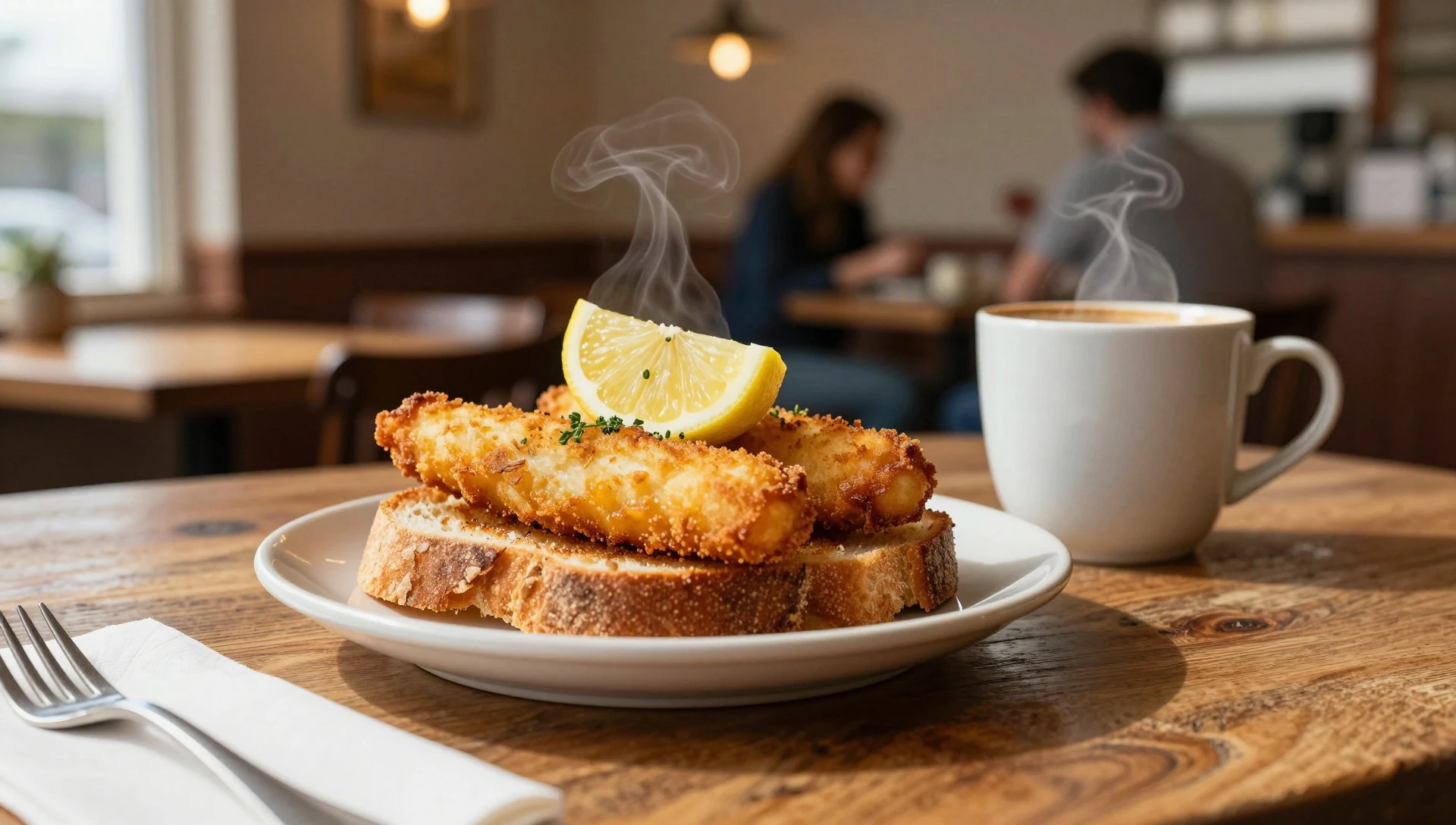
- Wild Game Meat Pies — Local village bakeries and country pubs
Hearty wild game pies filled with locally sourced venison, possum, or wild pork are a traditional staple of West Coast bakeries. These savory pastries offer warming, high-energy comfort food ideal for travellers exploring the damp southern wilderness.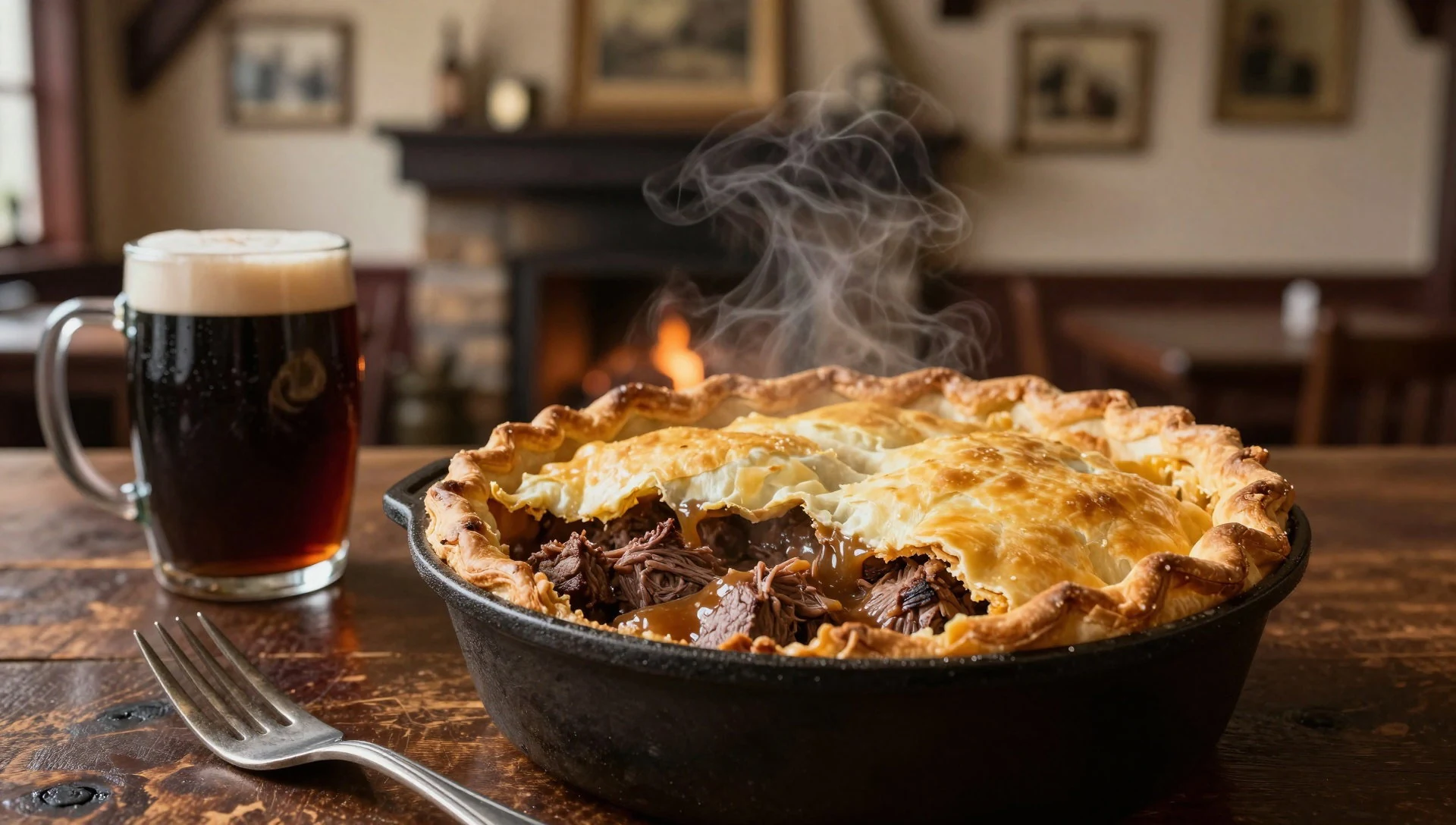
- Hokitika Wild Foods Delicacies — Annual festival grounds in Hokitika
The annual festival in Hokitika showcases unusual regional delicacies ranging from gorse flower wine to mountain fern fronds and roasted huhu grubs. Sample these adventurous culinary experiments at food stalls during the festival weekend in March. - RSA Club Suppers — Township RSA and workingmens clubs
Returned and Services Association clubs and workingmens clubs serve traditional, unpretentious Kiwi pub meals featuring classic roasts, fried fish, and generous portions. These community dining rooms provide an authentic slice of local social life.
Plan it
Best time. March–April and October–November offer the most stable weather and clear morning skies, while winter brings crisp snow-covered alpine vistas.
How long. 1–2
Getting there. Fly from Christchurch to Hokitika airport, then rent a car or drive via State Highway 6 south past Franz Josef towards Fox Glacier.
Budget. mid
Tips
- Arrive at the lake before dawn to catch the calmest water and clearest mountain reflections
- Check local weather forecasts carefully as afternoon winds frequently disturb the mirror surface
- Carry insect repellent as sandflies can be active near the forest tracks and water's edge
- Use the boot cleaning stations at the trailhead to protect native Kauri and beech trees from soil pathogens
Etiquette
- Respect local conservation guidelines by staying strictly on marked walking paths
- Keep noise levels low on the walking tracks to preserve the peaceful atmosphere for wildlife and other visitors
Nearby
Sources
- Wikidata Q1801001 (CC0)
- Wikipedia (CC BY-SA 4.0)
- Wikivoyage (CC BY-SA 4.0)
- Photo 1 (Public domain)
- Photo 2 (Public domain)
- Photo 3 (CC BY-SA 2.0)
- Photo 4 (CC BY 4.0)
- Photo 5 (CC BY 4.0)


