Lake Louise
Lake Louise, Canada
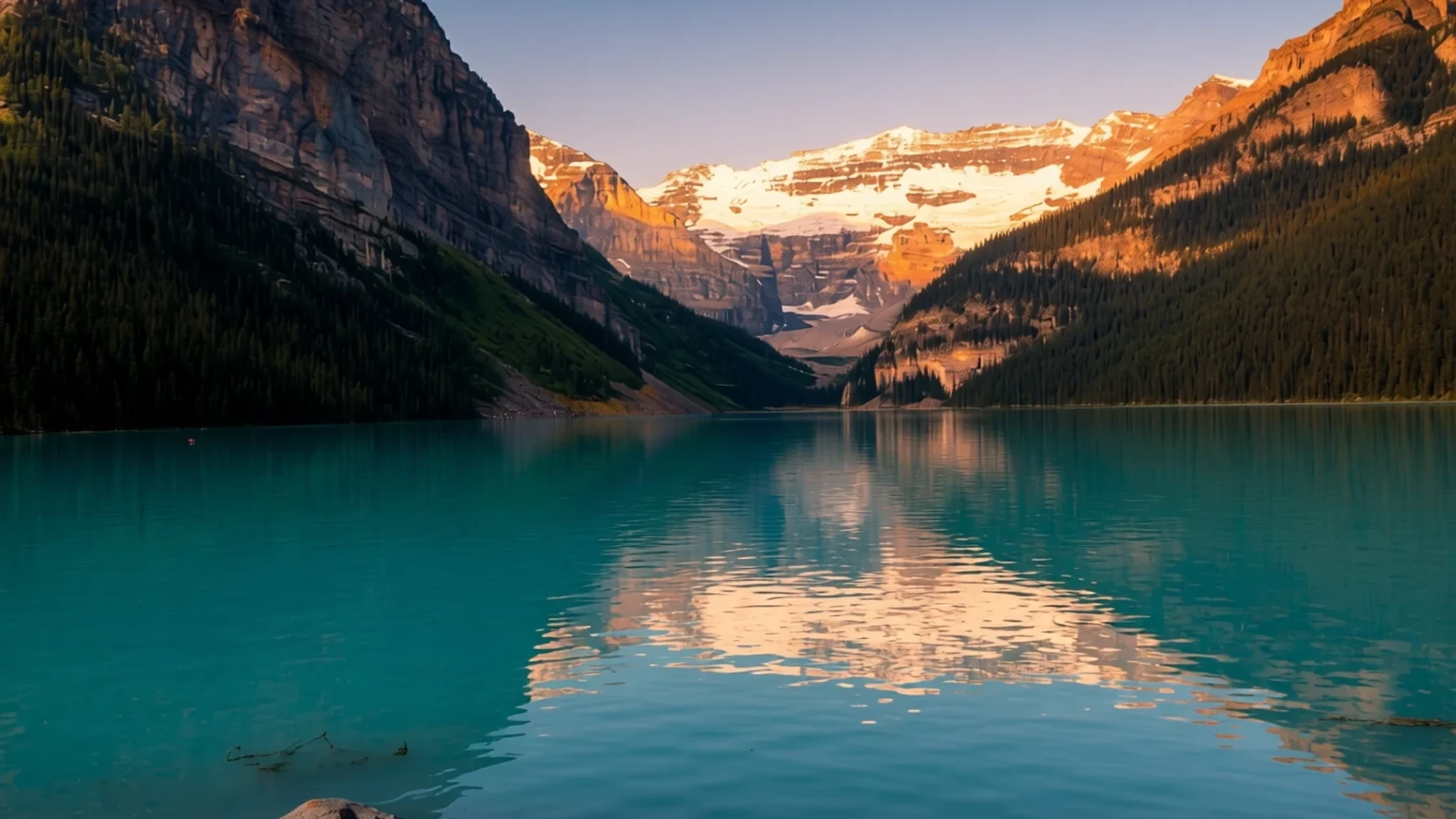
Visit Lake Louise to witness striking turquoise glacial waters framed by dramatic Rocky Mountain peaks in Banff National Park.
The place
Lake Louise sits as a striking glacial body of water tucked within Banff National Park in Alberta. Known originally in the Stoney Nakoda language as Horâ Juthin Îmne or Ho-run-num-nay, meaning the Lake of the Little Fishes, the water occupies a sheltered valley framed by steep, snow-dusted summits and the prominent Victoria Glacier. The distinctive milky-turquoise shade of the lake comes from fine rock flour, ground down by ancient ice and carried into the basin by meltwater streams. Positioned just off the main transport routes through the mountains, the eastern shore features the grand silhouette of a historic luxury resort hotel established by the Canadian Pacific Railway during the early decades of the twentieth century. From this central point, network paths lead out towards smaller nearby alpine lakes and elevated viewpoints. Visitors arriving here encounter a landscape shaped entirely by geological forces, where steep coniferous forests climb away from the cold water towards exposed rock faces and permanent icefields. Weather in the valley shifts rapidly, bringing sudden morning mists or crisp afternoon sun that alters the surface colour from deep green to bright azure.
Its story
Long before railway surveyors reached the mountain valleys, Indigenous Peoples knew the basin well. The first non-Indigenous visitor recorded by history was Thomas Edmonds Wilson, who arrived in the company of a Stoney Nakoda guide named Edwin Hunter. Initially called Emerald Lake by its early European discoverers, the basin was later renamed to honour a member of the British royal family. The designation links the water to Princess Louise Caroline Alberta, a daughter of Queen Victoria and the wife of the Governor General of Canada. That same royal connection also gave the surrounding province its name. As the Canadian Pacific Railway pushed iron rails across the mountains, the remote wilderness transformed into a destination for travellers seeking grand vistas and mountain air. The railway company built a sprawling wooden chalet by the shore, drawing wealthy holidaymakers who arrived by steam train before transferring to horse-drawn carriages. Over time, the temporary shelter evolved into the sprawling heritage hotel that commands the eastern waterfront today, anchoring the location's enduring reputation as a premier stop for transcontinental passengers.
What to see
- Fairmont's Chateau Lake Louise
Stroll along the manicured pathway tracing the eastern edge of the water, where the historic railway hotel meets the lakefront. The level walking route offers immediate views across the entire basin towards the Victoria Glacier and provides the starting point for all major valley trails.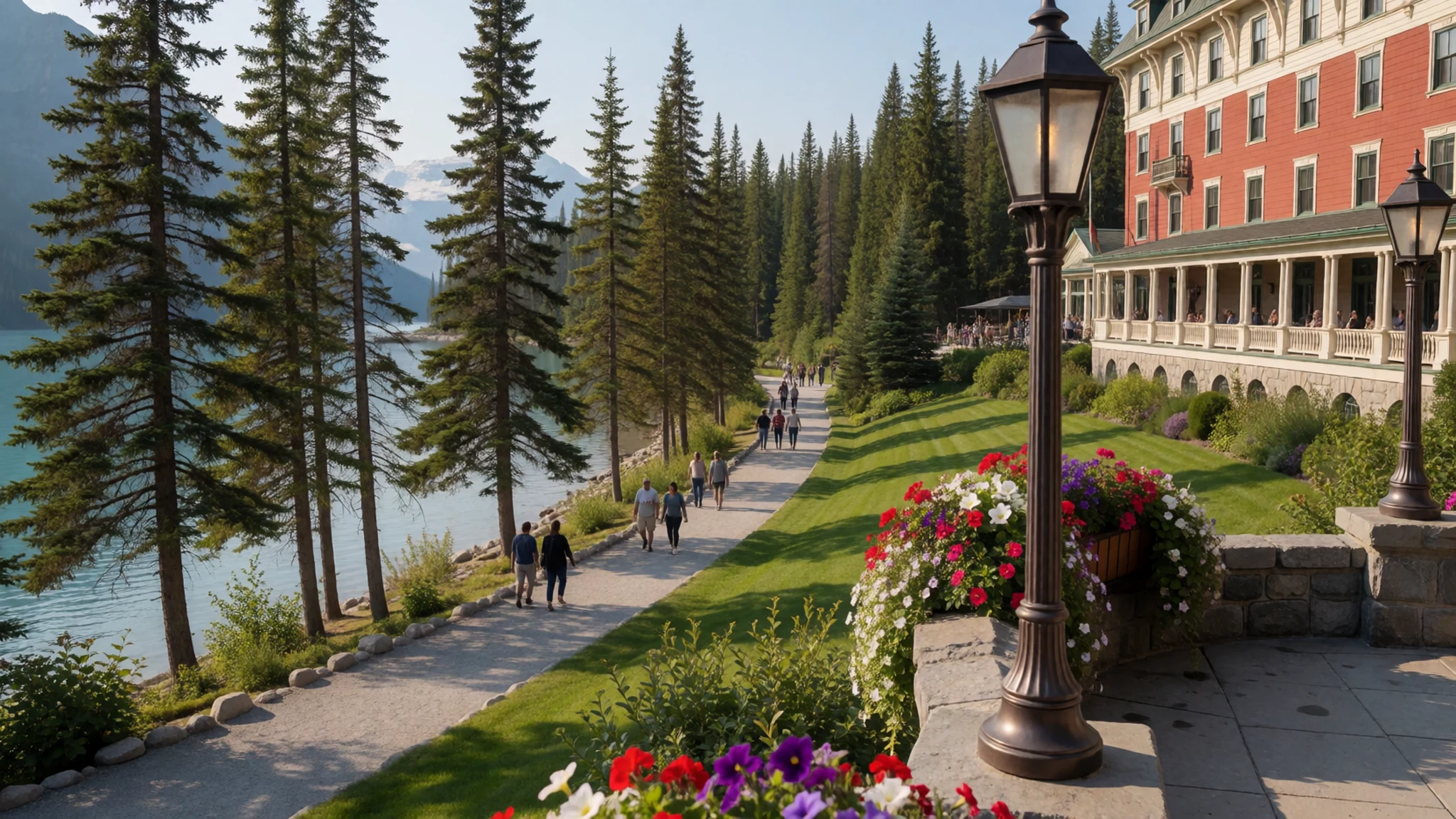
- Icefields Parkway
Follow the legendary highway stretching between mountain towns to experience vast expanses of ancient ice, sweeping valleys, and dramatic peaks rising sharply on either side of the road. It stands as one of the most remarkable scenic drives in North America.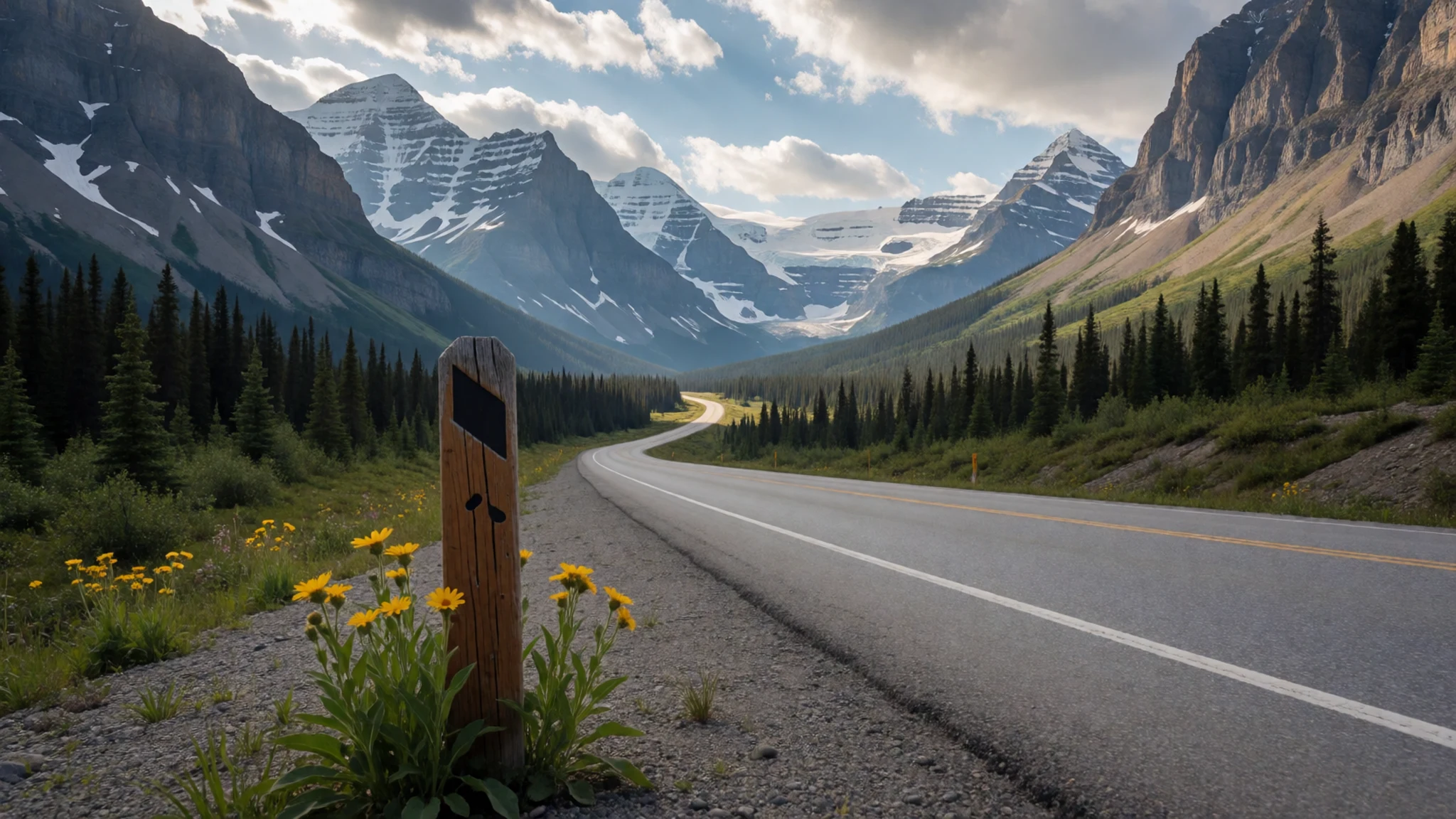
- Moraine Lake
Venture into the nearby valley basin to discover a smaller glacial lake framed by ten distinct jagged peaks. The vivid blue waters reflect a rugged amphitheatre of stone and ice, offering some of the most dramatic mountain scenery in the national park.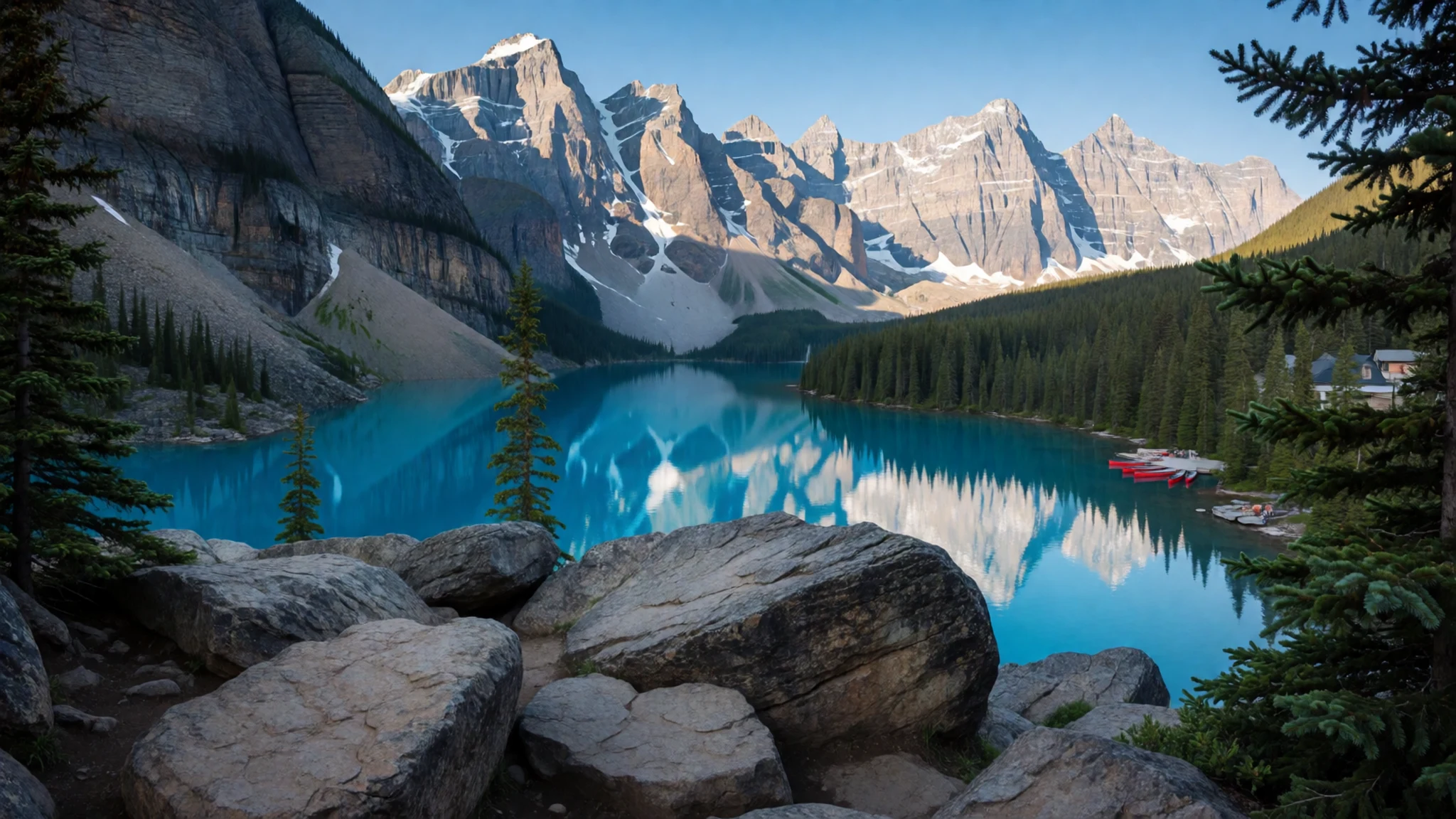
- Lake Agnes Trail
Climb steadily through thick stands of pine and spruce past rushing mountain streams to reach a secluded alpine tea house perched beside a high hanging valley lake. The route rewards steady effort with sweeping elevated vistas back down toward the main valley floor.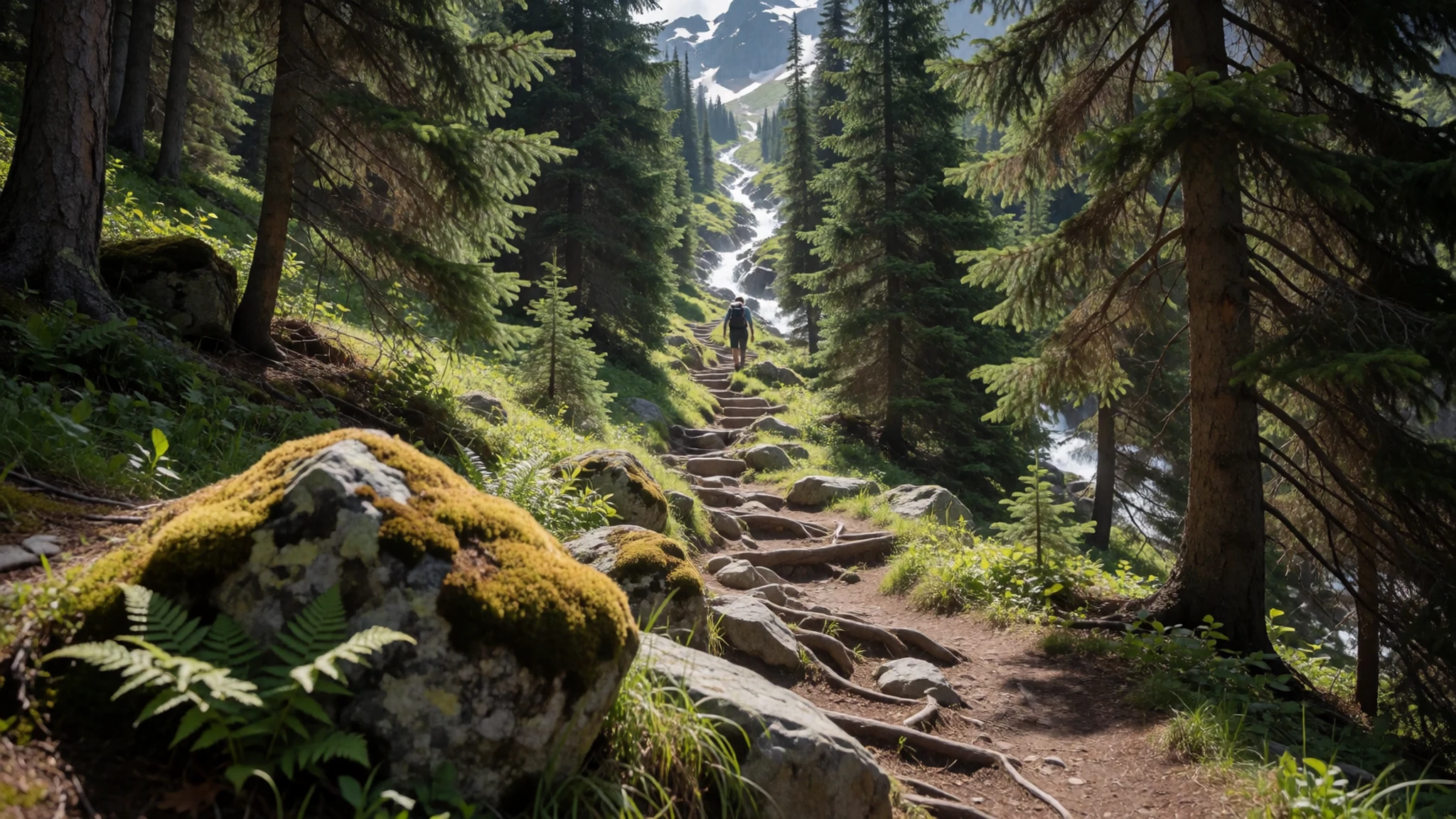
Culture
The cultural fabric of the region reflects a blend of Indigenous heritage, railway history, and modern mountain stewardship. Stoney Nakoda traditions remain deeply tied to the surrounding peaks, rivers, and valleys, honouring a long history of living in harmony with the high alpine environment. The arrival of railway workers and settlers in later decades introduced diverse influences, from British hospitality customs to culinary traditions brought by early Asian labourers working on the mountain lines. Today, the local community consists largely of park wardens, conservation specialists, outdoor guides, and hospitality staff who share a strong commitment to protecting the delicate mountain ecosystem. Visitors share the trails with abundant wildlife, making respect for natural habitats an essential part of the local ethos. Pack out all rubbish, maintain a safe distance from large mammals, and always follow marked paths to protect fragile alpine vegetation. Do not feed or approach wildlife under any circumstances.
What to wear
Mountain clothing here prioritises function, warmth, and changing weather over formal style. Traditional regional attire is rarely seen outside of historical celebrations or cultural events, though early railway heritage inspires rugged woollen garments, flannel shirts, and durable leather boots worn by outdoor workers and visitors alike. Modern residents and travellers dress in practical layers designed for variable alpine conditions, including moisture-wicking base layers, fleece jackets, and windproof outer shells. Sturdy, waterproof hiking boots with good ankle support are essential footwear for navigating uneven mountain trails and loose rocky terrain. Visitors should always pack a warm fleece and a waterproof jacket, even during the warmest summer months, as temperatures near the glaciers can drop unexpectedly. Bring a hat, sunglasses, and high-factor sunscreen to guard against strong ultraviolet radiation at higher elevations.
What to eat
- Alberta Beef — Any traditional steakhouse or resort dining room in the region
Savour premium cuts of local beef raised on rich native grasses and finished on regional barley. Found on menus throughout the province, from historic railway lodges to casual grills, it is celebrated for its exceptional tenderness and rich flavour.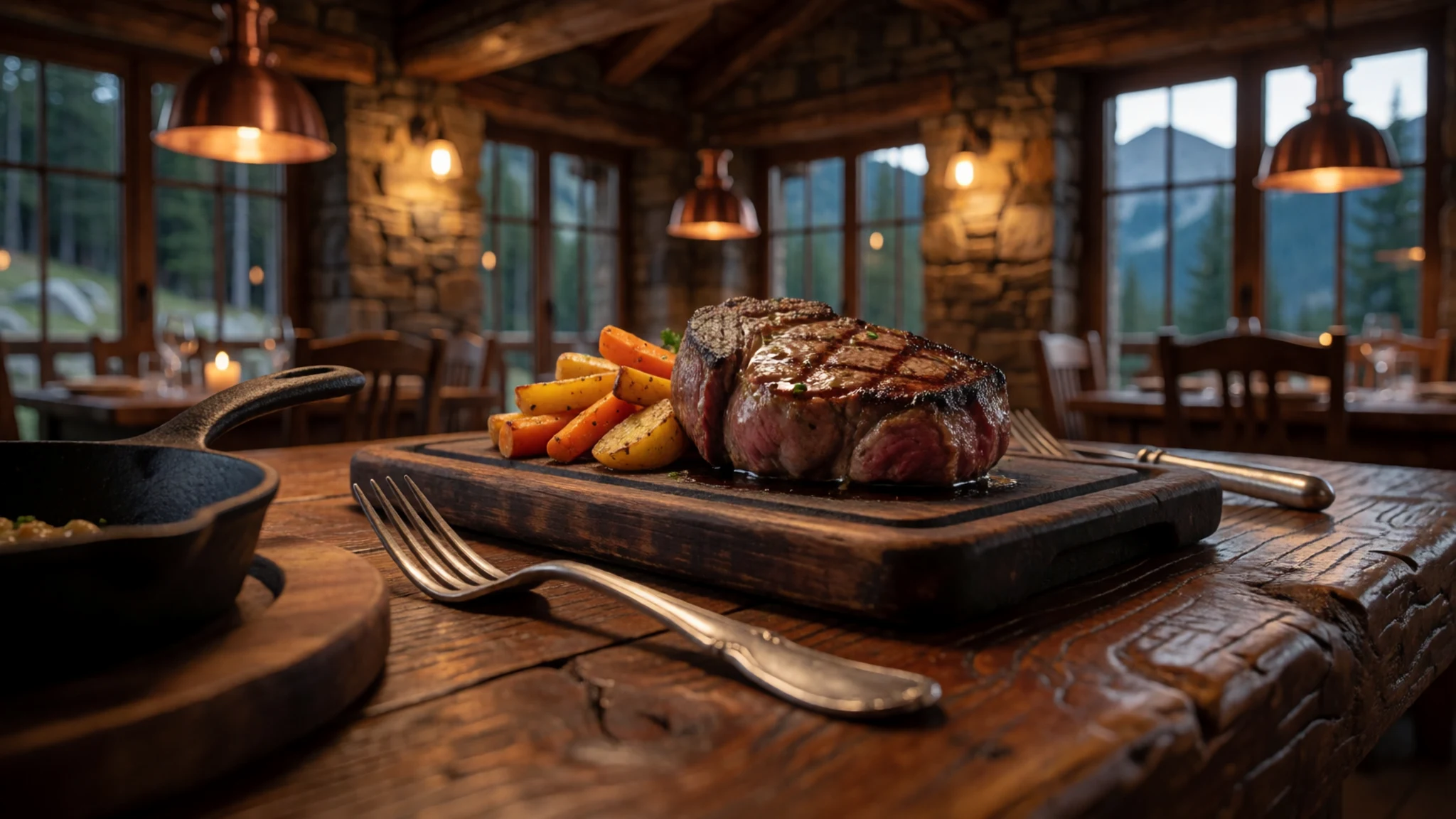
- Bison Steak and Stew — Local alpine taverns and mountain lodge dining halls
Taste lean, protein-rich bison prepared as hearty stews or grilled steaks across mountain eateries. This regional specialty offers a robust, slightly sweet flavour that has sustained travellers in the northern foothills for generations.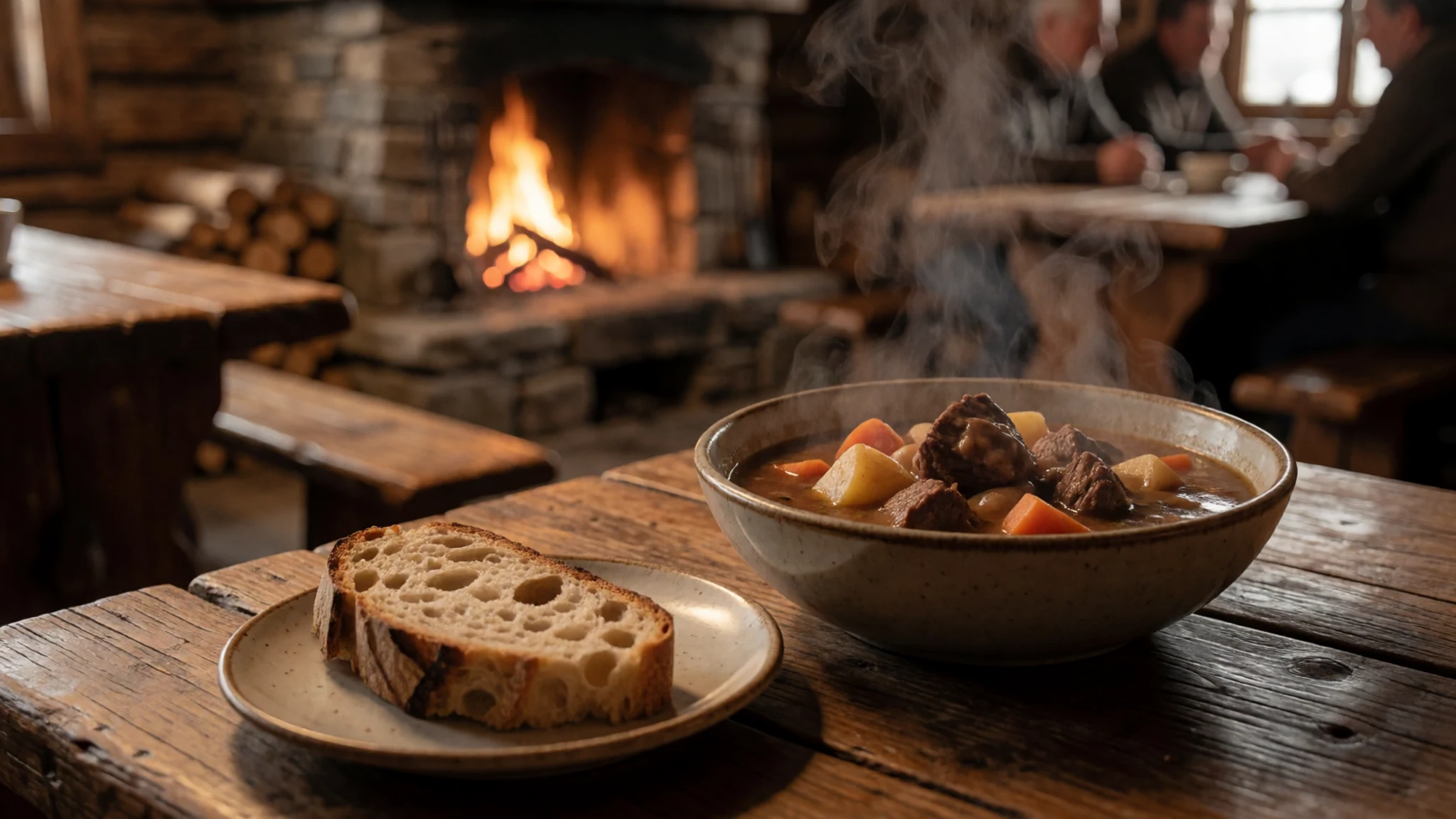
- Chinese-Canadian Café Fare — Small-town cafés and family-run eateries across the province
Sample an eclectic mix of comforting dishes born from early railway camps, where Fujian cooks blended traditional flavours with local ingredients. Expect menus featuring hearty soups, spring rolls, and familiar comfort foods. - Perogies and Dumplings — Regional diners, mountain pubs, and community supper spots
Enjoy pockets of unleavened dough filled with potatoes and cheese, reflecting the strong Eastern European heritage brought by settlers to the western prairies. They are typically served pan-fried with onions and rich sour cream. - Poutine — Casual roadside diners and alpine village snack bars
Indulge in a classic Canadian comfort dish consisting of crisp potato chips or fries topped with fresh cheese curds and blanketed in hot, savory gravy. It is a satisfying treat after a long day of hiking mountain trails.
Plan it
Best time. July to August offers warm weather for hiking and fully thawed turquoise waters, while June and September bring fewer crowds.
How long. 2–3
Getting there. Fly into Calgary International Airport, then rent a car or catch a shuttle service west along the Trans-Canada Highway for about two hours.
Budget. high
Tips
- Arrive before 7 am to secure parking near the lakeshore during peak summer months
- Book shuttle buses well in advance if visiting during July and August
- Layer clothing carefully as alpine weather can change from warm sunshine to snow flurries in minutes
- Carry bear spray and know how to use it when hiking wooded mountain trails
Etiquette
- Stay strictly on marked trails to protect fragile wildflower meadows and prevent erosion
- Keep a respectful distance from bears, elk, and other mountain wildlife
Nearby
Sources
- Wikidata Q1367398 (CC0)
- Wikipedia (rev 1379716693) (CC BY-SA 4.0)
- Wikivoyage (rev 5393505) (CC BY-SA 4.0)