Lake Kawaguchi
Lake Kawaguchi, Japan
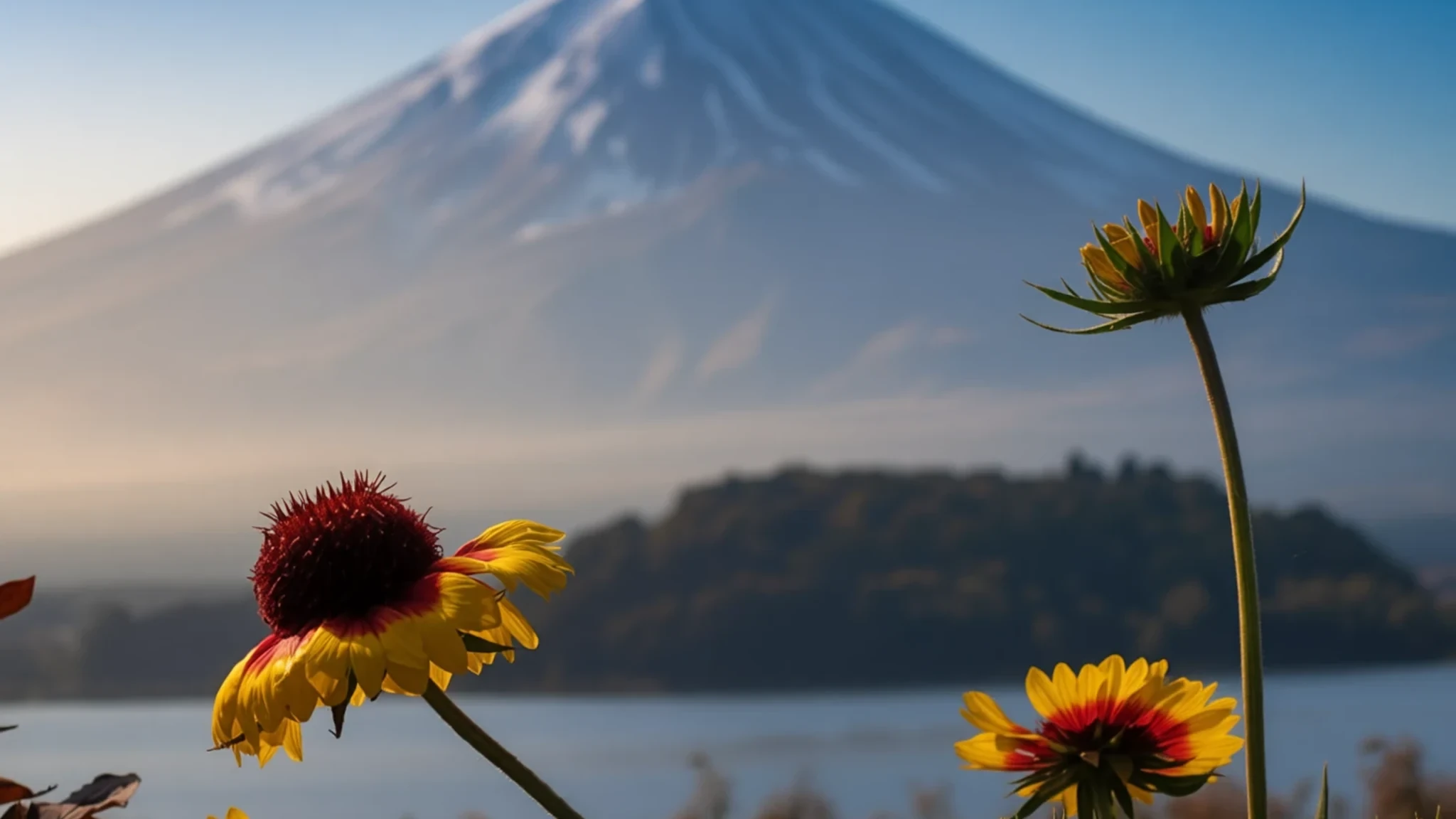
Lake Kawaguchi offers broad views of Mount Fuji across the water, plus boats, lakeside stays and a train ride from Tokyo.
The place
Lake Kawaguchi, known in Japanese as Kawaguchi-ko, lies in the town of Fujikawaguchiko in southern Yamanashi Prefecture, close to the northern side of Mount Fuji. It is one of the Fuji Five Lakes that ring the mountain. At about 833 metres above sea level, it sits at the lowest elevation of the group, which keeps summers cooler than in the city but makes winters cold, with the lake often icy. It has the longest shoreline of the five, so a walk around the edge or a slow boat trip takes in a lot of changing scenery. The lake is within Fuji-Hakone-Izu National Park.
Much of the appeal is simple. On a clear day the cone of Fuji stands above the water, and the lakeside has been built up around that view. Hotels, restaurants, camp sites, a windsurfing area and excursion boats line the shore, and sports fishing is a long-standing pastime, using white crucian carp and wakasagi that were introduced in the Meiji period. The place is not a quiet wilderness, though. It is the most visited of the five lakes, so expect coaches, queues at the best viewpoints and steady crowds on spring and autumn weekends.
The lake is also a base for climbing Mount Fuji. The climbing season runs through July and August, when the routes from this side are at their busiest. Outside those months, the lake works best as a stop for a day or two: a morning on the water, a bicycle ride along the shore, and a long look at the mountain while the light shifts.
Its story
The lake that visitors see today was shaped by a landslide. It is classed as a landslide-dammed lake, meaning that a mass of earth and rock blocked a valley and water gathered behind it. With no natural outflow, the water had nowhere to go but up, and settlements on its shores suffered repeated floods. The remedy came in 1914, when a canal was completed to link the lake with a tributary of the Sagami River, giving the water a route out and easing the threat to the lakeside villages.
Once flooding was under control, the setting began to attract people who came for scenery and sport. Fish were stocked in the Meiji period, and angling became a pastime that still draws anglers to the shore. Through the twentieth century the lakeside filled with hotels, boat operators and campsites. Kawaguchiko developed into the most fully equipped tourist base of the five lakes, which explains why today's visitor finds such easy access to food, beds and boats.
The lake's standing has also grown in recent years. In 2013 it was brought under a World Heritage listing alongside Mount Fuji, through the Fujisan Cultural Site. That recognition has drawn more attention to the wider landscape, but daily life on the lake is still shaped by weekend trade, seasonal climbers and the mountain's changing moods, which decide whether the summit is visible at all.
What to see
- Mount Fuji from the lake shore — Lake Kawaguchi shoreline
Japan's highest and most famous peak rises beyond the lake, and the northern half of the mountain lies within Yamanashi, so it can be seen from most of the prefecture. Early mornings and winter days usually give the clearest outline, though cloud can hide the summit for days at a time. Walk the lakeside paths and the bridge area for the classic views, and if you can, take a boat out for the view from the water.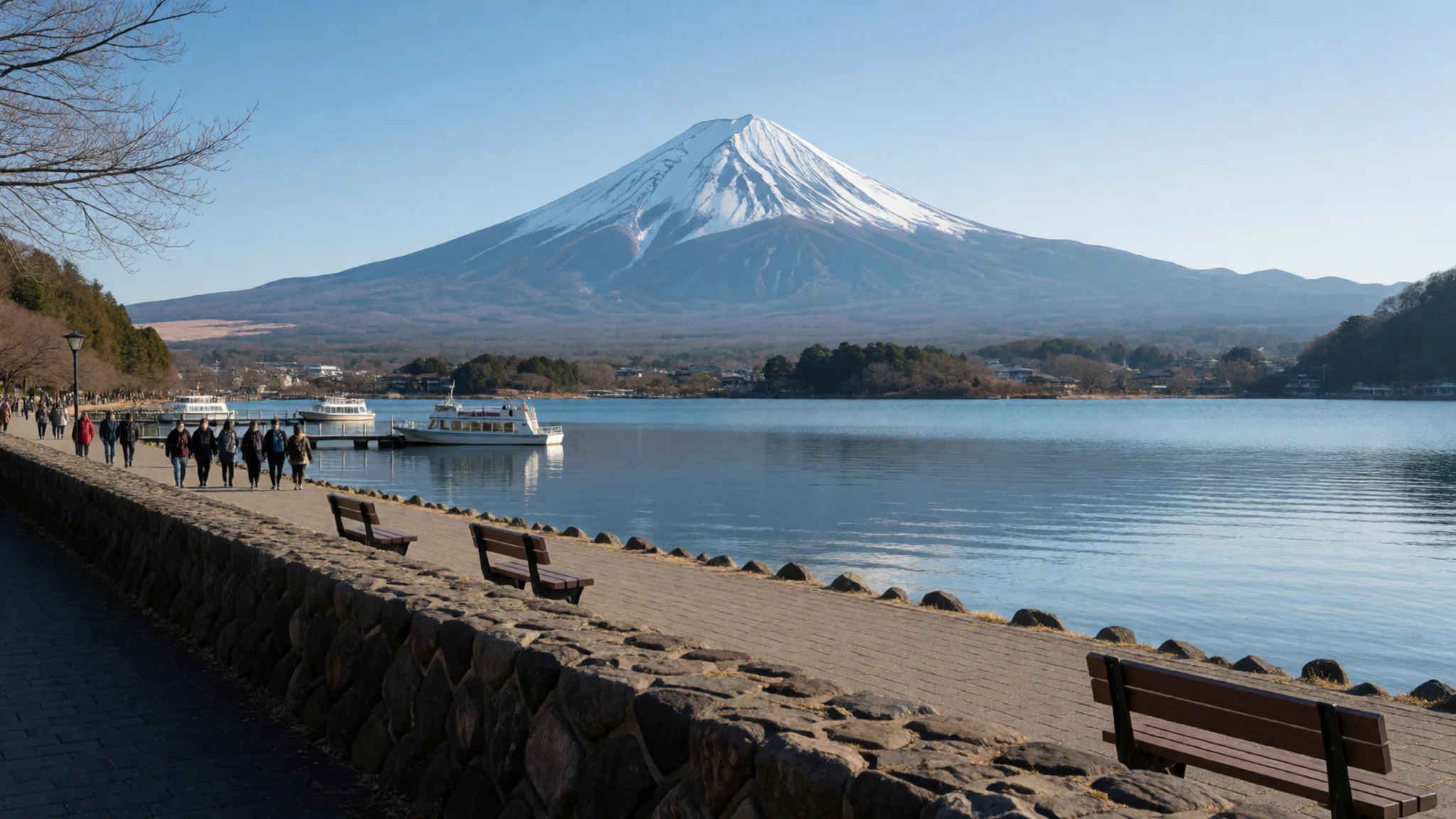
- Yoshida Trail up Mount Fuji — Fuji Yoshida, at the foot of the mountain
The Yoshida Trail starts on the Fuji Yoshida side of the mountain, which is not easily reached from the lake, so climbers setting out from here usually take a different route. The climbing season falls in July and August, when the trail and mountain huts are open and the paths are busiest. Start early, carry warm layers even in summer because the summit is far colder than the lake, and check conditions at the trailhead stations before you set out.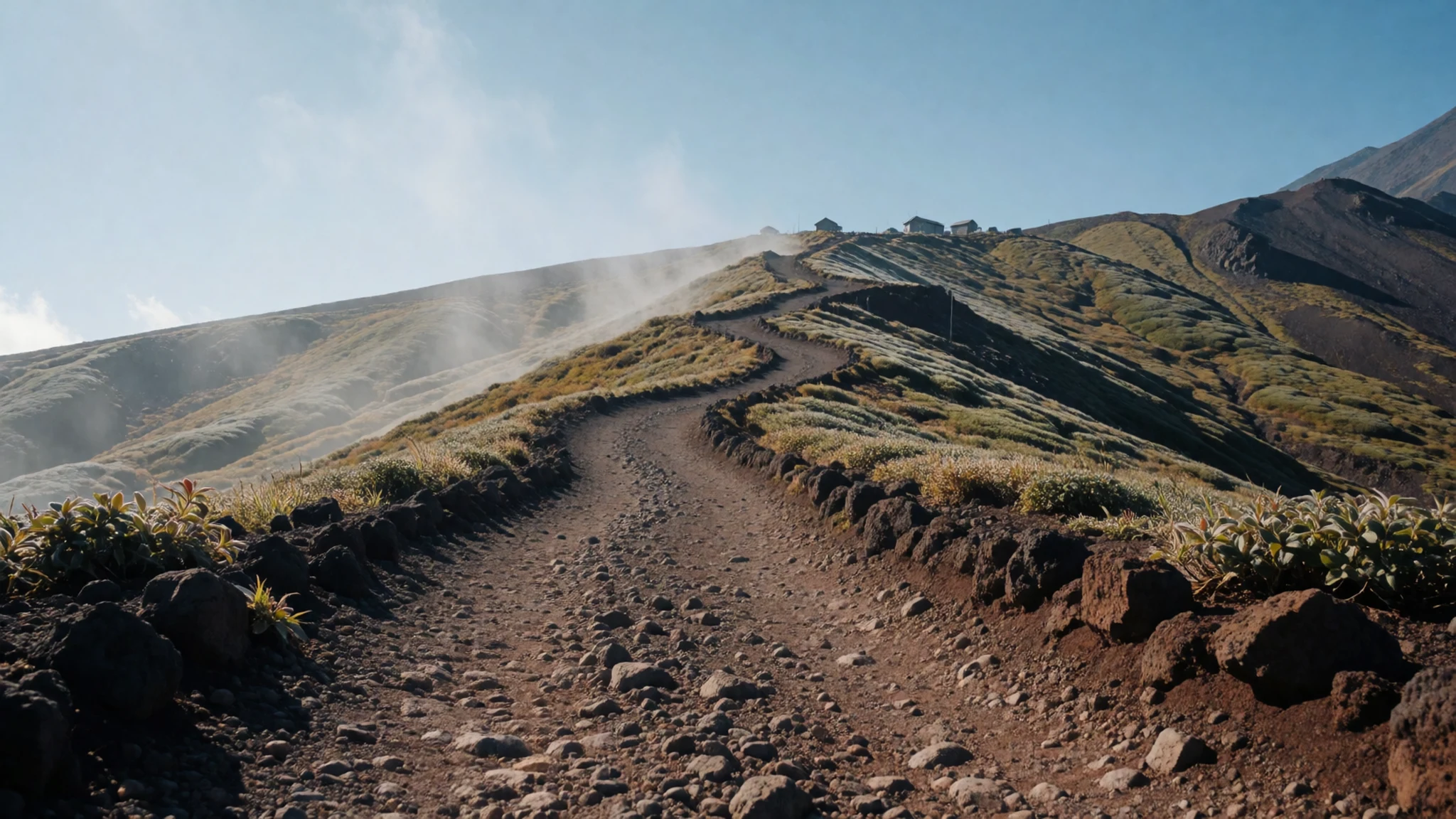
- Shosenkyo Gorge — Yamanashi, within Chichibu-Tama-Kai National Park
This gorge is often described as among the finest in Japan, and it lies within Chichibu-Tama-Kai National Park. Expect a valley walk beside a river, with rock walls and, in autumn, changing foliage. It makes a good day trip from the lake area by bus or car, so check timetables in advance and wear shoes with grip, as paths can be damp.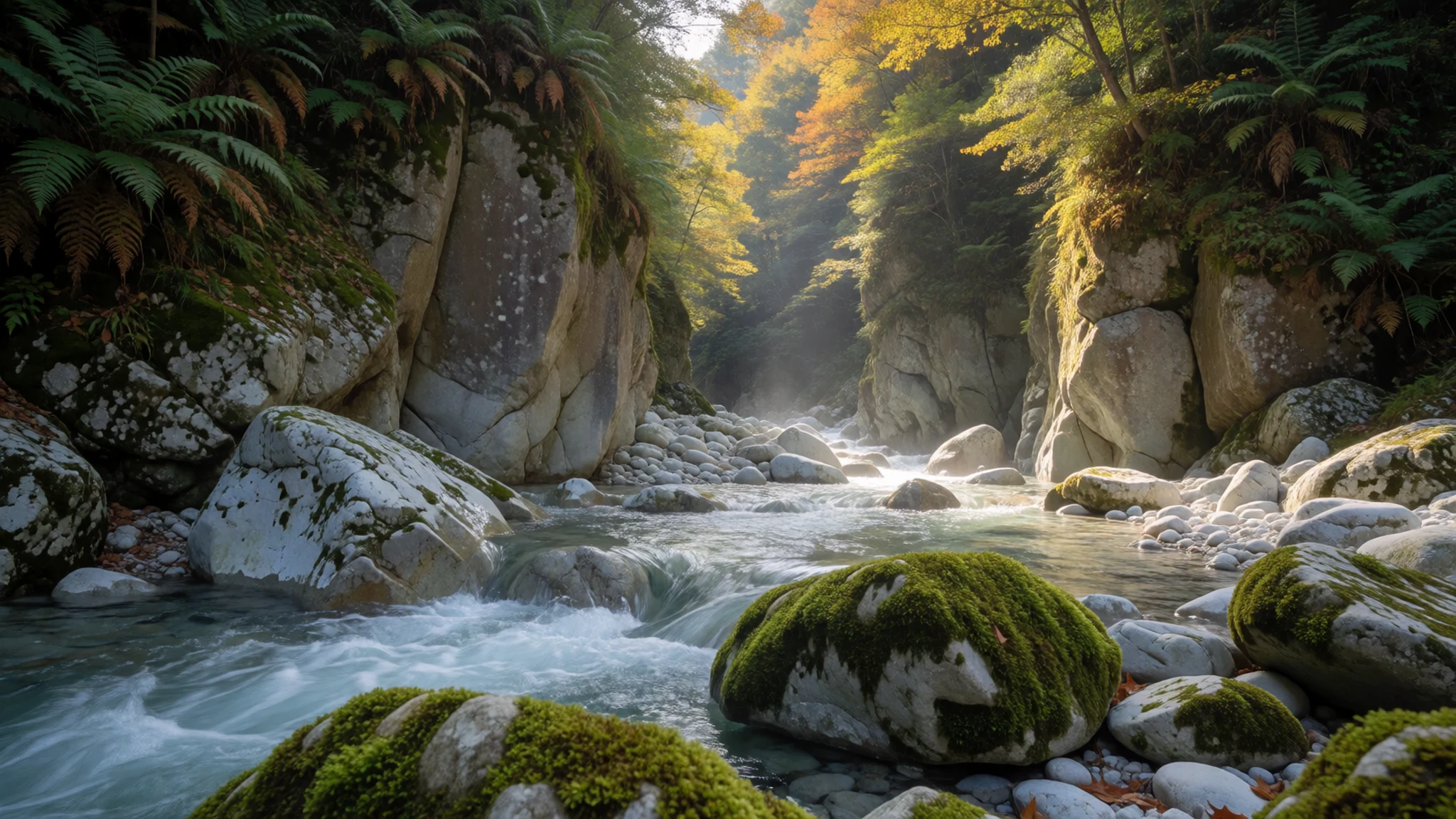
- Kuon-ji Temple — Southern Yamanashi, south of the lake
Kuon-ji is the head temple of the Nichiren Shū sect of Buddhism, and its scenic setting is part of the appeal. Shoes come off at the step before the worship halls, and the main buildings call for quiet, unhurried behaviour. Monks may be practising, so visit calmly and avoid photographing people during prayers.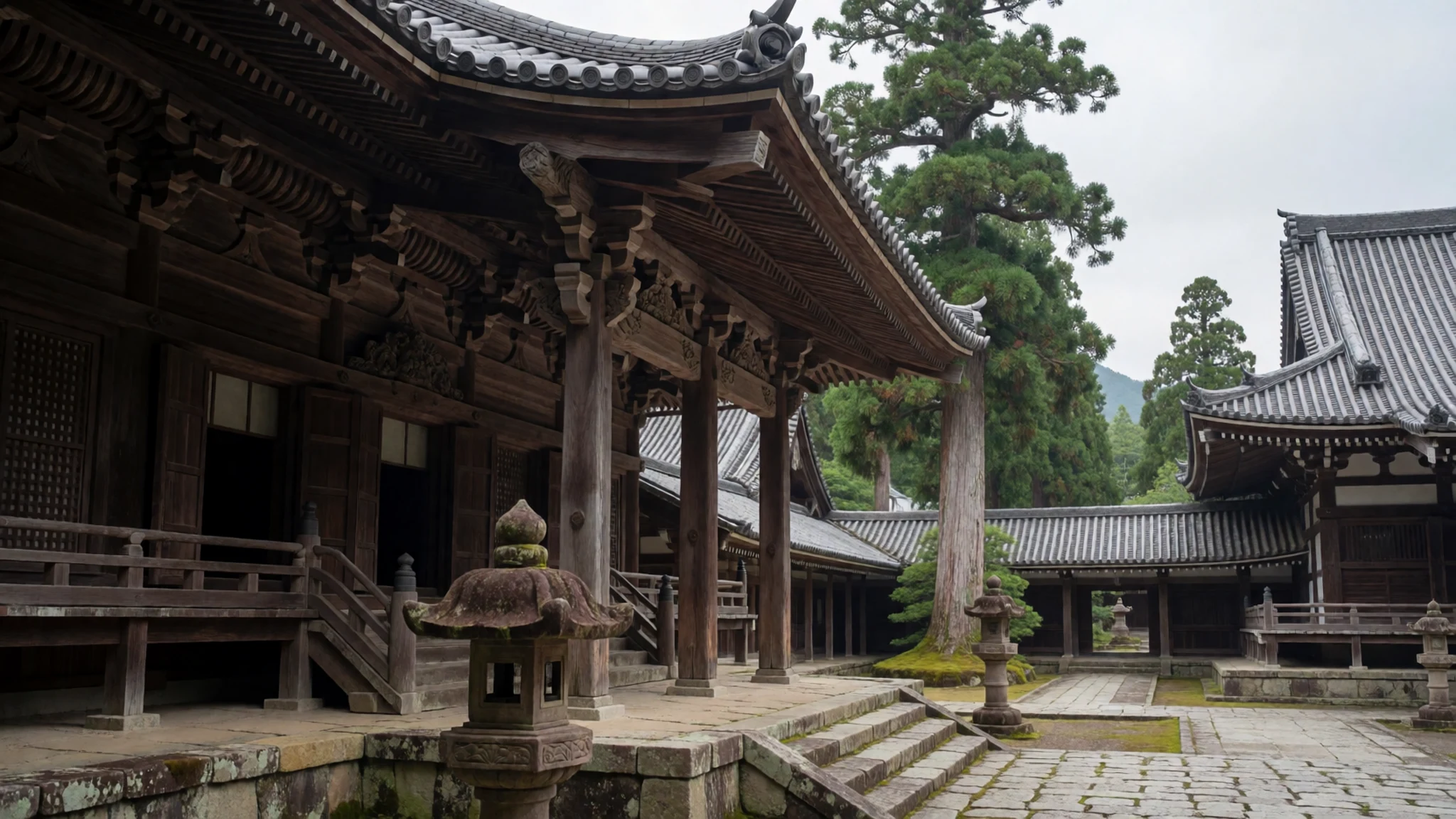
- Kofu Castle — Kofu city centre, beside Kofu Station
Kofu Castle is not among Japan's greatest castles, but its grounds and moat are pleasant to wander, particularly in cherry blossom season. The railway station runs through the middle of the site, which makes it easy to reach on foot. Combine it with Takeda Shrine, which stands on the former home of Takeda Shingen, the prefecture's great local hero.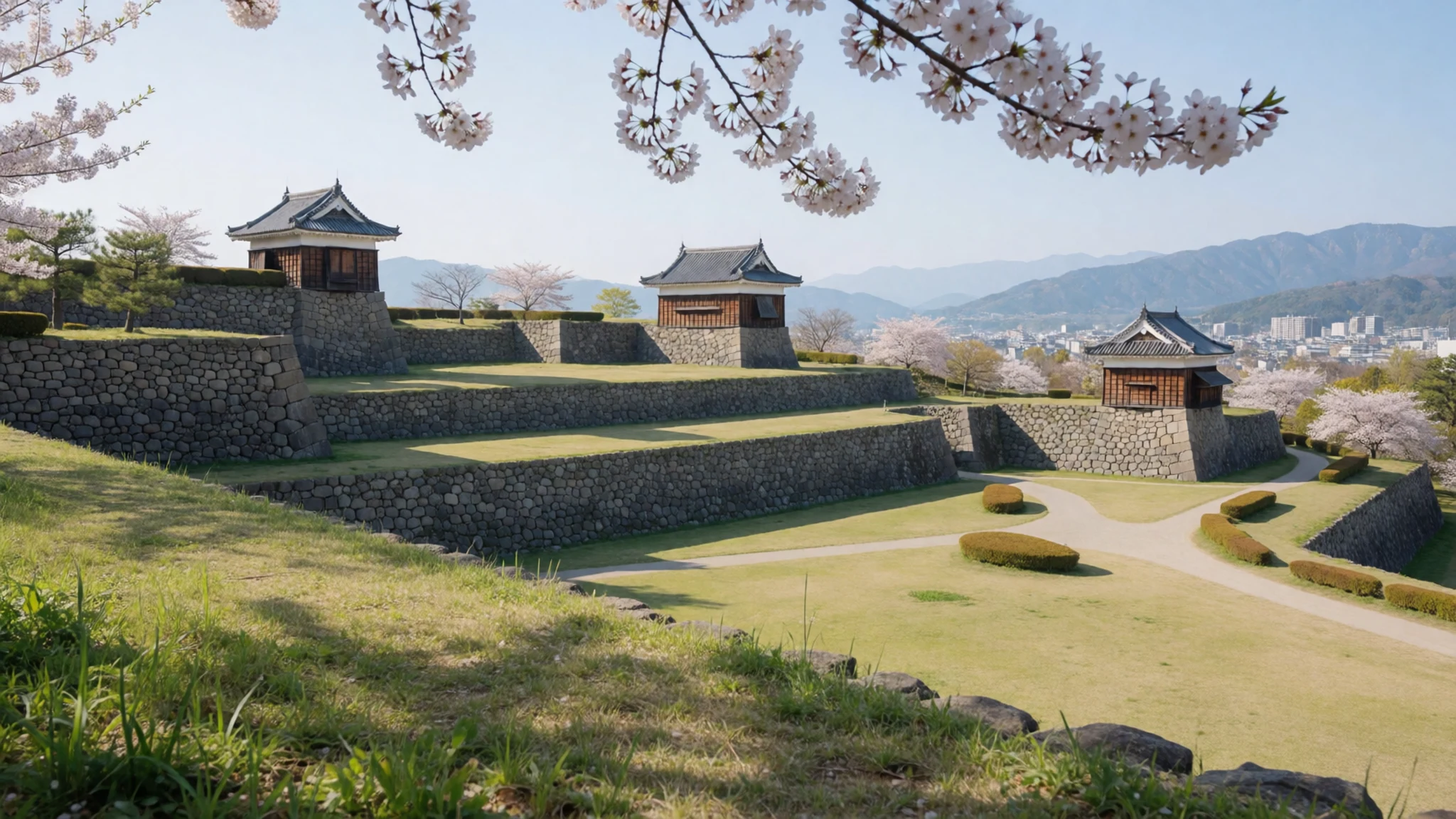
Culture
Lake Kawaguchi lies within the wider Fujisan Cultural Site, so Mount Fuji is treated with real reverence by many people who live around the lake. Shrines and temples dot the area, and festivals keep older customs visible. The Yoshida Fire Festival, held over two days each August, honours the goddess of Mount Fuji, while the Takeda Katsuyori parade in Nirasaki and the Shingen-Ko Matsuri in Kofu recall the region's feudal past, with local people dressed as warriors and marching through the streets. Visitors are welcome at many of these events, but they are first and foremost community occasions. Around the lake, most people are simply getting on with their work, whether that is fishing, running hotels and boats, or enjoying a family day on the shore. Ask before photographing people up close, especially festival participants and anyone in traditional dress. Shrine and temple grounds are quiet, so speak softly and keep to the paths. At Kuon-ji Temple, remove your shoes at the step before entering any worship hall, and keep your voice low throughout.
What to wear
Traditional dress around Lake Kawaguchi is the dress of Japan as a whole: the kimono, worn for festivals, formal occasions and weddings, and the lighter yukata, a cotton robe for summer evenings and festivals. Silk is the classic cloth for kimono, cotton for yukata, and patterns often change with the season, so a summer print differs from a winter design. Costumes worn in local festivals follow these traditions; at the Takeda Katsuyori festival, locals dress as the feudal lord and his court. Most people living here today dress much as they do in other Japanese towns, in jackets, jeans and comfortable trainers for walking, with smarter clothes for restaurants and formal events. For a visit, dress in warm layers, because the lake is cold in winter and mornings on the water are cool even in summer. Choose footwear that comes on and off easily, since temples and some eateries ask you to remove your shoes, and bring sturdy boots if you plan to climb. At temples, cover your shoulders and knees; no strict code applies, but modest clothing is appreciated.
What to eat
- Hōtō — winter menus in Kofu and the lake towns
Hōtō consists of wide wheat noodles resembling udon, simmered in a miso broth with pumpkin, burdock, radish, carrot, taro and sweet potato. Winters in Yamanashi are cold, so it is a warming meal, eaten at home and in local restaurants.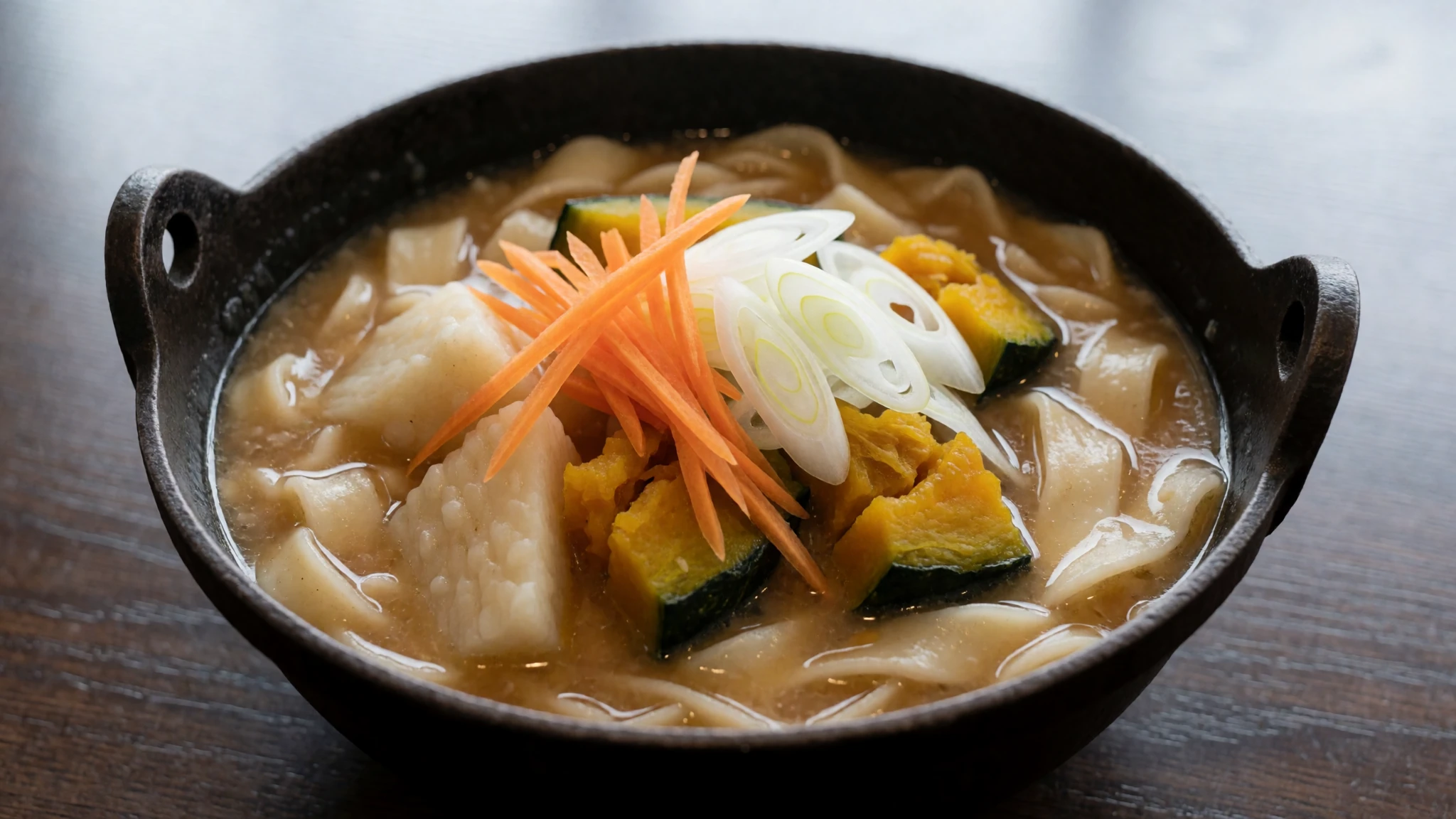
- Yoshida Udon — noodle eateries in Fuji Yoshida, at the mountain's foot
Yoshida Udon is a firm, thick noodle served in a rich soup, with or without meat, depending on the bowl you order. It is a plain, filling lunch rather than a formal dish, so it suits a day of walking or climbing.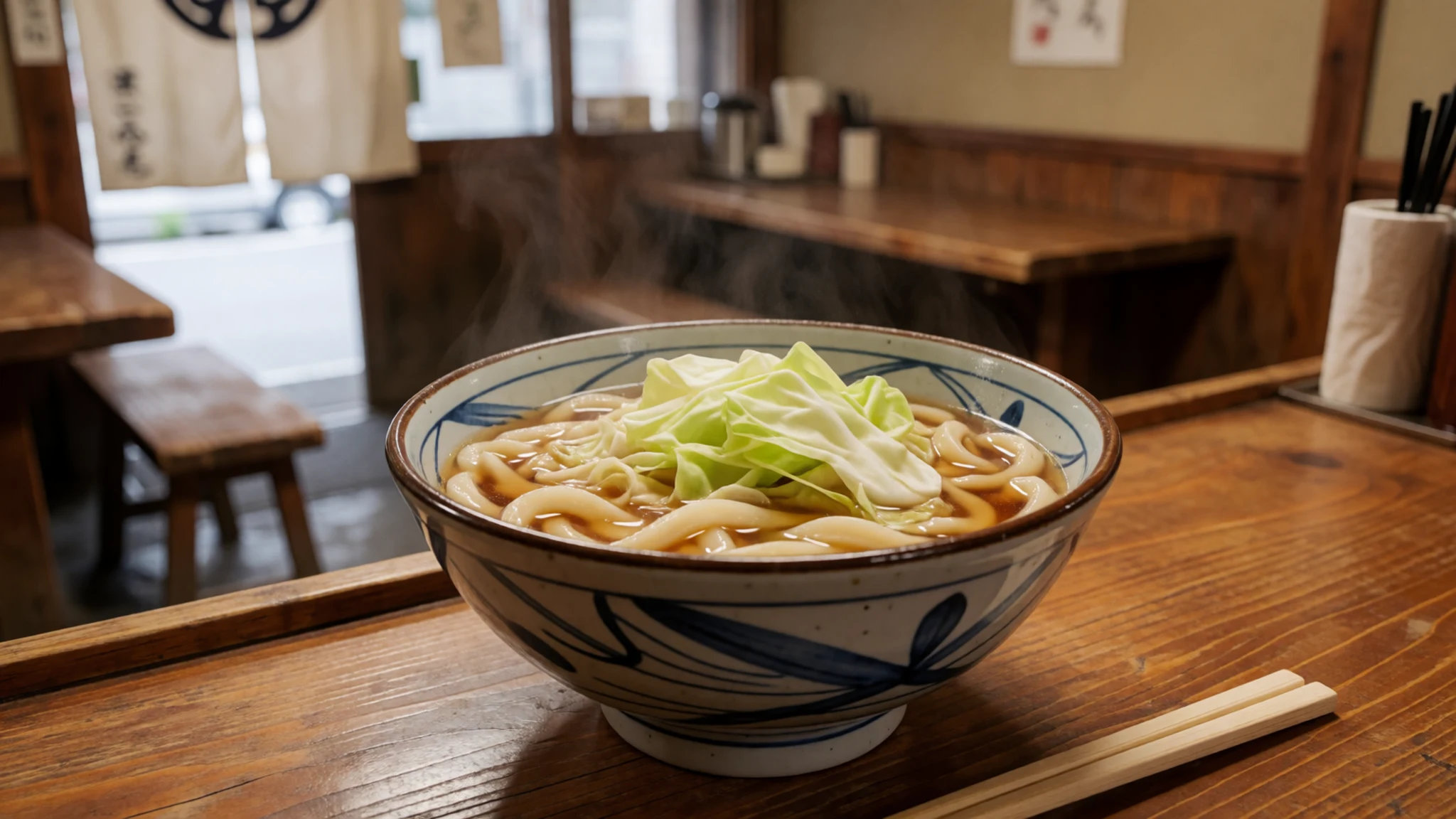
- Basashi — specialist meat eateries in Yamanashi towns
Basashi is thinly sliced raw horse meat, eaten as a local speciality in Yamanashi. It is an acquired taste. Many visitors treat it as a one-off experience rather than an everyday meal, so order it only if you want to try it.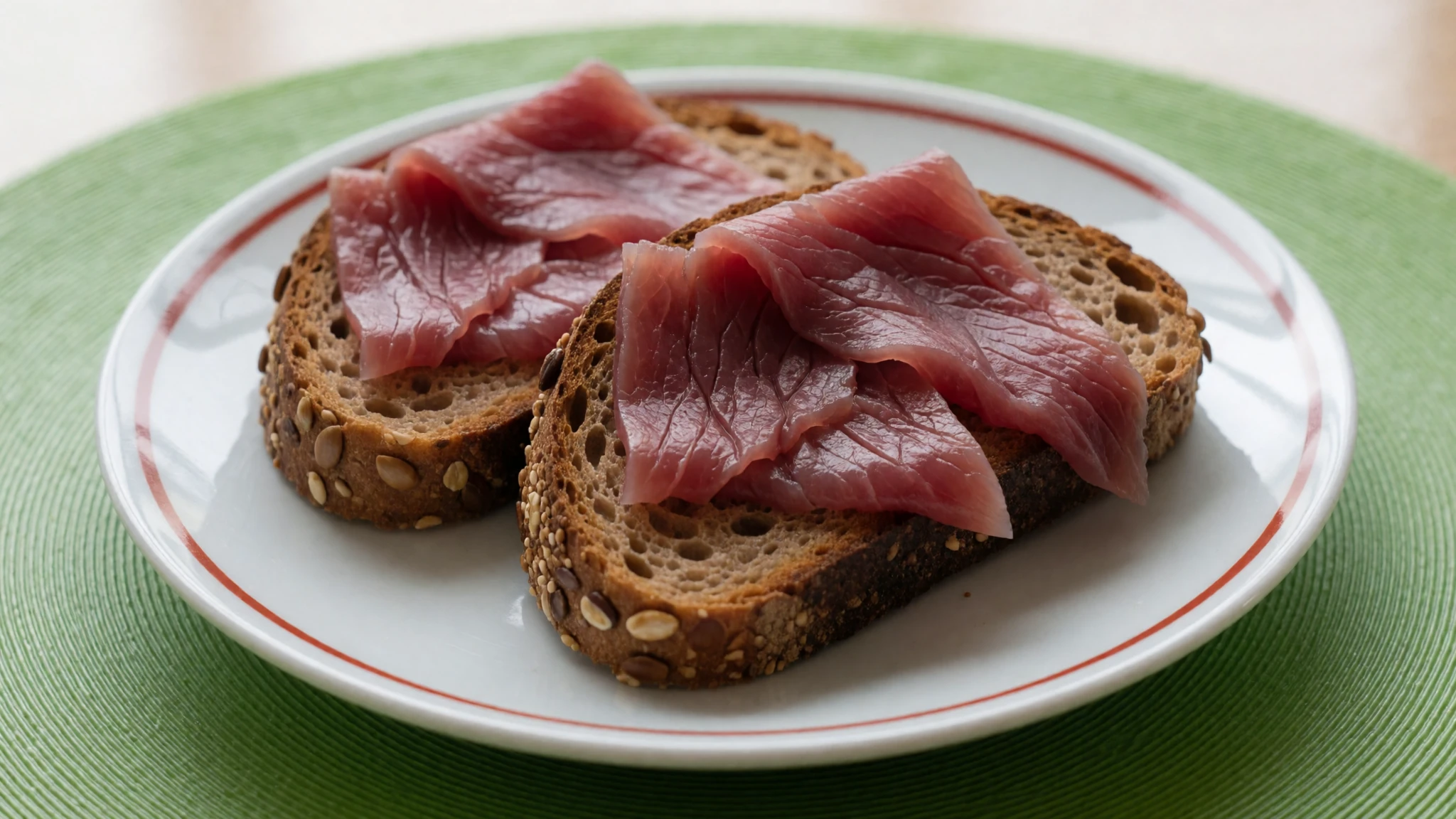
- Yamanashi grapes and peaches — roadside fruit stalls and local markets, in season
Yamanashi is known for grapes and peaches, and the basin climate makes its fruit notably sweet. In season, fruit stalls by the roads and the prefecture's markets sell peaches and grapes at their ripest. Buy a few to eat by the lake. - Yamanashi white wine — vineyards and the wine cave at Katsunuma
Yamanashi serves as the hub for Japanese wine-making, boasting numerous producers of various sizes. Its white wines are the ones to try, since reds can taste sweeter than expected. Vineyard tours and the wine cave in Katsunuma make a good daytime outing, as nightlife in the prefecture is limited.
Plan it
Best time. April brings cherry blossom with Fuji behind it, and October to November brings autumn colour. Winter is cold but often clear, with the mountain's outline sharp. Summers are hot, with August the hottest month and July the wettest, but July and August are the climbing season and the busiest months.
How long. 2–3
Getting there. Take the JR Limited Express Fuji Excursion from Shinjuku Station in Tokyo, which runs up to three times daily. Frequent coach services leave from Shinjuku Expressway Bus Terminal and Tokyo Station. Haneda is the better airport for the journey, as Narita takes longer.
Budget. mid
Tips
- Reserve train or coach seats in advance during the summer climbing season and autumn weekends
- Go out on the water early, before the crowds and the wind arrive
- Check whether the mountain is visible before you plan a lake day around it, as cloud often hides the summit
- Carry cash for small eateries, shrines and markets, and confirm card acceptance before ordering
- Bring water and warm layers, especially for any climb
Etiquette
- Remove shoes where you see a step up and slippers waiting
- Ask before photographing people, particularly at festivals
- Keep noise down in shrine and temple grounds
- Take litter away from the lake shore and the trails
Nearby
Sources
- Wikidata Q577372 (CC0)
- Wikipedia: Lake Kawaguchi (CC BY-SA 4.0)
- Wikivoyage: Yamanashi (prefecture) (CC BY-SA 4.0)
- At Lake Kawaguchi in Kawaguchiko, Yamanashi Prefecture, Japan (663highland) (CC BY-SA 4.0)
- Lake Kawaguchiko, Fujikawaguchiko (BehBeh) (CC BY 3.0)
- Mount Fuji above Lake Kawaguchi (Marion & Christoph Aistleitner) (CC0 1.0)
- Kawaguchiko Bridge on Lake Kawaguchi (663highland) (CC BY-SA 4.0)
- The Fuji reflects in Lake Kawaguchi, Thirty-six Views of Mount Fuji no. 42 (Katsushika Hokusai) (Public domain)
- 河口湖 (くろふね) (CC BY 3.0)
- Mount Fuji and Cherry Blossoms (Midori) (CC BY 3.0)
- Lake Kawaguchiko in autumn with maple and Fuji (Moyan Brenn) (CC BY 2.5)


