Lake Kariba
Lake Kariba, Zimbabwe
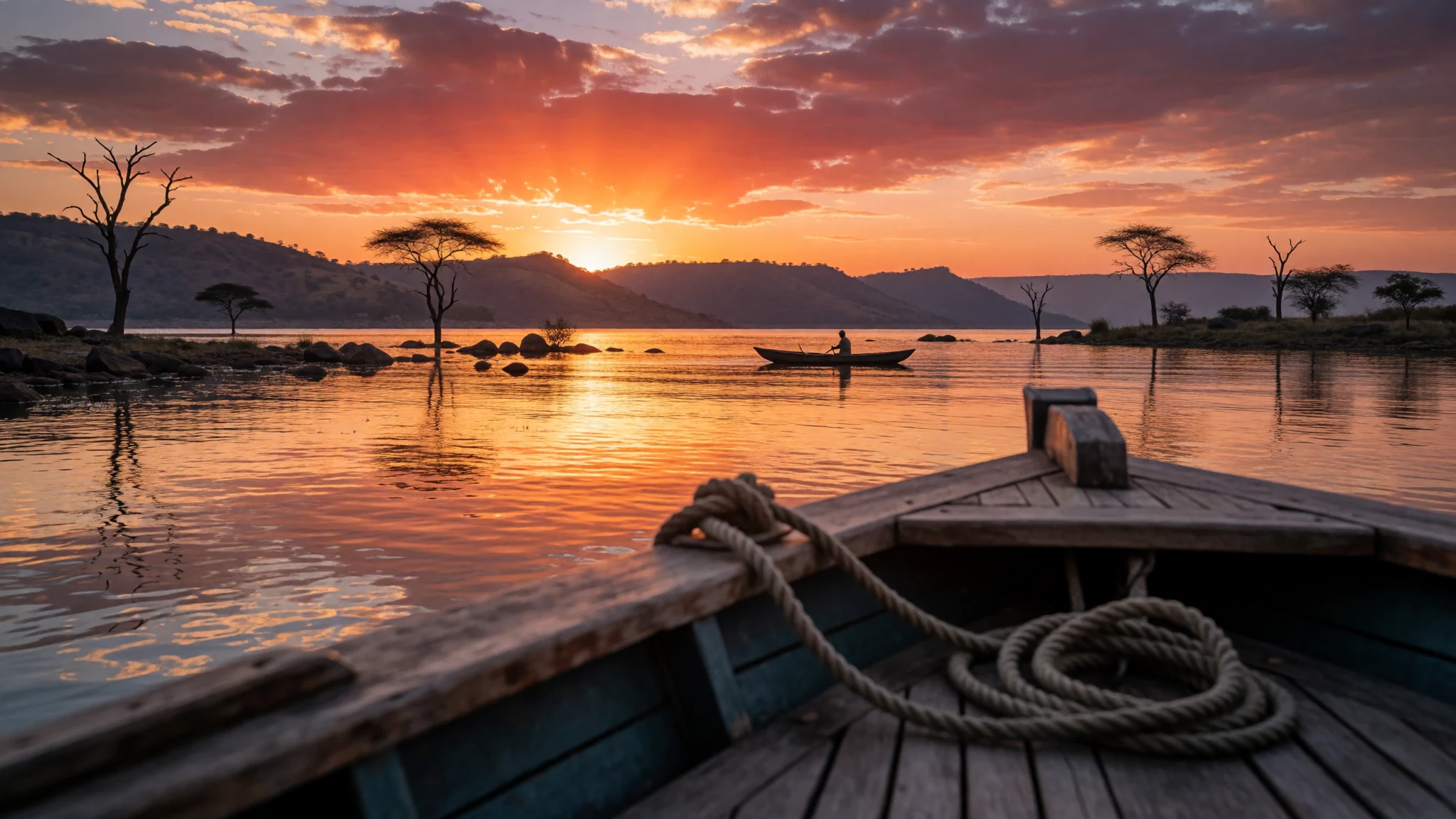
Visit Lake Kariba to experience a vast inland sea framed by rugged African shores, engineering history, and vibrant local lakeside communities.
The place
Lake Kariba spans across international borders, holding the title of the world's largest artificial reservoir by volume. Situated far up the river channel from the Indian Ocean coast, this enormous body of water divides nations as it stretches between Zimbabwe to the south and Zambia to the northern shores. The entire aquatic expanse came into existence through a massive dam-building project that tamed the mighty river waters in the middle of the twentieth century, transforming a rugged gorge into an inland sea.
Around the edges of Lake Kariba, distinct settlements grew out of the surrounding bush and rocky terrain. The town of Kariba itself developed initially to house the personnel who laboured on the colossal wall structure at the northeastern end. Other localities such as Binga village and Mlibizi on the southern Zimbabwean banks, alongside Siavonga and Sinazongwe across the water in Zambia, expanded significantly over the decades to accommodate communities that had been displaced when the rising waters first filled the basin. Today, these lakeside hubs serve as gateways for travellers looking to explore the shoreline, where dry ridges meet expansive horizons and traditional fishing boats share the water with modern craft.
Its story
The creation of Lake Kariba remains one of the most ambitious engineering undertakings in African history, yet it carried a profound human and ecological cost. Throughout the late nineteen-fifties and early sixties, massive concrete barriers were poured across the river channel to block the flow and drown the deep gorge below. As the colossal reservoir slowly filled behind the newly completed wall, millions of litres of water submerged forests, riverbanks, and ancestral lands, permanently altering the geography of the region.
This dramatic hydrological shift forced a massive relocation effort for both wildlife and human populations. Local communities who had farmed and fished the fertile river valleys for generations had to pack up their belongings and move to higher ground, establishing new settlements along the evolving shores. At the same time, conservationists launched rescue operations to save stranded animals from rising islands before the floodwaters claimed them completely. The resulting lake created an entirely new ecosystem while forever reshaping the lives of the people living along its borders. Decades later, the waters remain a testament to both human ambition and the resilience of communities who built new livelihoods along its edges.
What to see
- Kariba Dam Wall
Marvel at the sheer scale of the massive curved concrete barrier that plugs the former gorge at the northeastern end of the reservoir. This towering structure holds back the immense volume of water and represents a monumental feat of mid-century engineering that fundamentally altered the geography of the entire river basin.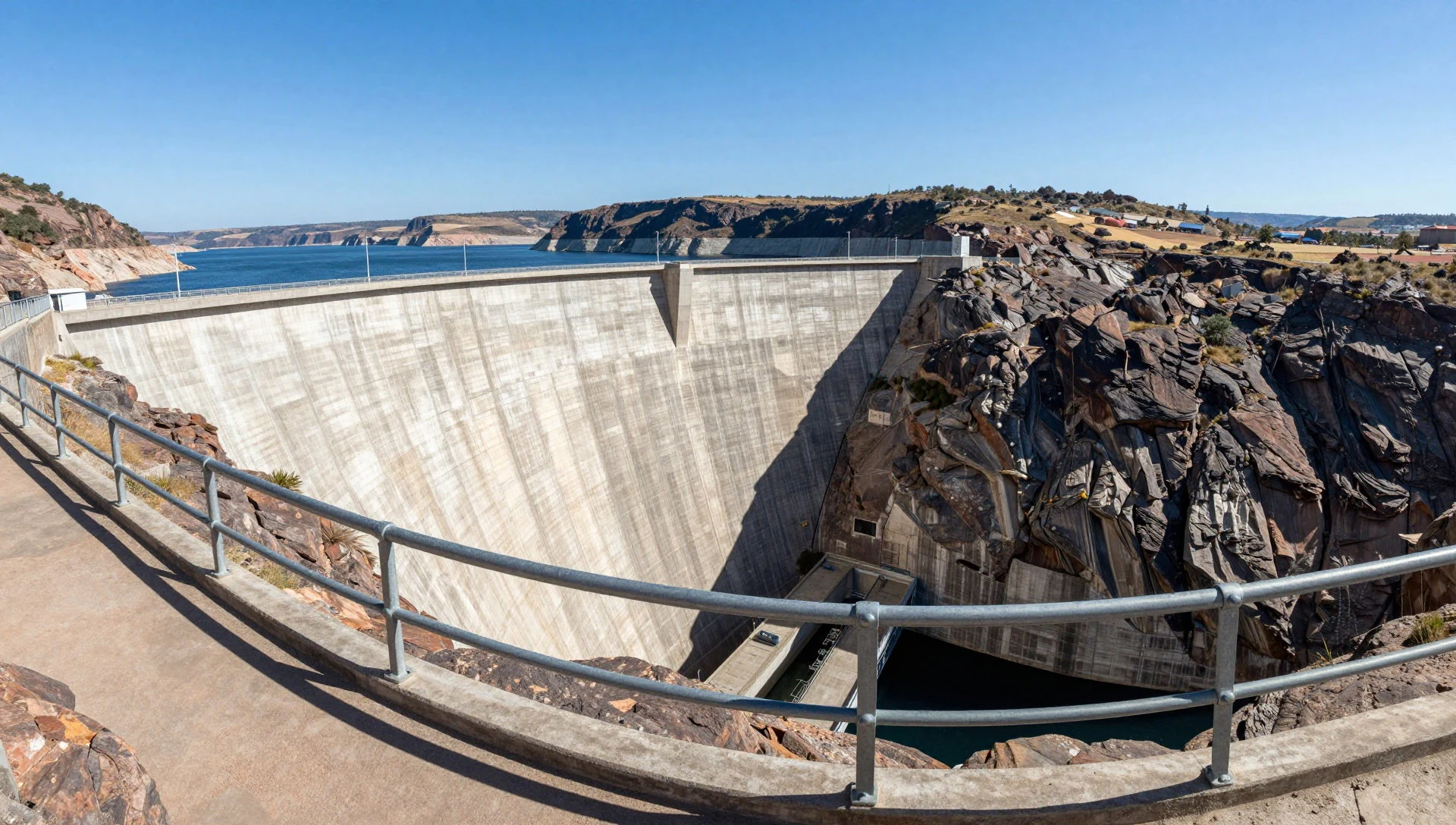
- Lake Kariba Shoreline
Explore the diverse and rugged edges where dry bushland meets the water across both nations. From the Zimbabwean side down towards Mlibizi to the Zambian settlements near Siavonga, the rocky banks offer sweeping vistas, scattered acacia trees, and a front-row seat to spectacular African sunsets over the water.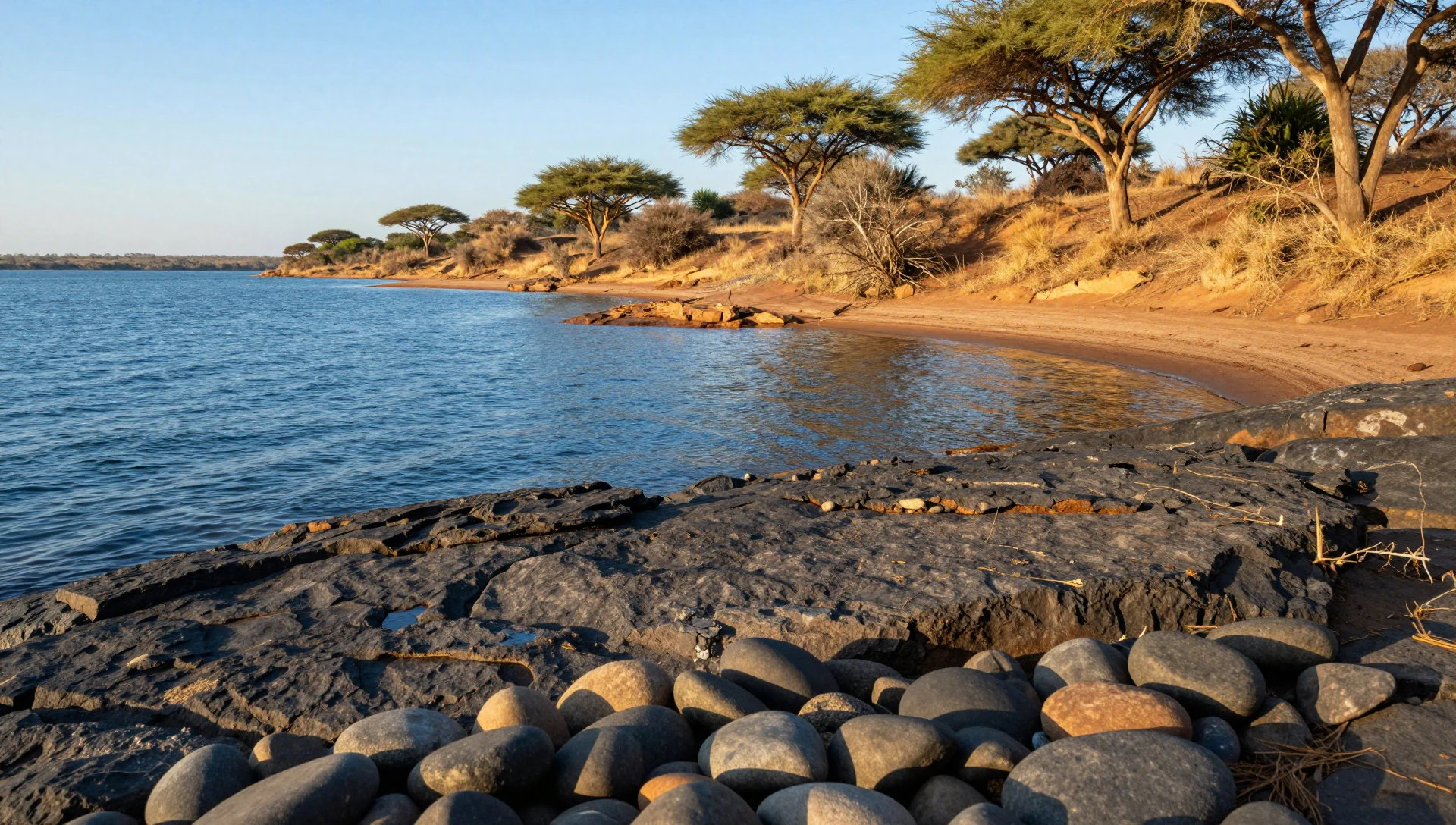
- Bumi Hills Ridge
Ascend to the elevated vantage points along the southern ridges to take in panoramic views stretching across the glittering expanse of water. This dramatic escarpment provides a brilliant perspective on how the reservoir fills the ancient valleys, creating countless bays and hidden inlets along the coast.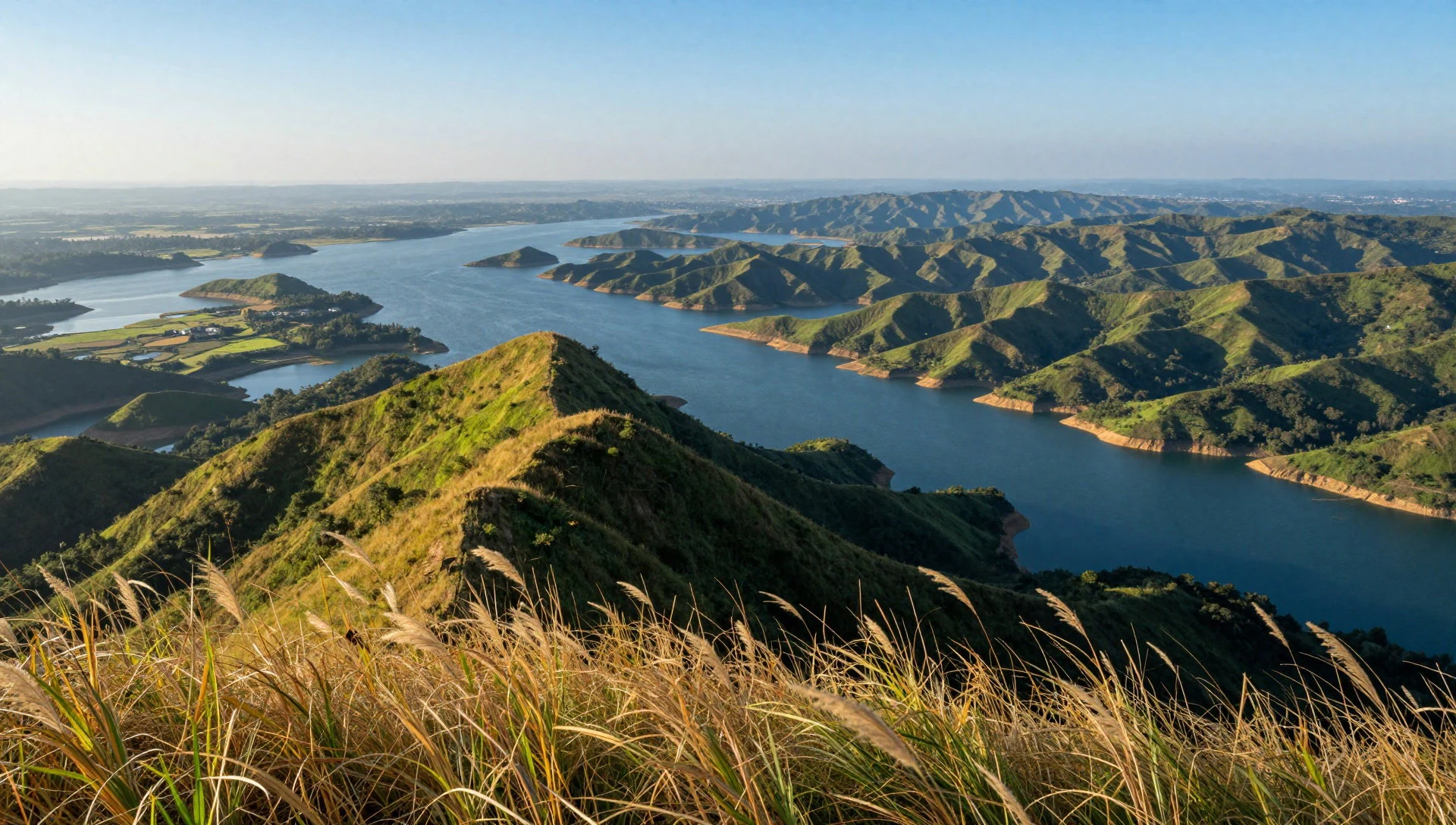
- Siavonga Harbor
Wander down to the bustling lakeside wharves and mooring areas on the Zambian side to watch local fishermen and commercial boat operators go about their daily routines. The waterside activity here captures the lively maritime culture that has flourished around the reservoir since the waters first rose.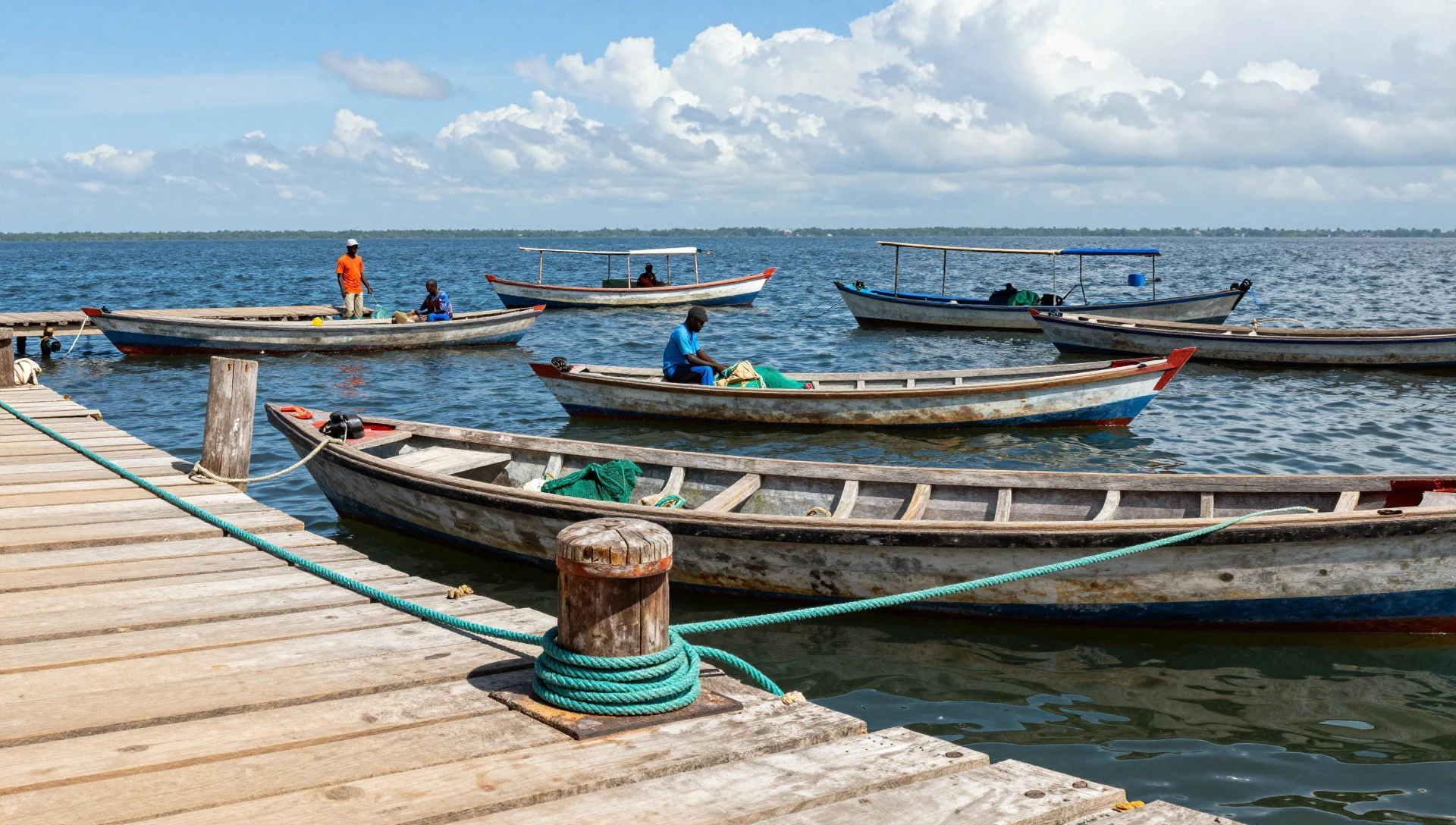
- Binga Village
Visit this remote settlement on the southern Zimbabwean shore, which expanded significantly to house communities displaced during the original filling of the basin. The village offers a quiet look into local life, traditional crafts, and the resilient culture of the Tonga people living by the water.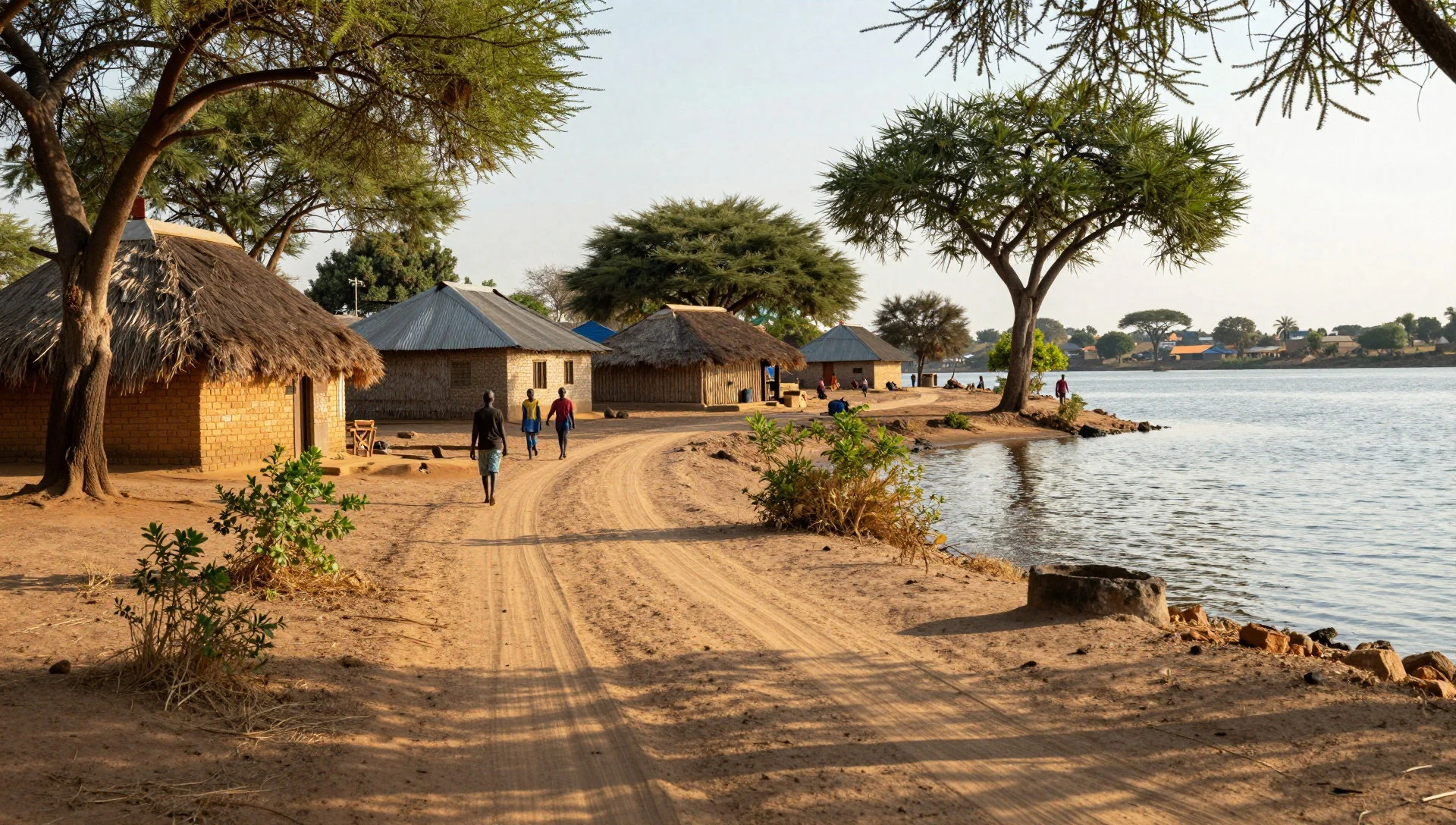
Culture
Life around Lake Kariba is deeply influenced by the traditions of the Tonga people and other local communities who adapted their agricultural and fishing practices after the great floods of the mid-twentieth century. Music, storytelling, and communal gatherings play a central role in daily existence, often revolving around the rhythms of the water and the seasonal rains. Traditional crafts, including intricate basketry and carved woodwork, reflect generations of artistic skill passed down through families. Visitors will find that warmth and hospitality are core values throughout the settlements on both sides of the border, where greeting strangers with genuine courtesy is standard practice. When visiting local markets or rural villages near the shore, always ask permission before taking photographs of residents, and dress modestly out of respect for local customs.
What to wear
Traditional dress in the communities surrounding Lake Kariba historically prioritised lightweight, breathable fabrics suited to the warm climate, often featuring vibrant printed cottons and patterned wraps worn by local women. Today, most residents in towns like Kariba, Binga, and Siavonga wear contemporary casual clothing such as denim, t-shirts, and practical shirts for daily work and travel. For visitors exploring the shoreline and lake settlements, lightweight, breathable cotton and linen garments in neutral or earthy tones are ideal for coping with the persistent heat. Sturdy walking shoes or comfortable trainers are essential for navigating rocky paths and uneven harbour terrain. A wide-brimmed hat, sunglasses, and high-factor sun protection are vital additions to your wardrobe, along with a light fleece or jumper for cooler evening breezes off the water.
What to eat
- Kapenta — Any lakeside market or local restaurant
These small, silvery freshwater sardines are scooped from the lake at night using bright lamps to attract them. Typically sun-dried on wire racks along the shore, they are salted and fried until crisp, served as a common protein staple throughout local eateries.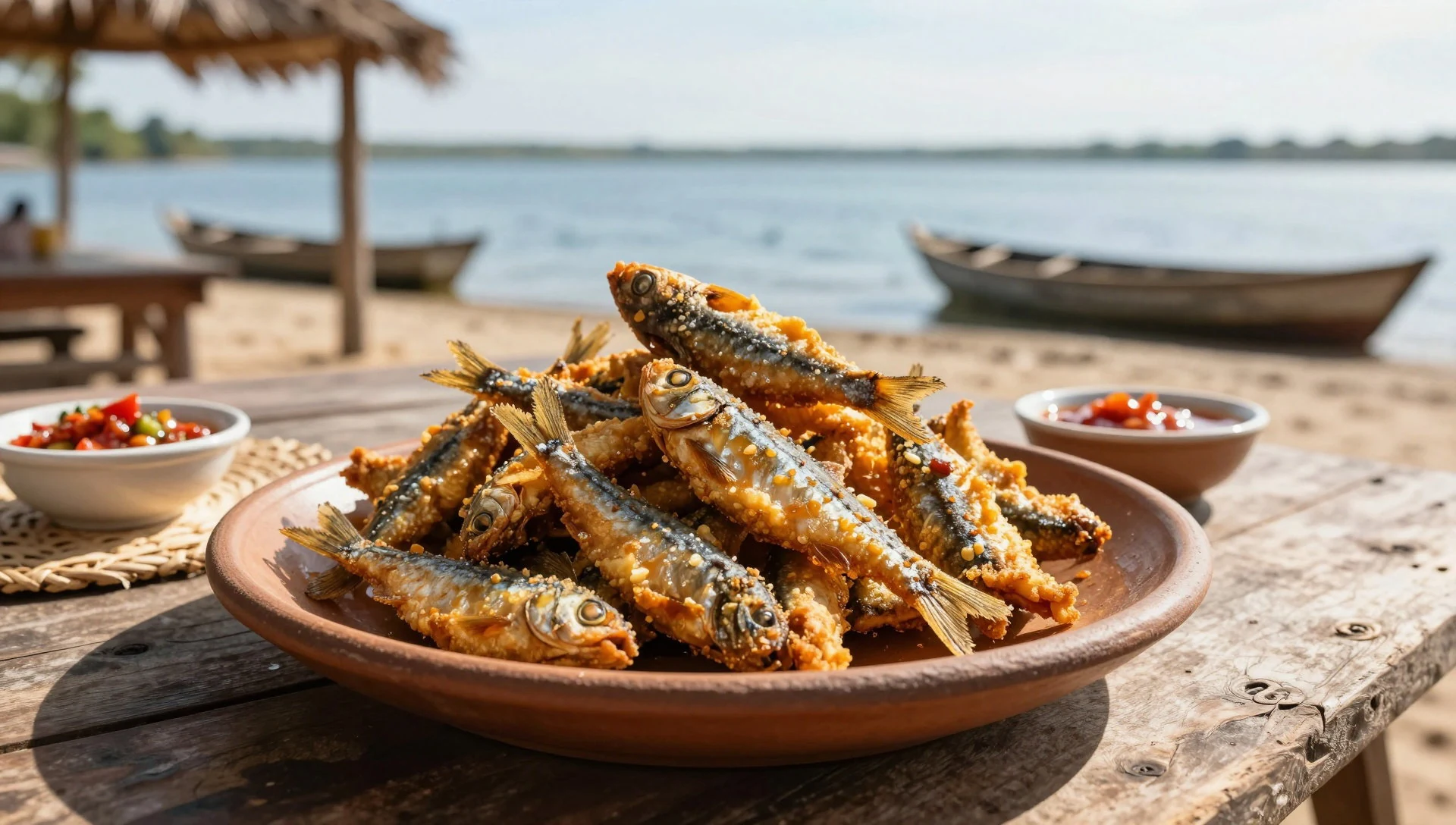
- Sadza — Local diners and family-run eateries in Kariba town
A thick, comforting maize meal porridge that forms the foundational carbohydrate for meals across the region. It is traditionally rolled into a ball by hand and used to scoop up savory stews, fish, and sauces.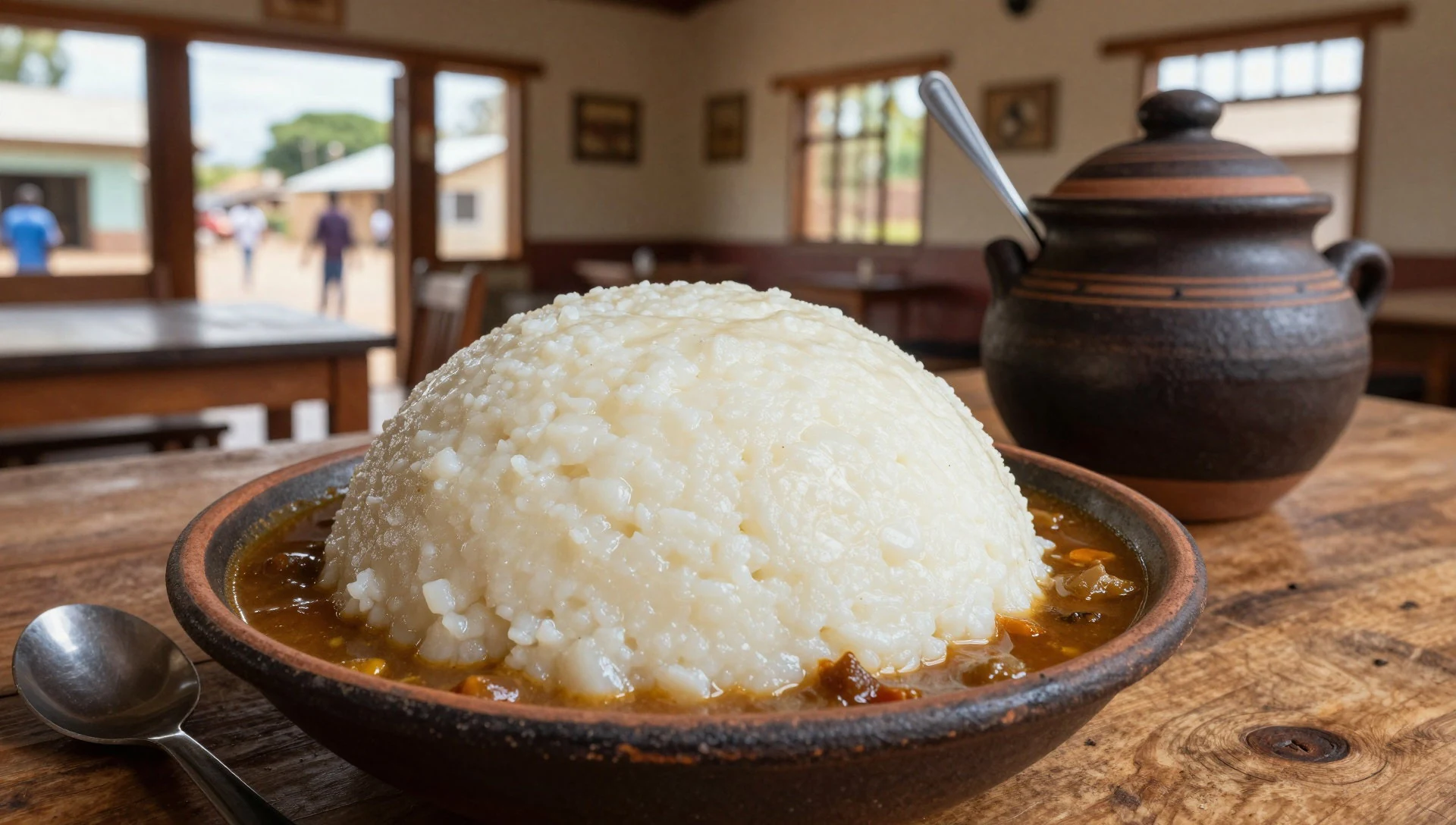
- Grilled Zambezi Bream — Harbourside restaurants and lodges in Siavonga
Freshly caught local fish cooked simply over charcoal grills, often seasoned with local herbs, lemon, and chilli. It is prized for its tender flake and clean flavour, making it a favorite lunch choice by the water. - Mopane Stew — Traditional food stalls in rural markets near Binga
A traditional dish featuring locally gathered protein-rich caterpillars simmered slowly with tomatoes, onions, and spices until tender, usually served alongside a generous portion of hot maize meal porridge. - Fresh Mango and Papaya — Roadside fruit stands and village markets
Juicy, tree-ripened tropical fruit harvested from orchards across the surrounding districts. Sweet and refreshing, they provide a perfect natural cool-down during the heat of the middle day.
Plan it
Best time. April through September offers the most pleasant, cooler dry weather with clear skies, making it ideal for travel and outdoor exploration before the intense heat builds up towards the end of the year.
How long. 3–4
Getting there. Fly into Harare or Lusaka, then take a connecting road transfer or domestic flight towards Kariba town or Siavonga on the lake.
Budget. mid
Tips
- Pack lightweight cotton clothing and reliable sun protection for daytime heat
- Bring cash in small denominations for rural markets and local crafts
- Book boat excursions and accommodation well in advance during peak dry months
- Drink plenty of bottled water to stay hydrated in the tropical climate
- Keep a light jacket handy for breezy evenings by the water
Etiquette
- Always ask permission before photographing local residents or traditional ceremonies
- Dress modestly in rural villages and local community areas
- Respect local fishing regulations and harbour safety guidelines
Nearby
Sources
- Wikidata Q1047206 (CC0)
- Wikipedia (Lake Kariba) (CC BY-SA 4.0)
- Wikivoyage (CC BY-SA 4.0)