Lake Doiran
Lake Doiran, Greece
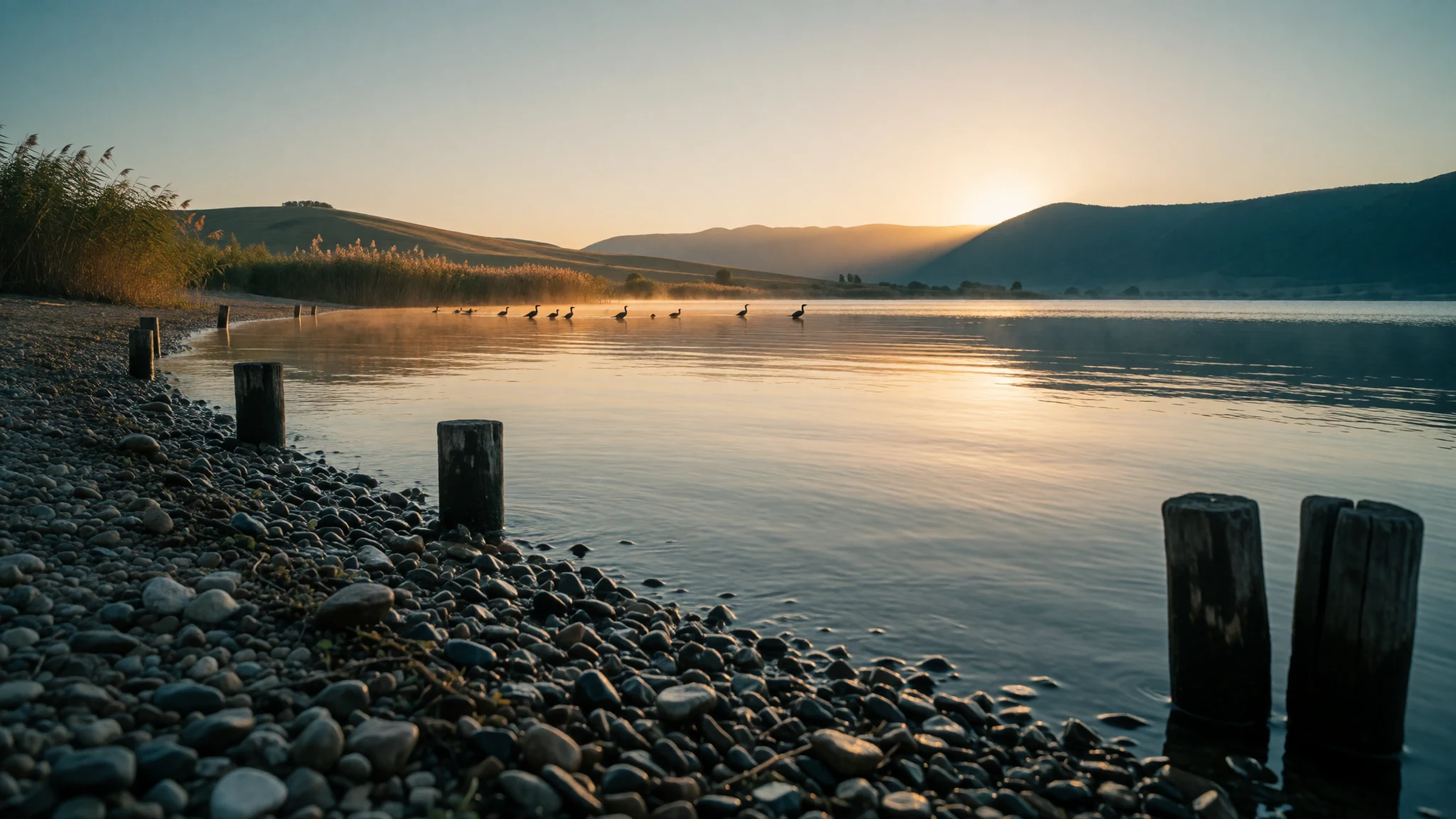
Cross a quiet international border to discover a peaceful, rounded lake framed by mountain slopes, ancient fishing traditions, and quiet shores.
The place
Lake Doiran sits peacefully across an international frontier, shared between two distinct nations in the Balkan interior. Its gentle, rounded shape spans a compact total water surface, offering a quiet alternative to the larger bodies of water located further to the west. On the western side, the settlement of Nov Dojran provides a pleasant base for visitors looking to wander along the shoreline, while the eastern shores stretch towards the community of Mouries. Rising directly above the northern edge is the prominent wall of the Belasica mountain range, creating a dramatic natural backdrop that shelters the basin from harsh northern winds. Towards the southern end, the Greek town of Doirani marks the boundary where the landscape flattens into marshy reed beds and protected natural zones. Despite its shallow nature, the water supports a resilient ecosystem of aquatic plants and fish species that have sustained local communities for generations. The surrounding terrain is quiet and unhurried, defined by low hills, scattered woodlands, and peaceful paths that invite slow exploration away from major tourist routes. Travellers arriving here will find a tranquil atmosphere where the primary sounds are the rustle of lakeside reeds and the calls of resident waterbirds resting along the shallow margins.
Its story
The calm waters of Lake Doiran conceal a dramatic and turbulent history forged during the First World War. During those years, the southern basin marked a vital sector of the Macedonian front, where opposing forces clashed across the rugged hillsides and dusty ridges. The southern shores became the permanent resting place for soldiers who fought in the intense engagements that unfolded across the frontier. Today, a solemn memorial and two carefully tended military cemeteries stand together on a quiet hill situated a short distance south of the water. Designed by the renowned architect Sir Robert Lorimer, these stone monuments honour the British and Greek troops who lost their lives in the rugged terrain surrounding the basin. Walking among the headstones reveals the heavy human cost paid in this remote corner of Europe, far from home fields. Beyond its military heritage, the surrounding shores preserve ancient ways of life tied to the water, including traditional reed enclosures known as mandras used for catching local fish species. Local families have passed down these specialized fishing methods across generations, maintaining a living connection to the lake's ecological rhythms that endured long after the wartime conflicts faded into history and peace returned to the borderlands.
What to see
- Nov Dojran Waterfront — Nov Dojran settlement, western shore
Stroll along the paved promenade in Nov Dojran on the western shore, where peaceful walkways offer uninterrupted views across the water towards the distant mountain ridges and provide easy access to local cafes.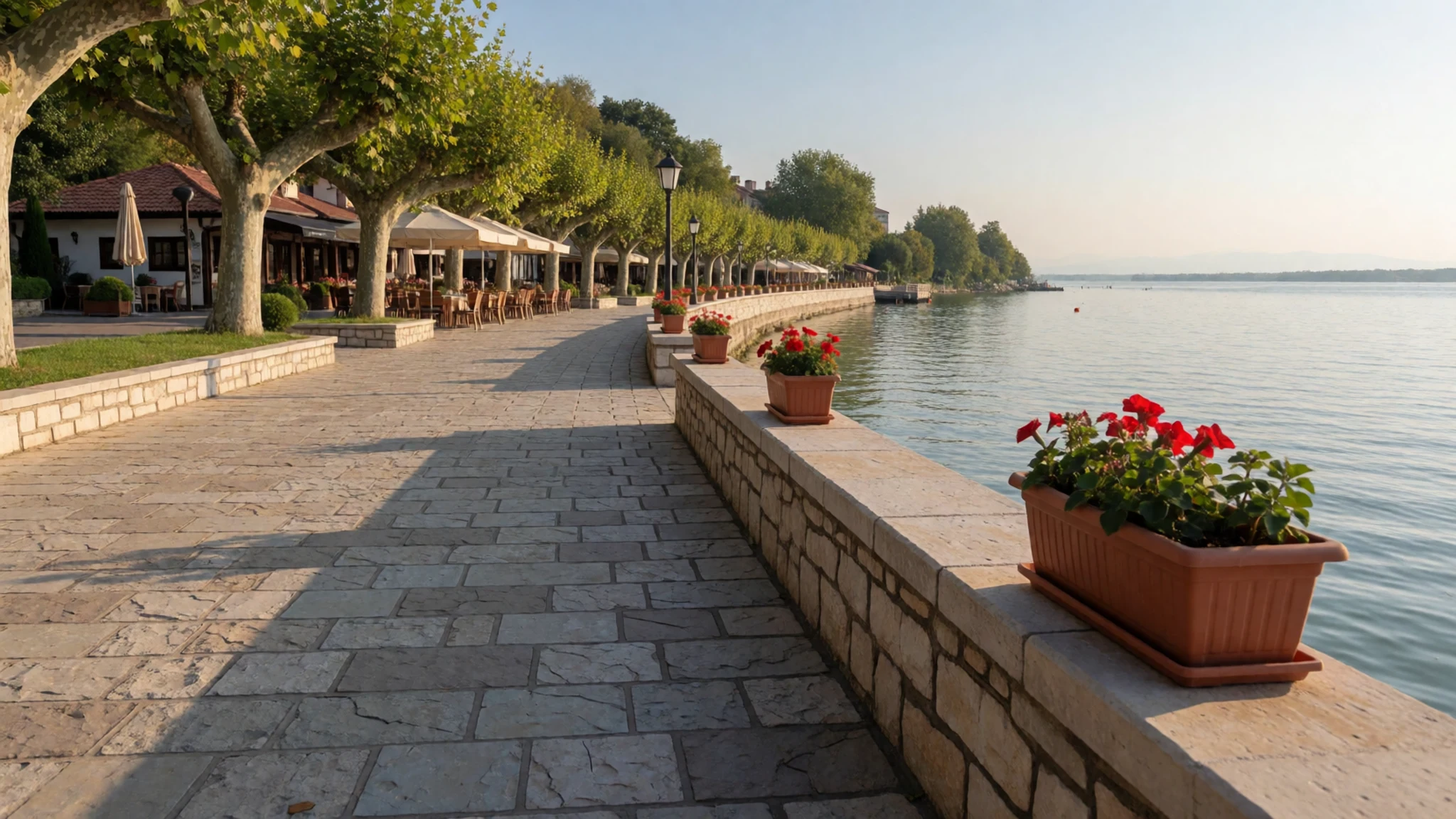
- Belasica Mountain Slopes — Northern inland boundary
Look northward to the steep, forested slopes of the Belasica range that loom over the basin, creating a rugged natural boundary and framing the northern horizon with dense woodlands and dramatic seasonal colours.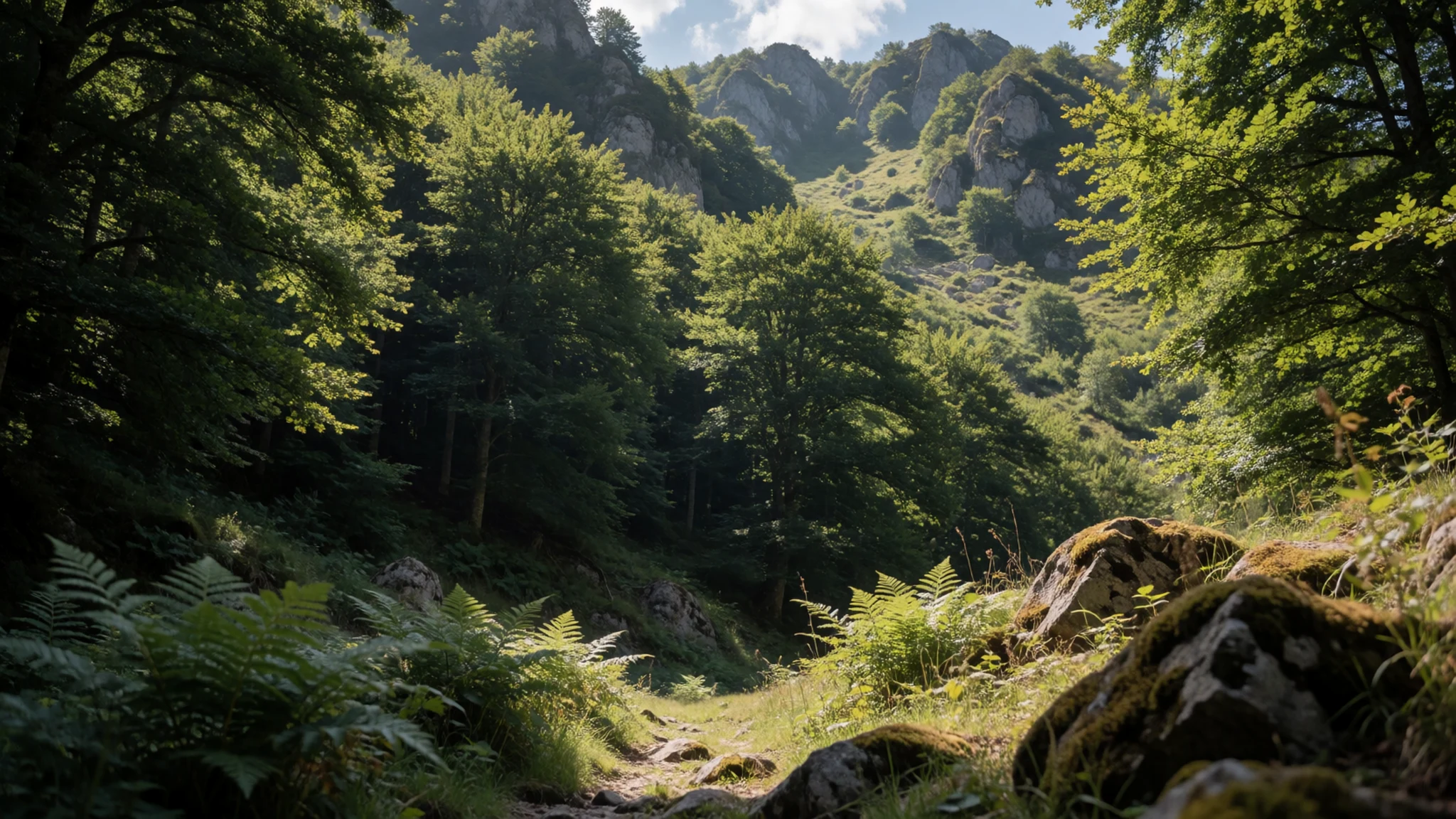
- World War I Memorial Hill — Southern hill area near Doirani
Visit the solemn monument and the British and Greek military cemeteries situated on the low hills just south of the water, featuring stone markers designed to remember the fallen troops of the Macedonian front.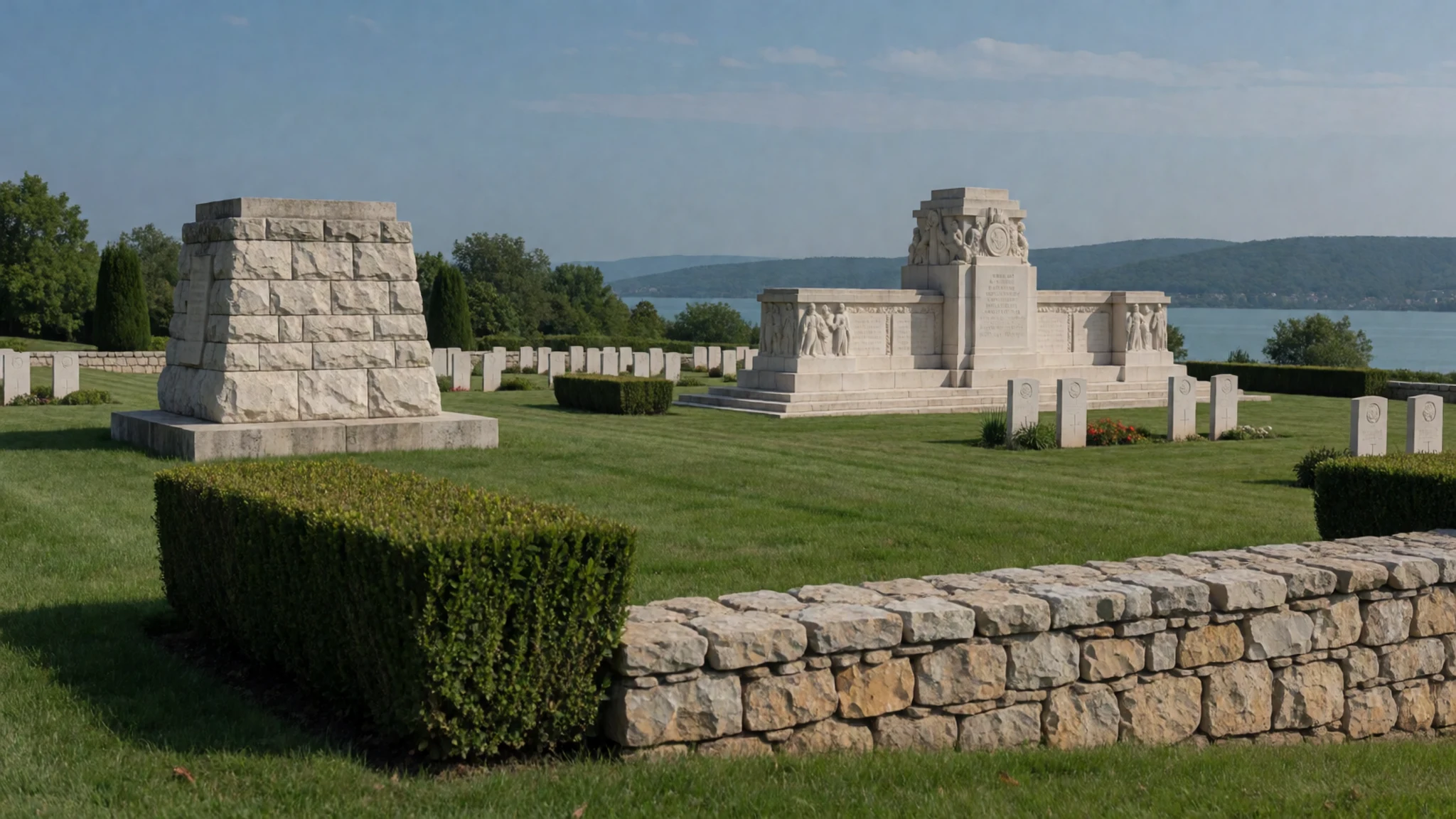
- Traditional Mandra Structures — Shallow lakeside margins
Observe the unique wooden fishing enclosures built out over the shallows, where traditional reed fences and low platforms showcase ancient, sustainable methods of trapping fish in the shallow basin waters.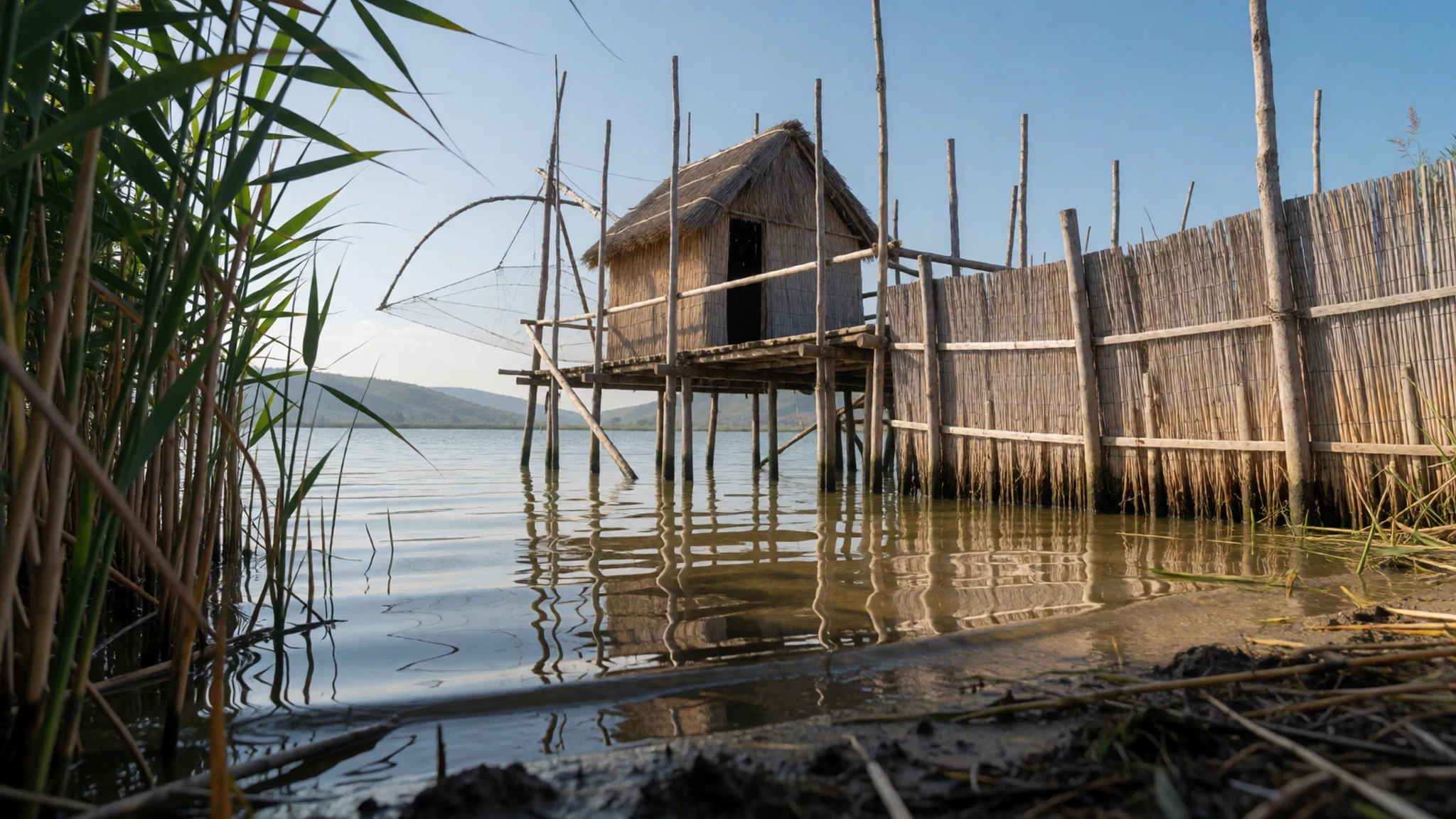
- Protected Wetland Margins — Southern Greek sector
Explore the southern protected wetland zones where diverse bird species nest among dense reeds and unique flora thrives in the shallow, undisturbed environments managed for conservation.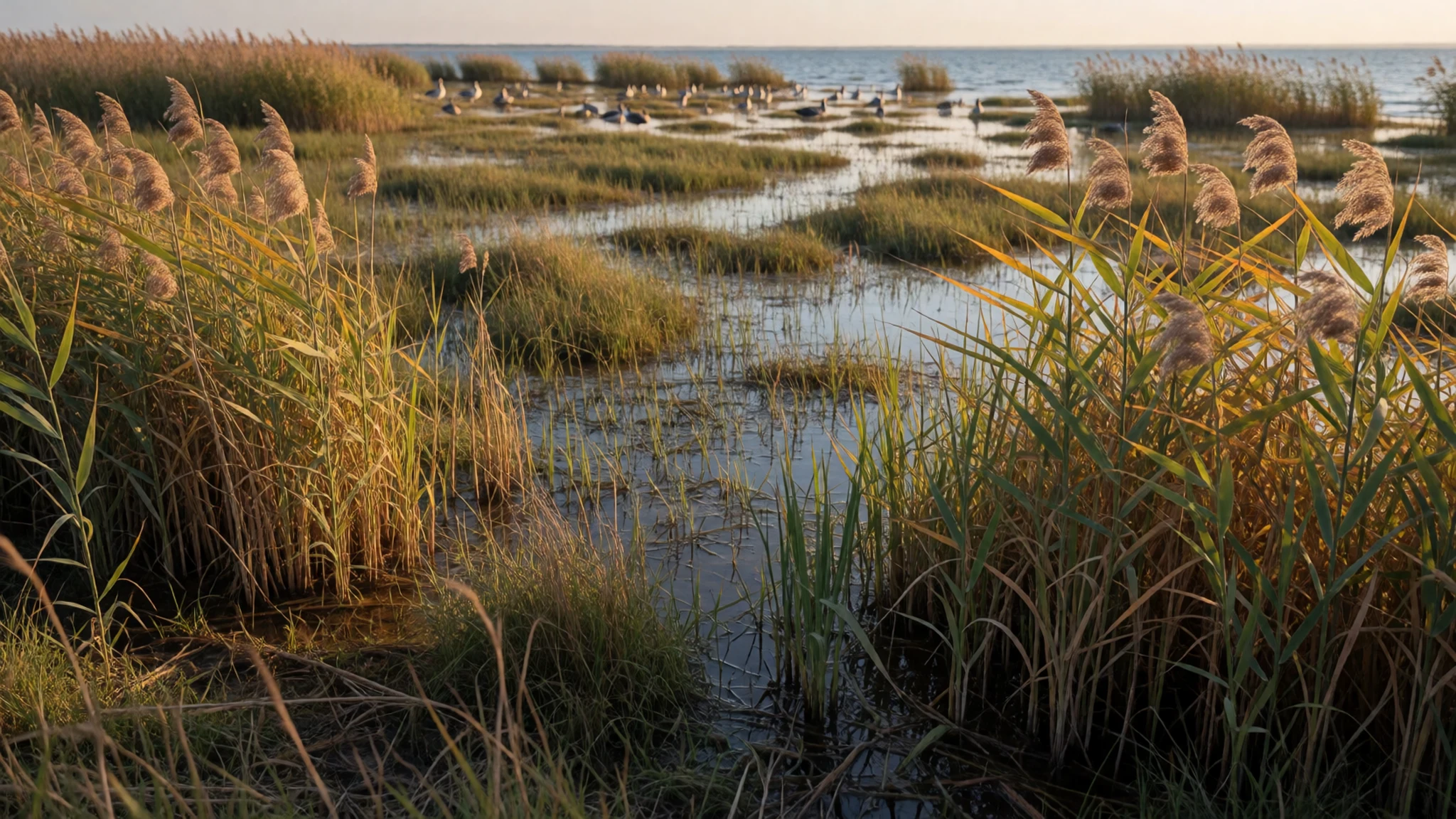
Culture
Life around the lake moves at an unhurried, traditional pace shaped by the shared heritage of borderland communities. Social interactions are warm and unpretentious, rooted in local hospitality where visitors are welcomed into small family-run eateries and guesthouses with genuine warmth. The local population maintains deep respect for their natural environment and historical memory, particularly the solemn legacy of the wartime cemeteries on the southern hills. Traditional crafts, seasonal celebrations, and communal gatherings reflect a rich blend of Balkan influences. When entering churches, monasteries, or memorial sites in the area, dress respectfully with shoulders and knees covered, and always ask permission before taking photographs of local residents or working fishers.
What to wear
Traditional dress around the basin historically featured sturdy woollen garments, embroidered linen shirts, and woven belts suited to agricultural and fishing work in a variable inland climate. Today, residents wear modern, practical European casual clothing for daily life, keeping warm layers handy for chilly mountain winds. Visitors should pack comfortable walking shoes or sandals for exploring the shoreline paths, light breathable layers for warm afternoon sun, and a light jacket or fleece for cool evenings by the water. Modest attire with covered shoulders is essential when visiting local churches, monasteries, or quiet village chapels.
What to eat
- Fresh Lake Carp — Any traditional lakeside eatery in Nov Dojran
Savour locally caught carp prepared simply with garlic, olive oil, and herbs, traditionally served in lakeside tavernas overlooking the water.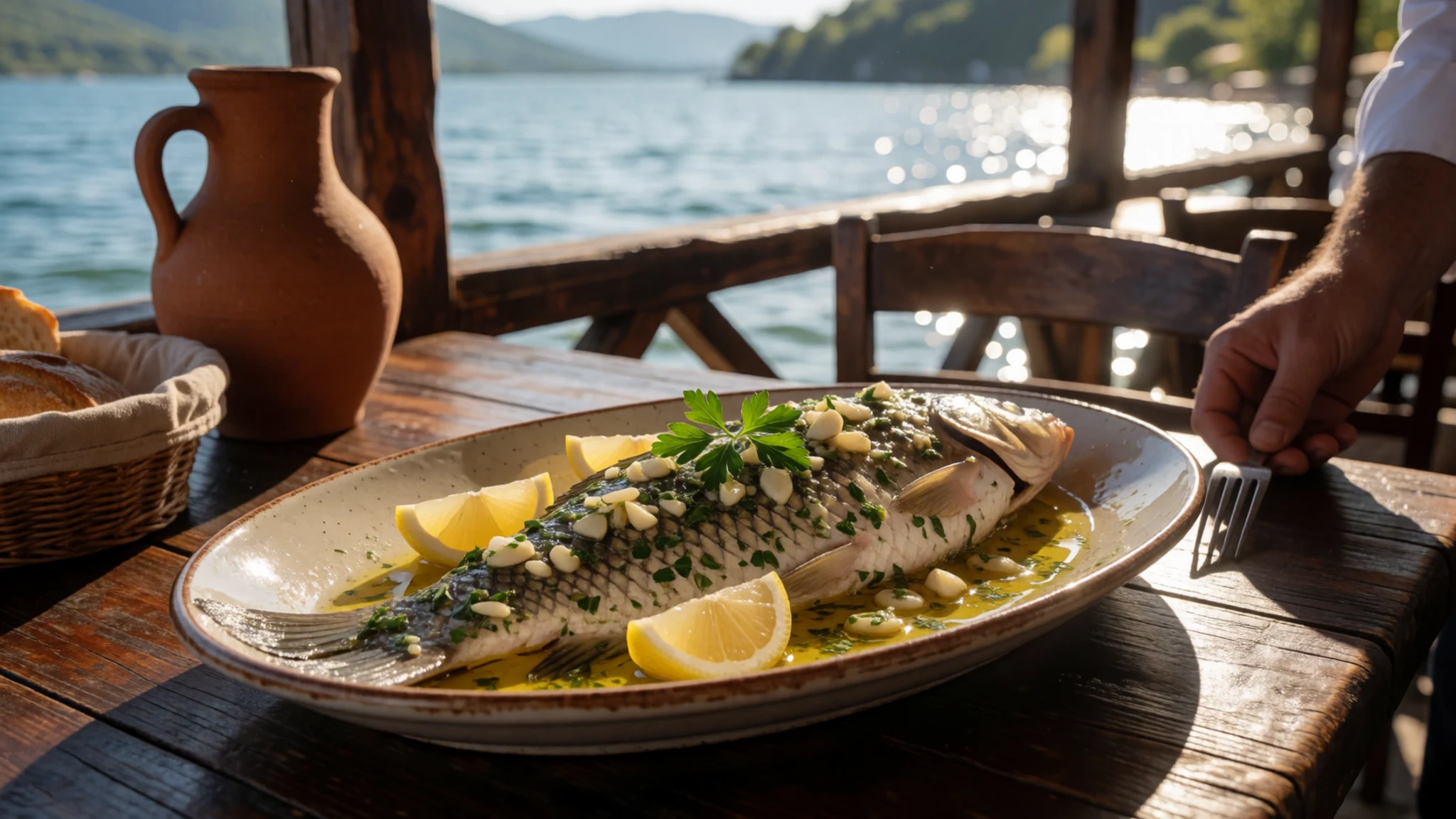
- Balkan Tavče Gravče — Local village restaurants near the waterfront
Enjoy a hearty baked bean dish cooked slowly in a traditional earthenware pot with dried red peppers, onions, and fresh mint.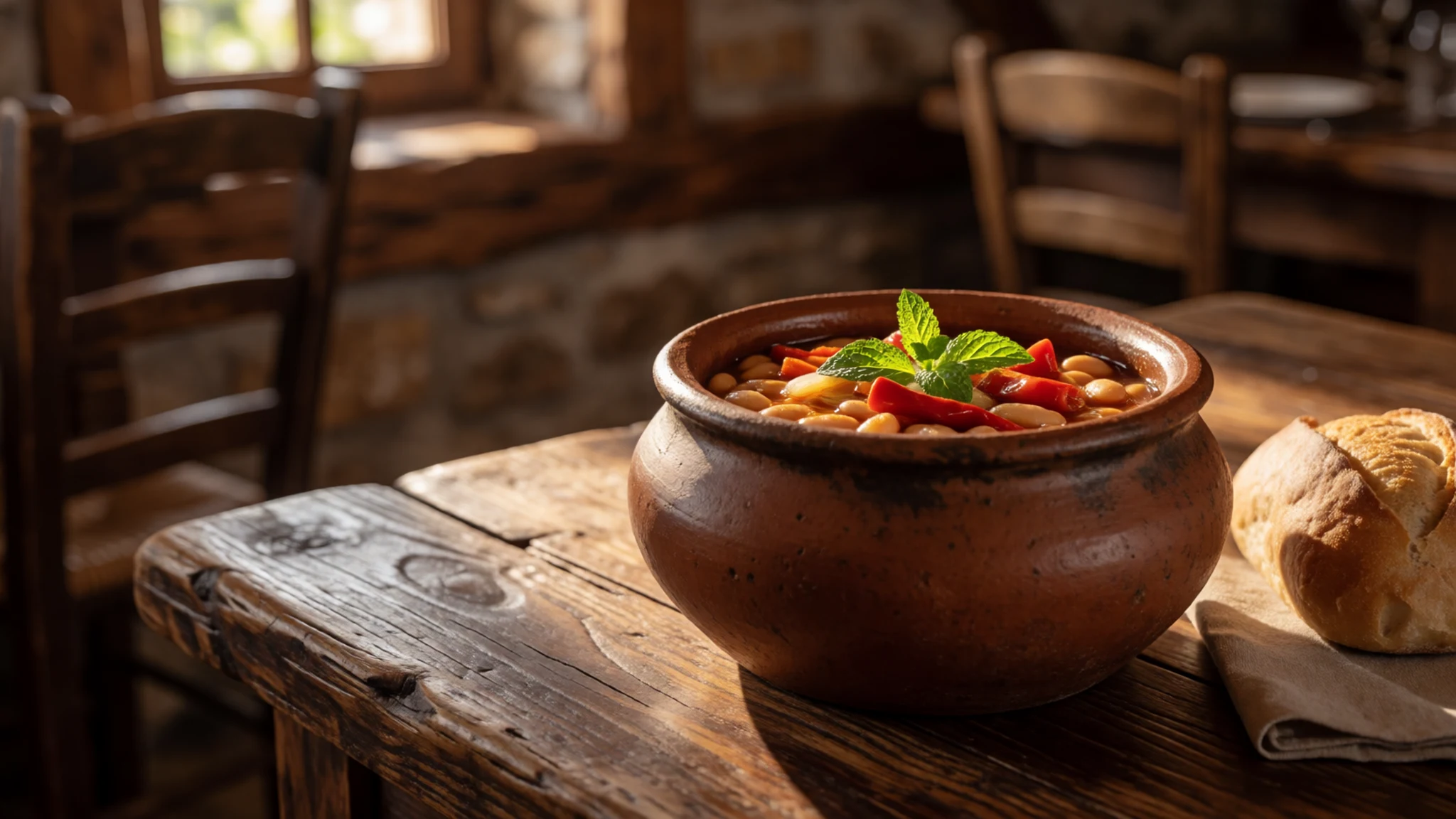
- Fresh Shopska Salad — Family-run tavernas across the region
Taste a refreshing combination of diced tomatoes, cucumbers, onions, and bell peppers topped with a generous mound of grated white cheese. - Traditional Pastrmajlija — Regional bakeries and traditional diners
Sample an elongated bread pie baked with small cubes of cured meat on top, offering a savoury and filling local speciality.
Plan it
Best time. May to September offers warm weather and calm waters ideal for walking and exploring the shorelines, while spring and autumn bring pleasant daytime temperatures without summer crowds.
How long. 2–3
Getting there. Fly into Skopje or Thessaloniki, then rent a car or take local regional buses to reach the lakeside settlements of Nov Dojran or Doirani.
Budget. low
Tips
- Rent a car for flexible travel between the North Macedonian and Greek shores
- Carry cash in local currencies for small village shops and family-run eateries
- Wear sturdy walking shoes if you plan to explore the hillside memorial trails
- Check border crossing requirements if moving frequently between the two countries
Etiquette
- Dress modestly with covered shoulders when visiting churches and memorial sites
- Ask permission before photographing local fishers working near their traditional mandras
Nearby
Sources
- Wikidata Q158077 (CC0)
- Wikipedia (rev 1365988213) (CC-BY-SA 4.0)
- Wikivoyage (CC-BY-SA 4.0)