Lake Como
Lake Como, Italy
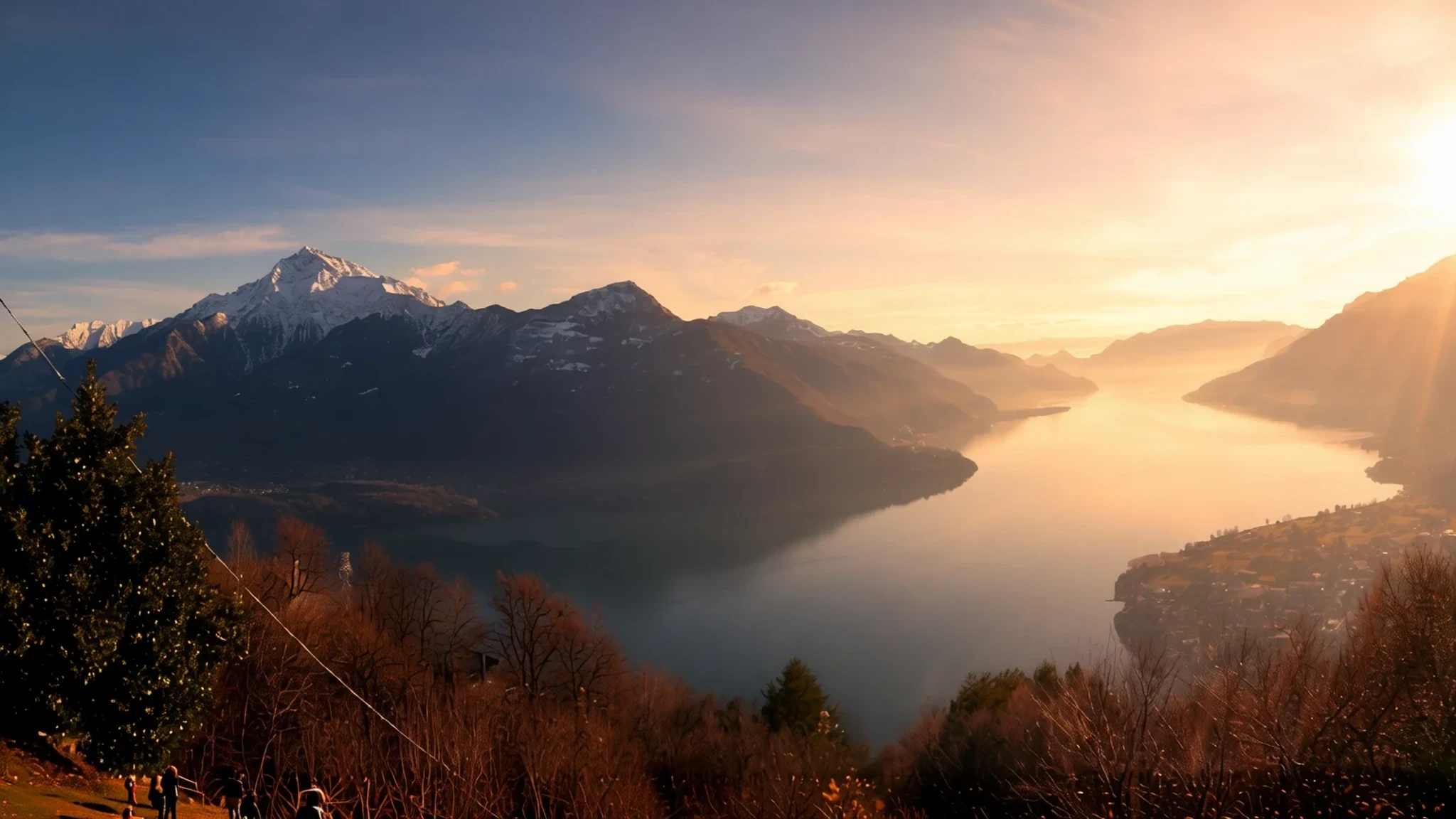
Lake Como offers dramatic alpine scenery, historic lakeside villas and a mild climate that has attracted travellers since Roman times.
The place
Lake Como, known historically as Lario, occupies a glacial basin in Lombardy at the foot of the Alps. Its distinctive Y-shape results from the carving action of an ancient glacier forced to divide around formidable mountain terrain, creating three long branches. The shoreline curves past steep, wooded slopes that drop dramatically into deep waters, framed by towering peaks. This sheltered topography creates a remarkably mild microclimate where subtropical flora flourishes alongside traditional Mediterranean olives, contrasting sharply with the harsh alpine environment found higher up the mountainsides.
For millennia, this dramatic landscape has drawn poets, aristocrats, and discerning travellers. Aristocratic retreats and grand estates, including Villa Olmo and Villa Carlotta, line the shores with elaborate terraced gardens and classical architecture. These historic residences blend Italian masonry with exotic plantings nurtured by the lake's thermal moderation. Meanwhile, the surrounding lake waters support a lively maritime rhythm of ferries and wooden boats connecting picturesque villages tucked into narrow shoreline crevices. Away from the water, ancient paths like the Strada Regia and the Wayfarer's Path wind through chestnut woods, linking isolated hamlets that preserve traditional stone architecture and rural customs.
Despite its enduring reputation as an exclusive refuge, the lake functions as a living working landscape. Manufacturing, regional craftsmanship, and a historic silk industry sustain the local economy alongside contemporary tourism. Visitors navigating the shoreline discover a harmonious balance between manicured parklands and wild mountain wilderness, all bound together by the deep, clear waters of the glacial basin.
Its story
Human habitation around Lake Como reaches deep into prehistory, though the first substantial community emerged during the Iron Age under the influence of the Golasecca culture. The territory's position guarding transit routes between the Po Valley and northern European passes made it fiercely contested. In the second century BC, Roman forces conquered the local Celtic populations, establishing fortified outposts to repel Rhaetian raids. Under imperial rule, the region gained immense strategic value. Engineers constructed the Via Regina, a critical trade artery connecting the lake with the Rhine Valley and allowing merchants to haul goods across alpine tracks.
A pivotal chapter unfolded when Julius Caesar drained surrounding marshlands and re-established the settlement as Novum Comum, populating it with thousands of new colonists. During this classical golden age, the shores welcomed eminent intellectuals such as Pliny the Elder and Pliny the Younger, who immortalised the peaceful lakeside haven in their correspondence. Out of this era also arose the Magistri Comacini, a renowned guild of stonemasons, architects, and decorators whose exceptional craftsmanship eventually spread across medieval Europe, shaping cathedrals and palaces far beyond Italian borders.
Following the fall of Rome, the lake witnessed centuries of conflict involving Lombards, Franks, and rival northern city-states vying for control of its lucrative trade routes and fishing waters. During subsequent centuries, local prosperity shifted toward textile production, particularly silk manufacturing, which flourished across the valleys and established global renown during the modern era. Today, the layered echoes of Roman engineers, medieval stonemasons, and Renaissance nobility remain embedded in the stone walls, terraced gardens, and narrow lanes that define the lake settlements.
What to see
- Villa Carlotta
Situated in Tremezzo, this historic estate combines neoclassical architecture with expansive botanical gardens renowned for their vibrant springtime blooms. Inside the villa, visitors find an impressive collection of nineteenth-century sculptures and art masterpieces. The terraced grounds offer magnificent vantage points looking across the central basin toward Bellagio and the surrounding mountain ranges.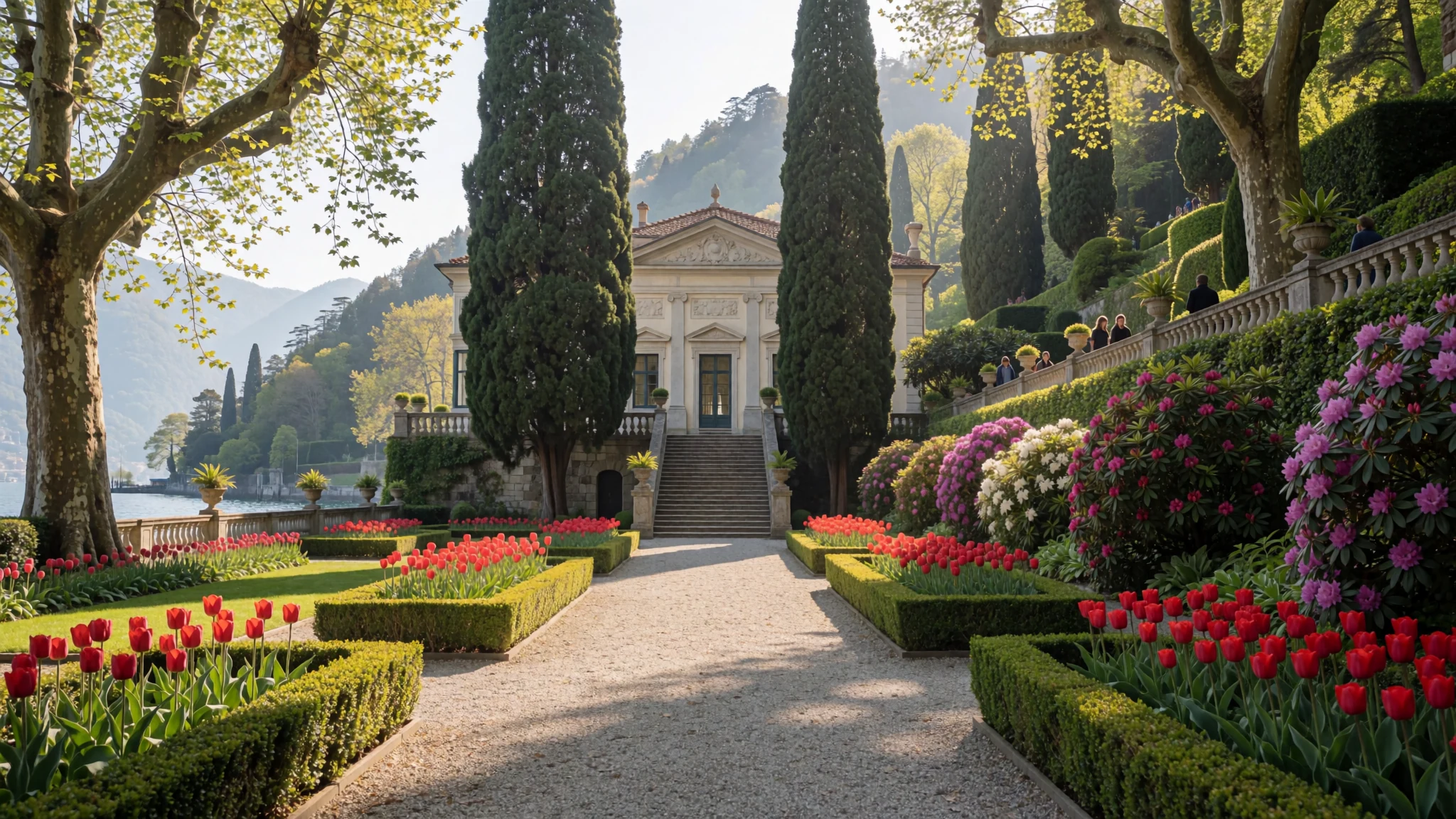
- Cablecar Argegno to Pigra
This steep cable car whisks passengers from the lakeside village of Argegno up to the high mountain terrace of Pigra in just a few minutes. At the upper station, panoramic views stretch across the entire central branch of the lake. From Pigra, hikers can follow marked trails down scenic ridges back toward the shoreline villages.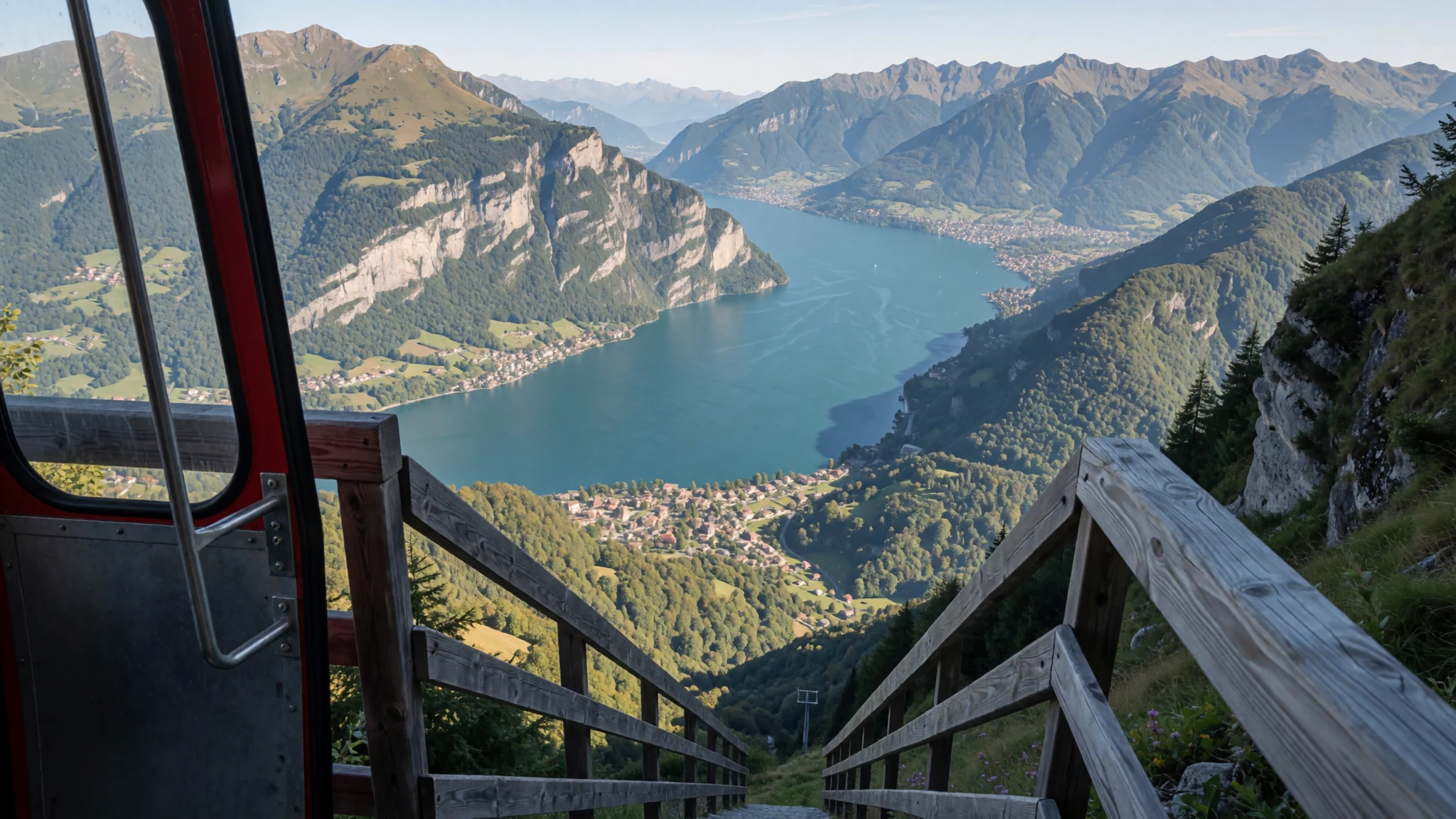
- Strada Regia and Torno
Torno serves as a picturesque starting point for historic walking routes winding along the steep eastern shore. The ancient Strada Regia connects scenic villages through chestnut woods, stone hamlets, and terraced olive groves. Walking these historic paths reveals quiet corners of the lake far removed from the busy ferry ports.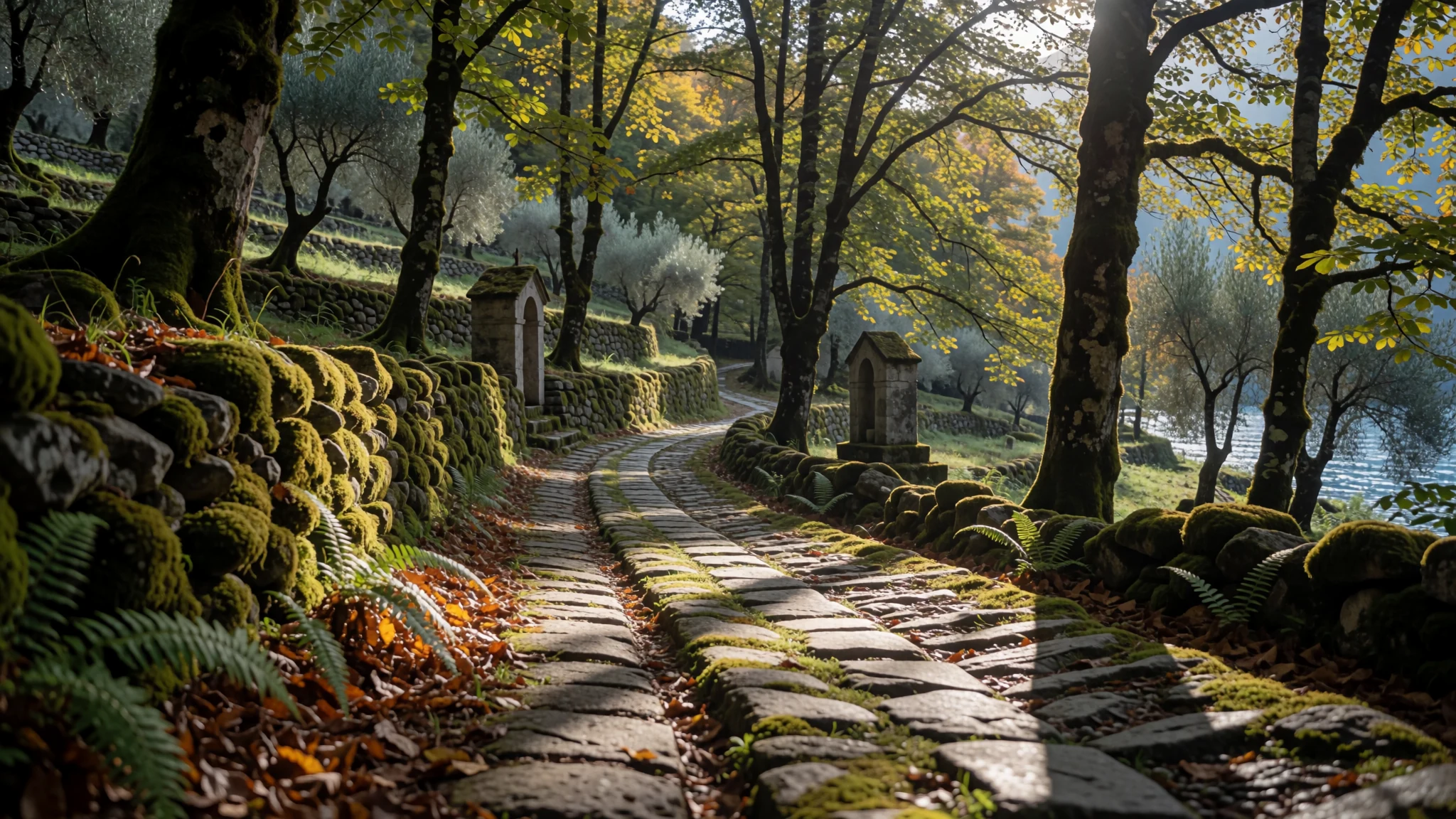
- Sentiero del Viandante
The Wayfarer's Path runs along the eastern shore, offering a continuous historic walking route above the water. Passing through ancient stone villages, terraced vineyards, and quiet woodlands, the trail provides exceptional elevated perspectives of the lake and distant peaks. Sections of the path can be easily combined with train and ferry journeys.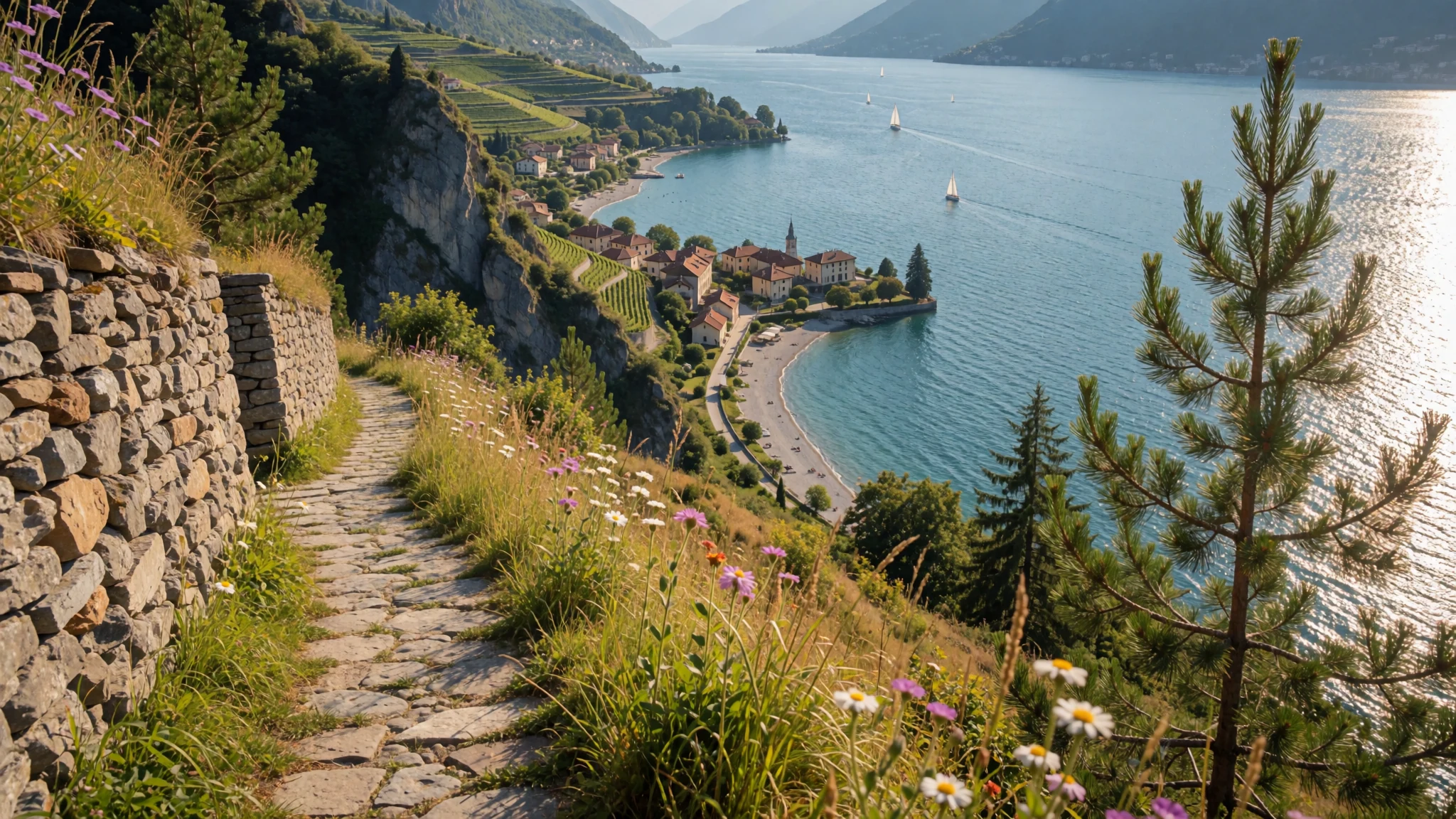
Culture
Lake Como possesses a distinct cultural identity shaped by its alpine geography and centuries of exchange between Italian and northern European traditions. Life here moves to the rhythm of the water, with communities historically reliant on fishing, terrace farming, boat building, and the meticulous craft of silk production. This heritage of fine craftsmanship, pioneered by medieval guilds, persists in local workshops and artisanal ateliers tucked into historic alleyways. Social life centres around the lakeside piazzas, where neighbours gather for conversation in the evenings. While tourism forms a major part of the modern economy, local residents maintain a quiet dignity and pride in their regional heritage, balancing modern commerce with time-honoured Italian etiquette. Visitors should dress respectfully when entering local churches and sacred sites, ensuring shoulders and knees are covered.
What to wear
Traditional dress around Lake Como historically reflected the practical demands of alpine farming, fishing, and textile labour, featuring sturdy wools, homespun linens, and durable leather workwear crafted to withstand damp mountain winters and warm summers. While traditional folk costumes are now largely reserved for historical pageants and regional festivals, the legacy of local textile excellence lives on through the region's famous silk industry, which supplies high-end fashion houses across the globe.
Today, locals and urban visitors from nearby Milan dress with understated Italian elegance, favouring tailored jackets, fine knitwear, classic leather shoes, and silk accessories that bridge smart and casual styles effortlessly. For travellers exploring the area, versatility is essential. Lightweight, breathable fabrics suit warm summer days by the water, while a warm layer or windproof jacket is necessary for breezy boat trips and cooler mountain elevations. Comfortable walking shoes or sturdy trainers are indispensable for navigating steep cobblestone lanes, uneven medieval staircases, and hillside walking trails.
What to eat
- Local Lake Fish Specialties — Traditional lakeside trattorias around the water
Traditional lakeside trattorias serve fresh catches from the basin, including risotto with perch or whitefish prepared simply with butter, sage, and local herbs. These dishes reflect centuries of fishing traditions practiced across the deep waters and can be enjoyed at rustic eateries along the shore.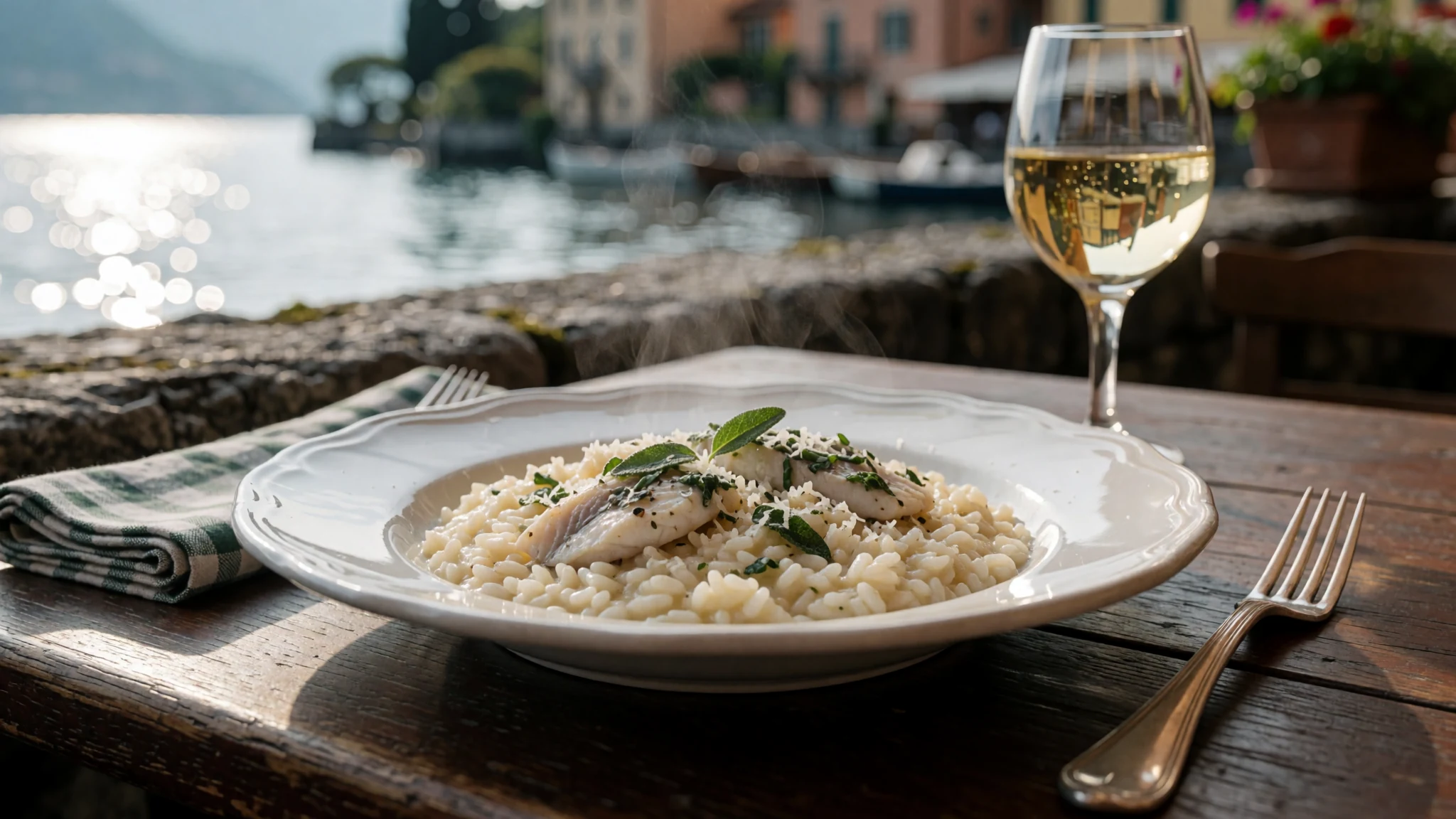
- Regional Gelato — Gelaterias in historic lakeside villages
Small gelaterias in historic villages craft artisanal gelato using traditional Italian techniques and seasonal ingredients. Savouring a cone while strolling along a lakefront promenade or sitting on a stone bench overlooking the water is an essential daily ritual.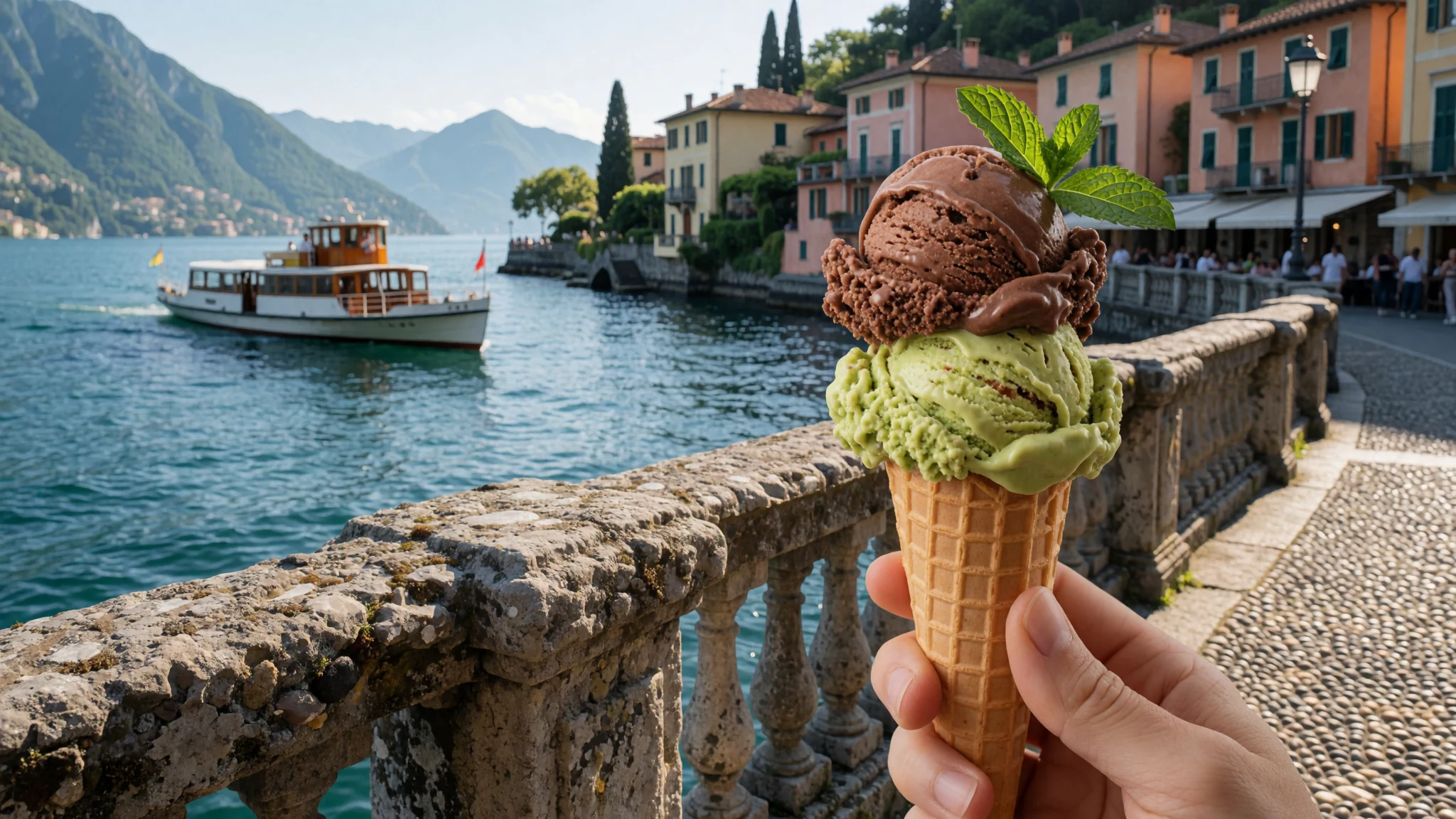
- Local Enoteca Wines — Wine bars and enotecas in Bellagio and Como
Charming wine bars in historic towns offer regional Lombardy wines, including crisp whites and robust reds from surrounding mountain slopes. These relaxed venues provide an ideal setting to sample local vintages paired with artisanal cheeses and cured meats. - Traditional Pastries and Sweets — Local bakeries and cafés across the lake towns
Local bakeries offer regional pastries, seasonal cakes, and artisanal baked goods crafted to time-honoured recipes. These sweet treats pair perfectly with an espresso at a traditional café table overlooking the bustling ferry quays.
Plan it
Best time. May to June and September to October offer pleasant transitional weather, blooming gardens, and manageable crowds before the intense summer heat.
How long. 3–4
Getting there. Fly into Milan airports, then take a regional train directly to Como or Varenna; excellent rail and ferry connections link all major lakeside towns.
Budget. mid
Tips
- Use the scheduled public ferries rather than cars to travel between lakeside villages
- Book tickets for popular historic villas well in advance during peak months
- Carry comfortable footwear for steep cobblestone streets and hillside paths
- Start morning walks early to enjoy quiet promenades before day visitors arrive
Etiquette
- Dress respectfully with covered shoulders and knees when visiting churches
- Greet shopkeepers and café staff politely with a friendly buongiorno
Nearby
Sources
- Wikidata Q15523 (CC0)
- Wikipedia (rev 1381500360) (CC BY-SA 4.0)
- Wikivoyage (rev 5408044) (CC BY-SA 4.0)