Lake Chūzenji
Lake Chūzenji, Japan
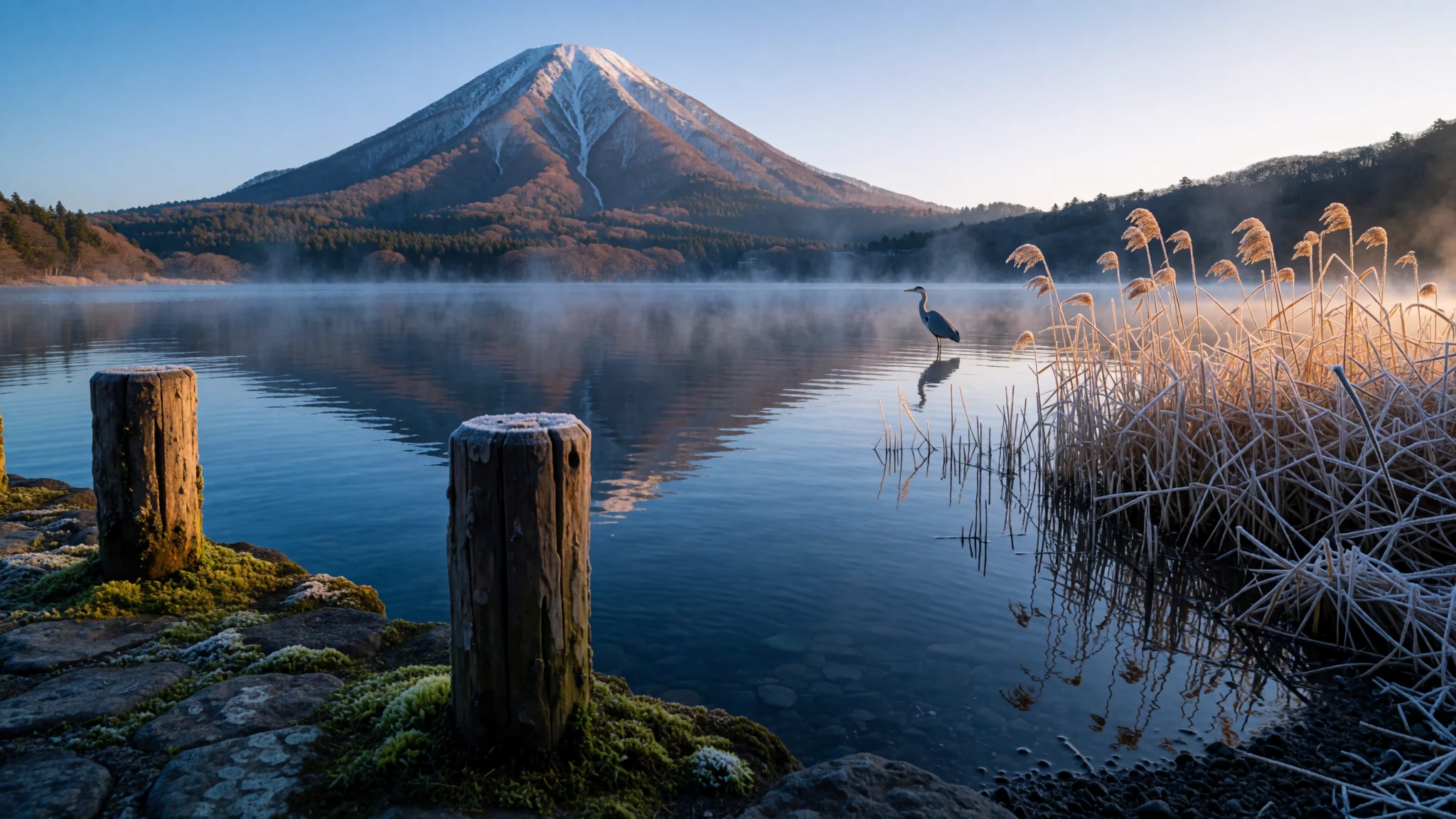
Lake Chūzenji offers a cool, mountain-ringed lake below Mount Nantai, an easy escape from the heat and crowds of Tokyo.
The place
Lake Chūzenji sits in the mountains above the town of Nikkō, inside Nikkō National Park in Tochigi Prefecture, at an elevation of about 1,269 metres. The lake is landslide-dammed, formed roughly 20,000 years ago when an eruption of Mount Nantai, which rises to 2,484 m, blocked a river valley. Water from the Yukawa River feeds it, and the outflow tumbles over Kegon Falls on its way down the mountain. Locals sometimes call it the Sea of Happiness, a name that suits a broad blue lake with forested slopes on every side.
The lake covers about 11.6 square kilometres and has a shoreline of roughly 25 km. It is deep, reaching about 163 m at its deepest point. That depth keeps the water cool through the summer, which is why the area became a retreat from the lowland heat. In the Meiji and early Shōwa periods, several European embassies built summer houses on its shores, and a few of these villas survive as places to visit.
The lakeside works best as a base for slow days rather than a single stop. Walks run along the shoreline, birdwatching is good in warmer months, and trails climb the surrounding mountains for anyone willing to walk. Winter brings snow, skiing and skating, and the lake is often edged in white.
Most visitors come only as a day trip from Tokyo and never reach the lake at all. The wider city of Nikkō covers much of Tochigi, and the mountains beyond the lake hold hot springs and quieter walking country that repay a longer stay.
Its story
The story of Lake Chūzenji begins with a mountain that was considered too sacred for ordinary visits. Mount Nantai was the centre of mountain faith long before the lake had a name. The monk Shōdō is credited with reaching its summit in 782, the event that brought Buddhism to the Nikkō area. Shrines and halls grew up around the peak, and the mountain stayed closed to women, horses and cattle until 1872, a restriction that shaped who could take part in its pilgrimages for generations.
The lake itself is a younger part of the picture, a product of geology rather than religion. Debris from the eruption blocked the river, and the water rose behind it until the valley filled. A river valley became a broad lake that people could reach from the shrine town below.
Its modern history turned on the arrival of foreign diplomats. When Western embassies in Japan looked for a summer escape from the lowland heat, the cool water and forested shore offered an answer. Several built vacation houses around the lake. The British diplomat Ernest Satow made it a regular summer haunt and built a house there, which the British Embassy used as a villa for well over a century. Today the former British and Italian villas are open to visitors as memorial parks, a reminder of that lakeside colony.
The shrines of Nikkō and the lake above them now draw walkers rather than devotees. The layers of the place, sacred mountain, geological accident and diplomatic summer retreat, can all be traced on a single walk along the shore.
What to see
- Lake Chūzenji shore — Lake Chūzenji, above Nikkō
The lake itself is the main sight, and the easiest way to see it is a slow walk along the shore or a stop at a viewpoint on the southern side. Mount Nantai dominates the view, its forested slopes falling straight to the water. Early morning is usually calmest, before the buses bring in day-trip groups, and on still days the surface holds a clear reflection of the peak.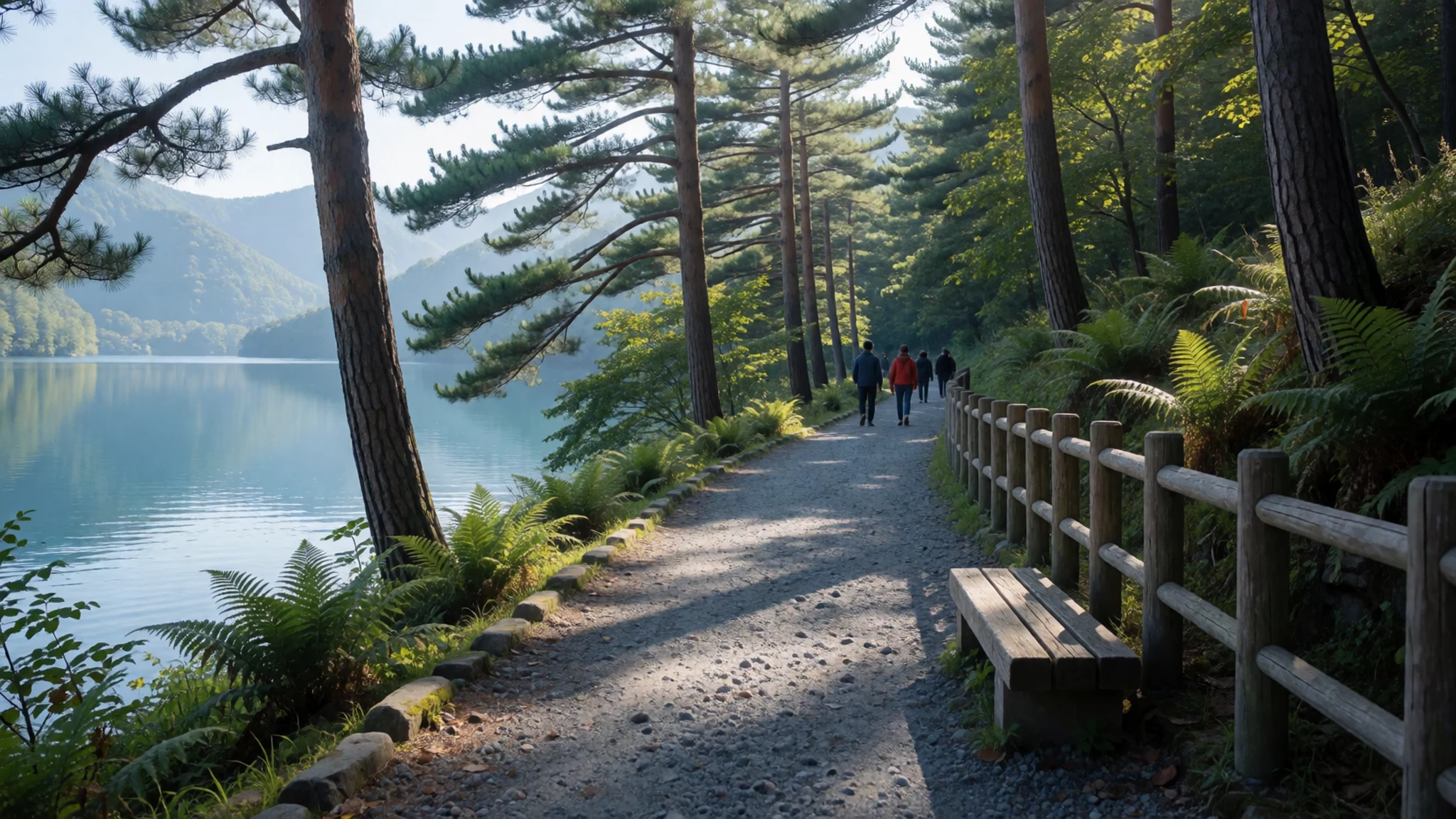
- Tōshōgū — Nikkō town, shrine area
Tōshōgū is the most extravagant temple complex in Nikkō, built in 1634 on the order of Iemitsu, grandson of Ieyasu, as the mausoleum where Ieyasu actually rests. Its gilded and lacquered halls are lavishly decorated, and the Yomei-mon gate carries more than 400 carvings, including a famous sleeping cat. Allow a good part of a morning to take it in.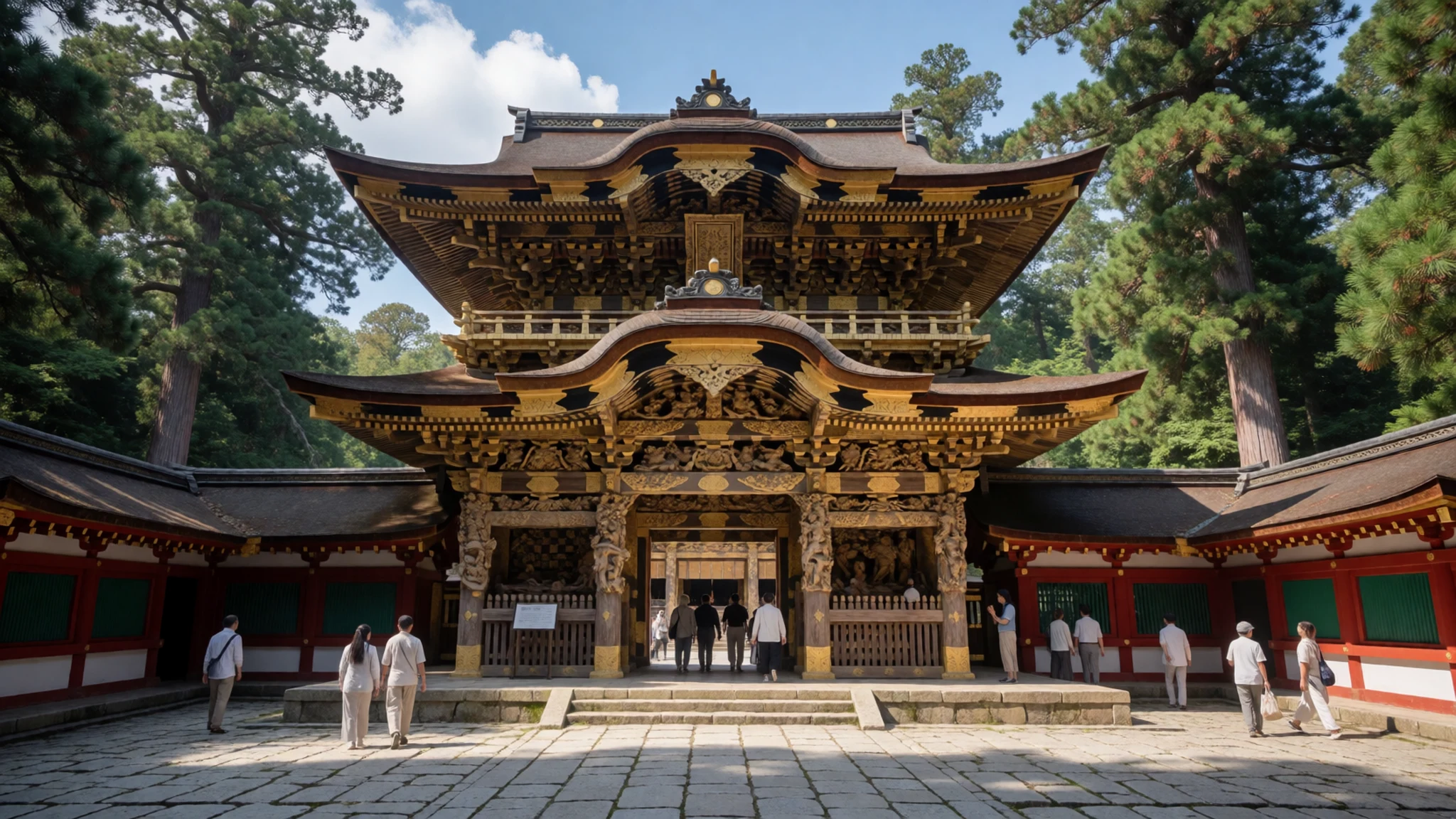
- Taiyuin-byō — Nikkō town, shrine area
Taiyuin-byō holds the grave of Iemitsu, the third Tokugawa shogun. It is smaller than Tōshōgū, and many find it more beautiful. The main hall and mausoleum can only be viewed from outside, so take time with the gateways and the quieter courtyards. It makes a calmer alternative when the main shrine is busy.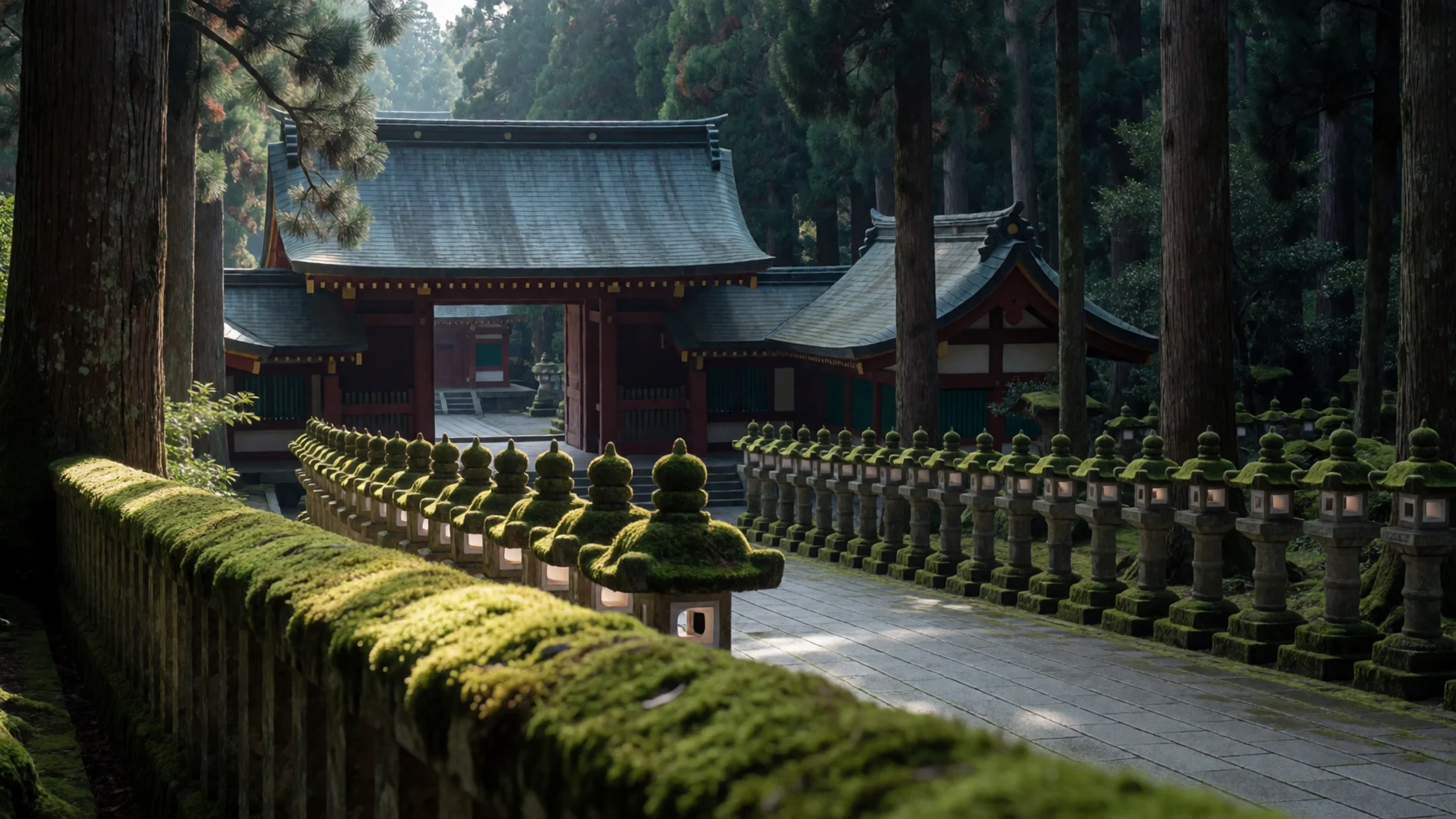
- Rinnō-ji Temple — Nikkō town, shrine area
Rinnō-ji was founded by the monk Shōdō, who introduced Buddhism to Nikkō in the 8th century. It is known for three large Buddha figures in the Sanbutsudō hall, which are worth seeing before heading on to the shrines. The grounds have a peaceful, unhurried feel that contrasts with the busier shrine approaches.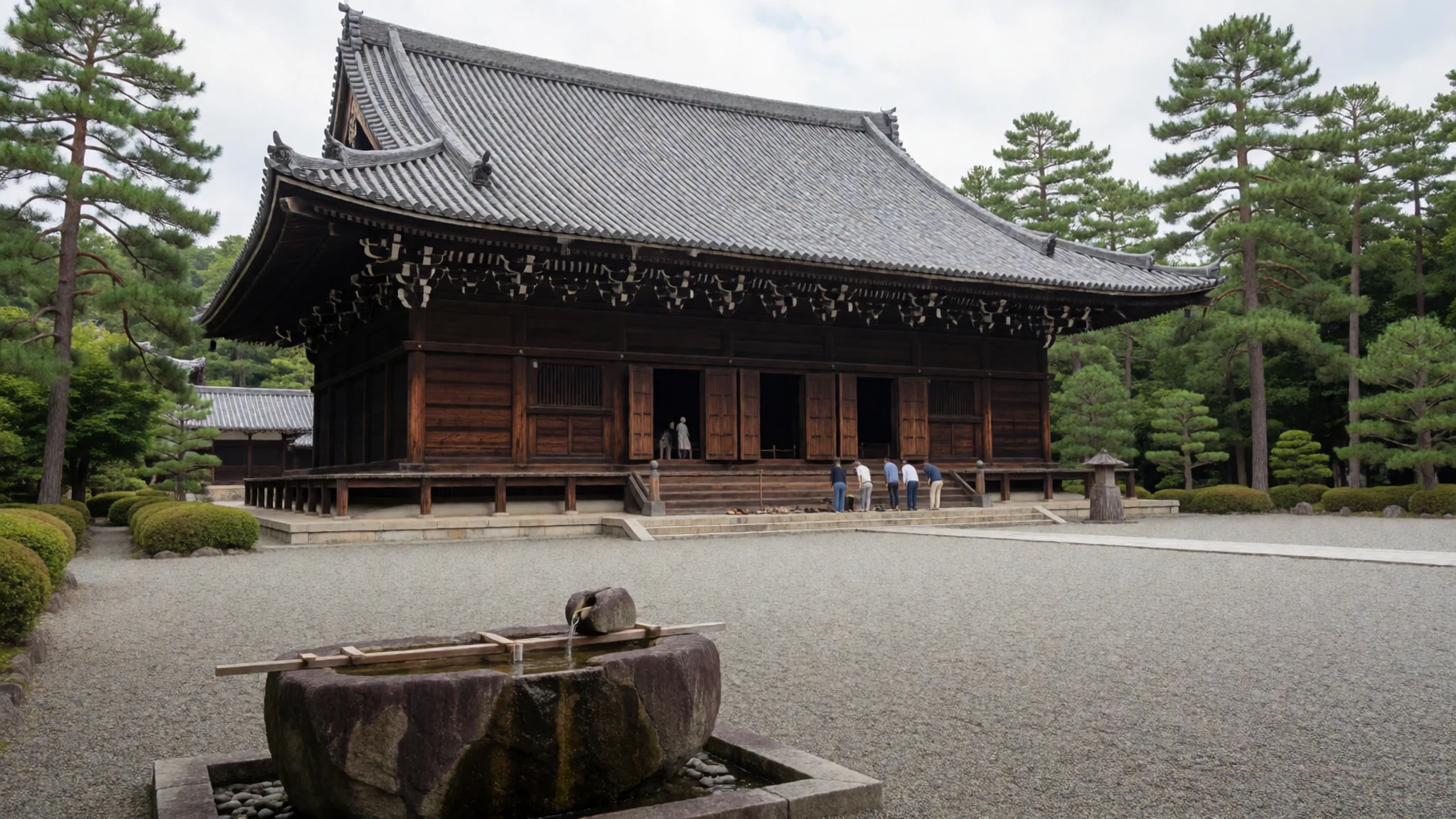
- Shinkyō Bridge — Nikkō town, edge of shrine area
The bright red Shinkyō Bridge sits at the edge of the shrine area and is the most photographed spot in town. It marks the threshold between the town and the shrines, so most walkers pass it on the way to Tōshōgū. Photograph it from the bank for a clear view, and expect a steady stream of other visitors doing the same.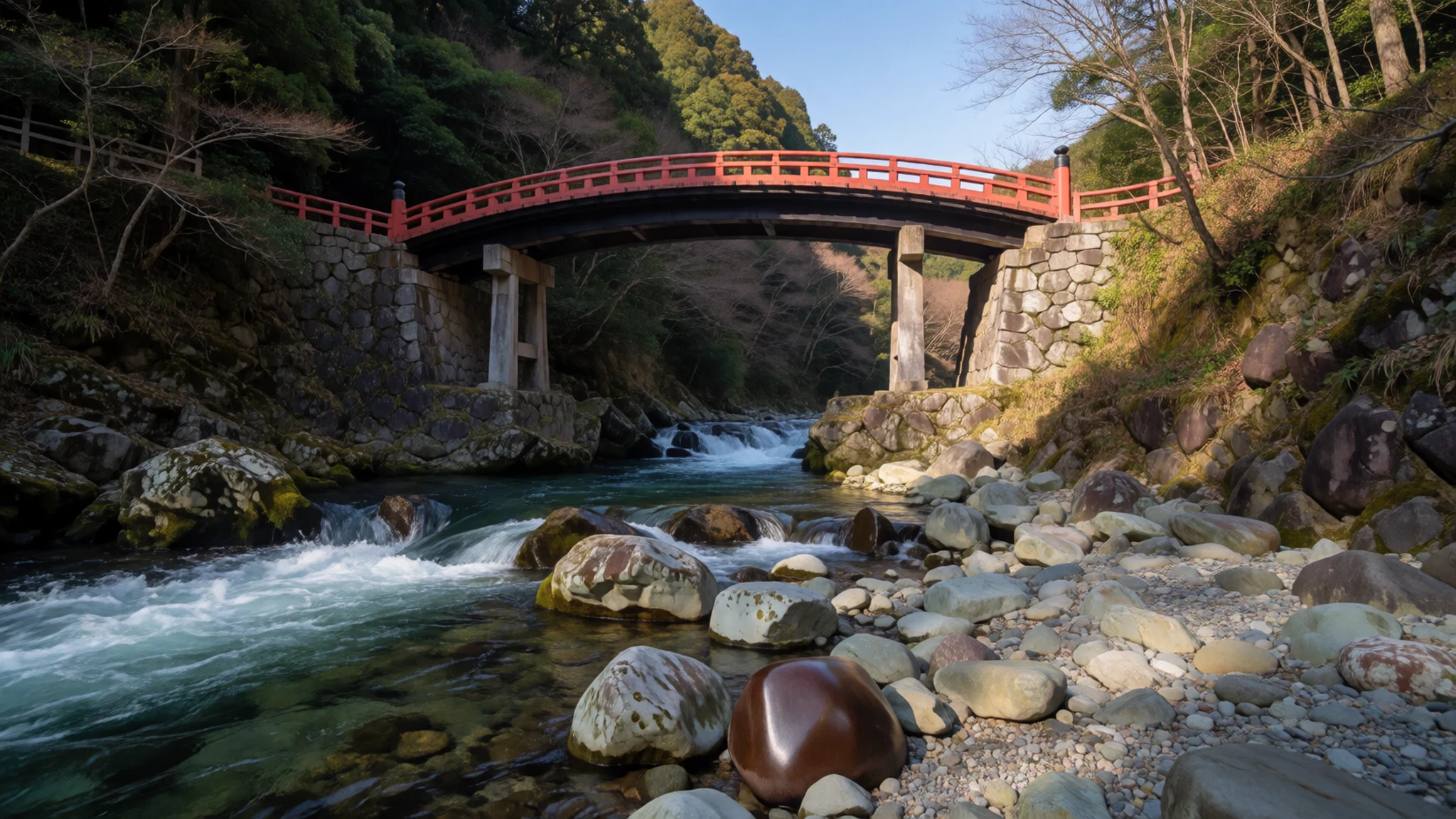
Culture
Shrines and temples around Lake Chūzenji are working places of worship, so visitors should keep their voices low and stay out of the way of people praying. Halls and shrine precincts call for quiet behaviour, and people step aside from the centre of paths and avoid climbing on stone or wooden structures. Many halls ask visitors to remove their shoes before stepping onto a raised wooden floor, so look for the step and the slippers left beside it.
Photography is widely allowed outdoors, but ask before photographing people working at shrines or in lakeside shops, and do not use flash where it is forbidden inside halls. The former embassy villas are now memorial parks open to visitors for a ¥300 admission that includes a self-guided tour and tea service, so keep to the marked paths and respect the boundaries. Tipping is not expected at restaurants or on buses. Queues for buses and boats form in neat lines, and passengers board in turn.
Mornings are quieter at the busy spots, and the hiking trails are calmer at the start of the day. Keep phone calls brief and quiet on trains and buses, and take your rubbish with you on the trails.
Take off your shoes where a step marks the start of a hall and slippers are waiting, and keep to the rule even when others seem not to.
What to wear
Traditional dress around Lake Chūzenji follows the wider Japanese tradition of the kimono, a T-shaped robe of silk worn wrapped and tied with an obi sash. Formal silk kimono are woven or dyed, while the cotton yukata is the lighter summer version worn for evenings and after a bath at a hot spring. Kimono still appear at festivals and formal shrine occasions, though many visitors who wear one rent it for the day.
What people wear now is everyday dress: jackets, jeans, knitwear and practical shoes. The mountain air is cool even in summer, so locals keep a coat handy for the evenings.
For a visit, dress in layers. The lake sits high, so summer days can be warm while evenings and autumn mornings turn cool, and winter brings snow. Wear sturdy walking shoes for hillside paths and stone steps, and footwear that slips on and off if you expect to remove shoes at temples. Modest clothing suits the shrines, and covering the shoulders is a sensible choice at formal sites. Skip sandals and running wear at the better restaurants, since some wagyu places ask for smarter footwear.
What to eat
- Yuba (tofu skin) — cafés and soba shops in the town centre
Yuba, the skin that forms on heated soy milk, turns up on menus all over Nikkō. It has a soft, milky richness and comes in several forms, from simmered to fried. Try it at cafés and soba shops in town, where it is often served as a monks' meal.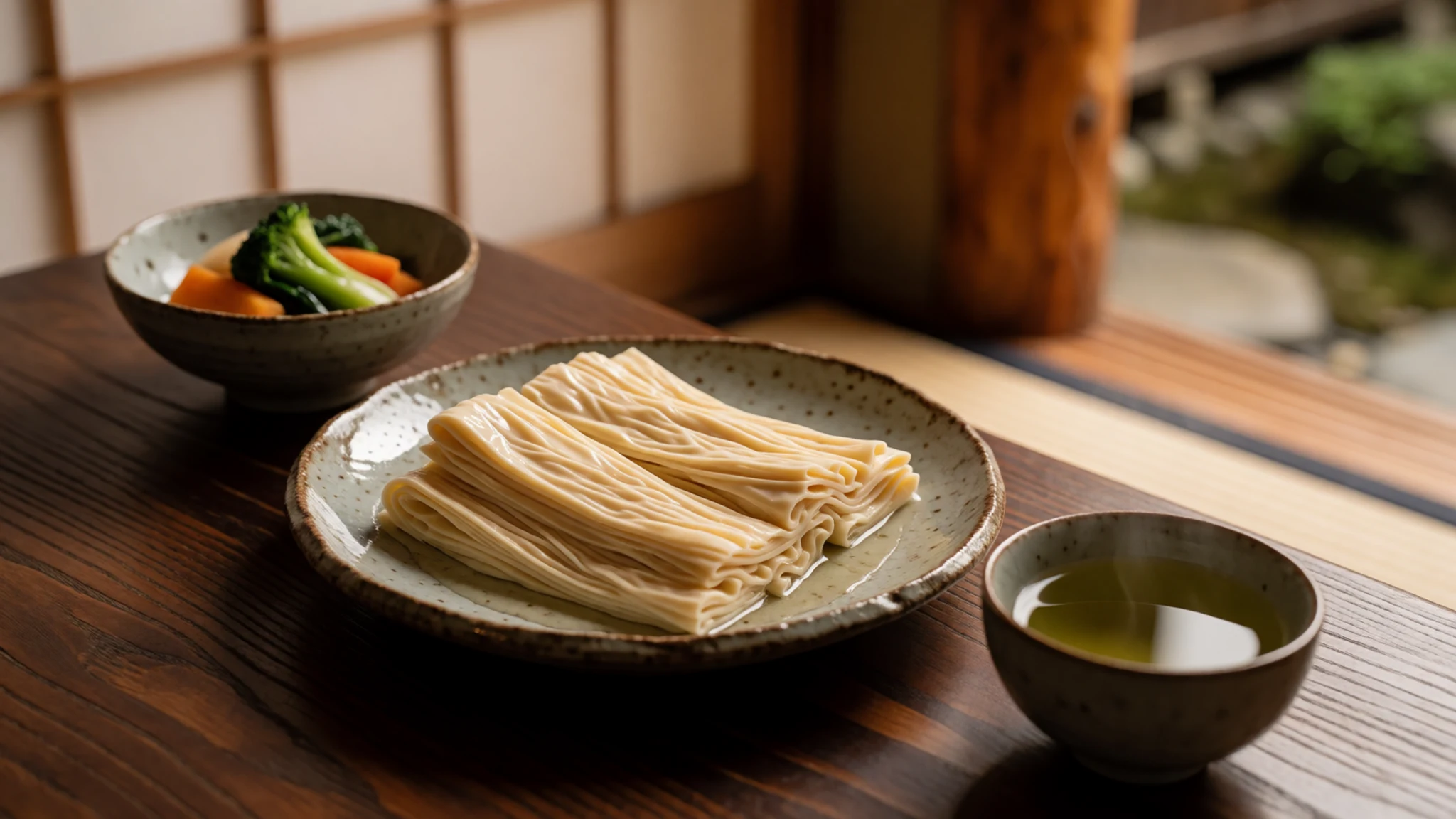
- Soba noodles — soba houses on the road between the shrines and the stations
Soba noodles, made from buckwheat and served hot or cold, are the everyday lunch of Nikkō. Homemade soba houses sit along the road between the shrines and the stations, making a convenient halfway stop. Ordering yuba alongside the noodles is a common local pairing.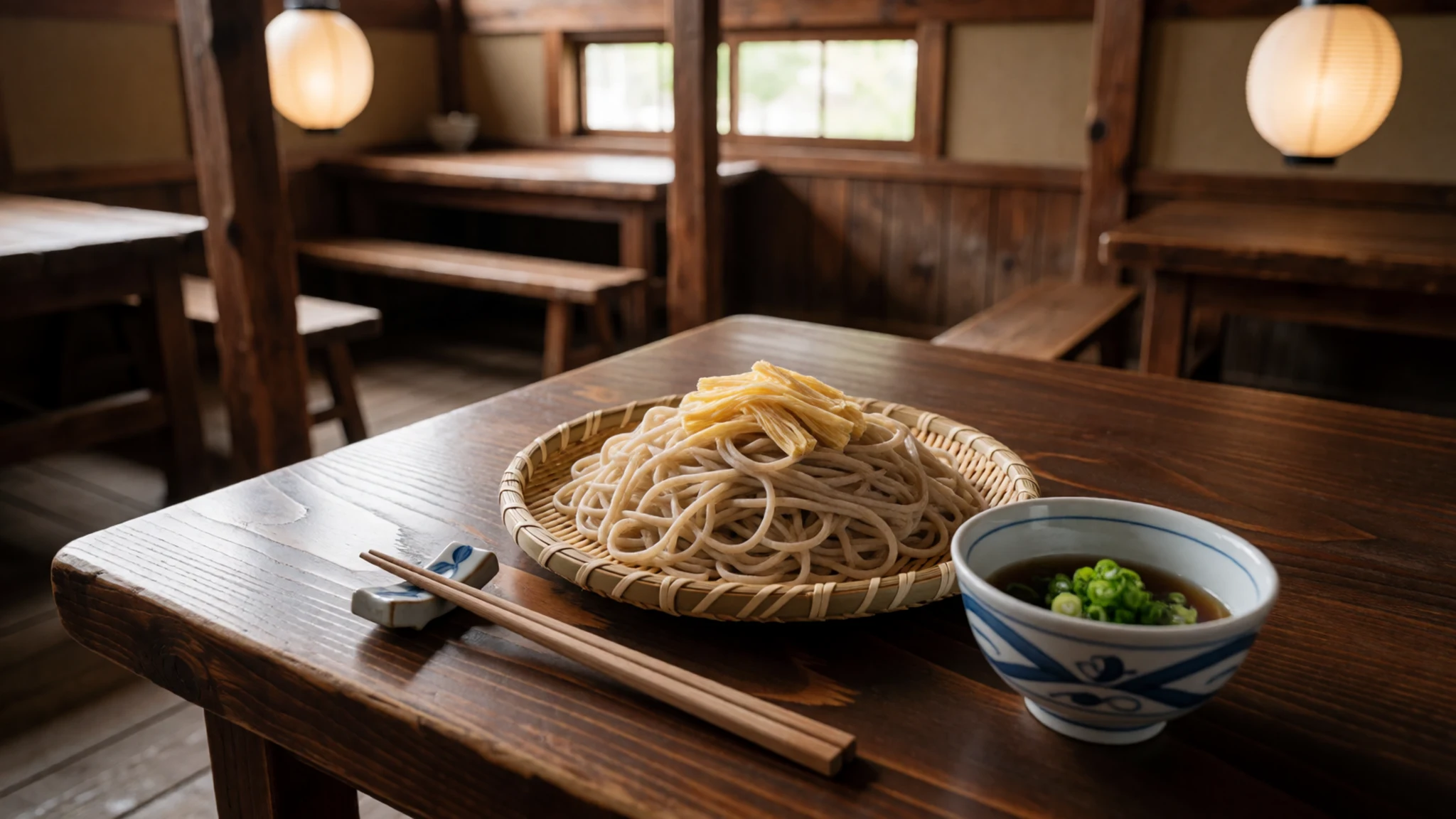
- Yakitori and noodles — grills on the road between the shrines and the stations
Yakitori, grilled chicken skewers, is a favourite of visitors who want something quick and filling after the shrines. Grills near the shrine road serve them with noodles, and a seat at the counter makes a fast lunch between temples. - Wagyu steak — steak restaurants in the town centre
Wagyu, Japanese beef, is served as steak in several restaurants around town. Most need a reservation, so book ahead. The dress code is not strict, but sandals and running wear are not welcome. - Ramen — the few evening eateries in the town centre
Ramen is a practical choice for an evening meal in Nikkō, when fewer places stay open. Look for the restaurants with plenty of space and evening service near the town centre, and expect a simple bowl of noodle soup.
Plan it
Best time. Late April to May for spring blossom and fresh green, and late October to November for autumn leaves. Winter brings snow and the Snow and Ice Festival, but walks can be cold and icy. July and August are the hottest months, while July to September are the wettest, so summer is humid, though the lake's height keeps it cooler than the plains.
How long. 2–3
Getting there. Fly into Tokyo, then take a Tōbu limited express from Asakusa Station to Nikkō, about 2 hours. Trains arrive at Nikkō or Tōbu-Nikkō station, roughly 2 km from the main shrines. The lake lies above the town, so onward road transport is needed; check the official Nikkō site for current bus times.
Budget. mid
Tips
- Stay overnight if you can, since the quieter mornings and evenings are the best time to walk the shore
- Book Wagyu restaurants and any ryokan well ahead, particularly in autumn
- Carry cash for small eateries and check the official site for accepted payment methods
- Bring warm layers, because the lake is high and cool even in summer
- Visit the shrines early in the morning before the day-trip groups arrive
Etiquette
- Remove shoes at halls where a step marks the entrance
- Ask before photographing people at shrines or in shops
- Keep voices low at shrines and on trains
Nearby
Sources
- Wikidata Q117923 (CC0)
- Wikipedia: Lake Chūzenji (rev 1374666798) (CC BY-SA 4.0)
- Wikivoyage: Chuzenji (rev 5412628) (CC BY-SA 4.0)
- Mount Nantai and Lake Chuzenji (photos/01) (CC BY-SA 1.0)
- Chūzenji-ko and Akai Ōdai-ya (photos/02) (CC BY 3.0)
- Lake Chūzenji in autumn (photos/03) (CC BY-SA 2.0)
- Lake Chuzenjiko and snowpack (photos/04) (CC BY 3.0)
- Lake Chuzenji and Hangetsuyama, Okunikko (photos/05) (CC0)
- Lake Chuzenji from Shobu-ga-hama (photos/06) (CC BY-SA 4.0)
- Lake Chuzenji from Shobu-ga-hama (photos/07) (CC BY-SA 4.0)
- Lake Chuzenji from Shobu-ga-hama (photos/08) (CC BY-SA 4.0)


