Lake Chapala
Lake Chapala, Mexico
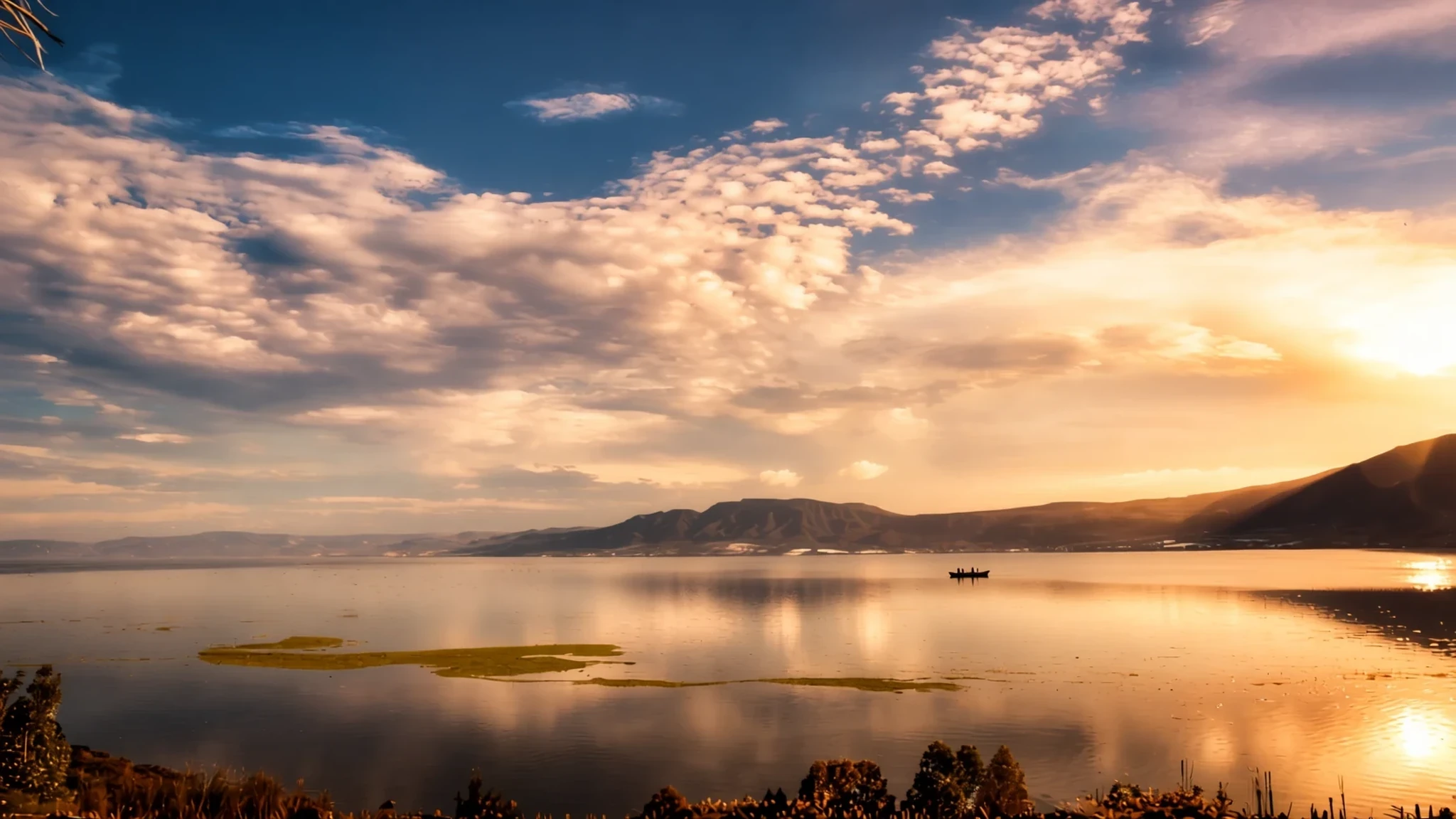
Mexico's largest freshwater lake sits in the highlands southeast of Guadalajara, with mountain views, lakeside villages and an easy pace.
The place
Lake Chapala lies on the border of Jalisco and Michoacán, a short drive southeast of Guadalajara, at about 1,524 metres above sea level. It is Mexico's largest freshwater lake, a title it has held since Lake Texcoco near Mexico City dried out. The water is shallow, so the surface moves easily in wind and the shoreline changes with the seasons. Several rivers feed it, chief among them the Río Lerma, and the lake was once drained northwest by the Rio Grande de Santiago toward the Pacific.
The shore is a string of towns rather than one resort. Chapala, on the northern shore, has a long waterfront promenade, a busy plaza and boats for hire. Further west, Ajijic is a village of cobbled lanes, galleries and cafés, with hillside houses that look down over the water. Jocotepec, at the western end, and Ocotlán sit on quieter stretches of shore, where fishing and farming still set the rhythm. Many people from abroad have settled around the lake, so English is common in some cafés and rental agencies, though Spanish is what most people speak in markets and on buses.
The lake suits slow days. Mornings are the calmest time on the water, before afternoon breezes build up. Evenings bring sunsets over the hills and dinner by the shore. Its appeal lies less in single landmarks than in light, air and the rhythm of lakeside life.
Its story
Lake Chapala sits within a geologically recent zone of the American landmass. Wood found in its sediments has been carbon-dated, and the results place the lake's origin in the late Pleistocene. Its basin was shaped by shifting land and rivers over long periods rather than by a single event, and that history still explains why the water level moves with the seasons.
Rivers did most of the work. The Río Lerma brings the largest share of water into the lake, joined by the Río Zula, Río Huaracha and Río Duero. Before, the lake drained through the Rio Grande de Santiago, so its outflow once ran towards the Pacific. That outlet is no longer the lake's route, and the lake now holds its water rather than passing it on in the same way.
Its wider importance grew as other basins in central Mexico dried up. When Lake Texcoco near Mexico City lost its water, Chapala took over as the country's largest freshwater lake, a position it still holds. Fishing communities along the shore built their livelihoods on the lake, and the whitefish that gives rise to local dishes is still caught from small boats.
Over the years the shore towns became places of retreat and recreation. Chapala drew families from Guadalajara for weekends and holidays, and later attracted residents from abroad who valued the mild highland climate and the views. Today the lake is a mix of working fishing ground, weekend escape and retirement community, and its story is still being written by the people who live on its shores.
What to see
- The Chapala waterfront — Chapala, northern shore
The waterfront promenade at Chapala is the simplest way to understand the lake. Walk it in the early morning, when the water is flat and fishing boats are coming in, and the far shore sits clearly in the haze. Benches, low walls and small plazas line the shore, and vendors sell snacks along the way. In the evening it fills with families, especially at weekends.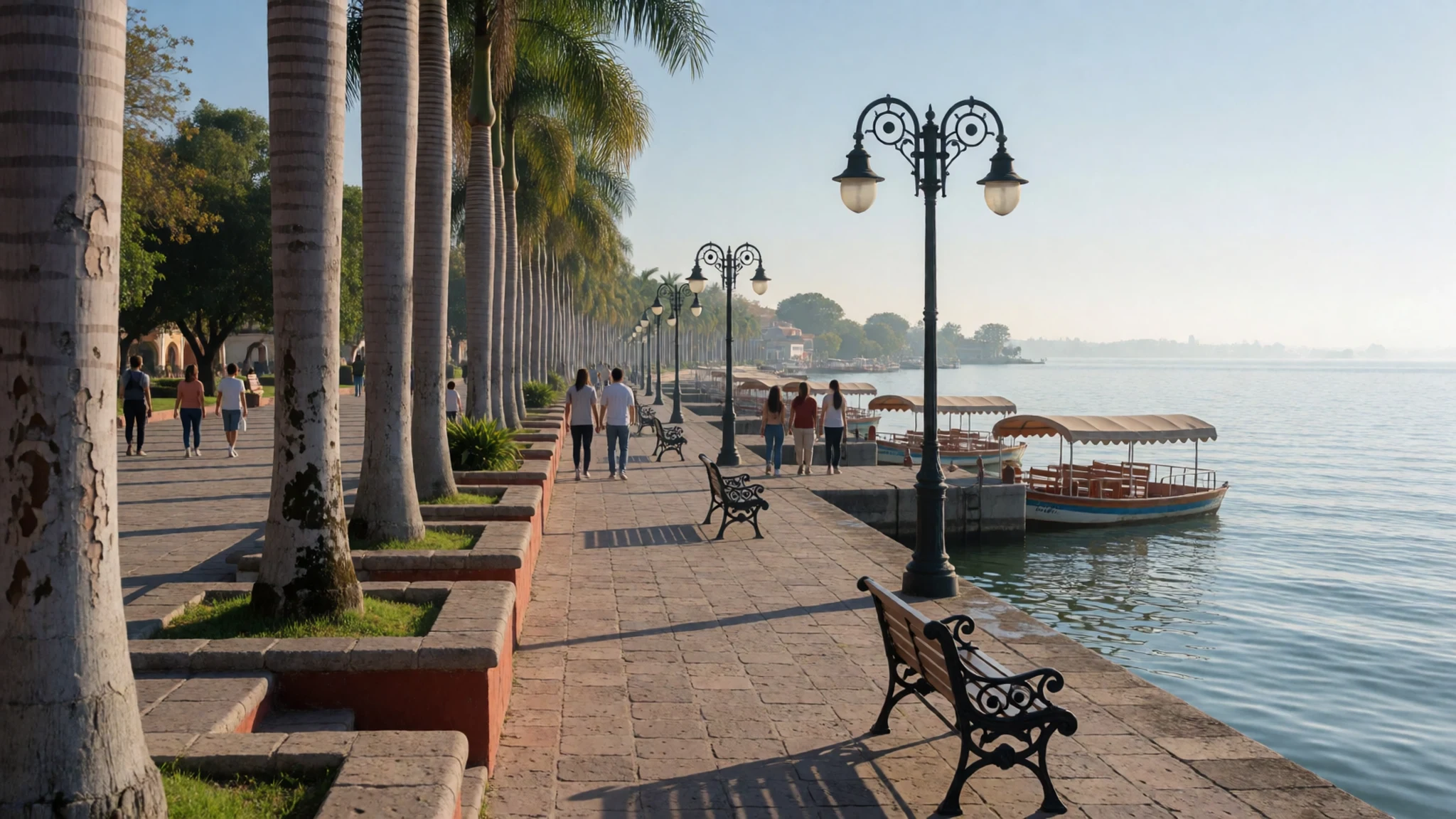
- Ajijic village and the hill view — Ajijic, western shore
Ajijic is a village of cobbled lanes, colonial-style houses and galleries, a short drive west of Chapala. Climb one of the streets above the centre for a broad view across the lake, especially in the late afternoon. Restaurants and cafés line the main square. Wear sensible shoes, because the slopes are steep and the paving can be uneven.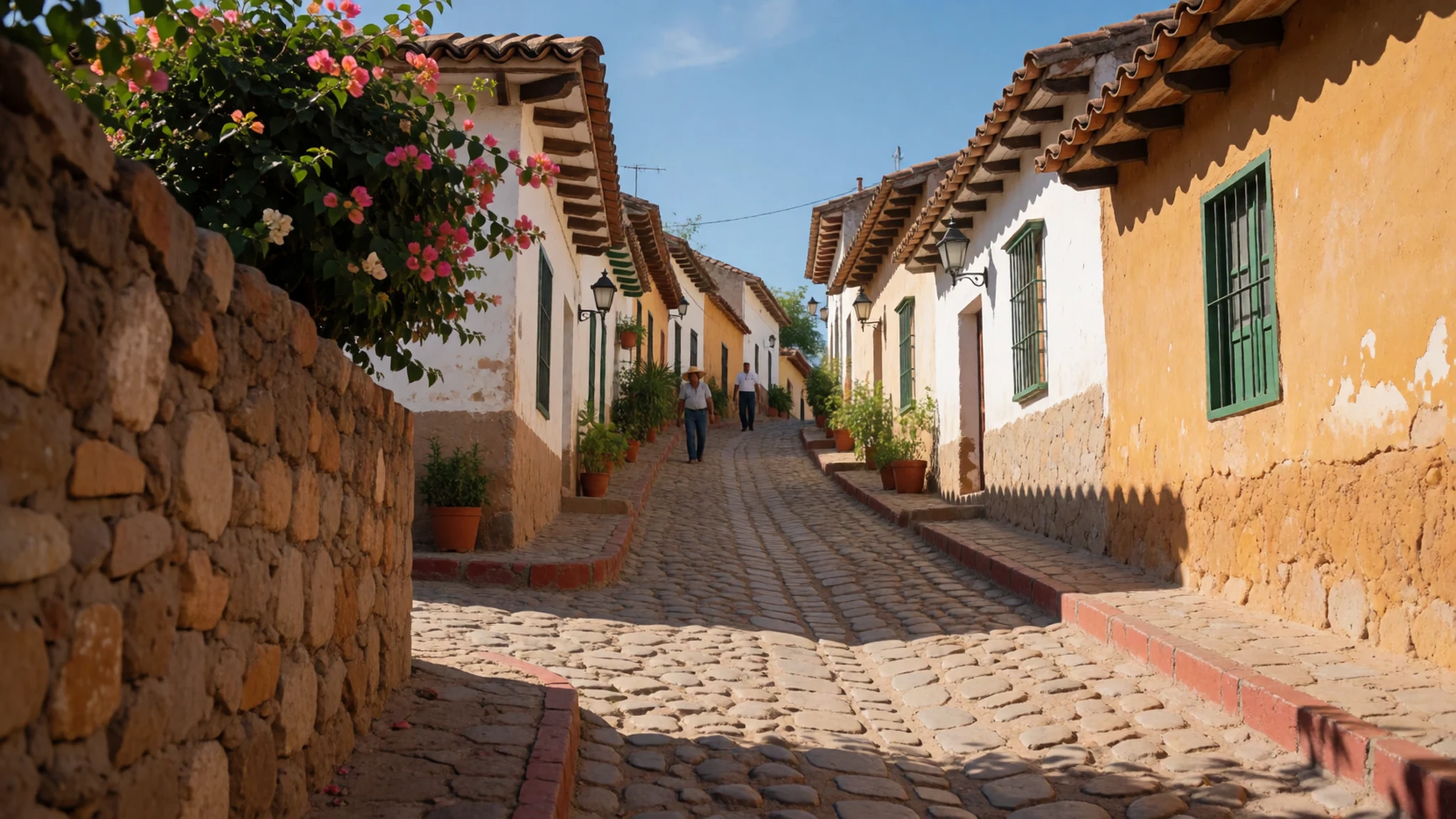
- Jocotepec on the western shore — Jocotepec, western end of the lake
Jocotepec sits at the western end of the lake, where the pace is quieter than at Chapala. The town has a central plaza and a church, and it works well as a base for slow walks along the water. Fishing and small farms still shape daily life here, and weekdays bring far fewer visitors than weekends. Ask before photographing fishermen at work.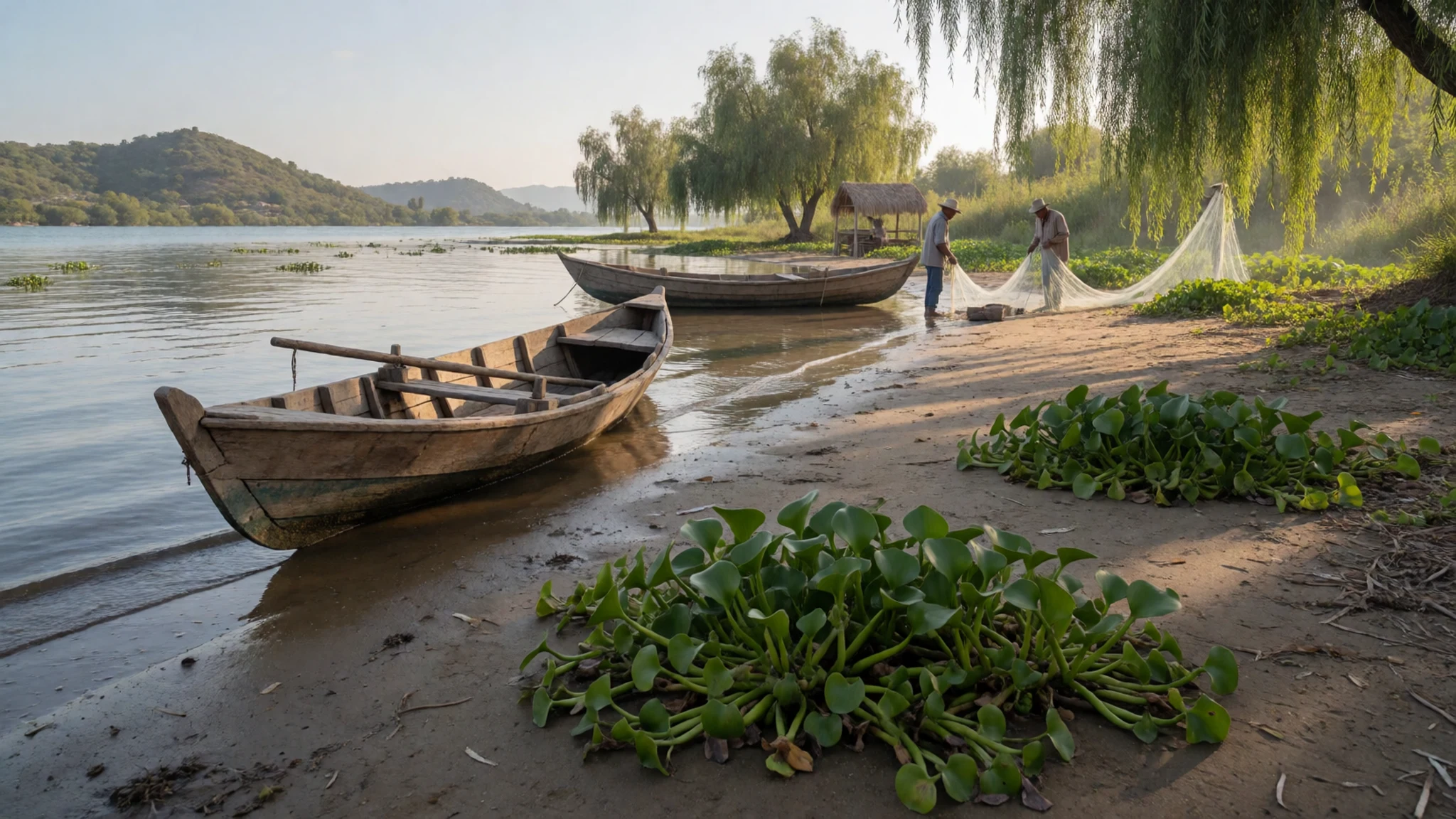
- San Juan de los Lagos — San Juan de los Lagos, Jalisco Highlands
San Juan de los Lagos is a pilgrimage town further east, reached by road from the lake region. Its basilica draws the faithful to the image of the Virgin, and religious tourism is the town's main trade. Come early in the day, expect crowds on feast days, and dress modestly inside the church.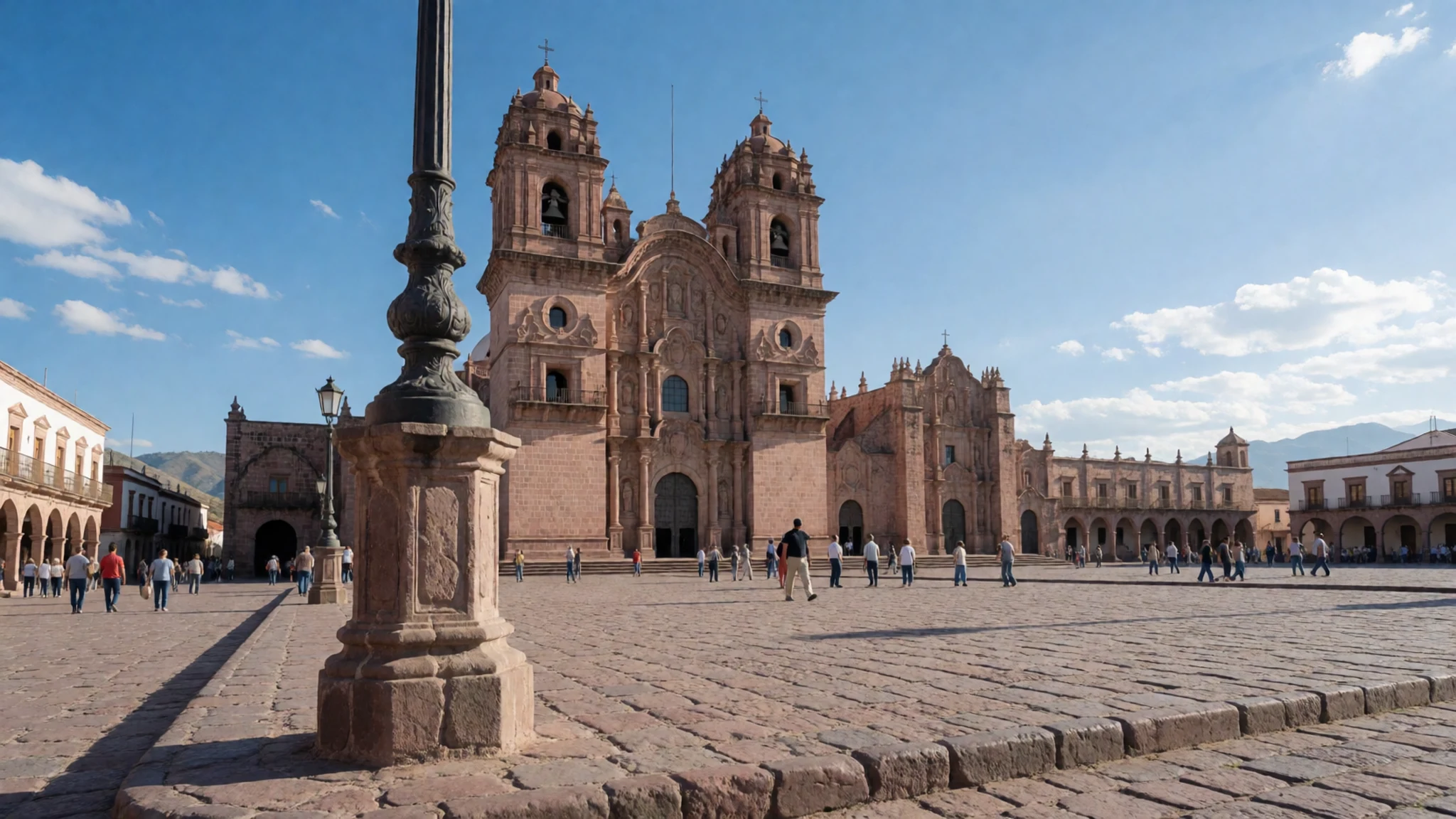
- The Tequila Valley — Tequila, west of Guadalajara
The Tequila Valley is a day trip from Guadalajara rather than from the lake, and it rewards the effort with blue agave landscapes. The town of Tequila has distilleries, historic haciendas and the Tequila Express train from Guadalajara. The agave fields around the valley have World Heritage status, so ask guides to explain the old estates and how the plant is grown.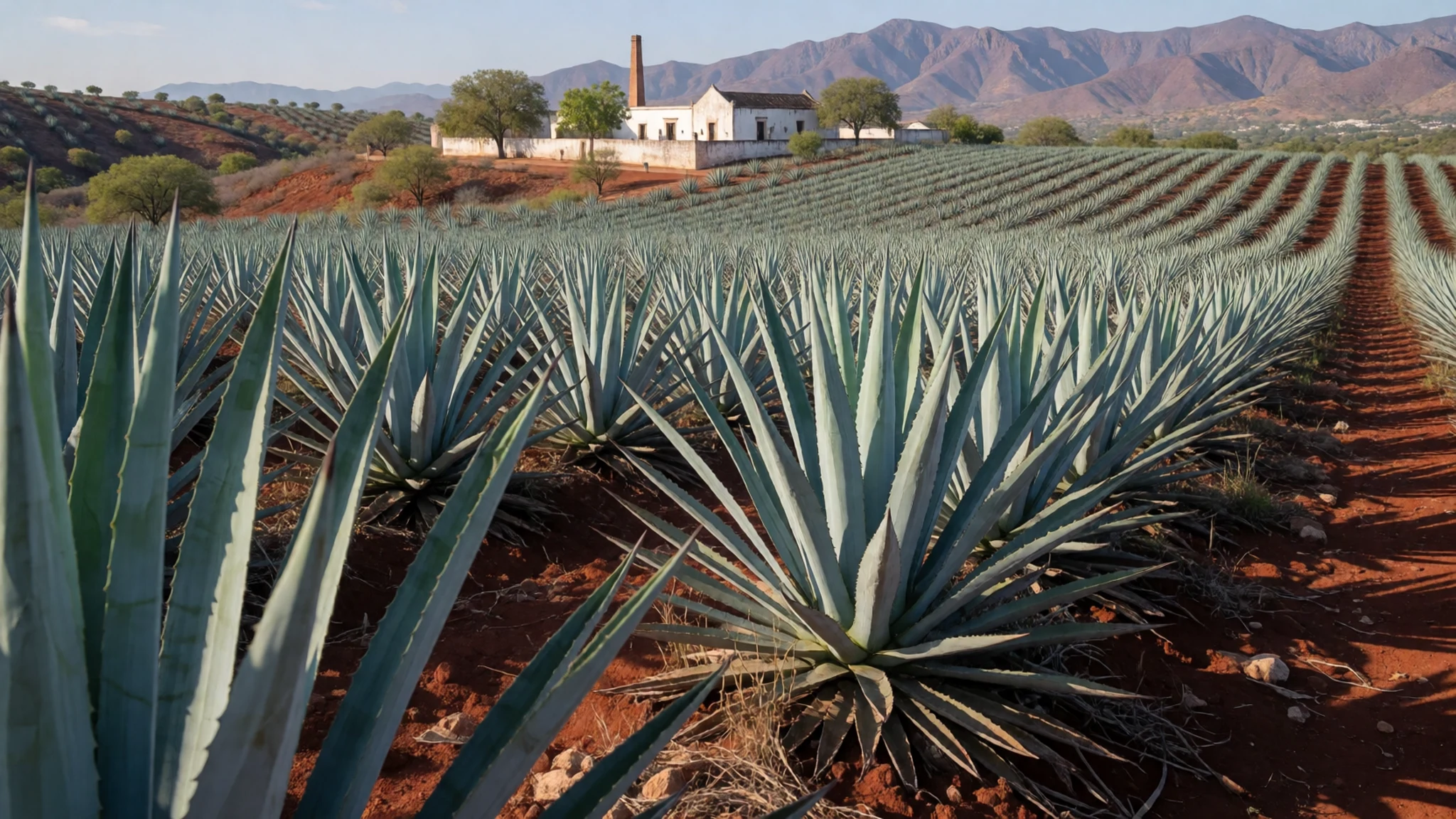
Culture
Lake Chapala sits in a part of Jalisco where everyday life still runs on family, church and the rhythm of the water. Catholic faith shapes the calendar, with saints' days, processions and local fiestas through the year, and many lakeside towns hold their own celebrations. Greetings are warm: a handshake or a light kiss on the cheek between people who know each other, and a polite buenos días before any request in a shop or restaurant. Bargaining is normal at craft stalls and in markets, but it is done with humour and is not expected in fixed-price shops. Tipping in restaurants is customary, and taxi drivers often expect the fare to be rounded up. Rural communities in the north of the state, including Wixarika villages, have their own traditions, so treat sacred places with care and never photograph ceremonies without permission. Ajijic and Chapala also host a large community of residents from abroad, though local people appreciate any effort with Spanish. At churches and pilgrimage sites such as San Juan de los Lagos, take off your hat, speak quietly and ask before photographing people at prayer.
What to wear
Lake Chapala sits in a region where dress mixes local craft, rural horsemanship and the easy warmth of the lakeside. The traditional dress most associated with Jalisco is the charro outfit: a fitted short jacket, embroidered trousers and a wide-brimmed sombrero, worn by riders at charreadas, the rodeo-style competitions. The suit is traditionally made of wool or fine cotton, with silver buttons and embroidered trim. Among the Wixarika (Huichol) communities of the northern highlands, clothing and crafts carry rich colour, with glass-bead embroidery and woven textiles in cotton and wool, often with patterns that carry their beliefs. Women in some rural areas still wear embroidered blouses and long skirts, especially for feast days. In everyday life in Chapala and Ajijic, people wear jeans, cotton shirts and simple dresses, with trainers or leather sandals. Many residents dress casually and warmly for the breeze off the water, and formal wear appears mostly at weddings and church services. As a visitor, choose light cotton or linen that breathes in the heat of the day, and add a light layer for evenings on the water. Wear a hat and sunglasses, because the sun is strong on the open shore. Choose sturdy closed shoes for steep Ajijic lanes, and cover shoulders and knees when entering churches, especially at San Juan de los Lagos.
What to eat
- Tortas ahogadas — Central Guadalajara market stalls and torta counters
Guadalajara's tortas ahogadas are a crusty roll filled with slow-cooked pork carnitas and drowned in a hot, red chilli sauce. Eat them at a sit-down stall or the morning market near the city centre, where the sauce is made fresh. Expect heat, and ask for the mild version if you prefer.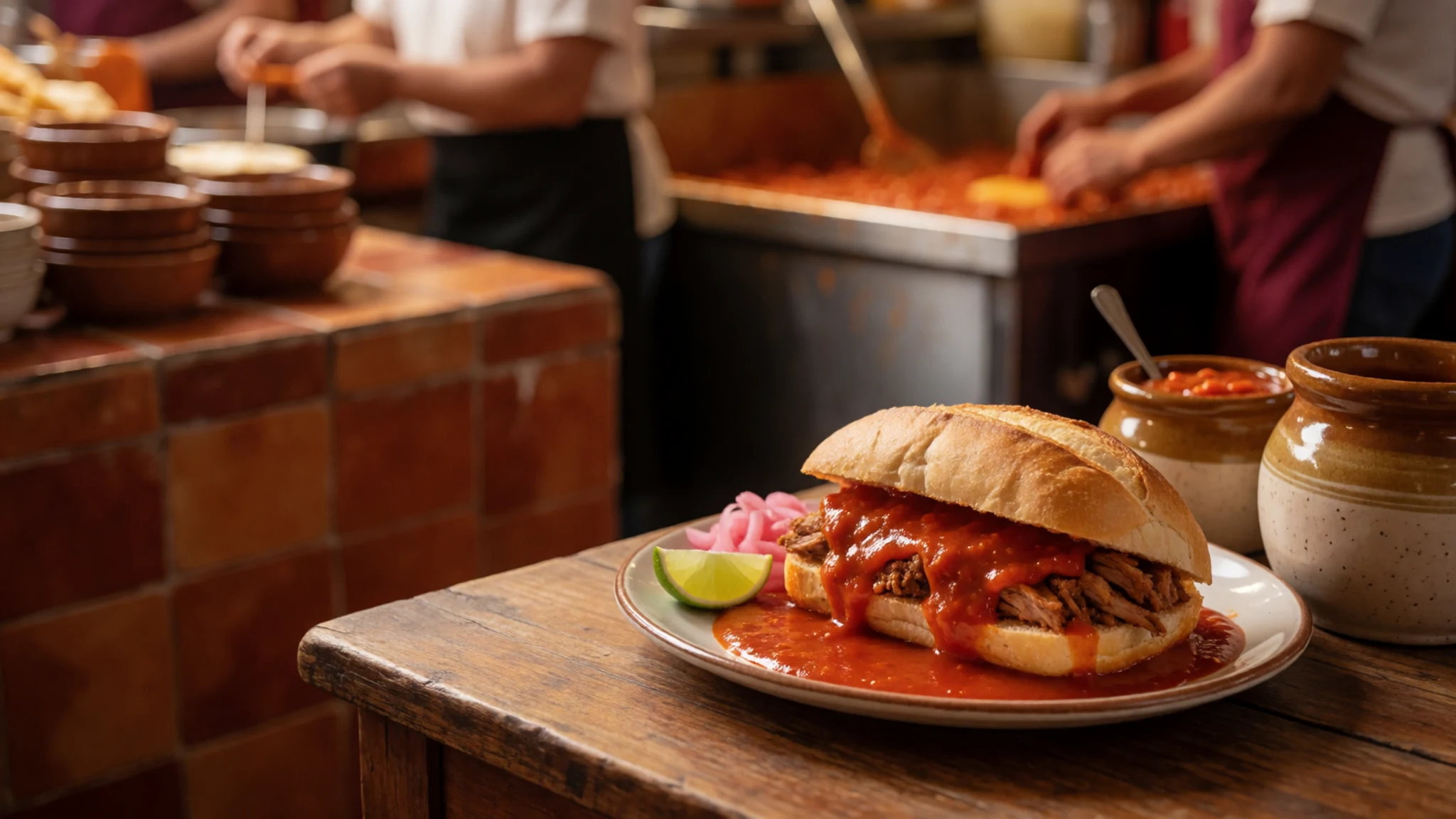
- Birria — Weekend stalls and birrierías in Guadalajara
Birria is a stew traditionally made with goat, sometimes lamb, slow-cooked with dried chillies and spices until the meat falls apart. Pork and beef versions are common now, a departure from its older roots. Look for it at weekend stalls and birrierías in Guadalajara.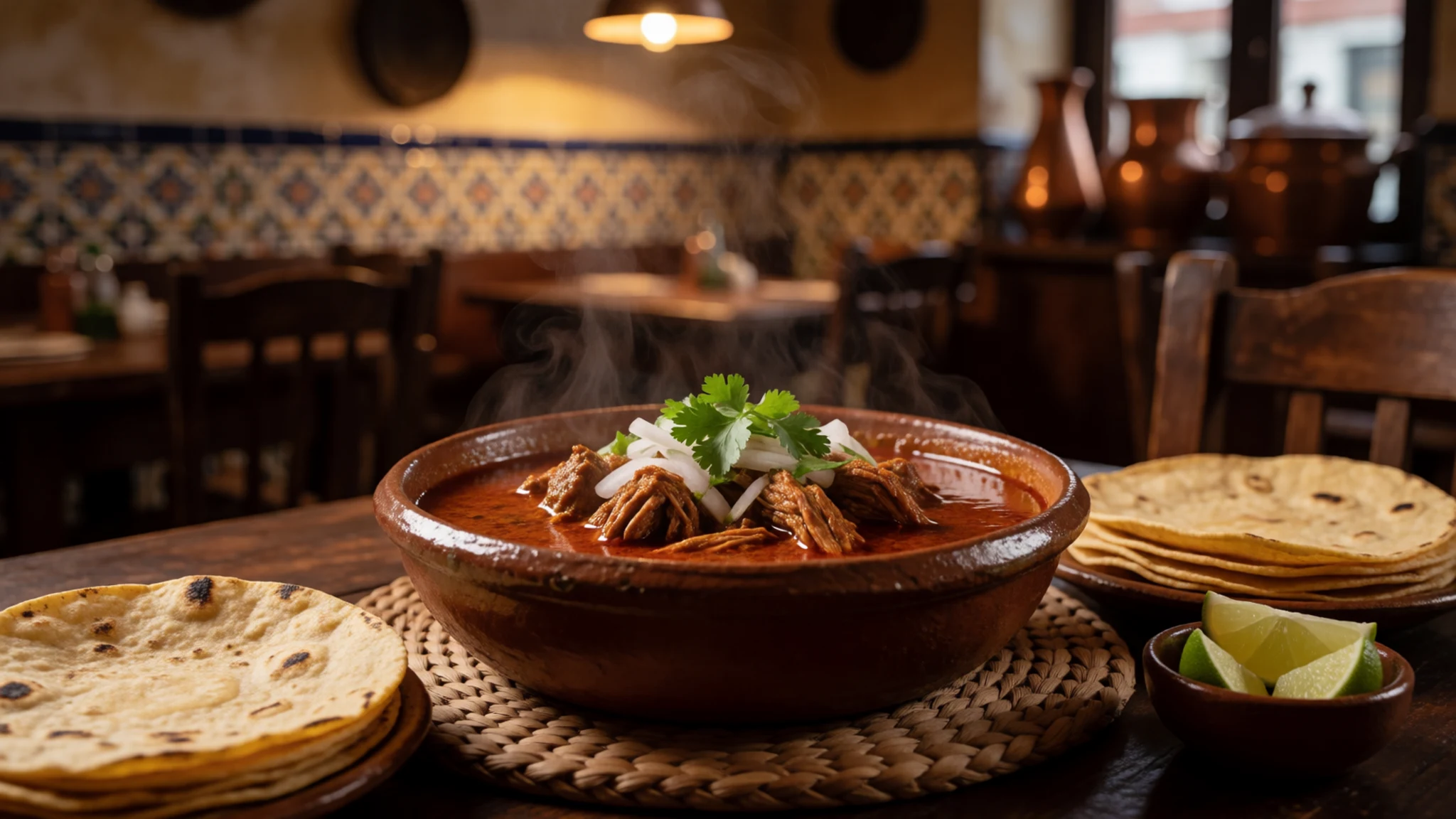
- Pescado blanco — Lakeside restaurants and fish stalls in Chapala and Ajijic
Pescado blanco is whitefish from Lake Chapala and a regional speciality. It is usually fried or grilled whole, served with lime and tortillas. Restaurants on the Chapala waterfront are the easiest place to find it. - Tequila tasting — Haciendas and distilleries in the Tequila Valley, day trips from Guadalajara
Tequila is made from blue agave in the valley around the town of Tequila. Tastings at the old haciendas and distilleries let you compare blanco, reposado and añejo styles. Choose a driver or a tour, since the estates are spread across the countryside.
Plan it
Best time. November to March suits most visitors, with clearer skies and cooler mornings. Late spring is hot, and the summer rains bring afternoon storms and humidity.
How long. 2–3
Getting there. Guadalajara's airport (GDL) is the usual gateway; the lakeshore towns are a short drive southeast of the city. Regional buses run from Guadalajara's main bus station, and taxis or hired cars are the easiest way to reach Ajijic and Chapala.
Budget. low
Tips
- Book accommodation in Ajijic or Chapala early for weekends and holidays, when visitors from Guadalajara fill the lakeside
- Walk the promenade or get out on the water before 9 am, when the air is calm
- Carry cash in pesos for markets, small restaurants and buses; cards are taken mainly in larger places
- Carry water, sun cream and a hat, as the sun is strong on the open shore
- Allow extra time for road journeys out of Guadalajara, which can be busy
Etiquette
- Ask before photographing people, especially at festivals or inside churches
- Dress modestly and remove hats inside churches and pilgrimage sites
- Greet shopkeepers and waiters with a polite buenos días before asking for anything
- Keep noise down in residential streets in the evening
Nearby
Sources
- Wikidata Q318350 (CC0)
- Wikipedia: Lake Chapala (rev 1366204946) (CC BY-SA 4.0)
- Wikivoyage: Jalisco (rev 5320222) (CC BY-SA 4.0)
- Lake Chapala, Mexico – NASA NLT Landsat 7 (Visible Color) Satellite Image (Public domain)
- A picture of Chapala lake, Jalisco, Mexico. (CC0 1.0)
- Chapala Lake (CC BY-SA 4.0)
- Panorama de Ajijic y el lago de Chapala (julio de 2025) 2 (CC0 1.0)
- Panorama de Ajijic y el lago de Chapala (julio de 2025) 3 (CC0 1.0)
- Panorama de Ajijic y el lago de Chapala (julio de 2025) 4 (CC0 1.0)
- Panorama de Ajijic y el lago de Chapala (julio de 2025) 5 (CC0 1.0)
- Panorama de Ajijic y el lago de Chapala (julio de 2025) (CC0 1.0)


