Lake Abant
Lake Abant, Turkey
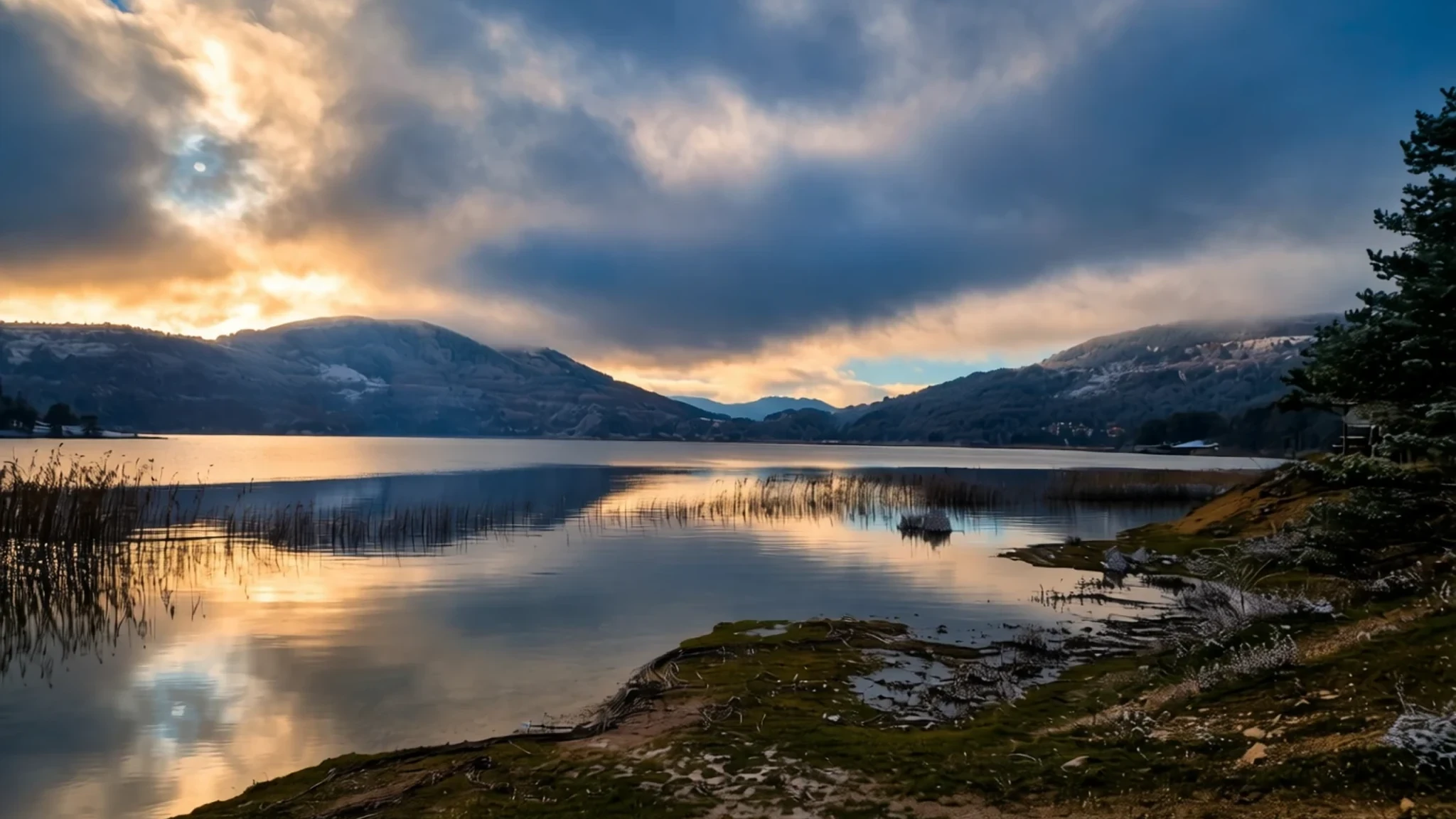
A forested mountain lake in northwestern Anatolia, an easy base for autumn walks and a quiet break from the Istanbul–Ankara road.
The place
Lake Abant lies in the hills of northwestern Anatolia, about 40 km southwest of the town of Bolu, at around 1350 m above sea level. The lake is set among forest, and the mountains around it draw in cloud and rain, so the weather can turn quickly even in summer. It now lies within Lake Abant National Park, which gives the surrounding woodland formal protection.
Most visitors reach the lake through Bolu, which sits on the main road between Istanbul and Ankara and has the bus connections, hotels and restaurants that the lakeside has less of. The shoreline has accommodation of its own, along with hiking trails and horse riding, so many people stay by the water and treat Bolu as a stop on the way.
The landscape changes with the seasons. Autumn brings colour to the forest, while winter turns the higher ground white and makes the Köroğlu Mountains to the south a playground for skiers, with the resorts at Kartalkaya and Sarıalan within a day trip. Spring and early summer are green, and weekends bring more families from Bolu and Istanbul. The lake suits slow days: a walk around the shore, a long lunch in town, and an early start before the car park fills.
Its story
The land around Lake Abant has long been a route as much as a destination. Bolu sits on the main road between Istanbul and Ankara, and the valley that carries that road follows the North Anatolian Fault. The fault is active, and major earthquakes have struck every few decades, so the towns along it have been shaken again and again. Very little from the earliest periods survives unchanged, and what remains has been rebuilt over the centuries.
In Roman times the settlement was called Claudiopolis, after the emperor Claudius. It was also the birthplace of Antinous, the companion of the emperor Hadrian, who had him honoured after his early death. Later, once the Byzantines lost the area to Turkic tribes from the east, the settlement was known simply as the town, a word that gradually became Bolu. The Ottomans took the town in the following centuries, and most of the old buildings still standing reflect their long rule.
For visitors today, the story of the lake is the story of the road and the hills. Travellers pass through Bolu on their way to the mountains, and the lake draws people who want the forest rather than the town. The old mosques and market halls in the centre are a reminder that this has been a crossroads for a very long time, and that movement, not isolation, has shaped it.
What to see
- Lake Abant — Lake shore, about 40 km southwest of Bolu
The lake is the main reason to come. The shoreline is wooded, the paths suit an unhurried walk, and horse riding and hiking are both on offer. Accommodation sits by the water, so staying on the shore is easy. An early walk, before the day visitors arrive, is the best way to see the water still and the forest reflected in it.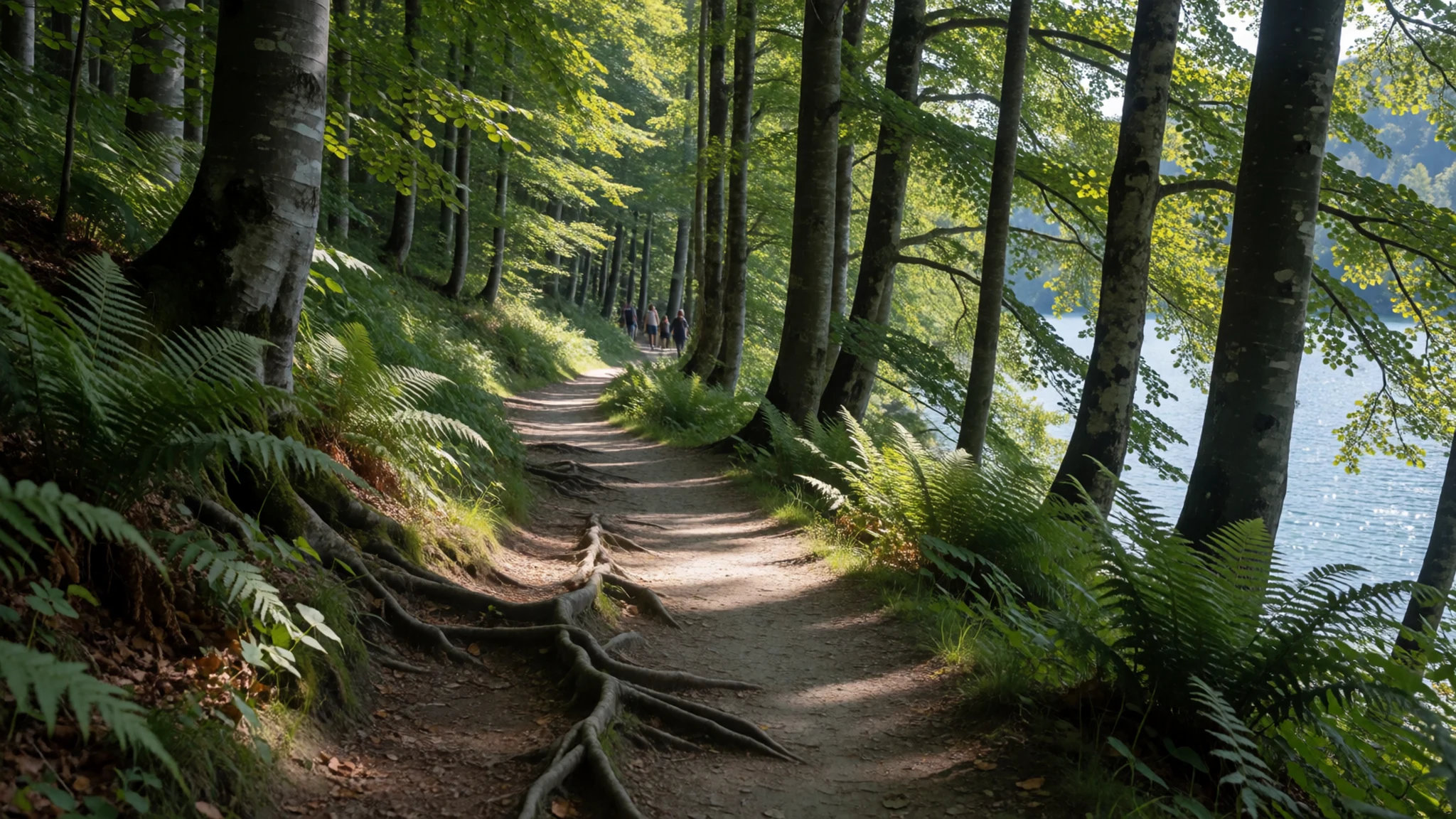
- Yedigöller — Forested national park, about 25 km north of Bolu
Yedigöller, whose name means seven lakes, lies roughly 25 km north of Bolu inside a forested national park. The lakes are the main attraction, set among trees that turn colour in autumn, which is when the park is at its most scenic. Expect a drive through hills to reach it, so allow a full morning rather than a quick stop.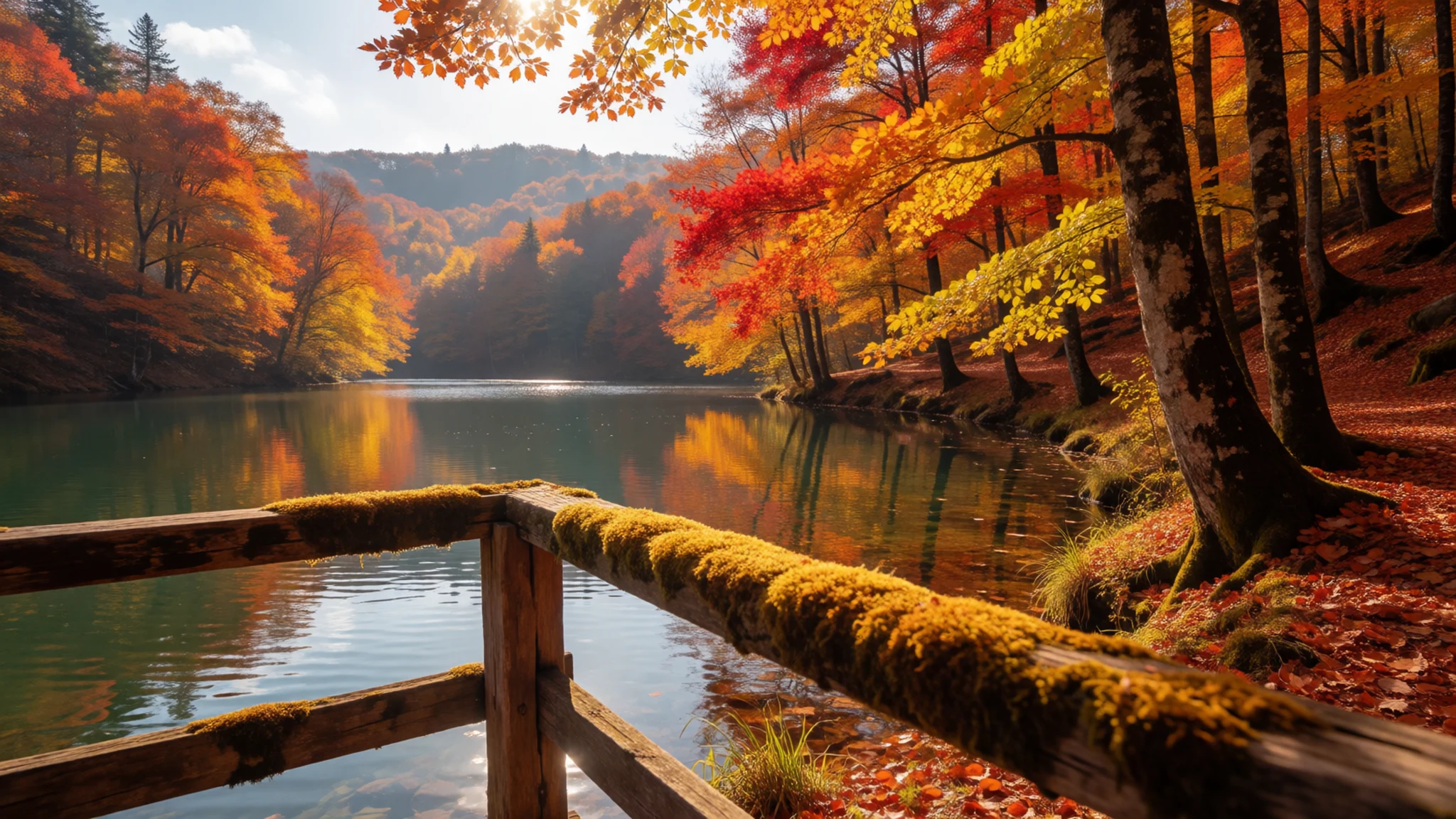
- Gölköy Barajı Park — West of town, near the university campus
Gölköy Barajı Park surrounds a freshwater lake about 11 km west of Bolu, near the university campus. It is a crater lake that has been enlarged by damming. Parking and toilets are limited, and the basic facilities mean it works best as a short stop. It is still scenic, and the walk around the water is easy to fit into an afternoon.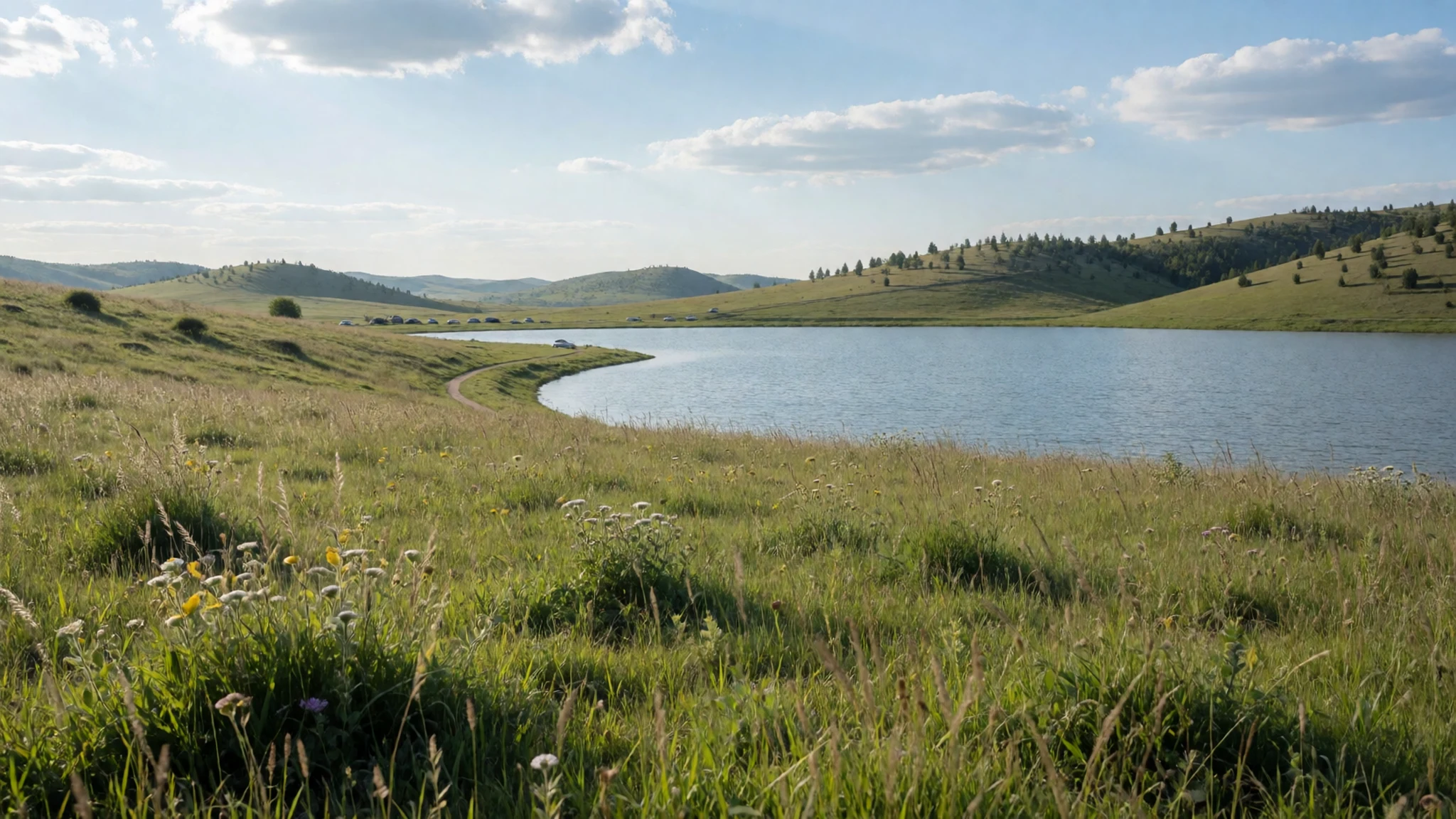
- Bolu Museum — Main square, Bolu town centre
Bolu Museum, on the main square, is the best place to understand the region before heading out to the lake. Its ground floor covers archaeology from the Neolithic through to the Byzantine age, and the upper floor shows ethnography. Visiting first gives context to the Roman, Byzantine and Ottoman layers that shaped the town and its roads.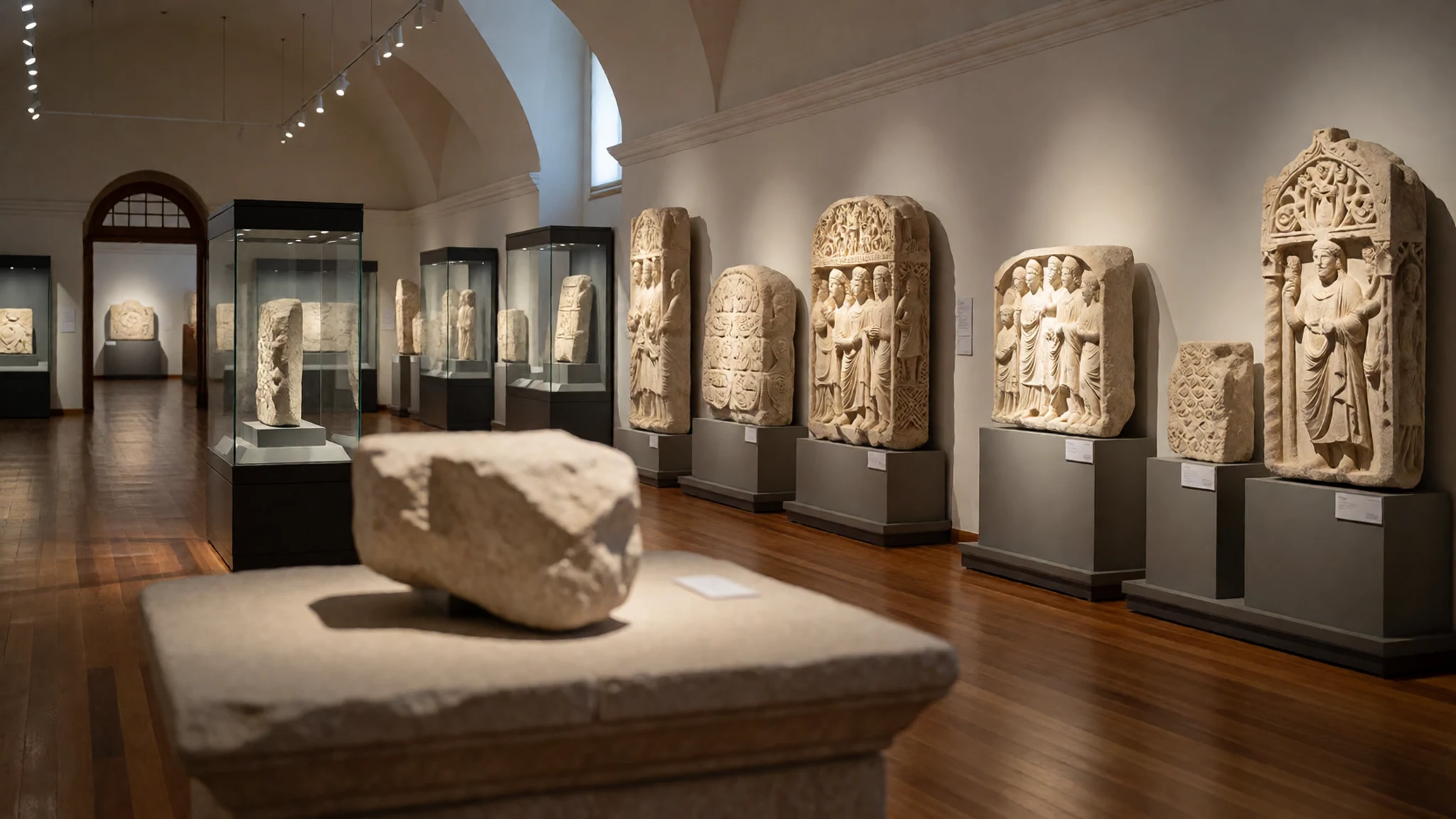
Culture
Lake Abant is mostly a place for walks, picnics and horse rides, but the wider Bolu area is a traditional provincial town with working mosques, and the lakeside is best approached with that in mind. Mosques are places of worship first, so visitors should expect the call to prayer to shape the day. Many women in the area wear headscarves, and dress is judged more on modesty than on style, so covered shoulders and knees in town are a courtesy. Tea, called çay, is the everyday social drink, served in small tulip-shaped glasses, and accepting a glass offered in a shop or home is a warm gesture. Some cafes in town serve alcohol, so a drink with a meal is not unusual, though it is best kept low-key in the centre. Noise carries across the water in the early morning, so keep voices down near the shore. At a mosque, remove your shoes at the door, cover your shoulders and knees, and keep the visit quiet during prayer.
What to wear
Lake Abant is a forest setting, so practical clothing matters as much as anything. Traditional dress in the villages of this part of Anatolia was built around wool and cotton cloth, often made at home, with embroidered headscarves and aprons common among older women. Woven textiles in wool, including kilim-style rugs and runners, still appear in homes and shops across the region. Today, most people in Bolu dress much as they do in Istanbul or Ankara, in jeans, jackets and sports shoes, with headscarves a personal choice for many women. In villages, older men may still wear a flat cap. For a visitor, layers are the sensible answer, because the mountain air stays cool even in summer and the weather can change within an afternoon. Pack a fleece or light down jacket for evenings by the water, and a waterproof shell for rain. Sturdy shoes with grip suit the forest paths, and a sun hat helps on open ground. Near mosques, cover shoulders and knees, and carry a scarf to cover the hair, since some mosques ask for it. Leave beachwear for the coast.
What to eat
- Lentil soup (mercimek çorbası) — Lokantas around the main square in Bolu
Red lentil soup, finished with lemon and a pinch of chilli, opens most lunches in a local lokanta. It is cheap, warming and a good answer to a cold day on the hills. Order it at any eatery around the main square in Bolu.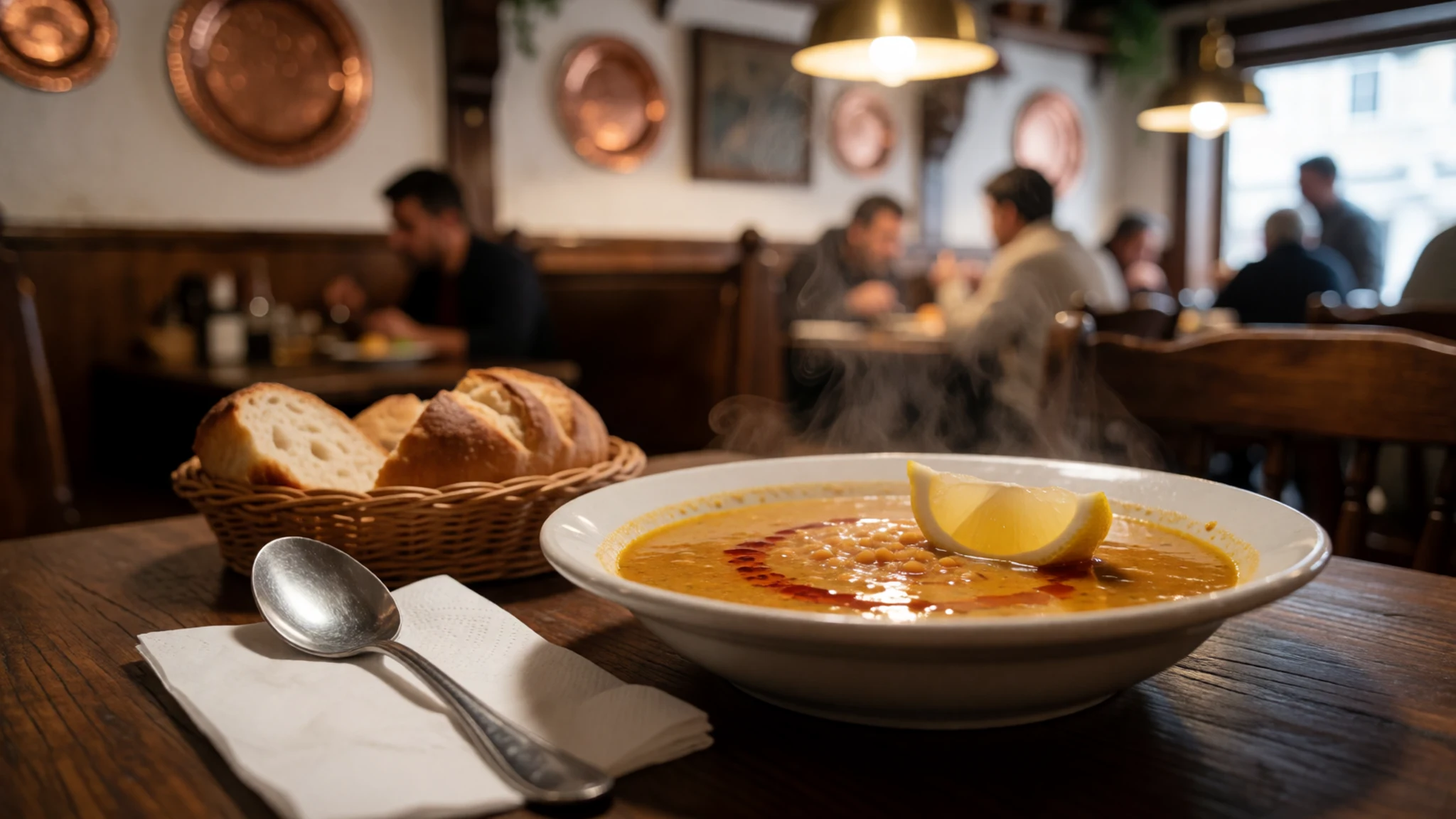
- Börek — Bakeries and börekçi counters in the town centre
Börek is a layered pastry, filled with cheese, spinach or minced meat and baked until crisp. Many places sell it by the slice, and it makes a practical snack for a bus journey or a walk. Ask for a piece with yoghurt or çay.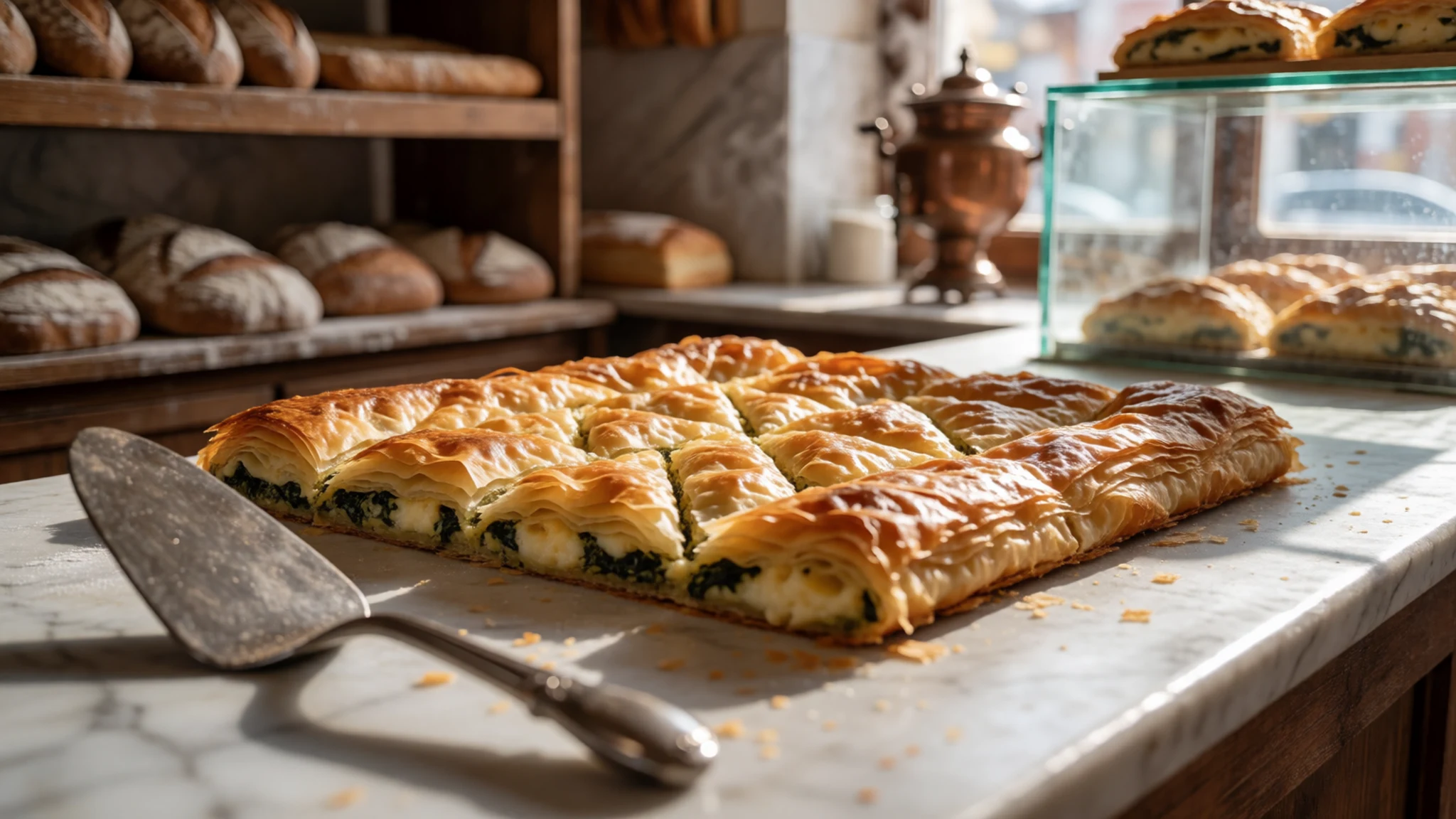
- Gözleme — Taşhan, the old market hall, and stalls nearby
Gözleme is thin dough rolled flat, filled and cooked on a hot griddle, then folded into a half-moon. Potato, cheese and spinach are the usual fillings. Look for a griddle near the old market hall, where the dough is rolled in front of you. - Şiş kebab — Grill lokantas on or near the main square
Şiş kebab is cubes of lamb or beef threaded on skewers and grilled over charcoal, usually served with grilled tomato, green pepper and flatbread. It is a common main course in the region's lokantas. Look for it at Bolu-Aş or another grill house on the main square. - Pide — Pide houses (pideci) near the main square
Pide is a boat-shaped flatbread with the edges turned up and a filling of minced meat, cheese or egg, baked in a stone oven. It makes a quick, filling lunch. Look for a pideci near the main square, where the ovens are usually in plain view.
Plan it
Best time. May–June for green hills and open trails, and September–October for autumn colour on the forest. Winter brings snow and freezing nights, July and August are warm, and weekends are busiest in summer.
How long. 2–3
Getting there. Buses run roughly hourly from Istanbul to Bolu and take four to five hours, and the trip from Ankara takes about three hours. The bus station is on the edge of town, with a dolmuş into the centre that may be included in your ticket. The lake lies about 40 km southwest of Bolu, and public buses run from the city centre to the national park about every two hours, though a taxi or hired car is quicker.
Budget. mid
Tips
- Book weekend stays at the lake early, as it fills with families
- Start walks early, before the day visitors arrive
- Carry cash for small lokantas and village stalls, and check card acceptance before you go
- Pack warm layers and rain gear even in summer, since the mountains bring cloud and rain
- Use Bolu as a base for day trips to Yedigöller and Gölköy Barajı Park
- Check with the national park authority or the official site about any entry arrangements
Etiquette
- Keep to marked paths and leave the forest as you found it
- Remove shoes at mosque doors and cover shoulders and knees
- Ask before photographing people, especially women in headscarves
Nearby
Sources
- Wikidata Q305501 (CC0)
- Wikipedia: Lake Abant (rev 1379529433) (CC BY-SA 4.0)
- Wikivoyage: Abant (rev 5213397) (CC BY-SA 4.0)
- Photo 01-abant-panorama.jpg (CC BY-SA 4.0)
- Photo 02-abant-panoramio-halit-edip-zcan.jpg (CC BY 3.0)
- Photo 03-abant-1.jpg (CC BY-SA 4.0)
- Photo 04-abant-10.jpg (CC BY-SA 4.0)
- Photo 05-abant-11.jpg (CC BY-SA 4.0)
- Photo 06-abant-12.jpg (CC BY-SA 4.0)
- Photo 07-abant-13.jpg (CC BY-SA 4.0)
- Photo 08-abant-14.jpg (CC BY-SA 4.0)


