Lahore
Lahore, Pakistan
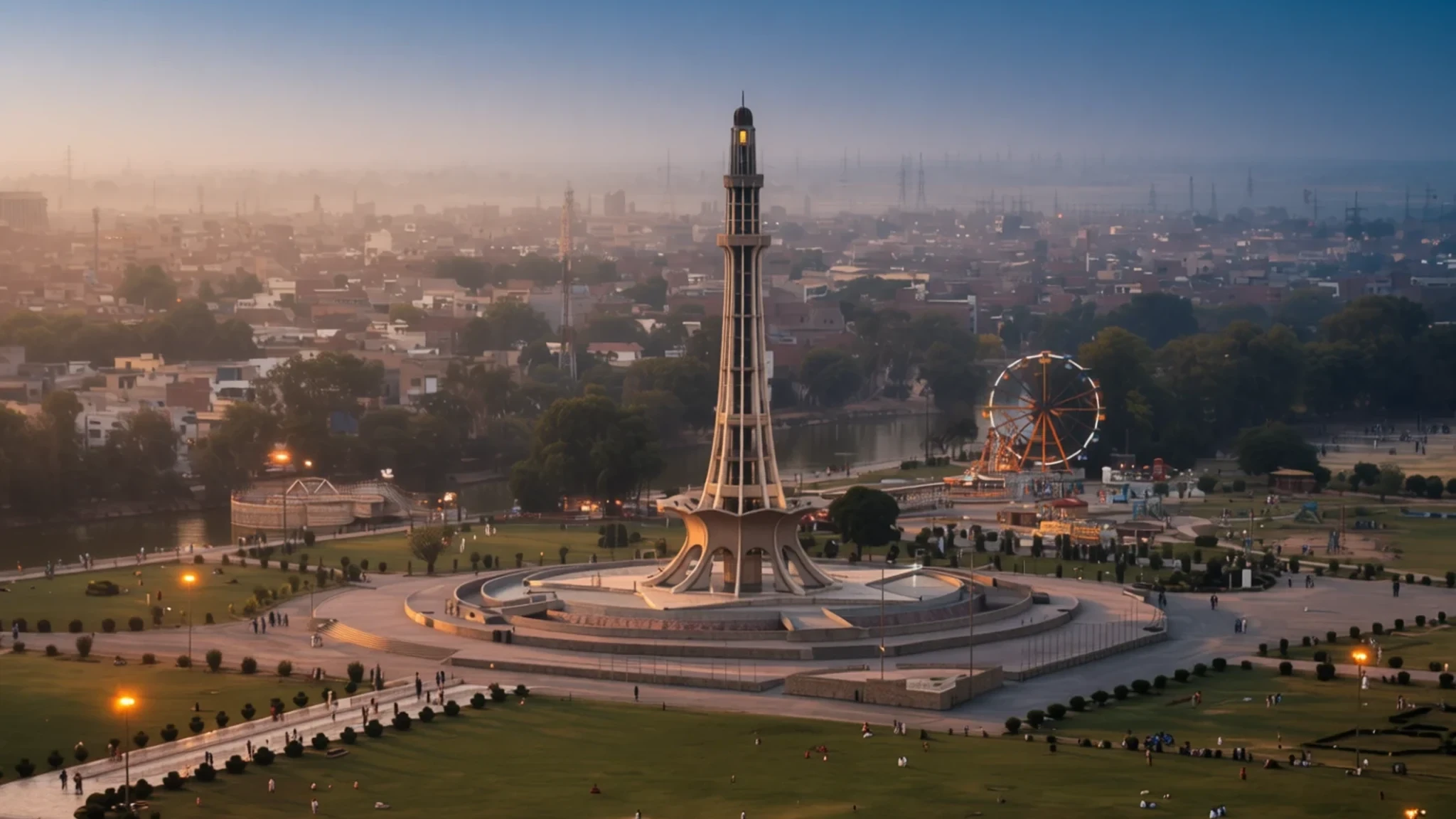
Lahore rewards slow wandering through Mughal gates, Sikh tombs and street food, with the cooler months the easiest time to walk it.
The place
Lahore is the capital of Punjab province and the second-largest city in Pakistan after Karachi, home to about 11 million people. Sitting around 217 metres above sea level on the plains of northern Pakistan, it is one of the country's main industrial, educational and economic centres, and many Pakistanis regard it as the cultural heart of the wider Punjab region. The city is busiest in its old quarters and around its great monuments, where the streets fill with traffic, hawkers and families in the evenings. Summers are fierce, so most visitors plan around the cooler months, when walking between the fort and the mosque is comfortable. Its colonial-era buildings, Mughal gardens and bazaars sit close together, so a single day can cover several centuries of change without much travel. Lahore's sprawl is large and its traffic heavy, so journeys take longer than the map suggests, and a fare agreed in advance avoids disputes. The atmosphere of the centre comes from its textures: tea shops with wooden benches, stalls frying samosas, and calls to prayer drifting over the rooftops. Visitors should give themselves time to sit and watch, because the pace of the city is slower than its traffic suggests.
Its story
Lahore's early history is poorly documented, and its origins are argued over rather than known. Alexander's chroniclers, writing about his campaign in the region, mention no notable settlement near the present site, which suggests either that the city did not yet exist or that it was of little note. What is clearer is that the place rose to prominence in the Middle Ages, when it became a regional capital under a series of rulers. Over the following centuries power in the area passed through many hands. The Ghaznavids used Lahore as a base, and later the Delhi Sultanate, Mongol-linked khanates, the Khokhar chiefs and the Timurids each held the city at different times, often in rapid succession. The Mughal Empire brought the most lasting change. Under Akbar, Lahore served as capital, and it grew into one of the great urban centres of its age, full of gardens, mosques and palaces. The Mughal decline left a vacuum. The eighteenth century was a period of contest, with Durrani invaders and Sikh forces fighting over the city, which lost much of its earlier splendour. Its fortunes revived when Ranjit Singh made Lahore the capital of the Sikh Kingdom in the early nineteenth century. He is buried in a tomb beside the fort and the Badshahi Mosque. The British East India Company annexed Lahore in 1849 and made it the capital of Punjab province. Through the colonial period the city became a centre of education and politics. Two landmarks of the independence movement happened here: the Declaration of Indian Independence and the resolution calling for a separate homeland for Muslims. Partition in 1947 brought rioting and displacement.
What to see
- Lahore Fort — Old walled city, beside the Badshahi Mosque
This vast complex was the working heart of the rulers who held Lahore, and it deserves the longest part of your visit. Walk through its courtyards, pavilions and gateways to see how each layer of building answers the one before. A small museum covers the Sikh period of the eighteenth century, and the views over the rooftops are best in the late afternoon.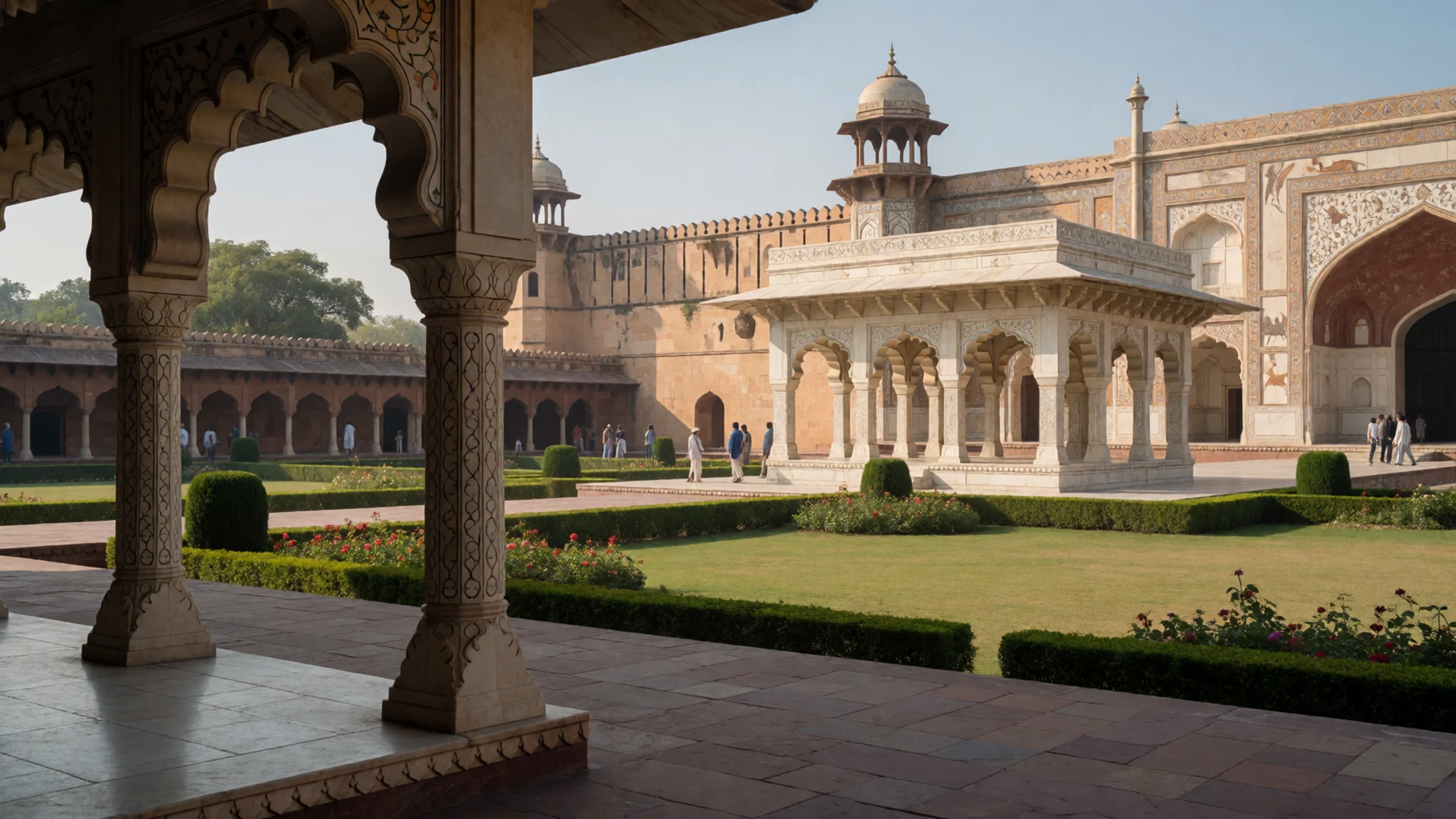
- Alamgiri Gate — Old walled city, opposite the Badshahi Mosque
The main entrance to the fort is a grand gateway facing the Badshahi Mosque across an open space, and it is usually the first thing people photograph here. Stand back to take in its scale, then notice the carved details around the arch. Arrive early in the day if you want to avoid the heaviest crowds around the entrance.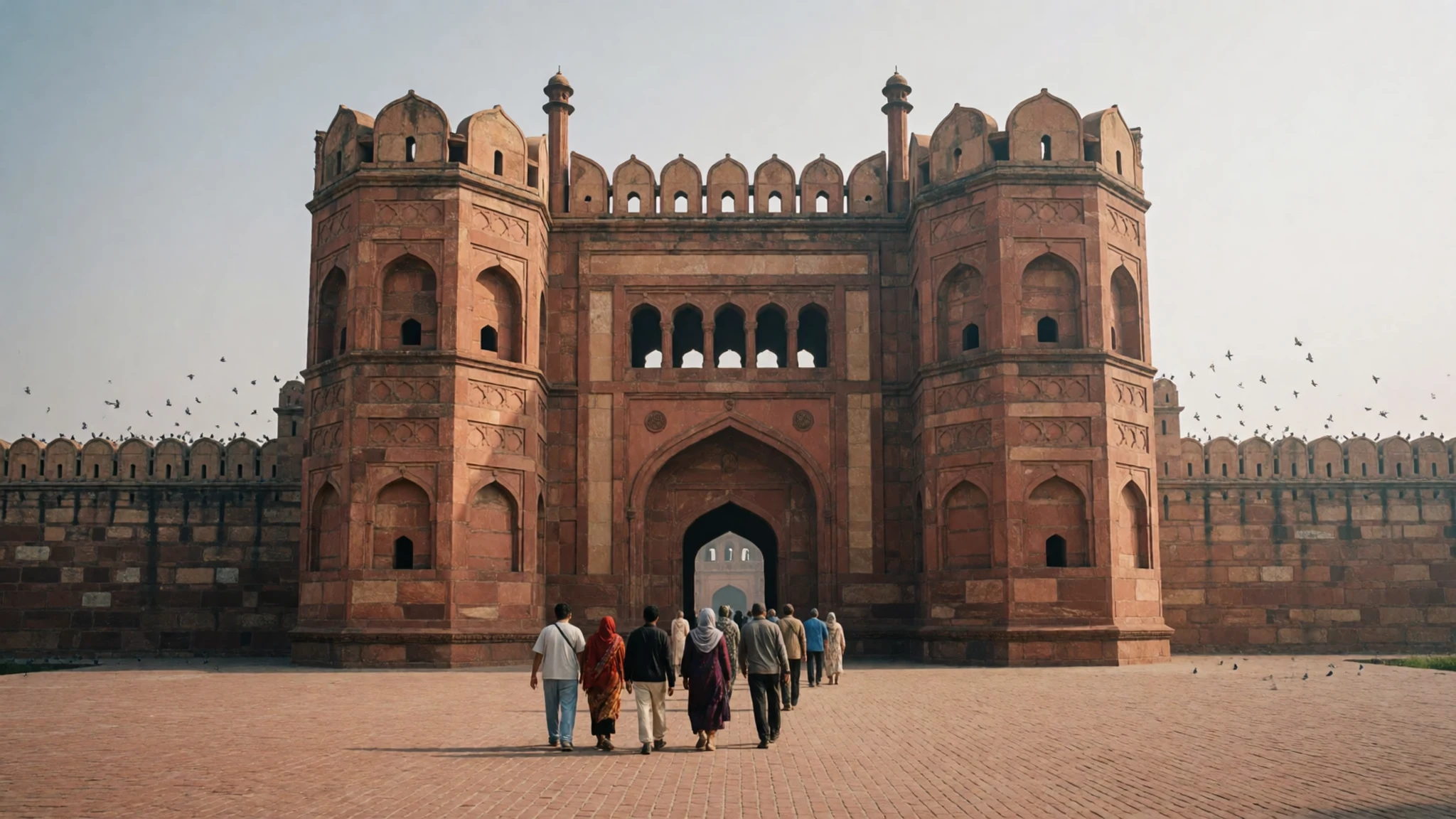
- Shah Burj Gate — Entrance to Lahore Fort
Known as the Elephant Gate, this tile-decorated entrance is named for the royal elephants that once passed through it. Just inside is the Hathi Paer, a staircase with very wide steps so that an elephant could climb it. Look closely at the brickwork and the coloured tiles, which show how the gate was built to impress visitors.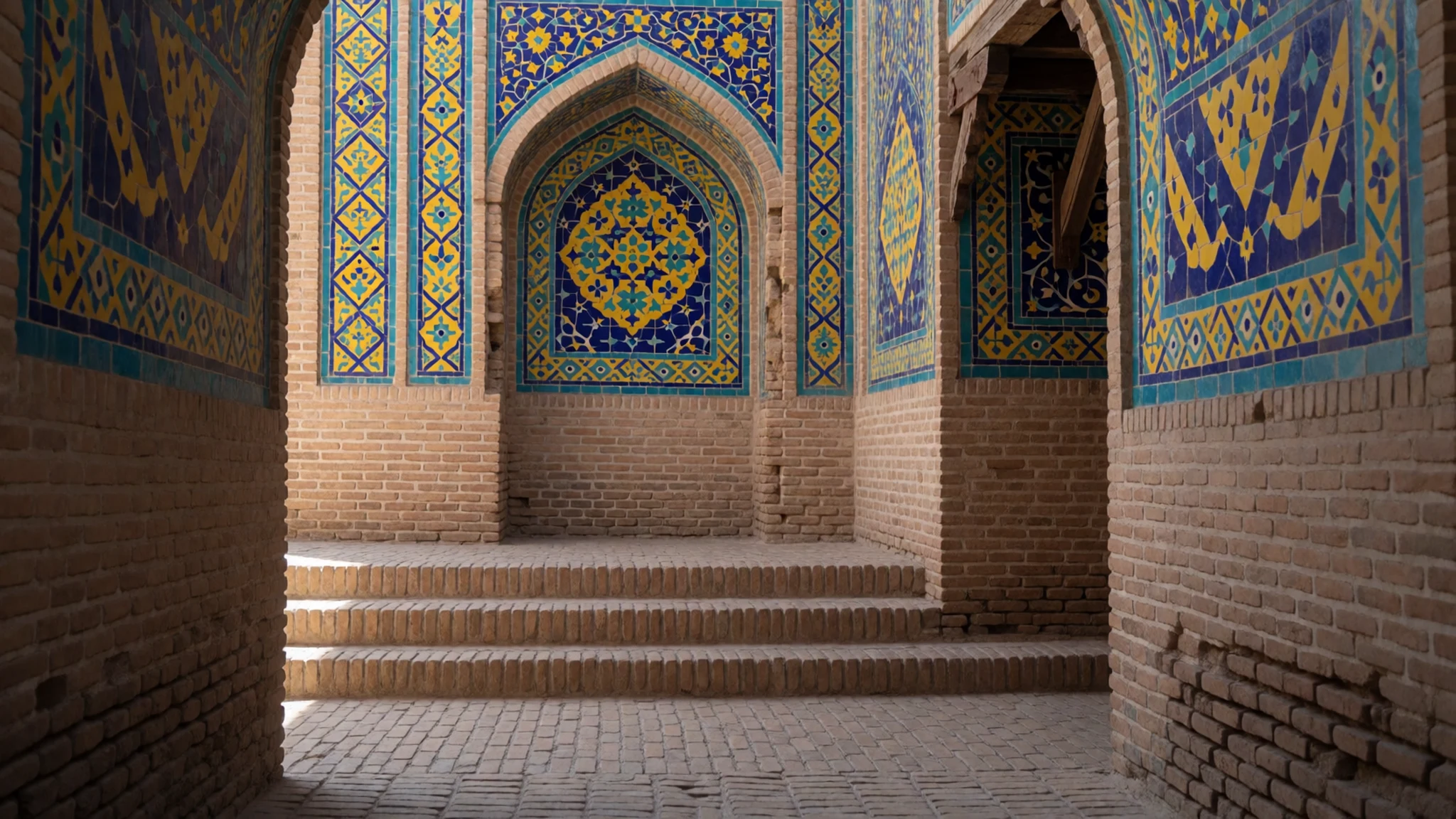
- Badshahi Mosque — Old walled city, beside Lahore Fort
Built under the Mughal emperor Aurangzeb, this mosque is the one most visitors walk across on their way from the fort. It was long considered the largest mosque in the world, so its courtyard still feels immense. Entrance is free, but you will need to remove your shoes and may be asked to pay a small fee to the shoekeeper on the way out.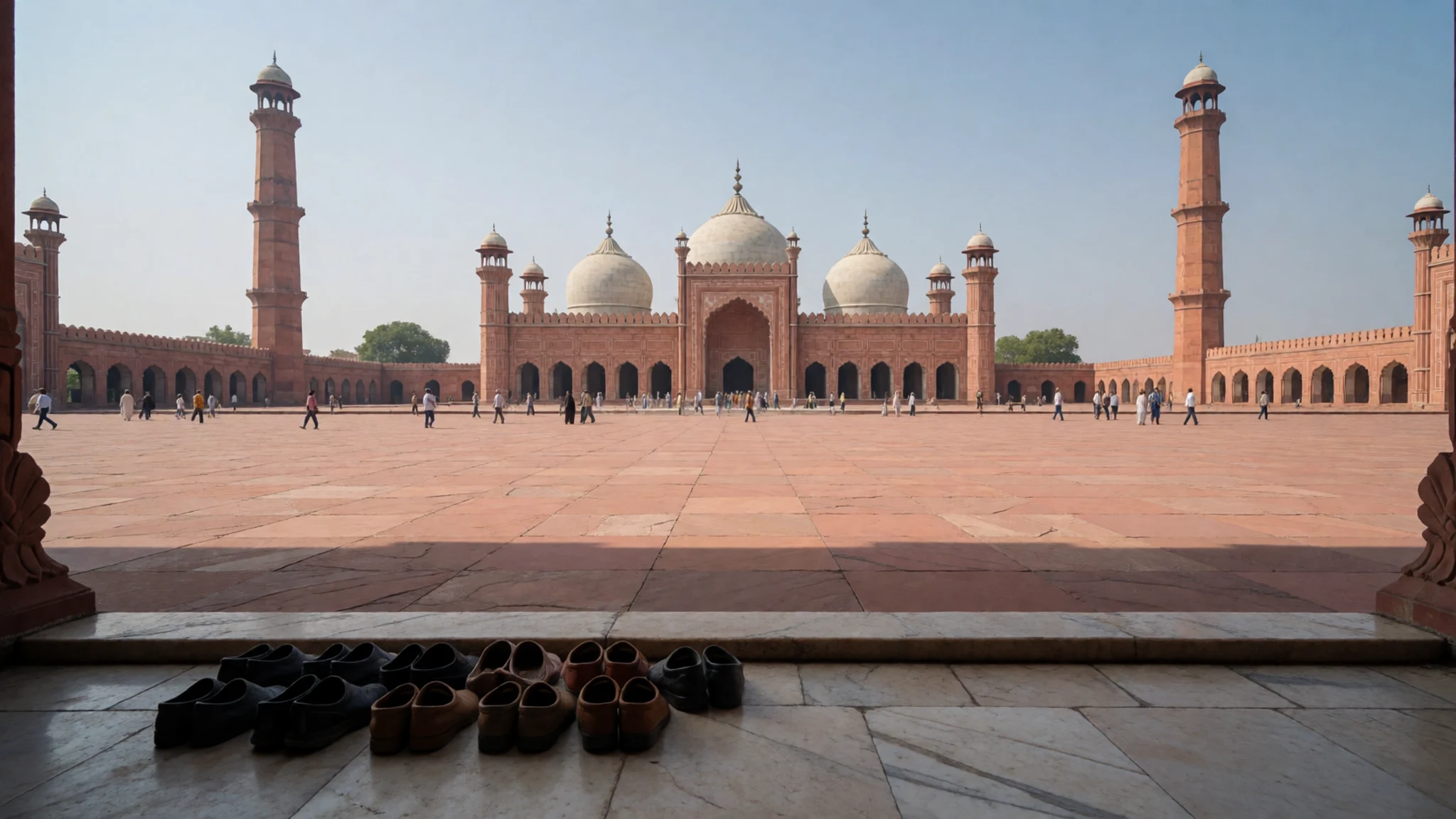
- Minar-e-Pakistan — Iqbal Park, near the old city
Sometimes nicknamed the Eiffel Tower of Pakistan, this tower stands on the ground where the 1940 resolution calling for a separate Muslim state was recognised. The grounds are open and usually busy with families in the evening. Take time to read the inscriptions around the base, and go at dusk when the tower is lit.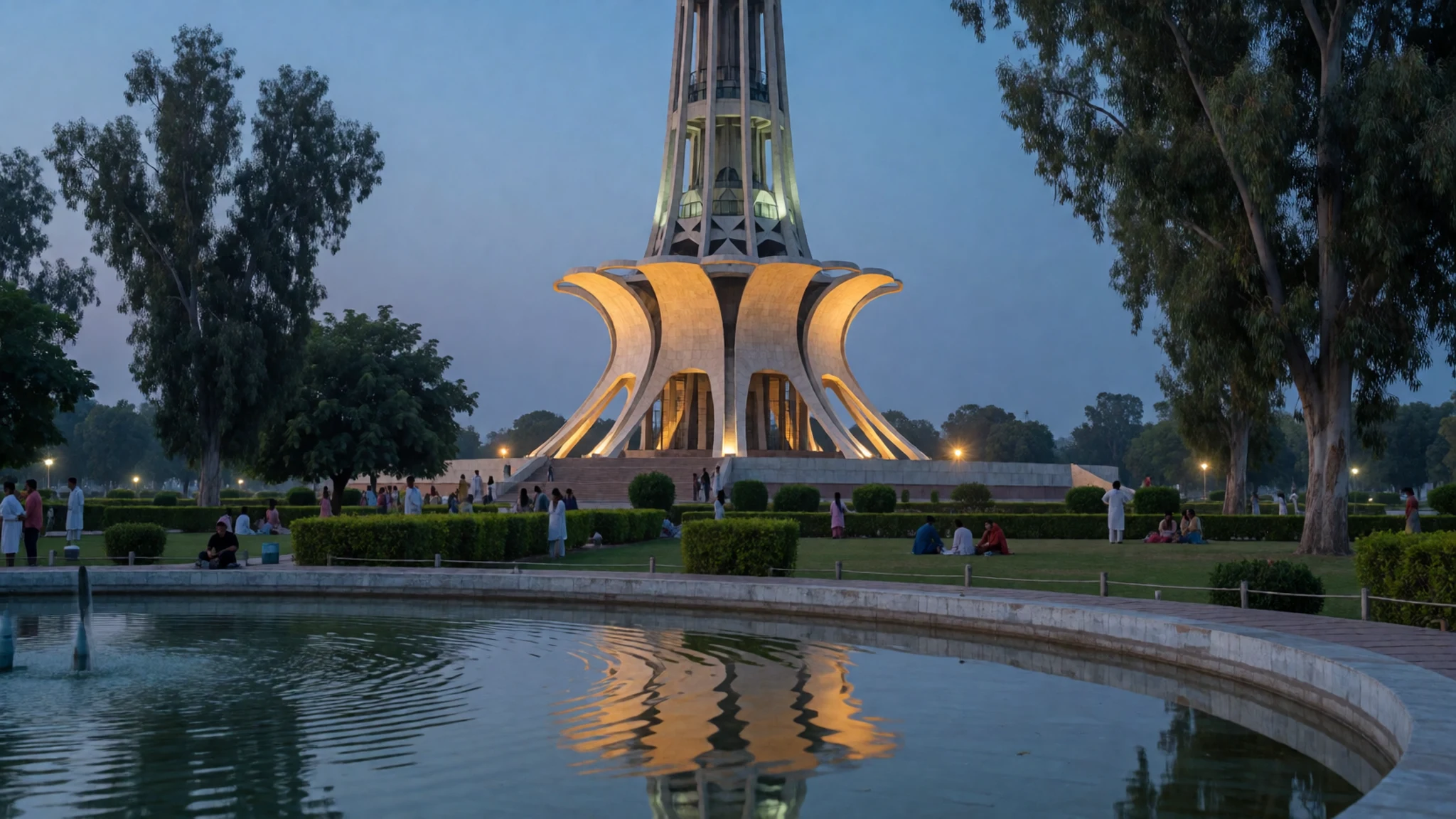
Culture
Lahore is a city of festivals, and its calendar mixes Islamic observances with Punjabi traditions, Christian celebrations and national holidays. During public holidays many households light candles and string lights across their homes, and streets and shops can glow for days. The city's Sufi shrines, scattered across old neighbourhoods, hold annual gatherings to honour their saints, and some of these draw very large crowds. The mausoleum at Data Darbar is one such shrine, with an annual event that brings in an enormous number of pilgrims. Eid is marked with decorated public buildings and busy shopping centres, so the city feels festive even in the heat. Many people visit in the early morning, when the crowds are thinner and the courtyards are calmer. Visitors who come during a shrine festival should expect dense crowds, slow movement and a noisy atmosphere, and should keep a respectful distance from pilgrims at prayer. Dress modestly and remove your shoes at mosque and shrine thresholds.
What to wear
Traditional dress in Lahore follows the wider Punjabi style. Women traditionally wear the shalwar kameez, a loose tunic over wide trousers, finished with a dupatta, the long scarf that can be draped over the shoulders or head. Punjabi embroidery, especially phulkari work in silk thread on cotton, has long been a local speciality, and bright dyed cottons and silks are still common for weddings and festivals. Men often wear a kurta with loose trousers, and a waistcoat for formal occasions. Today, people in the city wear a mix of styles. Most women in offices and colleges wear tailored shalwar kameez or fitted tunics with jeans, and younger men favour shirts and trousers, with the traditional kurta for prayer, weddings and family events. Fabrics range from cotton lawn in summer to heavier wool and shawls in winter. For a visitor, the sensible choice is loose, lightweight cotton or linen that covers shoulders and knees, which stays comfortable through the heat. Carry a scarf or dupatta to cover your hair when entering mosques and shrines, and pack a long tunic or shirt. Choose closed, comfortable shoes with good grip, since you will walk on stone floors and remove them often at thresholds.
What to eat
- Samosas, chaat and dahi bhallay — A chatkhara, the snack eatery found across the old quarters
Chaat is a bright mix of crisp fried dough, chickpeas, yoghurt, tamarind and chutneys, and samosas are a hot, crisp classic. Chatkhara-type snack eateries serve both, along with dahi bhallay, which are soft lentil dumplings soaked in yoghurt.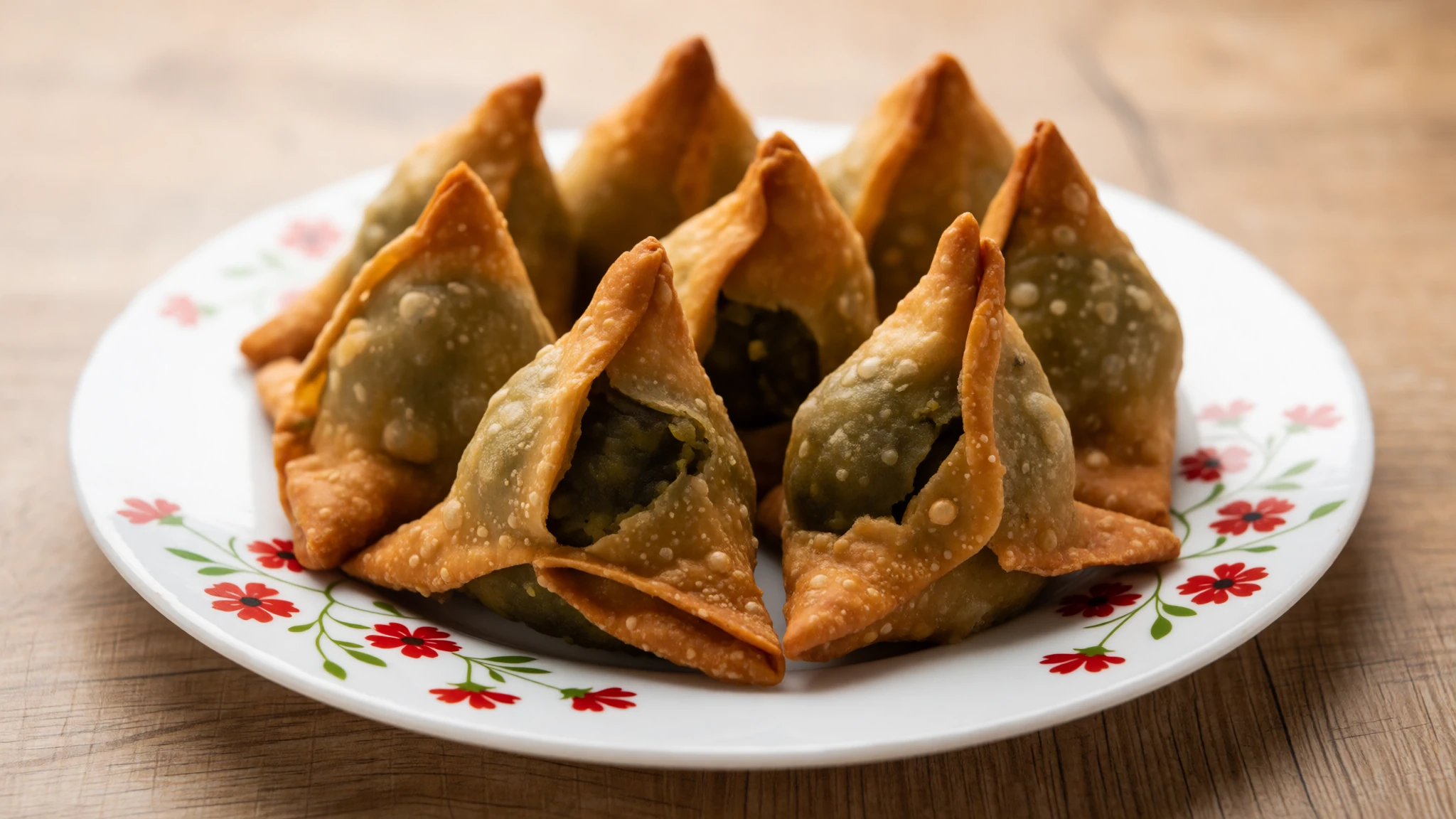
- Balochi sajji — A grill house with an open fire, usually a simple restaurant rather than a hotel dining room
Balochi sajji is meat grilled over an open fire, traditionally lamb or chicken, seasoned simply and served with flatbread. Look for a dedicated grill house that cooks it to order, since it is best eaten hot off the fire. Finish with kahwa, the green tea served after the meal.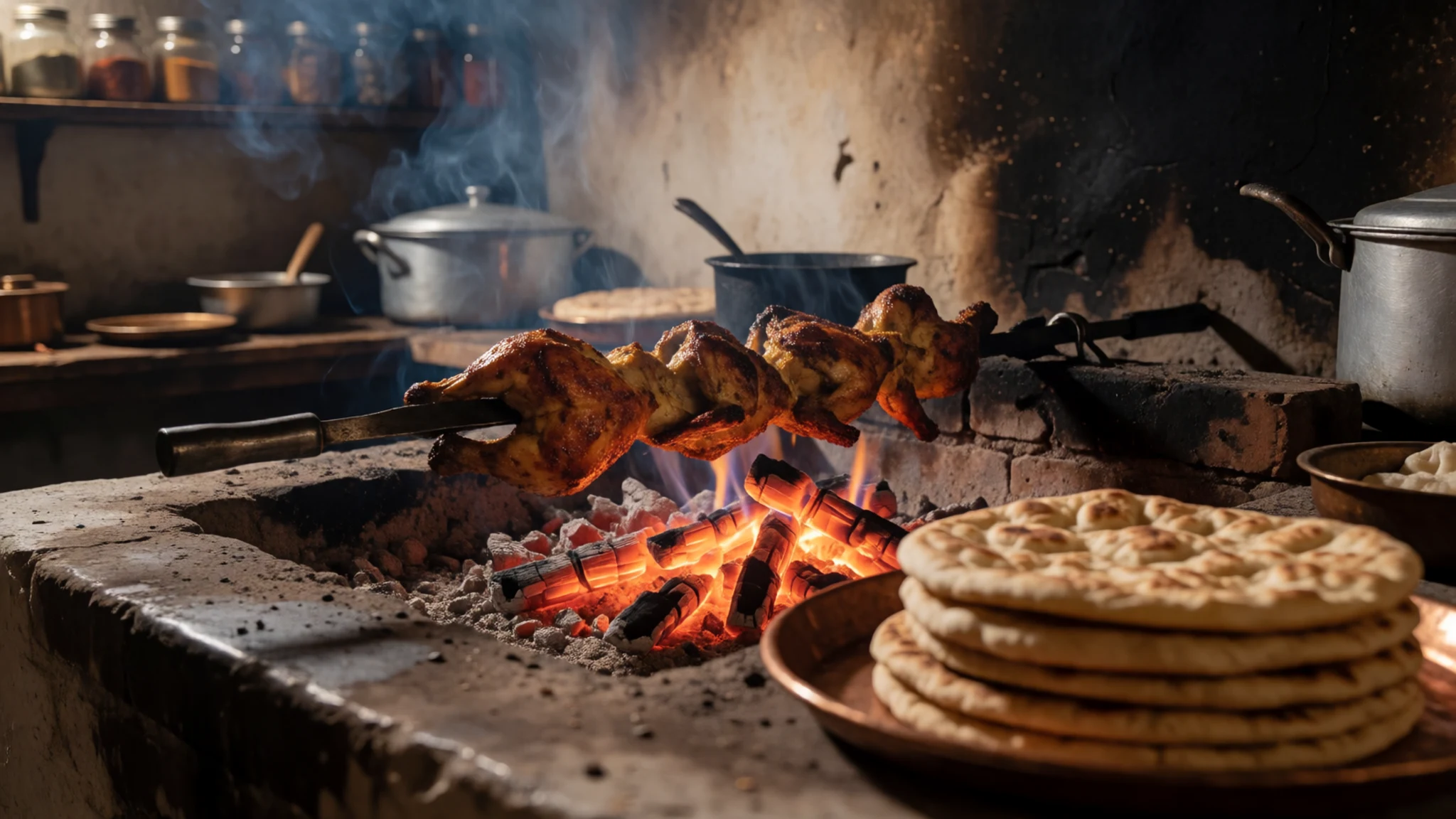
- Mutton karahi — A family-style eatery in a busy shopping market, such as Liberty Market
Karahi is a meat and tomato dish cooked and served in a deep iron pan, with ginger, green chillies and plenty of ghee. Mutton karahi is the classic order at a family-style eatery, and a single pan easily serves two. Ask for naan or chapati. - Chamman ice cream — A long-established ice-cream parlour
Lahore has a well-loved ice-cream tradition, and one famous parlour offers many flavours, along with milkshakes and fresh juices. Go in the evening when the streets are cooler. Order a milkshake if the flavours overwhelm you.
Plan it
Best time. Lahore is hot for much of the year and very hot in the summer months. The coolest months, roughly December to January with highs near 28–30°C, are the easiest for walking outdoors, and the air is often clearer in winter. July and August bring monsoon rains and humidity, so expect sticky days.
How long. 2–3
Getting there. Taxis and shuttles run from the city to the airport, and it is wise to agree the fare before you set off. Trains from major Pakistani cities arrive at the main station, and a modern motorway links Lahore with Islamabad, Faisalabad and Peshawar, so a road journey is a practical option for the last leg.
Budget. low
Tips
- Go to the fort and the Badshahi Mosque early, before the midday heat and the crowds
- Book trains in advance, especially around weekends and festivals
- Carry some cash for small eateries, shoekeepers and tips, as cards are less common in older bazaars
- Drink bottled or filtered water and take a hat, as the heat builds quickly
Etiquette
- Remove your shoes at mosque and shrine entrances
- Ask before photographing people, especially women and those at prayer
- Dress modestly and cover your head when entering religious sites
Nearby
Sources
- Wikidata Q11739 (CC0)
- Wikipedia, Lahore (rev 1381086015) (CC BY-SA 4.0)
- Wikivoyage, Lahore (rev 5410746) (CC BY-SA 4.0)
- Lime.adeel, Eye of Lahore (Minar e Pakistan) evening (CC BY 3.0)
- Rohaan Bhatti, Lahore Fort view from Baradari (CC BY 3.0)
- Holosoft, Minar e Pakistan night image (CC BY-SA 4.0)
- Guilhem Vellut, Lahore Museum, Lahore (CC BY-SA 2.0)
- Sunni Person, Compound of the Data Darbar Complex, Lahore (CC BY 3.0)
- Majid.baryar, Iphone5 (6386) (CC BY-SA 4.0)
- Rehan5811, Shahi Masjid Lahore (CC BY-SA 4.0)
- Aml-401, Lahore City Flag (CC BY-SA 1.0)


