Laguna 69
Laguna 69, Peru
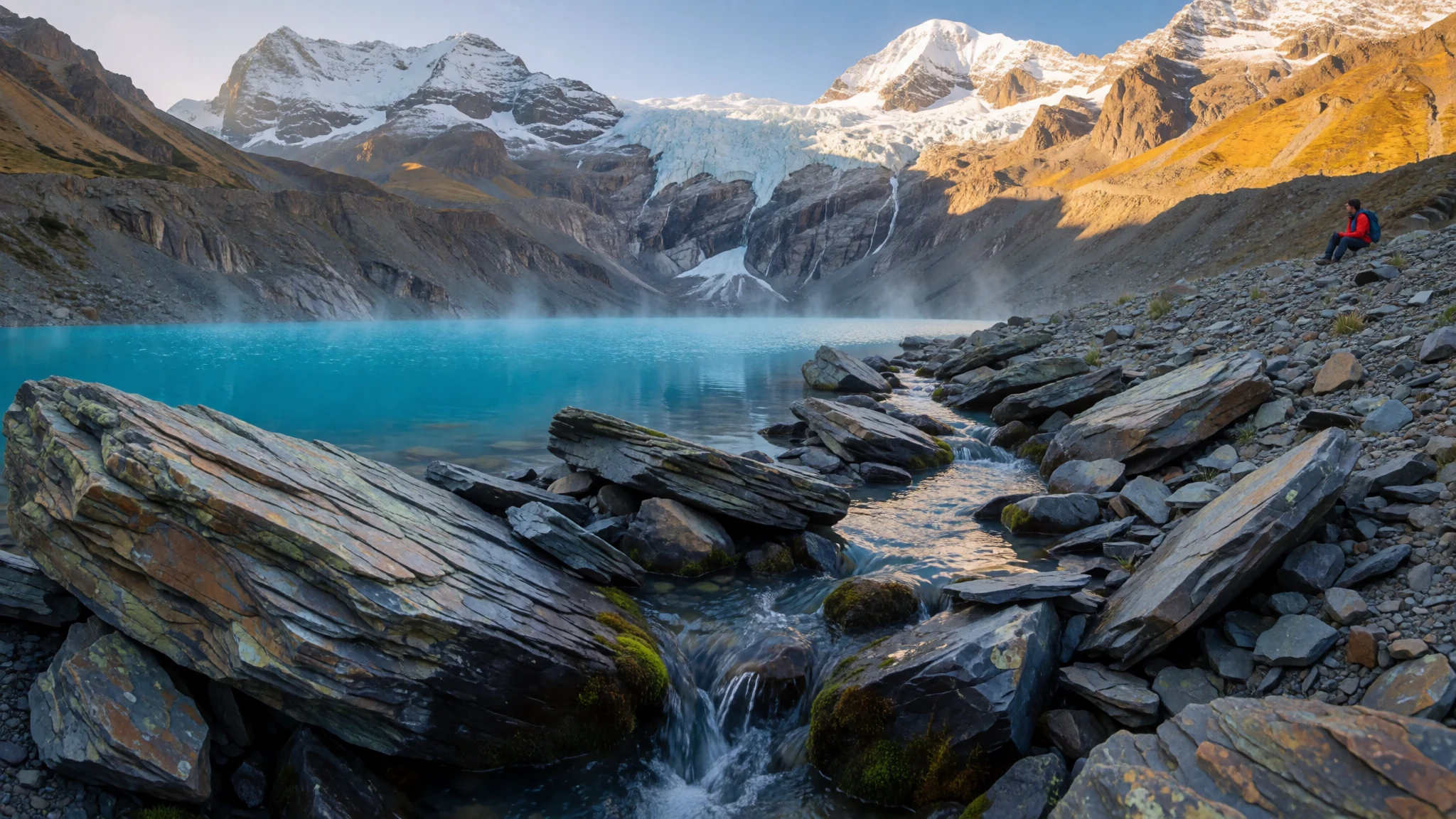
Journey to Laguna 69 for an unforgettable high-altitude trek leading to an impossibly turquoise glacial lake tucked deep within the Andes.
The place
Laguna 69 sits high in the Peruvian Andes, positioned near the mountain city of Huaraz within the dramatic landscapes of the Áncash region. Guarded by steep rocky walls and snow-dusted peaks, the water glows an intense, striking shade of blue fed directly by glacial runoff and cascading streams. Reaching the lake requires ascending into rugged terrain that tests physical endurance, rewarding those who make the climb with sweeping vistas of high-altitude valleys, rushing waterfalls, and towering Andean giants. As part of Huascarán National Park, the area is protected for its fragile mountain ecosystem, where specialized flora and stark geological formations dominate the skyline. The air is thin and crisp, carrying the profound silence characteristic of the high mountains, broken only by the sound of wind and distant melting ice. Travellers arriving here step into a landscape shaped entirely by ancient geological forces and seasonal thaws, far removed from the bustle of coastal cities. The trail itself winds alongside bubbling brooks and past grazing spots, offering an immersive journey through one of South America's most celebrated protected natural reserves. Every turn reveals new perspectives on the sheer scale of the Cordillera Blanca, making the destination a touchstone for hikers seeking raw, untamed mountain scenery.
Its story
The origins of the name Laguna 69 trace back to a bureaucratic necessity rather than indigenous folklore. Before the establishment of Huascarán National Park, many of the hundreds of pocket lakes scattered across the high mountains lacked formal recorded designations. When authorities set about cataloguing the region's vast water bodies to build a comprehensive protection framework, they found themselves facing an overwhelming number of unnamed tarns and glacial pools. While older lakes carrying Hispanicised Quechua names kept their traditional titles, planners resorted to assigning simple numbers to the remaining unrecorded waters to ensure complete coverage. Thus, a nameless glacial pool became simply number 69 on the official register, a utilitarian tag that stuck permanently. Over decades, as mountaineers and outdoor enthusiasts began exploring the trails branching out from Huaraz, this particular numbered pool captured the public imagination. Its brilliant colour and relatively straightforward access turned an administrative entry into a legendary hiking destination. The story reflects the broader history of the national park, created to safeguard fragile alpine environments against industrial pressures while preserving the natural heritage of the Andean highlands. Today, the curious name serves as a reminder of the sheer abundance of glacial water in the region, where nature outpaced the local capacity to name every single marvel.
What to see
- Cebolla Pampa — Huascarán National Park
The trailhead campground serves as the main starting point for hikers heading up towards Laguna 69. Set in a wide valley floor, it offers initial views of the surrounding peaks and the rushing brook before the steep climb begins.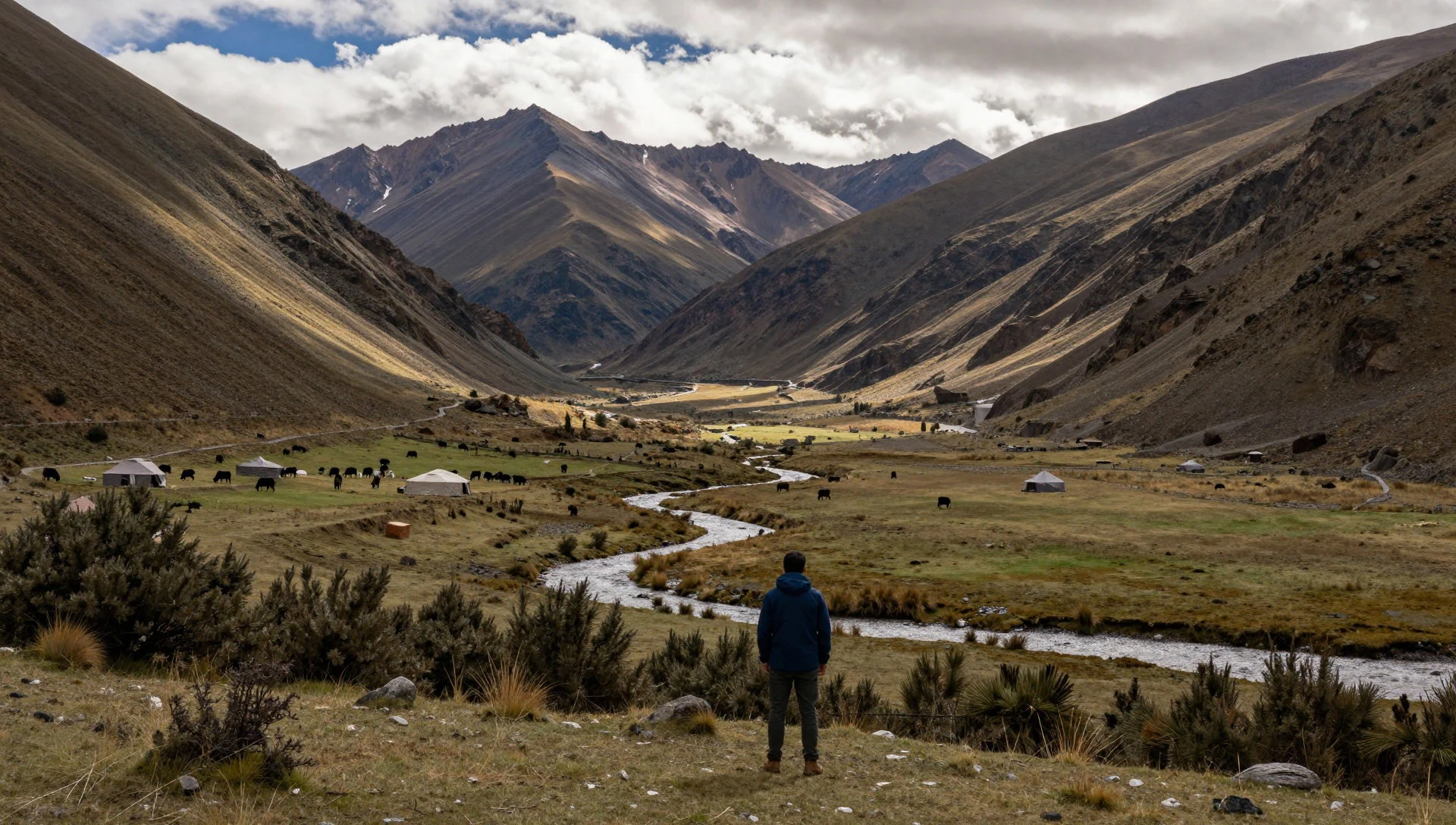
- Chacraraju Slopes — Cordillera Blanca
Towering above the region, this massive snow-capped peak feeds the glacial waterfalls that continuously nourish the lake below during the thaw season. Its sheer ice faces dominate the upper horizons of the trek.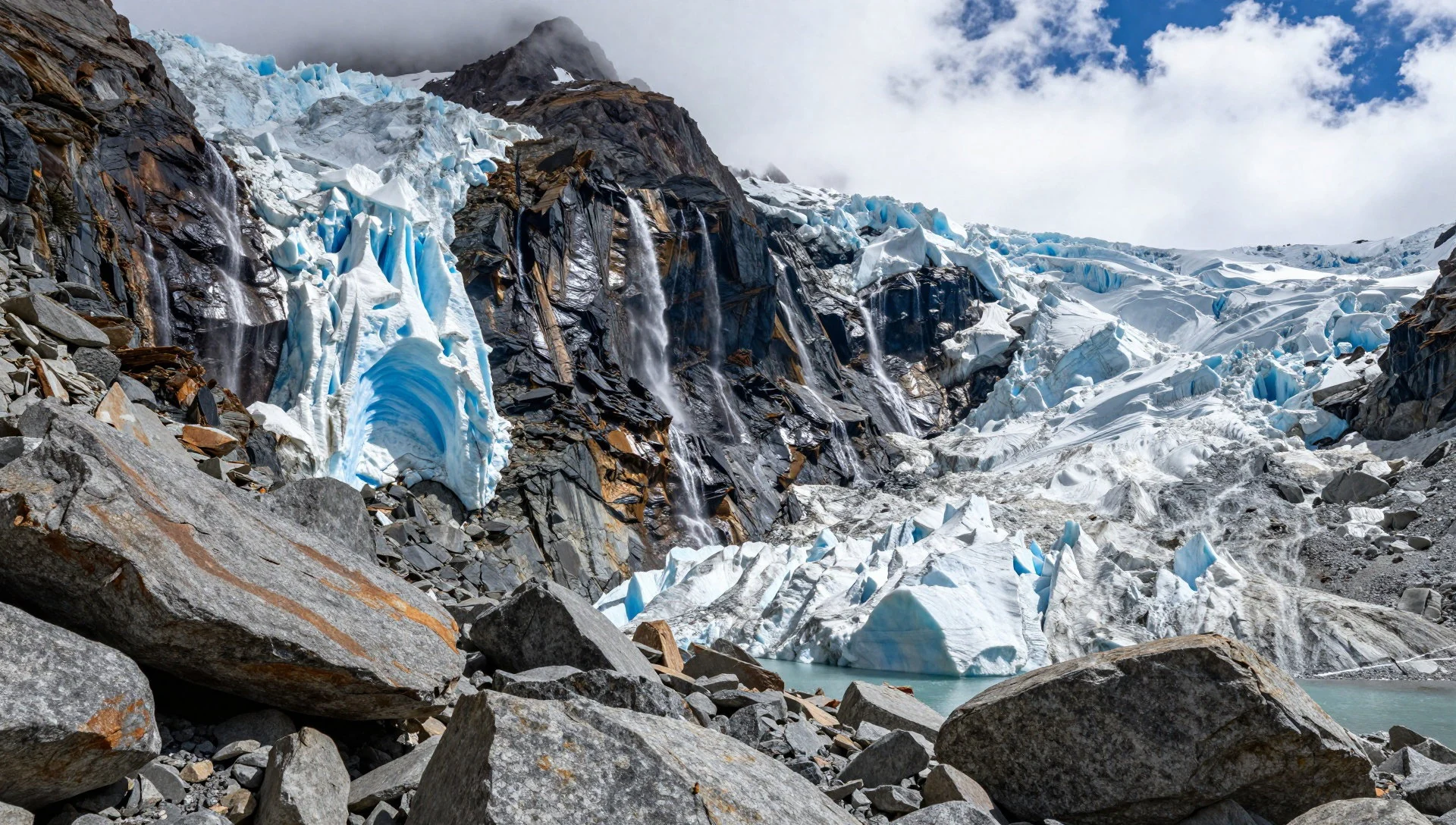
- Huascarán National Park Biosphere — Áncash Region
A vast protected reserve encompassing hundreds of glacial lakes, deep canyons, and towering peaks. The park preserves fragile high-altitude ecosystems and provides the habitat for native Andean wildlife and distinct alpine vegetation.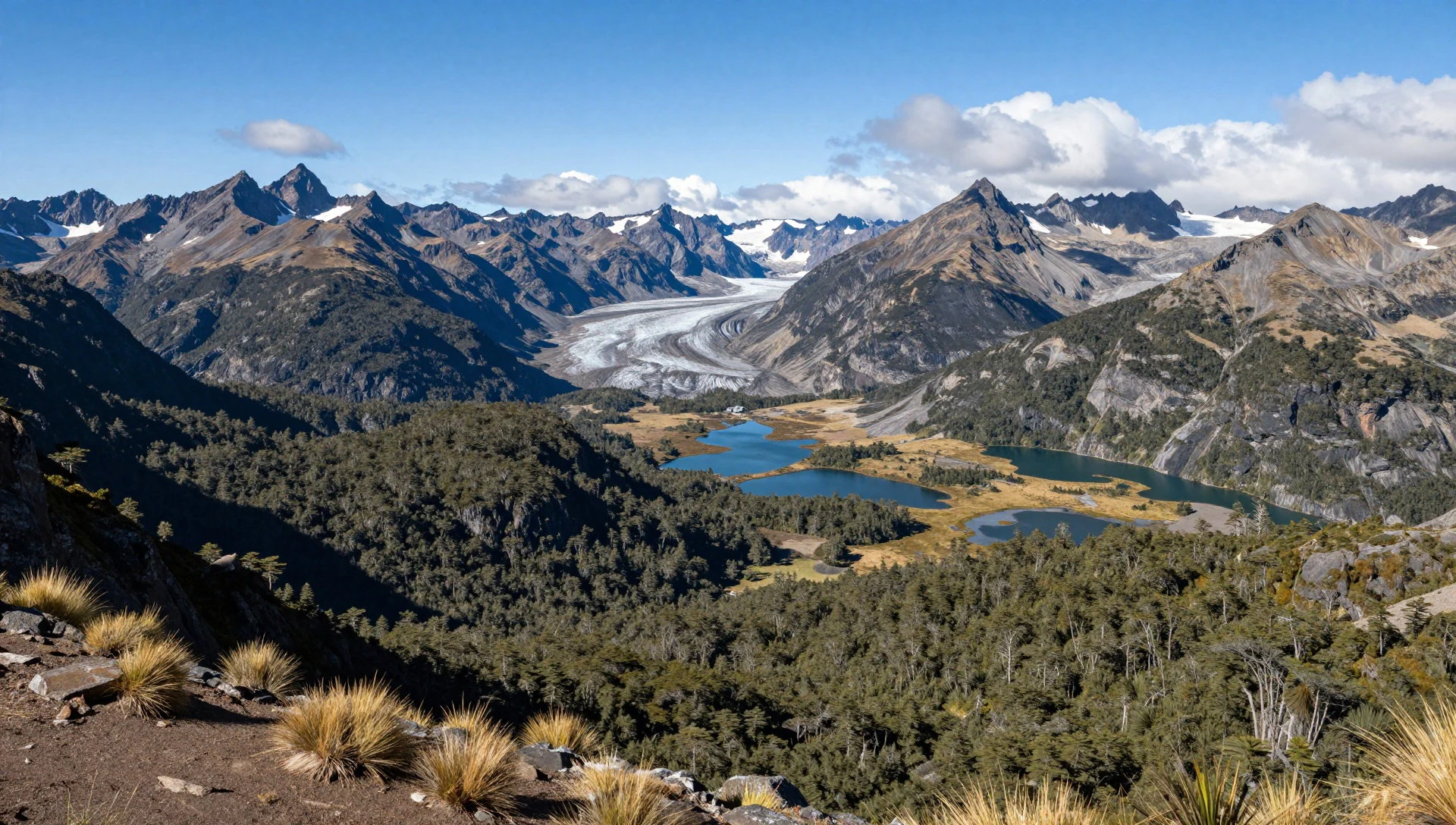
- Huaraz Valley Viewpoints — Huaraz Environs
The surrounding valleys leading up into the park provide sweeping panoramas of agricultural terraces, traditional settlements, and the dramatic transition from valley floor to jagged glacial ridges.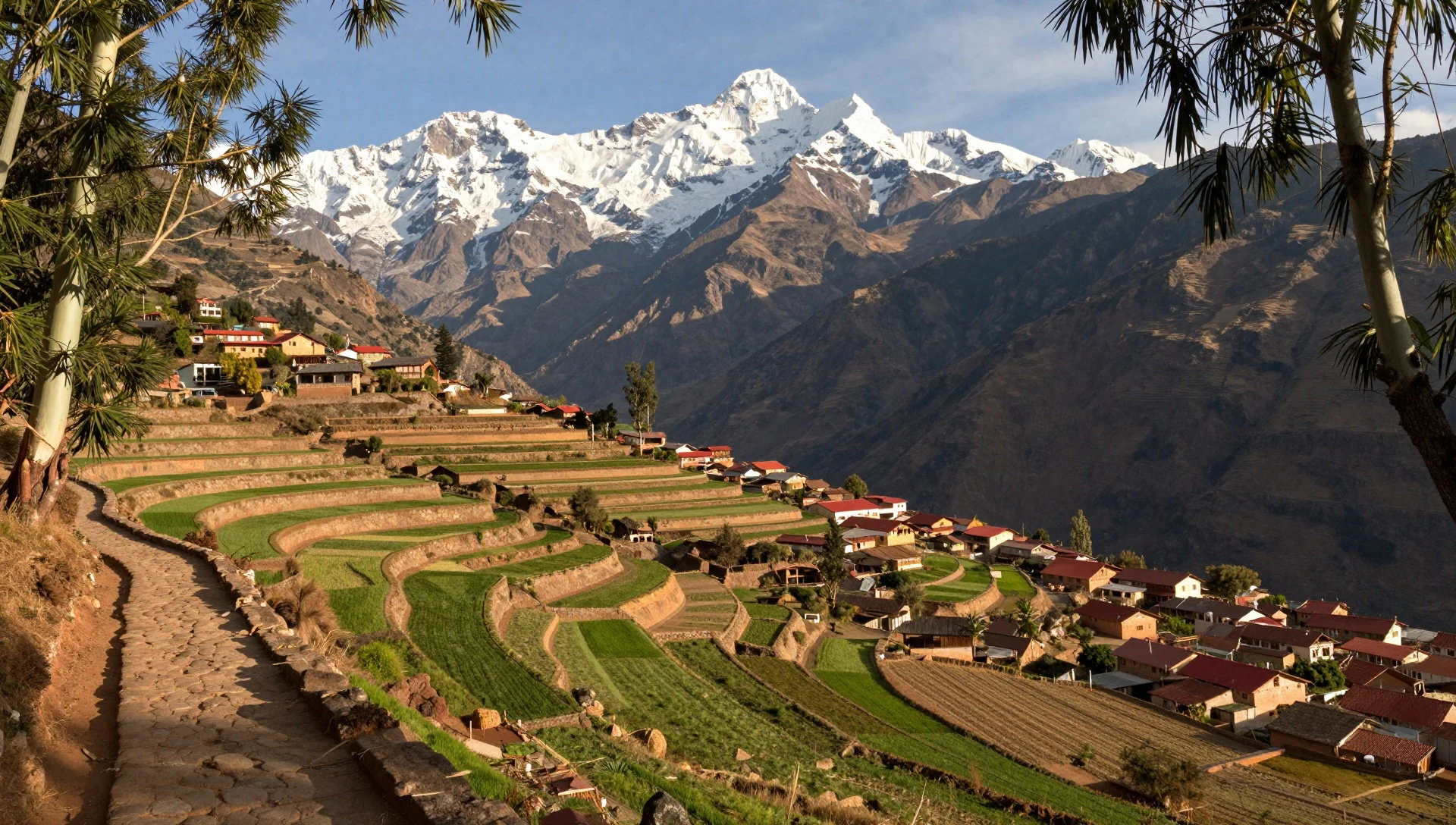
Culture
Life in the Andean highlands is shaped by deep traditions, strong community bonds, and a profound respect for the natural environment. Many rural residents maintain ancient customs, speaking Quechua alongside Spanish and passing down textile skills through generations. Visitors will frequently encounter the cultural practice of chewing coca leaves, an ancient social and ritual habit deeply embedded in daily life across the mountain communities. Far from being a vice, these leaves are consumed to combat the severe fatigue brought on by high altitude and form an essential part of hospitality. Culturally, Peruvians are fiercely proud of their rich heritage, which spans from ancient pre-Inca civilizations and the vast Inca Empire to the colonial era. When interacting with locals, language and terminology carry historical weight; using respectful terms like 'indígena' is appreciated, while derogatory colonial-era labels are strictly avoided. National pride is evident in everyday conversations, where people readily discuss their country's natural wealth and historical depth. Always ask permission before photographing local residents in traditional attire. Never use derogatory historical terms such as 'indio' when referring to native inhabitants.
What to wear
Traditional dress in the Andean highlands is exceptionally practical and visually distinctive, designed to combat biting mountain cold while expressing community identity. Women traditionally wear layered wool skirts known as polleras, intricately embroidered waistcoats, and traditional hats such as bowler hats or high-crowned felt hats unique to specific valleys. Alpaca and sheep wool form the primary textiles, spun and dyed by hand using natural pigments derived from plants and minerals. In daily life around towns like Huaraz, many residents blend traditional elements with modern garments, wearing warm fleece jackets, sturdy trousers, and knitted chullos alongside hand-woven shawls called llicllas. For visitors tackling the high-altitude trails, fashion is entirely utilitarian. Layering is essential due to fluctuating temperatures that shift from intense sunshine to freezing winds within hours. Essential gear includes a windproof and waterproof outer shell, moisture-wicking thermal base layers, sturdy broken-in hiking boots with good ankle support, gloves, and a woollen hat or sun hat. Cotton should be avoided as it retains moisture and chills the body quickly at high elevations. Dressing modestly and respectfully is appreciated when visiting rural villages outside the main trekking hubs.
What to eat
- Ceviche — Any traditional cevicheria or local market
Fresh raw fish cured in freshly squeezed lime juice, spiked with ají chilli peppers, and served alongside sweet potato, giant Andean corn kernels, and red onion.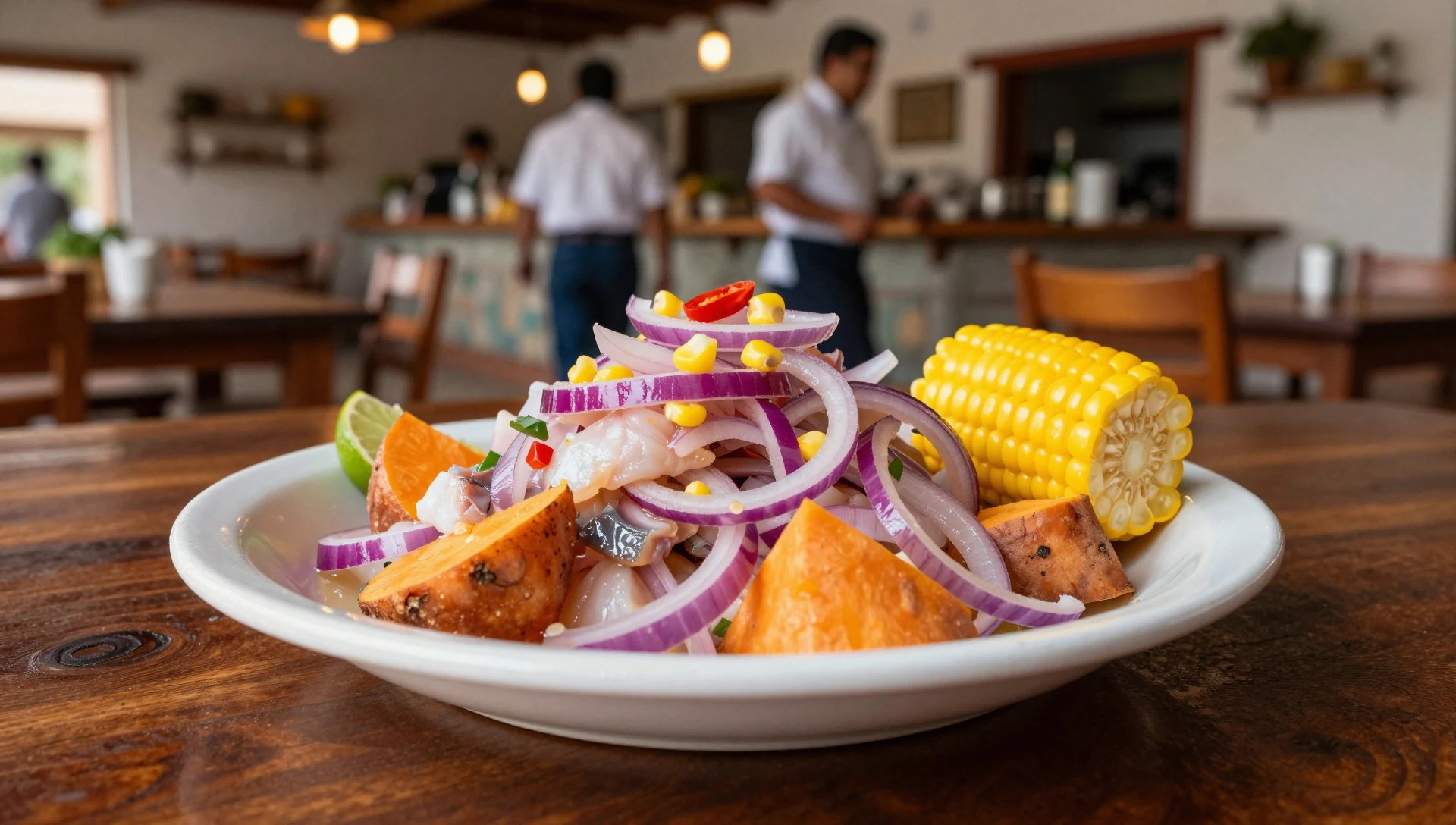
- Cuy Chactado — Local Andean restaurants and country eateries
A traditional Andean delicacy featuring guinea pig flattened and fried crisp in oil, typically served with boiled potatoes and a spicy chilli sauce.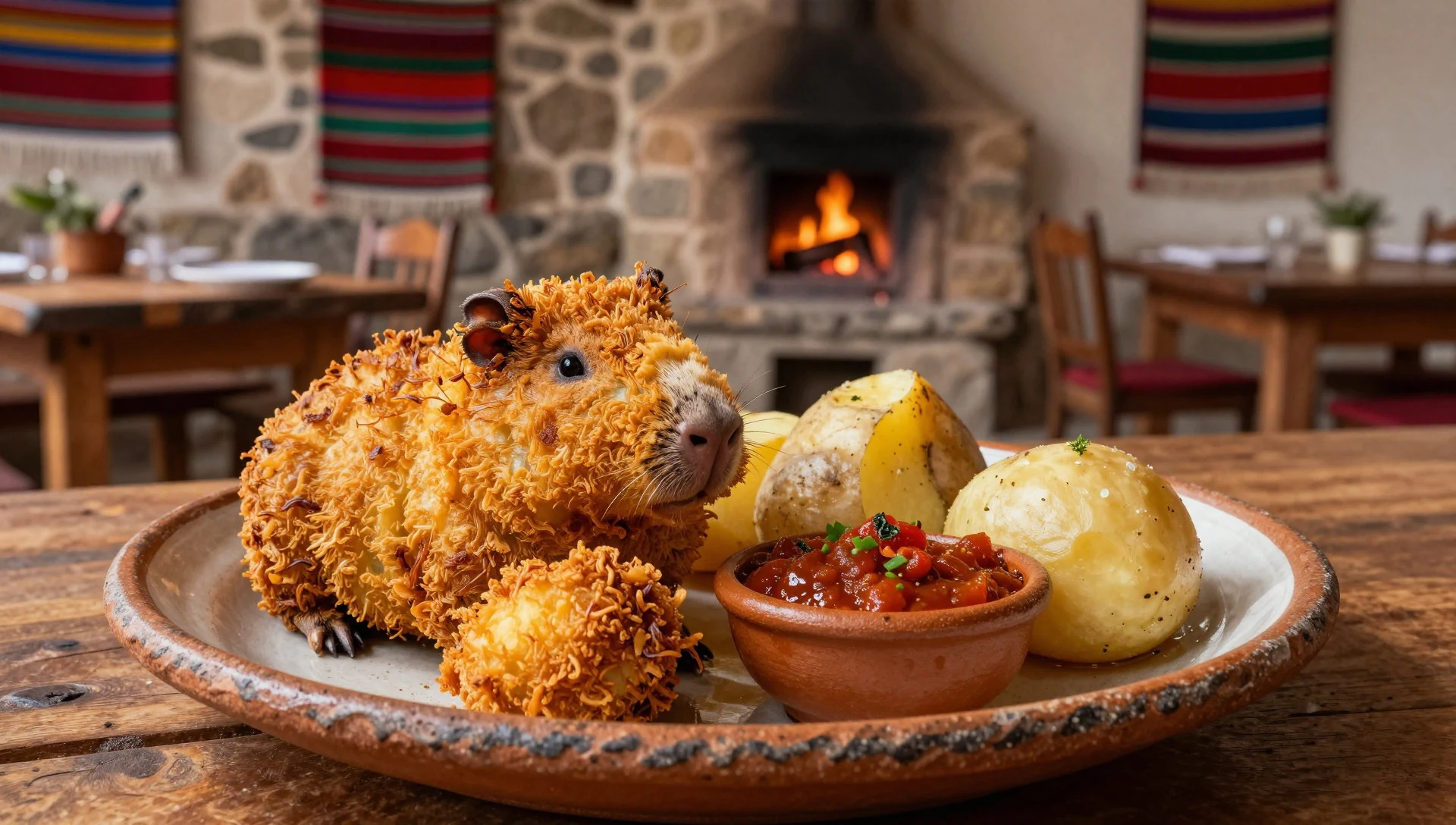
- Lomo Saltado — Traditional eateries and family-run picanterías
A popular stir-fry combining strips of beef tenderloin with onions, tomatoes, and yellow chilli peppers, cooked in a wok with soy sauce and served over a bed of fries and rice. - Mate de Coca — Mountain lodges, cafes, and local markets
An invigorating herbal tea brewed from whole coca leaves, widely consumed across the highlands to soothe the symptoms of altitude sickness and warm up on chilly mornings. - Sopa Criolla — Traditional lunch spots and local markets
A comforting, hearty noodle soup made with minced beef, evaporated milk, vegetables, and a poached egg, designed to warm body and soul after a strenuous hike.
Plan it
Best time. May to September offers the most stable dry weather and clear skies for high-altitude trekking, avoiding the heavy rains of the summer months.
How long. 2–3
Getting there. Fly into Lima, then take a long-distance bus north to Huaraz (about 7 to 8 hours), followed by local transport or a guided tour to the Cebolla Pampa trailhead.
Budget. mid
Tips
- Spend several days acclimatising in Huaraz before attempting the high-elevation hike to avoid altitude sickness.
- Start the trek very early in the morning to catch clear mountain views before afternoon clouds roll in.
- Carry sufficient cash, as card payments are generally not accepted at national park entry points or remote trailheads.
- Bring plenty of drinking water and purification tablets or filters for the journey.
- Pack layers of warm clothing and waterproof gear, as mountain weather can change in minutes.
Etiquette
- Respect local customs and accept offers of coca tea as a sign of hospitality.
- Pack out all your rubbish to keep Huascarán National Park pristine.
Nearby
Sources
- Wikidata Q13190477 (CC0)
- Wikipedia Lake 69 (CC BY-SA 4.0)
- Wikivoyage Peru (CC BY-SA 4.0)