Labuan Bajo
Labuan Bajo, Indonesia
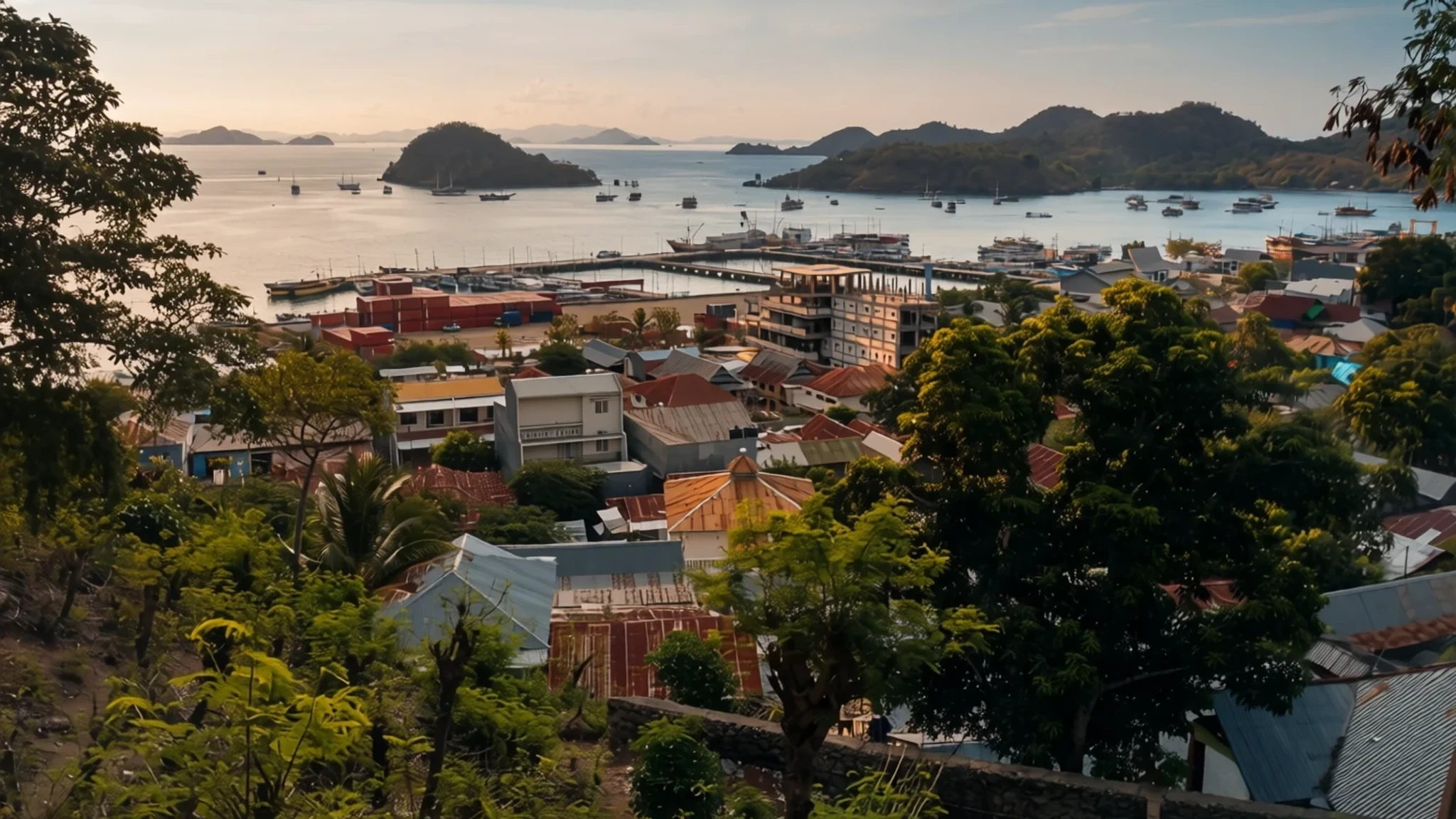
Labuan Bajo is a bustling coastal port town on Flores serving as the primary gateway for voyages into Komodo National Park.
The place
Labuan Bajo sits at the western extremity of Flores Island in the East Nusa Tenggara province of Indonesia, functioning as the administrative seat of the West Manggarai Regency. The settlement is anchored by a single primary thoroughfare that runs parallel to the coast, making navigation straightforward for travellers arriving by sea or air. Though urban upgrades funded by the central government have introduced modern footpaths and cycle lanes to the central core, the town retains its essential character as a gritty, salt-cured maritime hub. The surrounding waters are calm and clear, enclosed by protective headlands and scattered offshore landmasses that shelter the harbour from open ocean swells. Beyond the concrete piers and local storefronts, the landscape rises steeply into dry, grassy hills typical of the regional climate. As the launching pad for maritime excursions across the Flores Sea, the settlement fills with sailors, divers, and day-trippers preparing to board vessels bound for remote archipelagos. Despite substantial tourism growth, daily life continues at an unhurried rhythm among local fishing families, market traders, and boat crews who mend nets along the waterfront when midday heat peaks.
Its story
For generations, Labuan Bajo existed as a quiet Bugis and Manggarai fishing village where wooden outriggers tied up to simple timber docks and dried catch was traded under the sun. The local economy revolved around artisanal fishing, seaweed cultivation, and small-scale coastal commerce linking Flores with Sumbawa and other neighbouring islands. The outside world largely viewed the settlement as a remote transit point until the global renown of the prehistoric lizards inhabiting nearby islands brought international attention. As public infrastructure investments transformed the port into a tourism centre, construction activity reshaped the hillside view with hotels and dive operations replacing older wooden shophouses. This rapid modernization created a distinct economic duality where traditional boatbuilding yards operate just streets away from air-conditioned cafés catering to global scuba divers. Yet the core maritime identity remains resilient, carried forward by families whose elders navigated these treacherous currents in wind-powered vessels long before engines hummed across the harbour. Today, the port balances its ancient seafaring heritage with the demands of modern conservation tourism centred around the surrounding protected waters.
What to see
- Komodo National Park waters — Komodo National Park
Encompassing a vast expanse of sea and rugged islands west of the port, these protected waters shelter rich coral gardens and marine life. Visitors must obtain a park pass for entry, with fees contributing toward local conservation efforts across the reserve.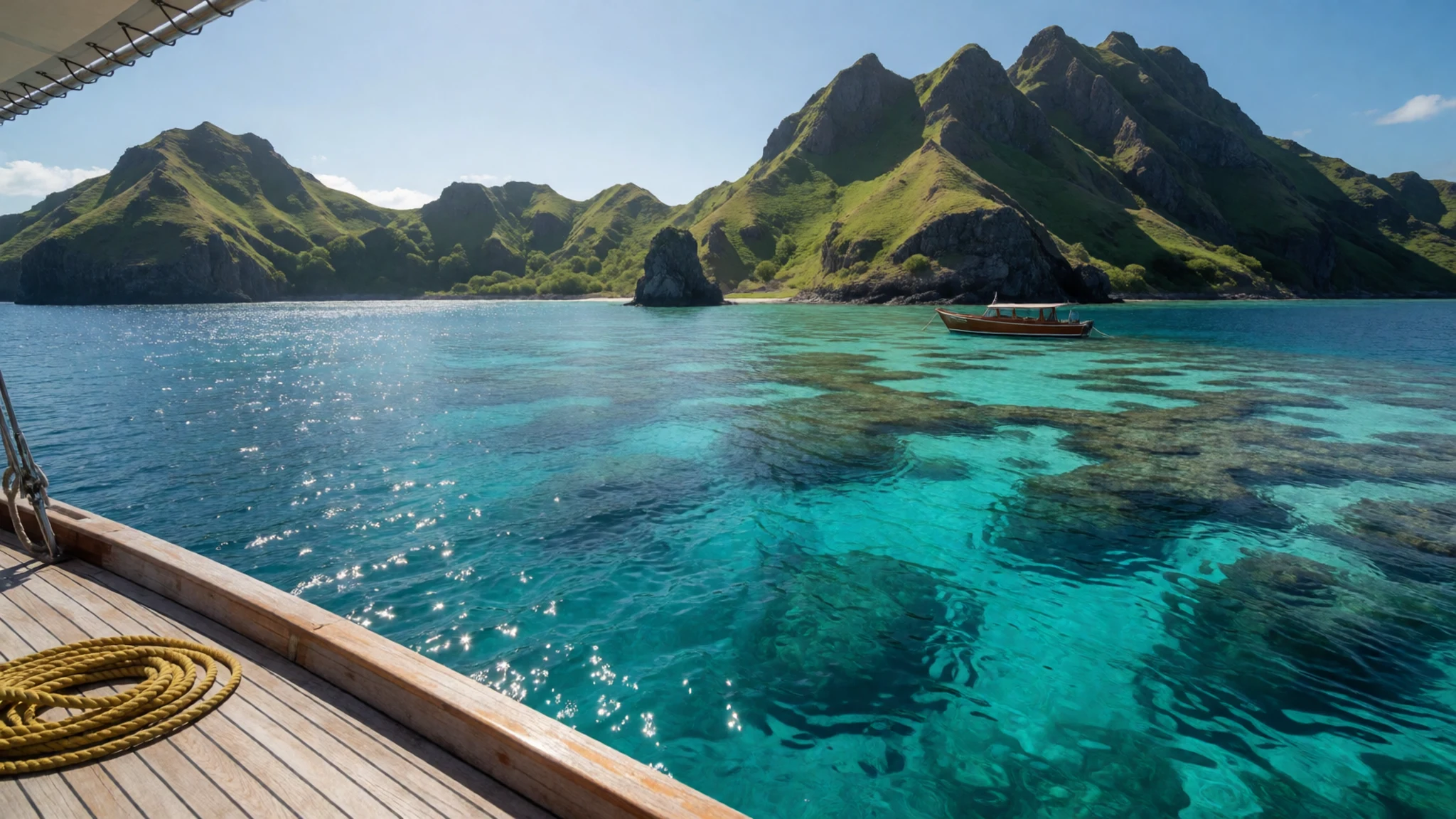
- Rinca Island — Rinca Island
A prominent island offering reliable encounters with large lizards right near the wooden arrival pier. Rangers escort visitors along designated trails ranging from short walks to longer hikes across dry, sun-baked hillsides overlooking the Flores Sea.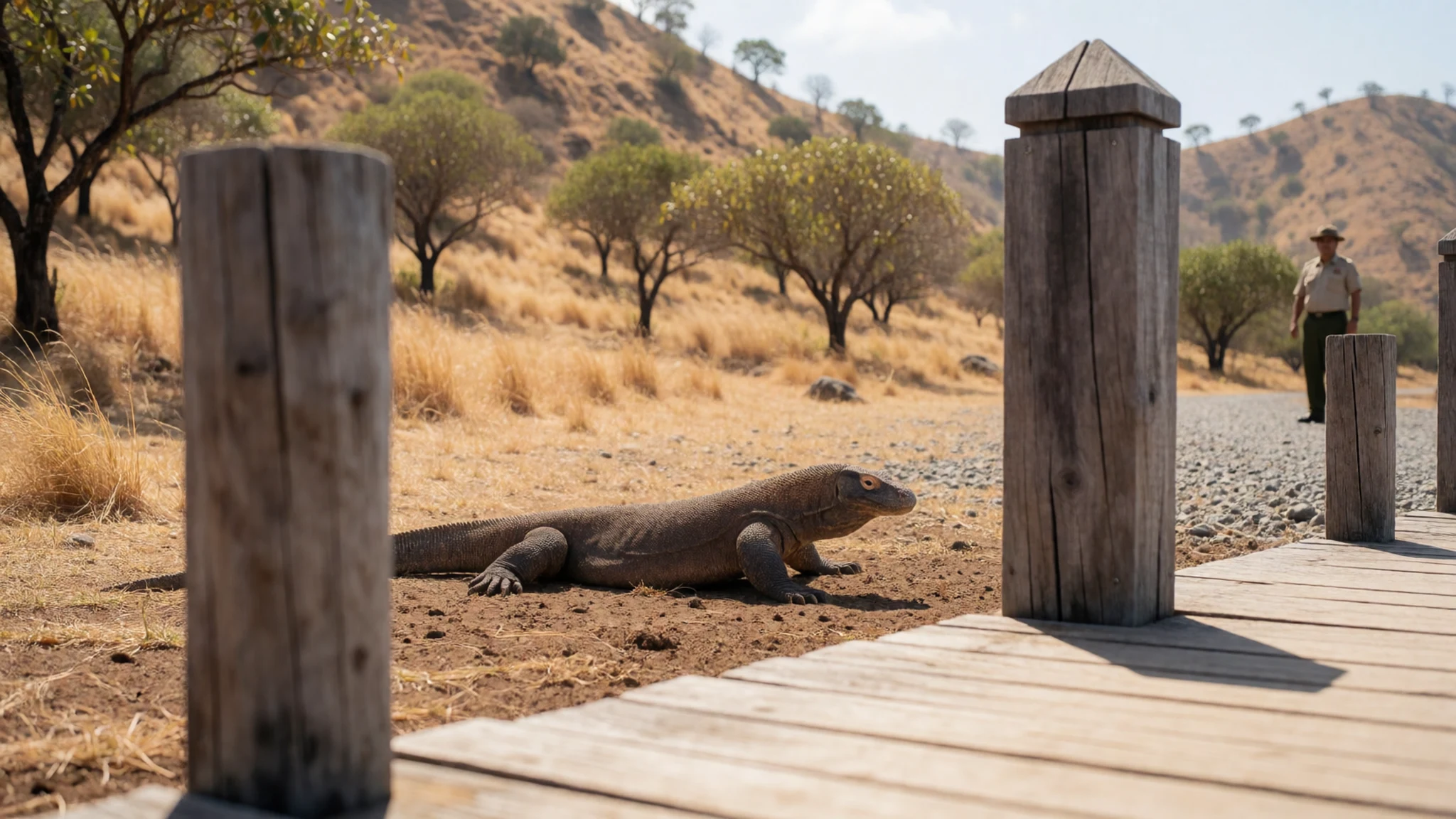
- Kalong Island — Kalong Island
An uninhabited mangrove isle famous for the nightly spectacle when thousands of large flying fox bats emerge at dusk. Boats anchor in the calm channel as the sky fills with silhouetted mammals heading toward mainland feeding grounds.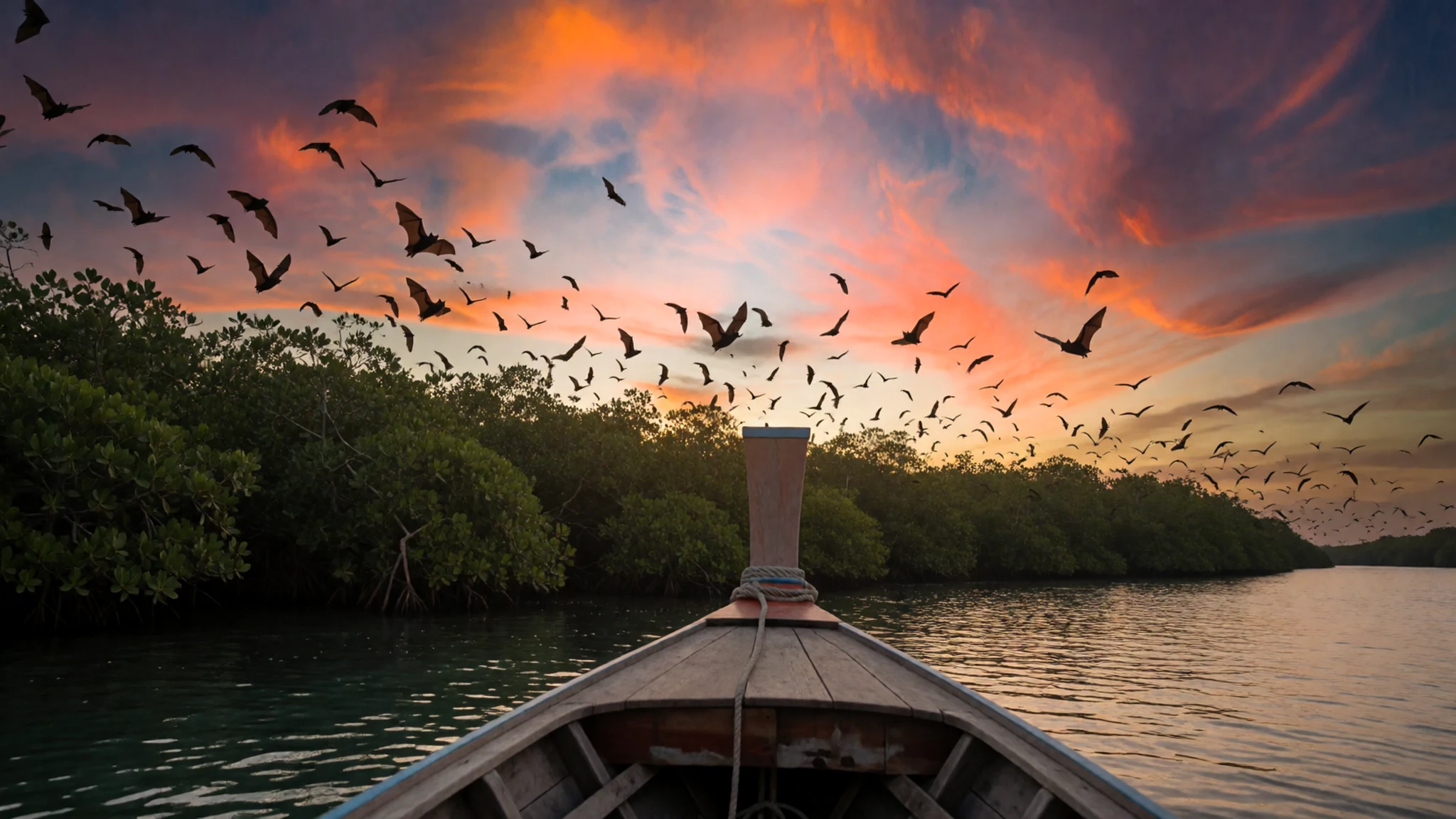
- Batu Cermin Cave — Batu Cermin
A geological formation featuring limestone walls that reflect sunlight through crevices, creating mirror-like optical effects inside the chambers. The site sits within the rural desa area on the edge of town and requires careful footing.
Culture
The cultural fabric of Labuan Bajo weaves together traditional Manggarai heritage, Bugis seafaring traditions, and influences from across the Indonesian archipelago. Local communities hold deep reverence for customary adat laws concerning land and sea use, particularly around protected marine zones. Islamic traditions shape daily rhythms through the call to prayer echoing across the harbour, while regional Christian communities maintain historic churches in the hills. Hospitality is warm and unpretentious, though visitors should remain mindful of modest dress norms when walking through residential neighbourhoods away from the tourist strip. Always remove footwear when entering local homes or traditional community structures.
What to wear
Traditional textile heritage across the region is defined by intricate hand-woven Ikat blankets and sarongs created using natural dyes from local roots, bark, and indigo. These woven cloths feature geometric motifs unique to different clans and are worn during traditional ceremonies, weddings, and welcoming rituals. In daily life around town, residents dress in practical tropical attire such as lightweight shirts, trousers, and modest tunics suited to the humid coastal climate. Travellers navigating the town should wear breathable cotton clothing, sturdy footwear for walking unpaved hills or boarding boats, and a hat for sun protection. When visiting local villages or religious buildings, cover shoulders and knees out of respect for local customs.
What to eat
- Grilled fish at the harbourfront market — Harbourfront evening food stalls
Fresh catch from local waters seasoned with local spices and grilled over open coals, served with steamed rice and fiery sambal. - Mie goreng — Blue Corner on the main road
Stir-fried yellow noodles tossed with garlic, vegetables, and regional seasonings, offering a comforting and inexpensive local meal. - Bubur ayam — Bubur Ayam 88
Traditional savoury rice porridge topped with shredded chicken, crisp shallots, and fragrant broth, popular as a hearty morning start. - Seafood and local cuisine — Green Cherry on the main road
A varied selection of regional dishes highlighting ocean catches alongside standard Indonesian and Chinese comfort foods.
Plan it
Best time. April to November offers the driest weather and calmest seas for island cruising, while December to March brings heavy tropical rainfall.
How long. 3–4
Getting there. Arrive by air at Komodo Airport, then take a fixed-rate taxi or walk downhill into the port town; alternative ferry connections run from Sape on Sumbawa.
Budget. mid
Tips
- Book boat charters and park permits through reputable local operators in advance
- Carry sufficient cash as card acceptance outside major hotels is limited
- Watch out for venomous snakes if hiking on dry island trails
- Insist on exact change at shops and verify bills for unexpected service charges
Etiquette
- Remove shoes before entering private homes or local places of worship
- Dress modestly with covered shoulders and knees when visiting residential areas
Nearby
Sources
- Wikidata Q24881909 (CC0)
- Wikipedia (rev 1381874611) (CC BY-SA 4.0)
- Wikivoyage (rev 5407961) (CC BY-SA 4.0)