Kültepe
Kültepe, Turkey
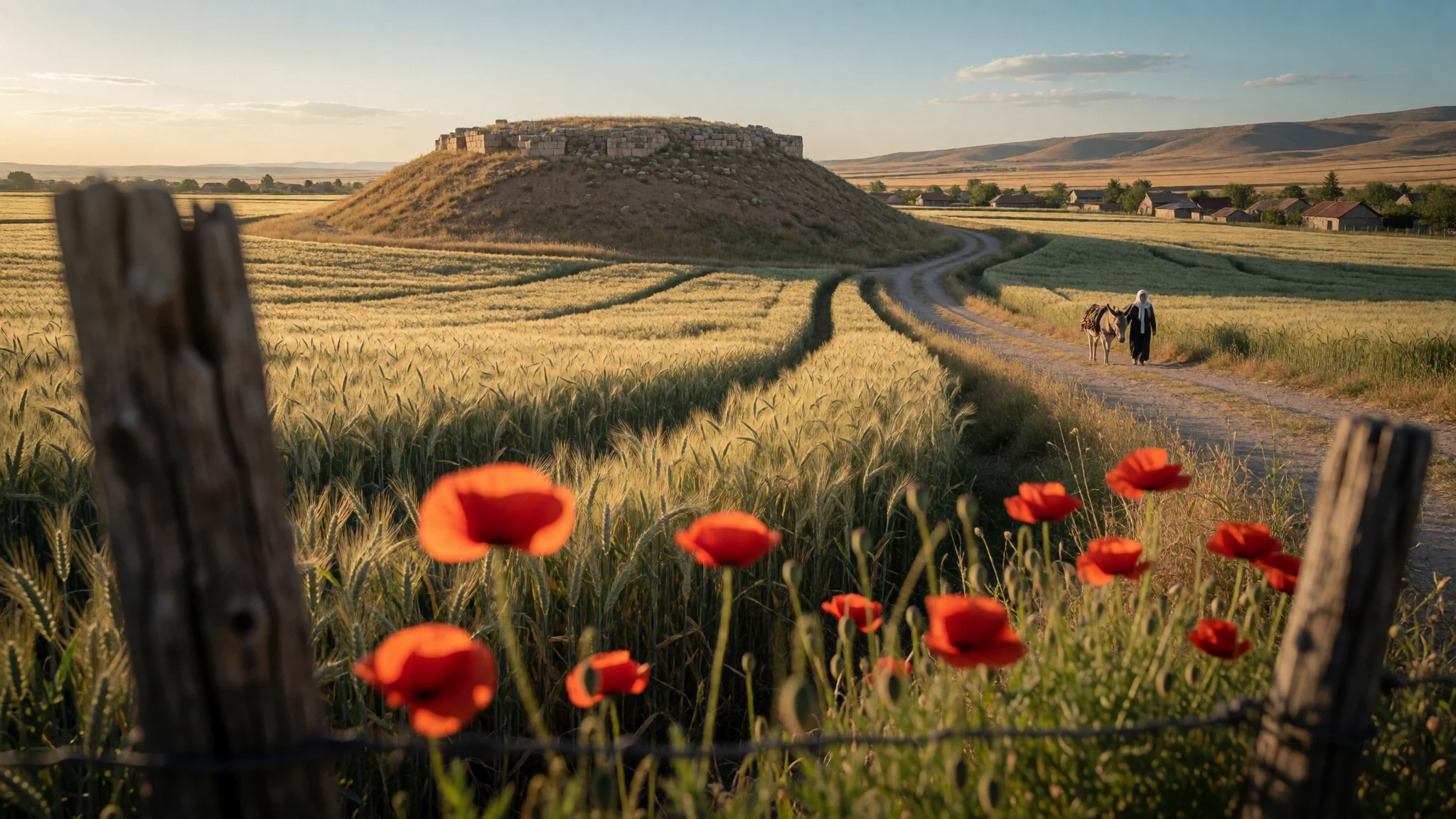
Kültepe is a farmland mound in central Turkey where Assyrian merchants kept their business letters on clay, giving a vivid view of Bronze Age trade.
The place
Kültepe, whose Turkish name means 'ash-hill', stands on the Central Anatolian plateau about 20 km northeast of Kayseri. The site is really two places side by side: a round mound, the höyük, rising from the plain, and a flat lower town spread out beside it. Wheat fields and village lanes surround both, so the first impression is of farmland with a lump in it rather than a monument. In antiquity the settlement was called Kaneš (Kanesh), and later Hittite writing calls it Neša. Its fame rests on the lower town, where merchants from the Assyrian homeland ran a trading quarter, a kārum, and left behind thousands of clay tablets recording their business. The mound holds the older story: palace foundations, temple remains and layers of rebuilding. A visit is quiet and a little austere. There are low walls, trenches, information boards and wide views over the plain, and the mood suits people who enjoy reading a place from its footprints. Summer is hot and shade is scarce, winters on the plateau are cold, and many of the finest objects are in museums rather than on site, notably in Ankara. Kültepe has been on Turkey's Tentative list for World Heritage since 2014, yet it sees nothing like the crowds of the coastal ruins. Check the official site, kultepe.org.tr, for opening arrangements before making the trip.
Its story
Kültepe's story is largely a story of letters. In the early second millennium BC, merchants from the city of Assur, far away in Mesopotamia, set up a trading quarter beside the Anatolian town of Kaneš. Donkey caravans carried tin and woven cloth westwards, and silver travelled home. The merchants lived in the lower town, kept their accounts on clay, and sealed their tablets inside clay envelopes stamped with cylinder seals. Records were stored in ordinary houses, which is why the archive reads like family and business mail rather than royal boasting: loans, shipments, legal disputes, marriages, complaints about slow partners. More than 23,000 tablets have come out of the ground, mostly from two phases of the quarter's life. Local rulers lived on the mound, where excavators found palace and temple remains, but almost no written archive from them has survived, so the Anatolian side of the partnership is seen largely through the merchants' eyes. The trading quarter eventually ended, while the mound went on being lived on, with gaps, until Roman times. Hittite scribes later knew the city as Neša, a shortened form of the older name Kaneš. The Turkish name is far newer and simply describes the dark, ashy soil of the hill, a fair summary of how much human activity is packed into it.
What to see
- The citadel mound and palace remains — Upper mound, Kültepe archaeological site
The höyük is the visual centre of Kültepe: a rounded rise with excavated stone foundations of a palace on its upper edge. Walk the rim for views across the plateau and a sense of how the lower town sat below. Bring water and a hat, as there is little shade.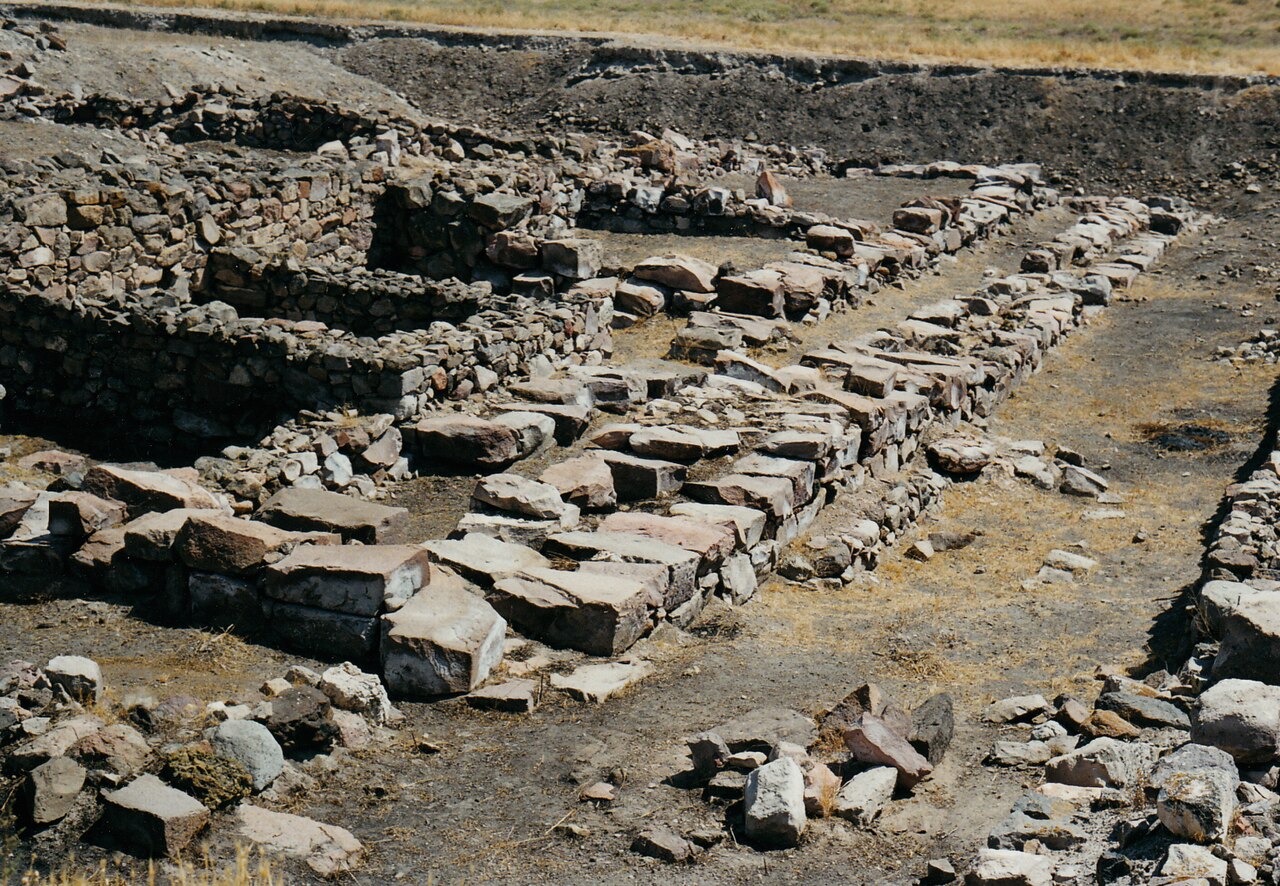
- The lower town and kārum quarter — Lower town, northeast of the mound
Northeast of the mound lies the flat ground where the Assyrian merchants lived and worked. Little is visible beyond trenches and marked house plans, so it rewards reading the site boards first. Imagining donkey caravans arriving here is easier once you have seen the tablets in a museum. - Museum of Anatolian Civilisations, Ankara — Ulus district, Ankara
This museum in Ankara displays objects from Kültepe, including small idols from the third millennium BC. It is the practical place to see what the site produced, and it gives context from neighbouring Anatolian cultures. Allow a half day and check the official site for current opening arrangements.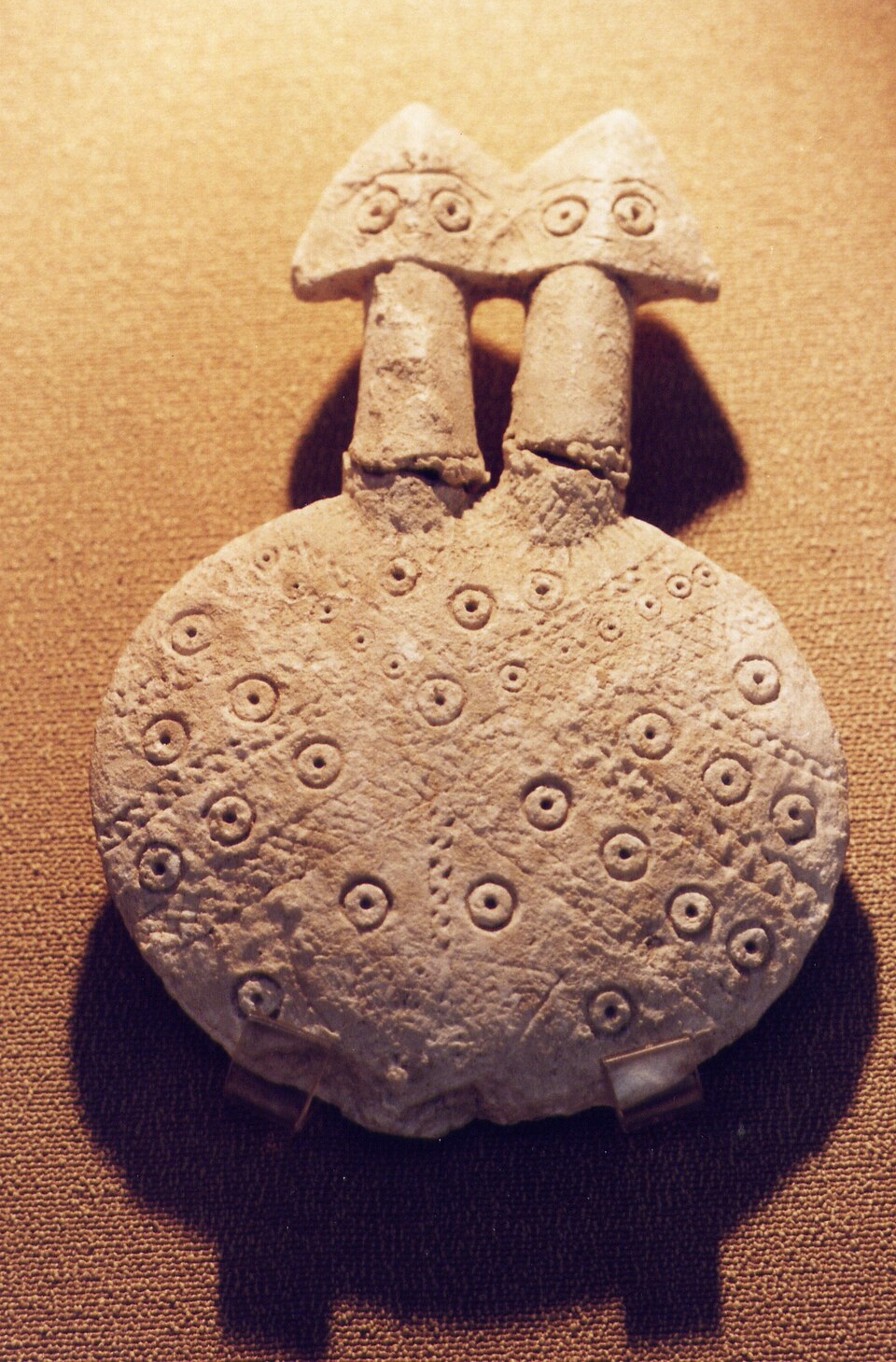
- Cuneiform tablets and seal impressions — Museum collections, including Ankara
The tablets are the heart of Kültepe's importance: letters, loans, caravan accounts and judges' decisions pressed into clay. Some sit inside clay cases rolled with cylinder seals in both Assyrian and Anatolian styles. Examples are held in several museums, so look at the collection pages before choosing where to see them.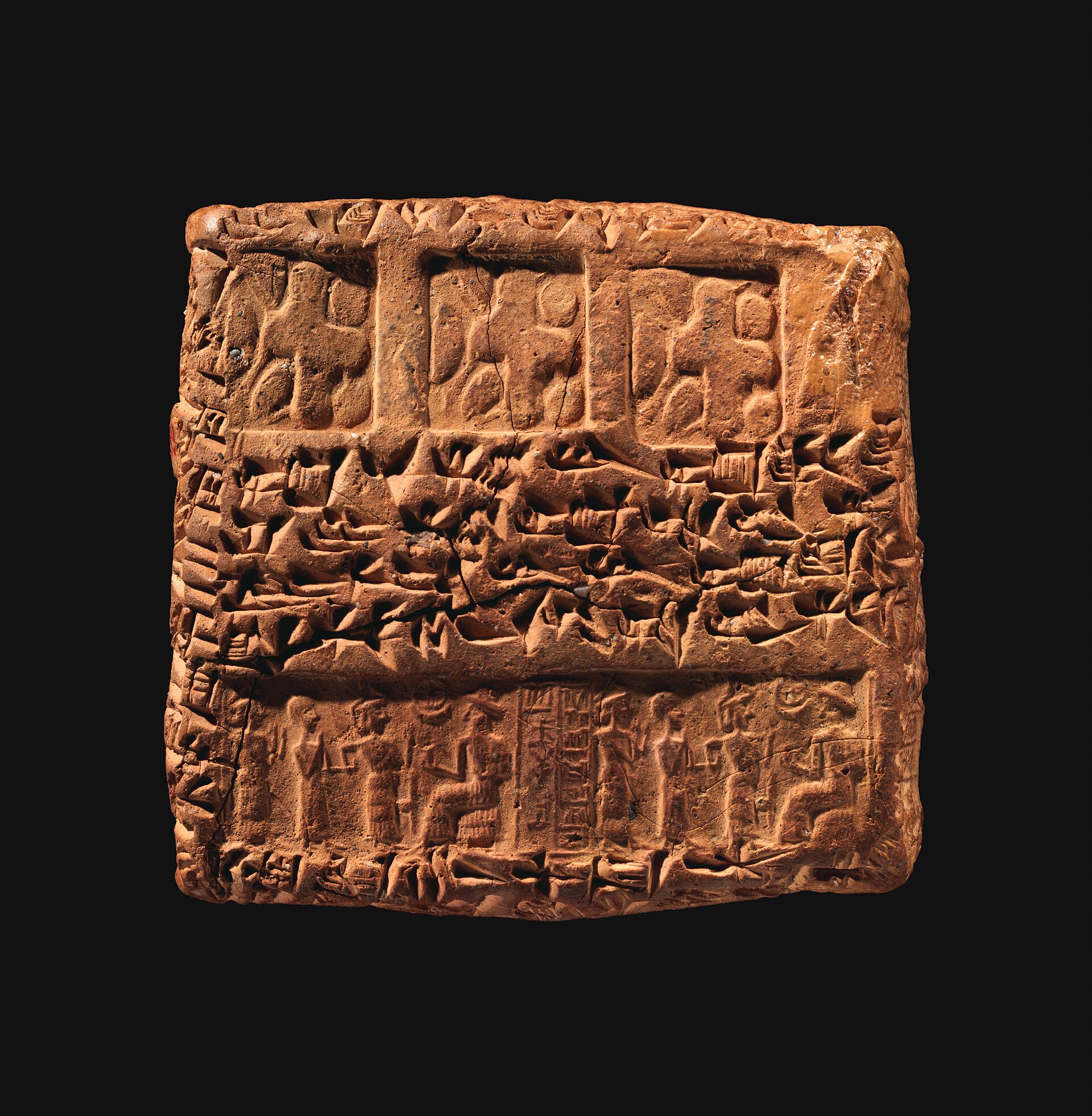
- Animal-shaped rhyton vessels — Museum of the Ancient Near East, Berlin
Rhyta are ceremonial pouring vessels, and the ones from Kanesh take the form of animals, painted and burnished with real character. One is displayed in Berlin and others in Turkish museums. They show that the merchants' town sat among a lively local craft tradition.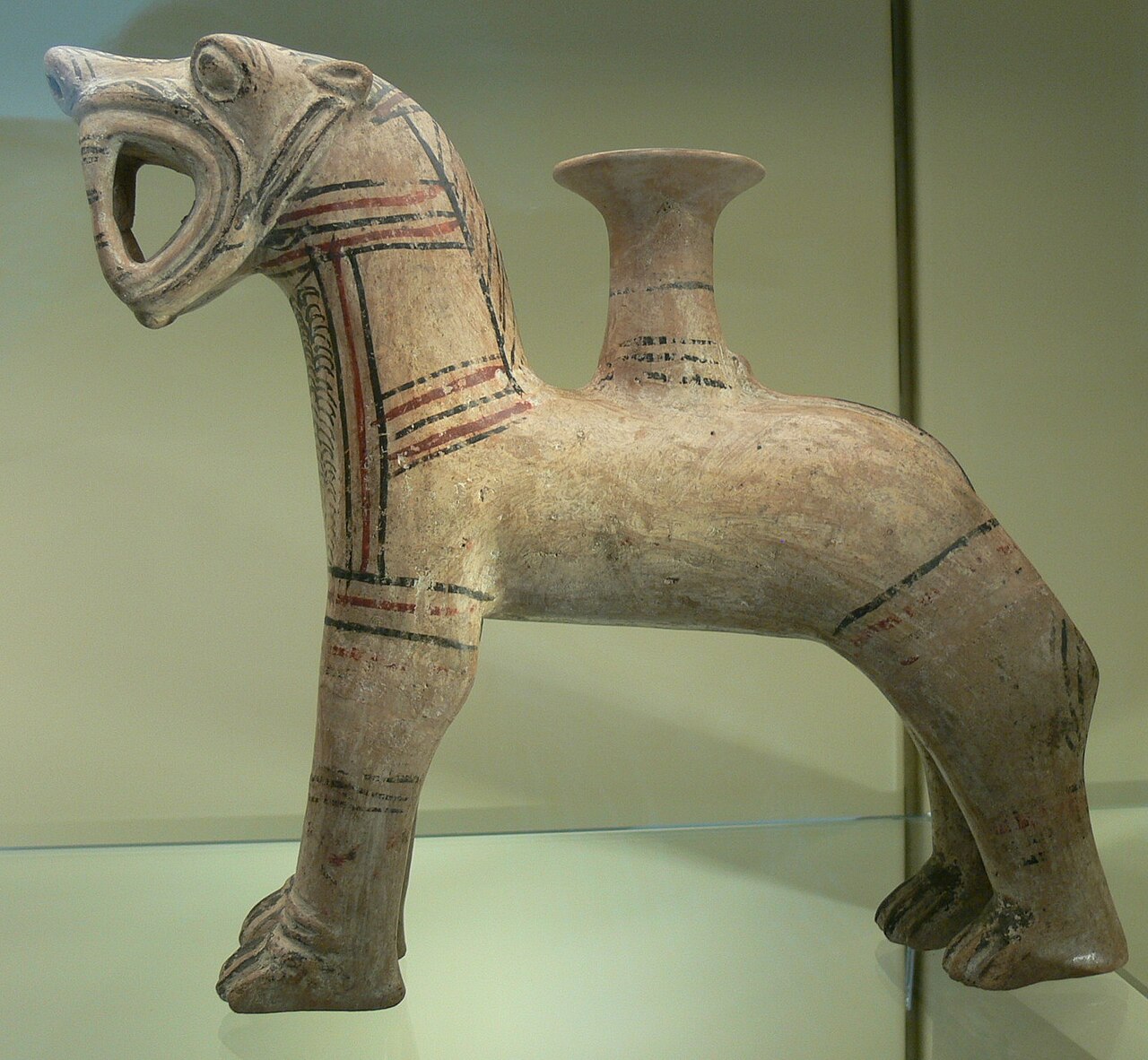
Culture
Kültepe lies in a rural corner of Central Anatolia, and daily life around it follows the farming year and the pull of nearby Kayseri. Pride in the site is strong locally, and archaeology is a visible part of the area's identity: excavation teams return each season, and the finds are discussed in local museums and schools. Turkish hospitality is a real habit rather than a tourist slogan, and a stranger asking directions near the site may well be offered tea. Tea, served in small tulip-shaped glasses, is the usual language of welcome, and refusing a second glass politely is easier than refusing the first. Religion shapes the calendar for many families, with Ramadan and the holidays that follow it changing opening hours, meal times and travel patterns, so it helps to look at dates before planning. Many people do not drink alcohol, whether for religious reasons or simply by habit, and public behaviour in villages tends to be modest and unhurried. The ancient story adds another layer: the Assyrian merchants married locally and lived among Anatolians, and the tablets show a mixed society. That history of exchange is something local guides like to mention. If you are invited into a home near Kültepe, take your shoes off at the door and bring a small gift such as sweets rather than alcohol.
What to wear
Dress around Kültepe is practical, shaped by hot dry summers and cold winters on the plateau. Traditional village clothing in Central Anatolia has included şalvar, the baggy gathered trousers, embroidered waistcoats, and printed cotton headscarves called yemeni, with wool and felt for the cold months. These are mostly worn now for weddings, folk dance and festivals rather than daily life. The Assyrian merchants of the tablets traded in woven cloth, a reminder that textiles were part of this landscape's economy long before modern dress. Today people in Kayseri and the surrounding villages wear a mix of ordinary jeans, shirts and jackets, with many women choosing headscarves and longer sleeves and men often in trousers rather than shorts, especially away from the city. Visitors should dress for the site first: a wide-brimmed hat, sunscreen, light long sleeves and sturdy closed shoes for uneven, dusty ground and loose stones. Bring a warm layer outside summer, as evenings on the plateau cool quickly. For village visits, mosques or private homes, knees and shoulders should be covered, and women may carry a light scarf for entering a mosque. Shoes that slip off easily are handy, since footwear comes off at many doors.
What to eat
- Kayseri mantı — Local eateries in Kayseri city centre
Tiny dumplings filled with spiced meat, served under garlicky yoghurt and a drizzle of butter with red pepper. Kayseri is closely linked with the dish, and the pasta is folded very small. Look for it in family-run eateries in the city centre. - Pastırma — Butchers and delicatessens in Kayseri
Air-dried, spice-coated cured beef, sliced thin and eaten at breakfast, in sandwiches or fried with eggs. The coating of fenugreek paste gives it a sharp, savoury bite. Delicatessens in Kayseri sell it by weight. - Sucuk — Breakfast places and market stalls in Kayseri
A garlicky beef sausage, usually grilled or fried with eggs for breakfast. It is rich, salty and filling, a sensible start before a morning in the sun at the excavation. Pork is rarely sold in this region. - Gözleme — Roadside stalls and village tea gardens
Thin flatbread folded around fillings such as cheese, spinach or potato and cooked on a griddle. It is cheap, quick and often made in front of you, which makes it a good road snack for a village outing. - Ayran — Any restaurant or snack counter
A cold, lightly salted yoghurt drink, thin and refreshing, served with kebabs, mantı and grilled meat. It suits the dry plateau heat better than sweet fizzy drinks, and it is available almost everywhere.
Plan it
Best time. May–June and September–October, when days are warm rather than fierce and the plateau is dry enough for walking; July and August are hot with little shade, and winters are cold.
How long. 1–2
Getting there. Fly to Kayseri Erkilet Airport or reach Kayseri by bus or rail from Ankara, then take a taxi or hire a car for the short drive northeast to the village and site, as public transport is limited.
Budget. low
Tips
- Check the official site, kultepe.org.tr, for opening arrangements and any guided access before travelling
- Arrive early in summer, as the mound has almost no shade
- Carry water, sun protection and cash for small village purchases
- See the objects in Ankara first, as the site makes more sense after seeing the tablets
- Many Turkish museums close on certain weekdays, so confirm before setting off
Etiquette
- Stay on marked paths and do not remove or pocket any pottery fragments or stones
- Ask before photographing people, especially women and children in villages
- Remove shoes when entering a home or mosque
Nearby
Sources
- Wikidata Q538605 (CC0)
- Wikipedia: Kültepe (rev 1379352608) (CC BY-SA 4.0)
- Wikivoyage: Turkey (rev 5393139) (CC BY-SA 4.0)
- Klaus-Peter Simon, Kültepe upper town palace (CC BY 3.0)
- Wolfgang Sauber, animal-shaped rhyton from Kanesh (CC BY-SA 2.0)
- Noumenon, vessel rhyton from Kültepe (CC BY 3.0)
- Klaus-Peter Simon, idol from Kültepe (CC BY 3.0)
- Cuneiform tablet case with four cylinder seals (CC0 1.0)
- Cuneiform tablet, caravan account (CC0 1.0)
- Itur-ili, business letter (CC BY 3.0)
- Cuneiform tablet, legal decision by appointed judges (CC0 1.0)


