Kuching
Kuching, Malaysia
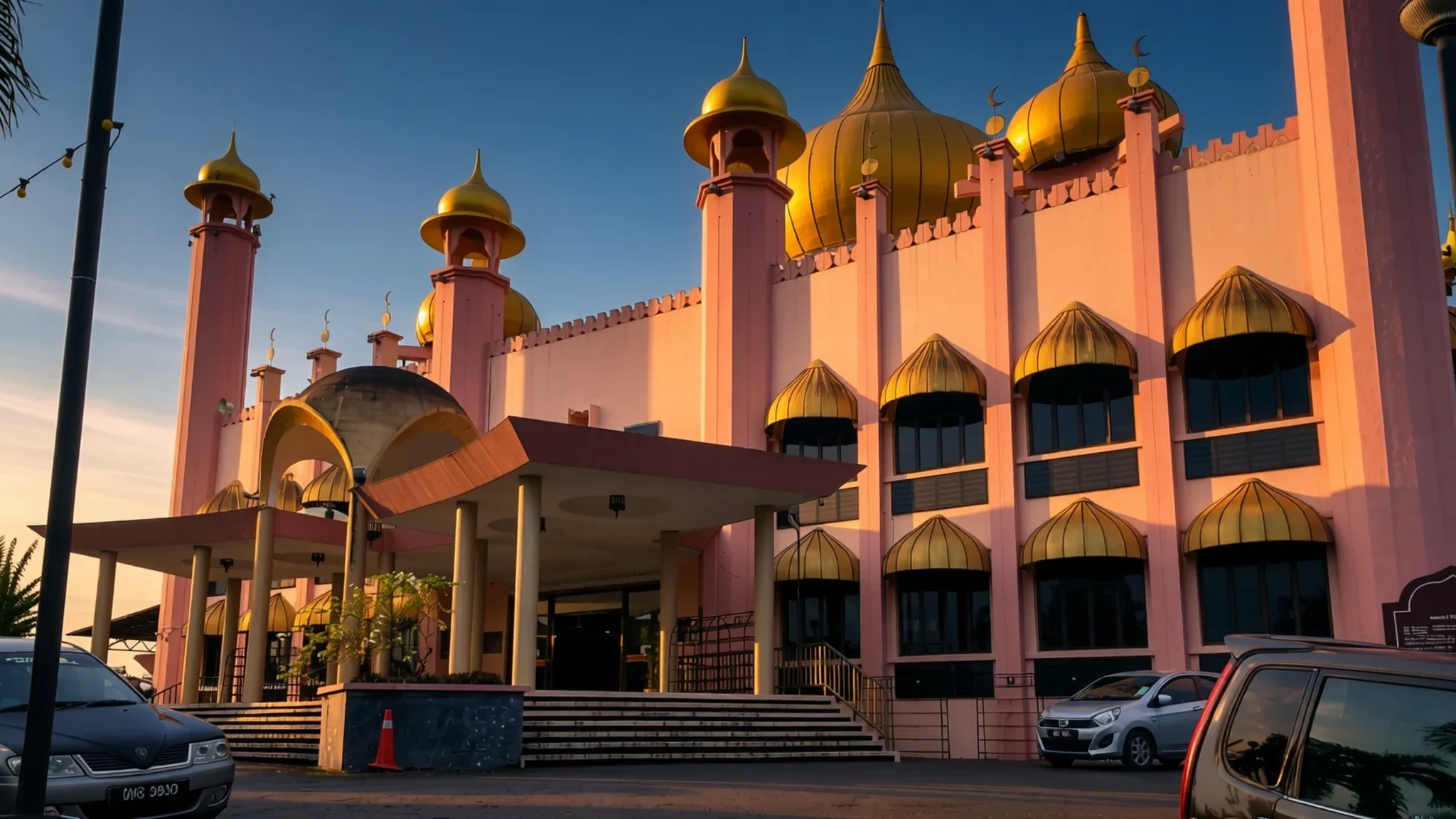
Kuching offers a relaxed riverside atmosphere, blending colonial history, vibrant Chinese temples, and rich indigenous Bornean cultures.
The place
Kuching serves as the vibrant capital and most populous settlement in the Malaysian state of Sarawak on the island of Borneo. Situated along the winding banks of the Sarawak River in the southwestern corner of the territory, the municipality spans a total area measured in hundreds of square kilometres. Administration of the settlement is divided across two distinct municipal councils, separating the northern and southern halves across the water. The surrounding geography features a flat coastal plain rising gently towards interior hills and distant peaks, all enveloped in a warm, humid equatorial climate. Founded in the early nineteenth century during the era of Bruneian administration, the urban area grew from a small riverine trading post into a bustling regional hub characterised by nineteenth-century shophouses, waterfront promenades, and leafy public squares. Today, the municipal population hovers around three hundred thousand residents, representing a diverse mosaic of Malay, Chinese, Iban, Bidayuh, and other indigenous communities who live side by side. Visitors arriving in Kuching find a walkable waterfront core framed by historic civic architecture, quiet alleyways filled with traditional coffee shops, and modern bridges linking the opposite riverbanks. The city acts as the primary gateway for travellers exploring the surrounding rainforests, wildlife rehabilitation centres, and traditional longhouses scattered across the wider Sarawak division, making it an essential stop for anyone journeying through the Malaysian half of Borneo.
Its story
The history of Kuching is tied closely to the shifting imperial ambitions of the region and the discovery of valuable mineral wealth in the river valleys. Before the foundation of the modern settlement, earlier capitals existed nearby at Santubong and Lidah Tanah, established by various sultans and local chiefs. The turning point arrived in the year 1827 when a representative of the Sultan of Brunei established a new administrative centre near the river. This move was prompted by the discovery of rich antimony ore deposits in the upper reaches of the Sarawak River, which drew intense commercial interest from traders operating out of Singapore. The initial administrative presence proved unpopular with local Malay chiefs whose traditional autonomy was constrained by new tax and labour demands imposed from above. These disaffected chiefs formed alliances with interior indigenous groups and launched a sustained rebellion against the Bruneian authorities. Unable to secure a decisive victory, the Bruneian prime minister eventually turned to a visiting British adventurer, James Brooke, offering him the governorship of the territory in exchange for military assistance. Brooke successfully quelled the uprising by November 1840. By late 1841, he was officially appointed as Rajah of Sarawak, establishing a dynastic rule that would last for a century. Under the Brooke administration, the town expanded significantly with the construction of sanitation networks, hospitals, prisons, and fortified outposts. Though occupied by foreign forces during the Second World War, the settlement survived largely intact, transitioning eventually into a modern Malaysian state capital.
What to see
- Kuching City Mosque — Waterfront district
Positioned prominently near the riverbank, this striking regional mosque stands on a historical site that has accommodated Muslim houses of worship since the mid-nineteenth century. The present structure, completed in the late nineteen-sixties, features clean architectural lines and a peaceful courtyard that serves local worshippers daily. Visitors walking along the waterfront can admire its graceful domes and pale exterior walls.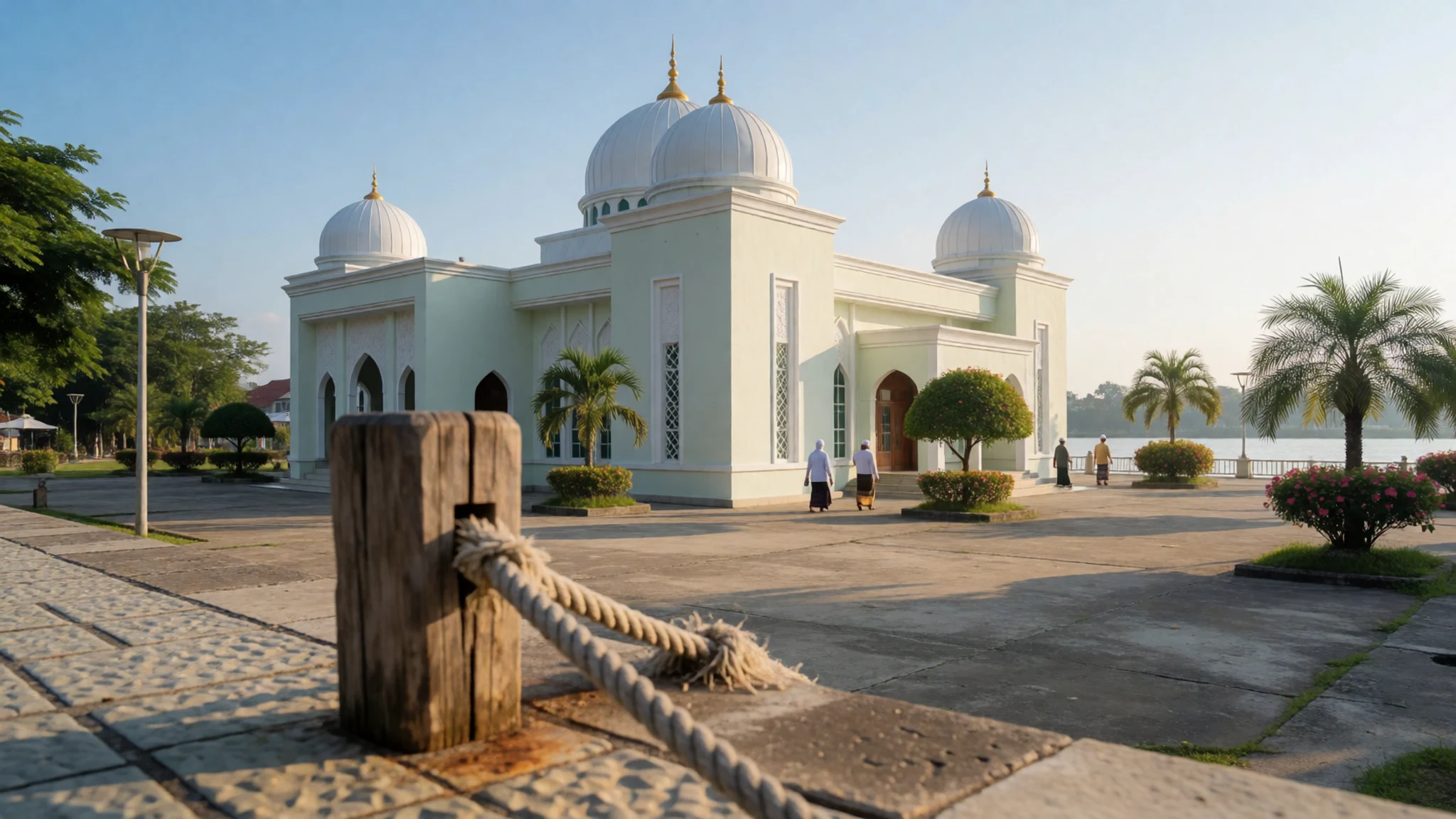
- Tua Pek Kong Temple — Old Chinatown
Constructed in the mid-nineteenth century, this colourful Taoist shrine is the oldest Chinese temple in Kuching and remains a spiritual anchor for the local community. Located right across the street from the waterfront museum district, the temple draws daily worshippers who light incense beneath intricately carved roof dragons and traditional lanterns. Its vibrant red and gold facade has overlooked the river traffic for generations.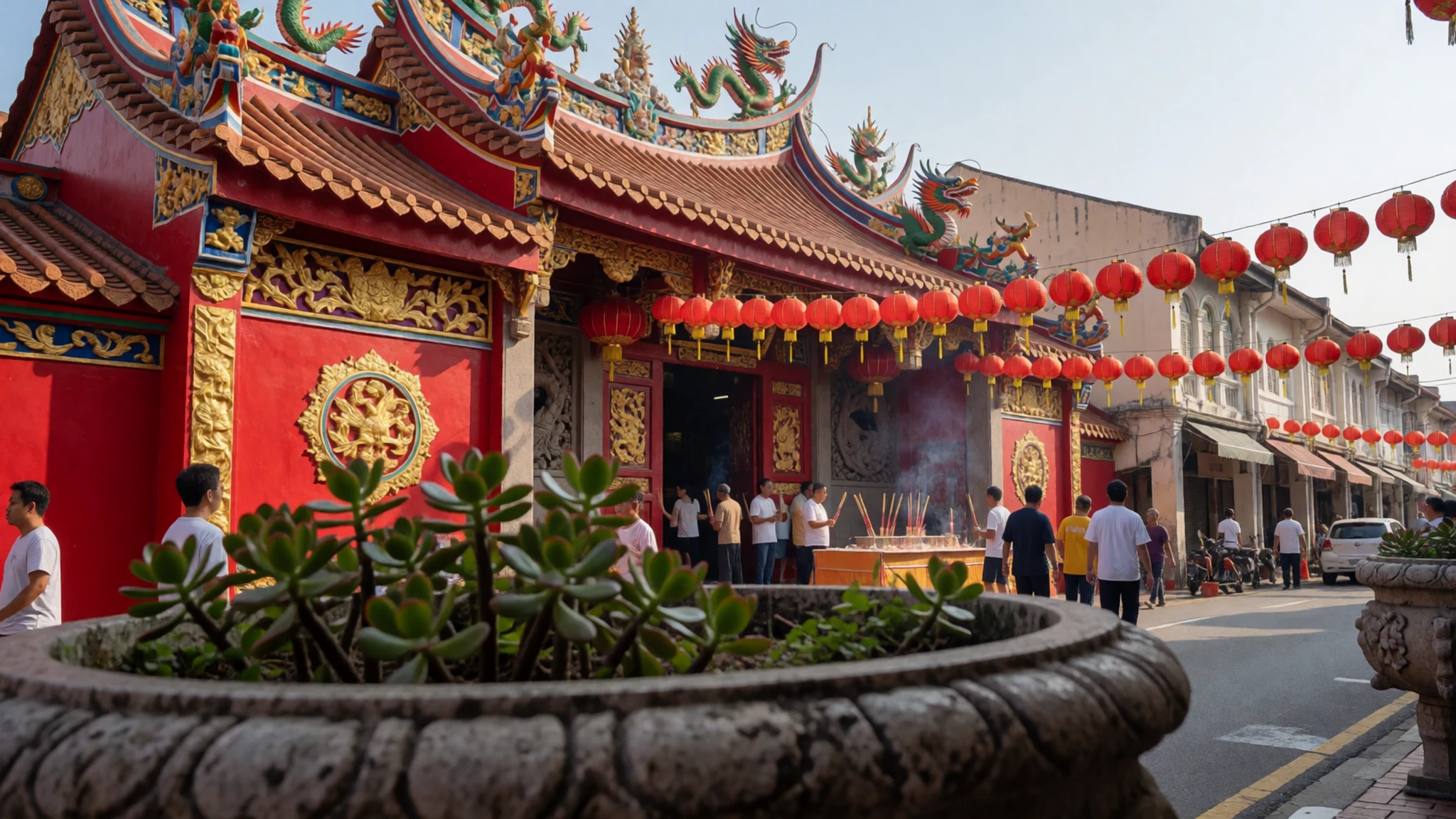
- Sarawak Museum — Museum grounds
Established in the late nineteenth century in a purpose-built colonial building, this institution is the oldest museum on the island of Borneo. Inside, visitors find extensive collections documenting the natural history, traditional arts, and indigenous material culture of the region. The grand architecture and informative exhibits offer a deep window into the diverse ethnic heritage that shapes daily life across Sarawak.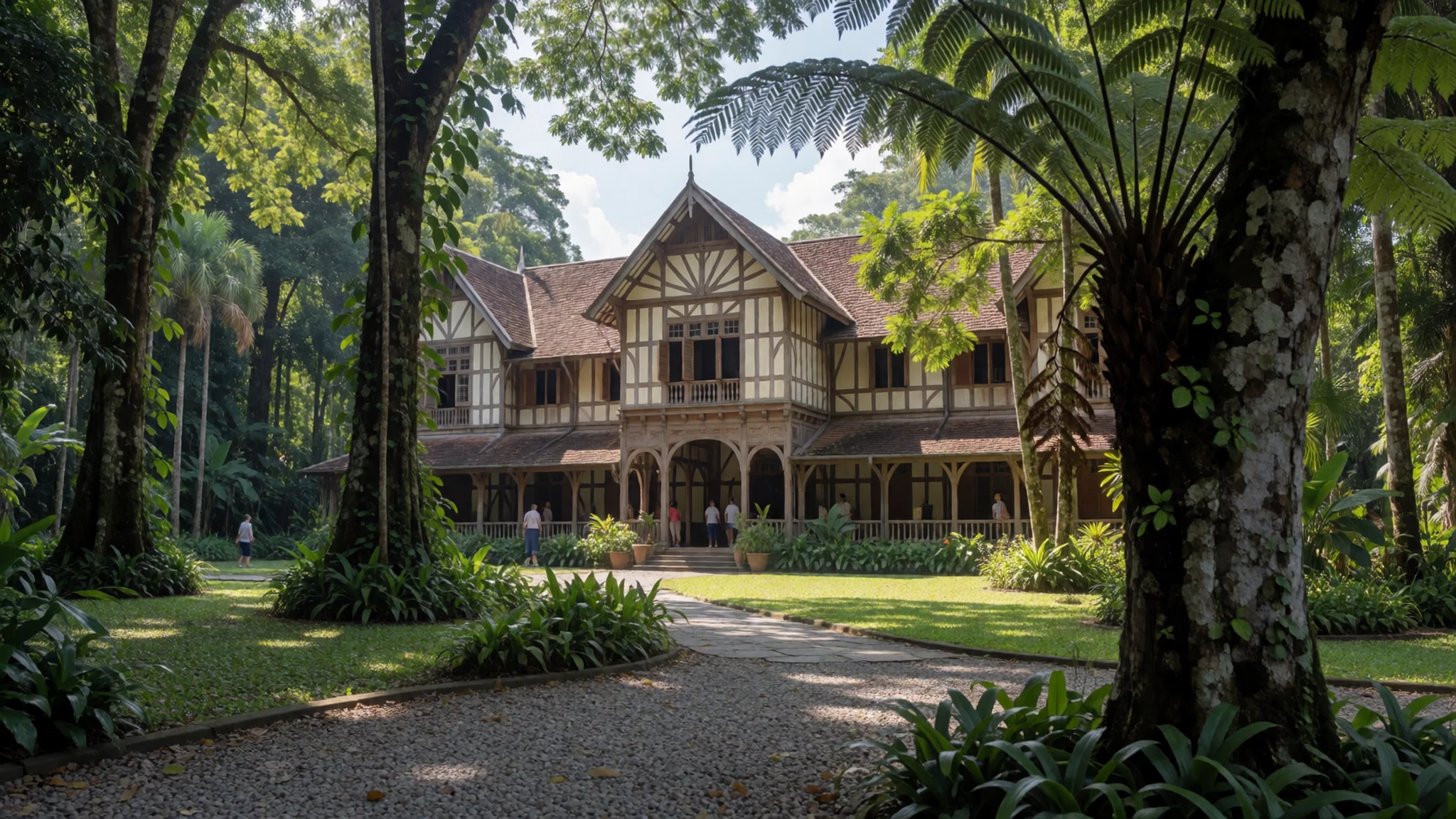
- Kampung Budaya Sarawak — Santubong peninsula
Sprawling across seventeen acres of lush green land at the foot of Mount Santubong, this expansive living museum provides an immersive introduction to local traditions. Visitors can walk through authentic replica dwellings representing the various ethnic groups of Sarawak, including longhouses and coastal huts. Cultural performances, traditional craft demonstrations, and musical displays take place daily within the grounds.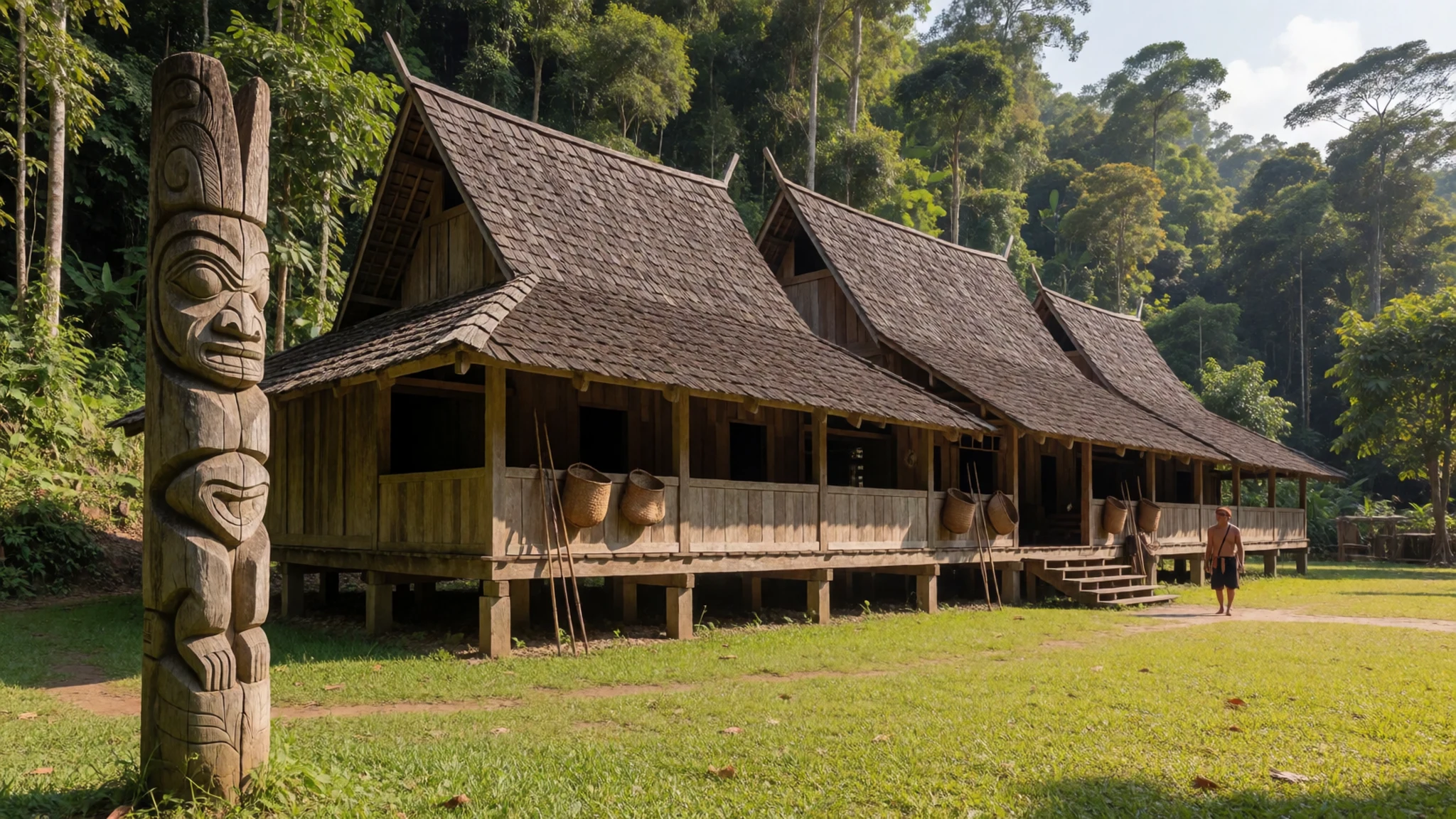
Culture
The cultural fabric of Kuching is woven from the traditions of many distinct ethnic communities living in close proximity. Malay, Chinese, Iban, Bidayuh, Melanau, and Orang Ulu populations each maintain their own customs, languages, and festivals, creating a society defined by mutual respect and shared celebrations during major holidays like Gawai Dayak and Chinese New Year. Traditional arts such as weaving, woodcarving, and beadwork remain active crafts passed down through generations in interior villages and urban workshops alike. Visitors will find that local residents are exceptionally welcoming, often eager to share recommendations for local dishes or recount stories of the river. When visiting places of worship, sacred sites, or traditional longhouses, visitors should always remove their footwear before stepping inside and dress modestly with shoulders and knees covered.
What to wear
Traditional fashion in Kuching and the wider Sarawak region reflects the rich heritage of its indigenous and immigrant populations. Indigenous communities traditionally wear woven textiles adorned with intricate geometric patterns and beadwork, such as the famous Pua Kumbu woven by the Iban people, traditionally reserved for important ceremonies and rituals. Chinese heritage is visible in traditional garments worn during festive occasions, while the local Malay community preserves traditional baju kurung styles crafted from fine local fabrics. Today, everyday urban wear in Kuching is casual and practical due to the warm and humid equatorial climate, consisting mostly of light cotton shirts, trousers, and comfortable footwear suitable for walking on humid streets or damp forest trails. When visiting religious sites, temples, or traditional longhouses, travellers should dress modestly by covering their shoulders and knees, and always slip off their shoes when entering indoor spaces or private homes.
What to eat
- Sarawak Laksa — Chong Choon Cafe and Choon Hui Cafe
A fragrant rice vermicelli noodle dish served in a rich, spiced prawn-and-belachan broth infused with tamarind, garlic, and coconut milk, topped with shredded chicken, prawns, and fresh coriander.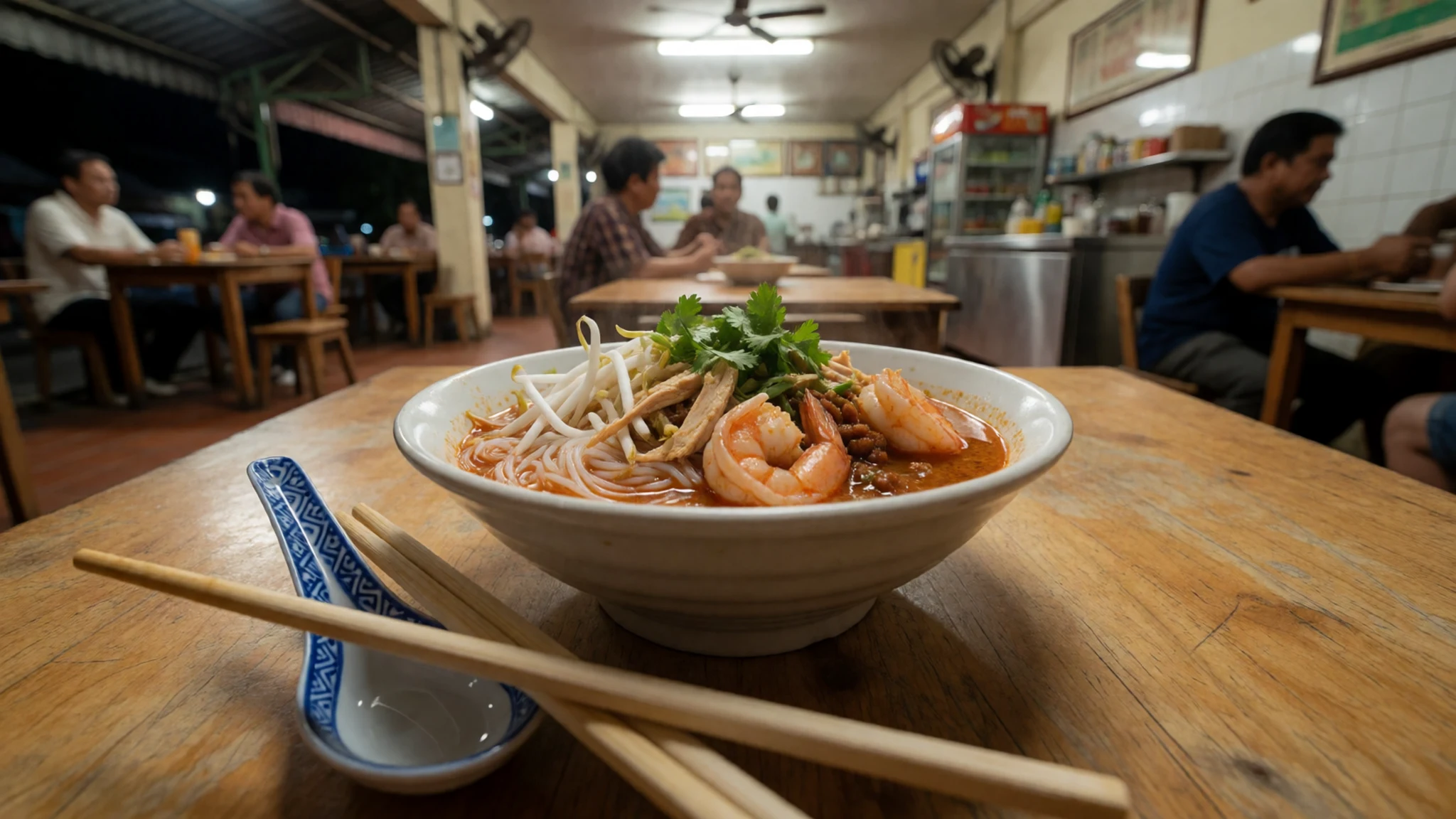
- Kolo Mee — Open Air Market and Lau Ya Keng Food Court
Springy egg noodles tossed in a savoury sauce of lard, shallot oil, and light soy sauce, finished with slices of seasoned minced pork and char siu.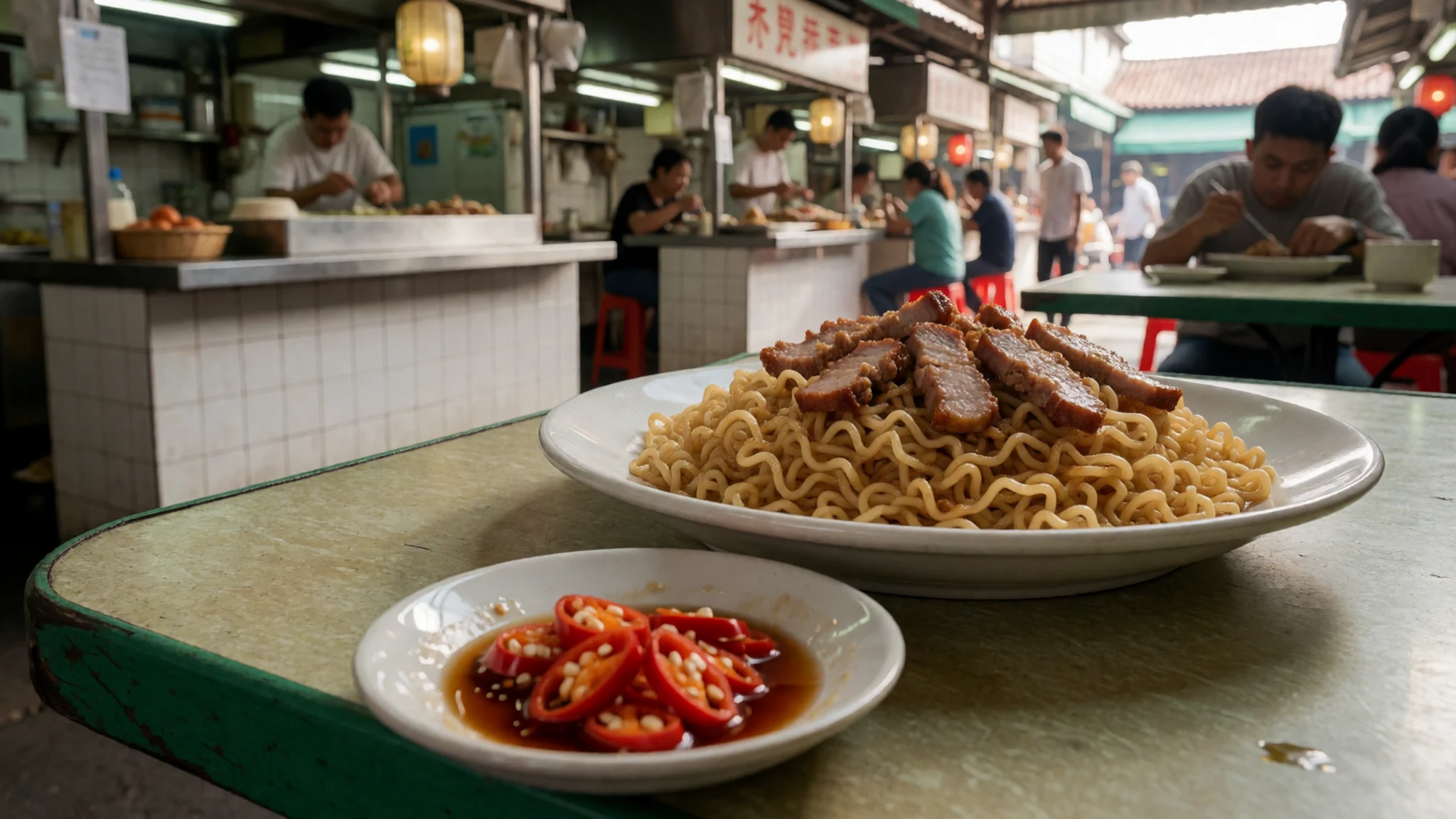
- Teh C Peng Special — Madam Tang's A Taste Of Sarawak
A layered local beverage featuring brewed black tea, evaporated milk, and a sweet, aromatic bottom layer of rich gula apong palm sugar syrup served over ice. - Pure Fish Mee — Pure Fish Ball Cafe
Comforting noodle soup featuring handmade fish balls and tender slices prepared from one hundred percent pure mackerel fish meat served in a clear, savoury broth. - Nasi Lemak Rendang — Madam Tang's A Taste Of Sarawak and local coffee shops
Fragrant rice cooked in rich coconut milk and pandan leaves, served alongside slow-cooked beef rendang, crispy anchovies, roasted peanuts, cucumber slices, and a spicy sambal.
Plan it
Best time. March through October offers the driest weather for exploring the city and surrounding rainforest trails, while November to February brings heavier monsoon rains.
How long. 2–3
Getting there. Fly into Kuching International Airport, which handles flights from Peninsular Malaysia and regional hubs, then take a taxi or rideshare into the city centre.
Budget. mid
Tips
- Start your morning walks early to beat the midday tropical heat and humidity
- Carry cash in local currency for small purchases at traditional coffee shops and open-air markets
- Drink bottled water and stay hydrated throughout the day
- Book rainforest excursions and longhouse visits through reputable local operators
Etiquette
- Always remove your shoes before entering temples, mosques, or traditional longhouse dwellings
- Dress modestly by covering your shoulders and knees when visiting religious sites
- Ask for permission before photographing local residents or interior craftspeople
Nearby
Sources
- Wikidata Q220445 (CC0)
- Wikipedia (rev 1379306293) (CC BY-SA 4.0)
- Wikivoyage (rev 5407677) (CC BY-SA 4.0)