Krasnoyarsk
Krasnoyarsk, Russia
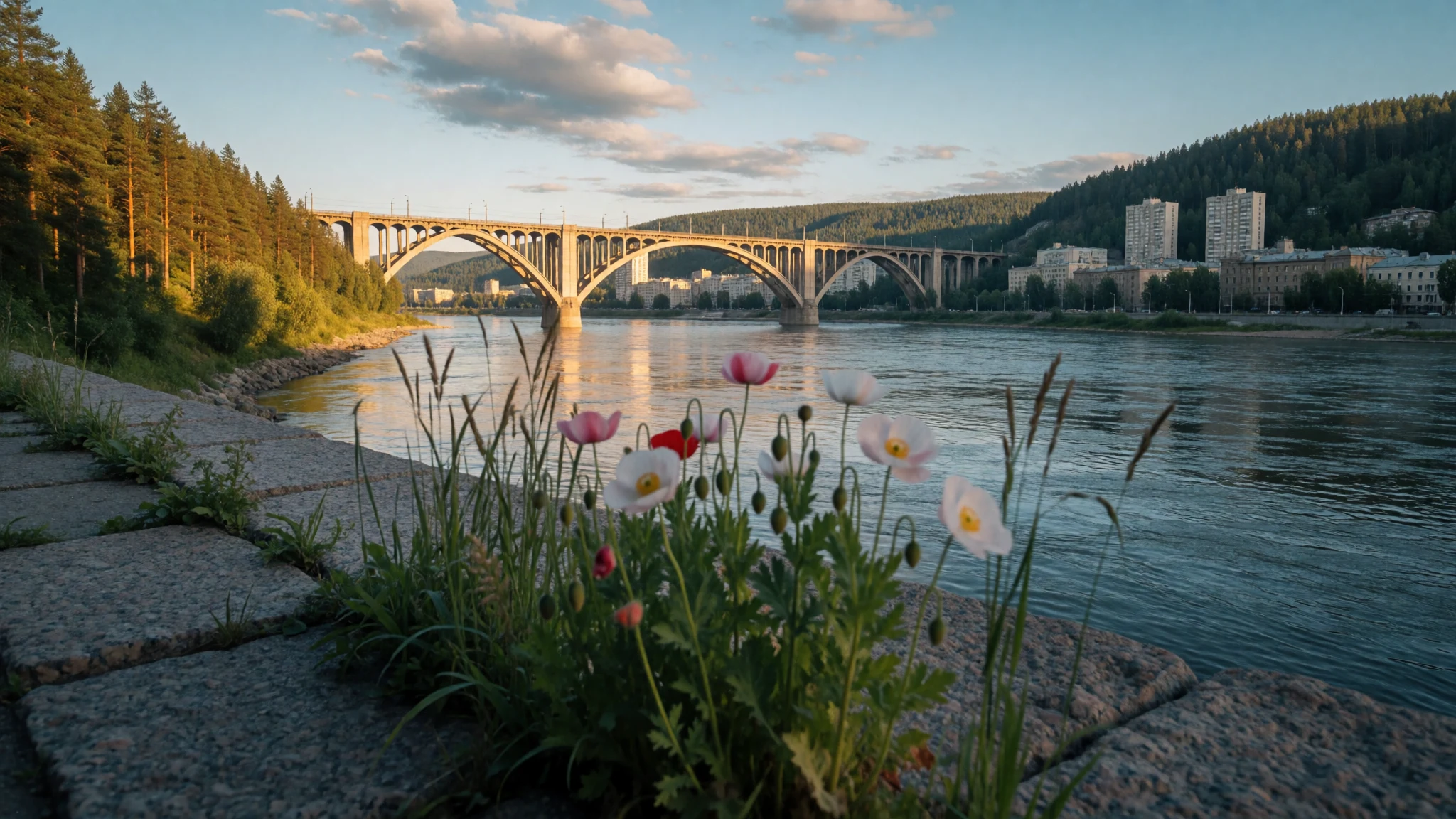
Krasnoyarsk offers a rare blend of grand Siberian river landscapes, rich frontier history, and vibrant culture along the Trans-Siberian Railway.
The place
Krasnoyarsk stands as the largest settlement and administrative core of Krasnoyarsk Krai, stretching along the banks of the sweeping Yenisey River. As the second-largest city in Siberia following Novosibirsk, it functions as a vital anchor point for the historic Trans-Siberian Railway and serves as a major manufacturing hub known especially for its aluminium production. Home to over one million residents, the urban area covers a broad expanse defined by water, towering bridges, and steep surrounding terrain. Author Anton Chekhov famously regarded Krasnoyarsk as the most attractive city across Siberia, praising its scenic setting where the river cuts through the dramatic regional topography. Just a short journey south of the urban centre lies the Stolby Nature Sanctuary, a protected forested zone celebrated for its monumental rock pillars and rugged walking trails. As an established educational powerhouse, the municipality hosts the expansive Siberian Federal University, infusing the streets with youthful energy, academic libraries, and numerous cultural institutions. Visitors arriving in the area will discover a distinct Siberian character that merges modern metropolitan living with immediate access to deep taiga wilderness, making it an essential stop for travellers traversing Russia's vast interior landscapes.
Its story
The roots of the settlement extend back to the late seventeenth century when it was established as a heavily fortified Russian border outpost. In the summer of sixteen twenty-eight, a detachment of service-class men led by Andrey Dubenskiy arrived at the confluence of the Kacha and Yenisei Rivers to construct wooden defences. These early fortifications were built to protect the frontier from attacks by indigenous groups inhabiting the river basin. Along with Kansk to the east, the stockade marked the southernmost limit of Russian expansion in the region during that era. In official dispatches sent to the Tsar, the Cossacks detailed how they had constructed sturdy log buildings and reinforced the perimeter with double bindings to ensure the safety of the garrison. Town status was officially granted toward the end of the seventeenth century, setting the stage for steady growth. The settlement experienced a dramatic economic and demographic shift during the first half of the eighteenth century with the arrival of the Siberian Route, which linked the local area to Achinsk, Kansk, and the wider Russian empire. In the mid-eighteenth century, a massive meteorite weighing several hundred kilograms was discovered further south and later transported through the town on its journey toward Saint Petersburg, adding to the scientific legacy of the region.
What to see
- Krasnoyarsk Dam
Positioned southwest of the city, this massive engineering structure stands over one hundred metres high and includes a powerful hydroelectric station alongside an aluminium smelting facility. The turbulent water rushing through the spillway creates an impressive artificial waterfall that draws visitors looking to witness heavy industrial scale set against a dramatic river valley backdrop.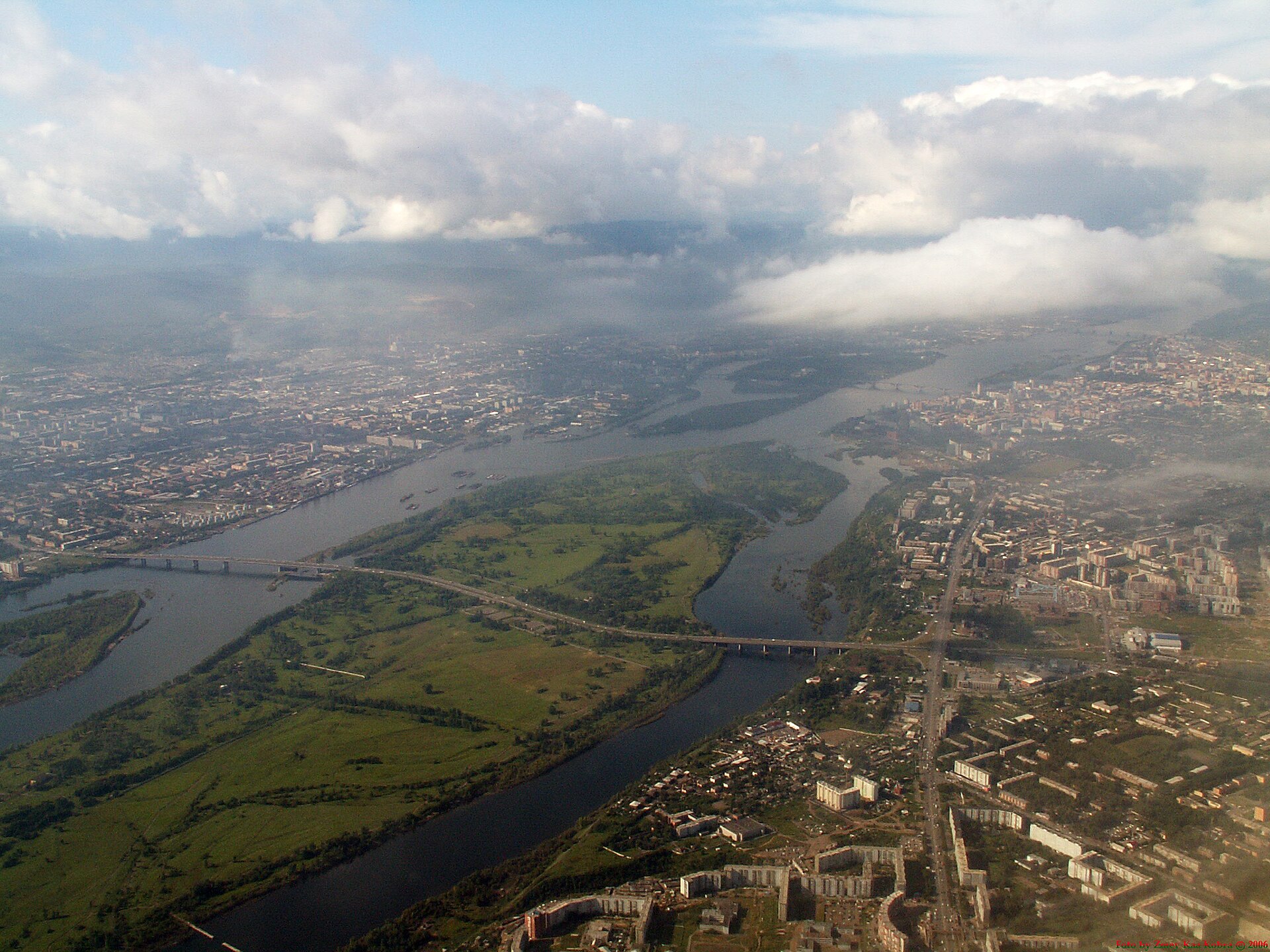
- Krasnoyarsk Regional Museum
Housed within a distinctive, restored building designed in an ancient Egyptian architectural style, this cultural institution preserves the deep history of the surrounding territory. Inside, visitors can explore extensive archaeological collections, historical exhibits detailing regional colonisation, and a well-stocked gift shop offering local handicrafts.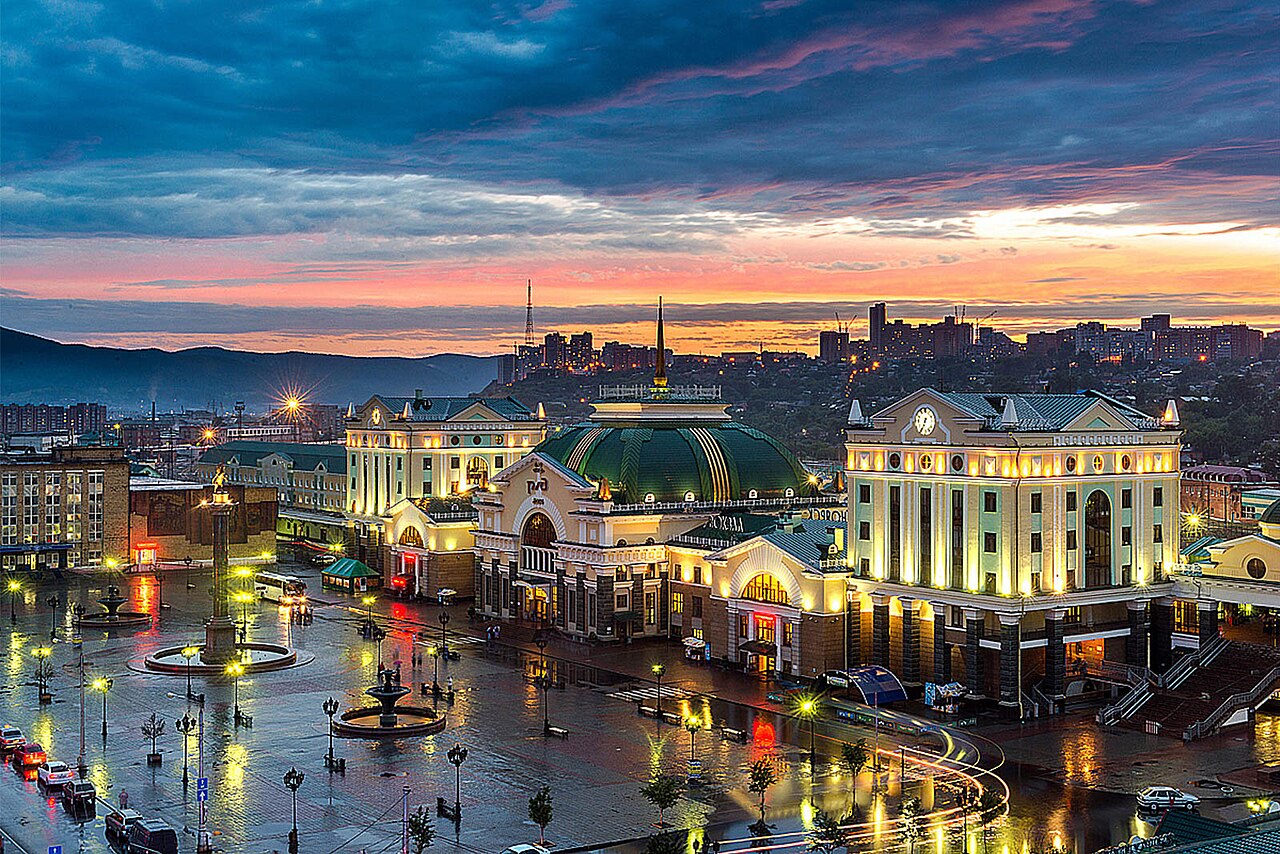
- Culture and Centre
Situated near the river confluence, this public venue serves as a dynamic hub for contemporary arts, independent film screenings, and avant-garde photography exhibitions. The centre regularly hosts open-to-the-public cultural events, late-night museum happenings, and modern art displays that highlight current creative movements across Siberia.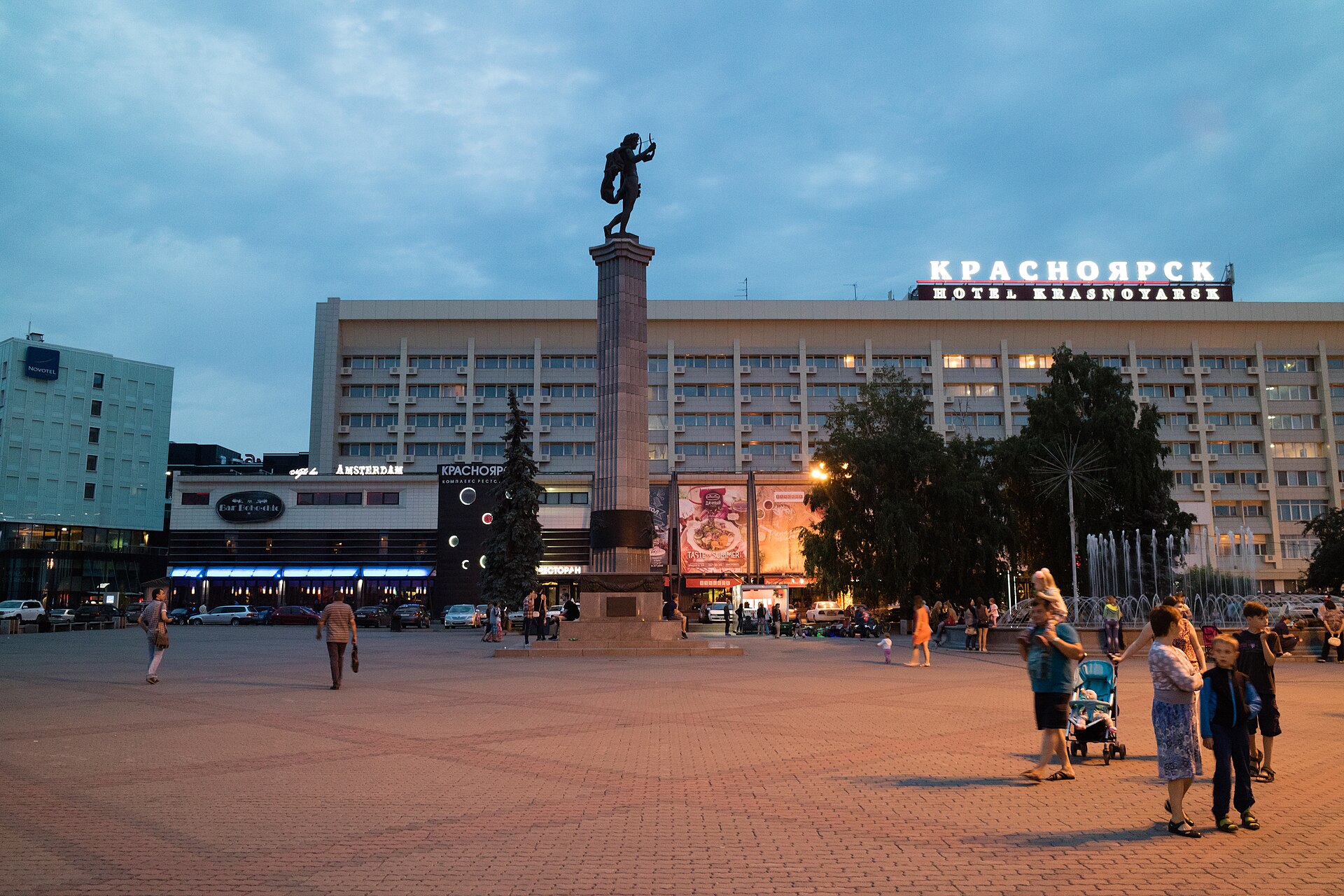
- Karaulnaya Gora
Rising prominently above the urban landscape, this historic hill is crowned by the iconic Paraskeva Pyatnitsa Chapel, a well-known landmark famously depicted on Russian currency notes. Climbing to the summit rewards visitors with panoramic views across the river and the sprawling cityscape below, especially during late afternoon hours.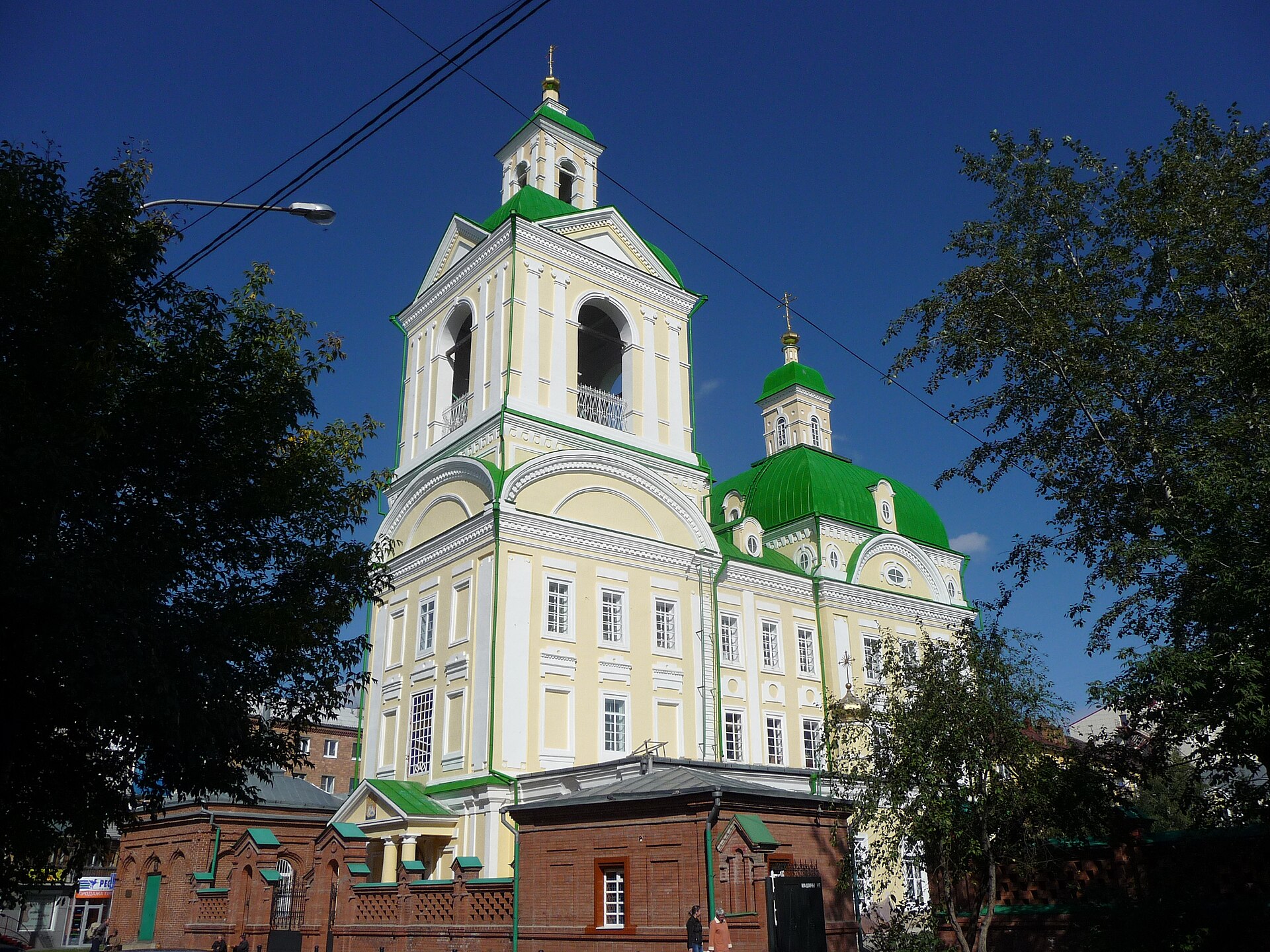
- Andrey Dubensky Monument
Dedicated to the seventeenth-century Cossack leader who established the original fortified outpost on the orders of the Tsar, this bronze monument marks a significant historical focal point. Overlooking the riverbanks near the city centre, it commemorates the foundational era of Russian settlement in the valley.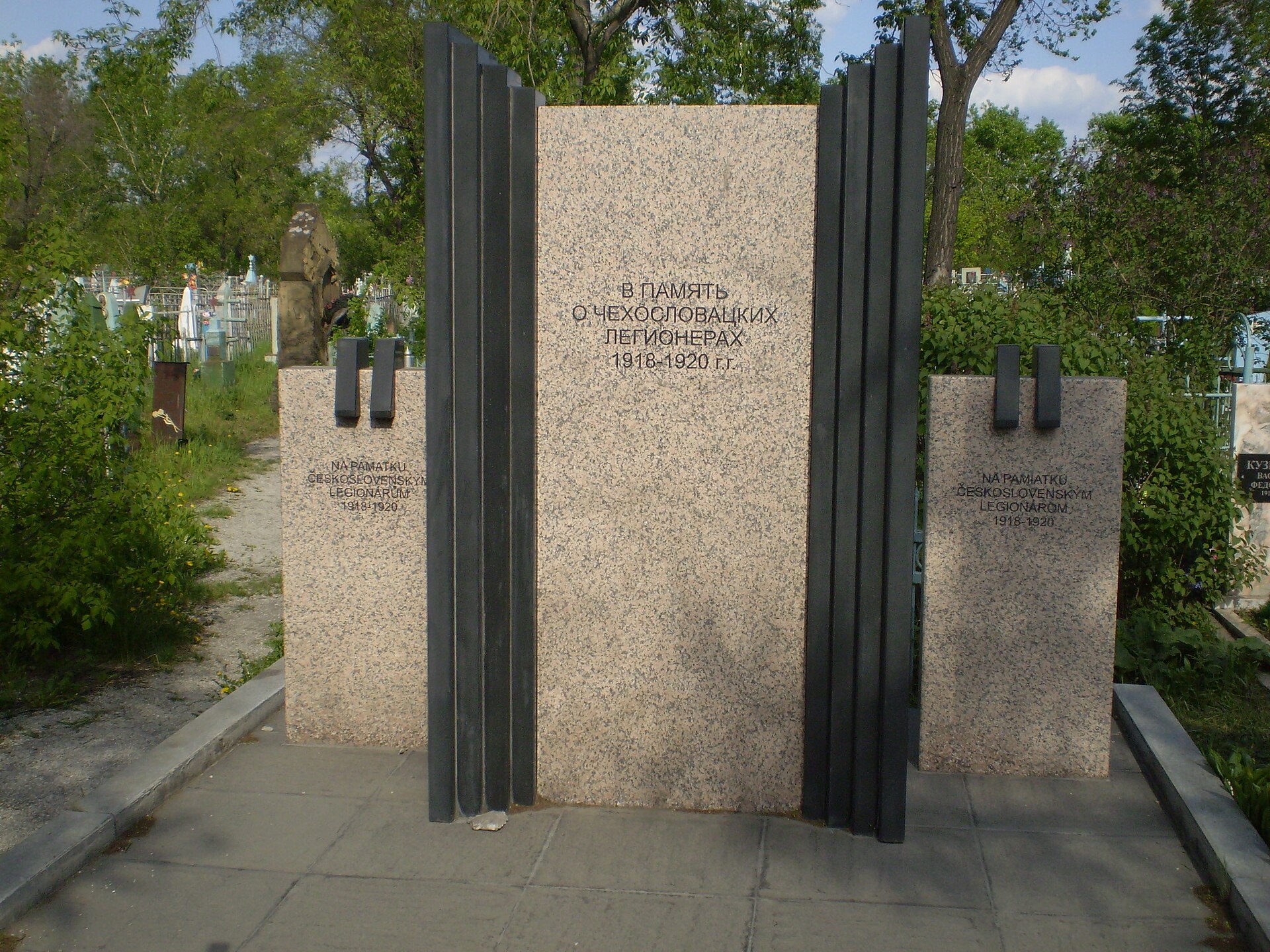
Culture
The cultural calendar of Krasnoyarsk is marked by a series of annual events that bring residents together across all seasons. The largest civic celebration takes place in June during the Day of the City, featuring colourful street processions, open-air concerts, and a lively carnival atmosphere along the main thoroughfares. Summer also brings the outdoor Mana Festival on the banks of the nearby Mana River, where traditional bard music contests draw crowds of campers and guitar players for weekend gatherings. Art enthusiasts gather for the International Museum Biennale and the avant-garde Museum Night festival held in May, while music lovers enjoy the Jazz on Yenisey concert series. Outdoor traditions run deep, notably celebrated during Stolbist Day events that honour the unique local culture of rock climbing and hiking in the nearby nature reserve. Modern telecommunications and digital infrastructure are exceptionally well-developed across the urban districts, connecting local communities and creative spaces. When attending indoor cultural venues or entering religious buildings, always remove hats and maintain a quiet, respectful demeanour.
What to wear
Traditional dress in the Krasnoyarsk region reflects its deep Siberian heritage and historical Cossack influences, historically featuring layered wool garments, embroidered linen shirts, and sturdy leather boots designed to withstand harsh northern winters. While such traditional attire is now largely preserved for folk festivals, historical reenactments, and museum displays, everyday fashion in the city mirrors contemporary European and Russian urban trends. Residents typically dress in practical, weather-adapted clothing, opting for stylish coats, functional denim, and durable footwear suitable for navigating both paved streets and unpaved park paths. Visitors should pack according to the season, prioritising warm thermal layers, windproof outerwear, and comfortable walking shoes if planning to explore the nature reserves or hills. When visiting local churches or religious chapels, women should carry a scarf to cover their head, and both men and women should ensure their shoulders and knees are covered as a sign of respect.
What to eat
- Syem Slona — Various locations throughout the city districts
A popular regional chain of canteen-style cafeterias offering hearty, straightforward Russian comfort food, including soups, cutlets, and grain dishes served quickly in a casual, budget-friendly environment popular with local workers and students. - Franky Woo Restaurant & Bar — High-rise commercial district near the centre
Perched on the fifteenth floor of a central office tower, this upscale venue features an aviation-inspired interior design alongside inventive European and fusion dishes paired with panoramic views over the evening skyline. - Shkvarok — Central neighbourhood streets
A characterful Ukrainian eatery serving traditional rustic comfort fare such as borscht, rich stews, and freshly baked pastries within a warm, folkloric dining room filled with wooden benches and heritage decorations. - Urartu Restaurant — Traditional neighbourhood dining quarters
A country-style dining establishment featuring sturdy wood tables, comfortable upholstered couches, and a welcoming atmosphere that specialises in hearty regional specialities and rare artisanal local cheeses. - Baran i Biser — Historic central dining district
A celebrated local favourite known for its fantastic atmosphere and exceptional Central European and Georgian cuisine, where chefs bake fragrant bread daily in a traditional wood-fired oven.
Plan it
Best time. June to August offers the warmest weather and vibrant outdoor festivals, while winter brings severe cold but snowy taiga landscapes.
How long. 3–4
Getting there. Arrive by plane at the local airport or take any long-distance train on the Trans-Siberian Railway directly to Krasnoyarsk station.
Budget. mid
Tips
- Check train timetables and ticket availability well in advance through official railway channels
- Wear sturdy hiking footwear if you plan to visit the Stolby Nature Sanctuary trails
- Carry a mix of cards and local cash for smaller shops, kiosks, and rural excursions
- Check official websites for museum opening hours before visiting cultural institutions
Etiquette
- Always cover your head with a scarf and wear modest clothing when entering Orthodox churches
- Remove outdoor footwear when visiting traditional Siberian homes or private accommodations
- Keep noise levels low when travelling on public transport or visiting quiet nature reserves
Nearby
Sources
- Wikidata Q919 (CC0)
- Wikipedia (rev 1384256539) (CC-BY-SA 4.0)
- Wikivoyage (rev 5407609) (CC-BY-SA 4.0)
- Photo 01-aerial-view-of-krasnoyarsk-1.jpg (CC BY 3.0)
- Photo 02-krasnoyarsk-rail-station.jpg (CC BY-SA 4.0)
- Photo 03-panoramio.jpg (CC BY 3.0)
- Photo 04-krasnoyarsk-theatre-square-russia.jpg (CC BY 4.0)
- Photo 05-church-of-the-annunciation-krasnoyarsk.jpg (CC BY-SA 4.0)
- Photo 06-krasnoyarsk-opera-theatre.jpg (CC BY-SA 4.0)
- Photo 07-.jpg (CC BY-SA 4.0)
- Photo 08-czech-legion-monument-in-kransoyarsk.jpg (Public domain)


