Konark Sun Temple
Konark Sun Temple, India
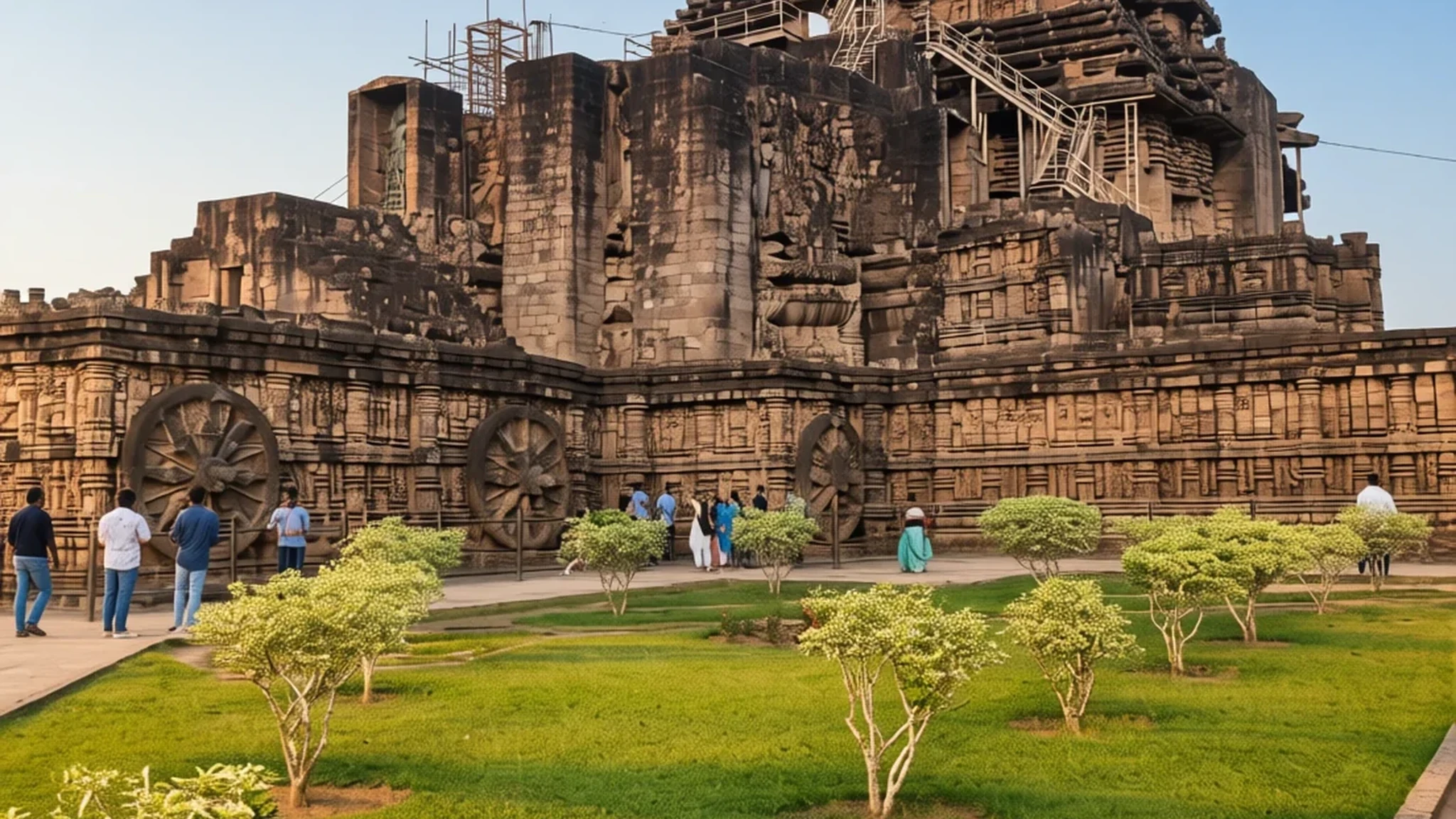
Visit Konark Sun Temple to witness a ruined 13th-century stone chariot dedicated to the Sun god, representing Kalingan architectural genius.
The place
Konark Sun Temple stands near the coastline of Odisha, India, positioned as a monumental tribute to the Hindu Sun-god Surya. Conceived as a colossal cosmic chariot, the complex was designed with twenty-four massive stone wheels pulled by seven carved horses, representing the passage of time and the journey of the deity across the heavens. Commissioned during the thirteenth century by the Eastern Ganga dynasty, the site reflects the absolute pinnacle of Kalingan architectural and sculptural excellence. What remains today is only a fraction of the original grand conception; the towering sanctuary spire once soared to a magnificent height before collapsing over the centuries. Visitors approach through surviving mandapa halls covered from base to roof with intricate carvings depicting celestial beings, royal processions, musicians, and elaborate geometric motifs. The hard metamorphic khondalite used for construction gave the monument its historical designation as the Black Pagoda among early European sailors who navigated past the dangerous coastline. The surrounding gardens and sandy tracts frame the ruins against the coastal breeze, isolating the monument from the modern town while preserving an atmosphere of ancient mystery and artistic mastery.
Its story
Konark has a long history extending far beyond its current monuments, appearing in ancient Indian texts under various names as an active trading port and sacred centre. Long before the present sanctuary was erected, earlier shrines dedicated to Surya existed in the region, drawing pilgrims from across the subcontinent. The existing temple was established under the direction of ruler Narasimhadeva I, whose administration meticulously recorded construction accounts on palm leaf manuscripts that survived in rural villages until modern rediscovery. These rare records detail the oversight of master builders and artisans who gathered stone from regional quarries to assemble the massive chariot platform. Over subsequent centuries, the region faced tumultuous political shifts, invasions, and coastal cyclones that contributed to the gradual collapse of the main sanctuary tower. Theories regarding the destruction of the central spire remain debated among historians, ranging from structural subsidence in the sandy soil to deliberate dismantling during regional conflicts. By the colonial era, the monument had vanished beneath encroaching sand dunes and dense jungle vegetation before British archaeological conservation efforts cleared the grounds in the nineteenth and twentieth centuries, unearthing the buried wheels, dancing halls, and fallen sculptures that now define the UNESCO world heritage site.
What to see
- The Sun God Sanctuary — Konark Sun Temple complex
The main sanctum area contains the primary green chlorite stone statue of Surya, carved in full priestly attire with tall boots. Although the towering roof structure above has long since collapsed into a heap of giant masonry blocks, the lower walls and platform retain exceptional carved panels showing the deity flanked by attendants and celestial guardians receiving the morning light.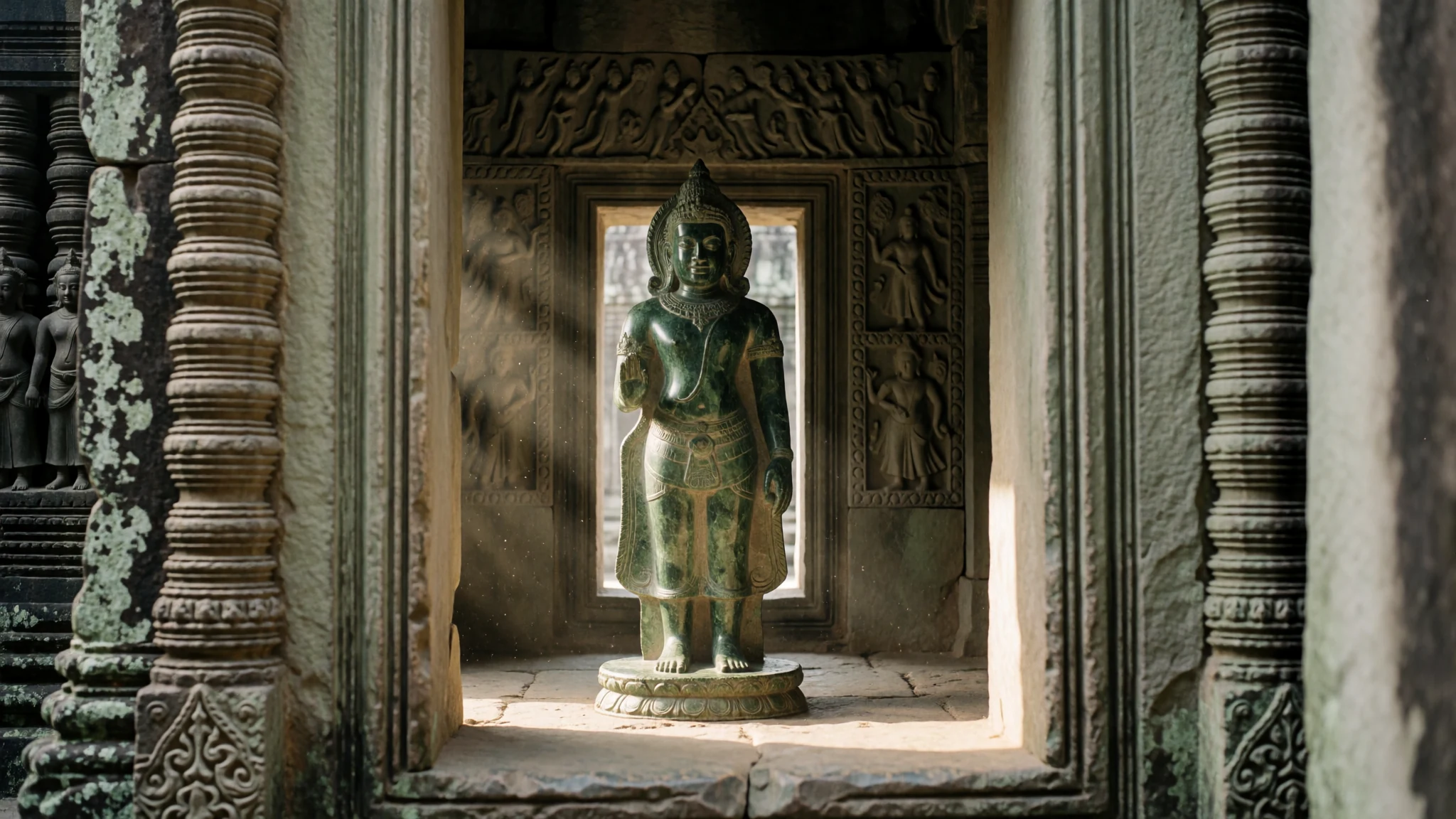
- The Chariot Wheels — Base of the temple plinth
Twelve pairs of monumental stone wheels are carved along the base of the temple platform, serving simultaneously as architectural supports and precise sundials. Each wheel features intricate medallions, floral motifs, and detailed spokes that measure time accurately when shadows fall across them, demonstrating the extraordinary astronomical knowledge of the medieval builders who planned every angle.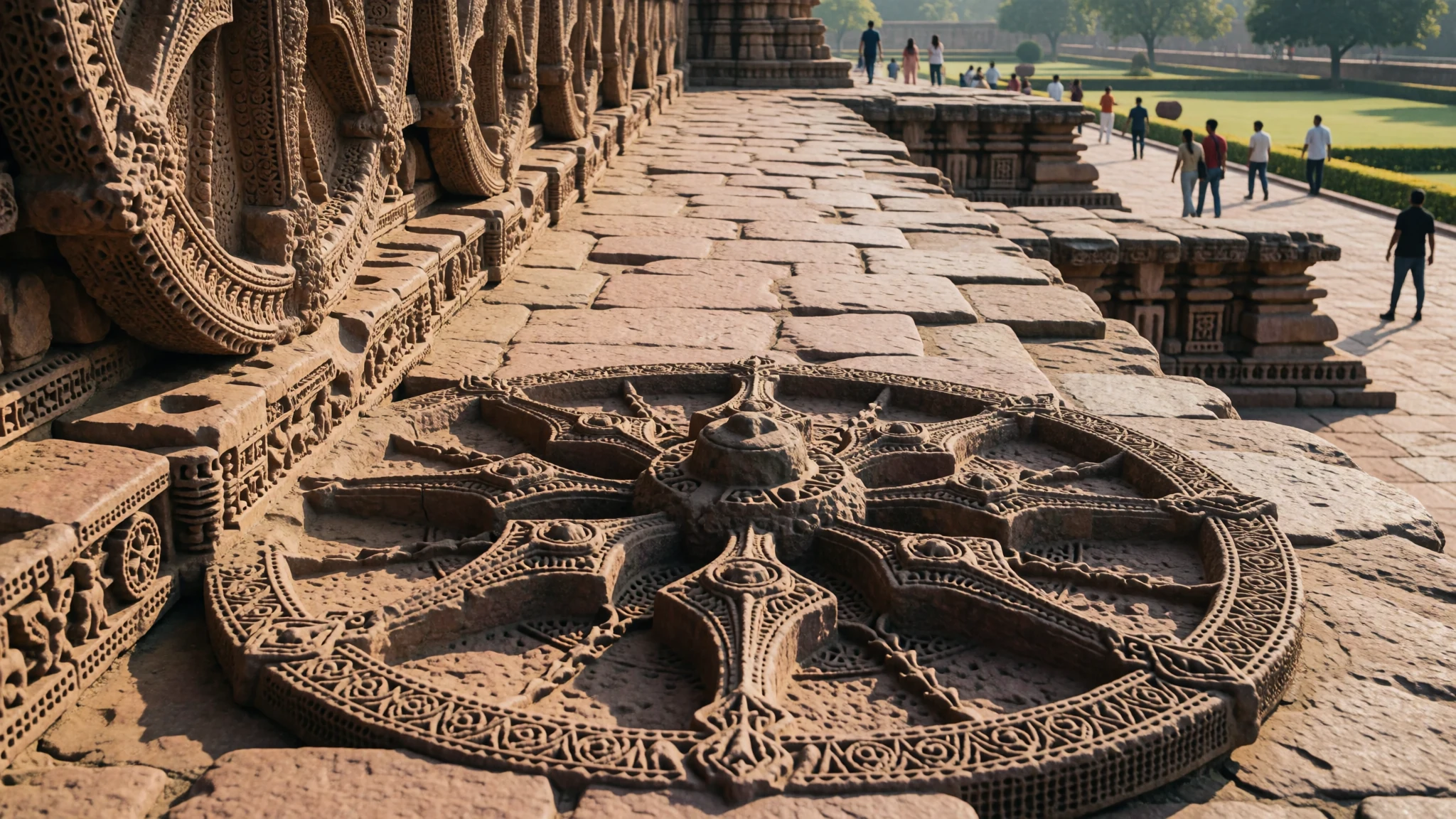
- Architectural Relief Panels — Exterior temple walls
The exterior walls are completely covered with thousands of relief sculptures depicting musicians, dancers, animals, and intricate daily life scenes of the era. Among these panels, various mithuna and kama sculptures display traditional Indian artistic expressions of love and union, framed by delicate floral creepers and mythical beasts carved with astonishing depth into the stubborn khondalite.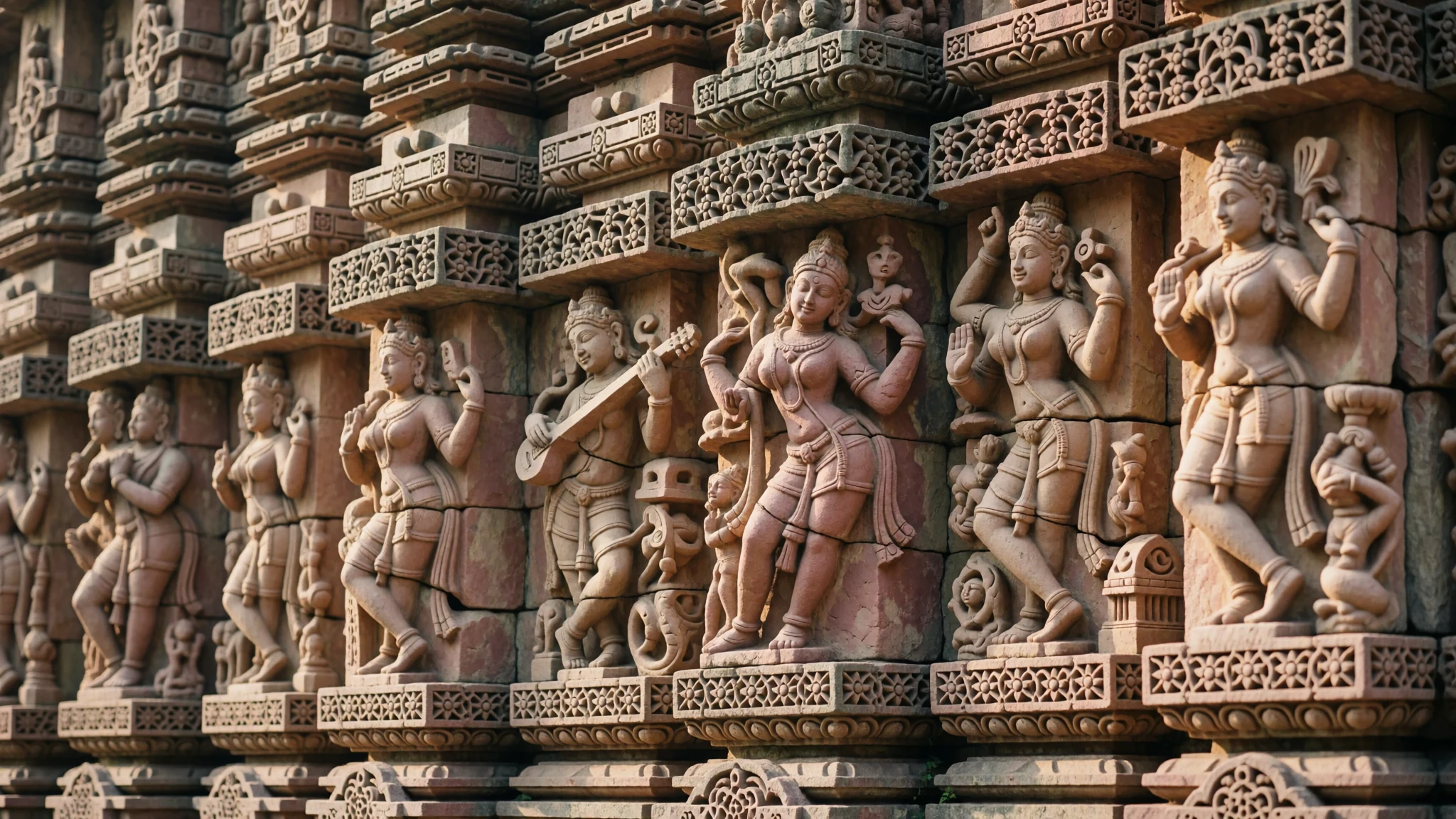
- The Dancing Hall Ruins — Eastern section of the complex
Standing slightly apart from the main sanctum, the ruined natamandira or dancing hall retains carved pillars where temple dancers once performed rituals dedicated to the sun. The platform is surrounded by friezes showing drummers, cymbal players, and acrobats frozen in rhythmic poses that echo the vibrant performing arts traditions cultivated across ancient Odisha.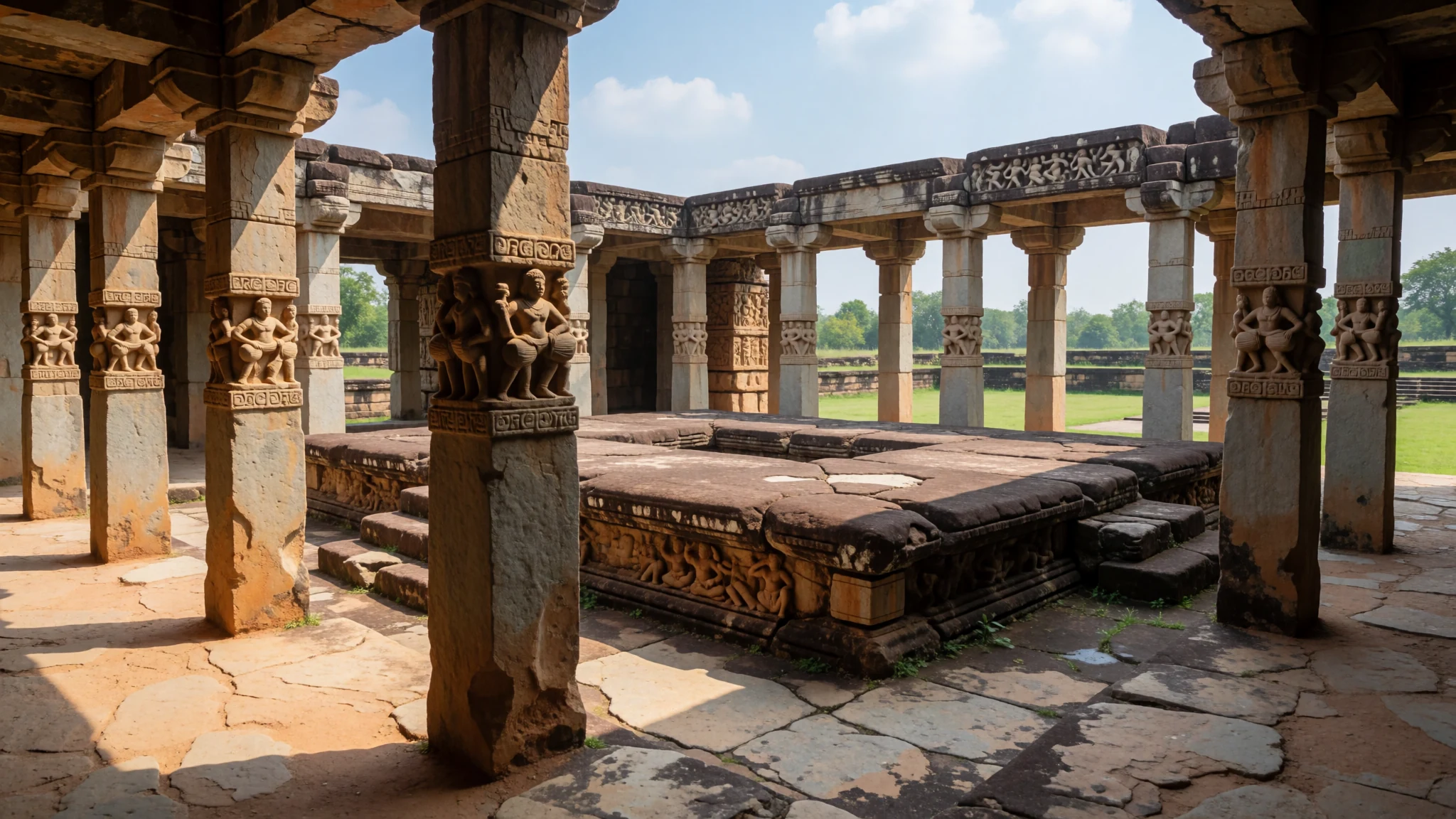
- The Archaeological Museum — Near the temple entrance
Located just outside the main monument gates, this museum houses loose sculptures, architectural fragments, and fallen bracket figures recovered during excavation and restoration works. The exhibits include smaller deity statues, frieze fragments, and historical photographs documenting the clearing of sand dunes from the temple complex during the early twentieth century.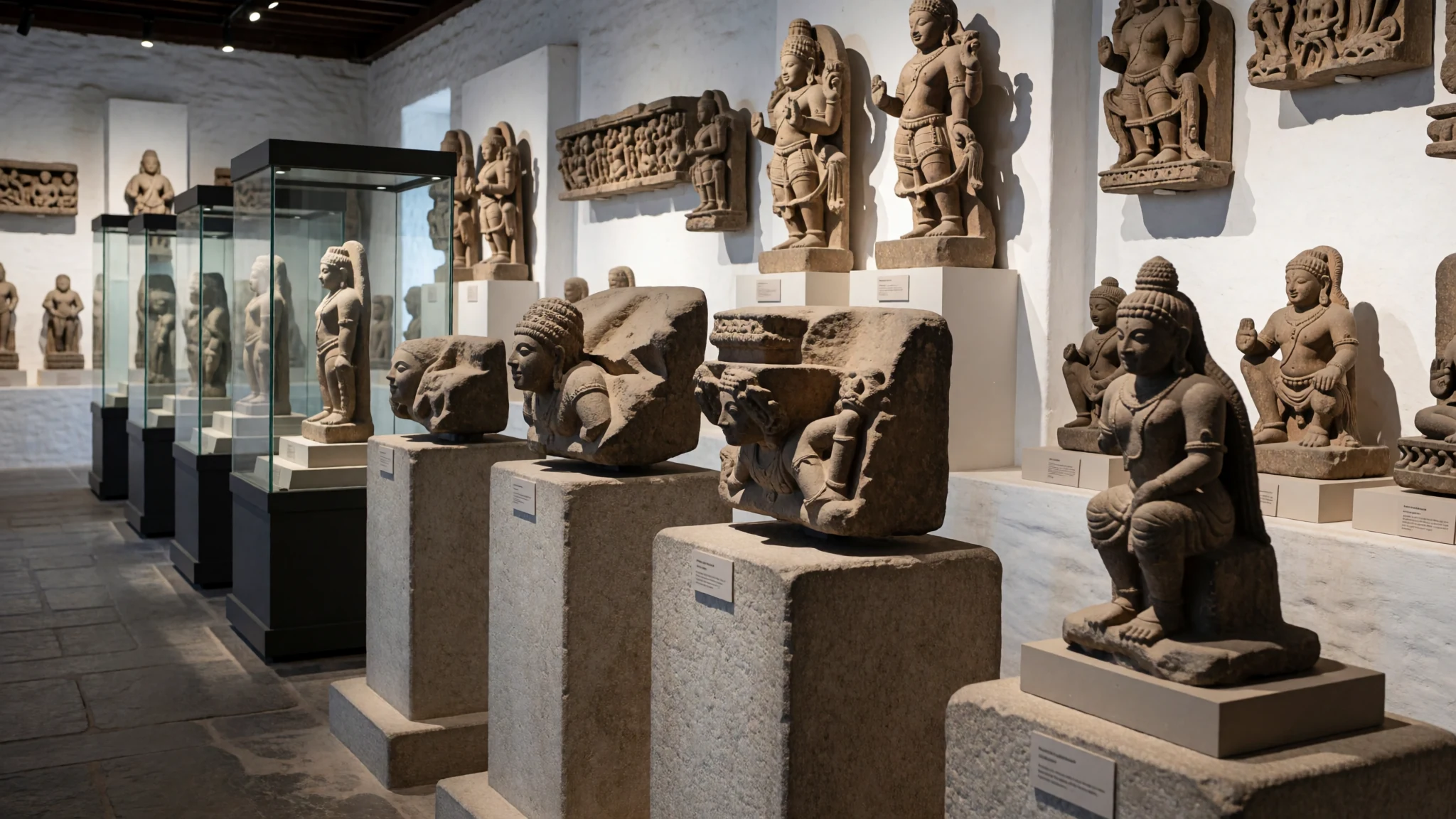
Culture
Konark Sun Temple reflects the rich spiritual and artistic heritage of Odisha, where classical dance forms like Odissi draw direct inspiration from the stone sculptures carved on the temple walls. Traditional festivals, particularly the annual Konark Dance Festival held against the illuminated backdrop of the ruins, bring together musicians and dancers from across India to celebrate classical arts under the winter stars. Local communities maintain deep connections to regional folklore, seasonal agricultural cycles, and coastal traditions that have endured for centuries. Visitors should dress modestly, covering shoulders and knees when exploring temple ruins and religious sites across the district.
What to wear
Traditional dress in Odisha highlights regional handloom textiles, notably Sambalpuri and Ikat sarees woven with intricate traditional motifs, temple borders, and vibrant vegetable dyes. Men commonly wear comfortable cotton dhotis or kurtas during festivals and formal gatherings, appreciating breathable fabrics suited to the humid coastal climate. In everyday contemporary life across Konark and nearby towns, younger generations and working residents generally wear casual western attire such as trousers and shirts, while traditional cotton kurtas and sarees remain popular for older adults, family visits, and religious ceremonies. Travellers visiting the region should pack lightweight, breathable cotton garments to stay comfortable in the tropical heat, along with a light scarf or wrap for sun protection and respectful modesty when visiting sacred grounds. Comfortable walking shoes or sandals that slip on and off easily are essential for exploring sandy temple courtyards and stone pathways.
What to eat
- Chhena Poda — Local sweet shops and roadside dhabas throughout Konark
A celebrated Odia dessert made from fresh cottage cheese kneaded with sugar, semolina, ghee, and dried fruits, then baked slowly until the exterior develops a rich caramelized crust.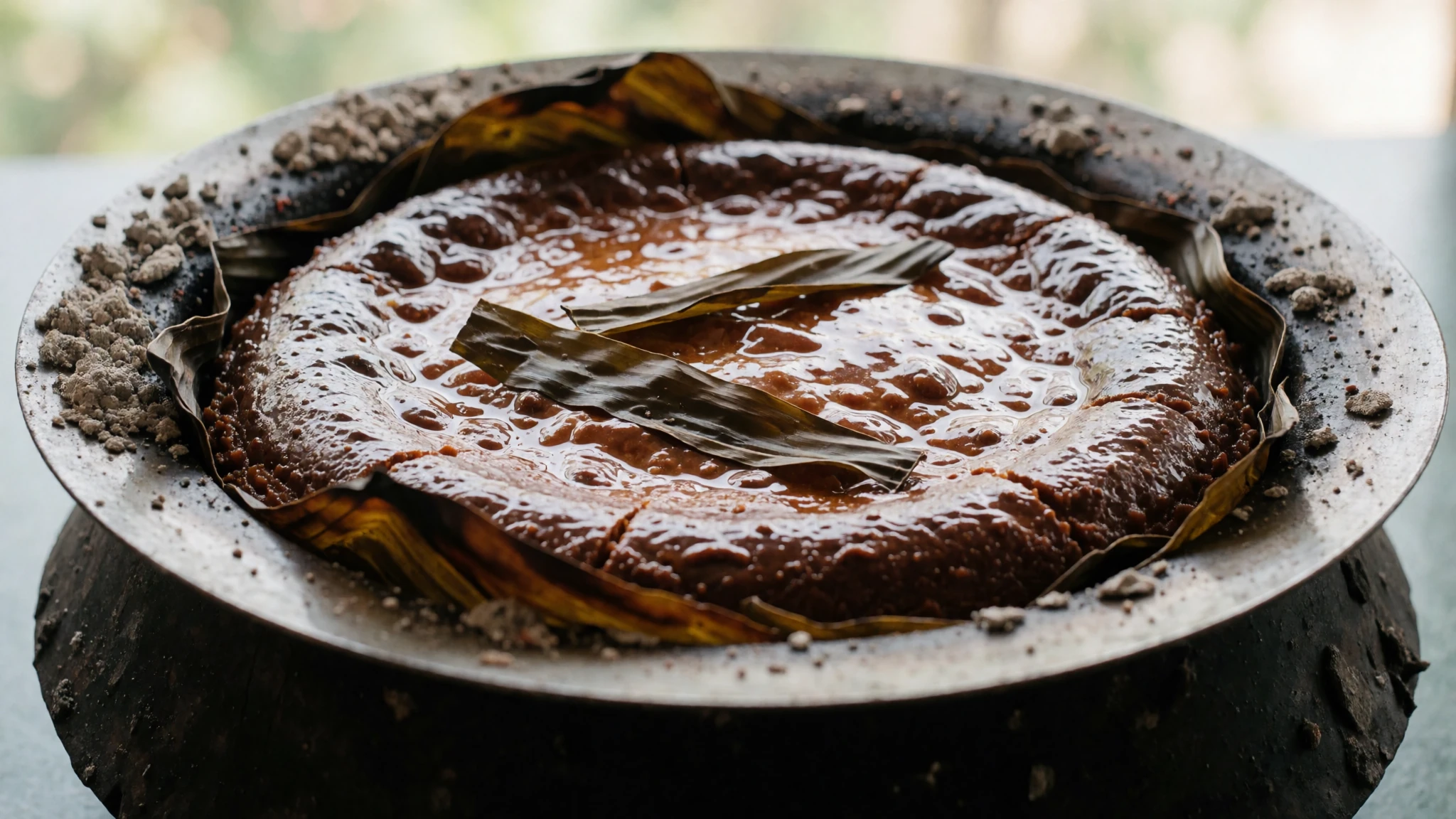
- Pakhala Bhata — Traditional eateries and local restaurants across Odisha
A traditional dish of fermented cooked rice soaked in water, typically served with fried fish, potatoes, greens, and badi crunches to counter the intense summer heat.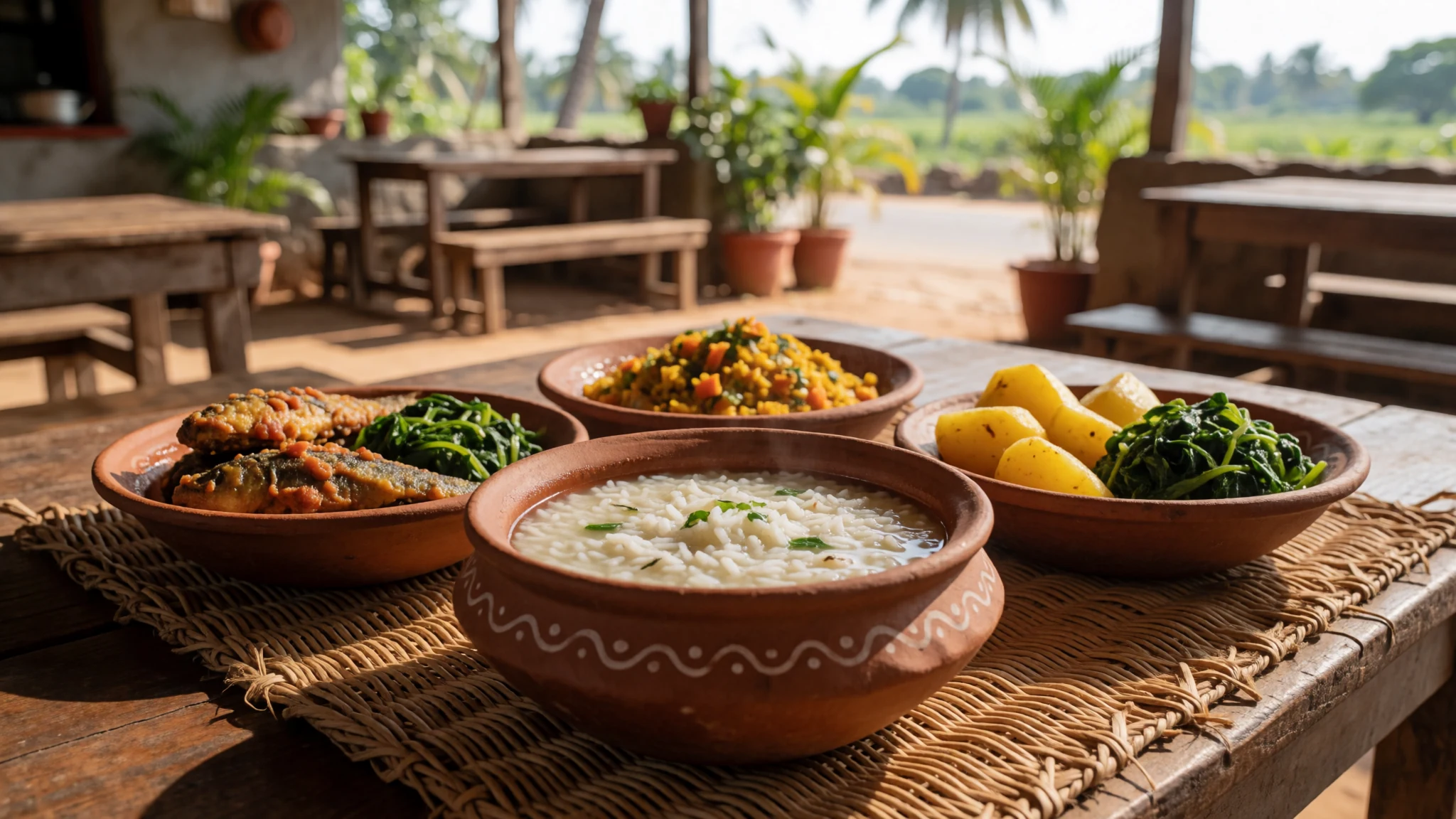
- Chhena Jhilli — Sweet stalls in regional markets and town bazaars
Sweet fried cheese dumplings steeped in light sugar syrup, offering a soft texture and delicate cardamom aroma popular as an afternoon snack.
- Odia Seafood Curry — Coastal seafood restaurants and dhabas near Puri and Konark
A fragrant local curry prepared with fresh tiger prawns, fish, or crab simmered in a mustard-based gravy flavoured with garlic, onions, and local spices. - Manda Pitha — Local sweet shops and festive food stalls
Steamed rice flour dumplings stuffed with sweetened coconut, jaggery, and black pepper, traditionally prepared during regional festivals and household celebrations.
Plan it
Best time. November through February offers the most comfortable weather with cooler coastal breezes, whereas April and May bring the peak heat with highs near 40°C, and July to September bring the heaviest monsoon rain.
How long. 1–2
Getting there. Fly into Bhubaneswar airport, then hire a taxi or take a bus for the remaining journey east toward the coast via Pipli.
Budget. mid
Tips
- Arrive early in the morning before tour groups and midday heat arrive
- Wear comfortable footwear that is easy to remove if entering minor shrines
- Carry bottled water and sunscreen for open walking areas
- Hire a licensed local guide near the entrance to understand the intricate iconography
Etiquette
- Dress modestly with shoulders and knees covered when visiting sacred sites
- Remove footwear before stepping onto consecrated stone platforms or active shrines
- Ask permission before photographing local residents or artisans
Nearby
Sources
- Wikidata Q752091 (CC0)
- Wikipedia (rev 1381305328) (CC-BY-SA 4.0)
- Wikivoyage (rev 5372357) (CC-BY-SA 4.0)
- Photo 01-konark-sun-temple-architecture9.jpg (CC BY-SA 4.0)
- Photo 02-konarka-temple.jpg (CC BY-SA 4.0)

