Kolkheti National Park
Kolkheti National Park, Georgia
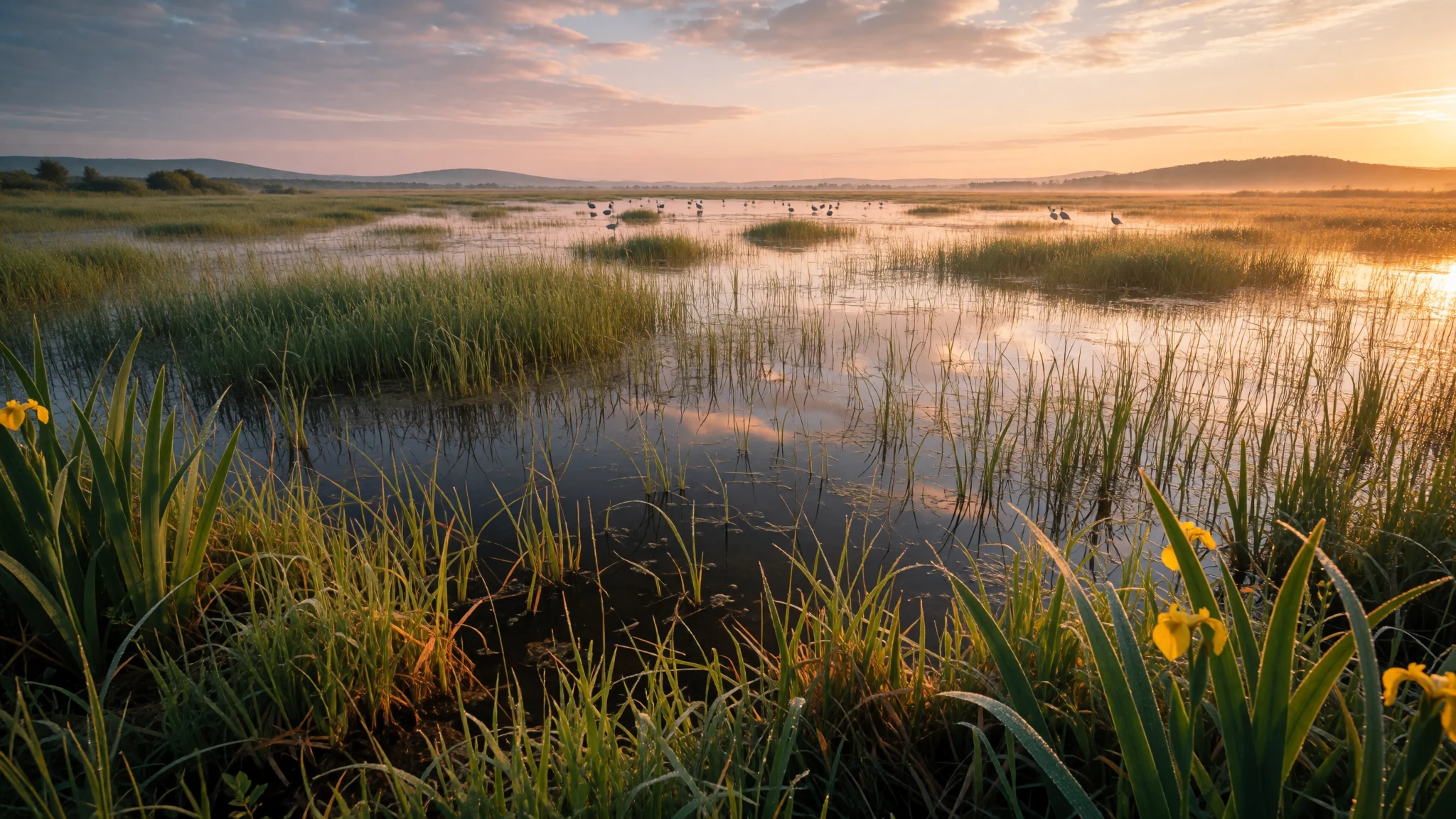
Kolkheti National Park is a warm, wet coastal wetland on Georgia's Black Sea plain, with lake water, reeds and Colchic forest.
The place
Kolkheti National Park occupies the wet coastal plain where western Georgia meets the Black Sea, on ground once called Colchis and now split between Samegrelo-Zemo Svaneti and Guria. Its mapped centre is near 42.11 north and 41.70 east, in the gap where the Tikori and the Supsa reach the sea, and the land runs through Zugdidi, Khobi, Lanchkhuti, Senaki and Abasha districts. Founded in 1998, it guards a low wetland country built around Lake Paliastomi, the marshes beside it, and forest that stands in ground which stays wet. Central Kolkheti's marshes carry Ramsar status, the international designation for wetlands.
Rain is heavy and falls in every part of the year, on the order of 1,500 to 1,600 millimetres, so there is no dry season to aim for. January is the coolest month, with lows near minus 7 degrees Celsius. August usually sits near 22 degrees, though it has touched 34. Strong coastal winds arrive in spells and roughen both the lake and the open shore.
Travel is often by boat. Craft go out on Lake Paliastomi and along the Pichori River, on short loops and on longer routes. Birdwatching, horse riding, walking and diving are offered alongside. Visitor access dates from 2007. The character of the place is the join of habitats: reed, open water, flooded wood and a Black Sea beach in one coastal sweep. Settlements such as Korkheli, in Zugdidi district, stand at the edge of that wet ground and show the plain as a home, not only as a boundary on a map.
Its story
Kolkheti National Park takes its name from Kolkheti, the Colchis of Greek myth and of Georgian tradition. Long before a park was drawn, this coast belonged to the old warm belt of forest that crossed Eurasia in the Tertiary, a wetter world than the seasonal woods that followed. From that lowland came the kingdom remembered as Kolkheti, or Colchis, which minted its own silver coins, the Kolkhuri Tetri. Greek writers treated Colchis as the far edge of the lands they knew. It is the shore Jason and the Argonauts sought for the Golden Fleece, and the home of Medea, daughter of King Aeetes. The same cycle of stories sets Prometheus in the mountains of this wider land, punished for giving fire to humanity, and it names others of the Colchian line: Idyia, Pasiphae, Circe, Chalciope and Absyrtus. Some accounts also tie the Amazons to Colchis.
Greek settlers from Miletus, drawn by the coast's wealth, opened harbours at Phasis, Gyenos and Sukhumi. Alexander's campaigns never took those ports in. When Persian power receded, much of the country was called Egrisi and was attached to the young kingdom of Iberia, or Kartli, while keeping a life of its own until Mithridates of Pontus took it over.
Related but distinct peoples lived along the Black Sea shore, among them the Lazi, the Heniochi, the Macrones, the Mossynoeci and the Soani. Roman forts later held the coast, with uneven success. Highland groups raided the lowlands that now lie inside the park boundary. The marshes and the forest outlasted those kingdoms. Founded in 1998, the national park is the modern boundary around what remains of that wet Colchian country.
What to see
- Lake Paliastomi — Central wetlands
Kolkheti National Park holds Lake Paliastomi in its central wetlands, a wide lake edged by reeds and used for boat outings. Marsh, wet woodland and a low coastal sky are all visible from the water. Wind off the Black Sea can rise without much warning, so the morning is the steadier time to go out. Landings and routes are arranged locally and should be checked on the day.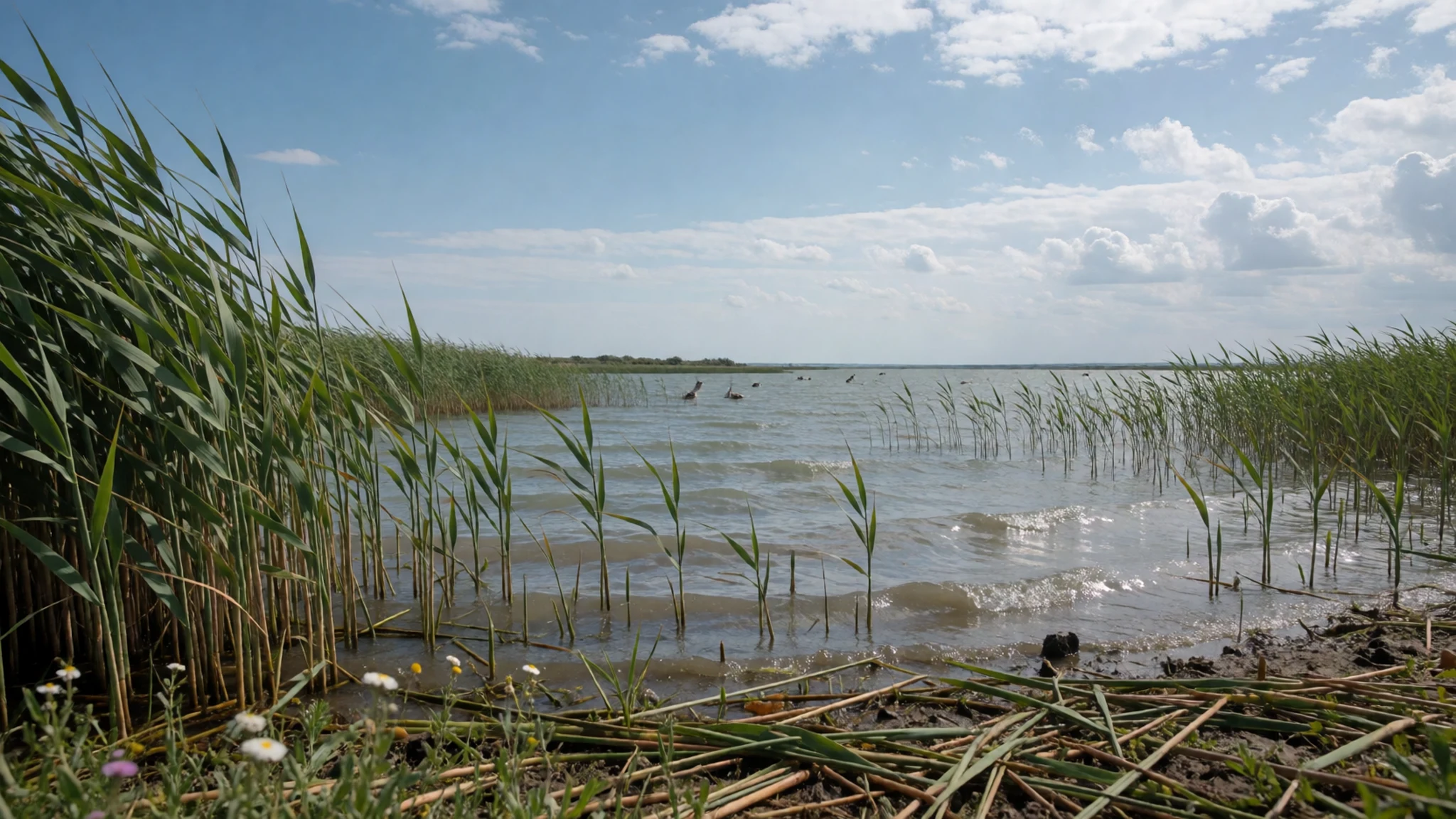
- Black Sea shore — Coast between the Tikori and the Supsa
Kolkheti National Park meets the Black Sea on the shore where the Tikori and the Supsa finish their run. The beach and the wetland sit against each other: open water on one side, lagoon and reed on the other. This stretch is a soft working coast, often windy, with a humid haze. The rivers soak into the plain rather than building a sharp mouth.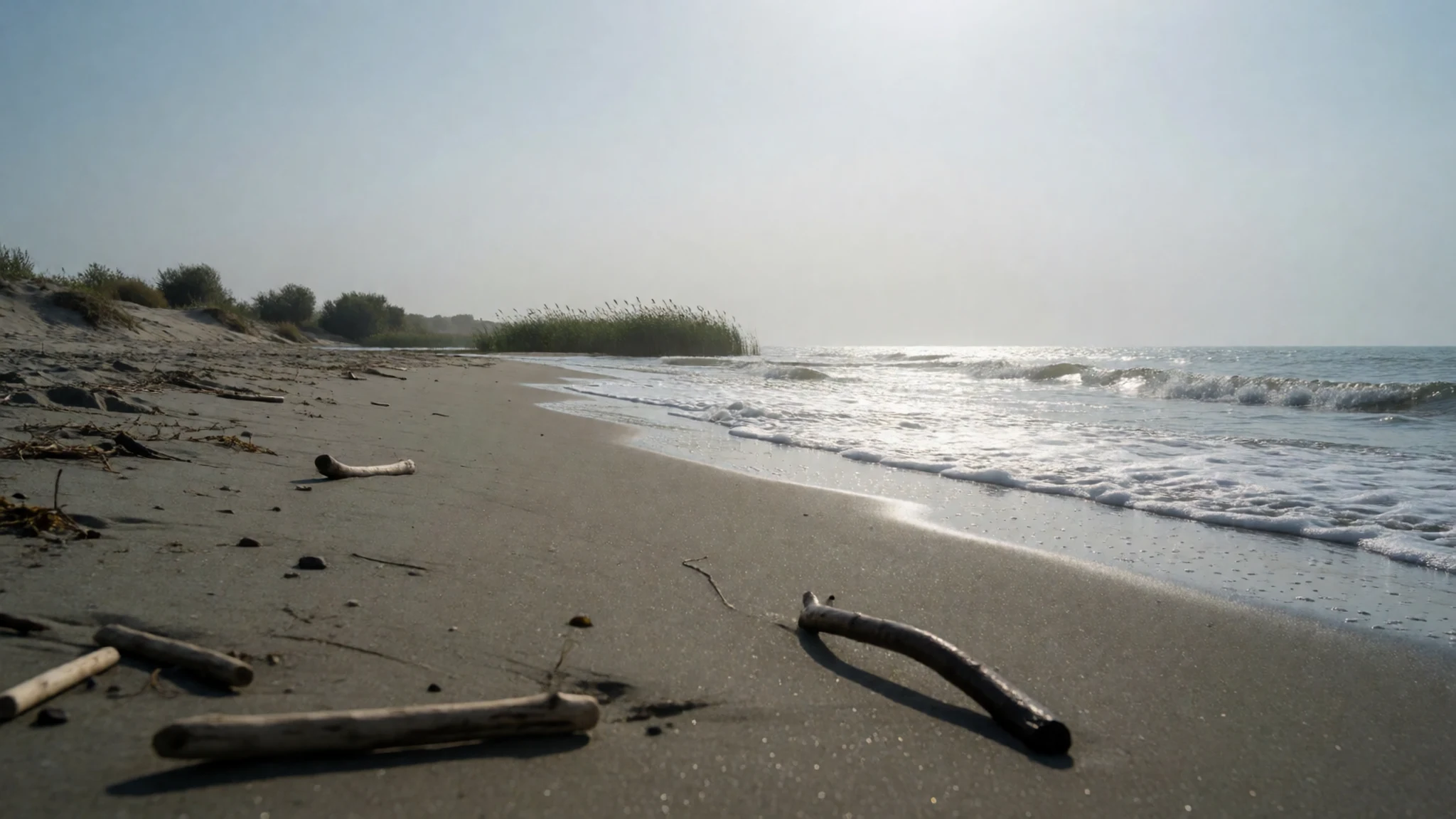
- Pichori River — Pichori River
Kolkheti National Park runs boat trails on the Pichori River as well as on the lake. The river is a narrower, greener corridor, with overhanging wet forest and channels that twist through reed. Outings vary from short loops to longer routes, and the slower pace suits birdwatching from the boat. A local boatman knows channels that are hard to read from the bank.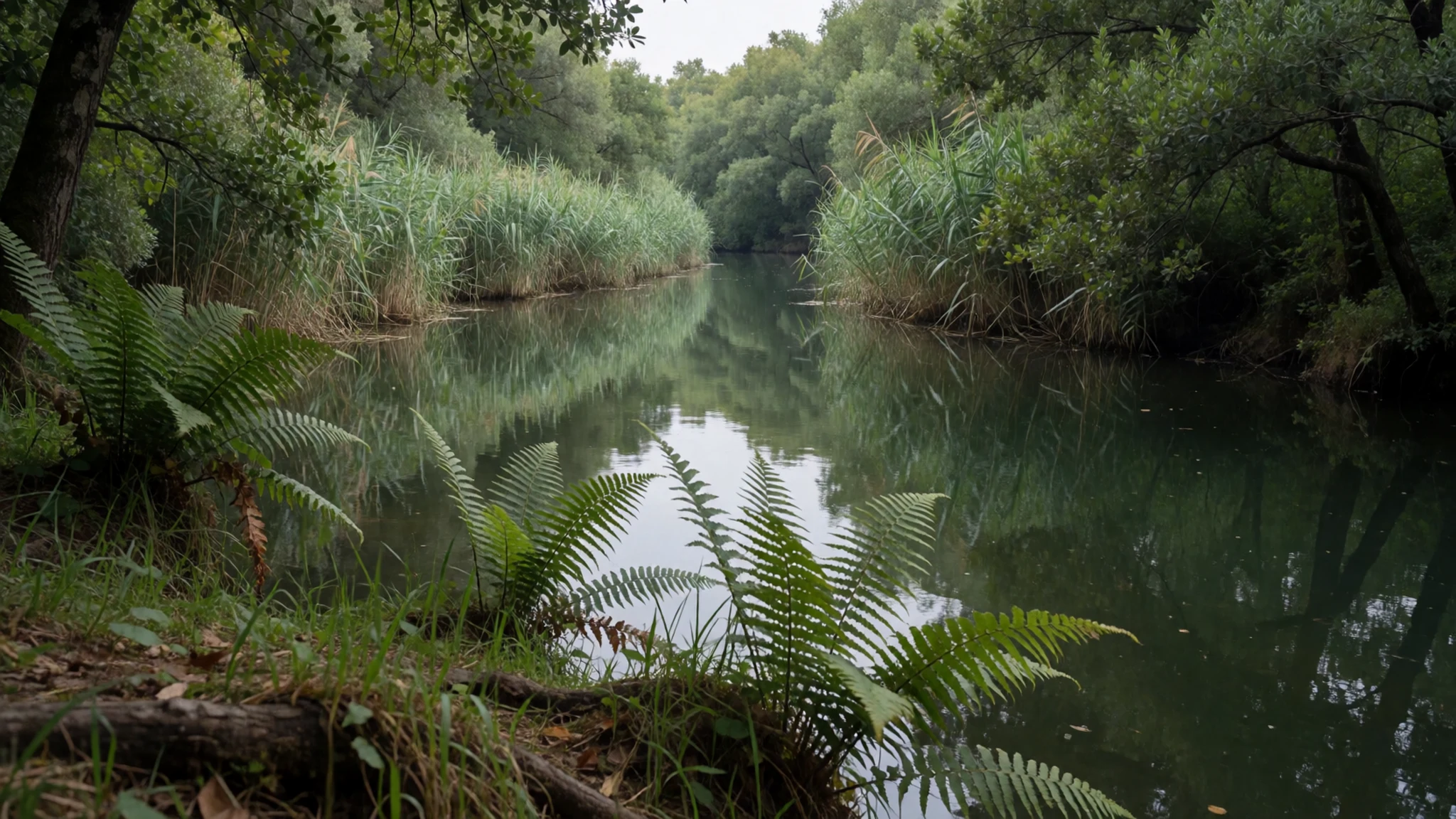
- Colchic wetland forest — Peat wetlands of the park
Kolkheti National Park protects low Colchic forest growing out of peat and standing water, a remnant of the warm, wet woods that once covered this coast. The trees stand in a humid understorey, with moss, standing pools and little solid ground. Paths, where they exist, can be slick, and rain comes in every season.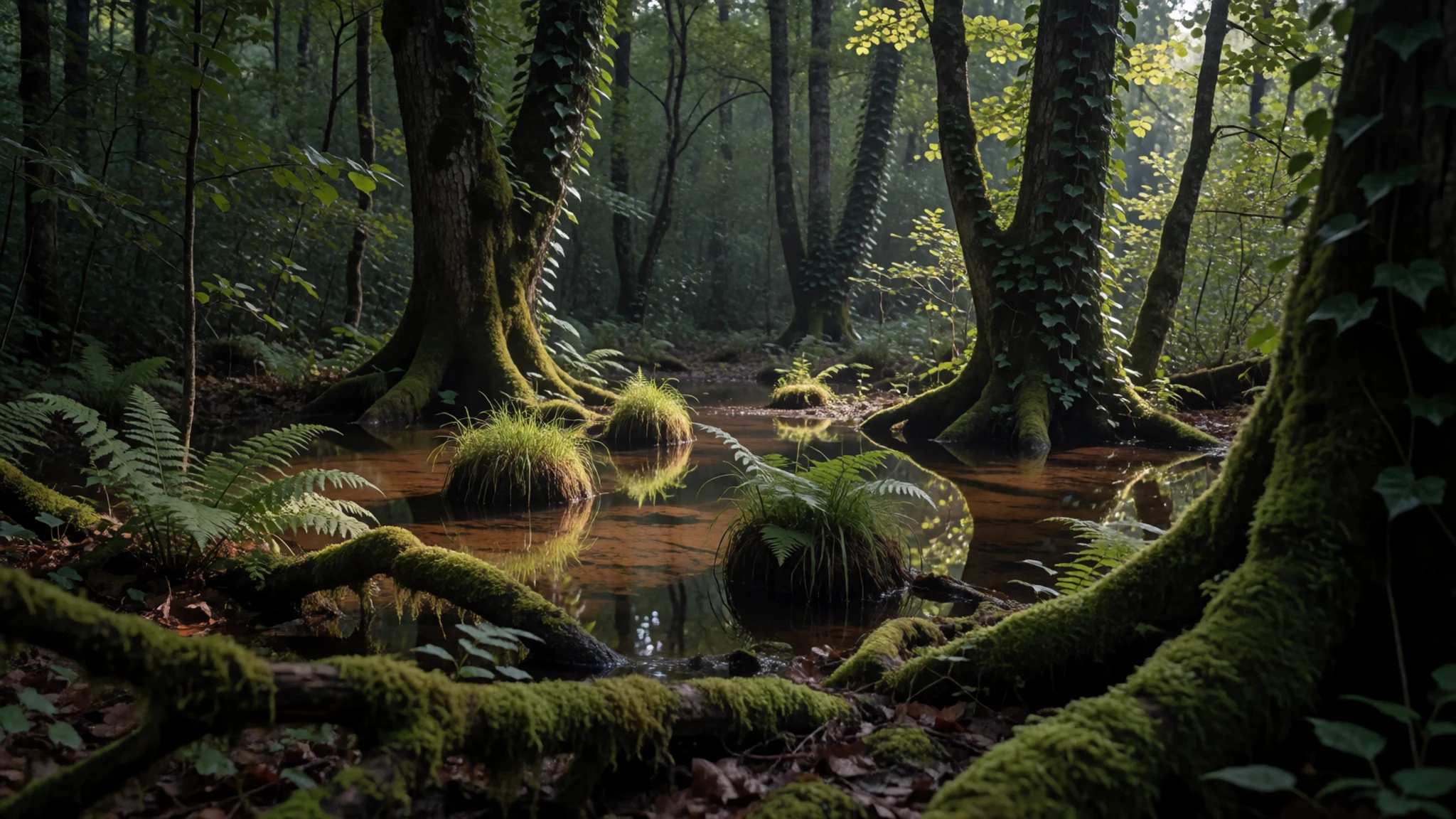
- Korkheli — Zugdidi district
Kolkheti National Park is bordered by lived-in country, and Korkheli, a village in Zugdidi district, shows that edge clearly. Houses, gardens and wet pasture sit close to the protected marsh. It is a rural Mingrelian settlement on the same plain, not a site laid out for visitors. Lanes and yards are private, and the fitting pace is a quiet pass through on the way to the water.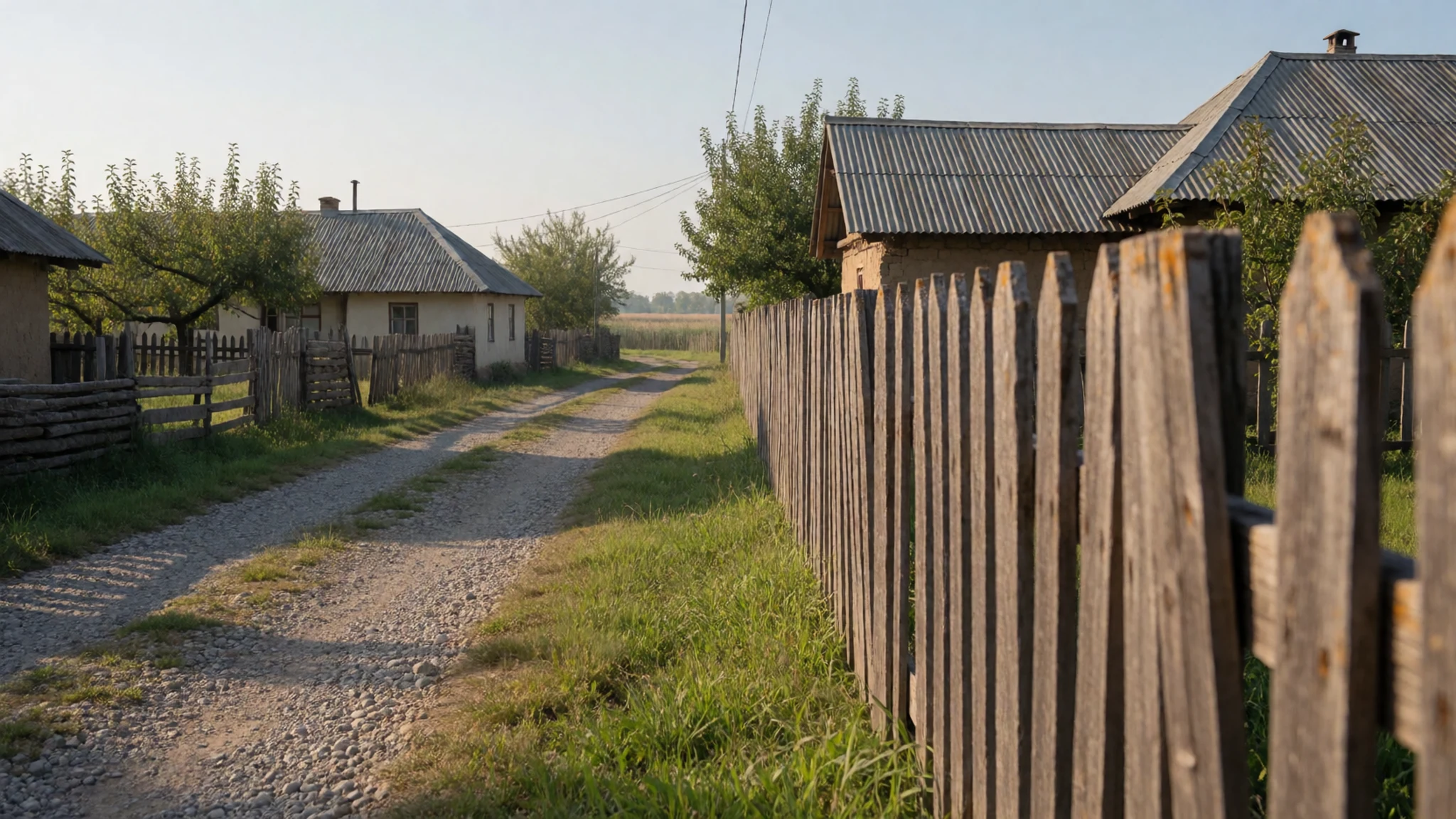
Culture
Kolkheti National Park stands in Mingrelian and Gurian country, where western Georgia keeps its own speech, songs and table habits inside a wider Georgian culture. Samegrelo is Mingrelian-speaking; Guria, on the Supsa side of the plain, is widely associated with close-harmony polyphonic singing. A guest is still received at the supra, a shared meal led by a toastmaster, with wine and a sequence of toasts. The Colchian past is local geography, not a distant legend: the park's name, the lake country and the tales of Medea and the Golden Fleece all sit on this coast. Fishing, boats and cattle on wet pasture shape village life, and feast days pull families back to settlements in Zugdidi, Khobi and Lanchkhuti. Small parish churches anchor those villages. Anyone stepping inside is expected to dress modestly and to speak quietly. Boatmen on Lake Paliastomi and the Pichori read the channels as farmers read fields, and going out with them keeps that knowledge in work. Ask before photographing people, and stay on the boat trail rather than pushing into reed beds where birds nest.
What to wear
Kolkheti National Park is rural western Georgia, and dress around it mixes ceremonial clothes with ordinary town wear. For festivals, choirs and family feasts, men may wear the chokha, a long wool coat with rows of cartridge pockets, belted at the waist, and sometimes a papakhi of sheepskin. Women may wear a long dress and a light or embroidered headscarf. Those garments are for ceremony, not for mud. In Zugdidi, Khobi and the coastal villages, everyday clothes are jeans, shirts, light jackets and trainers, with a waterproof added when rain starts. The weather decides what is actually useful. Rain falls in every season, the ground stays soft, summer can feel close and heavy, and January can turn cool. Sensible kit is a light waterproof jacket, trousers that take mud, and boots with a grip rather than sandals. On Lake Paliastomi or the Pichori, a hat and a layer against coastal wind matter more than smart cloth. Shoulders and knees should be covered in a village church. In the reed beds, dull colours are the practical choice.
What to eat
- Megruli khachapuri — Bakeries in Zugdidi and roadside bakeries toward Khobi
Around Kolkheti National Park, Megruli khachapuri is the local cheese bread: cheese inside the dough and more melted across the top. Bakeries in Zugdidi and roadside bakeries toward Khobi sell it warm, and it travels well on a boat day.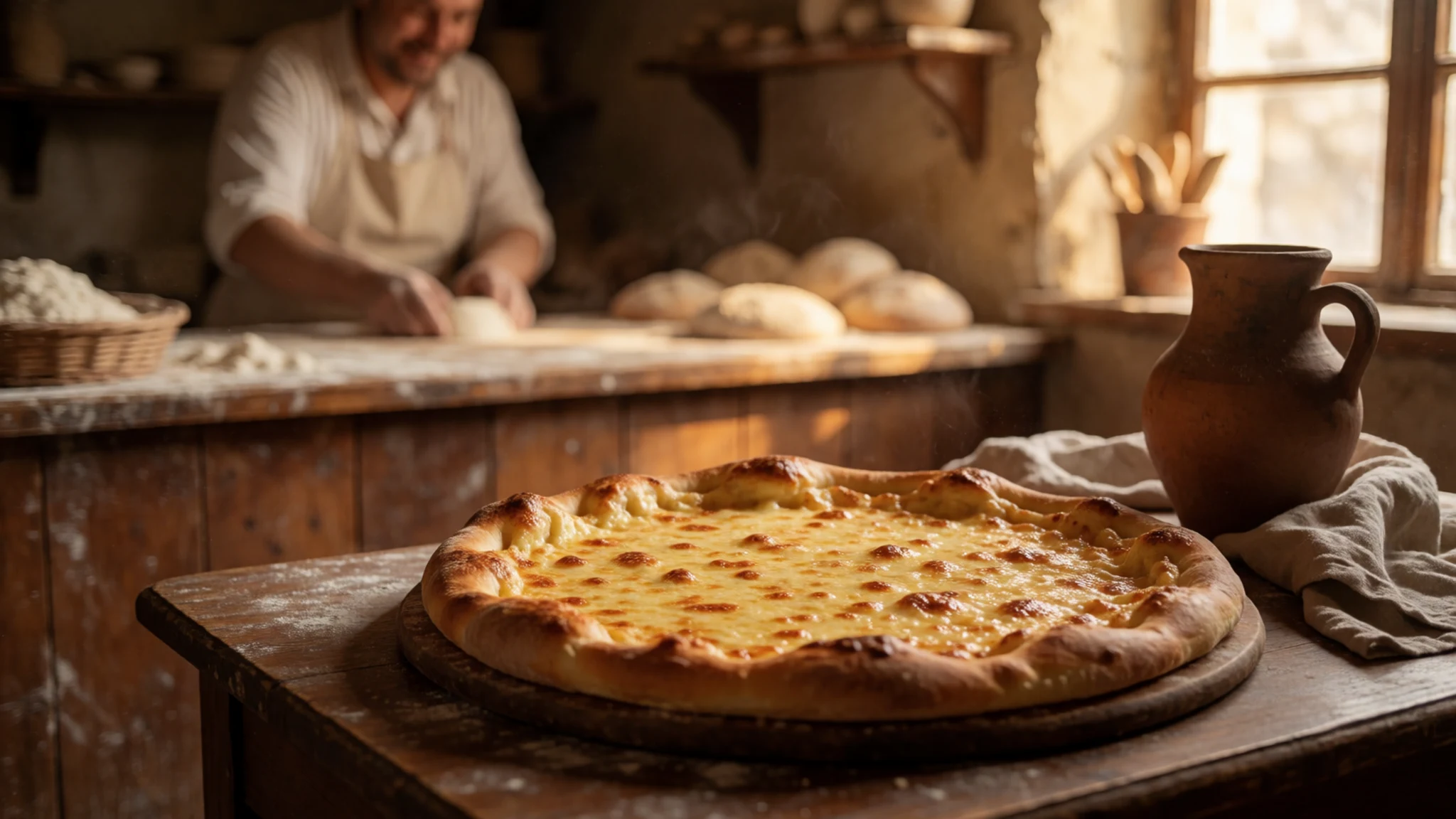
- Elarji — Village eateries and home kitchens around Zugdidi and Khobi
Elarji is a Samegrelo dish of coarse cornmeal worked with sulguni until it stretches. Near Kolkheti National Park it turns up in village eateries and home kitchens around Zugdidi and Khobi, often beside a meat stew. It is heavy, hot and filling, which suits a damp day on the water.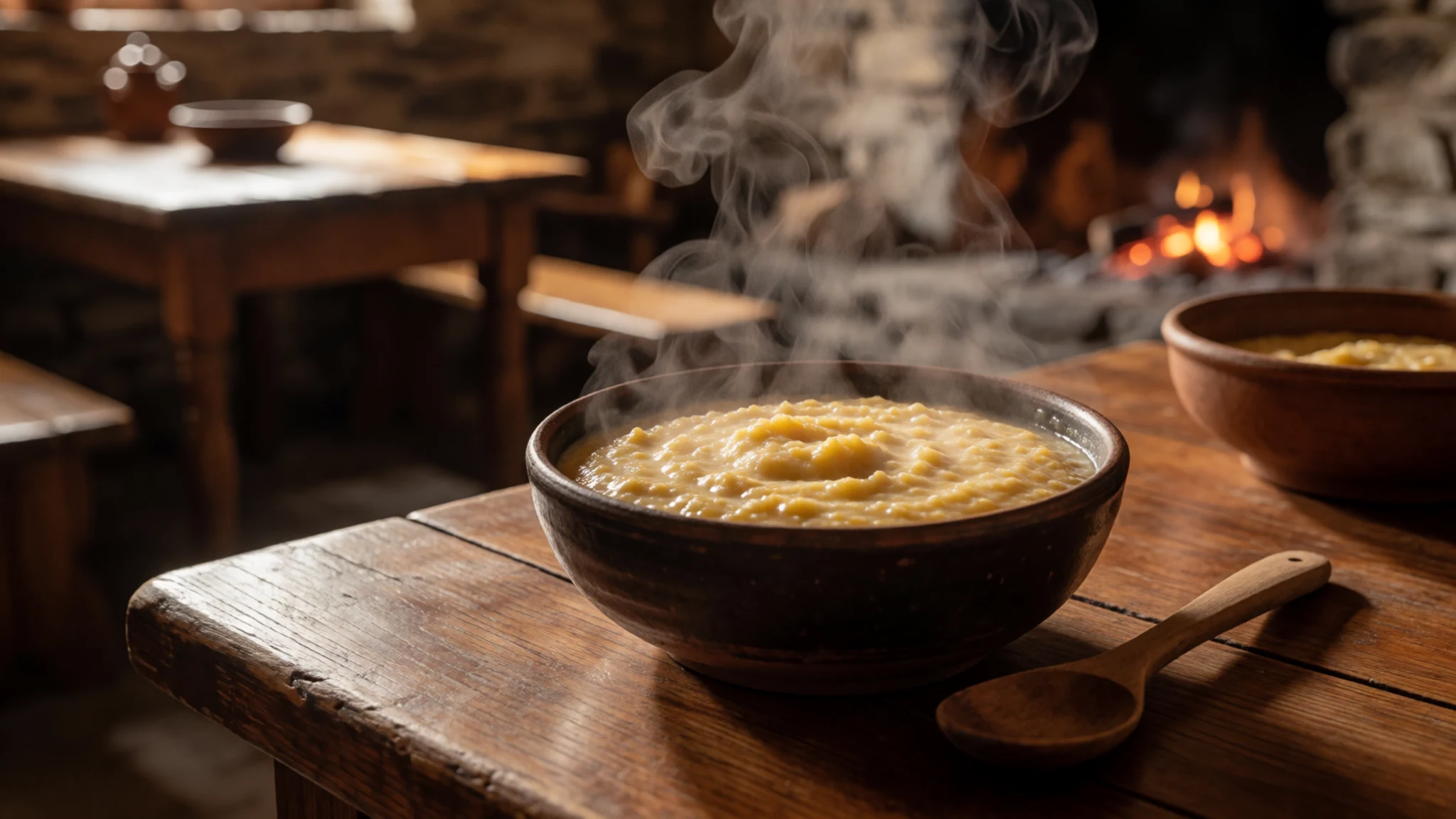
- Gebzhalia — Festive tables and home-style eateries in Samegrelo
Gebzhalia is young cheese rolled and soaked in mint-flavoured milk, served cool. In the country around Kolkheti National Park it appears at festive tables and in home-style eateries in Samegrelo, sometimes as a starter before the hotter corn dishes. The mint cuts the richness. - Ghomi — Simple eateries in Lanchkhuti and Zugdidi
Ghomi is plain cornmeal porridge, softer than elarji and without the cheese pulled through it. Around Kolkheti National Park it is everyday food in Gurian and Mingrelian kitchens, spooned beside fish, chicken or a spicy sauce. Guesthouse tables and simple eateries in Lanchkhuti and Zugdidi are the likely places. - Ajika — Market stalls in Zugdidi
Ajika is the coarse chilli and herb paste of western Georgia, red or green, stirred into beans, meat and soups. Near Kolkheti National Park, market stalls in Zugdidi sell jars, and village cooks use it by the spoon. Heat varies from batch to batch.
Plan it
Best time. May, the driest month at about 56 mm, suits Kolkheti National Park best, while September and October are among the wettest. Rain runs near 1,500 to 1,600 millimetres and is spread through the year, so a dry month cannot be counted on. January lows sit near minus 7 degrees Celsius. August usually sits near 27 degrees, with daily highs around 38 degrees and heavy humidity. Late spring has the least rain and avoids the coolest weeks, so it is kinder for long hours on the water, while July is the hottest month.
How long. 2–3
Getting there. Kutaisi and Batumi are the usual airports for this part of western Georgia. From either, the last leg is by road toward Poti and the shore between the Tikori and the Supsa, or through Zugdidi for the northern districts of Kolkheti National Park. Boat landings on Lake Paliastomi and the Pichori are fixed locally rather than at a single gate, so the day's access point should be confirmed before setting out.
Budget. mid
Tips
- Book a boat locally the day before, because routes and landings are not on a fixed public timetable.
- Set out in the morning, before coastal wind and the warmer hours build.
- Carry cash for village boats, bakeries and small shops.
- Pack a waterproof and insect repellent, since the wetlands stay damp in every season.
- Wear boots: the tracks are soft, and rain does not belong to one month.
Etiquette
- Stay in the boat and on marked paths, and do not step into reed beds or approach birds.
- Ask before photographing people in villages such as Korkheli.
- Carry litter away with you; the marsh keeps what is dropped in it.
Nearby
Sources
- Wikidata Q1444561 (CC0)
- Wikipedia (rev 1362781444) (CC BY-SA 4.0)
- Wikivoyage (CC BY-SA 4.0)
- Photo photos/01-kolkheti-national-park-western-georgia-sept-2017.jpg (CC BY-SA 4.0)
- Photo photos/02-kolkheti-national-park-paliastomi-lake-georgia.jpg (CC BY-SA 4.0)
- Photo photos/03-korckheli1.jpg (Public domain)
- Photo photos/04-drosera-rotundifolia.jpg (CC BY 3.0)
- Photo photos/05-ciconia-nigra-kruger-national-park-8.jpg (CC BY 2.5)
- Photo photos/06-268a1004.jpg (CC BY-SA 4.0)
- Photo photos/07-268a1077.jpg (CC BY-SA 4.0)
- Photo photos/08-268a1250.jpg (CC BY-SA 4.0)


