Koh Tao
Koh Tao, Thailand
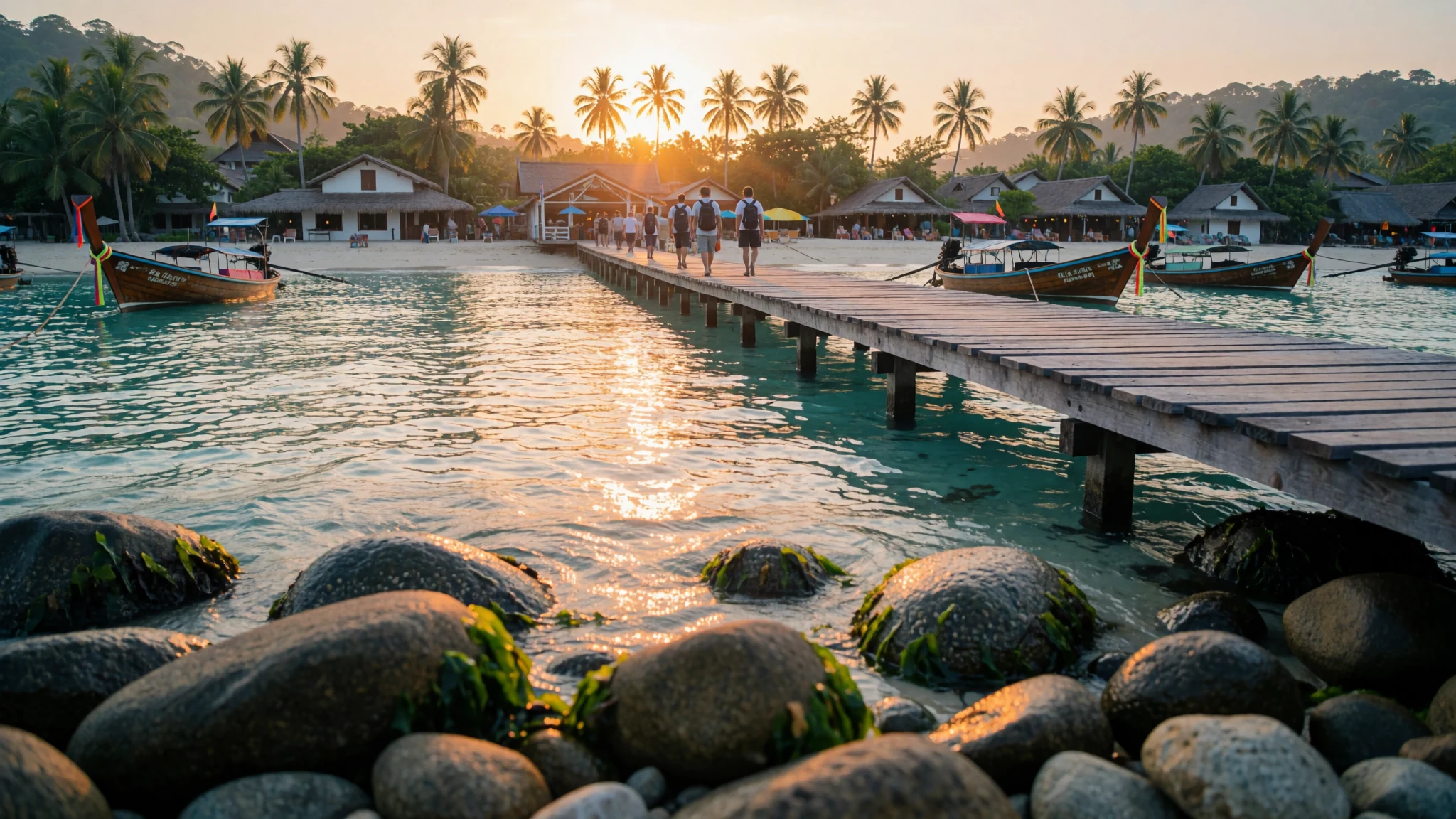
Koh Tao is a small Gulf of Thailand island built around diving, with warm, clear water and many dive schools.
The place
Ko Tao (Thai: เกาะเต่า, meaning Turtle Island) is a small island on the western shore of the Gulf of Thailand, part of the Chumphon Archipelago. It covers about 21 square kilometres and is administratively a subdistrict of Ko Pha-ngan District in Surat Thani Province. Around 1,400 people live there, but the island receives over 100,000 visitors a year, so the crowd on a busy weekend is mostly temporary. The main settlement is Ban Mae Haad, where the ferries dock and most shops, guesthouses and dive schools cluster.
Tourism is almost the whole economy, and scuba diving drives most of it. Visibility is good, the water stays warm, the pricing is inexpensive, and the range of marine life is wide. The island is geared more towards affluent divers than budget backpackers, so cheap food stalls are scarce. Ocean currents are weak, which keeps the sea fairly easy going for swimmers and new divers alike. Freediving, snorkelling and other activities are growing alongside the diving, and the bars and restaurants are among the better ones in the Gulf. Nightlife is concentrated near the beaches and the port, and it stays lively through the high season.
Its story
Ko Tao's earliest visitors were sailors rather than settlers. Fishers working the waters between the islands sometimes put in on its beaches to wait out bad weather or to rest before the next stretch of a journey. Permanent settlement came much later, and the written record of it is thin.
Older charts tell a different story. European mapmakers and mariners of the late seventeenth century called the island Pulo Bardia. The name appears on maps showing a short line of islands running north to south off the eastern side of the Malay Peninsula, with Bardia the smallest and most northerly of them. Those early charts are not precise. Navigators estimated their position with rough instruments, so the islands often sit out of place, yet the outline of the group is still recognisable. The name Bardia stayed on maps until the early twentieth century.
A nineteenth-century travel narrative of Siam describes the people and wildlife of Bardia and mentions farms and cattle in a village on a bay on the western side. That detail matters because it shows a settled community existed long before tourism arrived. At one point the island was used to detain political prisoners, a chapter that sits uneasily beside its present reputation. Today its story is mostly about the sea around it, and divers have taken the place of the farmers and fishers as the island's main visitors.
What to see
- Ban Mae Haad
Ban Mae Haad is the main settlement and the place where most ferries arrive. The streets behind the pier hold dive shops, guesthouses, minimarkets and restaurants, and the lanes fill in the evening. It can feel crowded and a little scruffy, but it is the easiest base for getting on and off the island.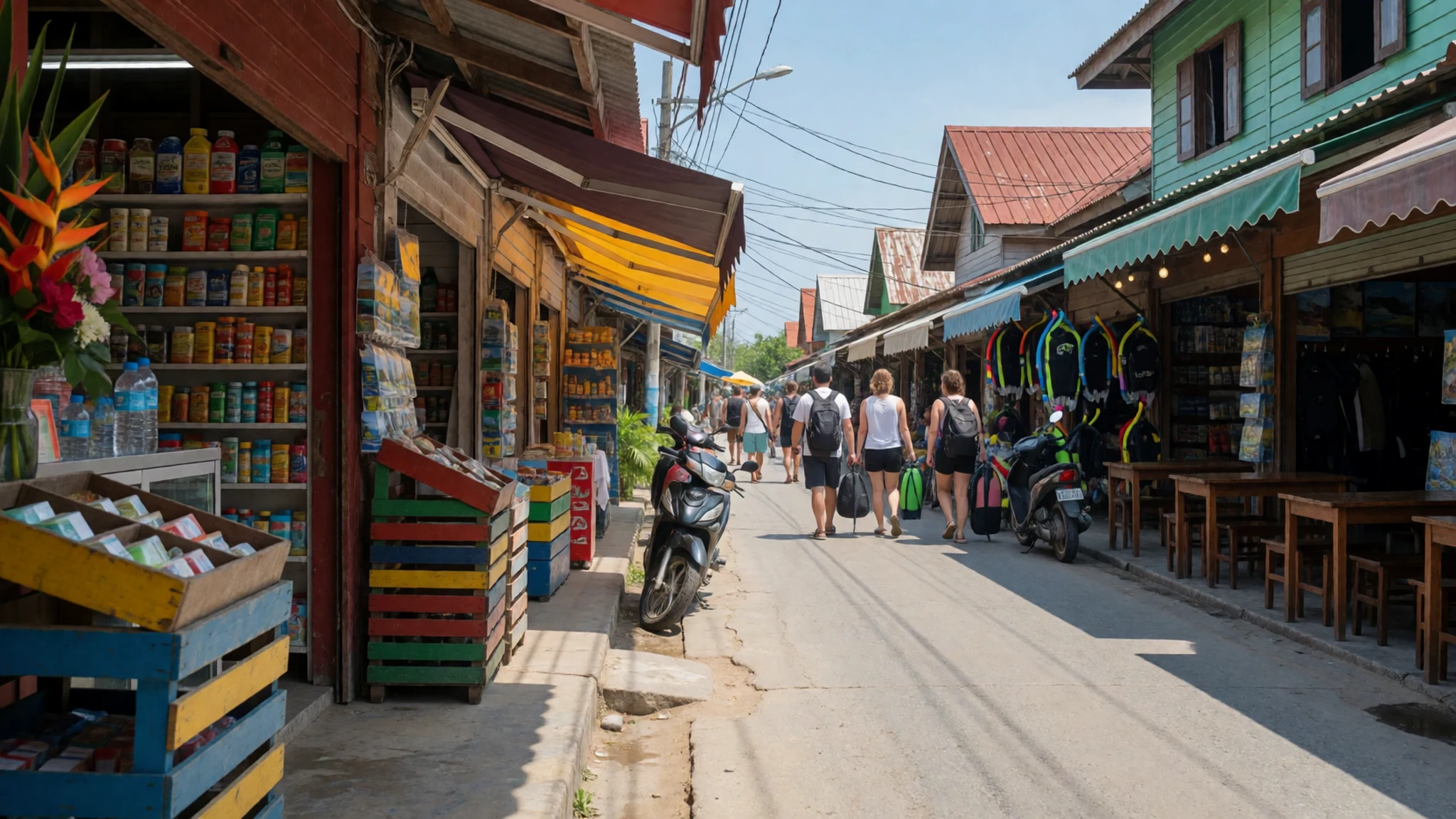
- Sairee Beach
Sairee Beach is the long sandy beach at Mae Haad and the island's busiest stretch of sand. Its bars, dive resorts and restaurants line the sand, and the beach fills up at weekends. Arrive before late morning for a shady spot. Expect crowds in high season, and plan a quiet walk along the beach away from the bars.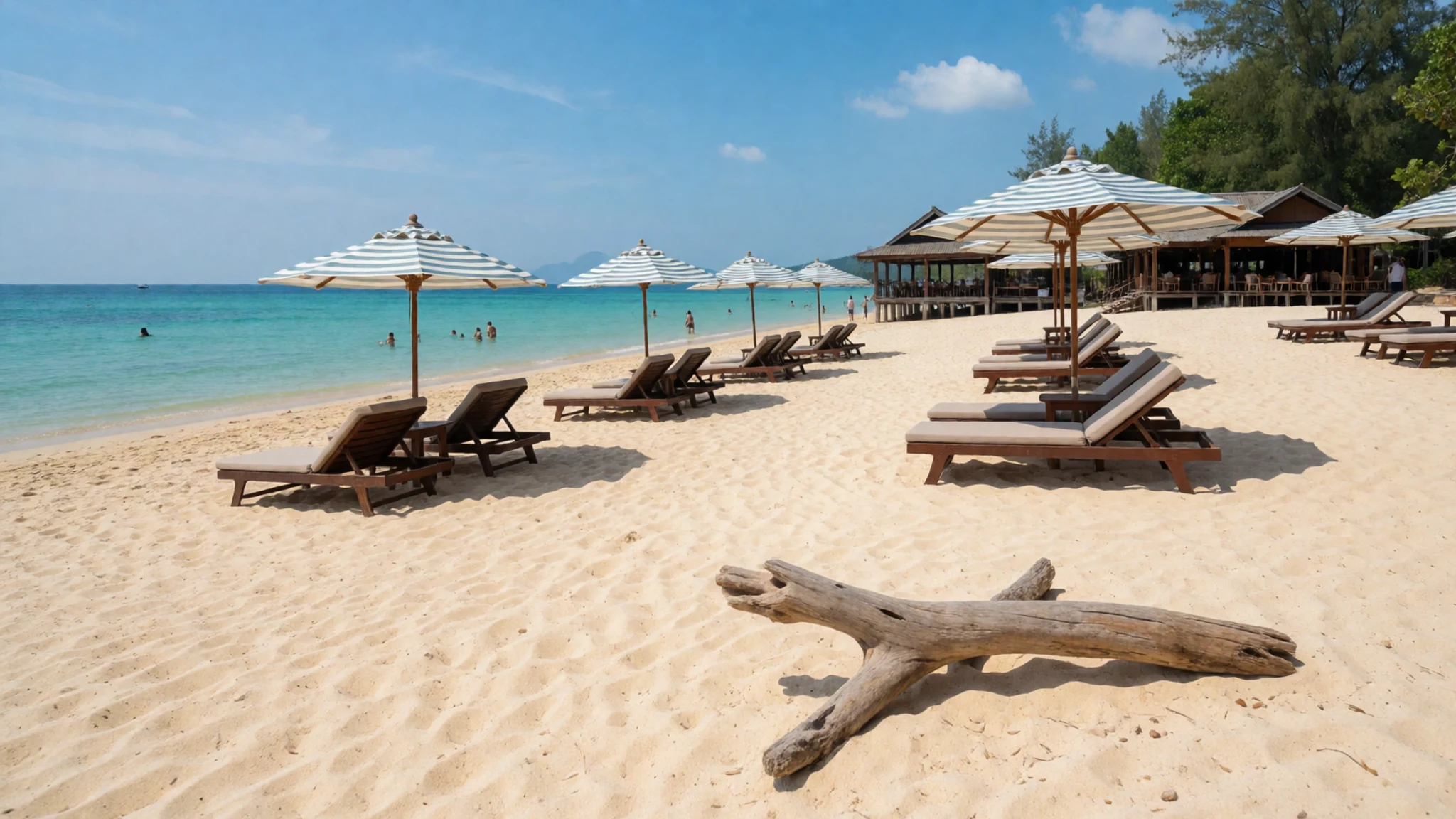
- Alvaro Diving Koh Tao
Alvaro Diving Koh Tao is a small family-run dive and freedive shop with flexible boat schedules and multilingual staff. It teaches PADI and SSI diving in small groups and offers SSI freediving courses, which suits people who want a relaxed pace rather than a large class. Book ahead in busy months, as small shops fill quickly.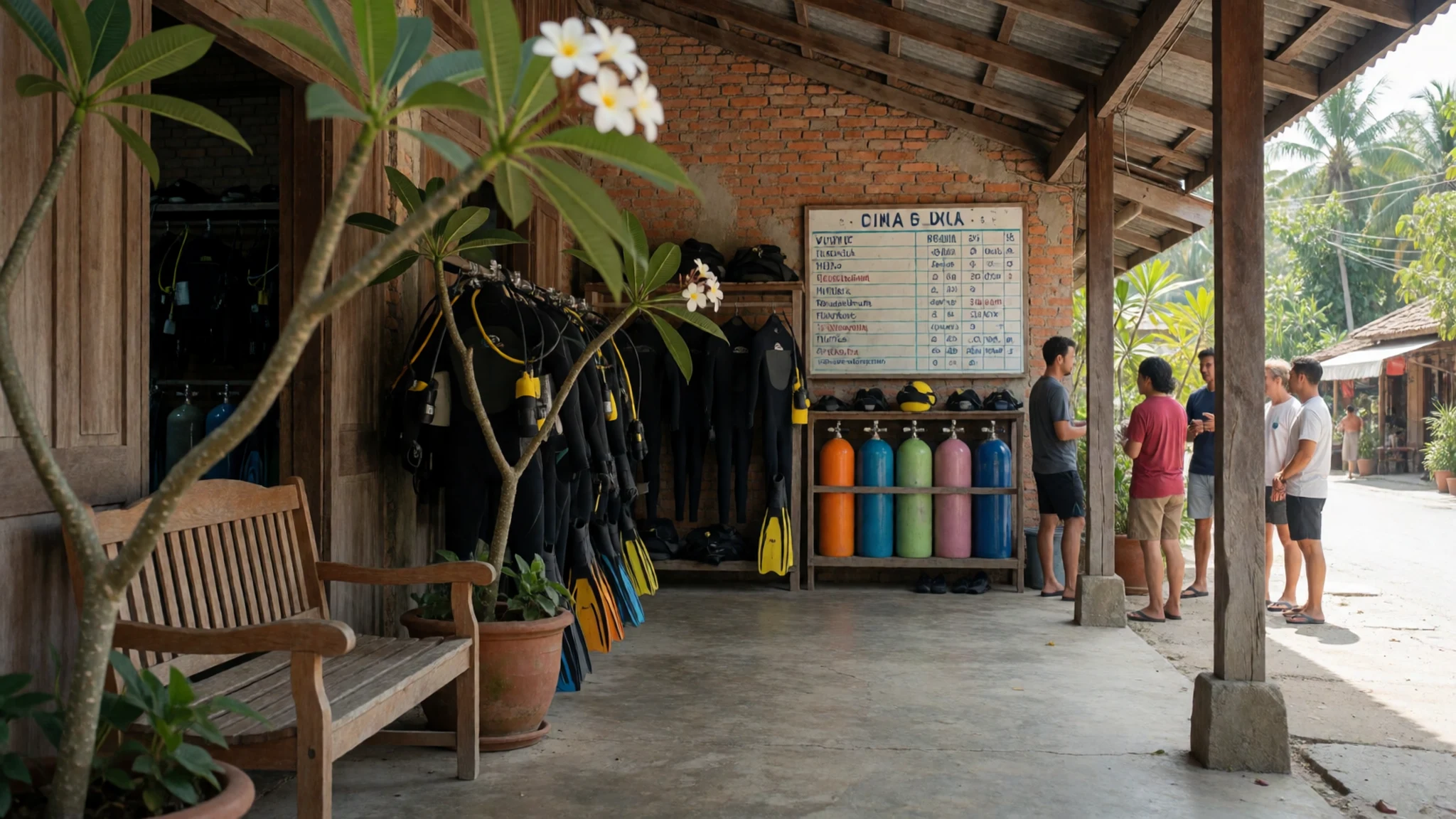
- The island's dive sites
The island's dive sites are spread around its coast, and a site map is the easiest way to see how they fit together. Sites are chosen partly for visibility and marine life, which are the island's main draws. Use the map to match each trip to your certification and experience before you book, and ask the operator which sites suit beginners.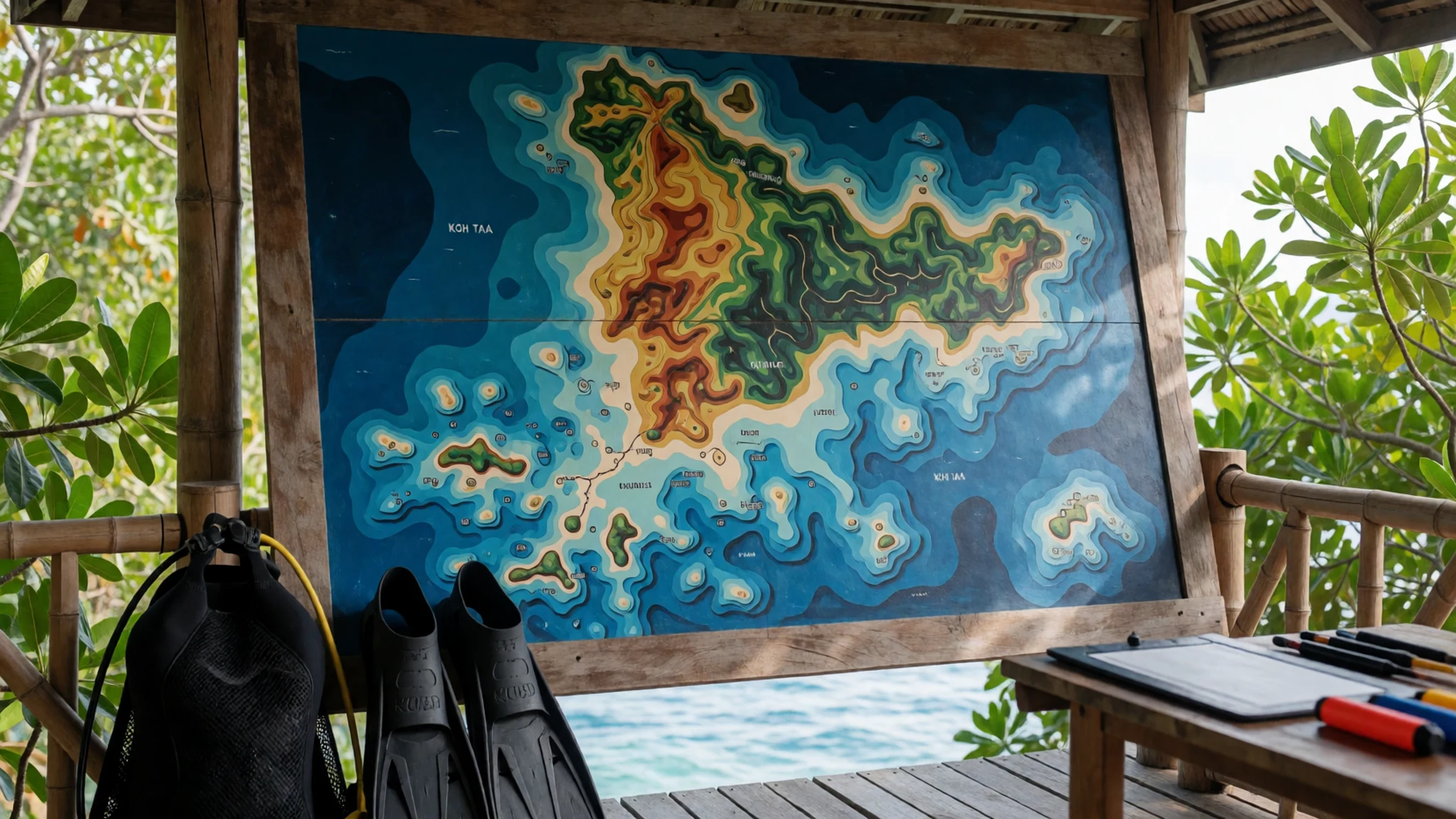
Culture
Ko Tao sits in Thailand, a Buddhist country, and daily life on the island follows Thai customs even where tourism has changed the surface. Respect for the monarchy is taken seriously, so avoid jokes about the royal family and treat images of the king with care. Temples and village shrines expect covered shoulders and knees, and shoes come off at the step of any building where others have left theirs. Greet people with a smile and keep your voice down, since sound carries easily along the village lanes at night. Waste is a real issue on an island this size. Nothing that cannot be burned can stay here, and there is no sanitation department sweeping the roads or beaches. Carry your rubbish until you find a bin, and refuse the plastic bag handed over with every small purchase.
What to wear
Ko Tao has no costume of its own, so its traditional dress is the wider Thai dress worn across the province. Formal and ceremonial Thai dress uses silk and cotton. Women wear the sinh, a wrapped skirt often woven with patterns, usually with a fitted blouse. Men wear a long-sleeved shirt with a sarong-style lower garment. Hand-woven silk is prized for weddings, temple occasions and royal events, and the patterns often mark a region's weaving tradition.
Day to day, the island is about swimwear, shorts, vests and flip-flops. Many divers wear rash vests and dive boots over their swimwear, and dive shops sell the basics. Away from the beach, locals tend to dress more modestly, especially in the village and at the temple.
Pack light, breathable clothes, a sun shirt for boats, and a cover-up for temples and village areas. Wear closed shoes or sandals with straps for rocky paths and wet jetties, and leave the beachwear behind when you visit a shrine or a village shop.
What to eat
- Spicy duck noodle soup — local noodle shops away from the seafront
Spicy duck noodle soup is a Thai local favourite, and the island's simpler noodle shops serve it as a fast lunch. Duck, pork or fish balls are the usual choices, and the broth carries chilli heat and a rich, savoury depth.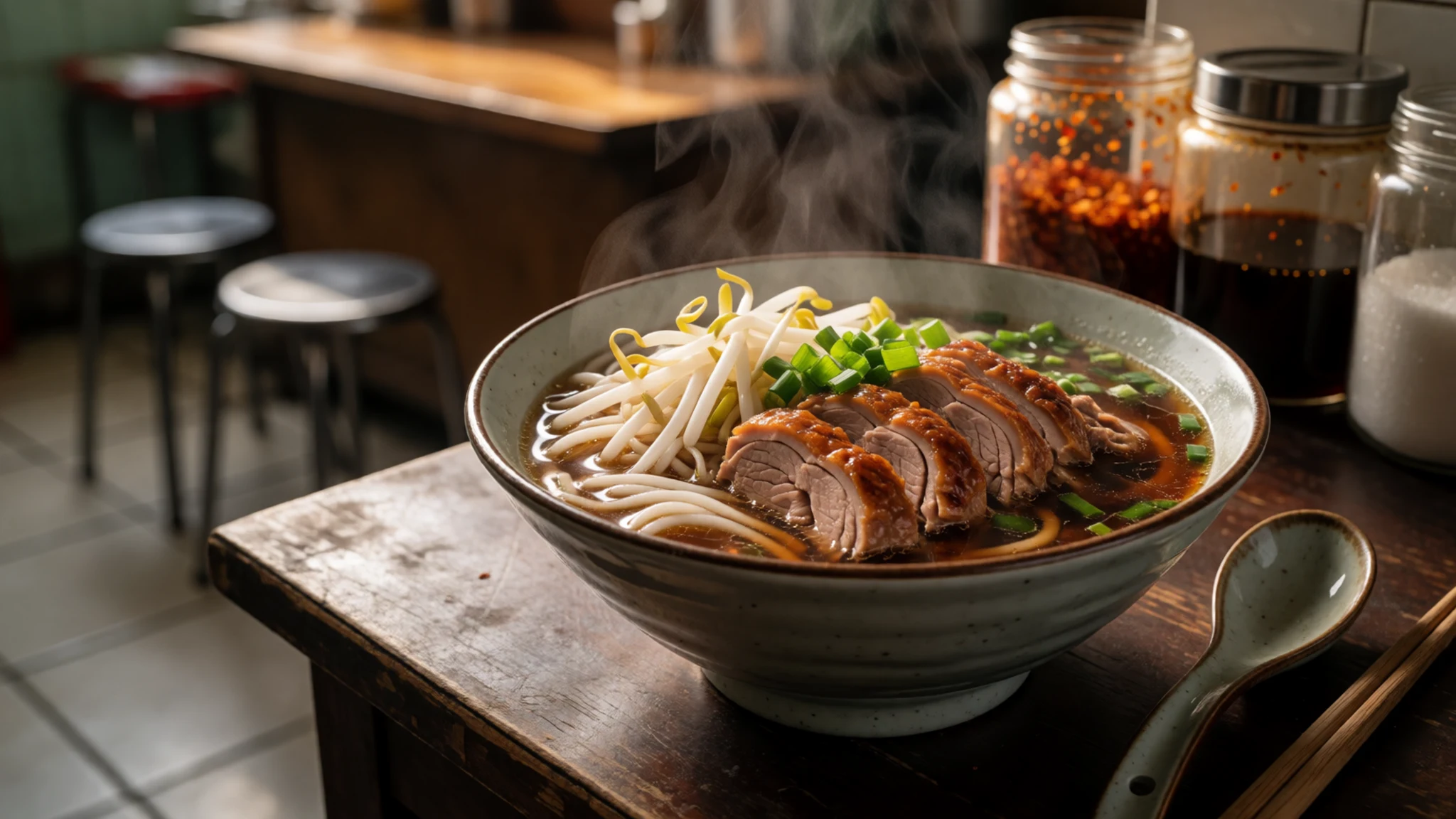
- Homemade burgers — burger bars around Sairee Beach and Mae Haad
Burgers made on site are a reliable choice for a quick meal. Some bars on the island make their own patties and sauces, with a range of toppings from classic cheese to spicier options. They suit a fast lunch between dives.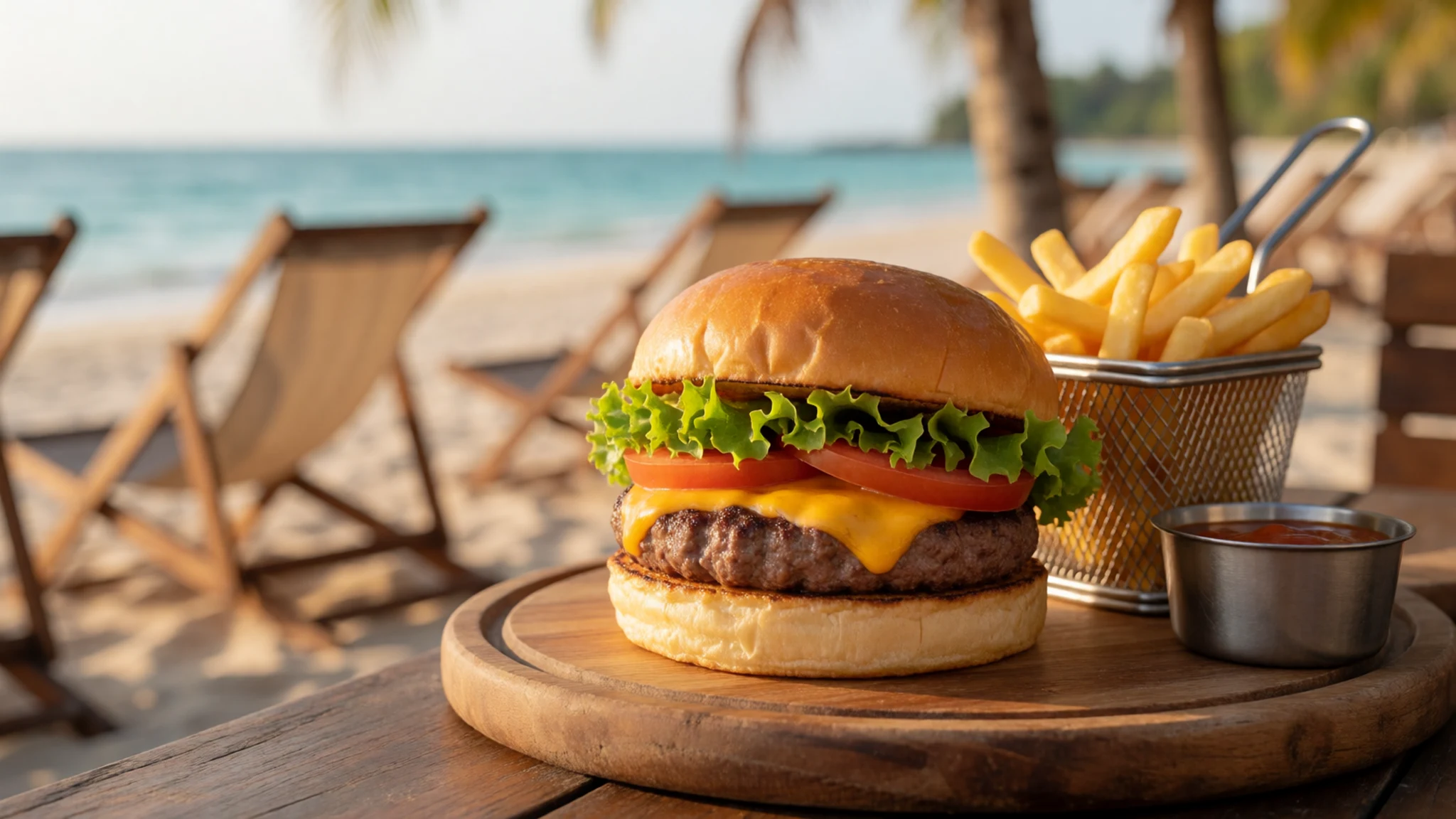
- Wood-fired pizza and pasta — Italian-style restaurants in Mae Haad
Italian-style pizza and pasta are common on the island, and the wood-fired ovens are the main draw. Pizza comes out crisp at the edge and soft in the middle. These places are often busy in the evening, so arrive early. - Full English breakfast — breakfast cafes near the port and the main road
A full English breakfast is easy to find, which suits people arriving on an early ferry. Breakfast bars serve eggs, bacon, sausages and baked beans, alongside toast and tea. It is a convenient way to start a dive day, and many places deliver as well as serve. - Pub grub and draught beer — beach bars and English-style pubs along Sairee Beach
Pub food and draught beer suit the evenings at Sairee Beach. Bars here serve classic pub dishes, and the beer gardens are good for watching the sun go down. Expect a lively crowd on busy nights, and pace your drinks if you plan an early morning dive.
Plan it
Best time. February to May brings calmer seas and clearer water for diving, with the hottest weeks in April and May. October to December brings the northeast monsoon and heavy rain, with November the wettest month and the one most likely to bring murky water and choppy seas.
How long. 3–4
Getting there. Fly from Bangkok to Chumphon, Surat Thani or Ko Samui, then take a transfer to the pier and a ferry or catamaran across to the island. Combined air-and-ferry tickets from Bangkok are sold online, and an overnight bus and ferry runs from Hua Hin. Check each operator's site for current timetables.
Budget. mid
Tips
- Book dive courses and boat trips ahead for peak months, when small schools fill quickly
- Plan early-morning dives and sea swims before the heat and the afternoon crowds on Sairee Beach
- Carry cash for small vendors, as some smaller places may not take cards
- Bring a refillable bottle and drink filtered water to cut down on plastic
- Check the ferry times on the day, since sea conditions can change crossings
Etiquette
- Carry rubbish off the beach and refuse plastic bags you do not need
- Keep shoulders and knees covered in temples and village areas
- Ask before photographing people, especially at local shrines
Nearby
Sources
- Wikidata Q525940 (CC0)
- Wikipedia, Ko Tao (rev 1381619302) (CC BY-SA 4.0)
- Wikivoyage, Ko Tao (rev 5407459) (CC BY-SA 4.0)
- Ban Mae Haad Ko Tao, kallerna (CC BY-SA 4.0)
- Ko Tao 2015, febr. (panoramio 9), Roma Neus (CC BY 3.0)
- Mae Haad beach Ko Tao, kallerna (CC BY-SA 4.0)
- Blue spotted stingray, unknown author (Public domain)
- Dive Sites of Ko Tao, Peter Southwood (CC BY 3.0)
- KoTaoMainStreet, User:Per Honor et Gloria (Public domain)
- 8-28 Tambon Ko Tao, Nick Steemans (CC BY 3.0)
- @Tanod Bay with Fawas Trip, fawasp (CC BY 3.0)


