Ko Lipe
Ko Lipe, Thailand
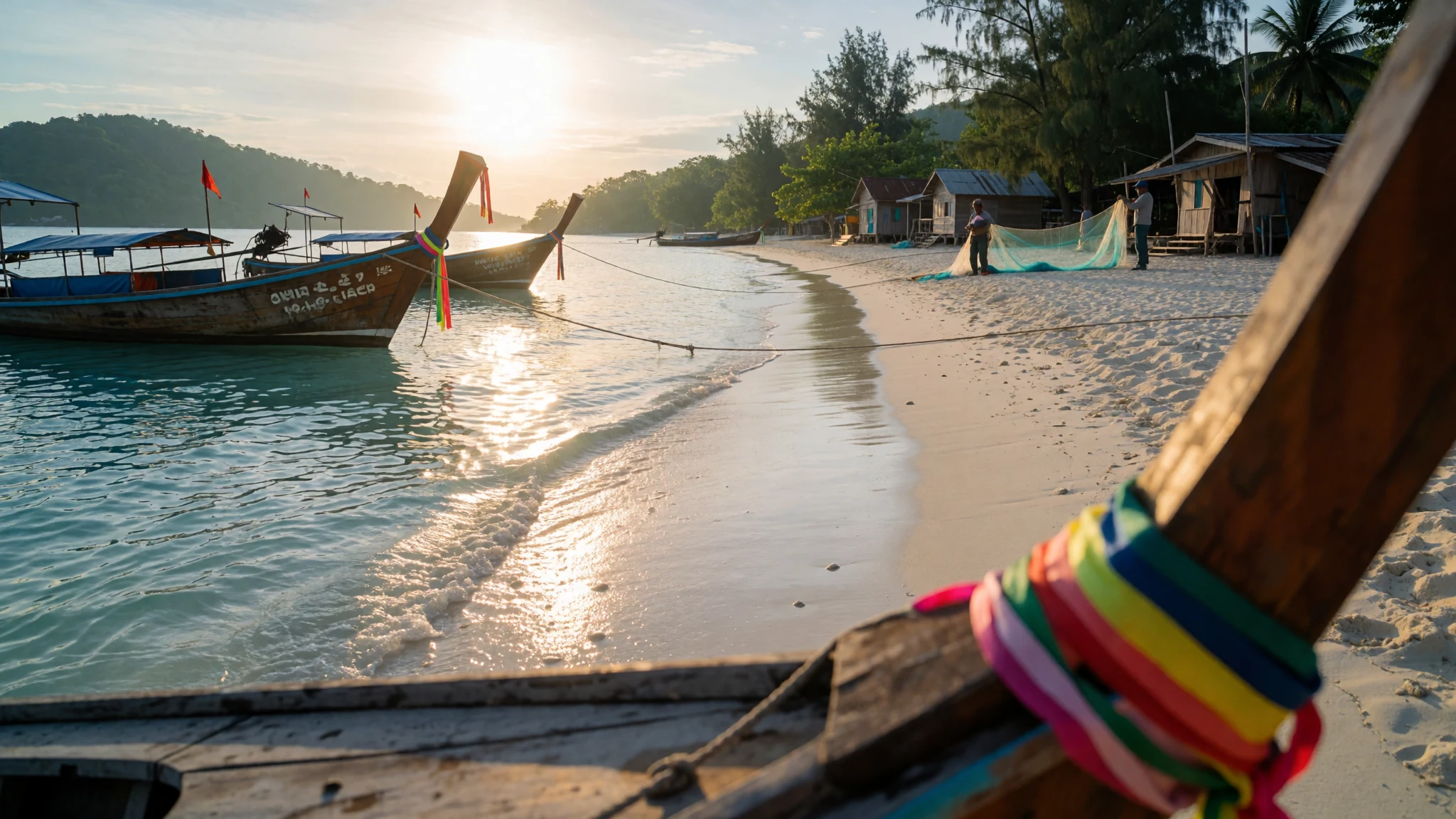
A small Andaman island with white sand, calm clear water for snorkelling and diving, and a living Urak Lawoi community at its eastern end.
The place
Ko Lipe is a small island in the Adang-Rawi Archipelago, off Satun Province in the far south of Thailand, close to the Malaysian border. It is compact enough to cross on foot without much effort, and most of its life runs along a single loose grid of lanes between the three main beaches. Sunrise Beach lies in the east, facing the morning light and the village of the island's original families. Sunset Beach in the west is quieter and, as the name suggests, gives the evening views. Pattaya Beach has the most bars and music, and it is where people gather once the heat drops. Karma Beach on the north side looks across the narrow channel towards the neighbouring islands of Adang and Rawi.
The island sits on the edge of Tarutao National Marine Park. Its neighbours to the north are part of that park, but Ko Lipe itself falls outside its boundary, which is why development has been allowed here while the surrounding islands remain more protected. Tourism now carries most of the local economy, drawn by the sand and by water that is calm and clear enough for snorkelling and diving. Small boats move between the beaches and the piers, and the rhythm of the day is set by arrivals and departures. The island feels busy in the high season and noticeably quieter in the wetter months, so the experience depends a good deal on when you come.
Its story
The island's name comes from the Malay Pulau Nipis, meaning thin island, which over time was worn down into the Thai form Ko Lipe. Its earliest settlers were Malayic-speaking seafarers known in Thai as chao leh and in Malay as orang laut, often called sea gypsies in English. Their descendants, the Urak Lawoi, still live here. Their families are thought to have been on the island about three centuries ago, and many left in the late 1800s after the Dutch took them for pirates because of their wandering, boat-based way of life.
For a long time the island had no formal owner. Because it was uninhabited, its claim was disputed, and to discourage Malaysian encroachment the Thai authorities made a grant of about half the island to the Urak Lawoi, who settled in small villages mostly at the far east side near Sunrise Beach. Many families still fish, and others grow rice and vegetables, while some work in tourism. Their animist beliefs centre on ancestors, the land and the sea, and these beliefs shape their festivals.
The modern island took shape from the 1970s. Tarutao National Park was established in 1973, yet Ko Lipe lay outside its jurisdiction, and so the island opened to development. Money arrived as a regular means of exchange in the 1980s, which marked a shift from a largely subsistence economy. Since then the island has grown around visitors, with dive centres, guesthouses and beachfront restaurants layered over older village life.
What to see
- Sunrise Beach — East coast, Sunrise Beach
The eastern beach faces the morning sun and sits close to the Urak Lawoi villages, so it is the best place to see how the island's older community lives alongside the visitors. Walk the shoreline early, when fishing boats come in and the water is still calm. Keep to the paths behind the houses and treat the village as someone's home rather than a viewpoint.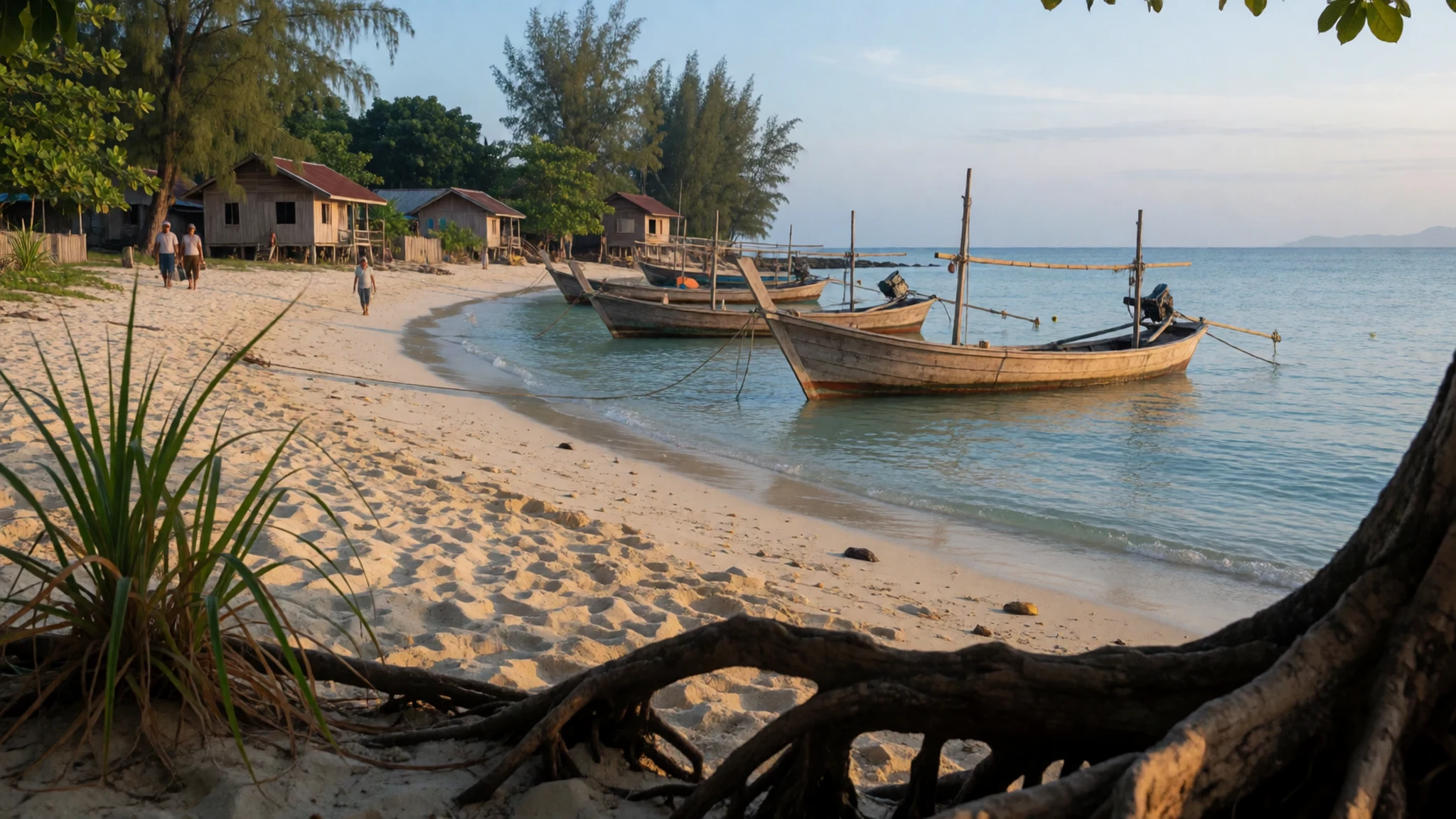
- Sunset Beach — West coast, Sunset Beach
On the western side, this beach is the place for evenings. The sky tends to glow over the water as the light fades, and the beach is quieter than the centre of the island. Bring a torch for the walk back along the lanes, because the paths are unlit in places.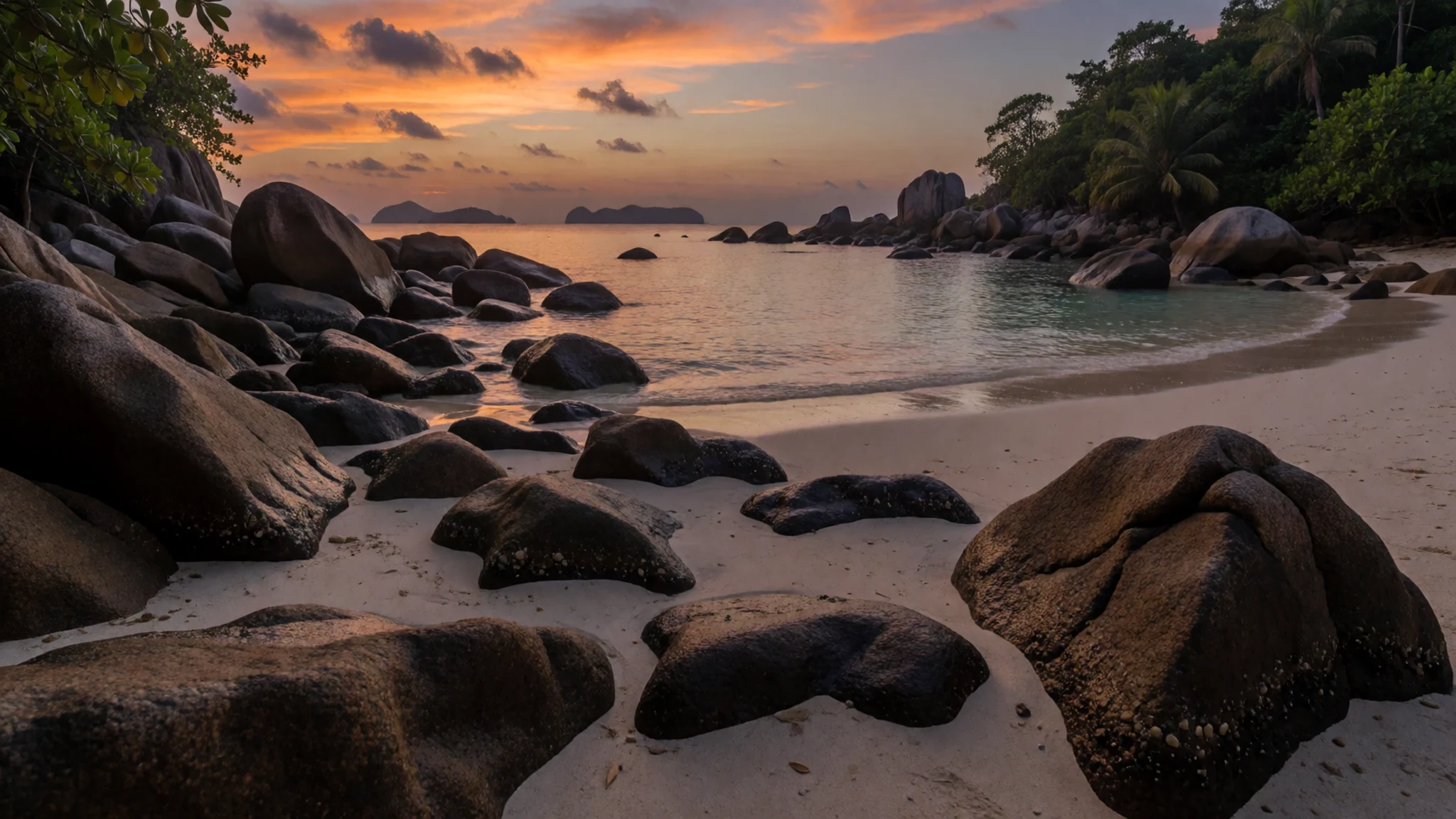
- Pattaya Beach — Central beach, Pattaya Beach
This is the busiest stretch, with bars, restaurants and live music in the evenings. It suits people who want company after dark, while the calmer beaches are better for sleep. Restaurants here set tables right on the sand, and the atmosphere is at its liveliest in the high season.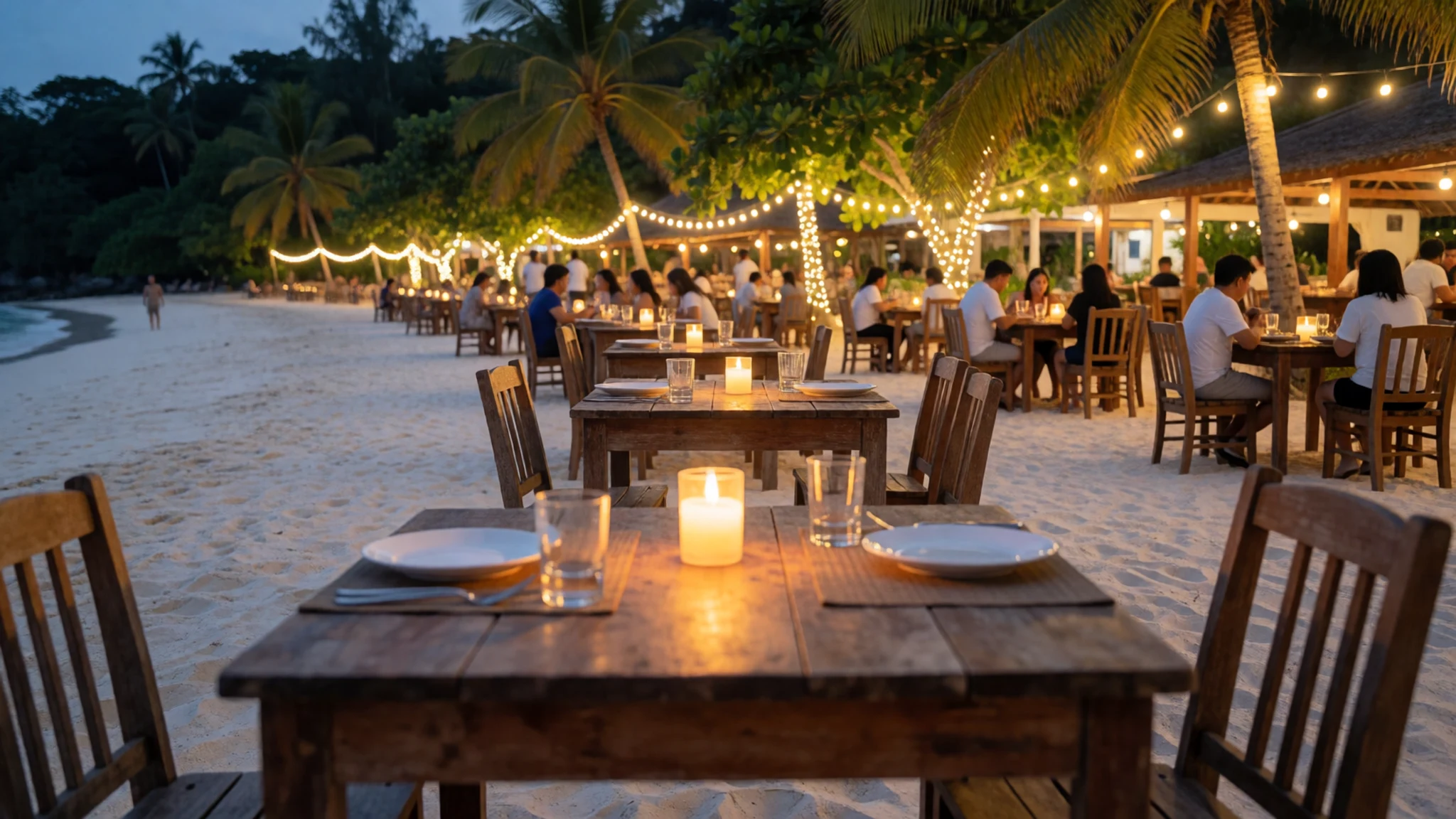
- Karma Beach — North coast, Karma Beach
The northern beach faces the narrow channel between Ko Lipe and Ko Adang, and it is a good spot for swimming and watching boats pass. It is less built up than Pattaya, so it suits a slower afternoon. Check the tide and current before swimming, and ask locally whether the water is safe that day.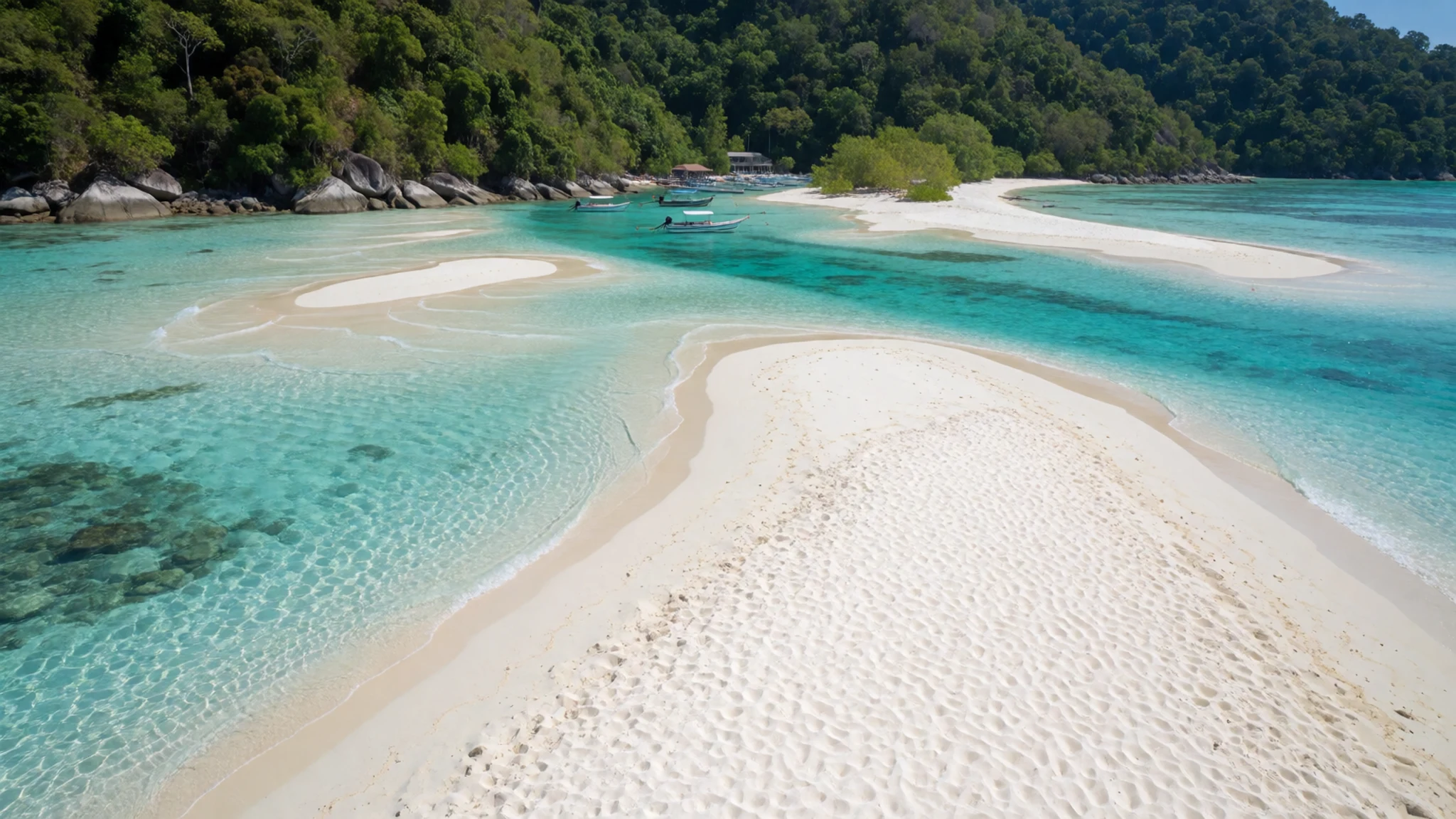
- Davy Jones Locker dive centre — Dive centres near the village piers
This dive operation runs daily trips for certified divers to the reef sites around the island, with instructors teaching courses from beginner to divemaster level. Booking a dive a day ahead is sensible in the high season. Ask about trips for snorkellers too, since some operators run these separately from the dive boats.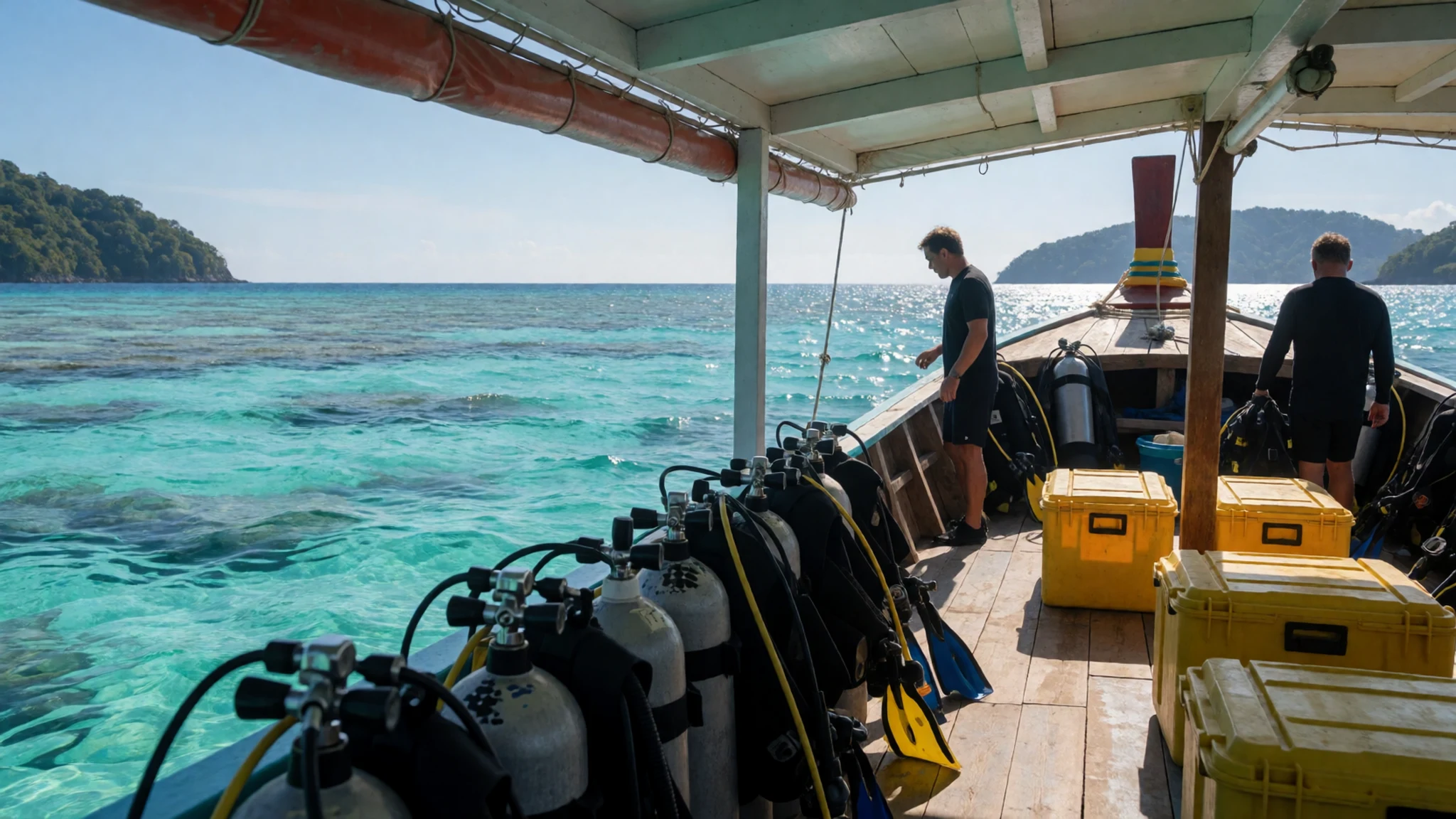
- Ko Lipe Diving — Dive centres near the village piers
A dive centre with international training accreditation, offering daily fun dives for certified divers and introductory dives for first-timers. Its instructors are used to small groups and to visitors who arrive without experience. Look for the reef fish, which the island's waters are known for, and carry a light rash top for longer sessions.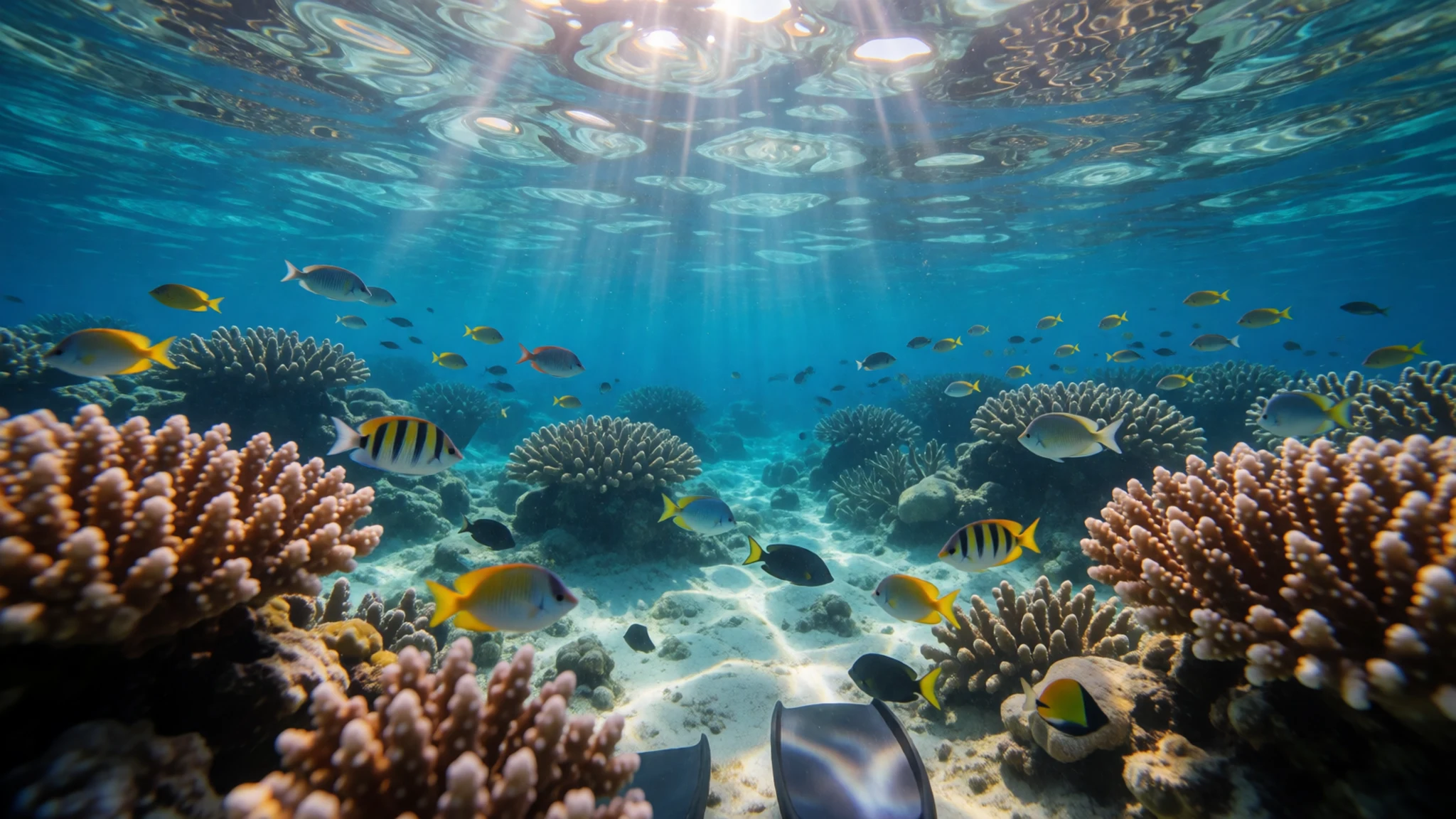
Culture
Ko Lipe's culture is layered. The Urak Lawoi people, descendants of the island's first inhabitants, keep animist beliefs that honour ancestors, the land and the sea. Twice a year, timed to the full moon, a three-day spiritual festival takes place: once in late May or early June, and again in late October or early November. It goes by the names pla juk or loy rua. It is a time to pay respects to the dead, and it is a family occasion rather than a show. Alongside this, the island has a very small Buddhist temple near its centre, and Thai customs of respect apply across the island. Most of the people you will meet in the shops and restaurants are Thai, and the Urak Lawoi villages sit mostly at the eastern end near Sunrise Beach. Because so much of the island now runs on tourism, the line between hospitality and performance can blur, so take a little time to understand which parts of village life are private. When you walk through the Urak Lawoi villages, ask before photographing anyone, and keep your voice low and your clothing covered around homes and the temple.
What to wear
The most reliable guidance is about what people wear now and what a visitor should pack. Day to day on the island, people dress for heat and water: loose cotton, light shirts, shorts and sandals are normal in the lanes, restaurants and on the beaches. Thai dress codes also matter. Temples call for covered shoulders and knees, and anyone entering the small Buddhist temple should remove their shoes at the step and dress modestly. In the Urak Lawoi villages, a little more coverage is respectful, especially for women, and swimwear belongs on the beach rather than on the lanes or in the shops. If you attend a festival, ask a local what is appropriate before you go, since clothing at ceremonies may differ from everyday wear. For the terrain, bring footwear you can wet. The beaches are sandy, but the paths between them, the piers and the rocks at the edges of the water are not always smooth. A pair of reef shoes or sturdy sandals helps with both sea urchins and the occasional stonefish, which have been spotted in these waters. Pack a light layer for the boat rides, since the open sea can be cooler and windier than the beach.
What to eat
- Grilled seafood — Beachfront seafood places on Pattaya Beach
Fresh fish, prawns and squid, often grilled over charcoal and served with a chilli dip and rice. Fishing near the island is illegal, so avoid buying locally caught fish and ask where the seafood came from. Ask for it plainly cooked if you prefer less spice.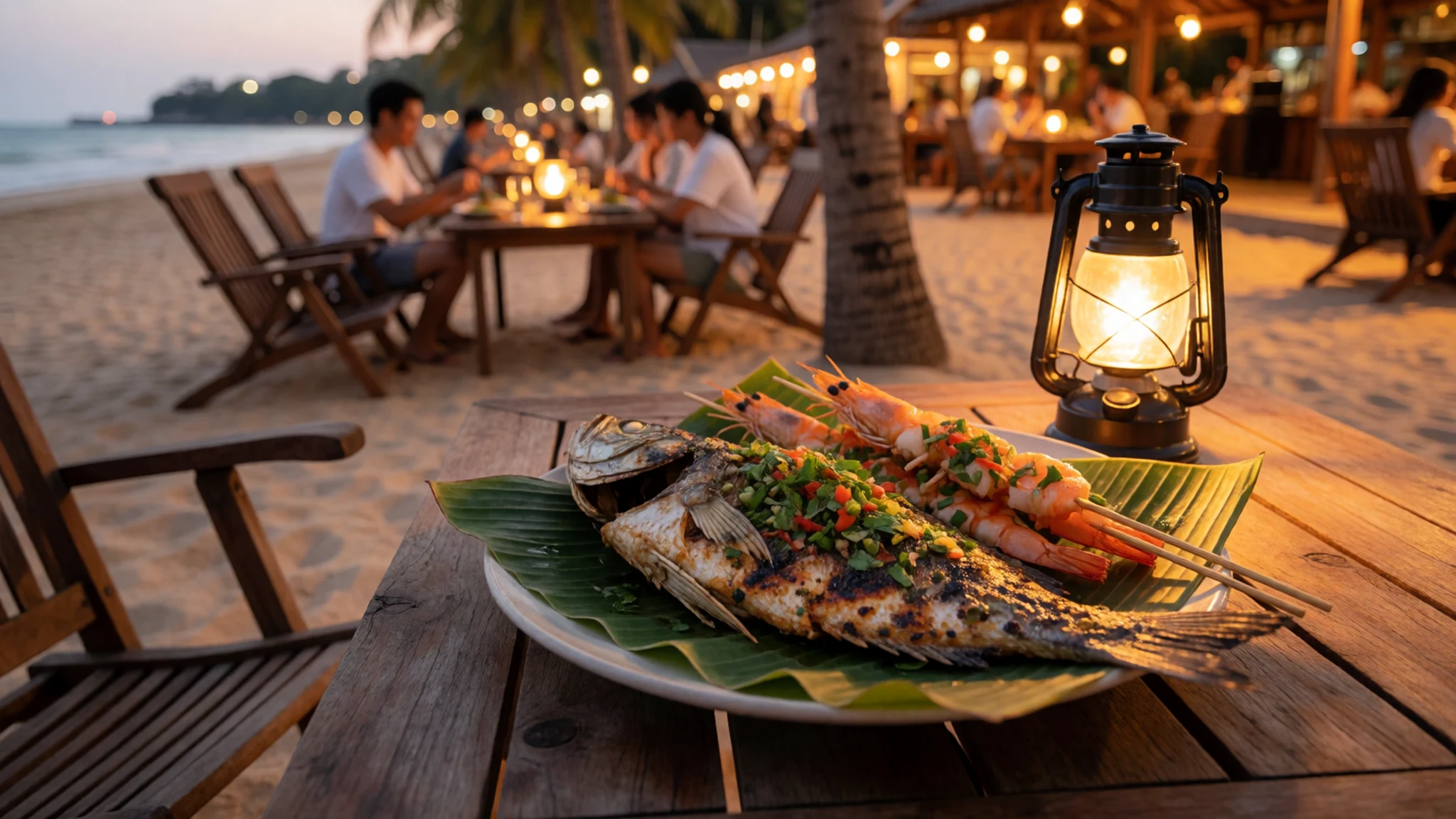
- Thai rice and curry — Small Thai eateries in the village lanes
Plates of rice with stir-fried vegetables, green or red curry and a fried egg are the everyday staple. These are cheap and filling, and most small Thai eateries in the village lanes will cook them to order. Ask for a milder version if you are sensitive to chilli.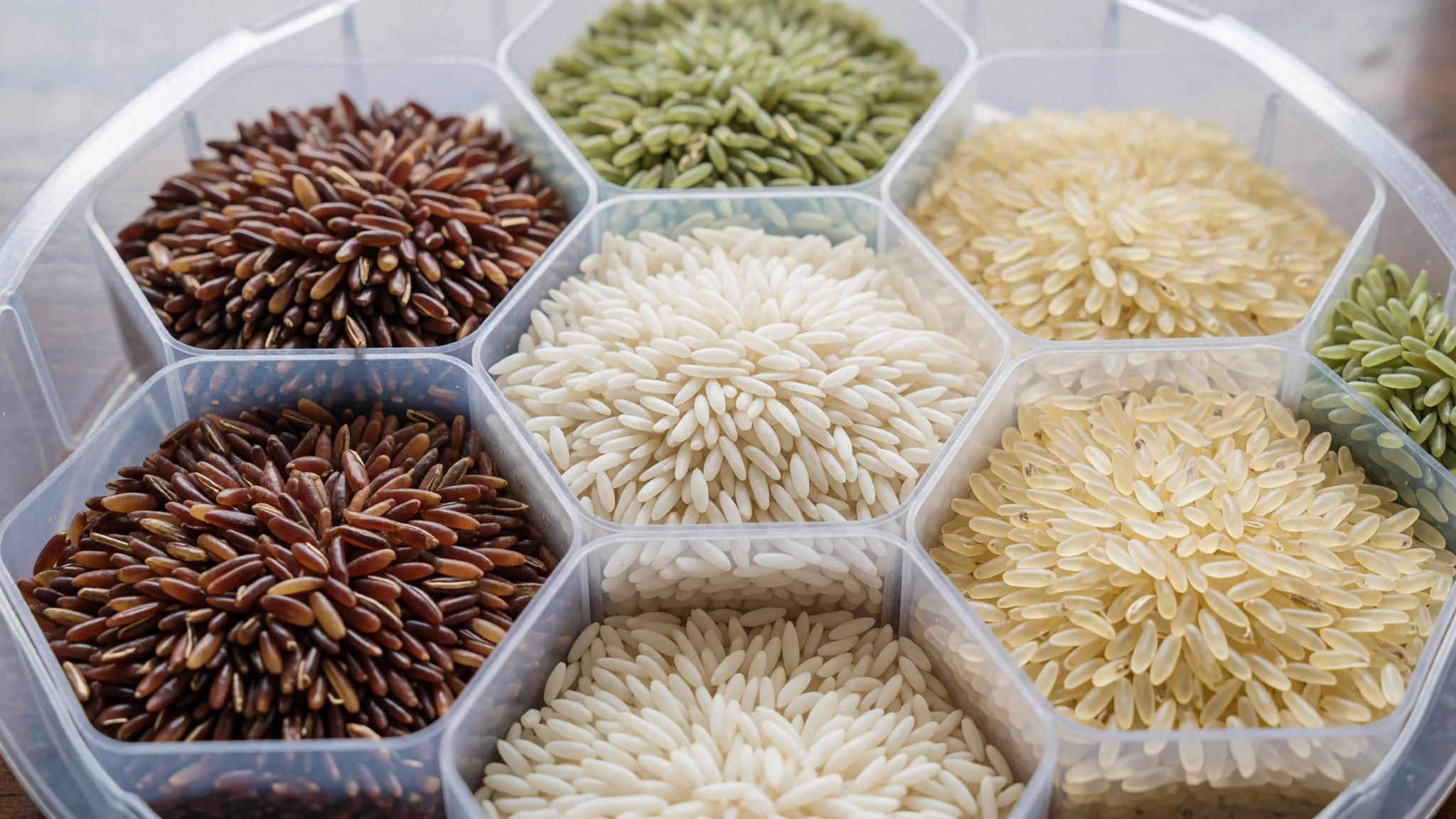
- Fresh tropical fruit — Morning stalls near the piers and along the main lane
Mango, pineapple, papaya and bananas are sold from stalls and carts, usually cut and bagged with a little chilli salt. This is a good option for a light breakfast or an afternoon snack by the water. Buy from stalls with a steady turnover and eat the fruit soon after purchase. - Banana cake — Small bakeries in the lanes behind the main beach
Small bakeries on the island make soft banana cakes, sometimes baked in little metal moulds. They are good with coffee in the morning or as a sweet stop between beach visits. Some seats are tucked away behind the building, so ask where to sit. - Coffee and plant-based bowls — Cafes and plant-based restaurants along the lanes between the beaches
The island has American-style coffee houses and at least one plant-based restaurant, which suits visitors who want a change from seafood. Breakfast bowls, smoothies and salads are the usual offer. The menus change through the season, so check what is available on the day you go.
Plan it
Best time. December to April is the high season, when speedboats and ferries run most often and the sea is usually calmer. Expect more people, full boats and higher prices in these months, and book transport early. May to November is the wetter season, peaking in September and October, when fewer boats run and the island is quieter. The festival in late May or early June, and again in late October or early November, is worth planning around if you want to witness village life, though it is a private family occasion first.
How long. 2–3
Getting there. The nearest airports are Trang and Hat Yai, each reached by ferry and then bus, and Langkawi, reached by ferry. The last leg is by speedboat or ferry: from Langkawi about 1.5 hours, from Pak Bara about 1.5 hours, from Trang about 2.5 hours, and from Phuket about 5 hours. Boats arrive at a plastic pontoon pier.
Budget. mid
Tips
- Book boat tickets as early as you can in the high season, and make sure an agency's booking is confirmed with the operator.
- If you come from Langkawi, be aware that some operators keep your passport for the crossing; ask before you hand it over and plan for a long wait at immigration.
- Save your national park entry ticket, since it also covers entry to some other nearby islands.
- Carry cash for small eateries, stalls and village purchases, and check whether cards are accepted before you order.
- Drink from the large refill jugs many hotels provide; most will refill your bottle if you ask politely, which saves plastic.
Etiquette
- Keep the village lanes quiet and avoid photographing Urak Lawoi families without asking.
- Dress modestly when you leave the beach and when you visit the temple.
- Wear reef shoes in shallow water, because stonefish have been seen around the island.
Nearby
Sources
- Wikidata Q498252 (CC0)
- Wikipedia: Ko Lipe (rev 1379856791) (CC BY-SA 4.0)
- Wikivoyage: Ko Lipe (rev 5407445) (CC BY-SA 4.0)
- Koh Lipe island coast, VascoPlanet World Photography (CC BY 3.0)
- The Center of Ko Lipe, Philipp Schäufele (Flip666) (CC BY-SA 1.0)
- Walking street At Lipe Island, ::::=UT=:::: (CC BY 3.0)
- Antigonon leptopus, Koh Lipe, Sharon Hahn Darlin (CC BY 2.5)
- Restaurant on the Beach, Ko Lipe, Philipp Schäufele (Flip666) (CC BY-SA 1.0)
- Clear water and Beautiful Beach at Lipe Island, ::::=UT=:::: (CC BY 3.0)
- Clownfish, Ko Lipe, Philipp Schäufele (Flip666) (CC BY-SA 1.0)
- Combretum indicum, Koh Lipe, Sharon Hahn Darlin (CC BY 2.5)


