Kobe
Kobe, Japan
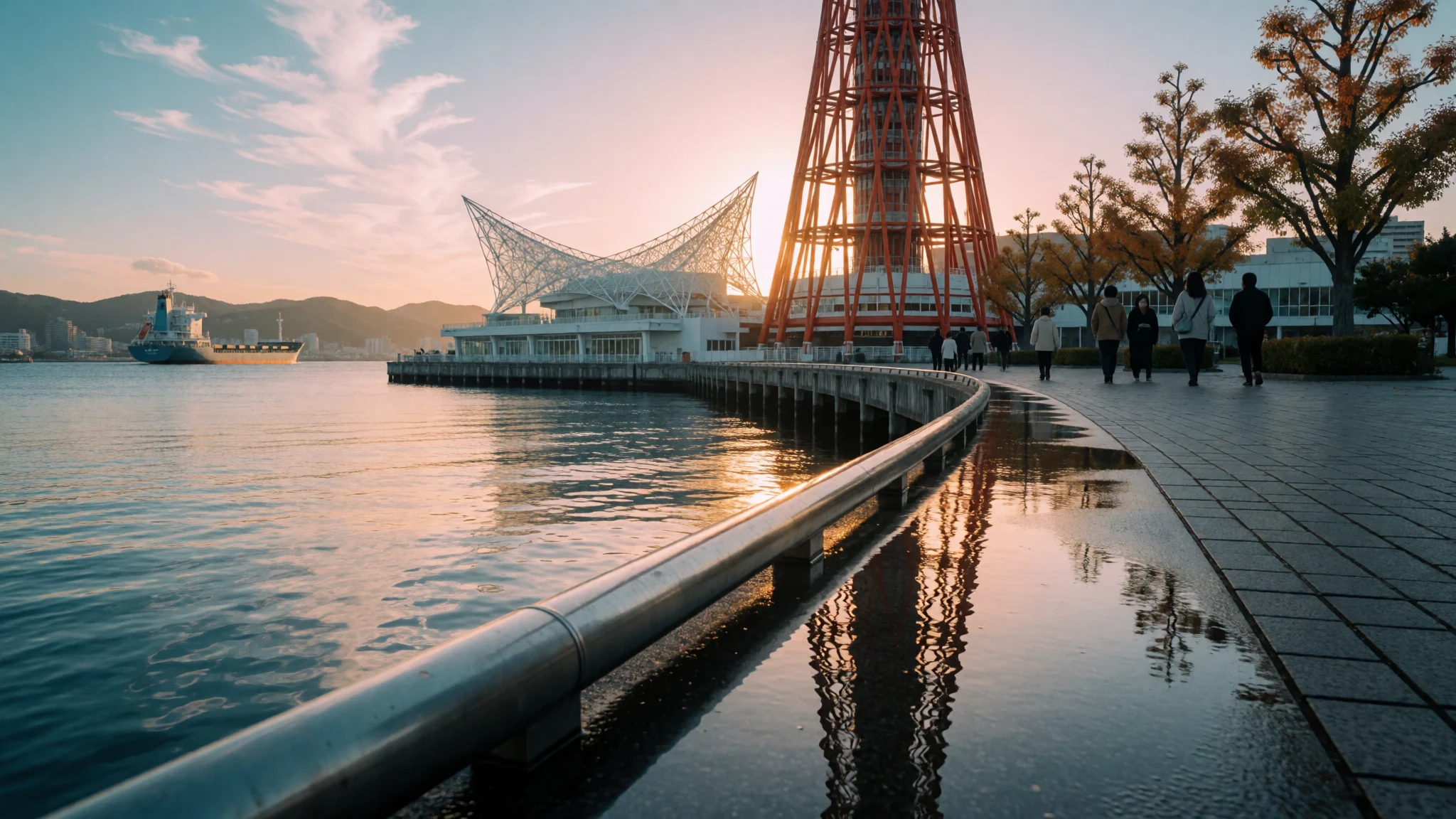
Kobe is a hillside port where nineteenth-century foreign houses, a Chinese quarter, jazz and a very old shrine sit within walking distance of the sea.
The place
Kobe is a port city on the north shore of Osaka Bay, in Japan's Kansai region, and the capital of Hyōgo Prefecture. About 1.5 million people live in a long, narrow strip of flat ground squeezed between the water and a ridge of hills. Mount Rokkō and Mount Maya rise just behind the centre, so streets tend to run either down to the harbour or steeply up away from it, and glimpses of ships and cranes keep turning up between buildings. Kobe forms part of the Keihanshin urban area with Osaka and Kyoto, and trains link all three easily, which makes it a natural base or an easy stop on a longer Kansai trip. What sets the city apart is its past as one of the first Japanese ports to trade with the West. That legacy shows in the old foreign merchants' houses on the hillside, the former consulate district near the water, a Chinese merchants' quarter, and a general ease with outsiders. Two local names travel far beyond the city: Kobe beef, which comes from cattle raised across Hyōgo Prefecture, and Arima Onsen, the hot-spring town in the hills. The core is compact enough to cover on foot between Sannomiya station and the waterfront, though the climb to Kitano is real work in summer, when Kansai weather turns heavy and humid. Spring and autumn are kinder. Weekends bring local crowds to the harbour and Chinatown; weekday mornings are calmer.
Its story
Kobe grew from a sheltered anchorage into a modern city over many centuries. Tools found in the west of the city show that people lived here from the Jōmon period, and the shape of the coast, especially around Wada Cape, made the harbour a natural place to land and trade. The early chronicle Nihon Shoki describes Empress Jingū founding Ikuta Shrine in the third century, which is the tradition behind the shrine's great age. In the Nara and Heian periods the port was called Ōwada Anchorage, and ships carrying imperial embassies to China set out from it. In 1180 the Taira leader Taira no Kiyomori moved the child emperor Antoku to Fukuhara-kyō, in what is now Hyōgo ward, so for about five months the area was the seat of the court before it returned to Kyoto. A few years later the Taira and Minamoto clans fought the battle of Ichi-no-Tani near Ikuta Shrine, a chapter of the Genpei War that ended with a Minamoto victory. Under the name Hyōgo Port, the harbour became a trading hub with China during the Kamakura period. Throughout much of its past, the region was not a single political entity, and Kobe as it exists today was established only in 1889. The name comes from Kanbe, an old term for the households that supported Ikuta Shrine. After Japan's policy of seclusion ended in the 1850s, the port opened to foreign trade, and merchants from the West and from China settled here, shaping the architecture and food that visitors still find.
What to see
- Kitano Ijinkan — Kitano, the hillside above the city centre
Kitano is the slope where foreign traders built their homes in the nineteenth century, and several of these Western-style houses can still be visited. The lanes climb steeply, so comfortable shoes matter. The weathervane house, Kazamidori-no-Yakata, is a good starting point, and the surrounding streets are pleasant for cafés and gardens. Check the city website for opening arrangements.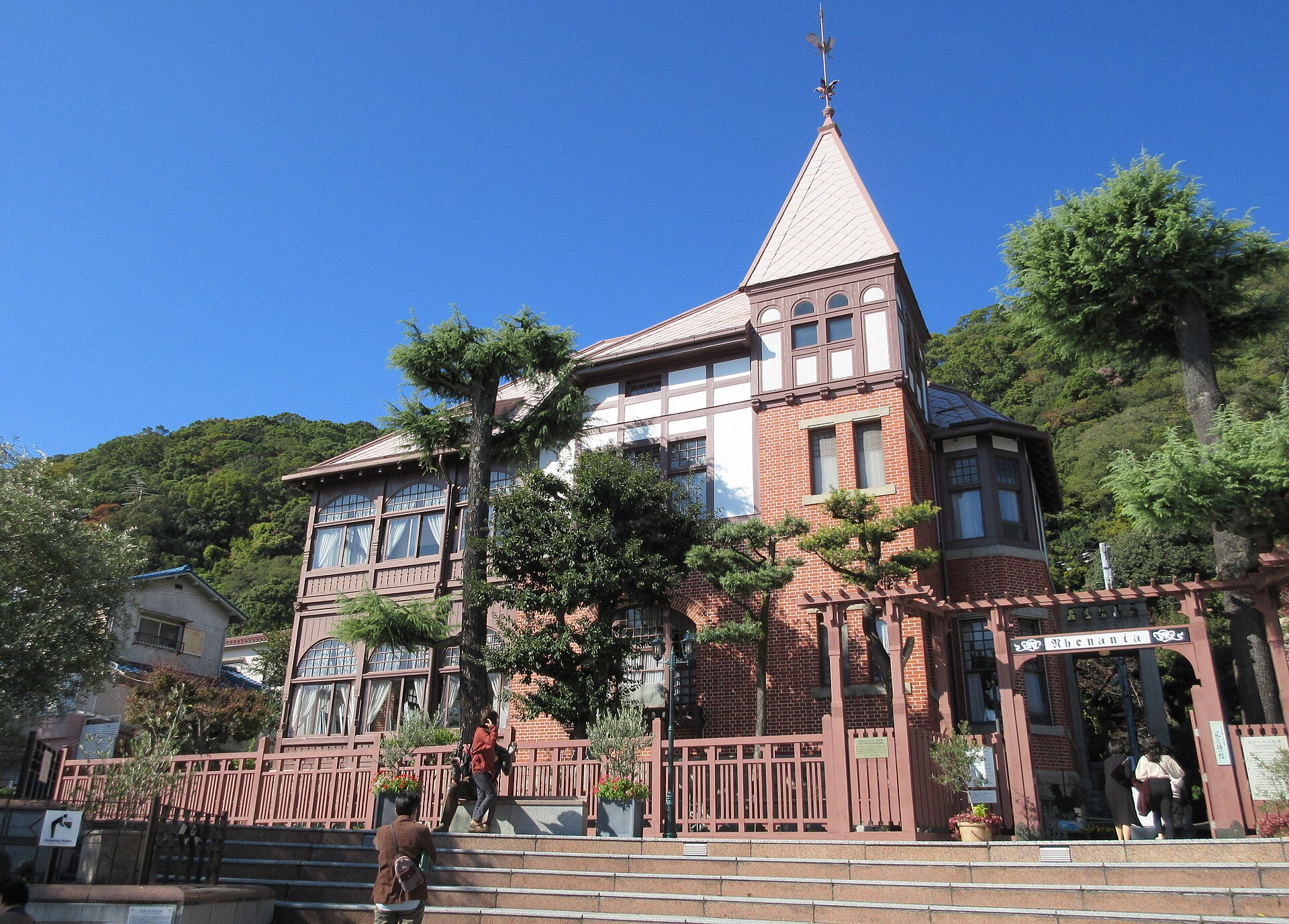
- Kyu-kyoryuchi (former foreign settlement) — Near the waterfront, south of Sannomiya
This flat district was where foreign consulates and trading companies once built their offices. Several nineteenth-century buildings now hold restaurants and shops, and the Old Settlement Hall of No. 15 is a handsome example. It suits a slow, level stroll after the hills of Kitano, and it is quiet on weekday mornings.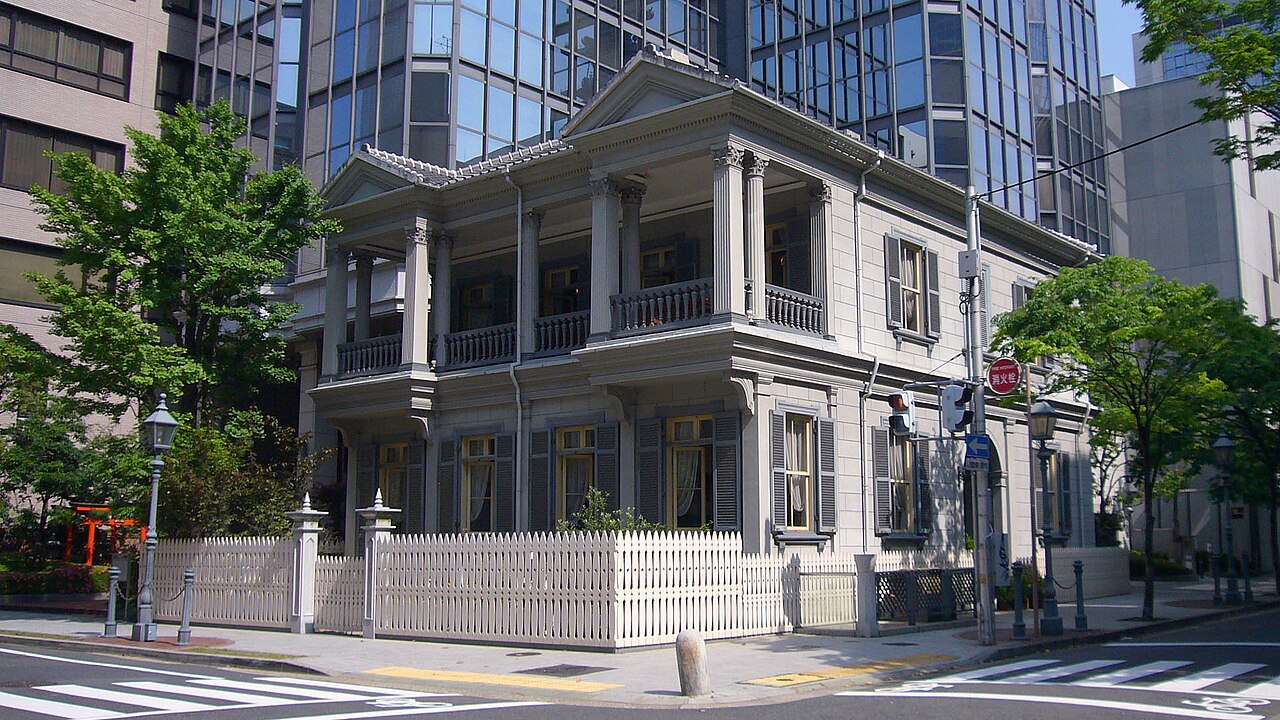
- Nankinmachi (Chinatown) — West of Motomachi, entered through Chang'an Gate
Nankinmachi began as the settlement of Chinese merchants. Today it is lively and fairly touristy, with stalls selling Japanese-style versions of Chinese snacks such as pork buns. Go for the atmosphere and a street-food lunch, and expect crowds at weekends. A museum nearby tells the story of Kobe's Chinese community.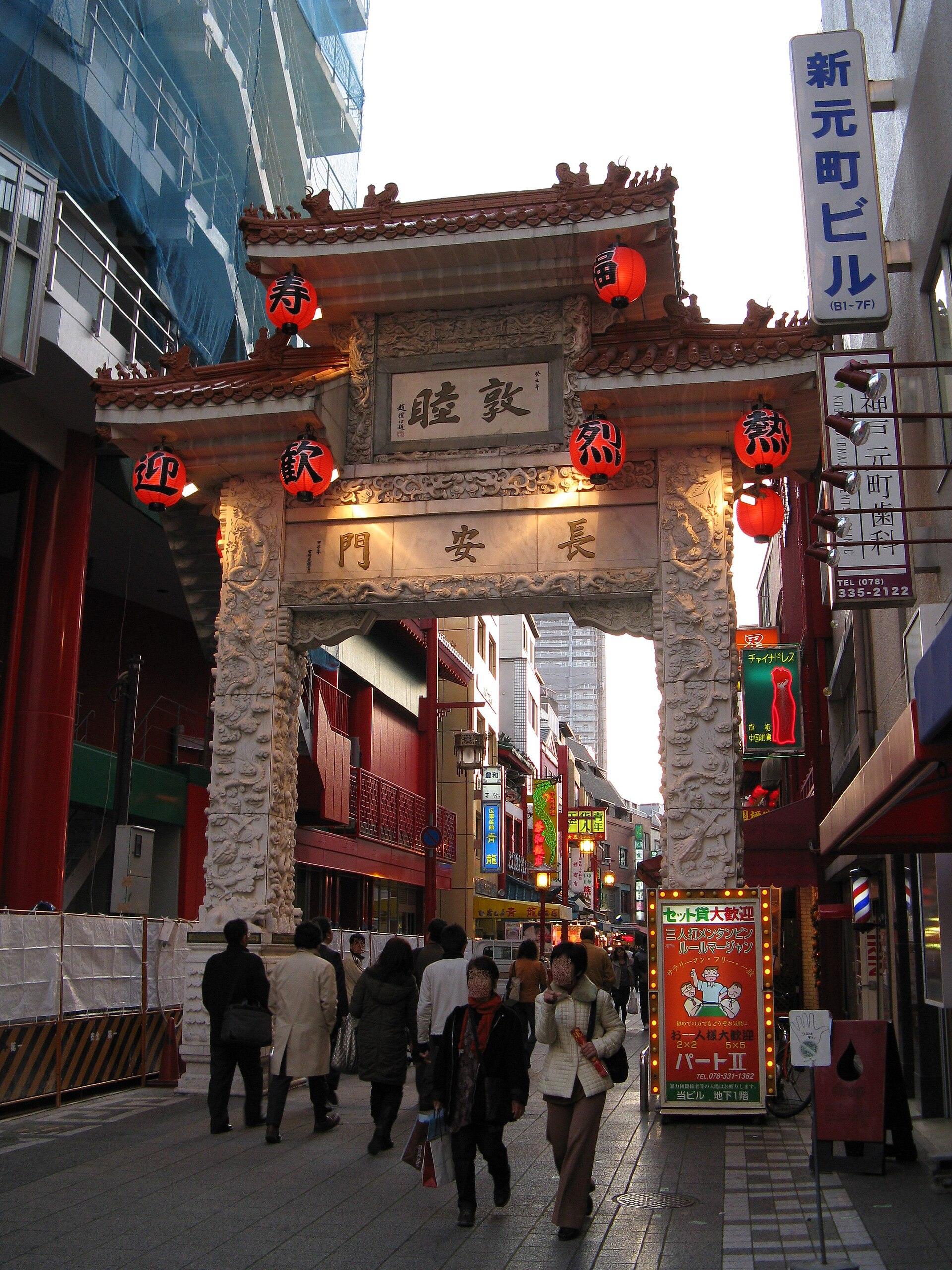
- Harbour, Port Tower and Maritime Museum — Meriken Park waterfront
The harbour front is where Kobe's trading identity is easiest to grasp. The Kobe Maritime Museum shows photographs, models, artefacts and some real ships from the port's history, and the Port Tower stands beside it. Evening light on the water is the best time for photographs. Check the official sites for hours and tickets.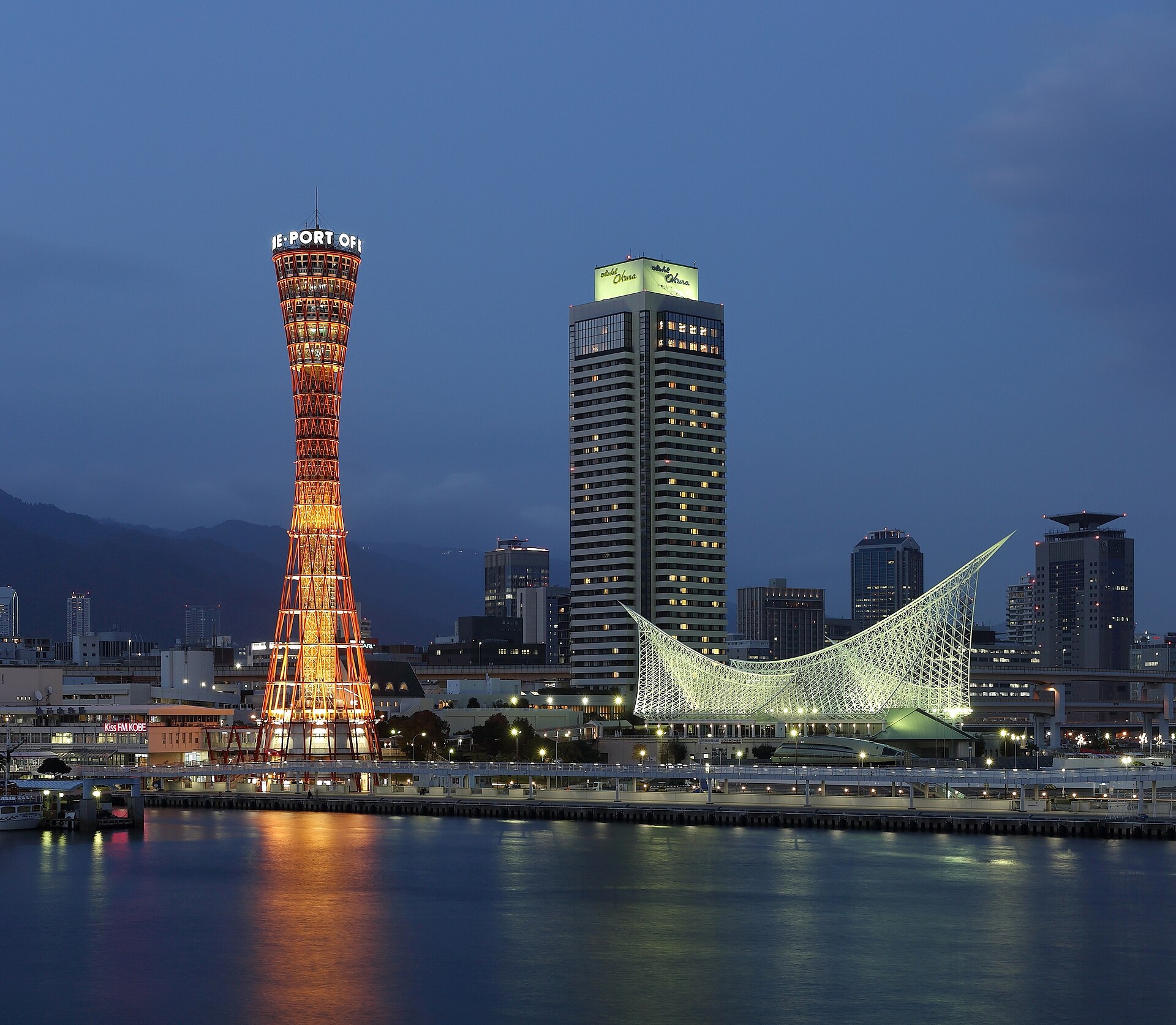
- Ikuta Shrine — A few minutes' walk from Sannomiya station
Ikuta Shrine is tied to the city's oldest written records and gave Kobe its name. It sits among office blocks near Sannomiya station, so a visit takes little time and costs nothing to enter the grounds. Local people come for prayers and weddings, and the quiet contrast with the nearby shopping streets is the appeal.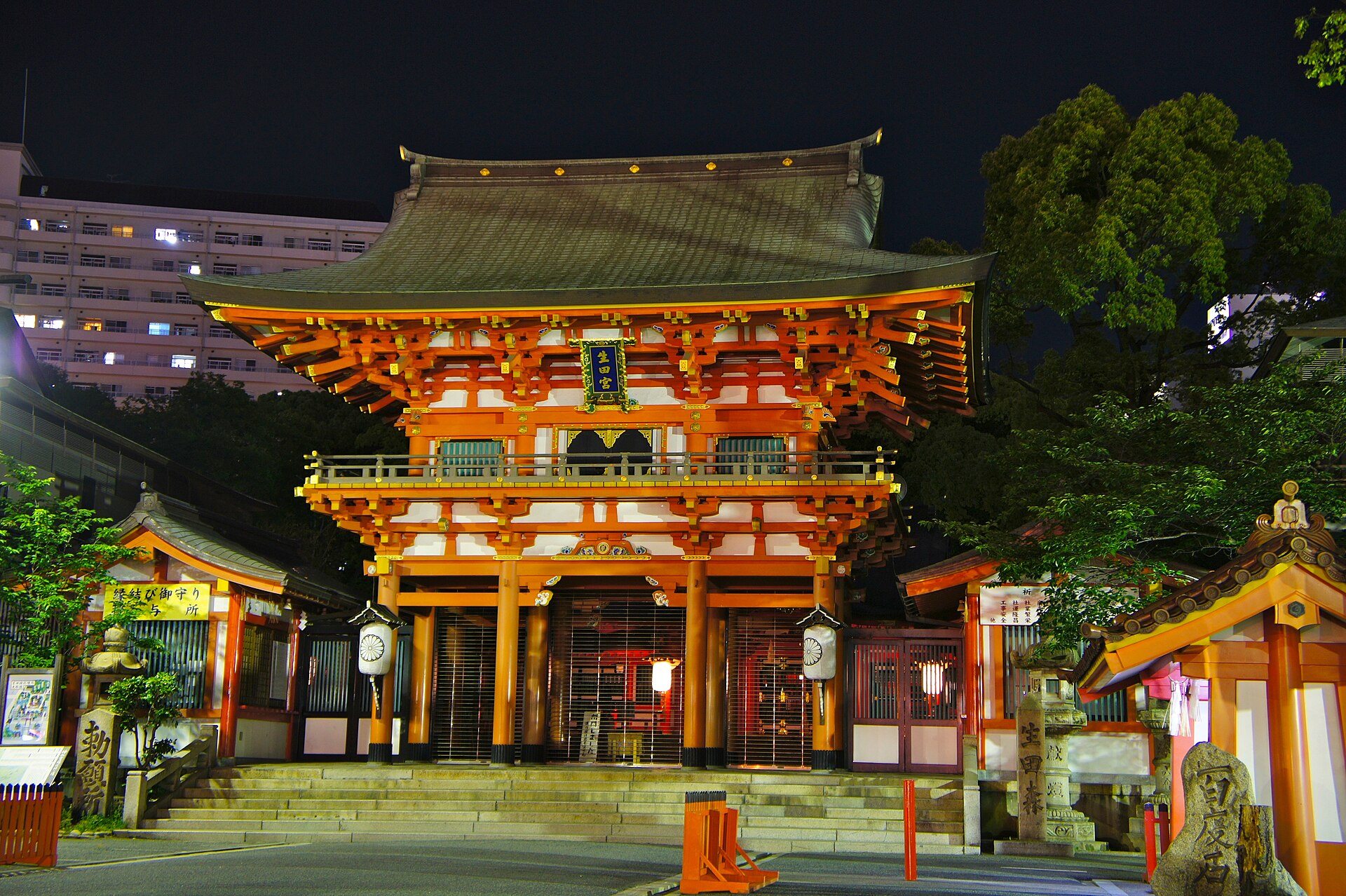
Culture
Kobe's culture comes from being a port that welcomed outsiders. In Japan, the city is famous for its international sophistication, a reputation summed up by a local saying: head for Kobe whenever a trip to Paris is off the cards. Music is part of that identity. Kobe Jazz Street fills clubs and other venues with live jazz every October, and the city even has a statue of Elvis Presley, a cheerful sign of its taste for imported culture. Alongside the foreign influence runs a much older layer. Ikuta Shrine is the old religious centre of the city, and people stop there for New Year prayers, wedding ceremonies and quiet moments on the way to work. The hills behind the city give residents an escape too: Mount Rokkō and Mount Maya are walking country, and Arima Onsen is the traditional place for a hot-spring soak. Food is a point of local pride, from Kobe beef raised in the surrounding prefecture to Chinese-Japanese snacks from the old merchants' quarter and the Western-style dishes the port introduced. Design also matters here, and Kobe Fashion Week, held twice a year, brings the fashion world to the city. Residents tend to be relaxed and used to visitors, but they value quiet in shrines, trains and residential streets. At Ikuta Shrine, bow slightly at the gate, keep your voice low near the main hall, and ask before photographing worshippers or priests.
What to wear
Kobe has long been the Japanese city most associated with Western-style fashion, and the saying about going to Kobe if you cannot reach Paris reflects that. Its twice-yearly Kobe Fashion Week, with the Kobe Collection, still carries the reputation. Traditional dress is worn on special occasions rather than daily. The kimono is a wrapped robe, usually silk for formal wear, tied with an obi sash, and seen at weddings, coming-of-age ceremonies and shrine festivals. The yukata is its lighter, unlined cotton cousin, worn on summer evenings for fireworks and festivals and at hot-spring towns such as Arima. Men wear hakama, pleated trouser-skirts, at formal occasions. Kobe itself is better known for tailoring and trends than for a particular local textile. In daily life, people dress smartly but simply: neat layers, tailored jackets, clean sneakers or leather shoes, and umbrellas in the rainy season. Visitors should plan for the weather first. Summer is hot and humid, so light, breathable fabrics and a hat help; spring and autumn need a light jacket for evenings. The hills of Kitano and the Rokkō trails call for sturdy, comfortable shoes. For shrines no special costume is required, but tidy clothes and shoes that slip on and off easily are practical, especially if a house or restaurant asks guests to remove footwear.
What to eat
- Kobe beef — Steakhouses around Sannomiya and Kitano
Kobe beef comes from cattle raised in Hyōgo Prefecture and is known for tender, finely marbled meat. It is usually grilled on a hot plate at specialist steakhouses. Expect it to be the most expensive meal of a trip, and check menus before sitting down. - Buta-man (pork buns) — Stalls and shops in Nankinmachi (Chinatown)
Buta-man are soft steamed buns filled with seasoned pork, a Japanese take on Chinese dumplings. They are the classic street snack in Kobe's Chinatown and easy to eat on the move. Queues build up on weekends, so go earlier in the day. - Taiyaki — Small stands near Sannomiya station
Taiyaki are fish-shaped cakes baked in a mould and filled with sweet red bean paste or sweet potato. They are served hot and make a cheap, quick snack between sights. Small stands near the station are popular and often cramped. - Yōshoku — Old-style Western-food diners in the central streets
Yōshoku means Japanised Western cooking, a legacy of the port. Typical plates include breaded fried prawns and oysters, and hamburger steaks with rich sauce. It is comfort food, usually served with rice and miso soup in modest, long-running diners. - Yakitori — Izakaya (casual pubs) and chain eateries near the stations
Yakitori are skewers of grilled chicken, seasoned with salt or a sweet soy glaze. They are a good way to eat in the evening, with beer or tea, in a casual izakaya. Chains are common in Kansai and handy for a reliable, informal meal.
Plan it
Best time. April–May and October–November, when days are mild and good for walking the hills. June is the rainy season, and July–August is hot and humid. October also brings the Kobe Jazz Street festival.
How long. 2–3
Getting there. Kobe Airport is linked to Sannomiya station by the Port Liner light rail. Kansai International Airport is the nearest international hub, reached from Kobe by ferry from Kobe Airport, an airport limousine bus, or by train via Osaka. Osaka Itami handles domestic flights only. Bullet trains stop at Shin-Kobe station, a short subway ride from Sannomiya. Check operator websites for current times and fares.
Budget. mid
Tips
- Do Kitano and the hillside houses in the morning, before the summer heat builds
- Wear shoes you can climb in; the slopes are steep and the pavements uneven
- Visit Chinatown on a weekday if you can, as weekends are crowded
- Carry some cash for small stalls and shrines, though larger shops take cards
- Combine Kobe with Osaka and Kyoto, as trains between them are quick; see the city website at https://www.city.kobe.lg.jp/ for local information
Etiquette
- Bow slightly at a shrine gate and keep voices low near the main hall
- Take off shoes when entering a house or restaurant with a raised floor
- Ask permission before photographing people, and keep noise down on trains
Nearby
Sources
- Wikidata Q48320 (CC0)
- Wikipedia: Kobe (rev 1384370891) (CC BY-SA 4.0)
- Wikivoyage: Kobe (rev 5407462) (CC BY-SA 4.0)
- Photo: Kobe Port Tower and Maritime Museum, Martin Falbisoner (CC BY-SA 4.0)
- Photo: Kobe harbor, Balon Greyjoy (CC0 1.0)
- Photo: The Old Settlement Hall of No.15, 663highland (CC BY 3.0)
- Photo: Akashi-Kaikyo Bridge, Anagoria (CC BY-SA 1.0)
- Photo: Chang'an Gate, Nankinmachi, KENPEI (CC BY 3.0)
- Photo: Ikuta Shrine, Manish Prabhune (CC BY 2.5)
- Photo: Hyogo Prefectural Museum of Art, 663highland (CC BY 3.0)
- Photo: Kobe City Thomas House, KishujiRapid (CC BY-SA 4.0)


