Ko Chang
Ko Chang, Thailand
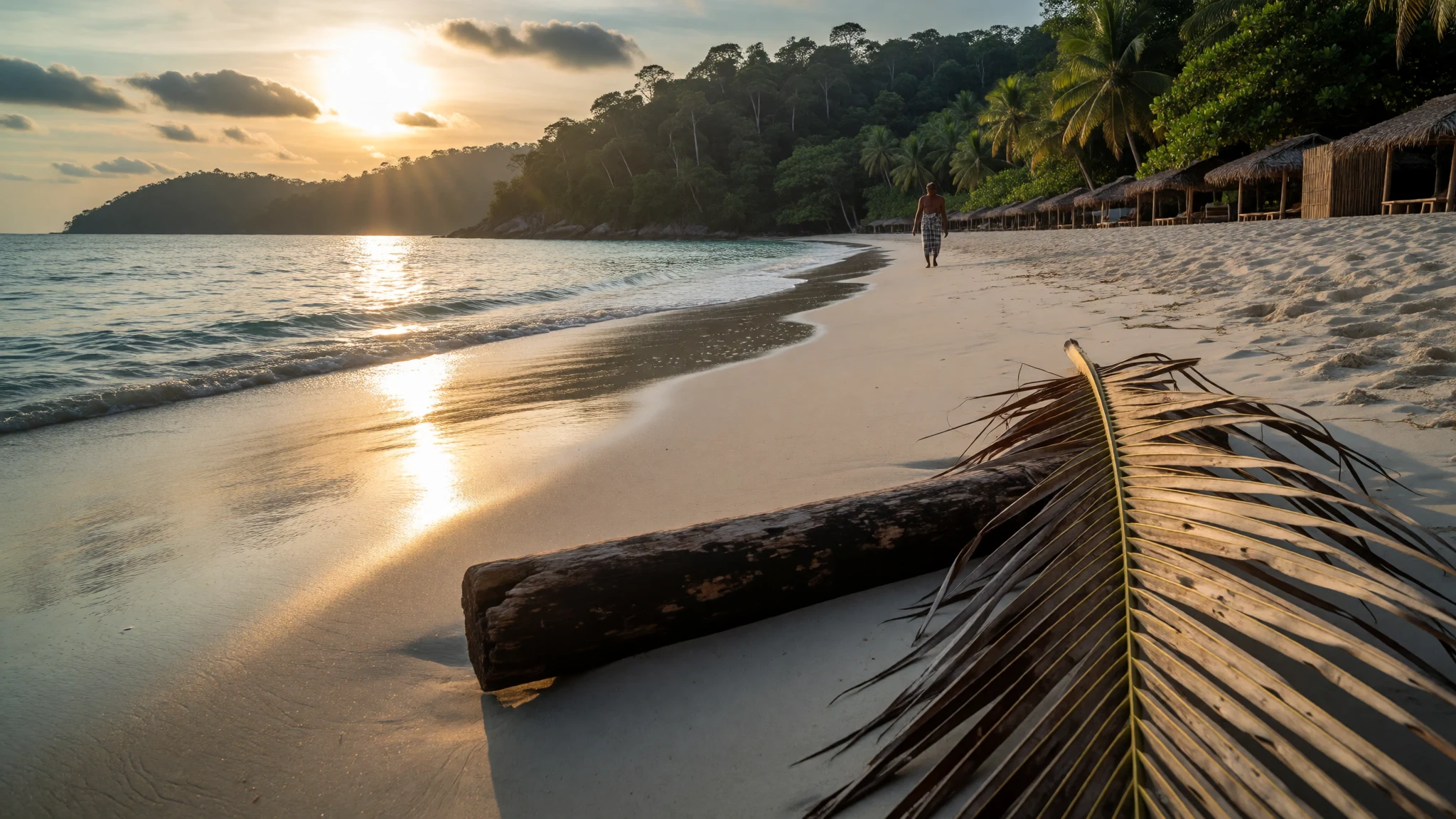
Ko Chang is a forested, waterfall-streaked island on Thailand's eastern coast, with easy beaches, reef-ringed islands and a lot less hurry than the southern resorts.
The place
Ko Chang is a mountainous island in Trat province, on the eastern side of the Gulf of Thailand and close to the Cambodian border. Its name means Elephant Island, after the shape of a headland, though elephants are not native to it. Bangkok lies several hours away by road and ferry, a distance that has helped the island keep a slower, greener feel than the better-known resorts in the south of the country. About 5,356 people live here, mostly in a handful of villages, so the permanent population is small even though tourism and building have made a clear mark. The interior is steep rainforest rising to Khao Salak Phet at 743 m, and streams run off the slopes as waterfalls. Most visitors stay along the west coast, where one road links the beach areas and small centres of Sai Khao, Hat Kai Mook, Kai Bae and Ban Klong Prao. Bang Bao, a fishing village built out over the water, sits on the south coast. Ban Dan Mai on the east coast is the administrative centre and sees few visitors. Ko Chang is the main island of an archipelago, and much of the surrounding Mu Ko Chang National Park is sea, with reefs and small islands reached by boat. Expect honest weather: Trat is one of the wettest provinces in Thailand, the rainy months bring heavy showers and rougher seas, and the west coast is busiest in the dry season.
Its story
Ko Chang had a quiet past before the Second World War, when the few families on the island lived from coconuts and fruit and the outside world rarely called. That changed on 17 January 1941, when the Royal Thai Navy met a stronger Vichy French naval squadron off the island in what is now called the Battle of Ko Chang. The French won decisively at sea, and the clash is remembered in Thailand as part of a border conflict with French Indochina, which lay just across the frontier in Cambodia. Each late January the navy holds Ko Chang Yutthanawi Day at a memorial on the mainland at Laem Ngop, with an exhibition and merit-making rites for the men who died. A large renovation was reported at the memorial site in 2018, so it may look different now. The island has a royal link of a gentler kind in Wat Salak Phet, a village temple built in the reign of King Rama V after his visit; the original building now works as a museum of his trips to the area. After the war the island stayed a backwater of farmers and fishers for decades. Tourism arrived first along the west coast beaches and later reached places such as Klong Kloi on the south coast, which was empty until 2006 and now has bars, restaurants and rooms. Older village life continues mostly on the east coast and at Bang Bao.
What to see
- White Sand Beach — Sai Khao, west coast
White Sand Beach is the first beach most people meet after the ferry, which makes it the busiest on the island. It has the widest choice of eateries, shops and rooms, and the sunsets are good. Go early in the morning for calmer sand, or choose a quieter beach further south.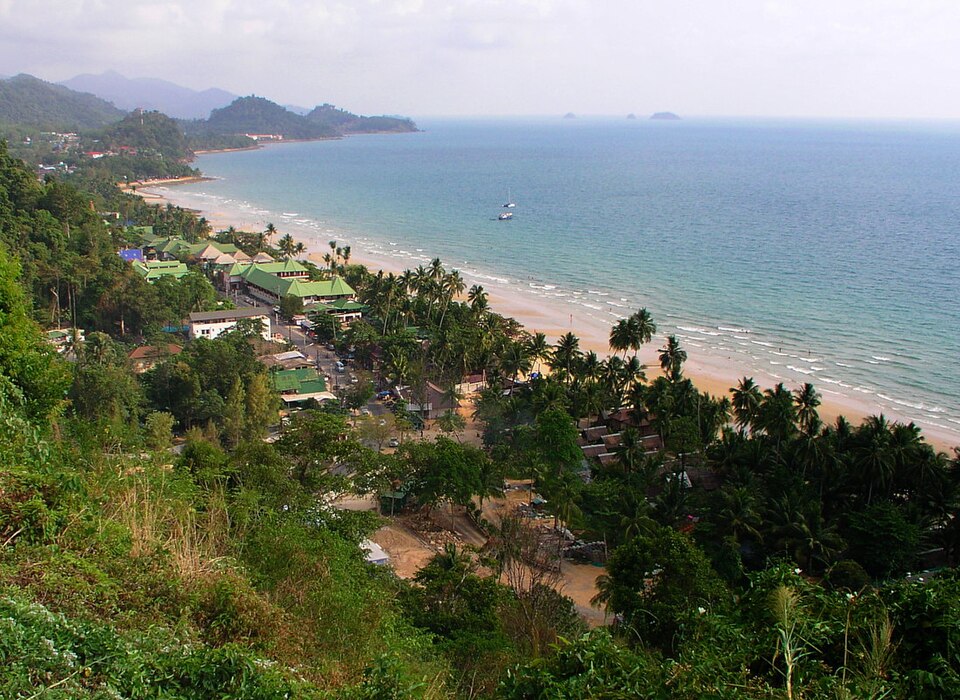
- Klong Plu waterfall — West side of the island
Klong Plu is the most visited waterfall on Ko Chang and the only one on the west side. A short forest walk leads to a pool below the falls. Flow is strongest in the rainy months and thinner in the dry season. Wear shoes with grip, because the rocks are slippery.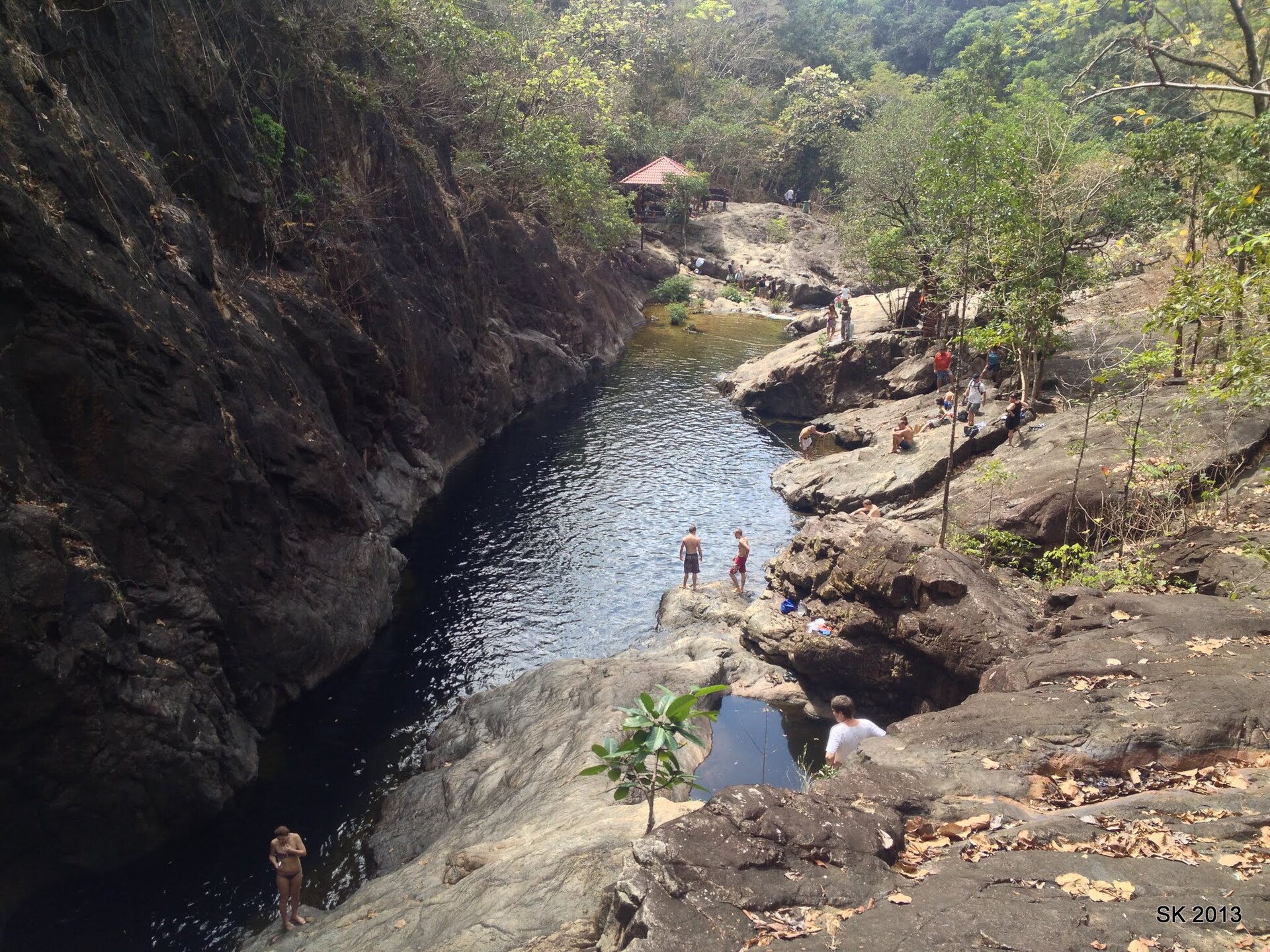
- Lonely Beach — South of Kai Bae
Lonely Beach is where backpackers gather, drawn by cheaper rooms and parties on most nights in the high season. By day it is a relaxed stretch of sand with cafés and a lively crowd. Light sleepers should ask about noise before booking, and quieter Klong Kloi on the south coast is an alternative.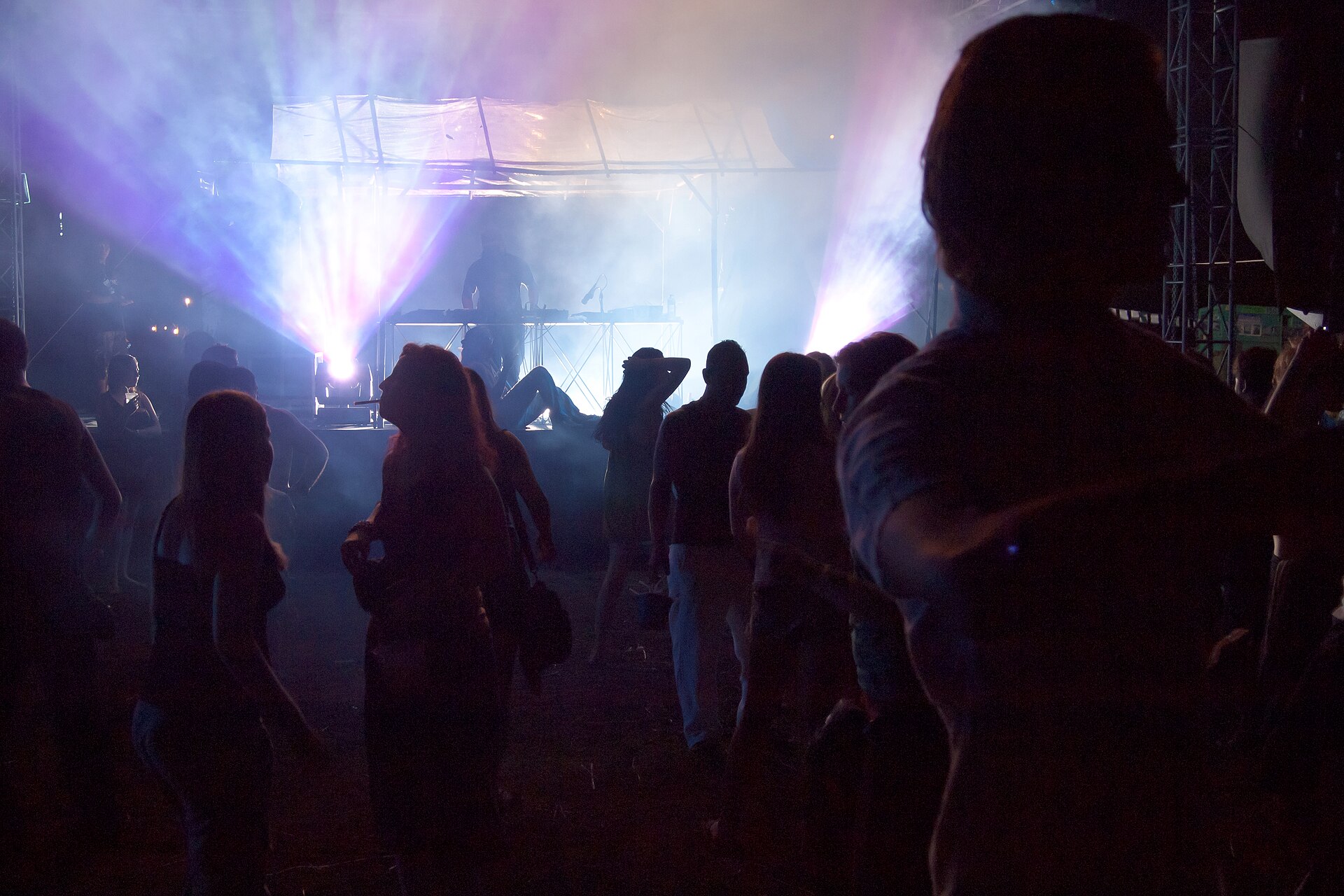
- Salak Phet and Wat Salak Phet — South-east coast
Salak Phet is a fishing village on a large bay, far from the west coast crowds. Its temple, Wat Salak Phet, was built in the reign of King Rama V, and the original building now serves as a small museum of his visits. The pier and lighthouse are pleasant at dusk.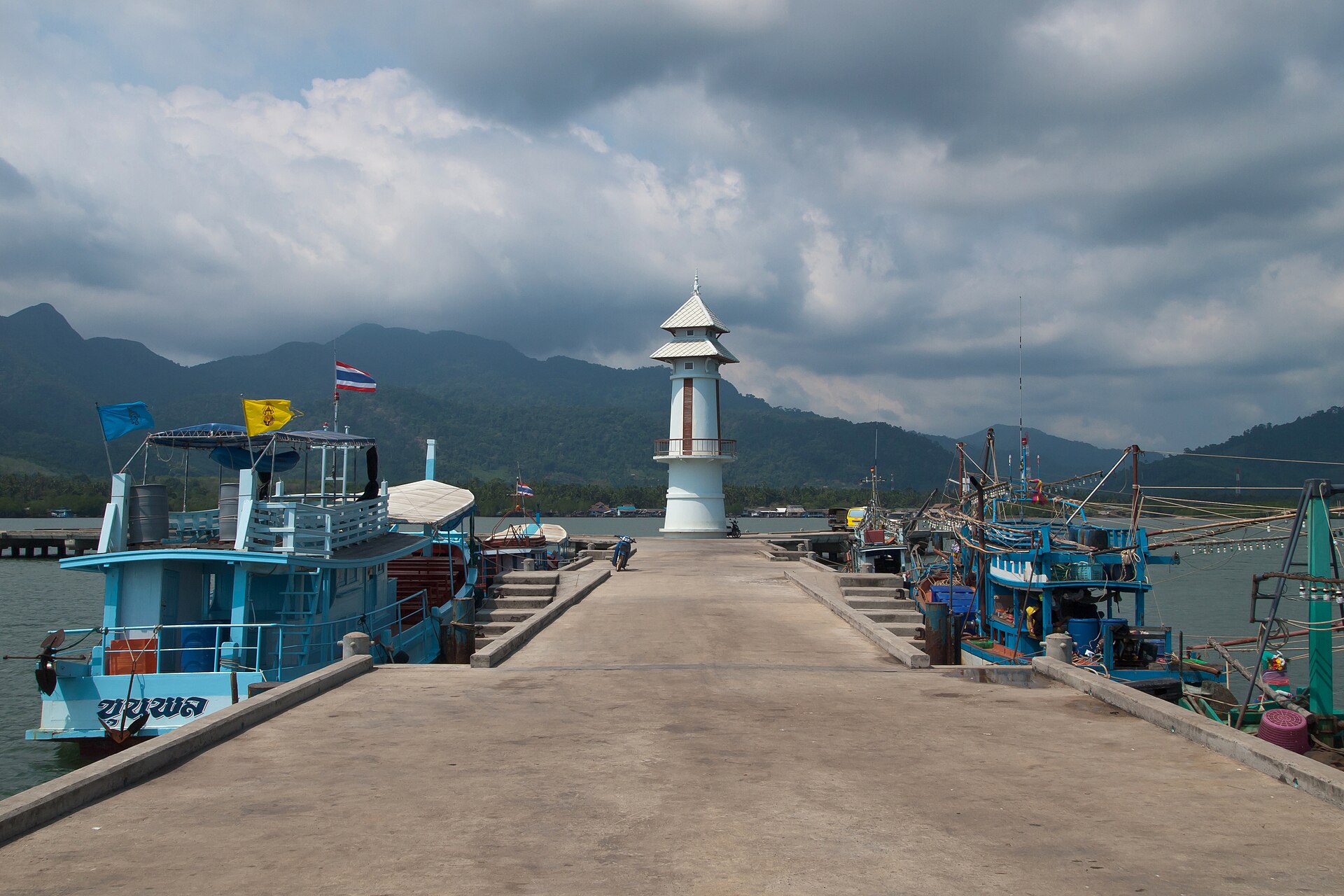
- Mu Ko Chang National Park — Island interior and surrounding sea
The national park covers parts of Ko Chang and many smaller islands, and most of it is open water. On land it protects the rainforest, streams and waterfalls of the interior. Guided treks and boat trips for snorkelling are the usual ways in. Use park rangers or reputable local guides for long cross-island hikes.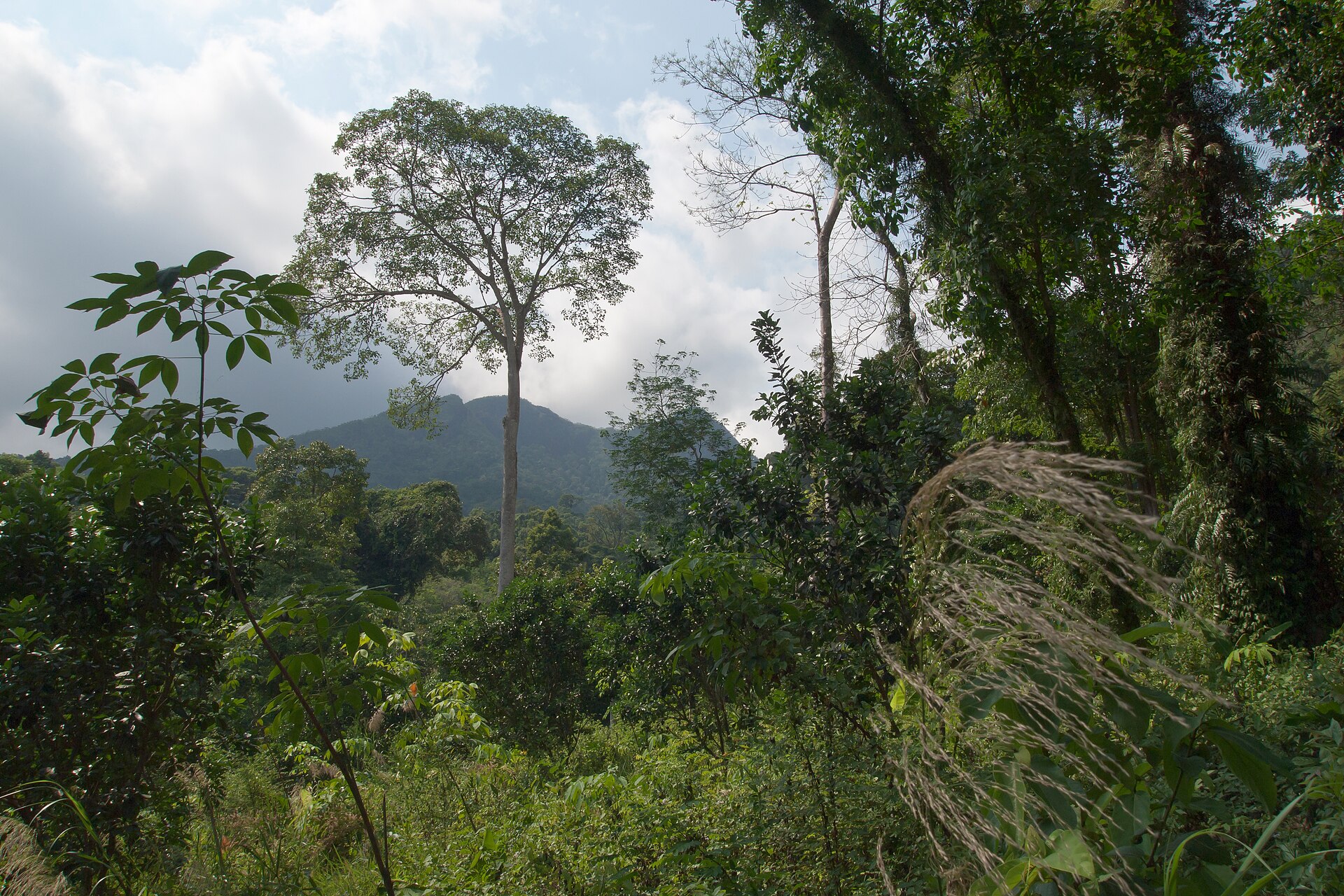
Culture
Ko Chang is a Thai Buddhist island, and everyday life follows that rhythm away from the beach strips: temple visits, merit-making, family-run shops and fishing boats leaving early. The older families lived from coconuts, fruit and the sea long before visitors came, and some of that character survives in villages such as Bang Bao and Salak Phet. The island's two worlds sit side by side. The west coast has bars, live music and beach parties, particularly around Lonely Beach in the high season, while a few kilometres away a village temple may be holding a quiet ceremony. Wat Khlong Phrao and Wat Salak Phet are everyday places of worship, and the latter also remembers King Rama V's visit. Respect for the monarchy, the monks and the Buddha image is strong in Thailand, and it applies here as much as in Bangkok. Each January the navy commemorates the 1941 sea battle with the French on the mainland at Laem Ngop, which shows how much the island's history belongs to the whole country. Thai manners value calm: raised voices, public anger and loud arguments get little result. A smile and patience go much further, whether at a ferry pier, a market stall or a guesthouse desk. Inside any temple on Ko Chang, cover your shoulders and knees, take off your shoes at the door, and never point your feet at a Buddha image or touch a monk.
What to wear
Ko Chang follows Thai dress traditions, though few islanders wear them day to day. The classic garments are the pha sin, a wrapped tubular skirt in cotton or silk, and the chong kraben, a length of cloth drawn between the legs and tucked in. The checked cotton pha khao ma has long been the practical cloth of farmers and fishers, used as a towel, head cover and sash. Formal silks and wrapped dress appear mostly at weddings, temple festivals and national ceremonies. Now, island life runs on light shorts, T-shirts, fisherman trousers and flip-flops, and many people working in the sun cover their arms and wear wide hats. The beach strips are very casual, with swimwear and sarongs everywhere. A visitor should pack for heat and humidity: quick-drying cotton or linen, a hat, sunglasses and a light rain jacket for the wetter months. Swimwear belongs on the beach and boats only; put on a shirt and shorts or a sarong to walk through a village, shop or restaurant. For temples, bring something that covers shoulders and knees. Sandals with a good grip are better than smooth flip-flops on wet waterfall rocks, and closed shoes help on forest treks, where leeches and sharp stones are common in the rainy season.
What to eat
- Grilled fresh fish and prawns — Seafood restaurants on the Bang Bao pier and along the west coast road
Seafood is the island's strength, usually grilled over charcoal or steamed with lime, garlic and chilli. Pick the fish from the ice display and ask how it will be cooked. Bang Bao's pier restaurants are the classic setting, with the boats just beside the tables. - Pad kra pao — Roadside eateries and small kitchens in Ban Klong Prao and Kai Bae
Stir-fried minced pork, chicken or seafood with holy basil and chillies, usually served over rice with a fried egg. It is a staple everyday meal across Thailand and a quick, filling lunch on the island. Ask for it less spicy if the chilli worries you. - Crab fried rice (khao pad pu) — Beachfront restaurants and seafood places in the main beach areas
Wok-fried rice with sweet crab meat, egg and spring onion, served with lime and cucumber. It is mild and satisfying after a day in the sun. Seafood places on the west coast usually have it, and it works well beside a plate of grilled prawns. - Som tam — Street-side stalls and local kitchens in the villages
Green papaya salad pounded with chillies, lime, fish sauce and peanuts, sharp and crunchy. Order it with sticky rice and grilled chicken for a classic combination. The standard version is very hot, so specify how much chilli you want. - Fresh coconut and fruit shakes — Beach-road stalls and cafés, especially around White Sand Beach
Coconuts and fruit were the old livelihood here, and they are still the best cooling drinks. Look for coconut water drunk from the shell and blended shakes of mango, pineapple or banana. They are a welcome break from the midday heat.
Plan it
Best time. November to February is the usual choice: it is drier and a little cooler, and the sea is calmer. Trat is one of the wettest provinces in Thailand, so the rainy months bring heavy downpours, rougher boat crossings and some closed businesses, though waterfalls are at their fullest and the island is greener and quieter.
How long. 3–4
Getting there. Fly from Bangkok's Suvarnabhumi Airport to Trat Airport with Bangkok Airways, or take a bus from Bangkok's Eastern (Ekamai) terminal to Laem Ngop, where the ferry piers are. From Laem Ngop a car ferry crosses to the island, and shared pick-ups or minibuses take you on to your beach. Check current ferry and flight times before you travel.
Budget. mid
Tips
- Book rooms ahead for the high season, especially around Christmas, New Year and weekends
- Hire a scooter only if you are experienced: the island's roads are steep, bendy and wet in the rains
- Carry some cash, since small eateries, villages and guides may not take cards
- Use a park ranger or reputable guide for the cross-island trek and carry plenty of water
- Start waterfall visits in the morning, before the heat and the day-trip crowds
Etiquette
- Dress modestly and remove shoes when entering a temple such as Wat Khlong Phrao or Wat Salak Phet
- Do not touch coral, feed wildlife or leave rubbish in the national park
- Keep noise down away from the party beaches, particularly at night in village areas
Nearby
Sources
- Wikidata Q941265 (CC0)
- Wikipedia: Ko Chang (rev 1378860403) (CC BY-SA 4.0)
- Wikivoyage: Ko Chang (rev 5418899) (CC BY-SA 4.0)
- Photo: White Sand Beach, Ko Chang (Heinz Albers) (CC BY 3.0)
- Photo: Panoramic view of the west coast of Ko Chang (Vyacheslav Argenberg) (CC BY 4.0)
- Photo: Tropical rainforest, Koh Chang (Vyacheslav Argenberg) (CC BY 4.0)
- Photo: Sunset on Koh Chang (Vyacheslav Argenberg) (CC BY 4.0)
- Photo: Nightlife, dancing, Koh Chang (Vyacheslav Argenberg) (CC BY 4.0)
- Photo: Klong Phrao Beach, Koh Chang (User:Mattes) (Public domain)
- Photo: Klong Plu waterfall (Serj Kras) (CC BY 3.0)
- Photo: Baan Salak Petch Pier Lighthouse (Vyacheslav Argenberg) (CC BY 4.0)


