Kitakyūshū
Kitakyūshū, Japan
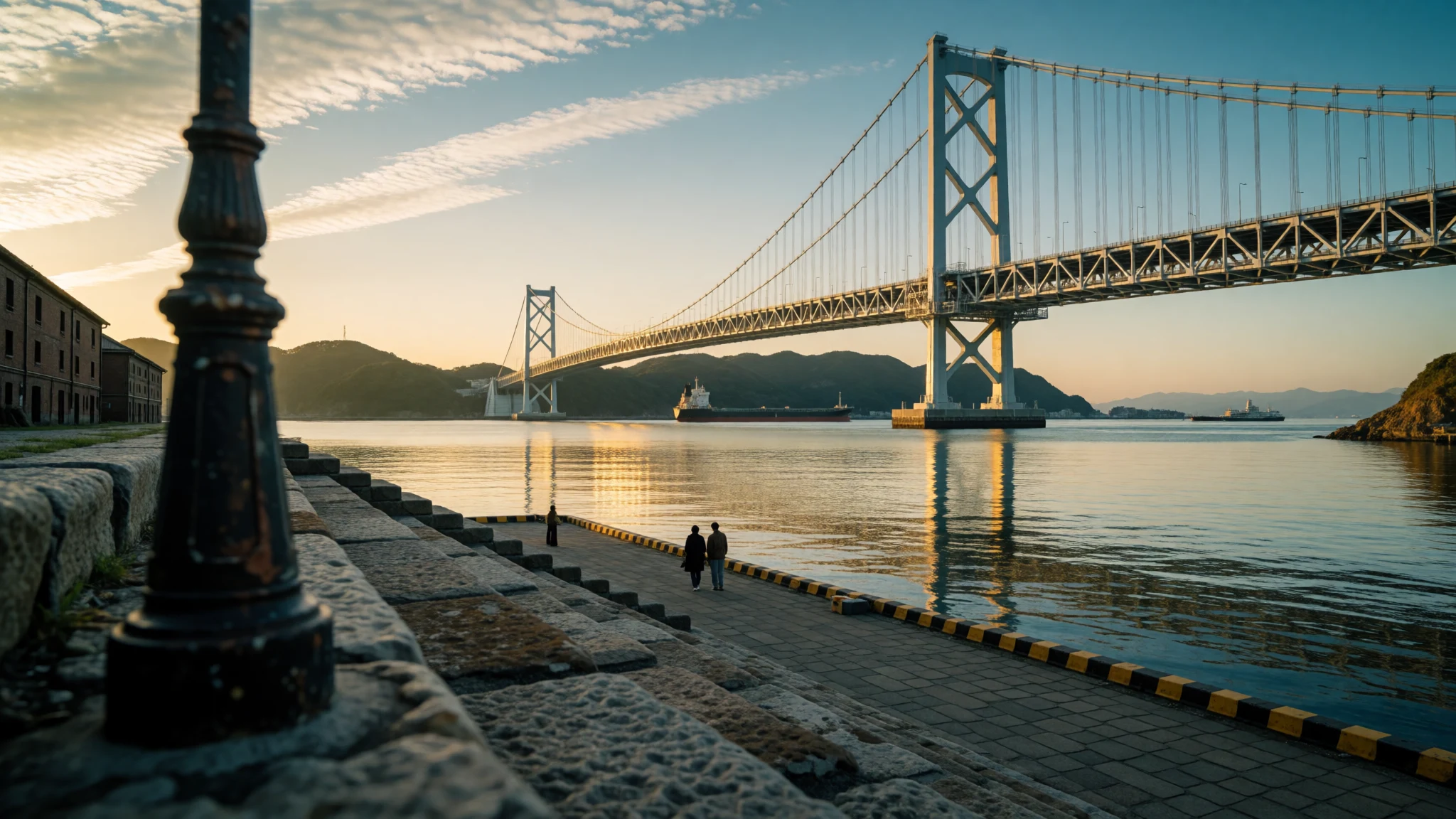
Kitakyūshū is a relaxed working port and steel city on the Kanmon Straits, good for harbour walks, a rebuilt castle and honest local food.
The place
Kitakyūshū is a port-and-factory city at the northern tip of Kyushu, in Fukuoka Prefecture, home to 935,084 people. The name simply means North Kyushu, and the geography explains the rest. The city lines the Kanmon Straits, the narrow channel that separates Kyushu from Honshu, and faces Shimonoseki across the water. A bridge and several tunnels for road and rail tie the two shores together, so trains, ships and lorries all funnel through here. It is a city designated by government ordinance, a status given to Japan's larger cities, and it is divided into seven wards with quite different characters. Kokura, in Kokurakita ward, is the centre of daily life. Its station, on the San'yō Shinkansen, anchors the main shopping and entertainment district, with arcades, department stores and plenty of places to eat. Moji, at the edge of the strait, is the old harbour quarter. Yahata is the steelmaking heartland, where furnaces and chimneys explain why the city grew at all. Further inland the land turns green and hilly, with a karst plateau, waterfalls and reservoirs a short drive from the station. Expectations are worth setting honestly. Kitakyūshū is not a polished postcard town. It is lived-in, practical and friendly, and quieter than Kyoto or the busiest corners of Fukuoka. Summers are hot and humid, and spring and autumn are the best seasons for walking. Most people pass through on the way elsewhere, which is a pity, because a couple of days here show how modern Japan was built and fed.
Its story
Kitakyūshū became a single city in 1963, when five separate municipalities, Moji, Kokura, Wakamatsu, Yahata and Tobata, were merged into one. Each had a different job. Kokura had grown around its castle and served as a market and administrative town, Moji was a port at the mouth of the strait, Yahata was home to the steelworks, and Wakamatsu and Tobata handled coal, shipping and manufacturing around the bay. The merger created a city of more than a million people, and it was granted designated-city status the same year, the first outside the Tokyo, Osaka and Nagoya regions. For a number of years it remained the most populous city on Kyushu, until Fukuoka drew ahead. The civic emblem still records the union: a flower with the character for north, 北, in the middle and one petal for each founding town. Geography did most of the earlier work. Sitting where Kyushu comes closest to Honshu, the area has long been a gateway, the place where Kyushu's railways and roads begin and where travellers and cargo change hands. Kokura Castle, built by the Hosokawa family and later held by the Ogasawara clan, was burnt in the last years of the shogunate during fighting between neighbouring domains, and the keep seen today is a modern rebuilding. Heavy industry then gave the city its modern identity, and many of its old works, warehouses and harbour buildings now house museums, cafés and galleries.
What to see
- Kokura Castle — Kokura, Kokurakita ward
Kokura Castle stands close to Kokura station and is the easiest first stop. Built by the Hosokawa family and later held by the Ogasawara clan, it was burnt in the last years of the shogunate and rebuilt in modern times. The keep has an upper storey wider than the one below, and the park around it is pleasant in blossom season.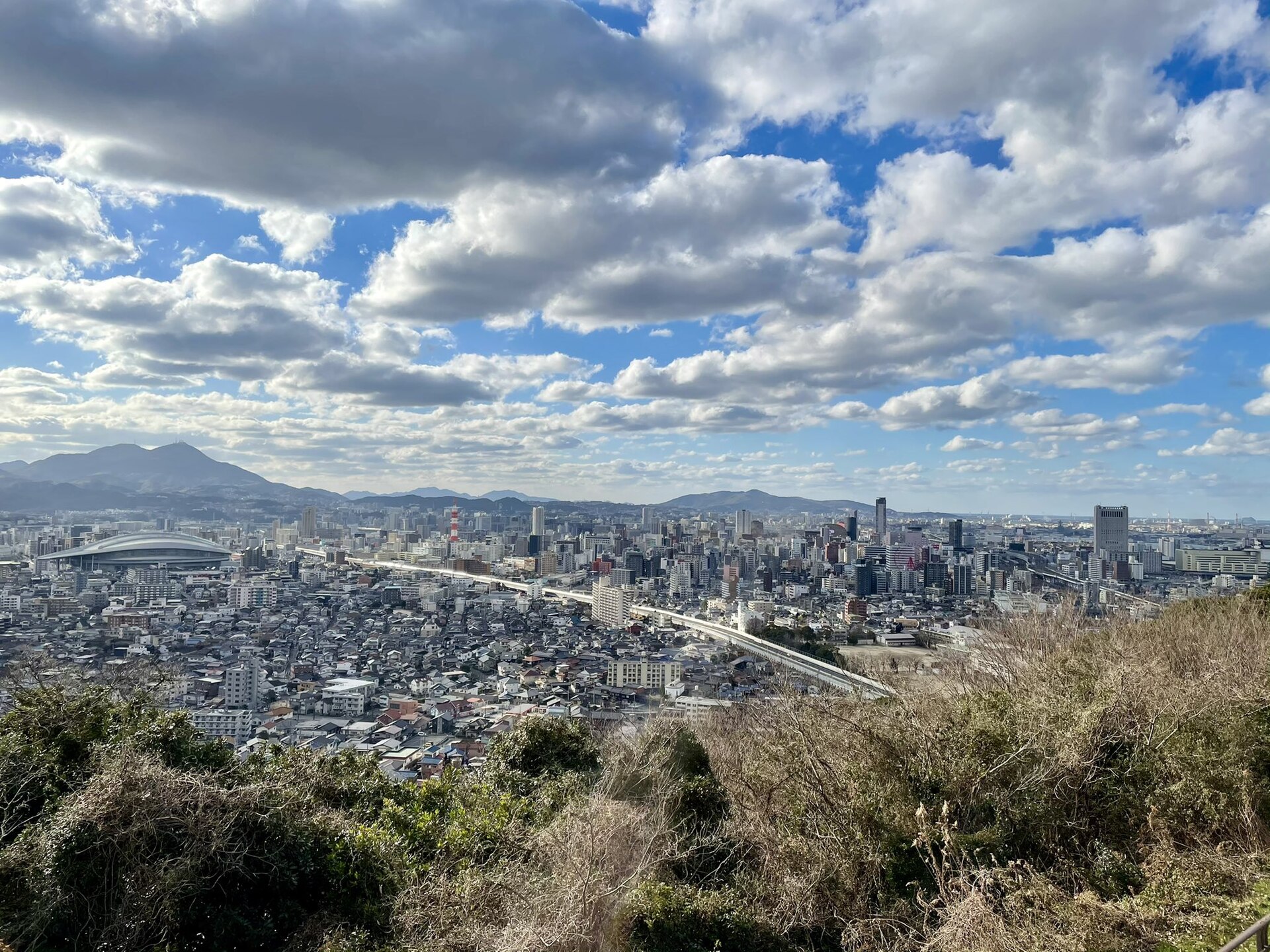
- Mojiko Retro — Moji, on the strait
Mojiko Retro is the old harbour quarter of Moji, where brick and stone buildings from the trading-port years have been kept and reused as cafés, shops and small museums. The waterfront looks across the Kanmon Straits to Shimonoseki, with ships passing close by. Late afternoon, as the light warms and the lamps come on, is the best time.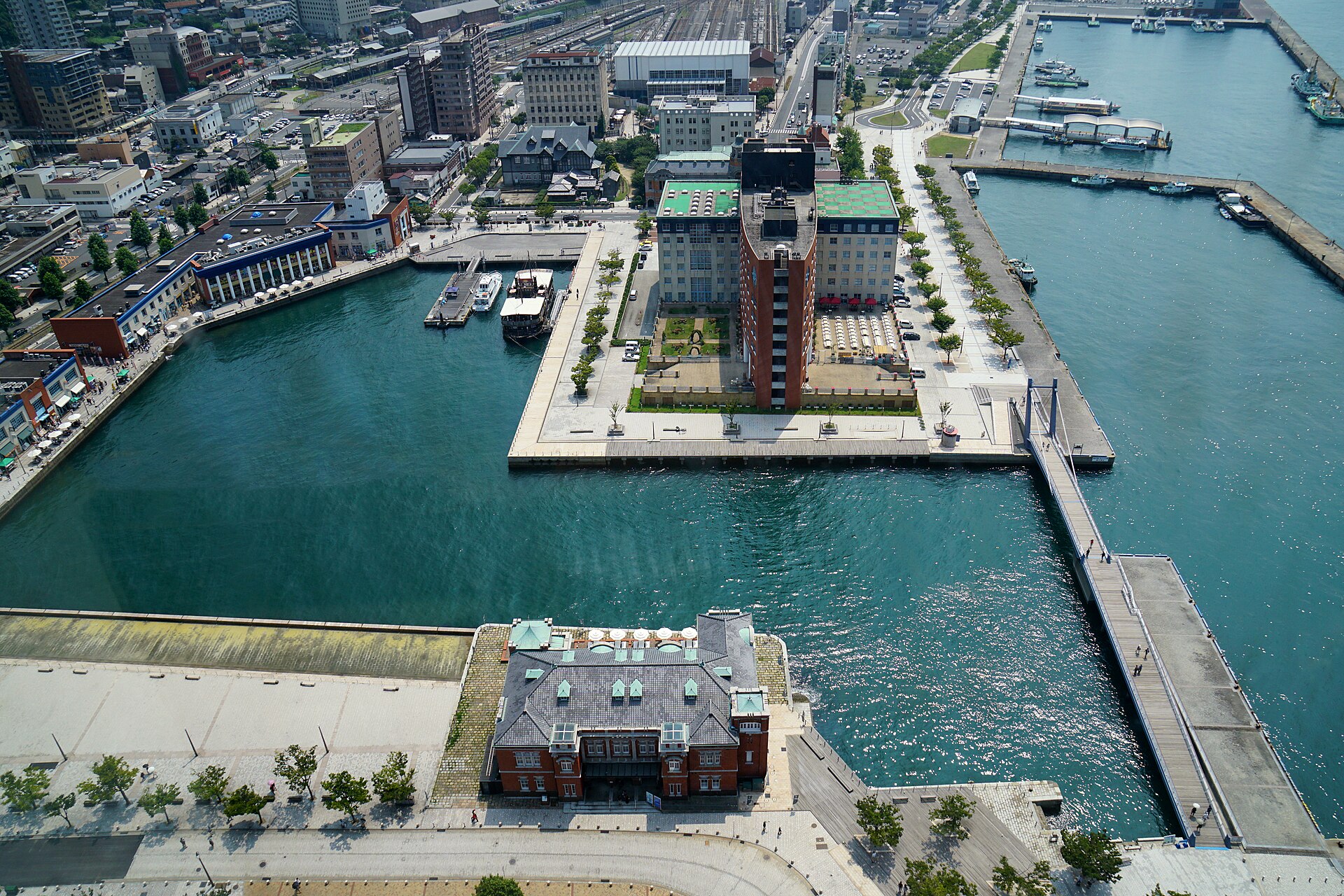
- Kanmon Kaikyo Museum (Kaikyo Dramaship) — Moji, by the harbour
The Kanmon Kaikyo Museum, also called Kaikyo Dramaship, tells the history of the Kanmon Straits through displays and a light show. It suits a wet afternoon, the shop sells nautical souvenirs, and live music is staged there from time to time. Check the official city website for current programmes before going. - Mount Sarakura night view — Yahata
Mount Sarakura rises above the Yahata side of the city and is known for its night view, when the lights of the harbour, factories and neighbourhoods spread out below. It shows clearly how a steel city sits against the sea. Check the official city website for how the cable car and slope car run, and bring a jacket, since the summit is breezier than the streets.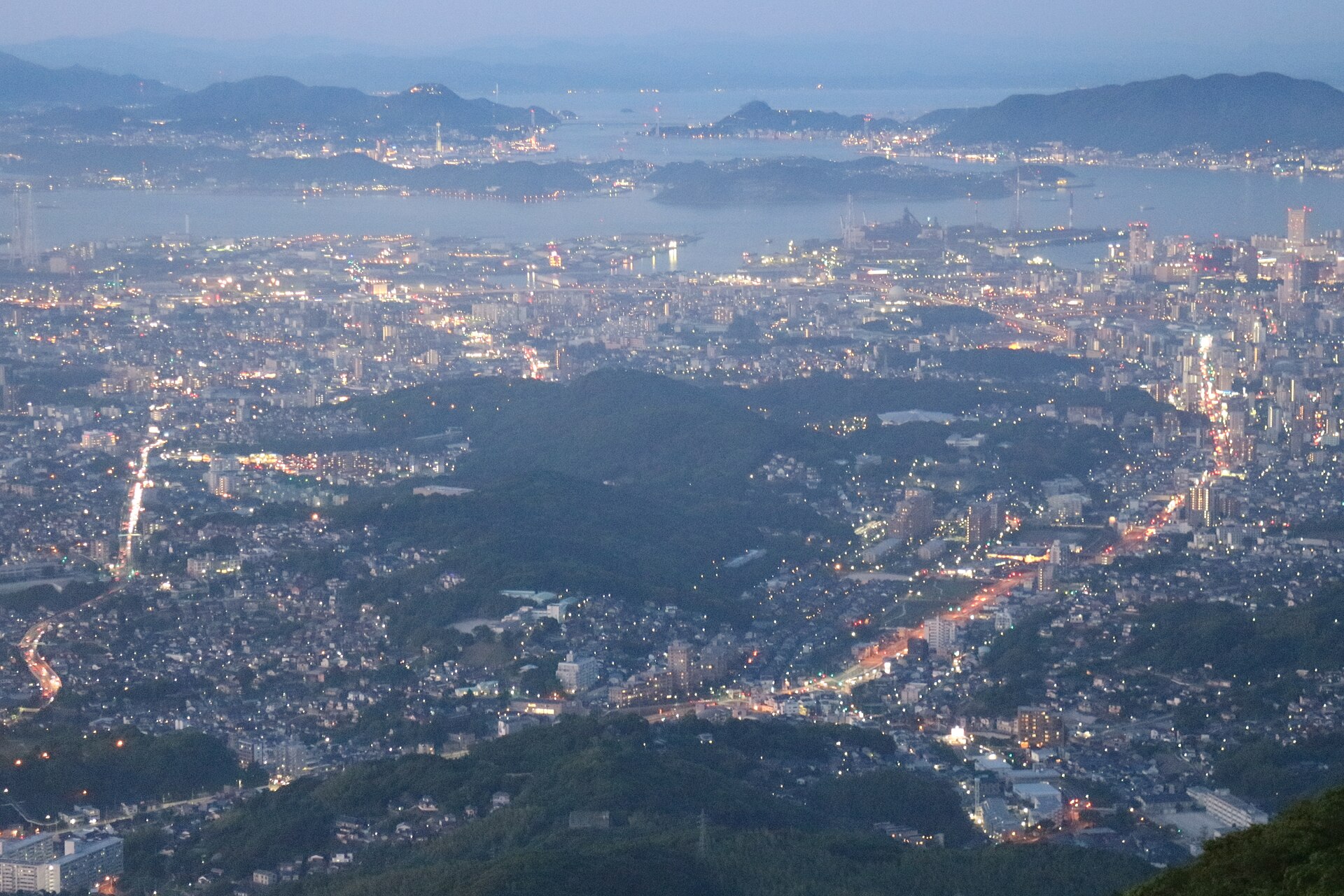
- Hiraodai — Kokura Minami ward
Hiraodai is a karst plateau in Kokura Minami ward, a drive from Kokura station. Grassy hills are scattered with grey, rounded rocks that locals say look like grazing sheep. The skies are wide and the walking paths long, a clean change from the harbour. Shade is scarce, so sun protection and water matter in summer.
Culture
Kitakyūshū's culture is shaped by work, trade and a habit of looking outward across the strait. Kokura's summer Gion Yamagasa festival celebrates a local folk hero, Muhomatsu, nicknamed Wild Pine, a rickshaw man who became the subject of a well-known mid-century film, Rickshaw Man. The city also has a serious contemporary art scene. The Centre for Contemporary Art Kitakyushu has shown internationally known artists such as Maurizio Cattelan and Anri Sala, and runs a studio programme for emerging artists. Cinema has found the city too: the family film Koneko Monogatari, released in English as The Adventures of Milo and Otis, was shot here. Beyond these landmarks, the character of the place is industrial pride without much show. Former steelworkers' districts, harbour warehouses and rail history are treated as part of the local story rather than as relics, and museums about trains, shipping and the strait are woven into everyday life. People tend to be matter-of-fact and helpful when asked, and smaller restaurants and bars feel like neighbourhood rooms rather than tourist stages. Hot springs are part of local leisure too, including an outdoor bath at Kawachi Reservoir in Yahata Higashi ward. If you use an onsen such as the one at Kawachi Reservoir, wash thoroughly before stepping into the bath and keep your towel out of the water.
What to wear
Kitakyūshū follows broad Japanese dress traditions rather than a distinct local costume. The kimono, usually silk, is worn for weddings, graduations and tea ceremonies, while the yukata, a lighter cotton robe, appears at summer festivals such as Kokura's Gion Yamagasa. Festival crews also wear short happi coats. Hakata-ori, a woven silk fabric from Fukuoka Prefecture, is traditionally used for obi sashes. Everyday dress in the city is practical and understated. Office workers wear suits or smart casual, many people in the industrial and port districts wear work clothes, and younger crowds around Kokura station dress much as they would in Fukuoka or Osaka: neat, layered and weather-aware. Visitors should dress for the season rather than for the sights. Summers are hot and humid, so light, breathable fabrics, a hat and sun protection help, and a compact umbrella is useful during the June rains. Spring and autumn call for layers, and a windproof jacket is wise on Mount Sarakura or along the strait. Comfortable, closed shoes suit the hills, the plateau at Hiraodai and long station walks. Choose shoes that slip off easily, since you will remove them at some restaurants, temples and baths, and wear intact socks. Shrines have no strict dress code beyond modesty. Some baths restrict visible tattoos, so check before booking.
What to eat
- Yaki-udon — Casual noodle shops around Kokura station and the Uomachi area
Yaki-udon is thick wheat noodles stir-fried on a hot plate, often credited to Kokura. It is savoury, quick and filling, usually with cabbage, pork or seafood, and a good first meal after arriving by train. - Yaki-curry — Cafés and restaurants in the Mojiko Retro harbour quarter
Yaki-curry is a baked dish of rice and curry sauce topped with cheese and often an egg, finished until bubbling. It is closely linked with Moji and the harbour, and is rich enough to share. - Nuka-miso-daki — Traditional set-meal restaurants and izakaya in Kokura
Nuka-miso-daki is sardines or mackerel simmered slowly in a miso base made with fermented rice bran. The result is deeply savoury with soft bones, a traditional home dish that tastes of the coast. - Kaiten sushi — Restaurant floors above Kokura station
Kaiten, or revolving, sushi is an easy, flexible lunch. In the restaurant floors of the Amu Plaza building above Kokura station, chefs will adjust orders, including no wasabi, and offer seared fish and vegetarian rolls such as kappamaki. - Fugu — Licensed fugu restaurants in Shimonoseki, across the Kanmon Straits
Fugu, or pufferfish, is the speciality of Shimonoseki, just across the strait from Moji. It is served thinly sliced as sashimi, in hot pot or fried, and must be prepared by trained, licensed chefs.
Plan it
Best time. March–April and October–November are the best months, mild and comfortable for walking, with cherry blossom around Kokura Castle in spring. June brings the rainy season, and July and August are hot and humid.
How long. 2–3
Getting there. Fly to Fukuoka and take the San'yō Shinkansen from Hakata to Kokura station, a short hop, or use the city's own airport, which has frequent buses to Kokura station. From Honshu, trains cross under the strait from Shimonoseki. An overnight ferry also links Kokura with Matsuyama on Shikoku.
Budget. mid
Tips
- Use Kokura station as your base, since shops, restaurants and trains are all there
- Carry some cash for markets, small eateries and country buses
- Take water, a hat and sun protection to Hiraodai, where shade is scarce
- Visit Mount Sarakura in the evening for the night view and bring a jacket
- Check the official city website for opening days and transport details before visiting museums and viewpoints: https://www.city.kitakyushu.lg.jp/
Etiquette
- Take shoes off where you see a step up, slippers or a shoe rack
- Wash before entering an onsen bath and keep towels out of the water
- Keep voices low on trains and buses, and queue at station platforms
Nearby
Sources
- Wikidata Q188806 (CC0)
- Wikipedia: Kitakyushu (rev 1385050873) (CC BY-SA 4.0)
- Wikivoyage: Kitakyushu (rev 5407385) (CC BY-SA 4.0)
- Photo: Kitakyushu montage (01-kitakyushu-montage2.jpg) (CC BY 3.0)
- Photo: Kitakyushu montage (02-kitakyushu-montage.jpg), 水だらけのプール (CC BY-SA 4.0)
- Photo: Night Views from Mount Sarakura, Suicasmo (CC BY-SA 4.0)
- Photo: Yawata Steel Works, 663highland (CC BY 3.0)
- Photo: Kokura skylines from Mount Adachi, Nryate (CC BY-SA 4.0)
- Photo: Kokura Station, Nryate (CC BY-SA 4.0)
- Photo: West Japan Industrial Club garden side, Historian (CC BY-SA 4.0)
- Photo: Mojiko Retro, 663highland (CC BY 3.0)


