Kings Canyon National Park
Kings Canyon National Park, United States
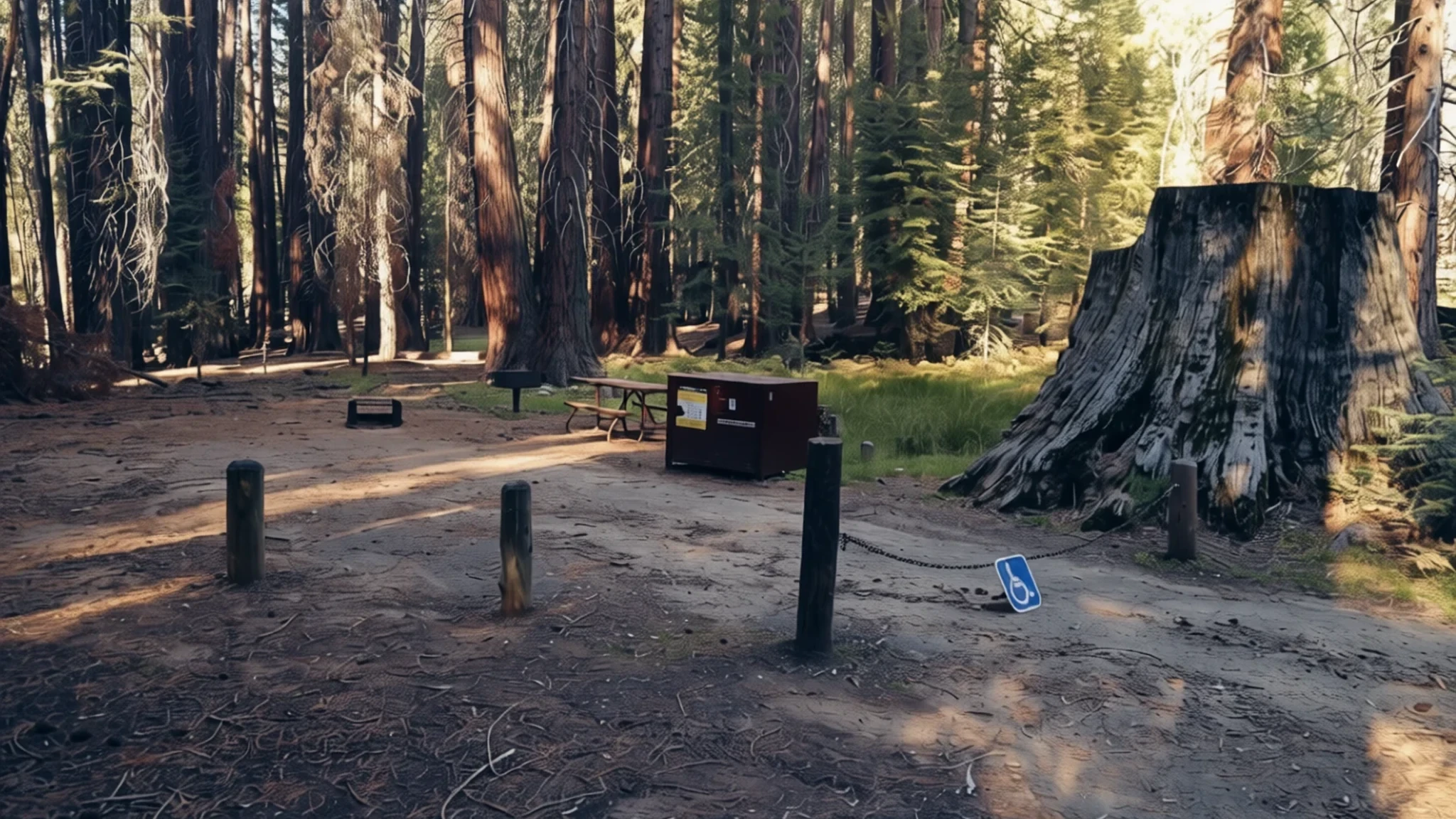
Experience the quiet grandeur of ancient giant sequoias and deep, glacier-carved valleys far from the crowds of other Sierra parks.
The place
Kings Canyon National Park is a sanctuary of vertical scale and ancient life in California's southern Sierra Nevada. The park is essentially split into two worlds. In the west, the Grant Grove area serves as the gateway, where visitors walk among some of the largest living organisms on earth. These giant sequoias create a cathedral-like atmosphere, with massive reddish trunks that dwarf everything around them. It is here that most of the park's visitor services are clustered, making it the most accessible starting point for any trip.
To the east lies the heart of the park, a rugged landscape dominated by the namesake canyon. This glacier-carved valley is a place of staggering depth, featuring steep granite walls and the rushing waters of the Kings River. While the west is about the trees, the east is about the wilderness. Much of this region is designated as protected wilderness, meaning there are no roads leading deep into the backcountry. Access to the high country is restricted to those willing to trek by foot or horse, often through deep snow for a large part of the year. Because it lacks the heavy infrastructure of its neighbours, Kings Canyon remains a quieter, more honest reflection of the wild Sierra Nevada, offering a solitude that is increasingly rare in the American West.
Its story
The history of Kings Canyon National Park is a tale of two different visions for the American wilderness. It began in 1890 as General Grant National Park, a modest effort to protect a small cluster of giant sequoias from the axes of the logging industry. For decades, the park remained a small island of preservation. However, the legendary naturalist John Muir campaigned tirelessly to expand these borders, arguing that the surrounding rugged canyons and alpine peaks were just as vital to the soul of the nation as the great trees.
This expansion was not without conflict. For years, industrial interests pushed to build hydroelectric dams within the canyon, viewing the powerful rivers as a source of energy rather than a natural treasure. It took until 1940 for the park to be significantly expanded and renamed, though the battle over the dams continued for another twenty-five years. Finally, in 1965, the final contested sites were absorbed into the park, ending the threat of industrialisation.
After the Second World War, a new debate emerged: should the park become a developed tourist resort with grand hotels and paved roads, or should it remain a primitive landscape? The preservationists won, ensuring that the park maintained limited services. This decision is why the park today feels so different from the more manicured experiences of other national parks, preserving a sense of raw, unmediated nature.
What to see
- General Grant Tree — Grant Grove
Located in the Grant Grove area, this iconic giant sequoia is the second largest tree in the world by trunk volume. Walking the paved loop around the tree provides a concrete sense of the sheer scale of these ancient forests, which have survived for millennia through fire and frost.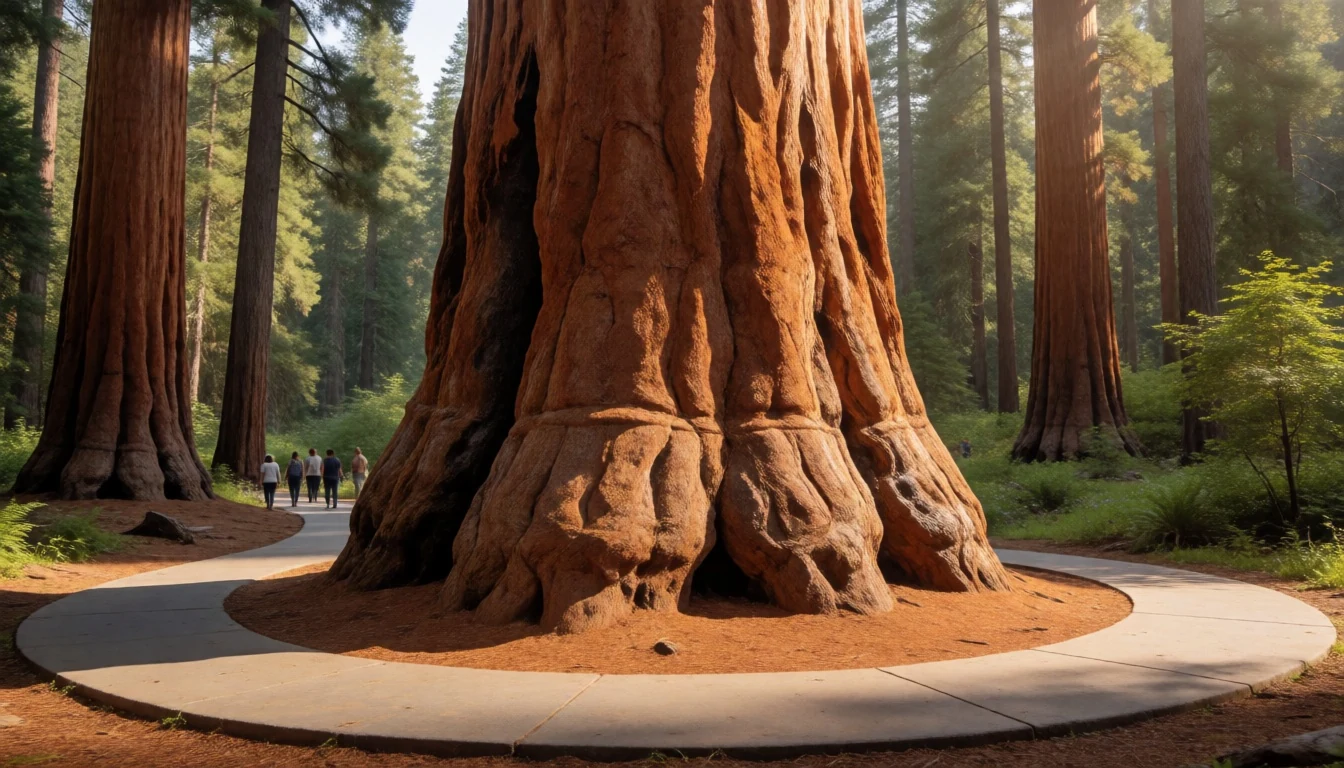
- Cedar Grove — Cedar Grove
This is the only part of the park's eastern wilderness accessible by car. Situated at the canyon floor, it offers a stunning juxtaposition of lush meadows and towering granite cliffs, serving as the primary base for those exploring the deeper river valleys.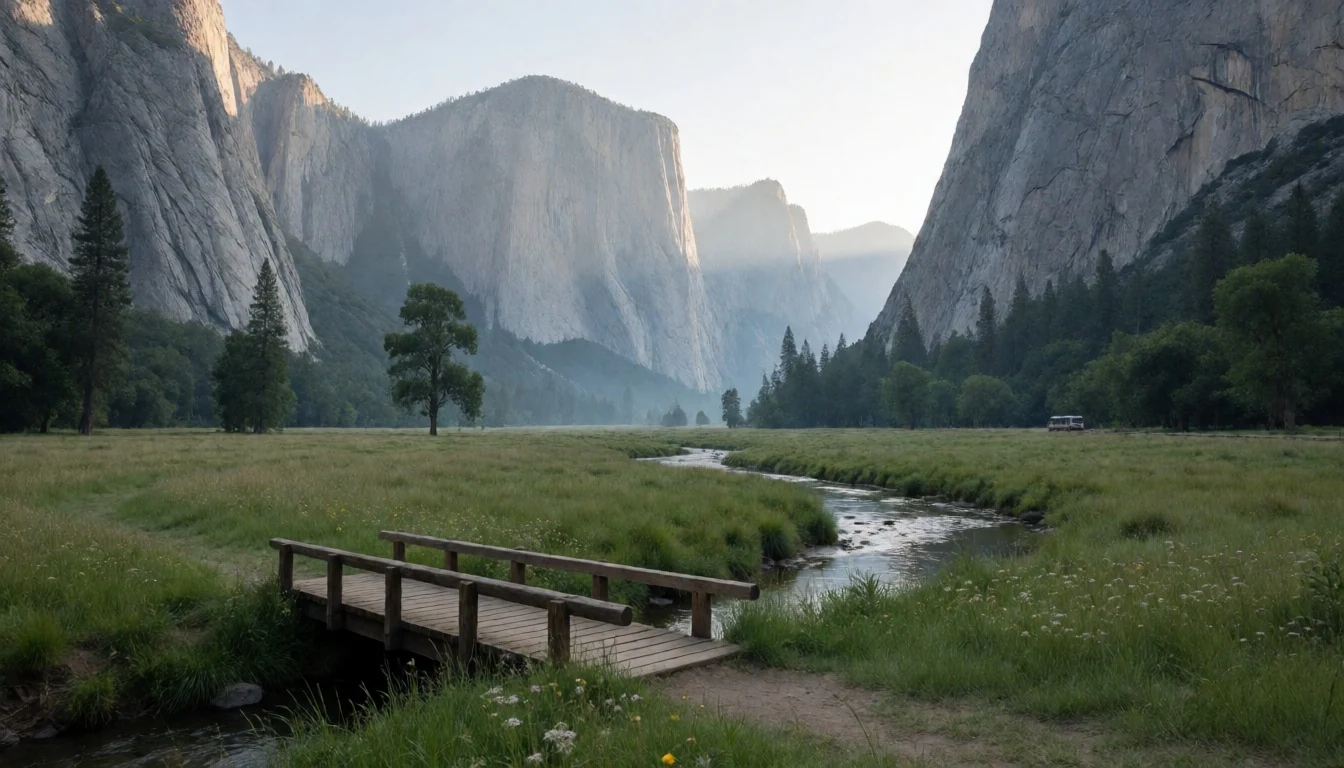
- Zumwalt Meadow — Cedar Grove
A serene expanse of grasslands and marshes along the South Fork of the Kings River. The meadow is famous for its reflective pools and views of the surrounding peaks, making it a peaceful spot for photography and light hiking away from the main roads.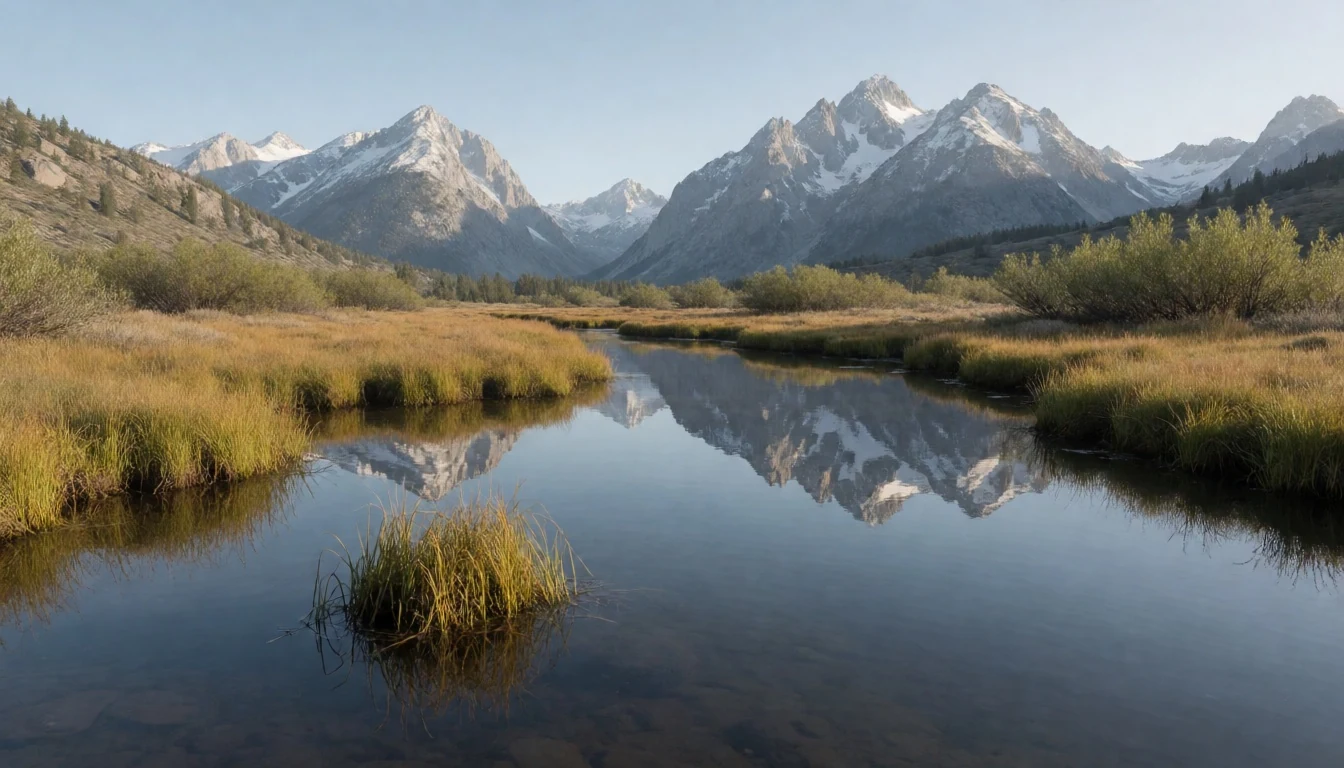
- Grizzly Falls — Cedar Grove
A powerful waterfall that crashes over granite boulders, accessible via a short walk from the road. It showcases the raw energy of the park's water systems and provides a refreshing, misty atmosphere even during the warmer summer months.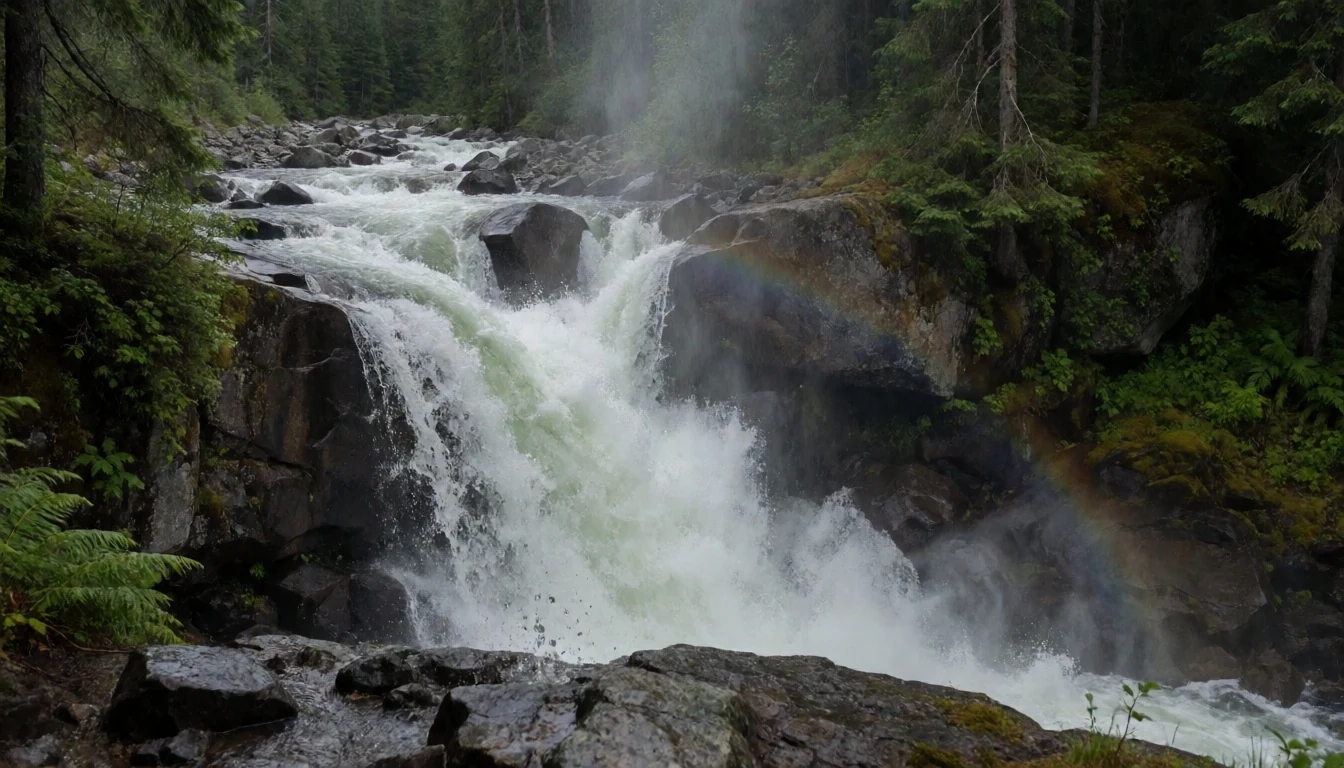
- Dusy Basin — Backcountry
A high-altitude alpine basin reachable only by rigorous backpacking. This area is characterized by crystal-clear lakes and stark, rocky terrain above the tree line, offering some of the most secluded and visually dramatic landscapes in the entire Sierra Nevada range.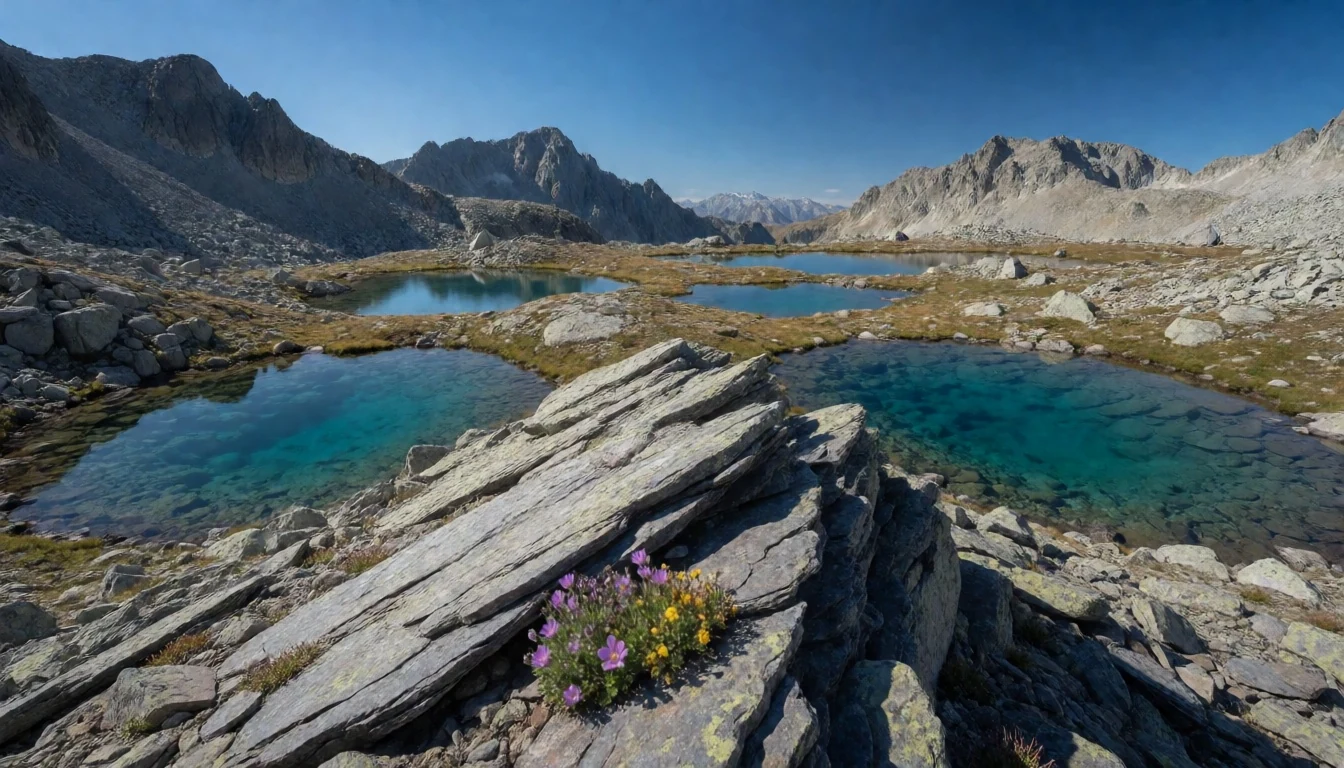
Culture
The culture of Kings Canyon National Park is deeply rooted in the American tradition of wilderness preservation and the 'leave no trace' ethos. Unlike urban destinations, the 'culture' here is one of shared silence and outdoor stewardship. There is a strong community of backcountry enthusiasts and seasonal rangers who value the park's lack of development. Visitors are expected to embrace a slower pace of life, where the primary activities are hiking, birdwatching, and stargazing. The park operates as a joint effort with Sequoia National Park, creating a combined administrative culture focused on protecting the giant sequoia groves and the delicate alpine ecosystems from the pressures of over-tourism. There is a profound respect for the seasonal rhythms of the mountains, with a collective understanding that nature, not the visitor, dictates the schedule here. Please ensure you store all food in bear-proof containers to protect both yourself and the local wildlife.
What to wear
There is no traditional ethnic dress associated with Kings Canyon National Park; instead, the 'traditional' attire is the functional gear of the American outdoorsman. This includes heavy-duty hiking boots, moisture-wicking synthetic fabrics, and flannel shirts, which are staples for those spending time in the Sierra Nevada. Modern visitors typically wear a mix of technical athletic gear—think Gore-Tex jackets and trekking trousers—and casual outdoor wear like fleece pullovers and sturdy trainers for the paved paths of Grant Grove.
Because of the extreme elevation changes, dressing in layers is essential. A visitor might start their morning in a t-shirt at the canyon floor and require a heavy down jacket by the time they reach an alpine ridge. Sturdy, waterproof footwear is non-negotiable for the backcountry, while comfortable walking shoes suffice for the sequoia groves. In the summer, wide-brimmed hats and high-SPF sunscreen are necessary to combat the intense high-altitude sun. During the shoulder seasons, wool socks and thermal base layers are standard to handle the sudden temperature drops.
What to eat
- Hearty Mountain Breakfast — Grant Grove Village
Classic American fare featuring pancakes, eggs, and strong coffee to fuel a day of hiking. This is the standard morning meal found at the lodge and dining halls in the Grant Grove village area.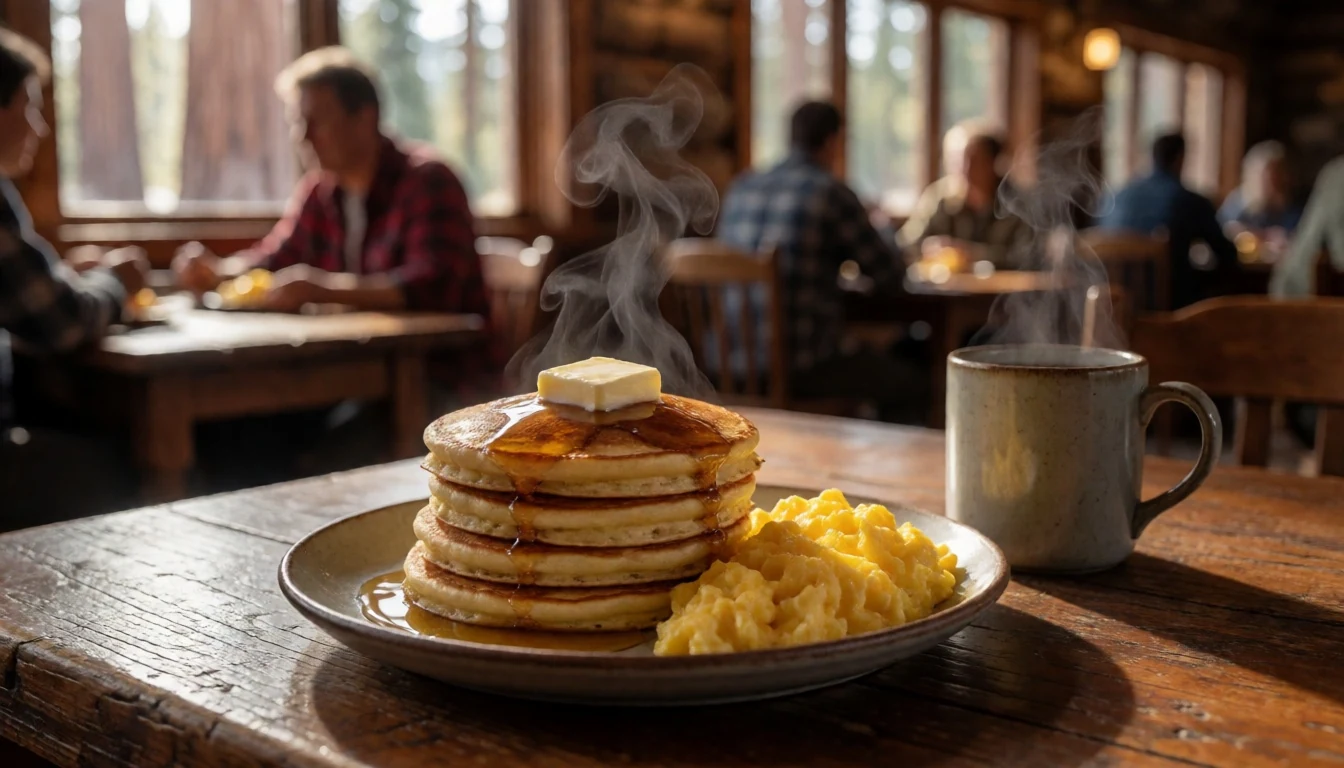
- Trail Mix and Dried Fruit — General store or packed from home
A calorie-dense mixture of nuts, seeds, and dried berries. This is the essential 'fuel' for hikers venturing into the backcountry or walking the long trails around Cedar Grove.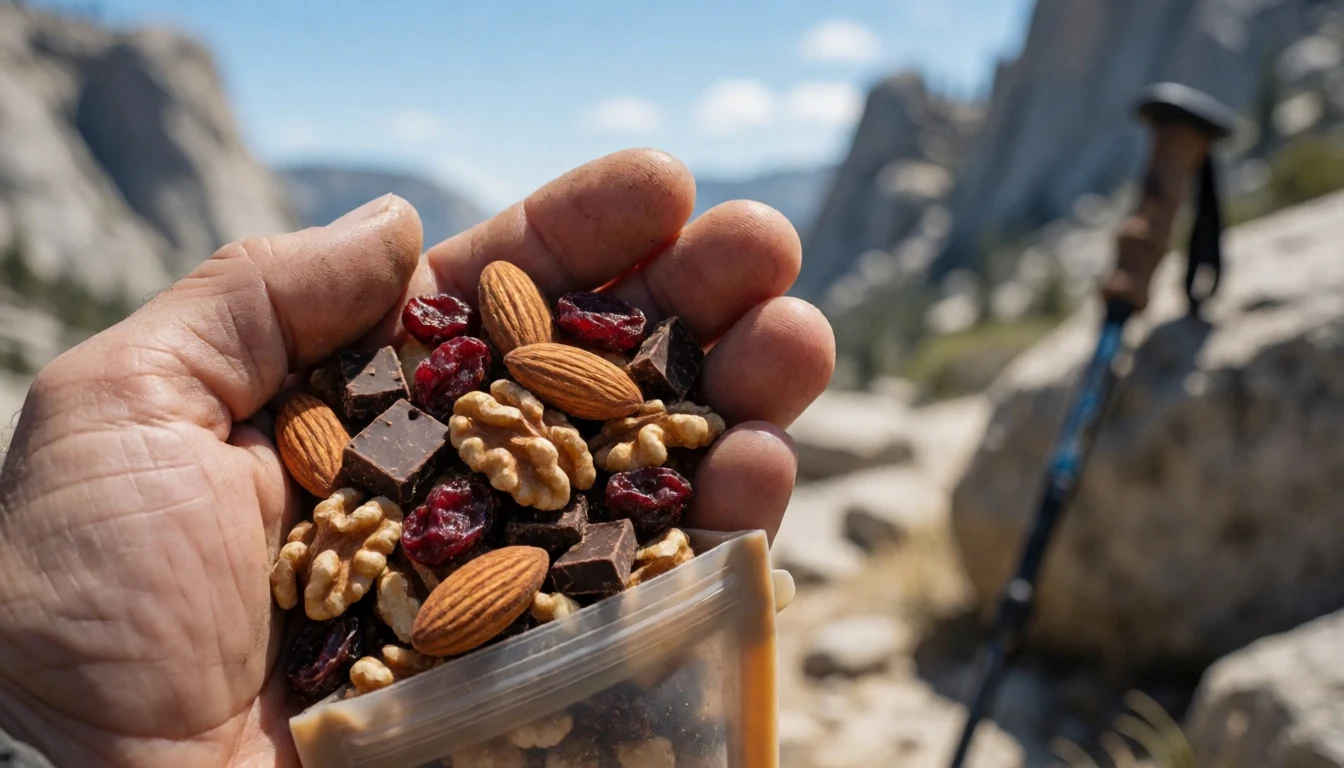
- Backcountry Dehydrated Meals — Backcountry campsites
Lightweight, freeze-dried pouches of pasta or stew that are rehydrated with boiling water. These are the primary sustenance for those spending multiple nights camping in the high country. - Fresh Deli Sandwiches — Cedar Grove market
Simple, portable sandwiches wrapped in paper, ideal for a midday break by the river. These are typically picked up from the small market facilities available in the valley.
Plan it
Best time. July to October for access to the high country and Cedar Grove; winter is limited to Grant Grove as many roads close due to snow.
How long. 2–3
Getting there. Fly into Fresno Yosemite International Airport, then rent a car for the drive east via the main highway leading to the park entrance.
Budget. mid
Tips
- Pack plenty of water as backcountry sources can be seasonal
- Check road conditions daily during spring and autumn
- Start your hikes before dawn to avoid midday heat in the canyon
- Carry a physical map as mobile signal is non-existent in the east
- Book accommodation at the John Muir Lodge well in advance
Etiquette
- Keep a safe distance from black bears and other wildlife
- Stay on marked trails to protect fragile alpine flora
- Pack out every piece of litter you bring into the wilderness
Nearby
Sources
- Wikidata Q936623 (CC0)
- Wikipedia (CC BY-SA 4.0)
- Wikivoyage (CC BY-SA 4.0)