Kiel
Kiel, Germany
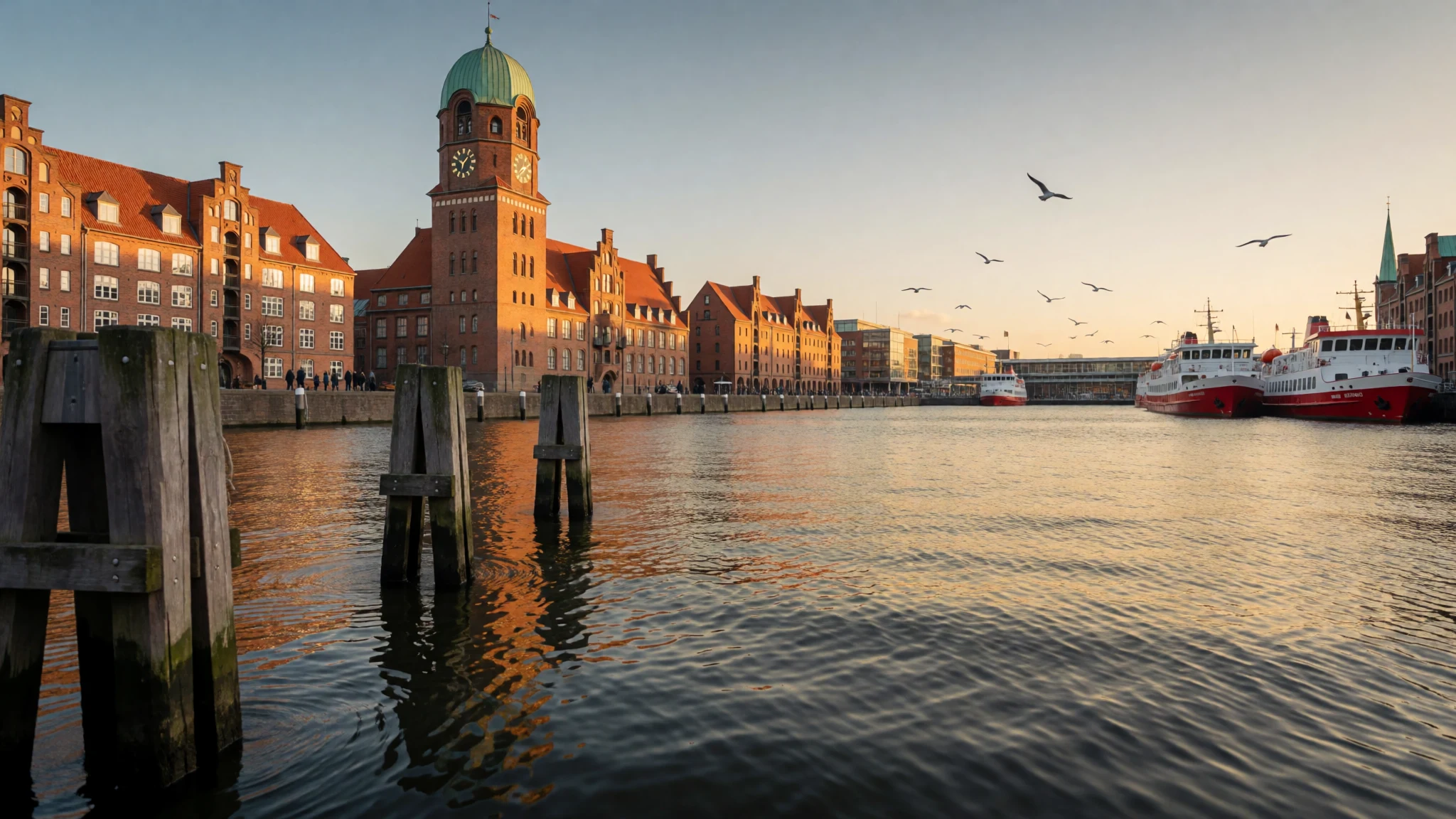
Kiel offers a distinct northern maritime character, historic naval traditions, and the world's busiest artificial waterway right on the Baltic coast.
The place
Kiel serves as the vibrant capital and most populous urban centre in the northern German state of Schleswig-Holstein. Situated on the picturesque Kieler Förde inlet of the Bay of Kiel, the city lies in the southeast of the Jutland Peninsula at the mouth of the Schwentine River. Most of the municipality forms part of Holstein, while boroughs situated north of the river belong to Wagria, and districts north of the famous canal fall historically within Southern Schleswig. Originally established as a small coastal settlement, the municipality grew into an essential trading port and maritime hub due to its strategic geography. Today, the urban landscape blends historic red-brick architecture with modern shipping terminals, leafy parks, and bustling maritime quays where ferries depart regularly for Scandinavia. Visitors walking along the waterfront will notice the constant presence of naval vessels, sailing boats, and enormous cruise liners navigating the fjord. The city functions as Germany's largest settlement on the Baltic Sea, retaining an unpretentious, working-port atmosphere that feels entirely distinct from the metropolitan sprawl further inland. Urban squares, placid lakes like the Kleiner Kiel, and pedestrian zones filled with cafes give the municipality an approachable scale, encouraging travellers to explore on foot or by bicycle while breathing in the crisp, salt-scented northern air.
Its story
Kiel was founded in the thirteenth century by Count Adolf of Holstein and was granted official town rights shortly thereafter. Throughout the medieval era, the settlement developed into an influential member of the Hanseatic League, participating actively in Baltic commerce and establishing the traditional trade fair known as the Kieler Umschlag, which served as the regional centre for goods and financial exchange. Political fortunes shifted across the centuries; the territory belonged for a period to the king of Denmark through a personal union before being incorporated into the Kingdom of Prussia following nineteenth-century conflicts. The establishment of Kiel University in the seventeenth century brought notable scholars, scientists, and intellectuals to the region, shaping its academic identity. As the nineteenth and twentieth centuries progressed, the municipality transformed into the principal base for the German navy, directly influencing its industrial growth and urban development. Maritime engineering, shipbuilding, and academic research became the pillars of the local economy. Despite extensive reconstruction following twentieth-century conflicts, the city preserved its historic connections to the sea, evolving into a modern regional capital that proudly honours its long maritime heritage through museums, preserved vessels, and enduring coastal traditions passed down through generations.
What to see
- Laboe Naval Memorial and Historic Submarine — Laboe shore
Rising high above the coastal shore, the monumental brick tower provides expansive observation decks with panoramic views across the entire Kiel Fjord. At the base of the structure, a solemn memorial hall commemorates lost sailors of all nations. Nearby on the beach, visitors can walk through the interior of a preserved historical submarine to inspect its cramped technical compartments.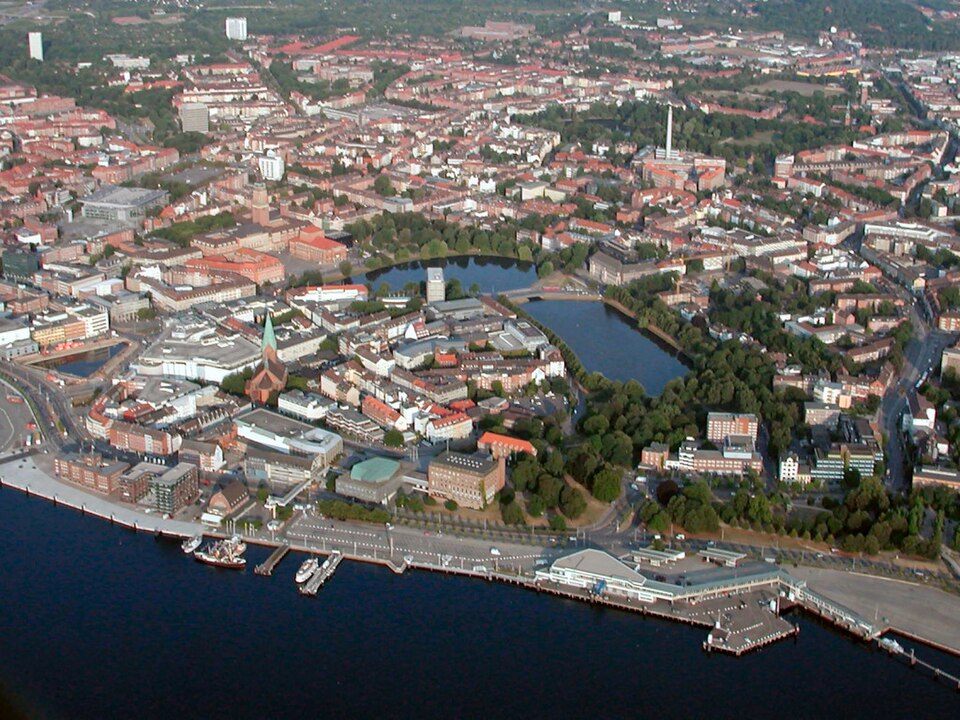
- Kiel Canal — Holtenau district
Known as the world's busiest artificial waterway, this engineering marvel connects the Baltic Sea directly to the North Sea, allowing massive container ships and leisure craft to bypass the longer route around Denmark. Visitors can walk or cycle along the flat gravel paths that run continuously beside the banks, watching colossal cargo vessels glide past green meadows and rural villages.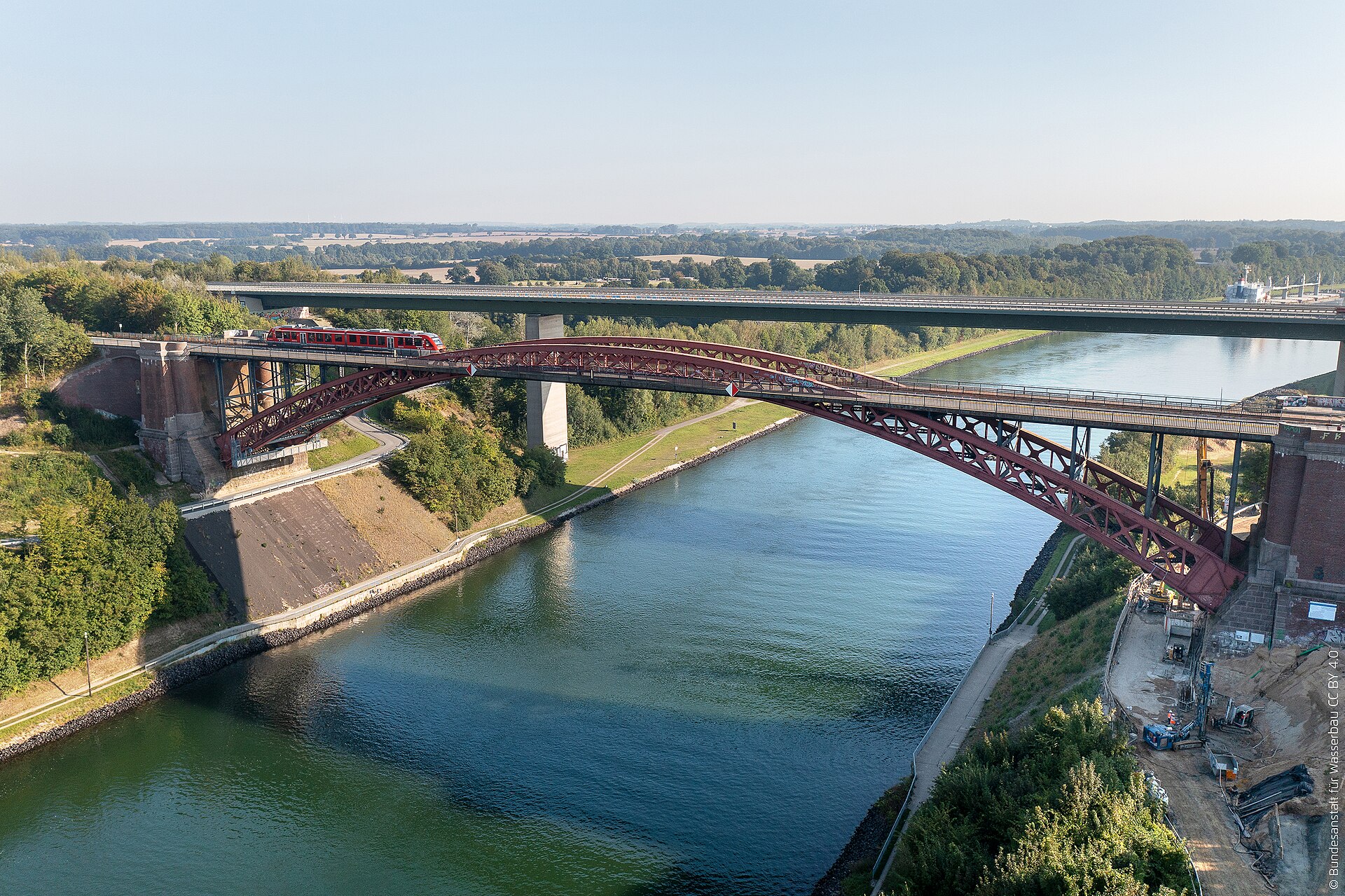
- Gorch Fock and Naval Port — Kiel Fjord quays
As the traditional home of the German Baltic fleet, the local waterfront regularly hosts an impressive array of active naval vessels, submarines, and grey warships. Among the most celebrated sights moored along the quays is the majestic three-masted training sailing vessel Gorch Fock, which represents the historic seafaring traditions of the German navy.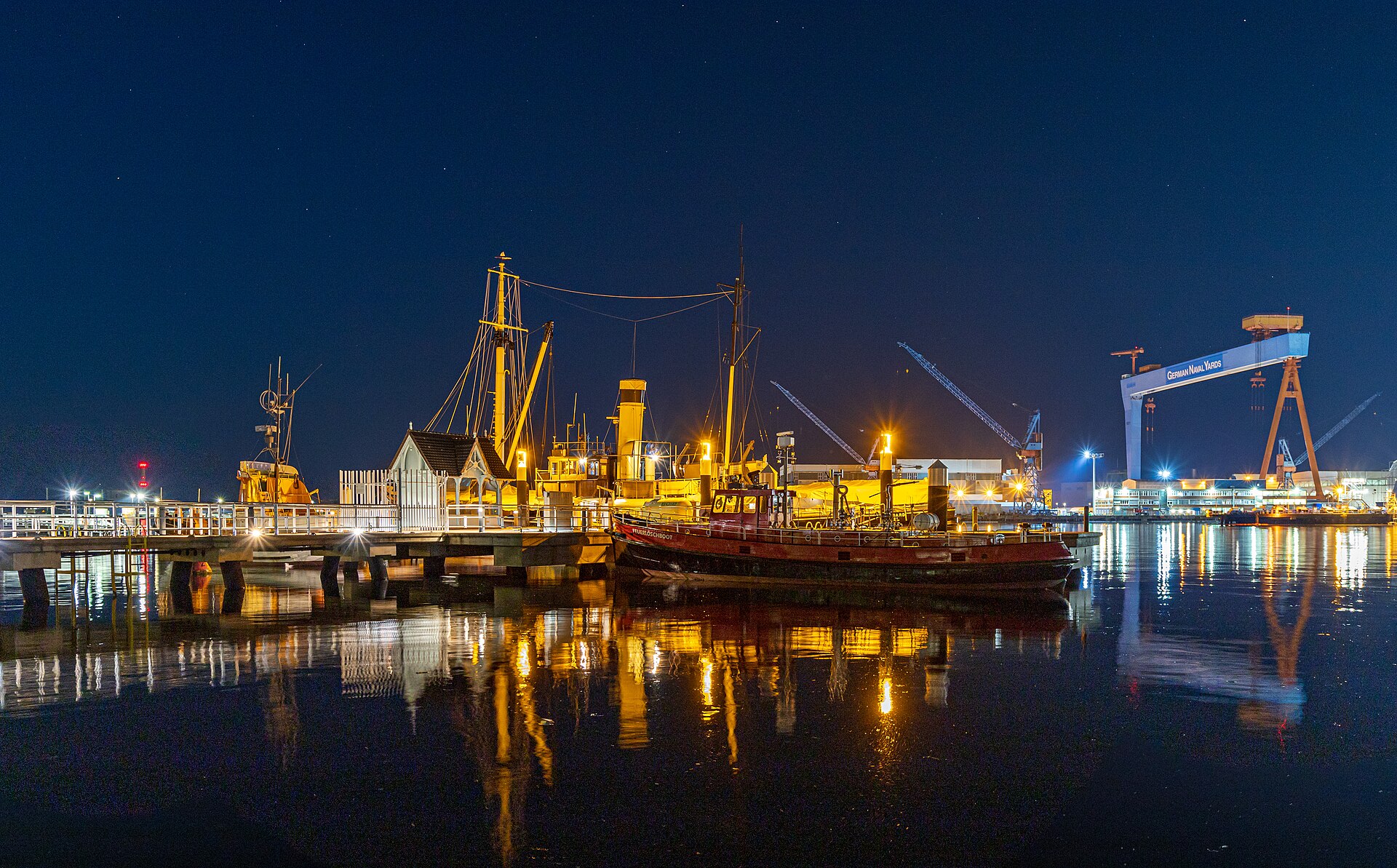
- Tannenberg Forest Enclosure — Northern Kiel
Situated in the northern sector of the municipality, this peaceful woodland refuge offers a tranquil escape from urban activity. Native deer roam freely through the shaded forest tracks, showing little fear of human visitors and providing a wonderful opportunity for quiet nature walks within close proximity to the city centre.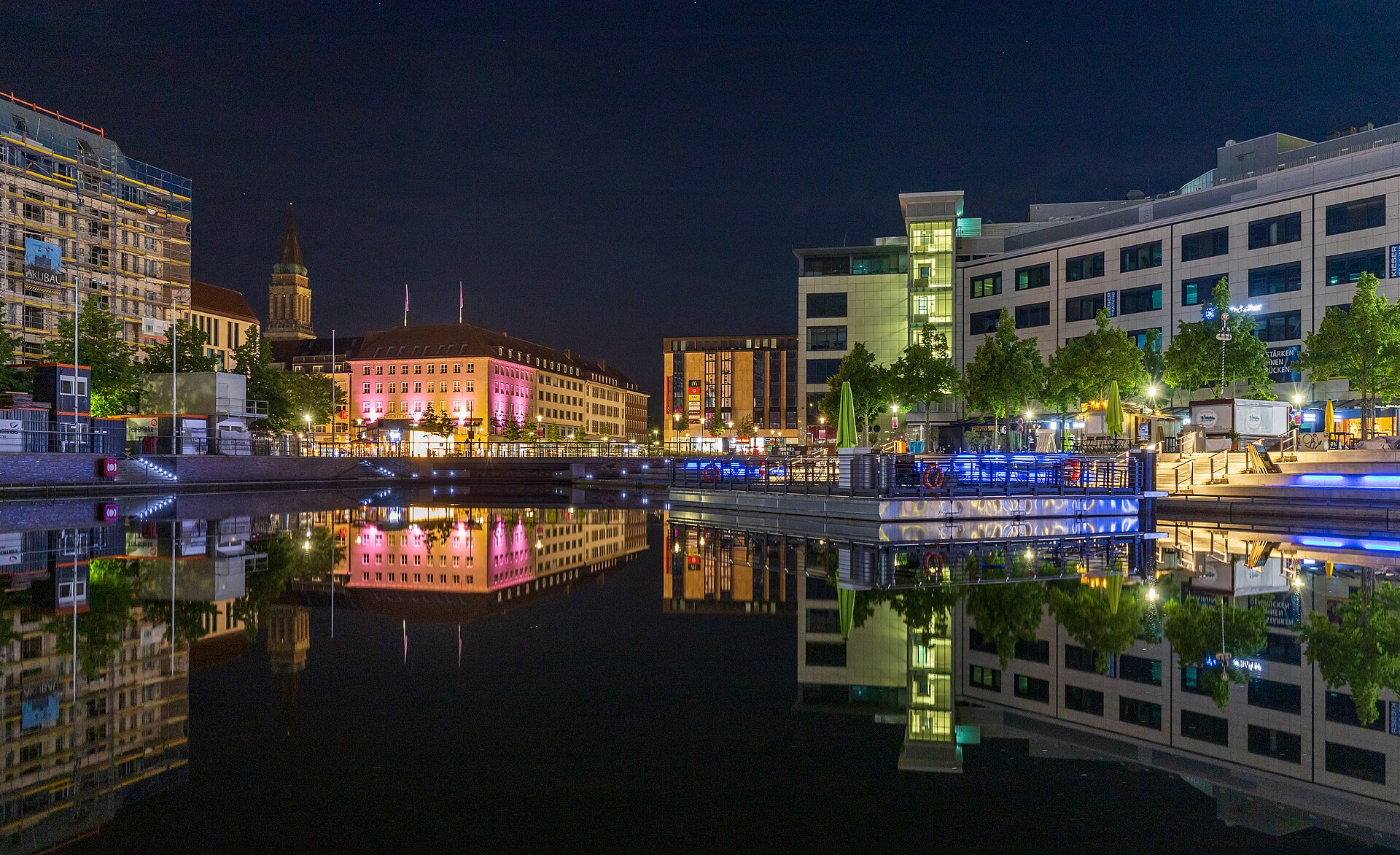
Culture
Kiel possesses a distinct sporting and maritime culture deeply tied to its coastal geography, with sailing, handball, and football forming the pillars of local civic pride. The municipal indoor arena serves as the legendary home ground for one of the most successful professional team handball clubs in the world, drawing passionate crowds of supporters for every home fixture. Meanwhile, association football holds a powerful place in local hearts, with the historic local club competing passionately in top-tier national leagues. Because the municipality functions as a major ferry hub connecting Germany to Scandinavia, international influences blend smoothly with traditional northern German customs, creating an open, unpretentious atmosphere. Locals value directness, outdoor recreation on the water, and community festivals celebrating maritime heritage. When visiting local establishments or interacting with residents in Kiel, always greet shopkeepers and servers politely with a standard German greeting before conducting your transaction.
What to wear
Kiel residents dress with practical, weather-conscious sensibility, reflecting the coastal climate of northern Germany where brisk winds and sudden rain showers are common throughout the year. Traditional attire in the surrounding Schleswig-Holstein region historically included sturdy wool garments, tailored jackets, and regional variations of northern dress worn during folk festivals, though these are rarely seen outside of cultural events. For everyday contemporary wear, locals favour comfortable, functional clothing such as durable denim, layered knitwear, and high-quality waterproof jackets suited for cycling and walking along the exposed harbour quays. Footwear is invariably practical, prioritising comfortable trainers or sturdy walking boots over restrictive formal shoes. Visitors exploring Kiel should pack windproof outerwear, comfortable walking shoes for cobblestones and canal paths, and layers that can be easily added or removed as coastal weather shifts between bright sunshine and brisk sea breezes.
What to eat
- Fischbrötchen — Harbour kiosks and fish snack bars
A quintessential northern German coastal staple consisting of a crusty bread roll filled with fresh or pickled fish, herring, smoked mackerel, or tender prawns, enjoyed quickly at casual harbour kiosks. - Artisanal Ice Cream — Beach promenades and city kiosks
Produced by a beloved local dairy maker whose handmade frozen treats and seasonal flavours are sold extensively at beachside stalls, parks, and kiosks throughout the warmer summer months. - Station Concourse Delicacies — Kieler Hauptbahnhof concourse
A convenient selection of quick regional bakes, warm pretzels, and hearty bakery snacks available inside the bustling main railway terminal for travellers on the move. - Asian and Vietnamese Specialties — Central downtown alleyways
Warm, comforting noodle dishes and aromatic regional bowls prepared with fresh ingredients by family-run independent eateries located near the city centre streets. - Döner Kebap — Holstenplatz and surrounding shopping streets
Generously portioned, affordable grilled meat wrapped in fresh flatbread with crisp salad and garlic sauce, popular for a satisfying casual lunch in the shopping district.
Plan it
Best time. May through September offers the most pleasant weather for exploring the waterfront, cycling the canal paths, and enjoying outdoor terraces, while winter months bring crisp air and quiet streets.
How long. 2–3
Getting there. Fly into Hamburg Airport and take a direct regional train north to Kieler Hauptbahnhof, or arrive directly by international ferry from Scandinavia.
Budget. mid
Tips
- Pack a windproof jacket regardless of the season, as coastal breezes near the fjord can feel chilly.
- Rent a bicycle to explore the flat gravel paths running alongside the Kiel Canal.
- Carry some cash for small bakery purchases, kiosks, and ticket machines.
- Check ferry timetables in advance if you plan to take day trips across the fjord to Laboe.
Etiquette
- Always greet shop staff and servers with a polite German greeting when entering a business.
- Keep bicycle paths clear of pedestrians to ensure smooth transit for local commuters.
Nearby
Sources
- Wikidata Q1707 (CC0)
- Wikipedia (rev 1384246824) (CC BY-SA 4.0)
- Wikivoyage (rev 5425997) (CC BY-SA 4.0)