Key West
Key West, United States
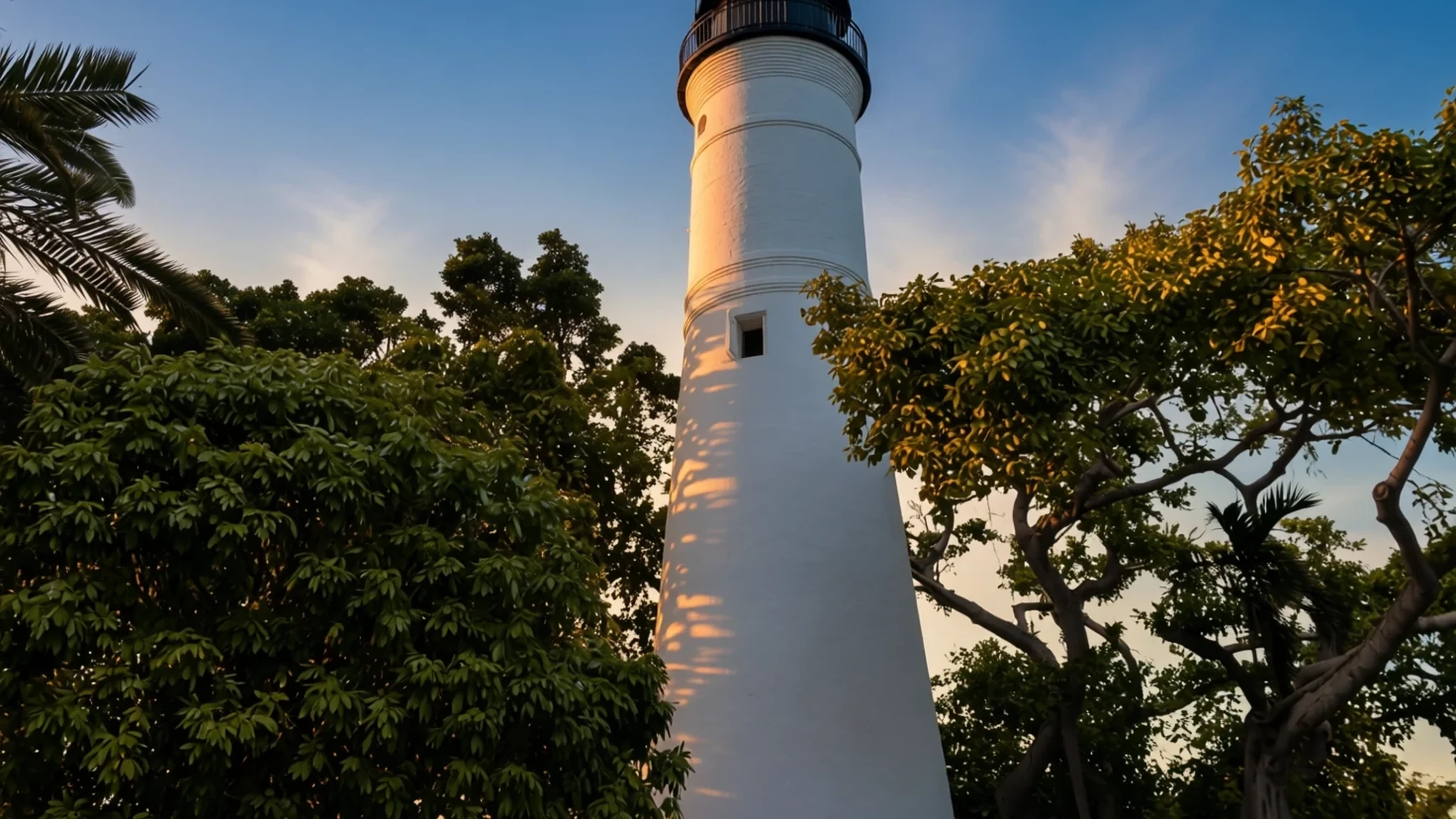
A laid-back island at the far end of the Florida Keys, where the sea is never far away and the winter weather is at its kindest.
The place
Key West is the island at the far end of the Florida Keys, a chain of low islands that curves south-west from the Florida mainland into the Straits of Florida. It is the southernmost city in the continental United States, and the sea lies close on every side. The city, with about 26,000 residents, takes in a few smaller islets and part of Stock Island, but when people say Key West they almost always mean the main island.
The main island is small enough to walk across in an afternoon and to explore by bicycle in a morning. Streets in the old town run in a loose grid, lined with wooden houses that have deep porches, bright paint and shuttered windows. Most of the well-known sights sit within a short walk of one another, so you can plan a full day without a car. Many visitors arrive by air or drive the Overseas Highway south from Miami, then leave the car parked and go on foot.
Duval Street, the main drag, is busiest from late morning into the night, with bars, restaurants and souvenir shops. Quieter streets a few blocks away feel residential and slower. Summer is hot and humid, though the trade winds and sea breezes stop the heat from building the way it does further inland. Winter is the easiest season: sunny, drier and comfortable for walking. Whatever the month, the water is never far away, and the sunsets draw people to the western end of the island most evenings.
Its story
Long before European ships reached the Florida Keys, people related to the Calusa and Tequesta lived on the island. The Spanish name Cayo Hueso is usually translated as 'bone island', a reference to remains reportedly found there, left by earlier inhabitants who used the island as a burial ground. It was also one of the few places in the chain with a reliable supply of fresh water, which made it a useful stop for passing boats.
Juan Ponce de León sailed past in 1513 and charted the Keys, but no permanent settlement followed. For much of the next period, the island passed between Spanish and British control, and neither nation governed it closely. Cuban fishers came to catch fish, Bahamian fishermen worked the reefs, cut timber and salvaged wrecks, and smugglers and privateers used the scattered cays to hide. The last Native American residents were taken to Cuba in 1763, when Florida changed hands.
After Florida passed to the United States in 1819, Key West grew quickly. Its position on the sea routes between the Gulf and the Atlantic made it a natural base for shipping, and the wrecking trade, which salvaged cargo from ships lost on the reefs, brought in much of its money. Cigar making became another major industry. By the late nineteenth century the town was among the wealthiest in the country, and the mix of Cuban, Bahamian and American families that built it still shows in its food and its cemeteries.
In the twentieth century the island drew well-known visitors. Harry S. Truman used a house here as a retreat, and the novelist Ernest Hemingway lived on the island for about a decade. Today the AIDS memorial near White Street Pier recalls a more recent chapter, when the epidemic took more than a thousand local residents.
What to see
- Ernest Hemingway House — Whitehead Street, old town
Hemingway lived and wrote in this house for about a decade, and it is now open to visitors as a museum. The grounds are the other draw. Cats that roam the garden are descendants of his own, and many have extra toes. Check the official site for tour times and tickets before you go, and plan the visit for the cooler part of the day.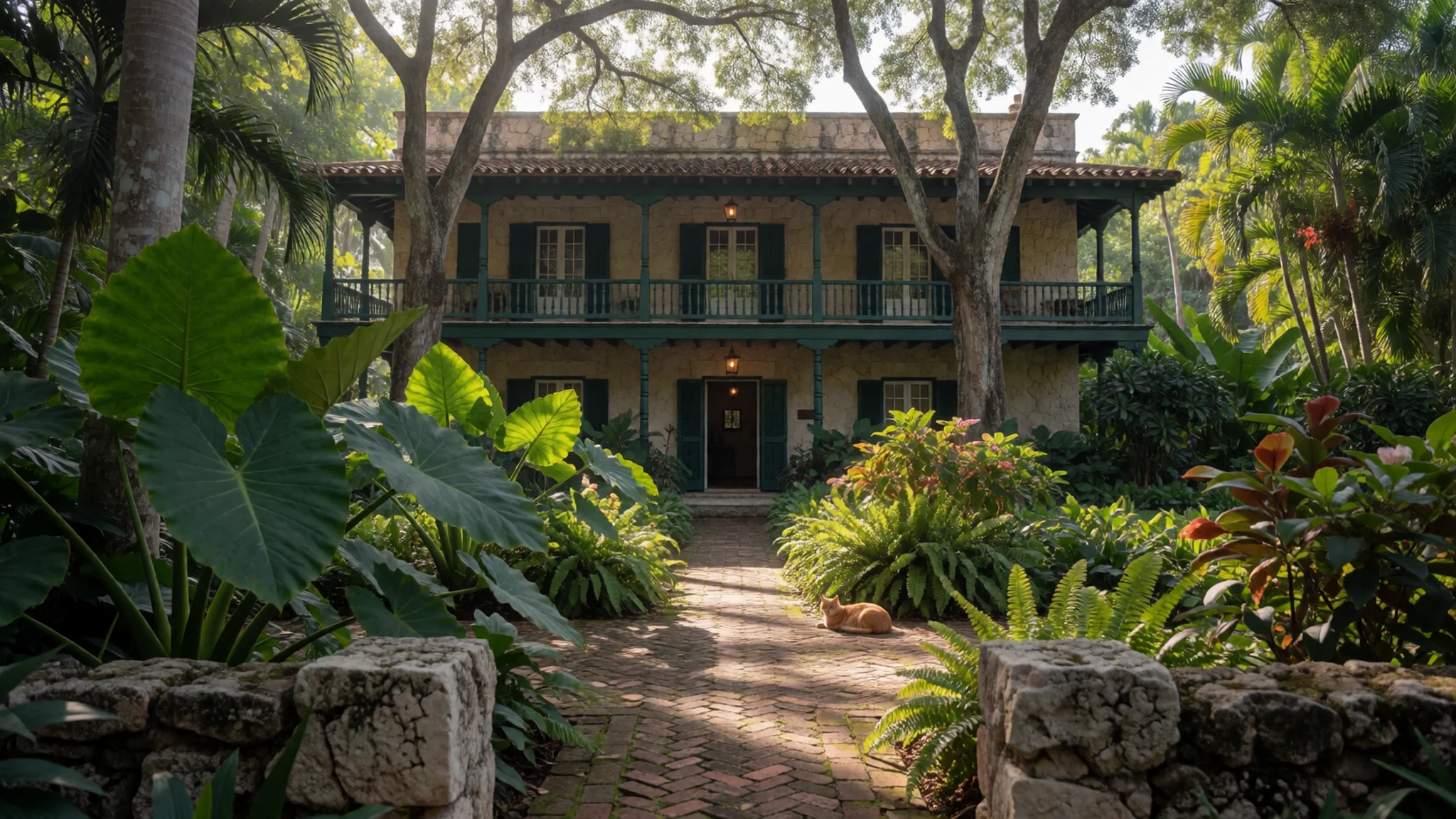
- Fort Zachary Taylor — Western tip of the island
Fort Zachary Taylor sits at the western tip of the island and is the quieter alternative to the crowds at Mallory Square. Visitors come to unwind, watch the sun drop as sailboats glide past, and explore the old fort walls. It suits a slow evening. Check the official site for opening hours before you go.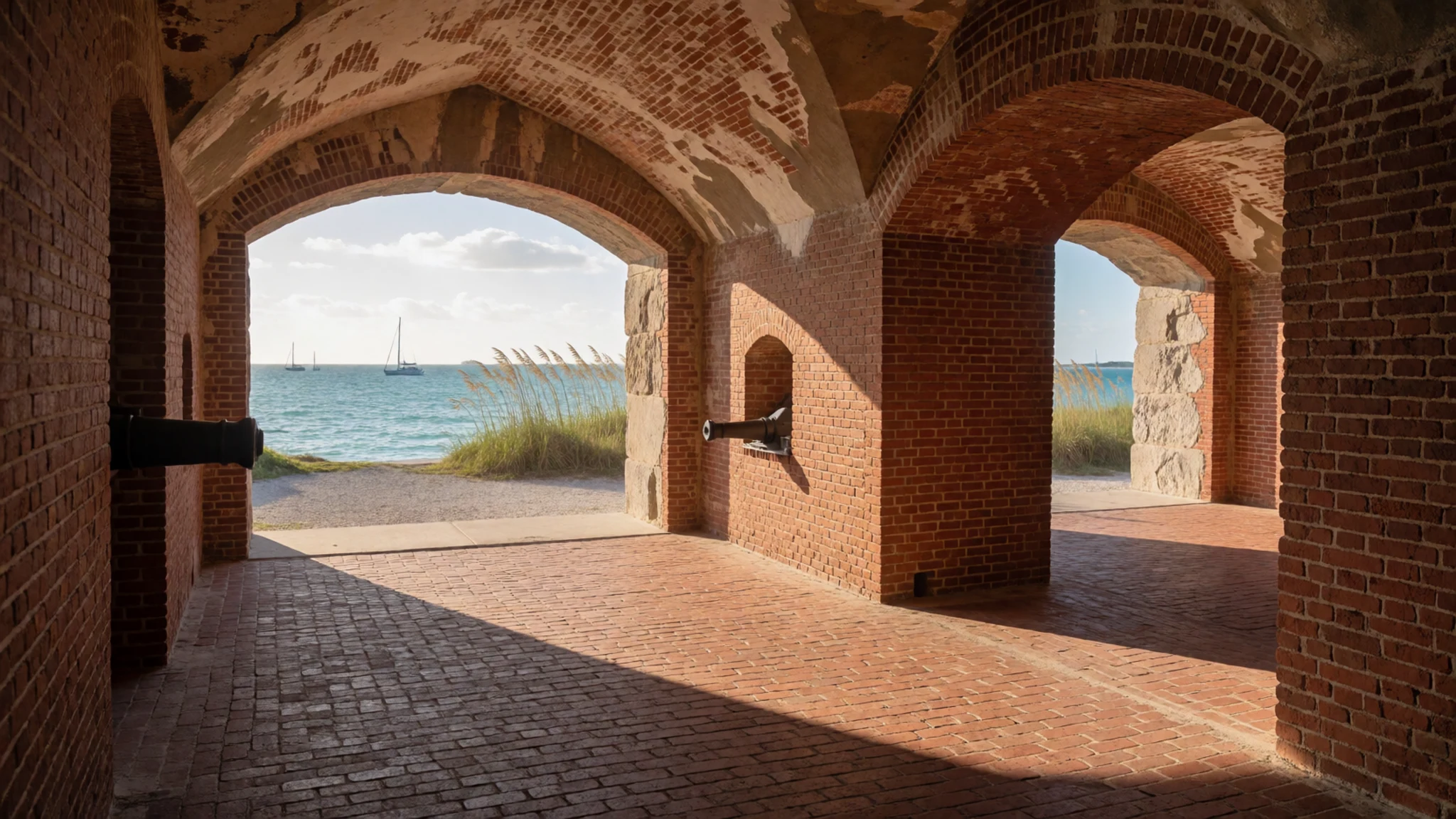
- Harry S. Truman Little White House — Front Street, old town
The Harry S. Truman Little White House was a retreat used by the president, and government officials still use it for retreats and business today. Guided tours run through the house, and a gift shop sits alongside. Tour arrangements can change, so check the official site before you go.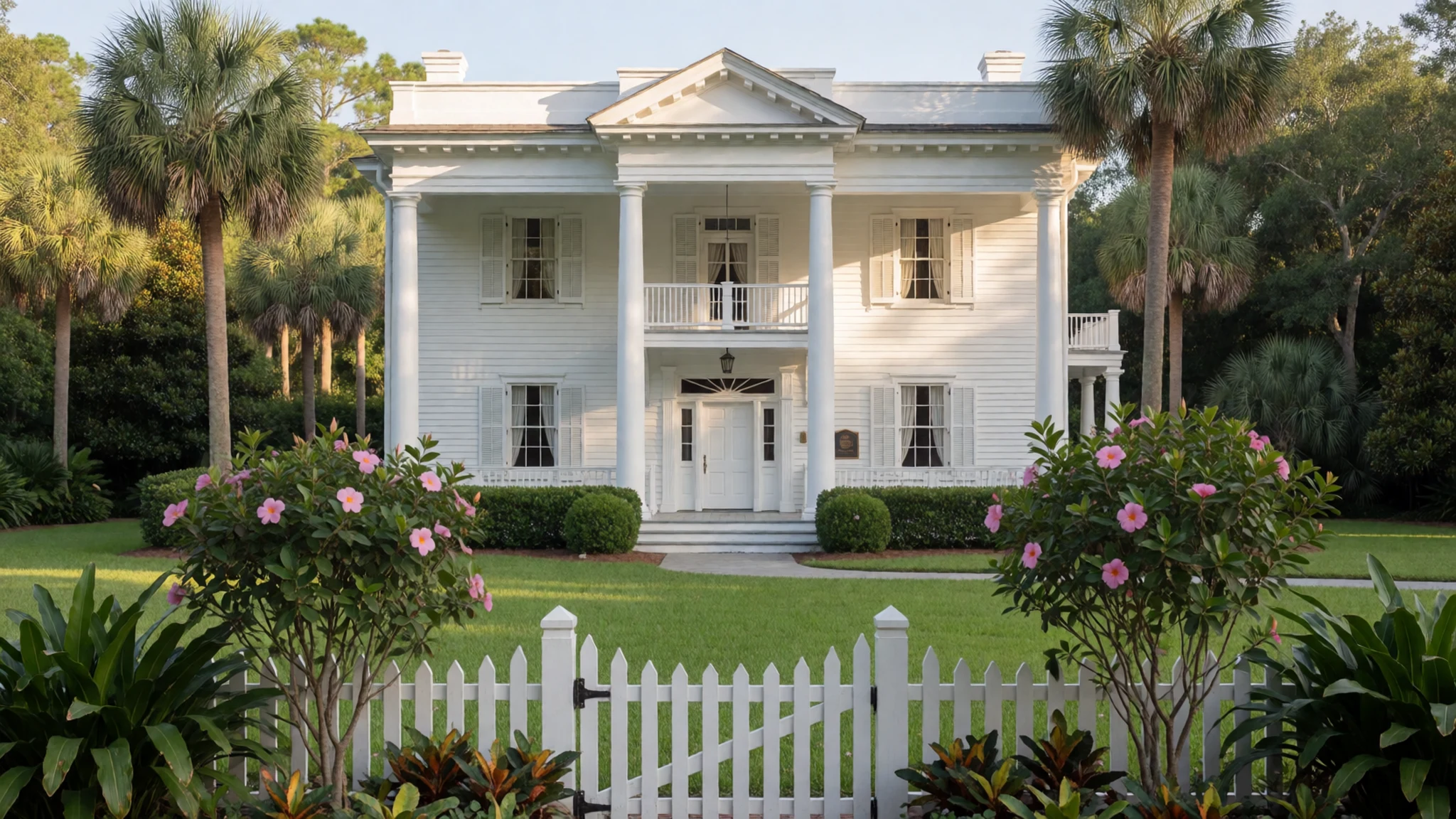
- Key West AIDS Memorial — Near White Street Pier
The Key West AIDS Memorial honours the island's residents lost to the epidemic. More than a thousand names are inscribed on it, a reminder of how deeply the disease affected this small community. It stands near the White Street Pier, and visitors often stop here briefly while walking the waterfront. Approach it quietly, as it is a place of remembrance.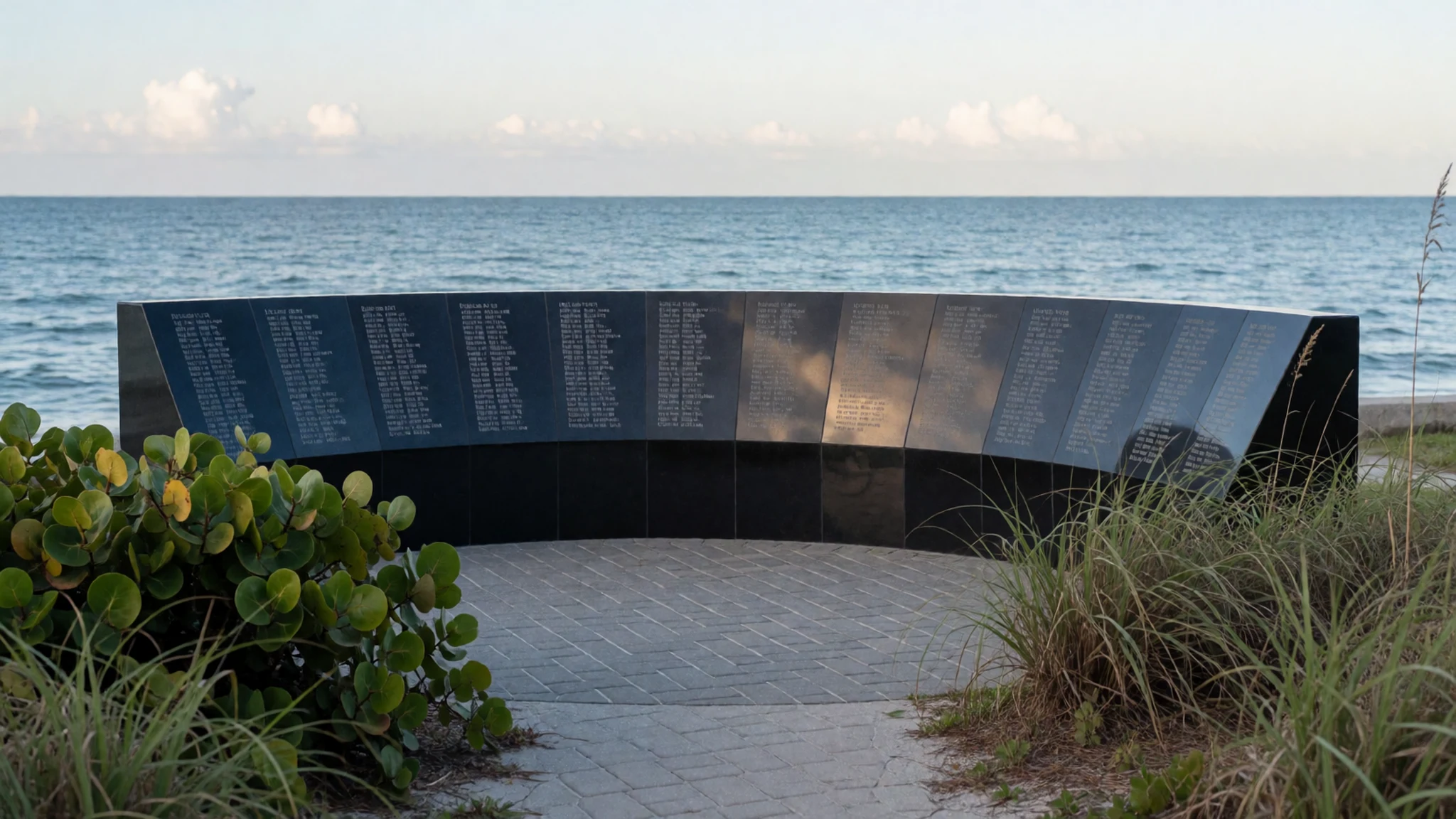
- Key West City Cemetery — Margaret Street, old town
Key West City Cemetery is a good place to see how the island's burial traditions draw on African, Hispanic, Anglo and other roots. Walking among the headstones is a quiet way to understand that mix. Go slowly, keep your voice low, and treat it as a place of rest rather than a photo stop.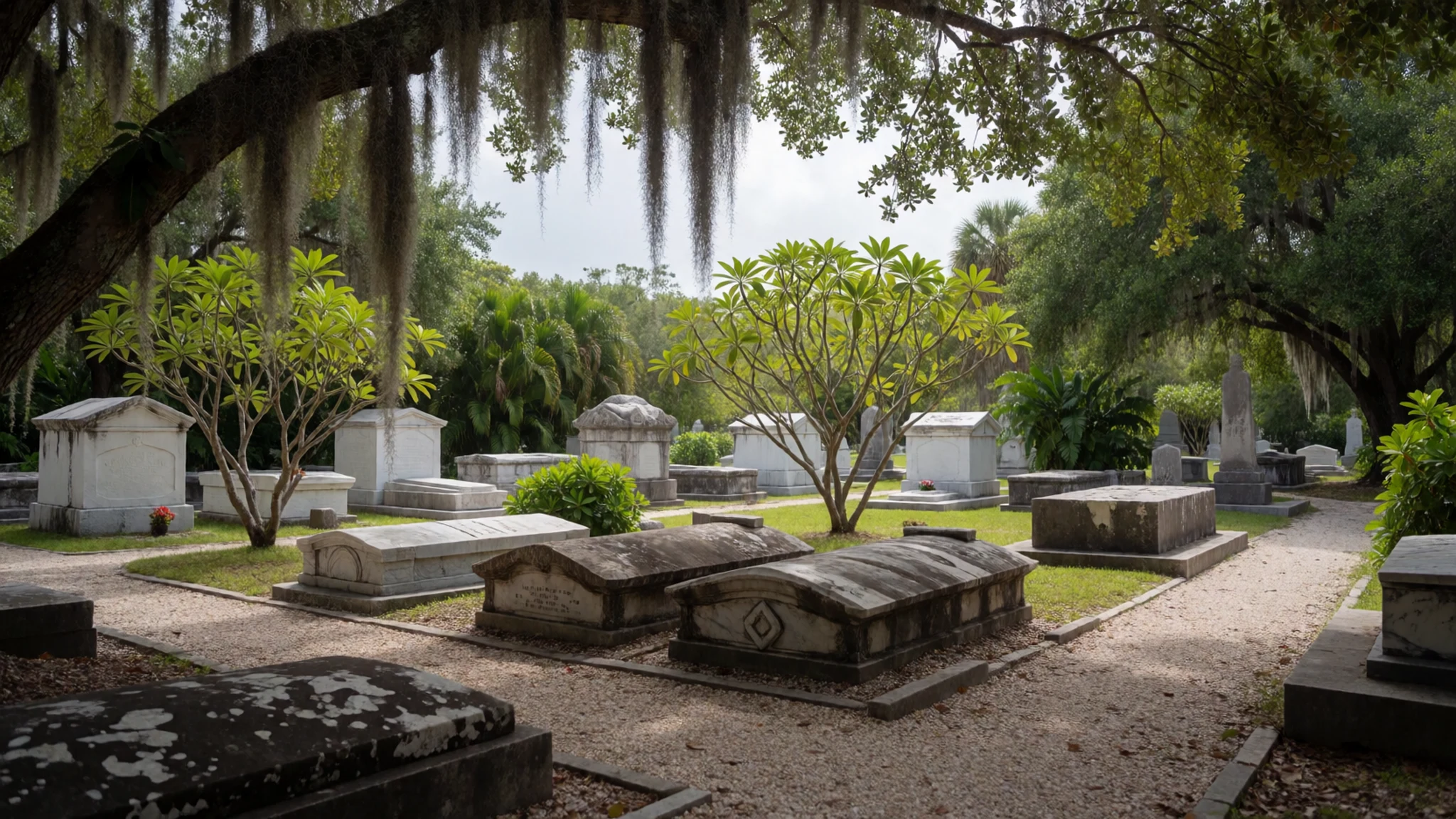
Culture
Key West's identity grew out of a small, mixed community of fishers, cigar workers, wreckers and merchants, and people here still talk about that past with pride. Cuban and Bahamian food and music are part of everyday life in the old town rather than a show put on for visitors. The island's pace is relaxed, and locals tend to be happy to answer questions about the buildings and the families who built them. Remembrance matters here as well: the City Cemetery reflects a blend of African, Hispanic, Anglo and other heritages, and the AIDS memorial honours people who died in the epidemic. Many families have lived here for generations, so a friendly question about the island's history is usually welcome. Late-night life on Duval Street is part of the appeal, but noise should drop as you move toward these quieter places. At the cemetery, keep to the paths, do not climb on tombs or lean on headstones, and ask before photographing anyone at a service.
What to wear
Key West has no single traditional dress, but its older clothing followed the same practical logic as other hot coastal places: light cotton and linen, loose cuts and wide-brimmed hats. Cuban and Bahamian families brought their own styles, among them the guayabera, a pleated shirt associated with Cuban men that is often made in cotton or linen. What people wear now is relaxed. Shorts, sundresses, linen shirts and sandals are everywhere, and bright prints and tropical colours are common. Many people change into swimwear for the beach, but a shirt and shoes are expected inside restaurants and bars. For a visitor, pack light, breathable clothing in cotton or linen, plus a hat, sunglasses and sun protection. Wear closed, flat shoes for old brick paths and wet pavements, and bring a light layer or cover-up for churches, the cemetery and the memorial, where modest dress shows respect. Sandals work on the beach and boat decks, but a sturdier pair will serve you better for walking the old town.
What to eat
- Cuban sandwich — Small Cuban counters and cafés on residential side streets
Pressed bread filled with roast pork, ham, Swiss cheese, pickles and mustard is the island's classic lunch. Look for it at small counters on the quieter residential streets away from Duval.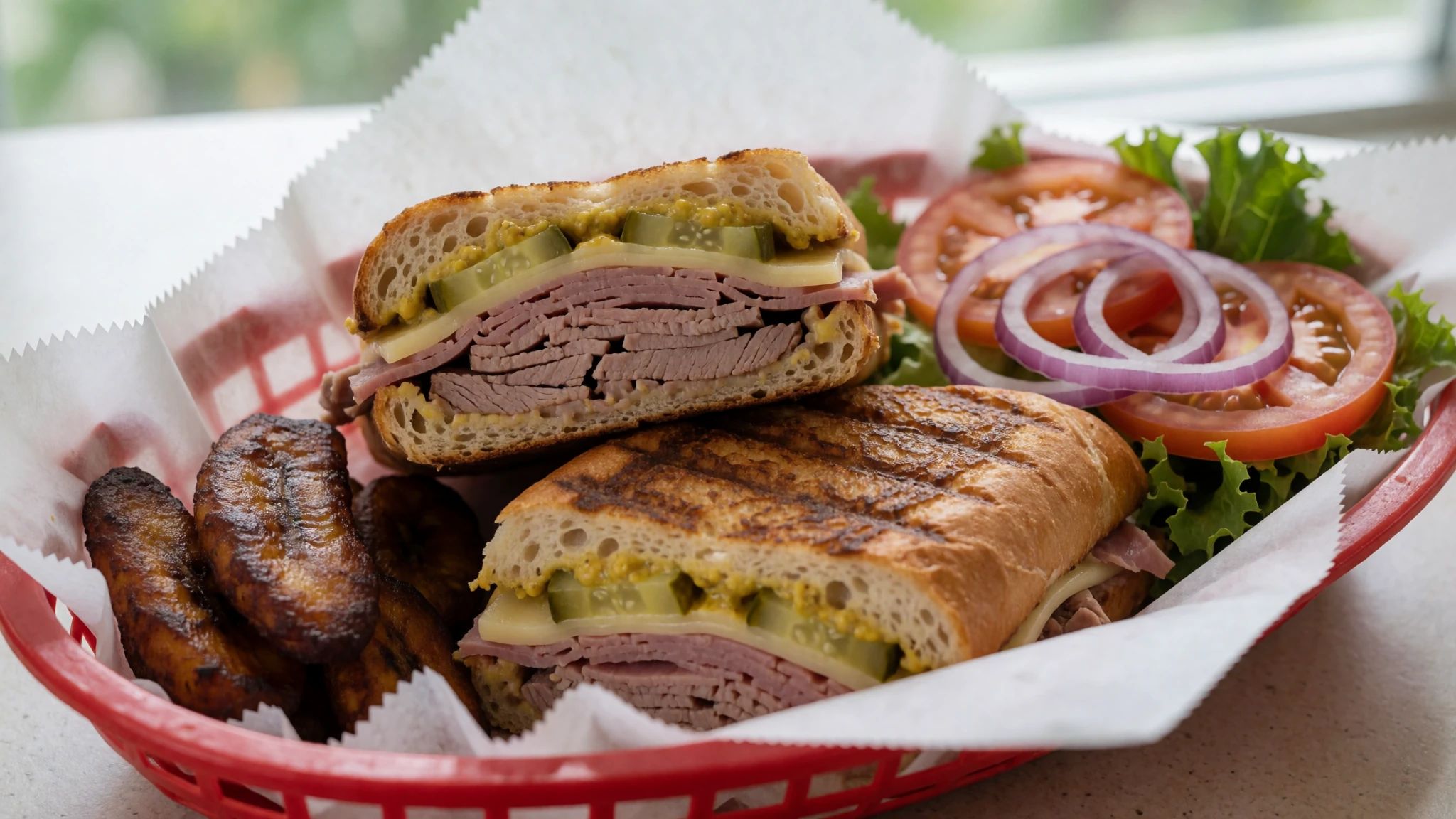
- Conch fritters and chowder — Casual fish houses and waterfront eateries
Conch, the local shellfish, turns up as fritters, fried golden with a light batter, or in a tomato-based chowder. Try them at a casual fish house or the waterfront restaurants near the harbour.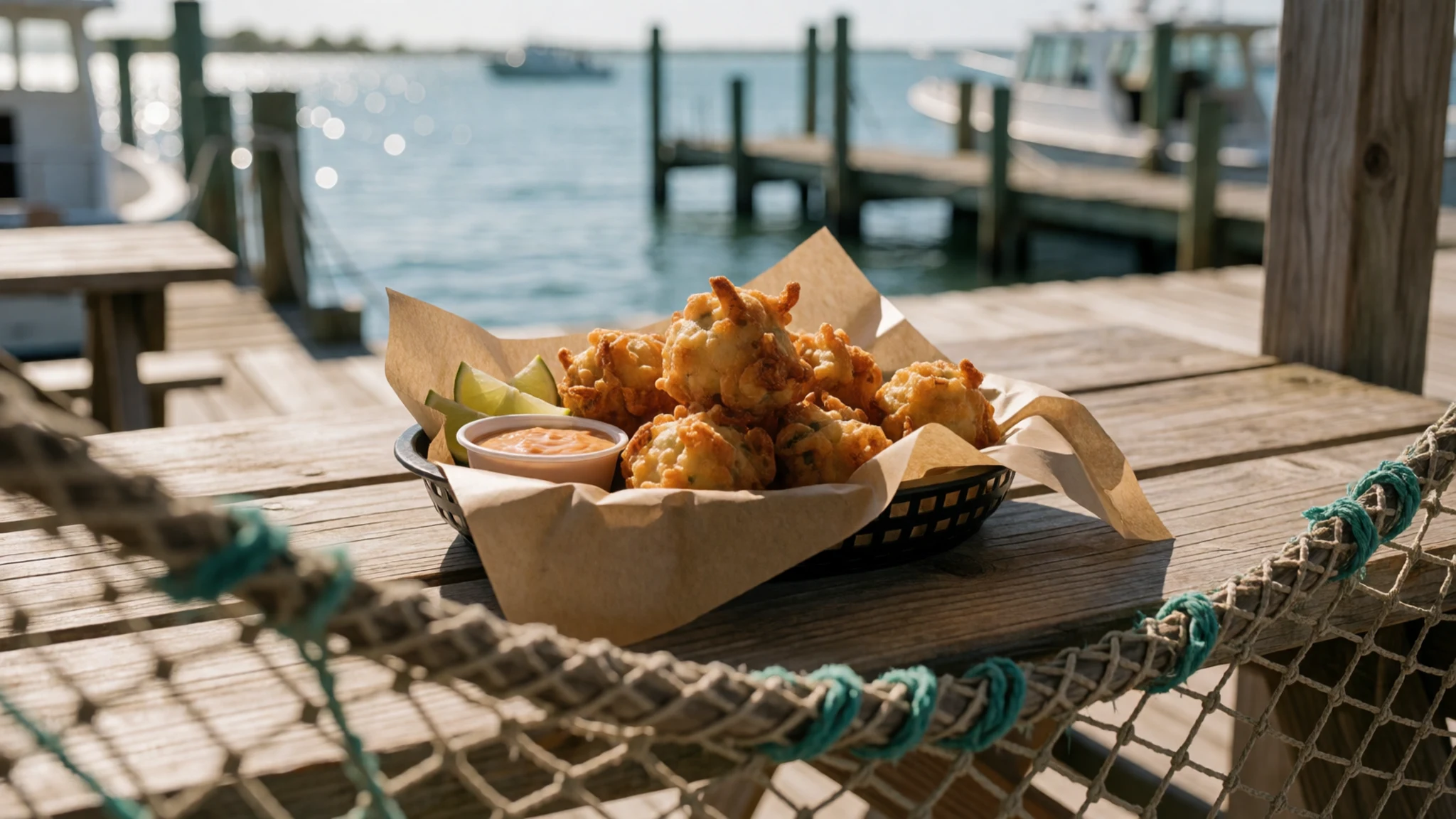
- Fresh raw bar oysters and fish — Waterfront raw bars
Raw bars line the waterfront, serving oysters on the half shell and local fish at the bar with a cold drink. Ask what came in that day, as menus change with the catch. Look for a traditional raw bar for an unfussy seafood lunch. - Key lime pie — Bakeries, dessert counters and diners across the old town
Key lime pie is the island's sweet signature, made with the tart juice of small local limes in a crumb crust. Versions differ from bakery to bakery, so taste a few. Look for it at any dessert counter, bakery or diner on the island. - Cafecito and mojitos — Cuban cafés in the old town and bars with live music
A cafecito is a small, strong, sweet Cuban coffee, served in a thimble-sized cup. Mojitos, made with rum, lime and mint, are the evening drink of choice. For both, go to a Cuban café in the old town or a bar with a band playing at sunset.
Plan it
Best time. November to April is the best window: sunny, drier and easier for walking. Summer is hot and wet, and the trade winds ease the heat without making it cool.
How long. 2–3
Getting there. Key West International Airport is closest to the old town; alternatively, drive the Overseas Highway south from Miami, a long scenic route through the Keys.
Budget. high
Tips
- Book accommodation well ahead for the winter months
- Visit the Hemingway House and the Little White House early in the day
- Go to the western end for sunset at Fort Zachary Taylor, which is calmer than Mallory Square
- Carry water, a hat and sun protection, as the sun is strong year-round
- Carry some cash for small cafés and kiosks
Etiquette
- Keep the cemetery and the AIDS memorial quiet and respectful
- Ask before photographing people at services or memorials
Nearby
Sources
- Wikidata Q485186 (CC0)
- Wikipedia (rev 1381336435) (CC BY-SA 4.0)
- Wikivoyage (rev 5407036) (CC BY-SA 4.0)
- Photo 01-key-west-2001.jpg, Tore Sætre (CC BY-SA 4.0)
- Photo 02-southernmost-point-buoy-ne-view.jpg, Radomianin (CC BY-SA 4.0)
- Photo 03-key-west-florida-by-planet-labs.jpg, Planet Labs (CC BY-SA 4.0)
- Photo 04-key-west-lighthouse-20080728.jpg, Averette (CC BY 3.0)
- Photo 05-museum-of-art-history-key-west-fl-us-07.jpg, Bubba73 (CC BY 3.0)
- Photo 06-seal-of-the-city-of-key-west-florida.png, Key West City Council (Public domain)
- Photo 07-an-accurate-chart-of-the-tortugas-and-florida-kays-or-martyr.jpg, National Archives and Records Administration (Public domain)
- Photo 08-mm00032290-5837195542.jpg, Florida Keys--Public Libraries (CC BY 2.5)


