Kep
Kep, Poland
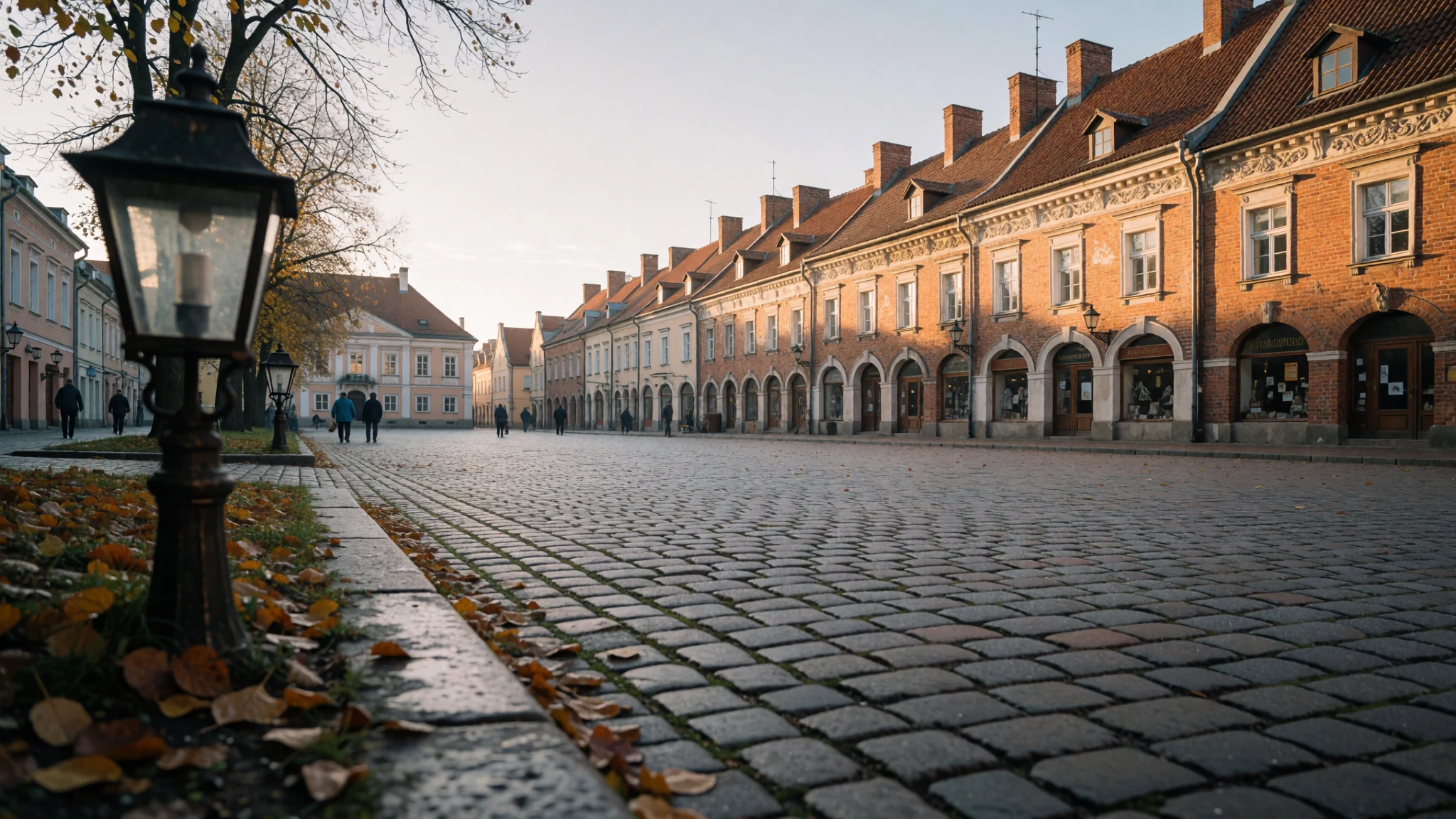
Visit Kępno to experience an authentic Greater Poland town blending regional history, traditional pastries, and quiet charm far from the heavy crowds.
The place
Kępno rests quietly in south-central Poland, positioned on the outer boundaries of the Greater Poland Voivodeship while bordering the historic territories of Silesia. Home to a modest population of about 14,000 residents, the town serves as a peaceful gateway to the wider Wieluń Land. Visitors arriving in Kępno immediately encounter a relaxed pace of life where historic municipal architecture frames everyday routines rather than bustling tourist itineraries. The focal point of local life remains the historic Rynek, or market square, where weathered brick facades, small independent shops, and neighborhood cafes spill out onto open cobblestones. Unlike the heavily commercialised urban centres further north, Kępno retains an unhurried, lived-in atmosphere. Side streets reveal sturdy late-nineteenth-century townhouses, quiet courtyards, and modest green spaces where locals gather during warm afternoon hours. The surrounding landscape is flat and agricultural, recalling the ancient agrarian roots of the Polans who first settled these river valleys centuries ago. Visitors can easily explore the compact central grid entirely on foot, taking in the unpretentious character of a regional hub shaped by generations of cross-border trade, shifting imperial boundaries, and steady community life. It is an ideal destination for travellers seeking a genuine slice of provincial Polish heritage, far removed from tour buses and souvenir stalls, offering genuine hospitality and a clear window into the daily rhythms of central European town life.
Its story
The recorded history of Kępno stretches deep into the medieval era, beginning as an fortified stronghold that anchored the southern marches of early Polish realms. Its earliest known written reference dates back to a pivotal diplomatic gathering where regional rulers forged key political alliances across fragmented territories. Initially functioning as a royal property, the settlement later passed through the hands of prominent nobility and knights before experiencing fluctuating administrative fortunes that saw it alternate between urban charter and rural village status over successive centuries. During the seventeenth century, the demographic landscape of Kępno shifted profoundly with the arrival of Protestant refugees fleeing religious pressures in neighboring Silesia, alongside Jewish families who established a vibrant local community, eventually turning the town into a characteristic regional shtetl during the nineteenth century. Major trade corridors connecting major European capitals passed directly through the municipal boundaries, drawing monarchs and merchants alike along dusty dirt tracks. Following the partitions of Poland, Kępno endured long periods of Prussian administration under various provincial designations, absorbing architectural influences and administrative systems from the West while quietly preserving its underlying Polish cultural identity. The turbulent twentieth century brought further administrative restructuring and the trials of global conflict, yet the town steadily rebuilt its civic institutions. Today, Kępno preserves the physical remnants of these layered chapters in its surviving civic monuments, churches, and historic street layouts, bearing quiet witness to the complex geopolitical tides that shaped the heartland of Europe.
What to see
- The Rynek Market Square — Town Centre
The historic market square serves as the beating heart of Kępno, surrounded by colourful nineteenth-century townhouses, small local shops, and open public spaces where weekly markets and community gatherings take place under the watchful gaze of the old municipal hall.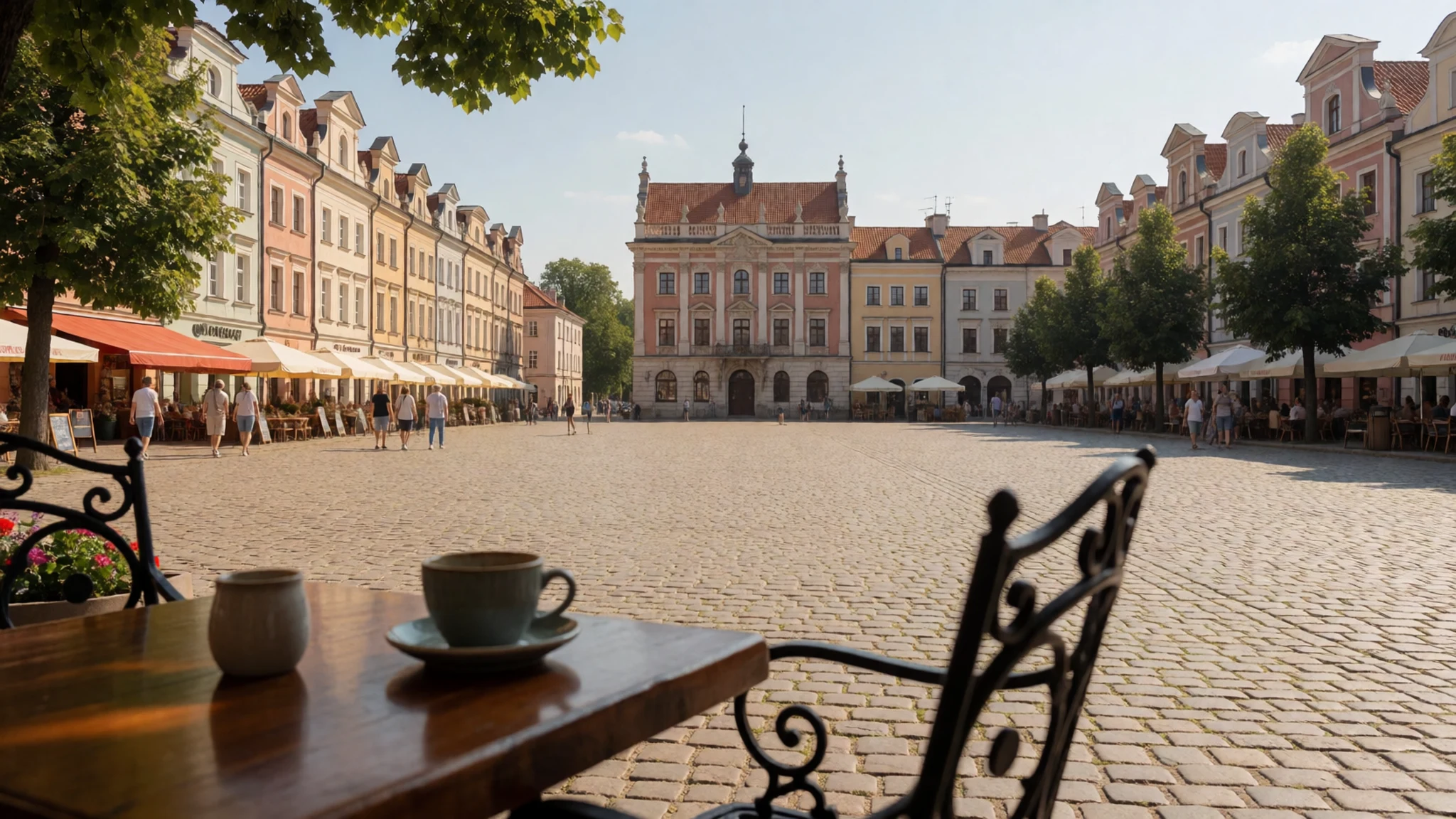
- St. Martin's Parish Church — Church Street District
Constructed at the turn of the twentieth century, this striking red-brick parish church dominates the local skyline with its soaring gothic revival tower, ornate vaulted ceilings, and quiet side altars that have served the faithful community through decades of change.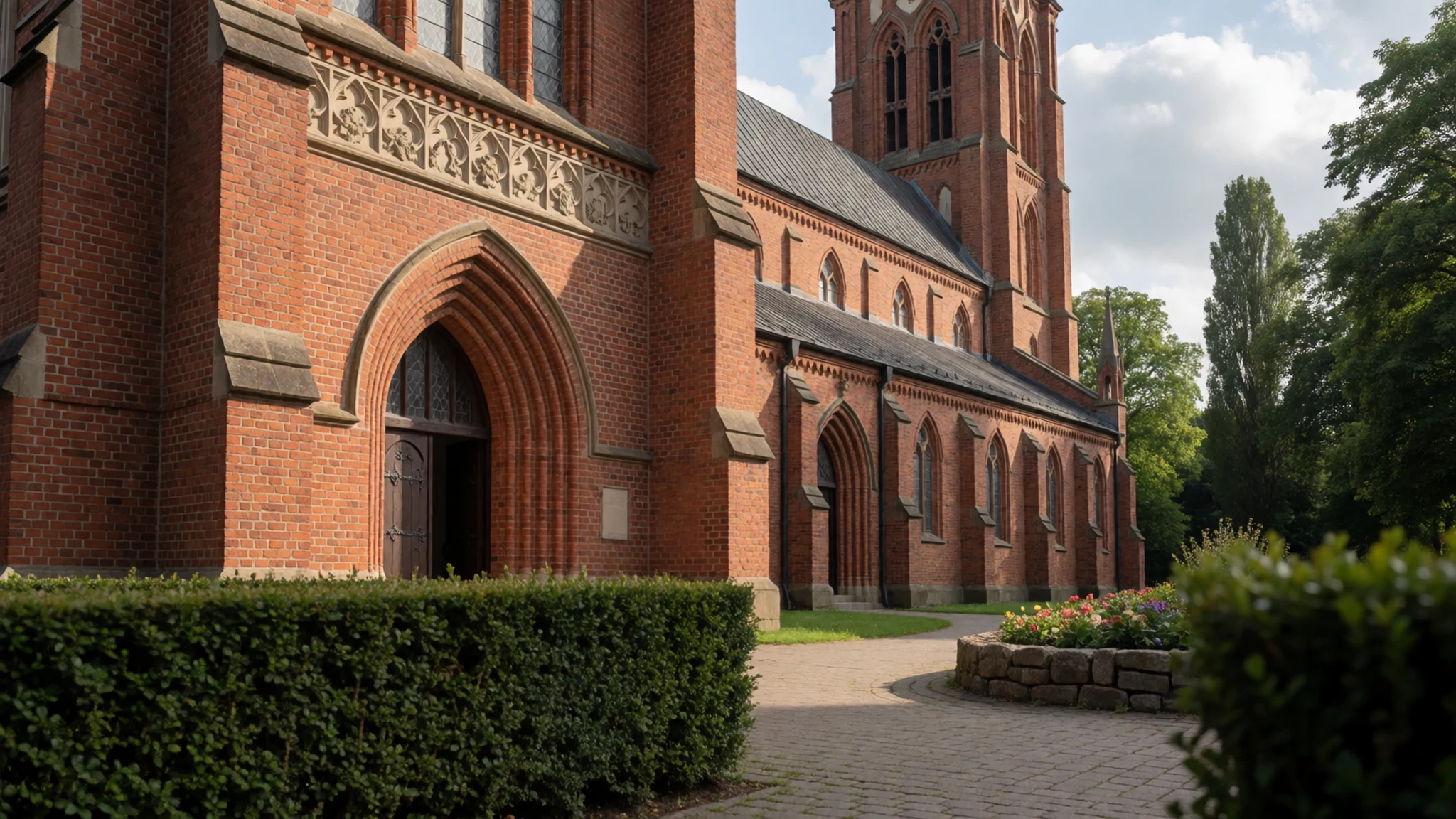
- Historic Post Office Building — Central Post District
An impressive example of turn-of-the-century Prussian civic architecture, this weathered red-brick postal headquarters features detailed stonework and arched window frames that reflect the town's administrative expansion during the late nineteenth century.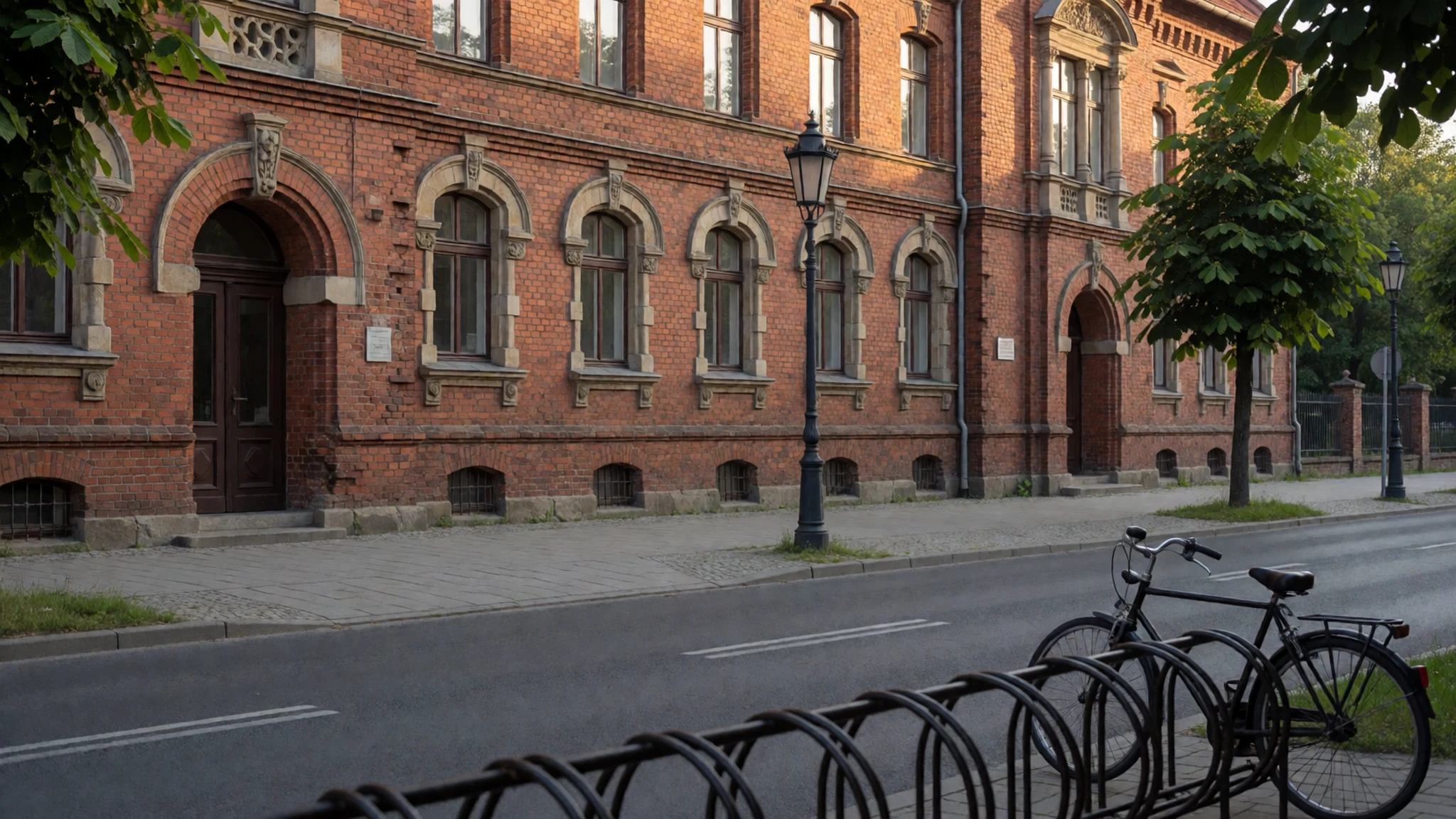
- The People's Bank Building — Wawrzyniak Street
Built in the early twentieth century to support local cooperative economics, this elegant architectural landmark displays classic regional brickwork and decorative cornices, standing as a testament to the community's financial independence and resilience.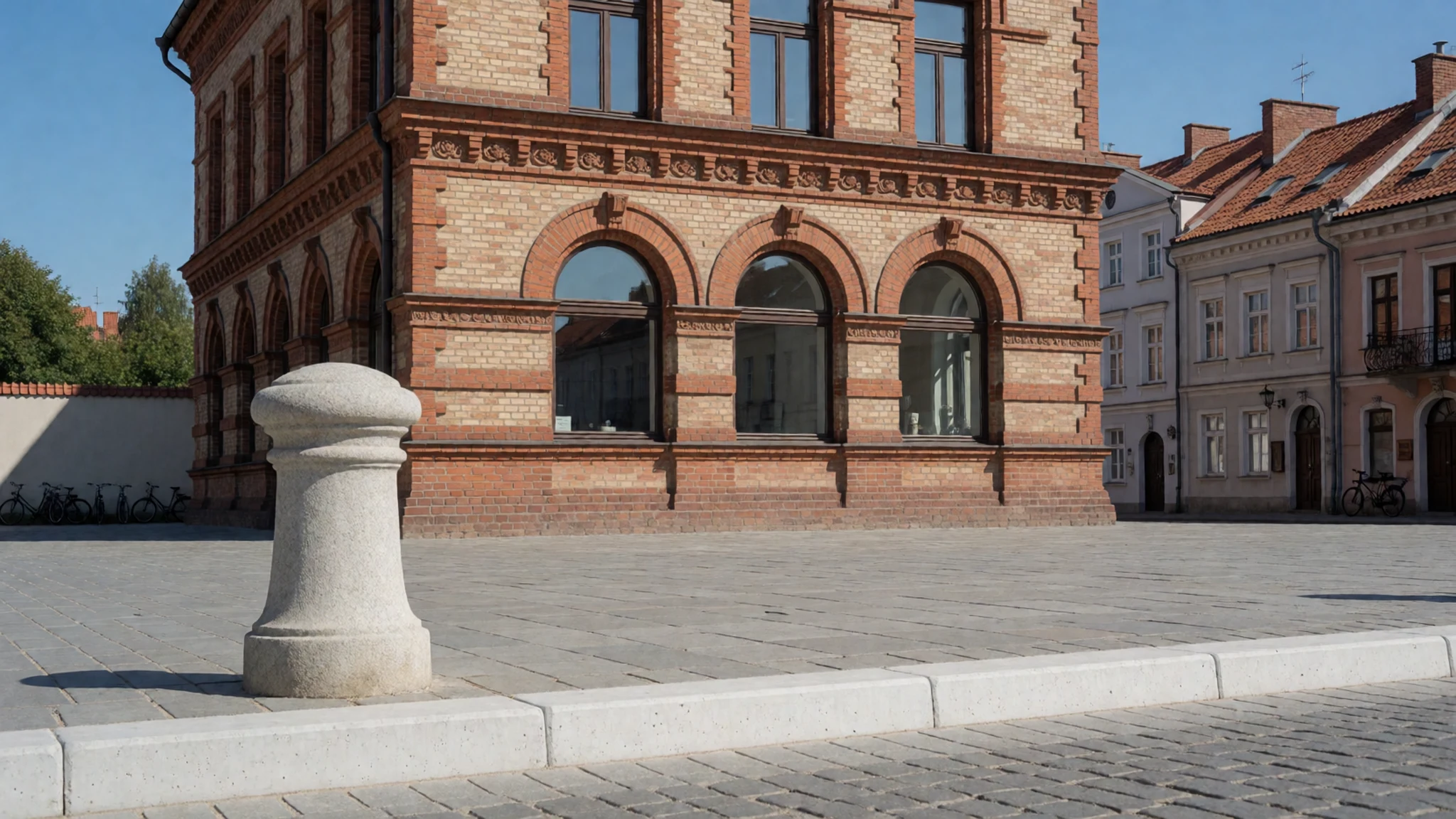
Culture
Kępno reflects the warm, unpretentious cultural traditions of the Greater Poland region, where community life often revolves around local parish events, seasonal agricultural cycles, and centuries-old culinary crafts. The town is particularly proud of its regional food heritage, notably producing the traditional Greater Poland liliput cheese, a mild pressed cheese officially protected under national agricultural heritage guidelines. Social interactions in Kępno are polite and grounded, rooted in rural hospitality and mutual neighbourly respect. Traditional folk costumes and heavy linen weaving, once common throughout the surrounding Wieluń Land during harvest festivals, are now largely preserved in regional museums or worn by local performance groups during national holidays. Everyday attire among residents is practical and modern, mirroring standard European casual wear. When visiting sacred spaces such as St. Martin's Parish Church, dress modestly by covering shoulders and knees. Always maintain a quiet, respectful demeanor when entering active places of worship or viewing historic parish interiors.
What to wear
Traditional dress in Kępno and the broader Greater Poland region historically featured layered woollen skirts, embroidered linen blouses, and patterned vests for women, alongside heavy wool trousers, dark jackets, and distinctive brimmed hats for men, often decorated with colourful ribbons for festive occasions. Today, residents of Kępno dress in practical, contemporary European fashion, favoring comfortable denim, durable jackets, and sturdy footwear suited for changing seasonal weather. Visitors exploring the town should pack comfortable walking shoes to navigate the historic cobblestones of the Rynek and surrounding streets. Layers are essential year-round, as summer afternoons can transition quickly into cooler evening breezes, while winters require heavy thermal coats, woollen scarves, and waterproof boots to manage snow and frost. When attending formal events or entering traditional establishments, neat smart-casual attire is always appropriate and appreciated by locals.
What to eat
- St. Martin's Croissant — Local bakeries across the town centre
A legendary pastry shaped like a horseshoe, generously filled with white poppy seeds, raisins, walnuts, and orange peel, traditionally baked for November festivities but available in local bakeries throughout the autumn season.
- Pyry z Gzikiem — Traditional eateries and family restaurants
A quintessential regional comfort dish consisting of freshly harvested potatoes served unpeeled alongside cold, creamy cottage cheese, seasoned simply with chopped fresh dill, salt, and freshly cracked black pepper.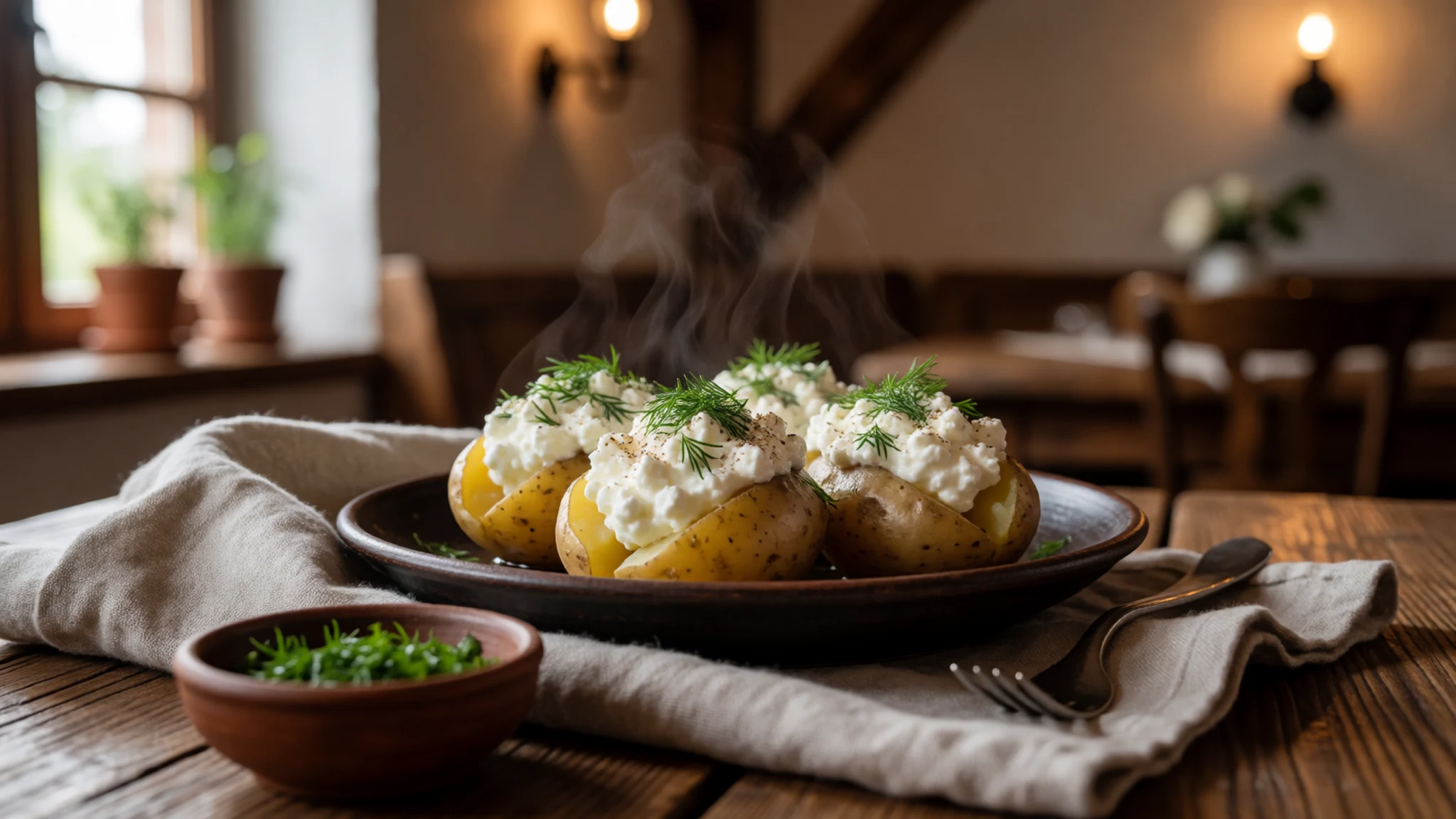
- Golonka po Wielkopolsku — Regional dining rooms and classic taverns
A hearty, slow-boiled pork knuckle simmered for hours with root vegetables, onions, and aromatic spices, traditionally served steaming hot alongside sharp mustard, fresh horseradish, and stewed cabbage. - Greater Poland Craft Beer — Local bottle shops and neighbourhood pubs
Independent regional beers brewed in small batches across the voivodeship, offering crisp malt flavours and refreshing hop profiles best discovered by asking local shopkeepers or pub staff for unbranded neighbourhood specials.
Plan it
Best time. May to September offers the most pleasant weather for walking the historic streets and exploring local parks, while November brings festive pastry traditions.
How long. 2–3
Getting there. Fly into Poznań-Ławica airport, then take a connecting bus or train south to Kępno railway station via regional rail lines.
Budget. mid
Tips
- Wear comfortable walking shoes for uneven cobblestone streets around the market square
- Carry cash in Polish złoty for small bakeries and local market stalls
- Start your day early to enjoy quiet morning light across the historic architecture
- Ask local shopkeepers to recommend independent regional craft beers
Etiquette
- Dress modestly with covered shoulders and knees when visiting historic churches
- Greet shopkeepers politely with a friendly 'dzień dobry' upon entering small businesses
- Remove hats indoors when entering restaurants, cafes, or places of worship
Nearby
Sources
- Wikidata Q640493 (CC0)
- Wikipedia Kępno (CC BY-SA 4.0)
- Wikivoyage Wielkopolskie (CC BY-SA 4.0)