Kayseri
Kayseri, Turkey
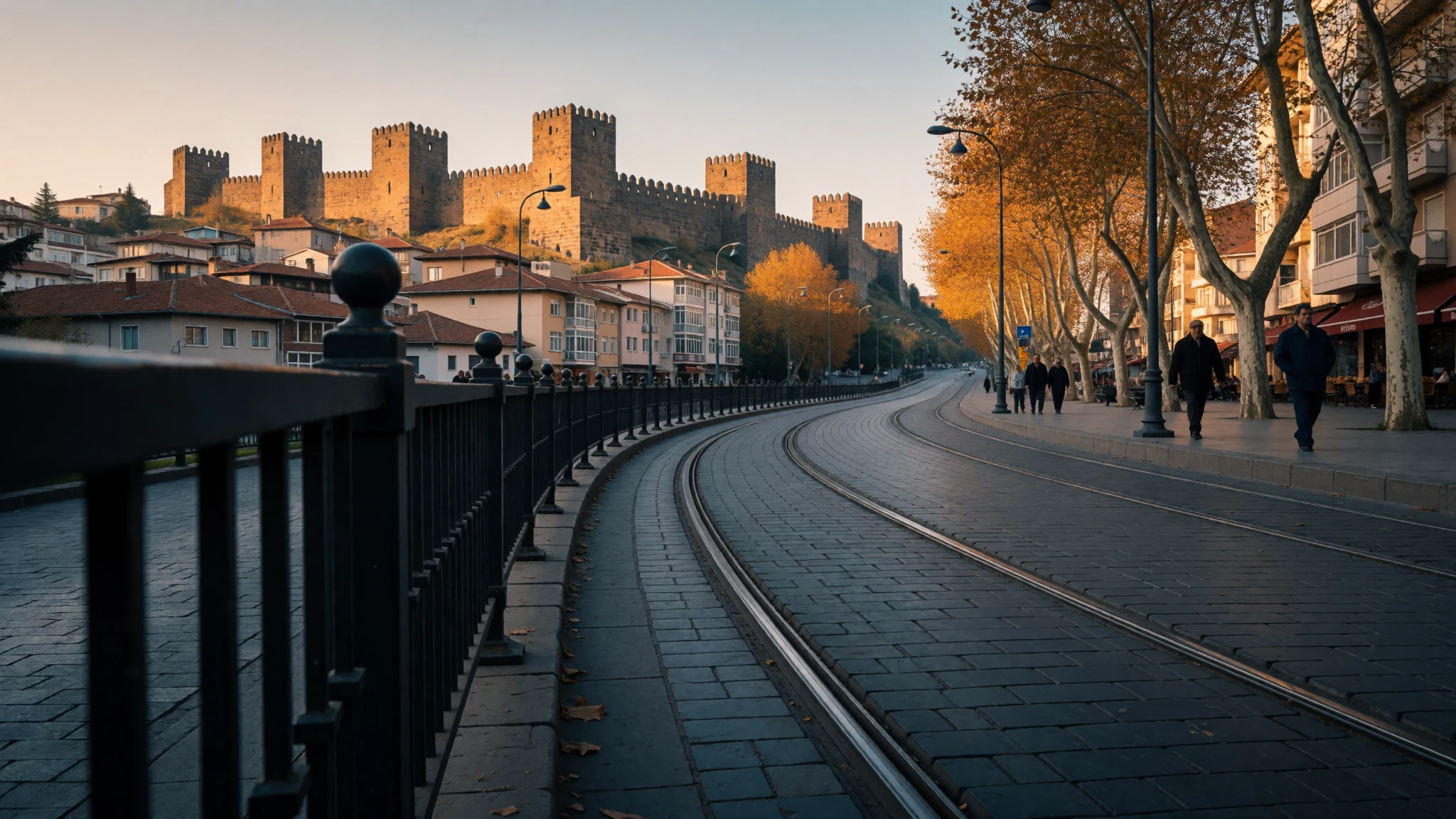
Kayseri is a working Anatolian city of dark basalt walls, Seljuk stone and Hittite finds, with a volcano behind it and Cappadocia a short drive west.
The place
Kayseri is a large city on the Central Anatolian plateau, home to about 1.4 million people and sitting roughly 1,050 m above sea level. Mount Erciyes, a dormant volcano of 3,917 m, rises just behind it, and on clear days the mountain works as a compass: wherever you are in town, it is the big shape to the south. Under its older name, Caesarea, the city was long regarded as the capital of Cappadocia, the region that still carries that name today. The metropolitan area is stitched together from five districts, with Kocasinan and Melikgazi forming the central pair and Hacılar, İncesu and Talas added in 2004. This is a commercial and university town rather than a resort. Erciyes University gives it a student pulse, and the Kayseray tram makes the centre easy to cross. Many travellers pass through on the way to Cappadocia's rock valleys further west, which is a pity, because the centre holds a basalt citadel, Seljuk-era buildings, an Armenian church and an archaeology museum that rewards an unhurried afternoon. The climate is continental: winters are cold and snowy, summers hot and dry, and the nights stay cool even in July. Kayseri is also known for pastırma, sucuk and mantı, which turn up on almost every menu. In 2027 the city is due to be Cultural Capital of the Turkic World, which may bring more events and more visitors. Erkilet International Airport handles flights, and rail and bus links reach Ankara and beyond.
Its story
Kayseri's history is usually told as three golden ages. The first began around 2000 BC, when the settlement worked as a trading post between Assyrians and Hittites. The second came under Roman rule, which the brief's sources place between the first and eleventh centuries. The third arrived with the Seljuks, who ruled from 1178 to 1243 and made the city the second capital of their Sultanate of Rum. In between, the place was known as Mazaca and served as the seat of the kings of Cappadocia. Its position explains much of this. Roads from the Black Sea coast towards the Euphrates crossed here, as did the Persian Royal Road running from Sardis to Susa during Achaemenid rule, and later a Roman route from Ephesus eastwards. By Late Antiquity the city may have held around 50,000 people and carried real weight in the Church; Basil of Caesarea, one of the Cappadocian Fathers, founded a large complex of charities, a monastery and churches here in the fourth century. Nothing of it survives. Pilgrims heading from Constantinople to the Holy Land also passed through, and shrines to local saints such as St Mamas and St Merkourious drew devotion into the seventeenth century. Much of what stands in Kayseri today is therefore Seljuk or later, while the older layers sit in the museum and under the streets.
What to see
- Kayseri Castle — City centre
Kayseri Castle stands in the middle of the city, its dark basalt walls rising at the north end of the clocktower crossroads. What survives is the fifteenth-century citadel, the inner core of a much larger fortified town. The outer walls along the boulevards cannot be walked, but they show how far the old city once spread.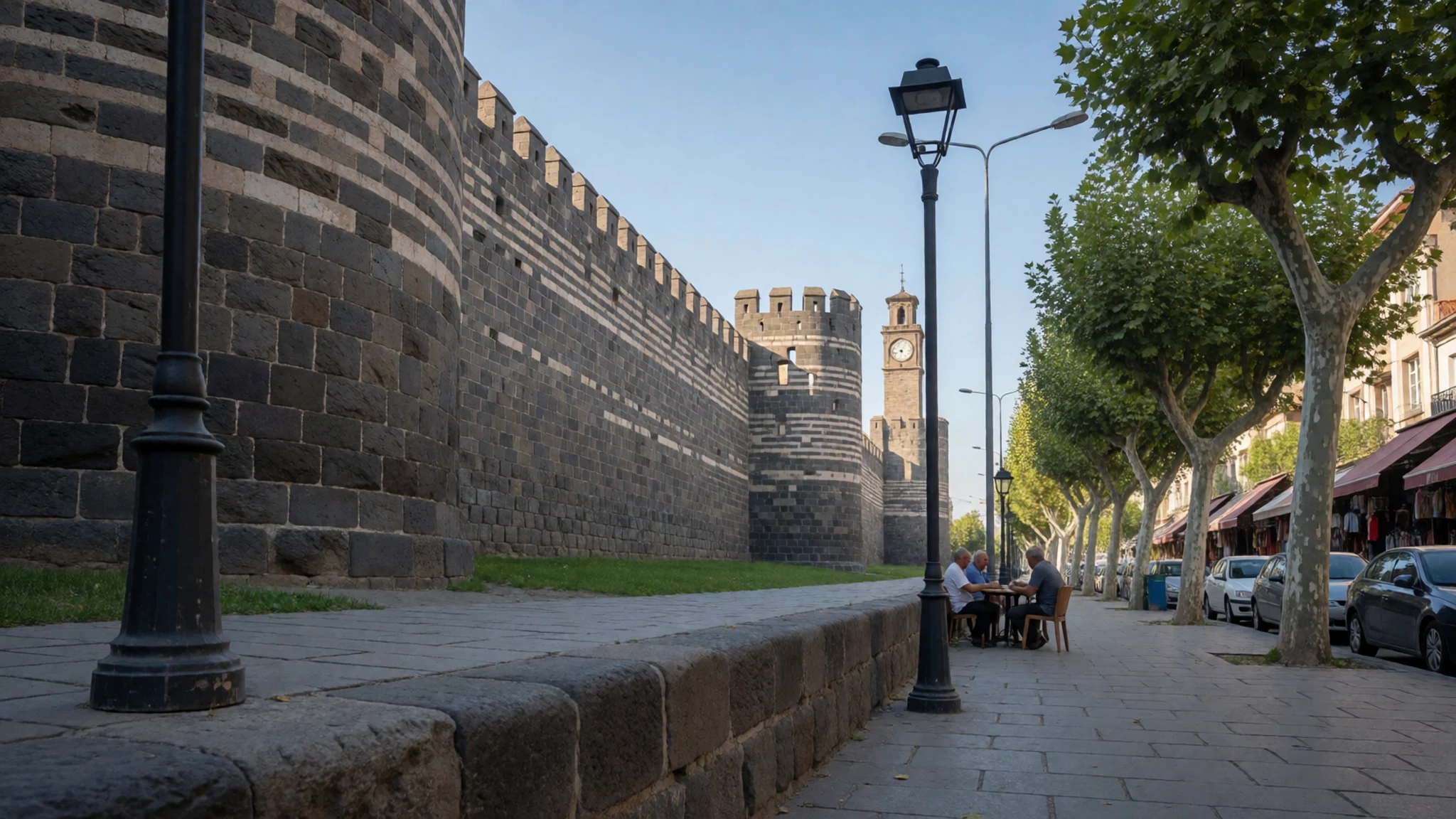
- Kayseri Archaeological Museum — Inside the citadel
Kayseri Archaeological Museum now occupies part of the citadel, having moved from a site just to the south. The collection is small but strong on Neolithic and Hittite material, with finds from Kültepe (ancient Kaneš), and a Roman sarcophagus carved with the labours of Hercules that deserves a slow look.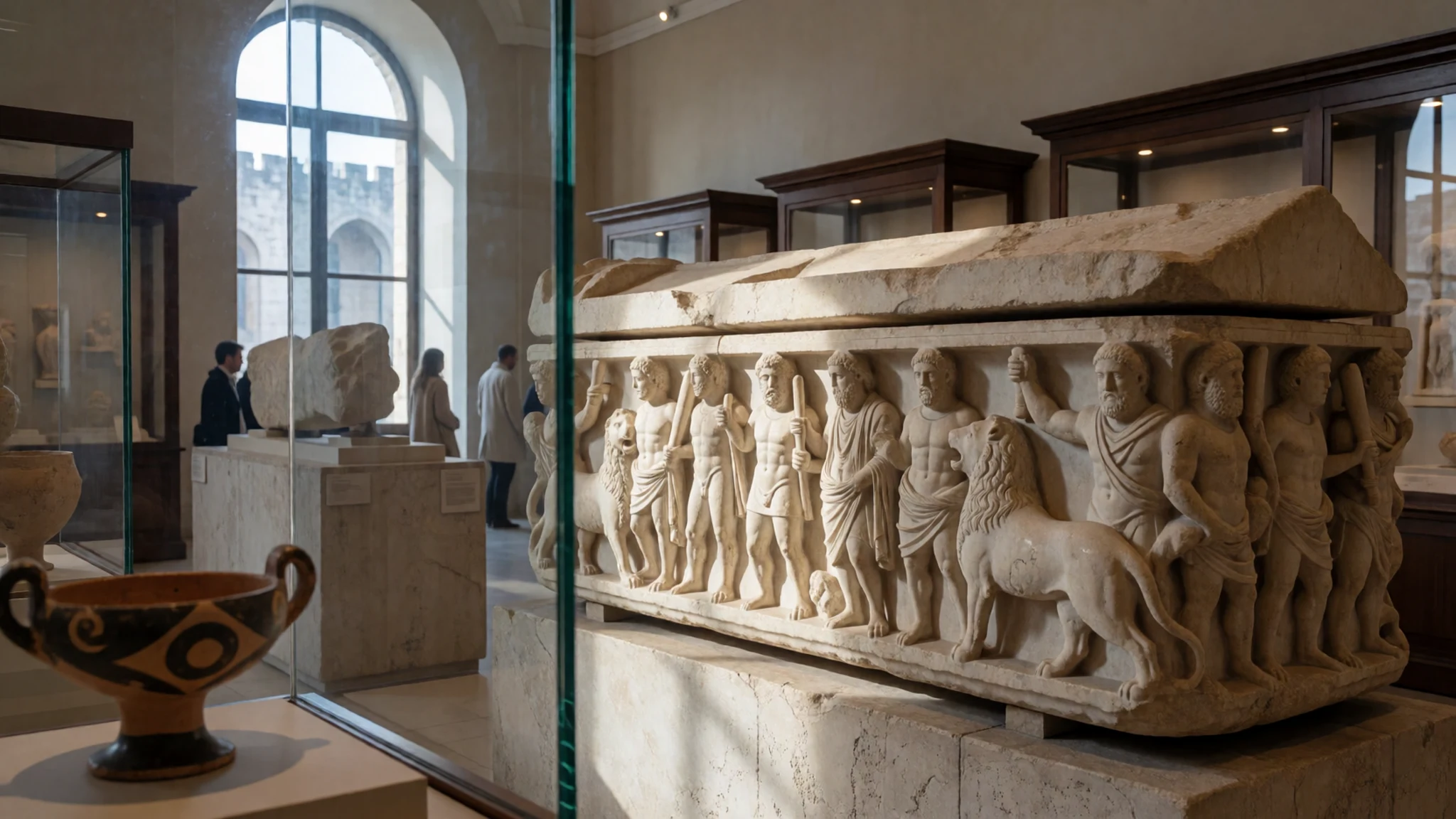
- St Gregory the Illuminator Church — Central Kayseri
St Gregory the Illuminator Church is an Armenian church founded in 1191, though the present building dates from the nineteenth century. It is still used for services, so it feels like a living place rather than an exhibit. Opening depends on the congregation, so ask locally before making a special trip.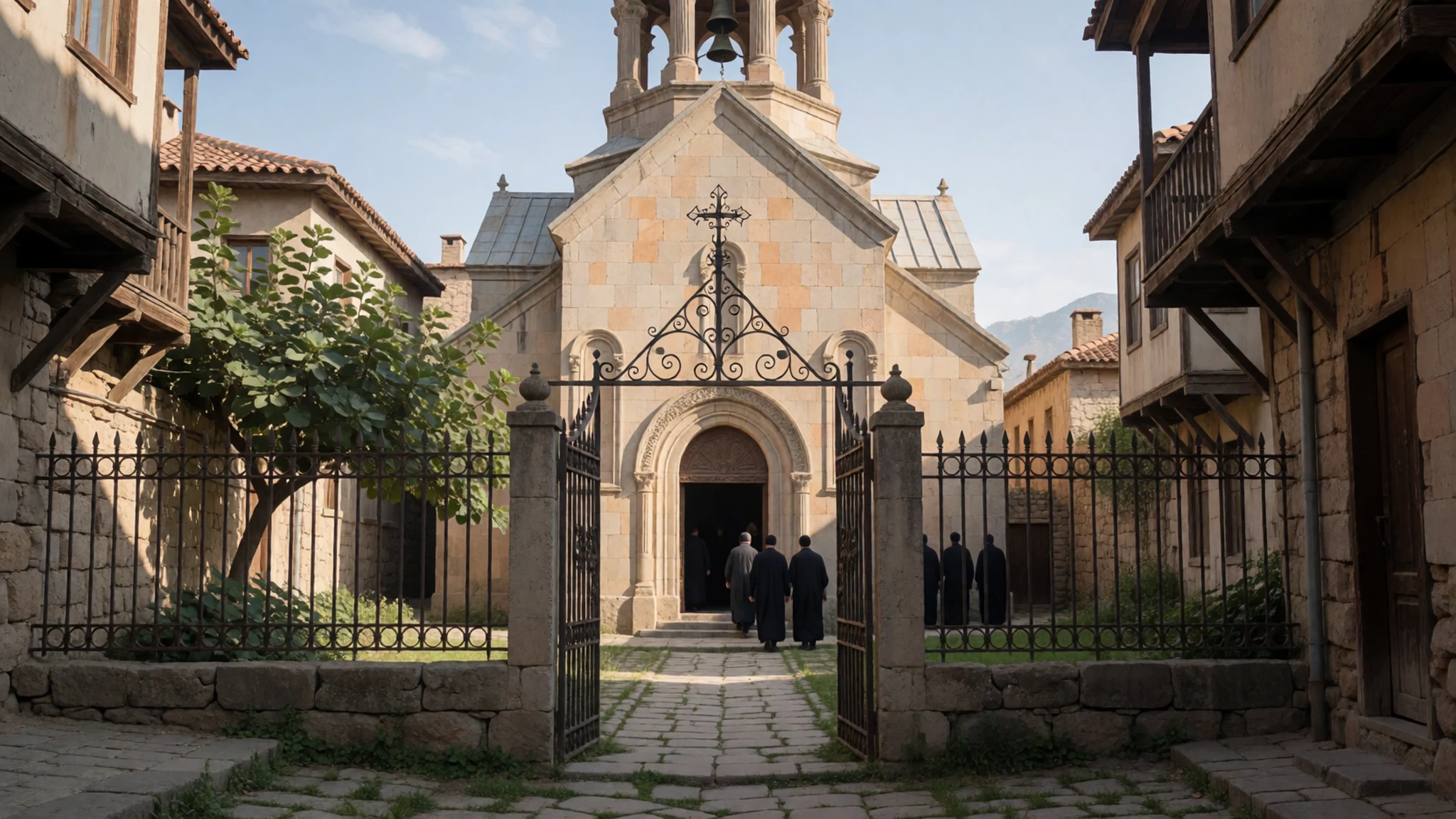
- Ulu Camii and the bazaar — Bazaar district
Ulu Camii, the Great Mosque, stands beside the old bazaar about 200 m south-west of the castle. Pairing the two makes an easy walk: the mosque first, then the bazaar lanes for tea, browsing and a sense of how the city trades. Visit outside prayer times.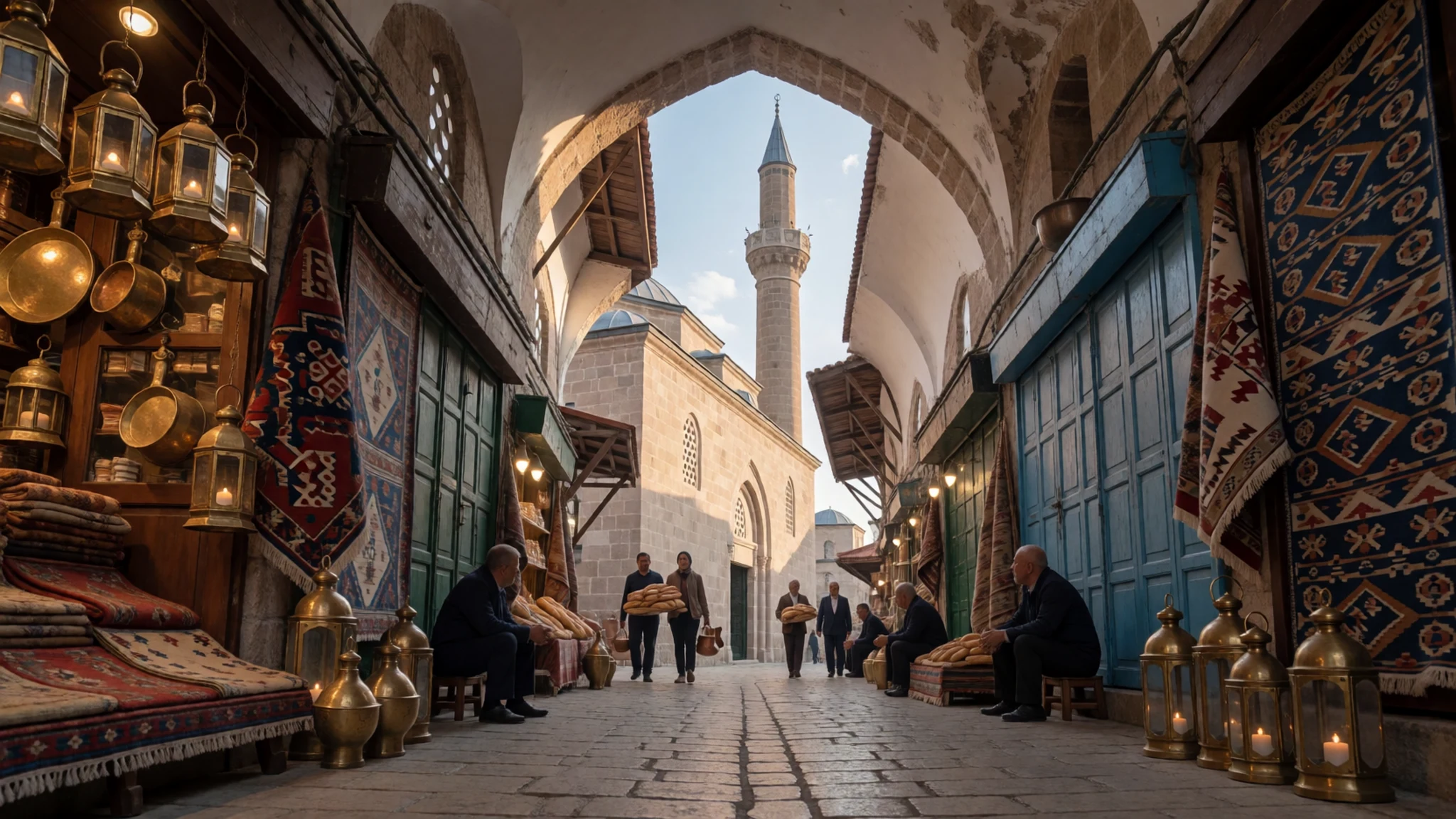
- Mount Erciyes — South of the city
Mount Erciyes (Erciyes Dağı) is the dormant volcano that dominates the southern horizon, reaching 3,917 m. Snow often caps it in the cold months, and it is the view that locals measure the weather by. The slopes are reached by road from the city; check current conditions before going up.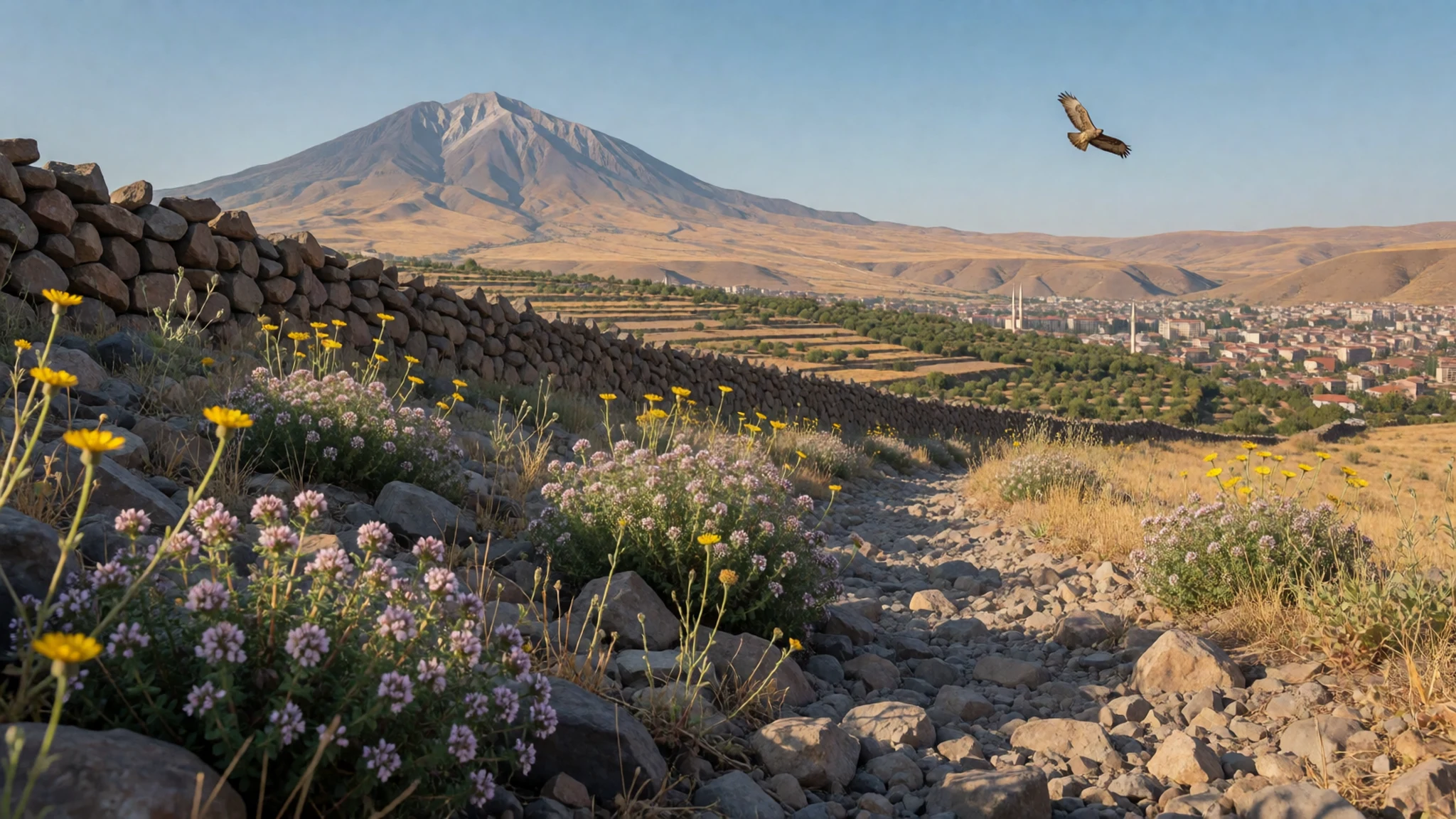
Culture
Kayseri is a city where several layers of belief and rule sit side by side. Hittite and Assyrian traders, Roman governors, Christian bishops and Seljuk sultans all left something behind, and the visible result is a centre where an Armenian church, a Great Mosque and a basalt fortress stand within walking distance of each other. Today the city is predominantly Muslim and fairly conventional in its habits, with a strong work ethic and a practical, businesslike reputation that locals tend to wear lightly. Tea is the default social glue: a glass appears in shops, offices and bazaar stalls, and accepting one is usually the start of a conversation rather than a sales pitch. Family and neighbourhood ties matter, and meals are often long. The city's selection as Cultural Capital of the Turkic World for 2027 reflects a wider identity as part of Anatolia's Turkic heritage, and festivals and exhibitions are likely to lean on that theme. Ramadan changes the rhythm of the day, with many eateries quiet until sunset, so timing a visit around it takes some thought. Pastırma and mantı are points of local pride, and asking how a family makes its own version is a reliable way to get talking. When entering a mosque, remove your shoes at the door, cover your shoulders and knees, and women should carry a scarf for the hair.
What to wear
Kayseri's traditional dress belongs to the wider Anatolian village wardrobe, and it now appears mostly at weddings, folk-dance performances and festivals rather than on the street. Women's costume centres on şalvar, the loose gathered trousers, worn under a tunic or dress and topped with a yazma, a printed headscarf often edged with needle-lace flowers called oya. Men's older outfits paired baggy trousers with a short jacket and a sash, cut from wool or cotton depending on the season. Wool matters here because winters are hard, and the Anatolian carpet and kilim tradition belongs to the same textile culture. What people actually wear now is ordinary Turkish city clothing: jeans, shirts, jackets and coats, with many women wearing a headscarf and long coat or modest layers, and others in Western styles, especially among students. Dress leans more conservative than in Istanbul or the coast. A visitor should plan for the climate first. Summers are hot and dry, so light cotton and a hat help, but evenings cool quickly. Winters need a proper coat, hat, gloves and boots with grip, as streets can be icy. For mosques, carry a scarf and wear sleeves and trousers or long skirts that cover the knees. Comfortable closed shoes suit the basalt and cobbled areas around the citadel.
What to eat
- Pastırma — Delis around the old bazaar and traditional restaurants
Pastırma is air-dried, salted beef coated in a spiced paste called çemen. It is sliced thin as a starter, folded into main dishes or used as a stuffing for börek. Local delis and bazaar shops sell it by weight, and many traditional restaurants serve it hot.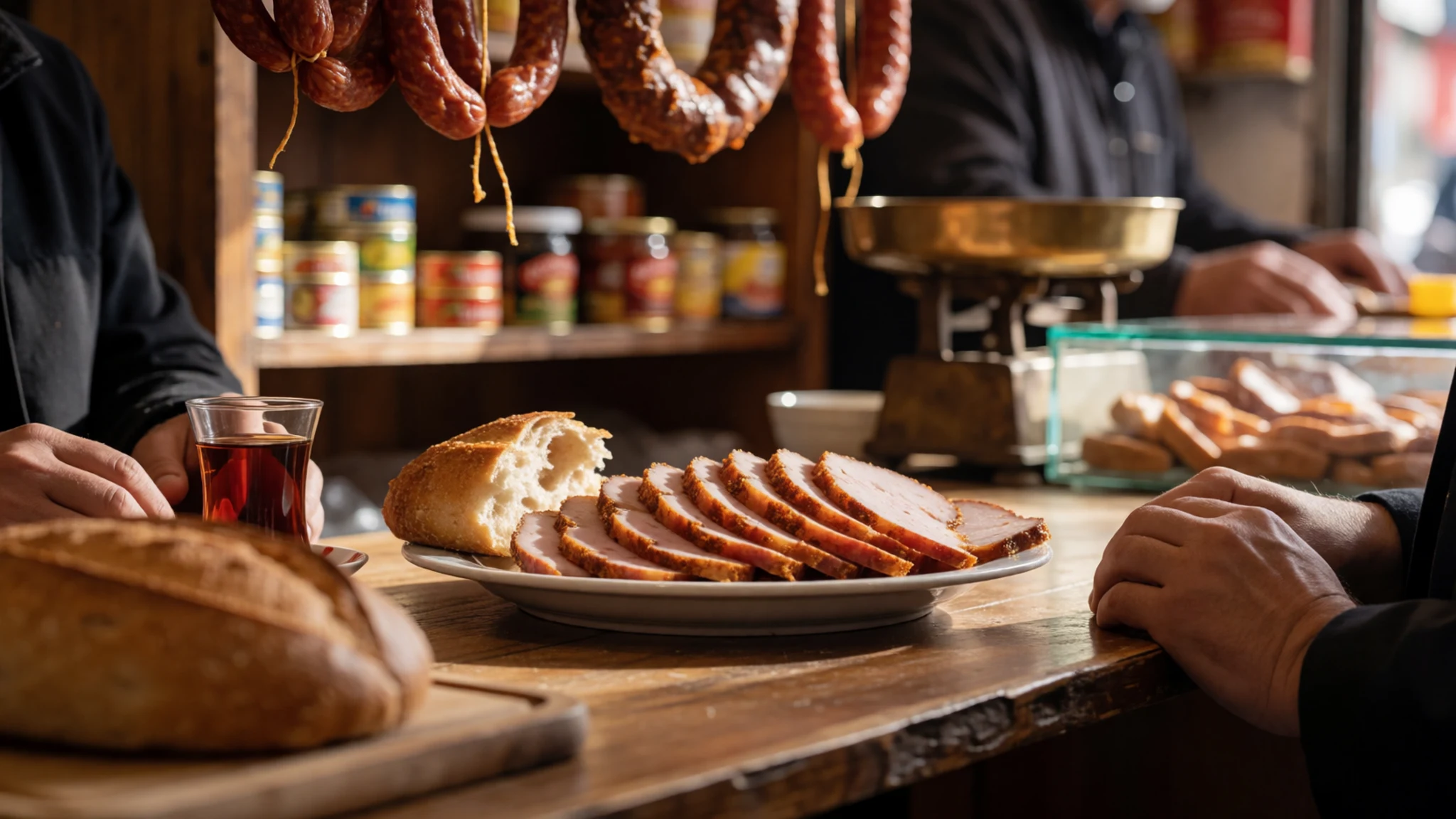
- Kayseri mantı — Mantı restaurants and family eateries across the city
Mantı is minced meat wrapped in small strips of dough, boiled and served with yoghurt and spiced butter. Kayseri has made the dish its own, and it appears on most local menus. Family-run mantı houses are the safest bet, and portions are filling.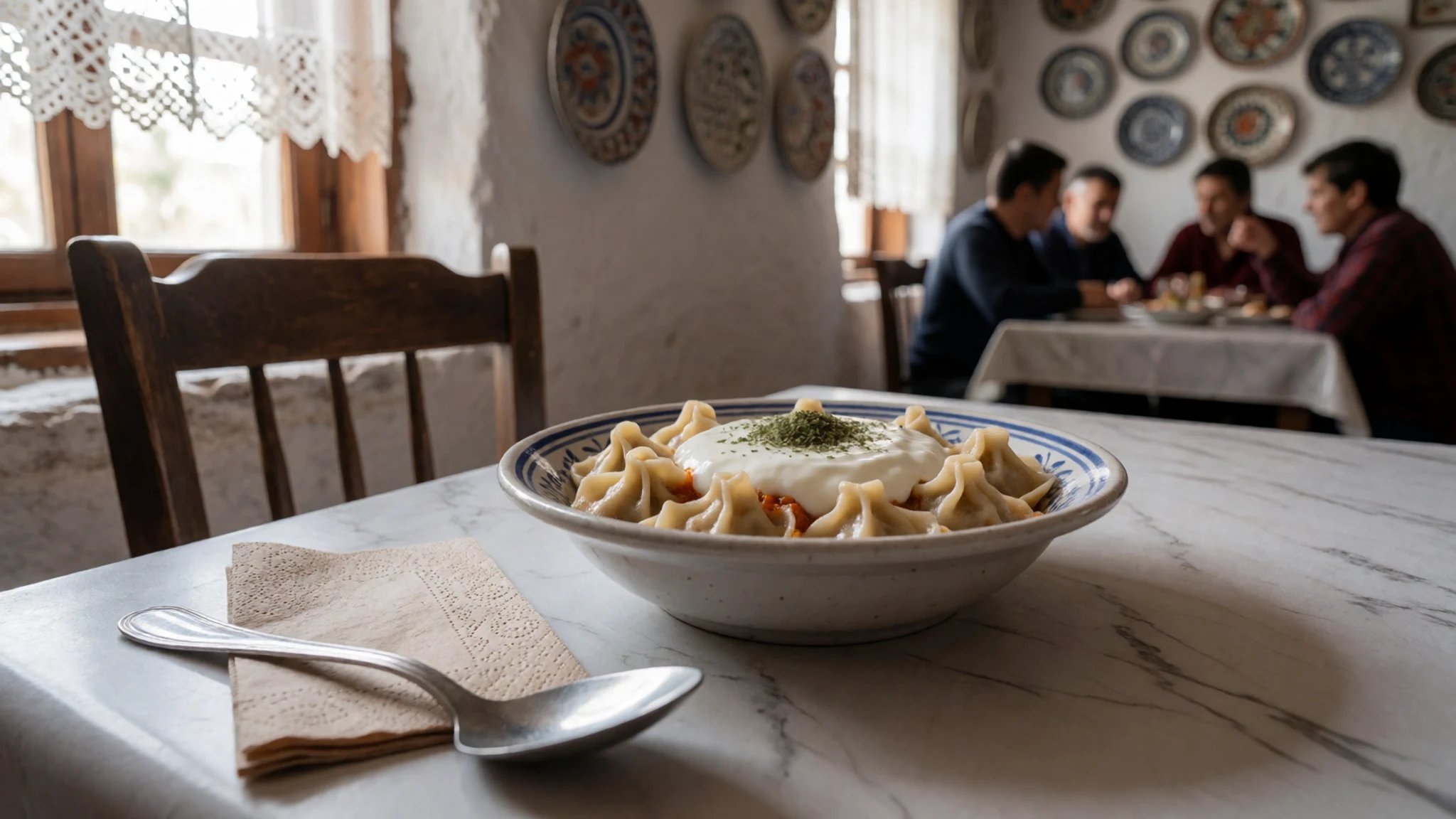
- Sucuk — Butchers and breakfast places in the centre
Sucuk is a firmly spiced beef sausage, often sliced and fried for breakfast or tucked into bread for a quick lunch. It is one of the foods people connect with the region, and butchers around the centre stock several kinds. - İskender kebap — Kebab restaurants in the city centre
İskender kebap is döner meat sliced over pieces of pita, topped with hot tomato sauce and finished with melted sheep's butter. It is rich, so share if hungry diners are few. Kebab restaurants in the centre specialise in it, and it works as a hearty lunch. - Gilaburu juice — Juice stalls and shops near the bazaar
Gilaburu is the local name for guelder-rose, a shrub with clusters of small, intensely red berries. The juice is tart, a little bitter and sold as a local health drink. Try a small glass first; many people find it an acquired taste.
Plan it
Best time. May–June and September–October, when days are warm rather than hot and the nights are cool. Summers are hot and dry, and winters are cold and snowy, which suits the mountain but makes sightseeing on foot harder.
How long. 2
Getting there. Erkilet International Airport serves Kayseri, with taxis or local transport for the last leg into the centre. By train, services run from Ankara in about seven hours, and the station on Kocasinan Boulevard is central. Buses from Ankara run hourly and take about five hours; many from Istanbul take around eleven.
Budget. low
Tips
- Check timetables on the Turkish railways website, and do not rely on a buffet car on the long Ankara run.
- Start in the morning to see the citadel and bazaar before the afternoon heat.
- Carry some cash for bazaar stalls and small eateries, though larger places take cards.
- In winter bring boots with grip and warm layers, as snow and ice are normal.
- For city information and events, check the municipality site at http://www.kayseri.bel.tr/.
Etiquette
- Remove your shoes before entering a mosque and cover shoulders and knees.
- Accept a glass of tea when offered; refusing everything can seem abrupt.
- Ask before photographing people, especially women and older residents.
Nearby
Sources
- Wikidata Q48338 (CC0)
- Wikipedia: Kayseri (rev 1383908758) (CC BY-SA 4.0)
- Wikivoyage: Kayseri (rev 5406412) (CC BY-SA 4.0)
- Mount Erciyes (Argaeus) — Carole Raddato (CC BY-SA 2.0)
- Kadir Has Stadium — Валерий Дед (CC BY 3.0)
- Kayseri city centre — Валерий Дед (CC BY 3.0)
- Kayseray tram — Ym1965 (CC BY 3.0)
- Fortress of Kayseri — Bernard Gagnon (CC BY 3.0)
- Hunat Hatun Külliyesi — Bernard Gagnon (CC BY-SA 2.5)
- Hittite fruit cup detail — Homonihilis (Public domain)
- Hercules Sarcophagus, Kayseri Archaeological Museum — Carole Raddato (CC BY-SA 2.0)


