Kauai
Kauai, United States
The Garden Isle is the northernmost populated island of the Hawaiian chain, with deep canyons, sea cliffs and one of the wettest spots on earth.
The place
Kauaʻi, often written Kauai and nicknamed the Garden Isle, is the northernmost populated island in the Hawaiian chain. It has about 67,000 residents, so the island feels spacious and unhurried compared with the busier islands further south. The landscape is what stops most people. Waimea Canyon State Park and Nā Pali Coast State Park sit on opposite sides of the island, and between them they hold most of what visitors come for: canyon walls in red and green, cliffs that drop straight into the ocean, and valleys cut deep into the central mountains.
The island is an eroded shield volcano. Its summit is a large caldera, flanked by two smaller ones, and younger lava flows and cones cover the eastern two-thirds. The highest peak, Kawaikini, is joined in the centre of the island by Mount Waiʻaleʻale, which is famous for its rain. The eastern flank of that mountain collects so much moisture that the area ranks among the wettest places on earth, and the same water has carved the waterfalls that feed rivers running to both coasts.
Settlement has shaped the land too. Taro was grown in wet valleys, and the north shore still has taro fields, most visibly in the Hanalei Valley. Roads are few and mostly follow the coast, so a single day rarely covers the whole island. The island suits slow days, long walks and early starts, with more sun on the south and west shores and more rain on the north and east.
Its story
Nobody knows exactly when people first reached the Hawaiian islands. Early digs suggested that Polynesian voyagers from the Marquesas or the Society Islands may have landed around 600 AD, perhaps with a second wave from Tahiti around 1100 AD. Newer analysis points to a first arrival somewhere between 900 and 1200 AD. Whoever came first brought a language and customs that matched the wider Polynesian world, and over the following centuries they built the taro terraces and valley settlements that shaped the island.
The island's own story is far older. Kauai formed about five million years ago as the Pacific Plate drifted over a volcanic hotspot. The volcano then eroded, leaving a large summit caldera and two flanking calderas. Between roughly 600,000 and 1.4 million years ago, fresh volcanic eruptions spread lava flows and cones across roughly the eastern two-thirds of Kauai. It is the oldest of the main islands, though the small island of Niihau is older still. Since then rain has carved the central mountains into deep valleys and waterfalls.
European contact came by accident. In January 1778, during his third voyage across the Pacific, James Cook reached Kauai while sailing past and made the first documented encounter between Europeans and the people who lived there. The British noticed that the language and customs resembled those of Tahiti and other parts of Polynesia they already knew. Cook was struck by how overwhelmed the islanders were when they came aboard his ship. The stop became dangerous when a landing party searching for a place to anchor was surrounded by a crowd, someone discharged a firearm, and a single person from Kauai died.
What to see
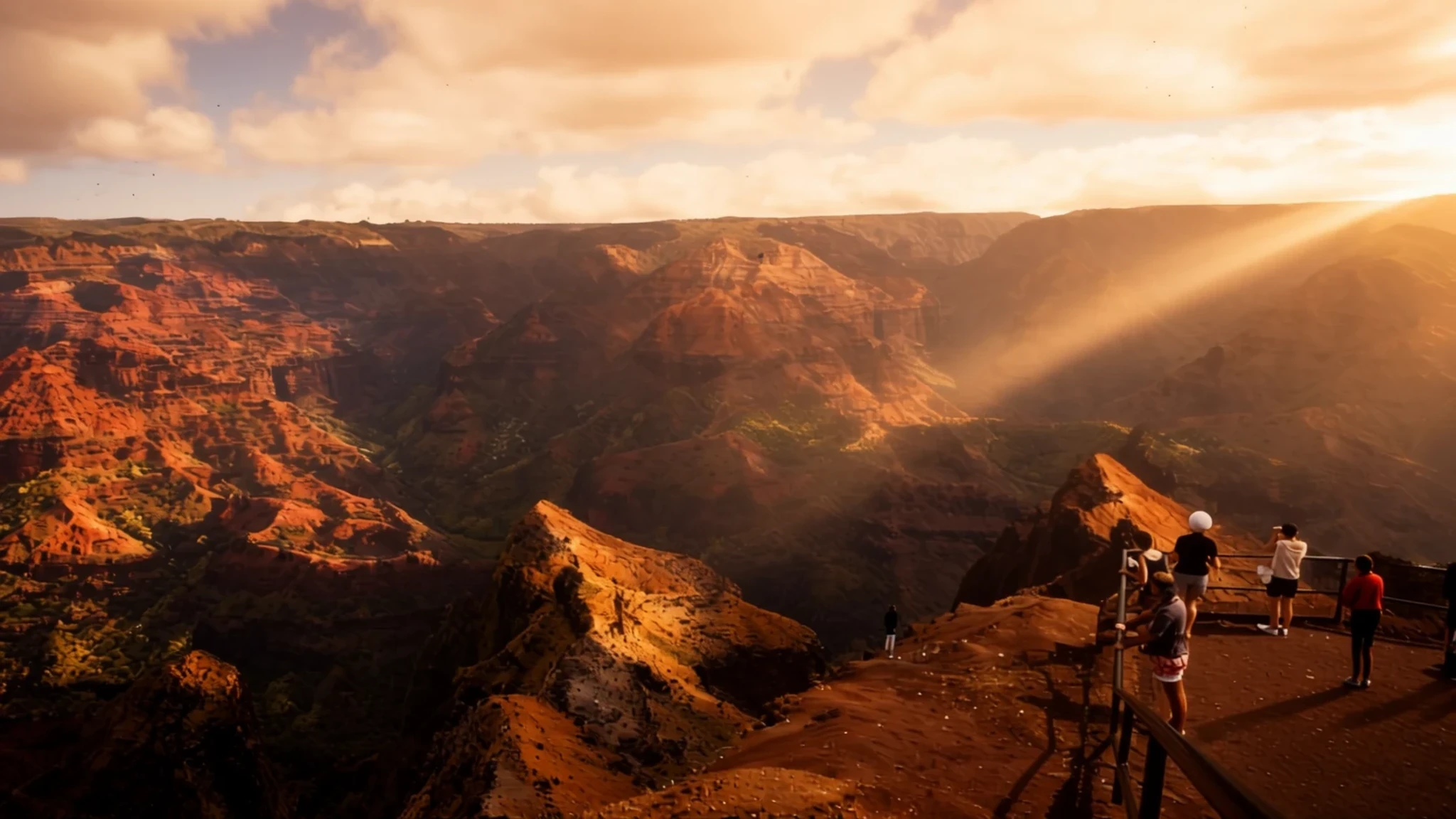
- Waimea Canyon — Western mountains, inside Waimea Canyon State Park
Waimea Canyon State Park holds the island's best-known gorge, a wide cut into the western mountains with rust-red and green walls. The road up to the lookouts climbs steeply, so go early before cloud builds over the rim. Plan for a full morning, and bring water and layers, because the temperature drops sharply up top.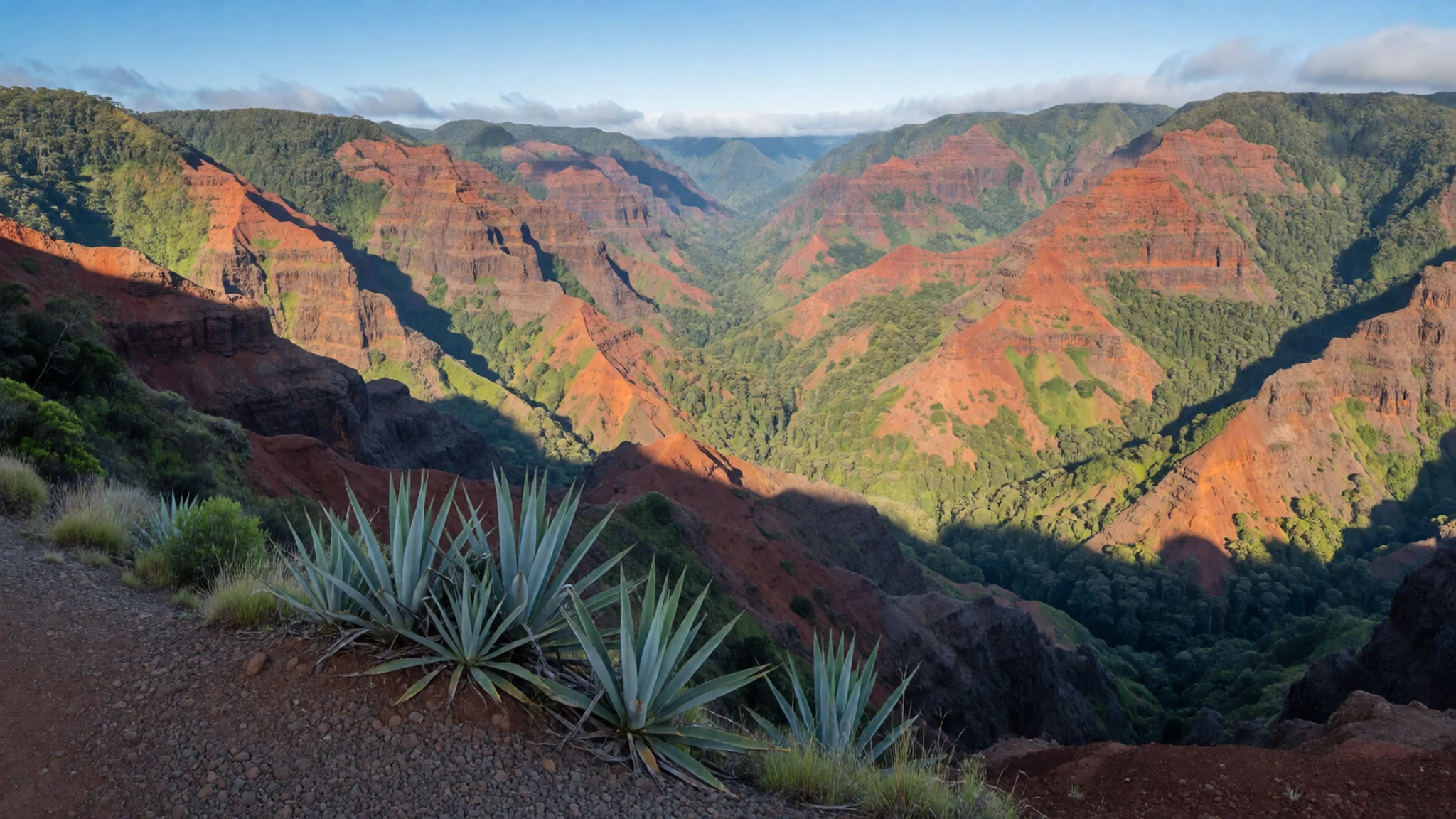
- Wailua Falls — East side, a short drive from Lihue
Wailua Falls looks like a double drop from the viewing area, but it is really three falls, and it was once a cliff-diving spot. It sits a short drive from Lihue at the end of a dead-end road. Keep to the viewing area; the rock ledges are slippery and the pool below is not a safe place to swim.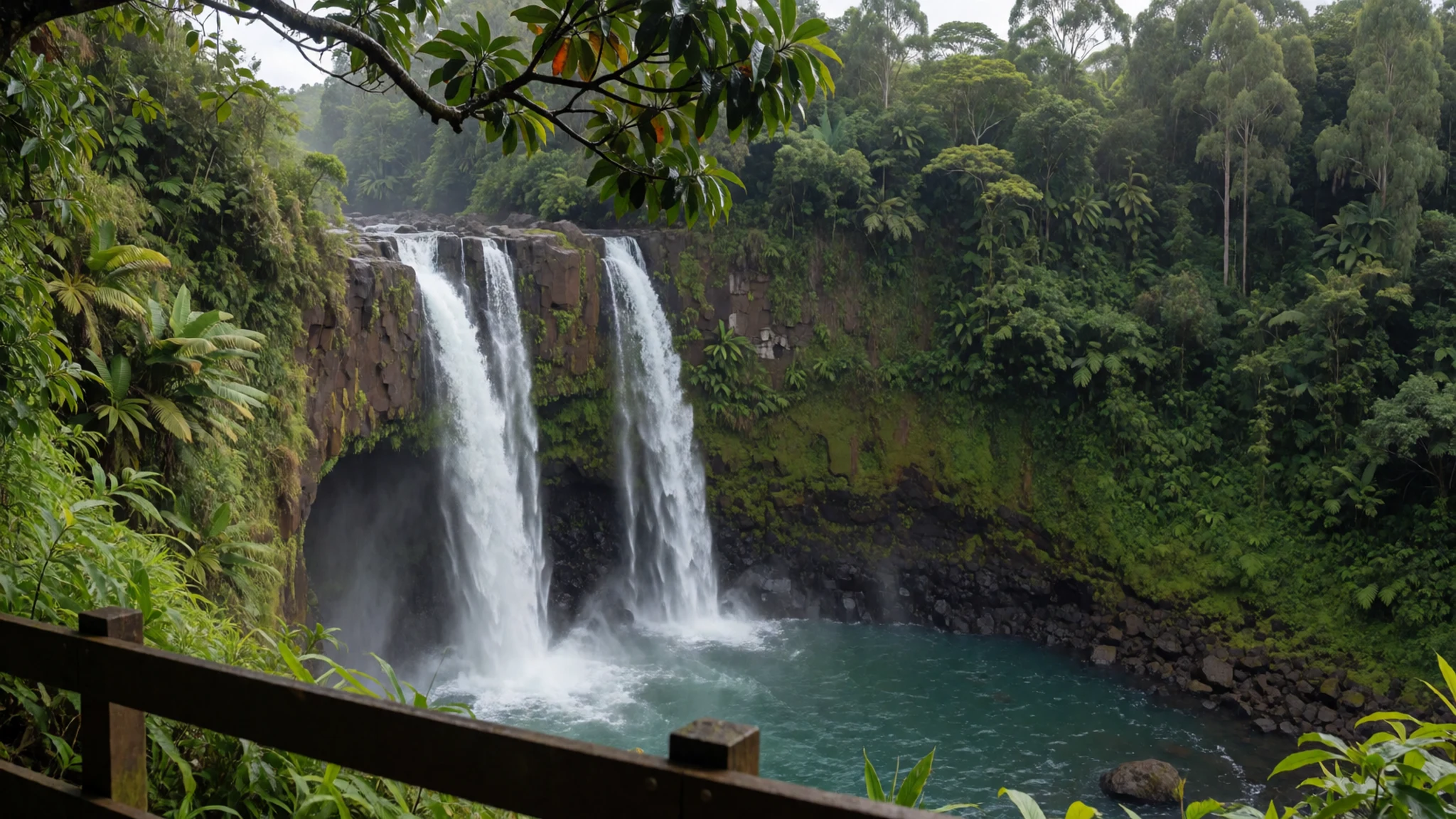
- Opaekaa Falls — Inland road above Wailua
Opaekaa Falls drops beside a roadside vista point on the inland road above Wailua, with parking for cars close to the lookout. It is an easy stop on the way to or from the canyon and needs no hike at all. Stay on the lookout side; the rock edges above the falls are wet and unstable.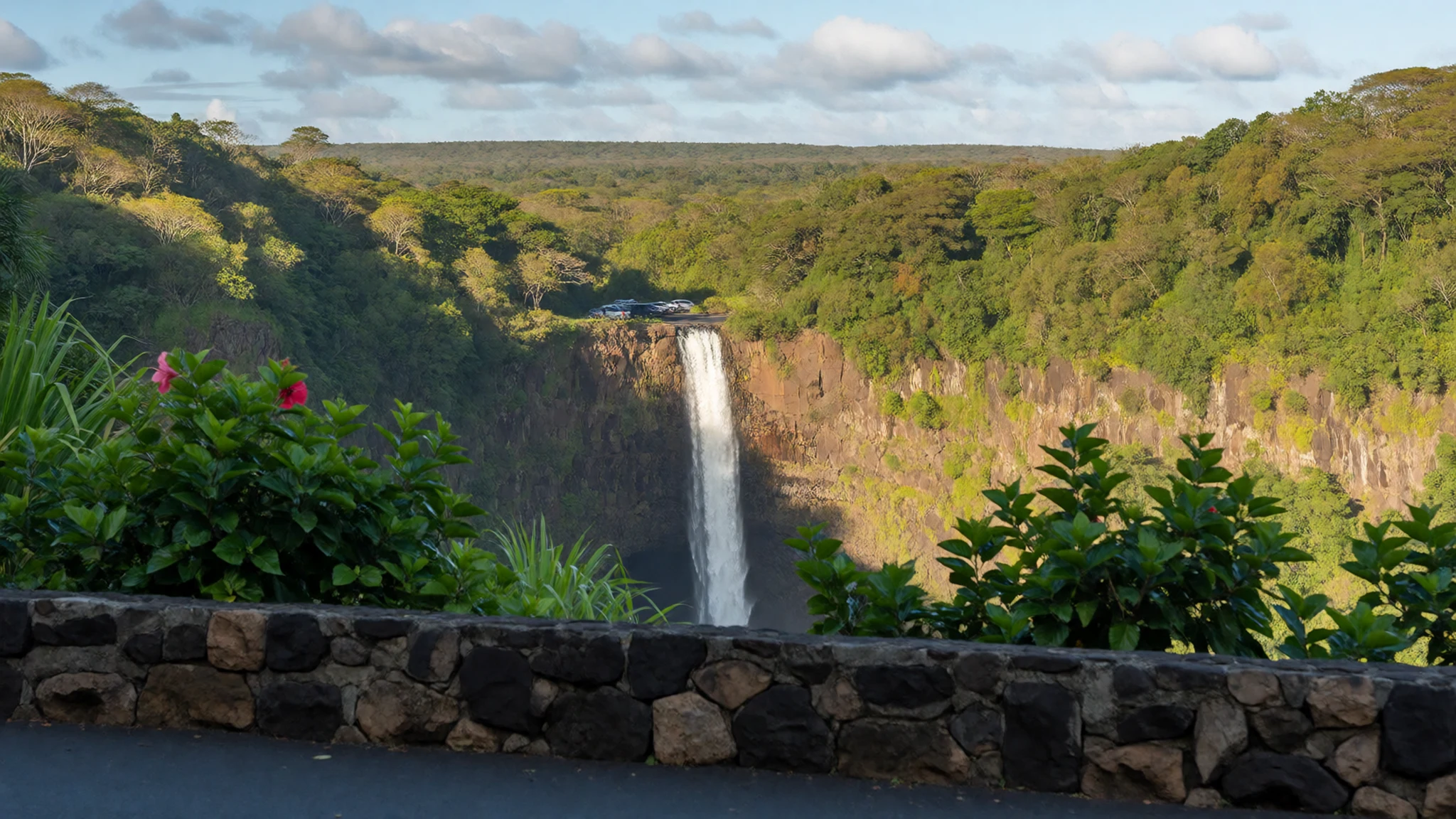
- Hanalei Valley and Bay — North shore, Hanalei
Hanalei Valley and Bay on the north shore has two separate scenic overlooks. The valley lookout shows taro fields at different stages of growth, a patchwork of greens that changes with the light. The bay is a wide sweep of sand below the mountains, and the town nearby is the place to eat or buy a sandwich before driving on.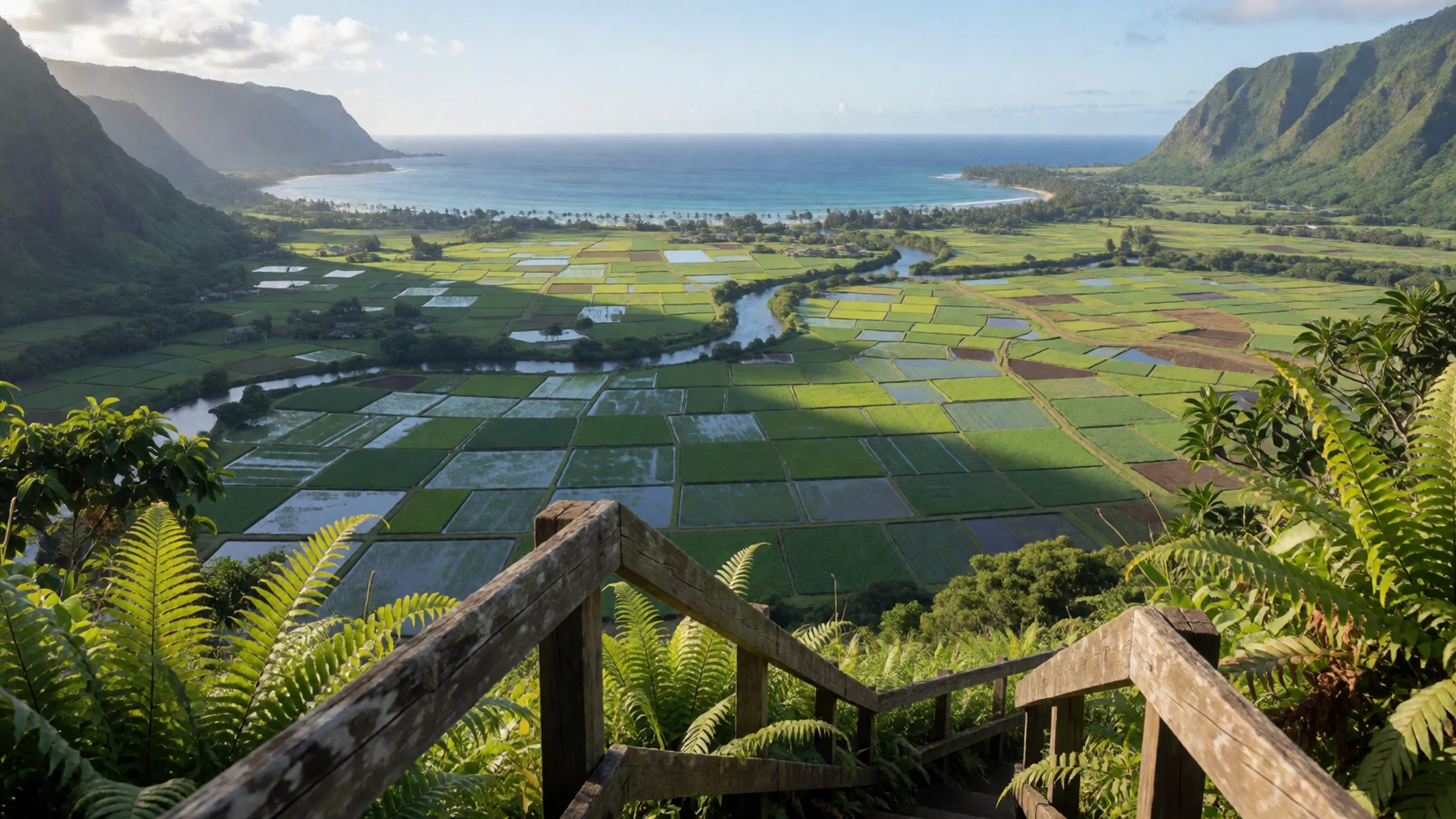
- Huleia National Wildlife Refuge — Lihue district, eastern side
The refuge is known for its scenery, and it suits anyone wanting to photograph native birds and animals. The setting is open and quiet, with the kind of habitat that draws birds to feed and rest. Bring a longer lens if photographs matter to you, and keep to marked paths so you do not disturb the wildlife.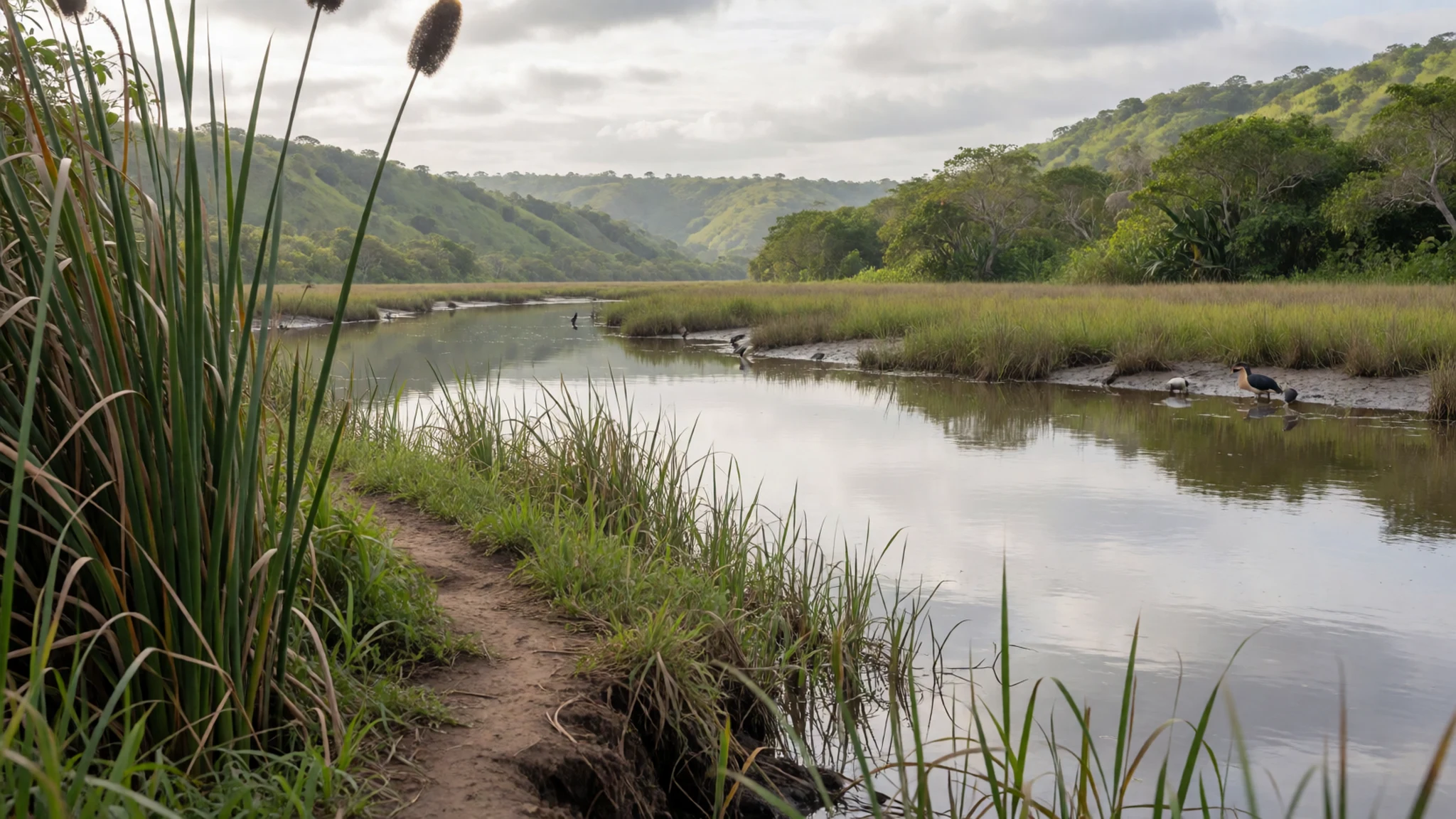
Culture
Kauai is Hawaiian in its daily life first, and many local families still fish, grow taro and gather food from the valleys and reef. Land and water carry long traditions that matter to people here, so the island is best approached as a home rather than a backdrop for photographs.
Care for the natural world is part of that respect. Removing rocks, sand or plants is illegal, and it also harms species and landscapes that already struggle under the pressure of tourism. Walkers should keep to marked paths, carry out what they bring in, and avoid cutting new trails or damaging historic sites.
Water needs care as well. Streams and muddy trails can carry leptospirosis, a serious bacterial infection that is more common on Kauai than on the other islands. Any water collected while camping or hiking should be treated with a filter or purification tablets, and anyone who feels flu-like after a muddy walk should see a doctor promptly.
Ocean safety matters just as much. Rip currents and high surf can be dangerous because many beaches lack a protective reef, so swimming should be limited to places where conditions look calm and lifeguards are on duty. Leave rocks, sand, plants and wildlife where they are, and never feed the animals.
What to wear
Traditional dress on Kauai came from materials the land offered. Kapa, a bark cloth beaten from the inner bark of paper mulberry and similar plants, was used for clothing and wrapping, and the malo was the loincloth worn by men. Feather cloaks and helmets, built from many small feathers, marked rank and were reserved for high chiefs. Over later generations wrapped cloths and long dresses in the missionary style came into use, and the holoku, a long dress, is still worn at formal events.
Today most people dress for the weather. Shorts, cotton tops, board shorts and flip-flops are the everyday uniform in town, while the aloha shirt and muumuu appear at celebrations and in some workplaces. Simple slippers are worn almost everywhere, and the island's relaxed style is part of its appeal.
A visitor should pack light, breathable cotton or linen, swimwear, and a lightweight waterproof layer for the north and east, where showers are frequent. Closed shoes or sturdy reef shoes help on wet trails and rocky shorelines. Cover shoulders and knees when entering churches or cultural centres, and dress neatly for any formal event.
What to eat
- Saimin — A local saimin stand, such as Hamura's
Saimin is Hawaii's own take on noodle soup, with thin wheat noodles in a clear broth topped with egg, green onion and fish cake. Hamura's is a well-known stand, and it has won a James Beard Award for its version.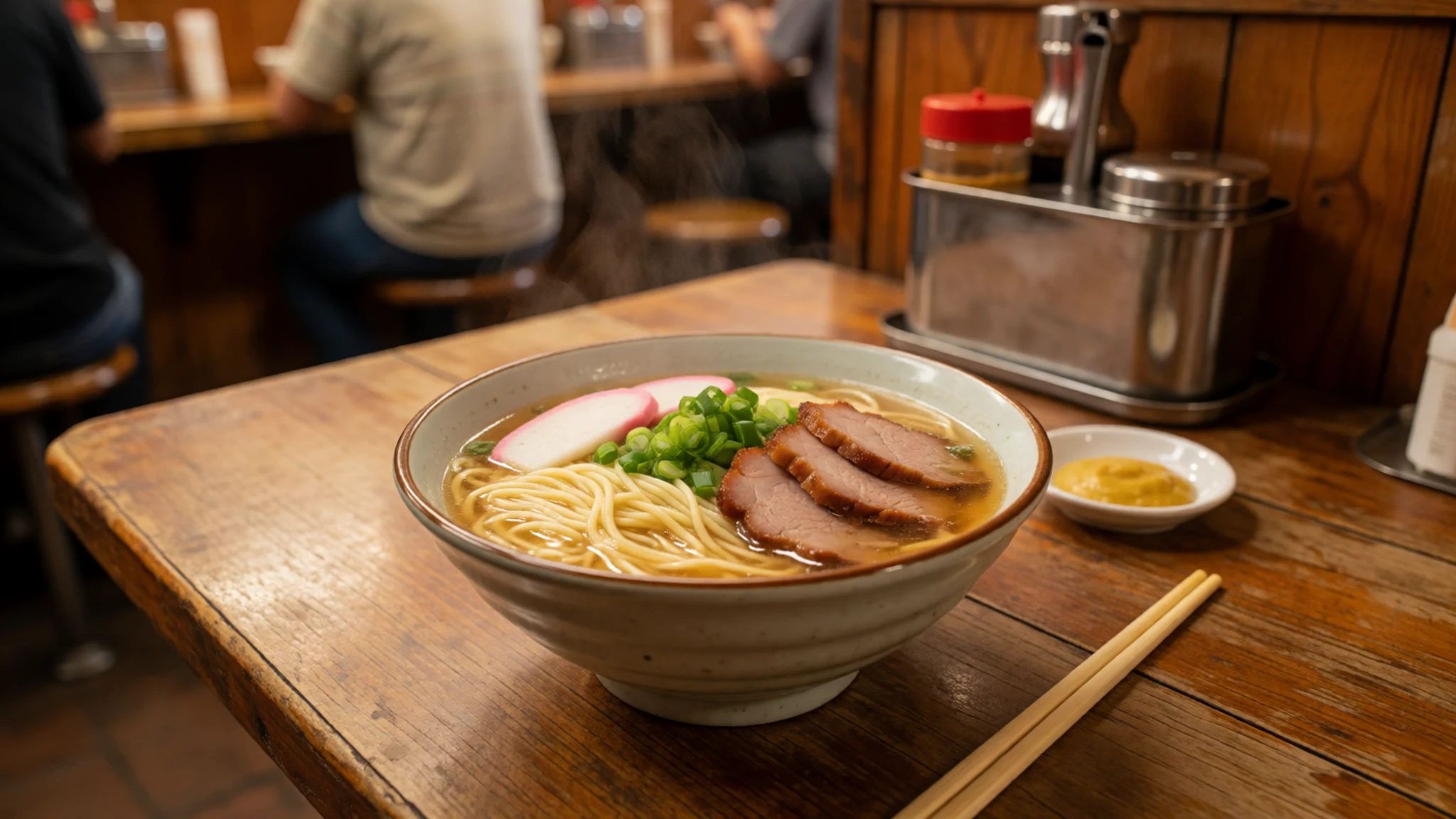
- Mexican plates — Family-run restaurants in the main towns, such as Mariachi's
Mexican plates are a welcome change of pace on an island of local cooking. Mariachi's Authentic Mexican Grill has Mexican staff, a relaxed room and meals that offer good value, especially on weeknights.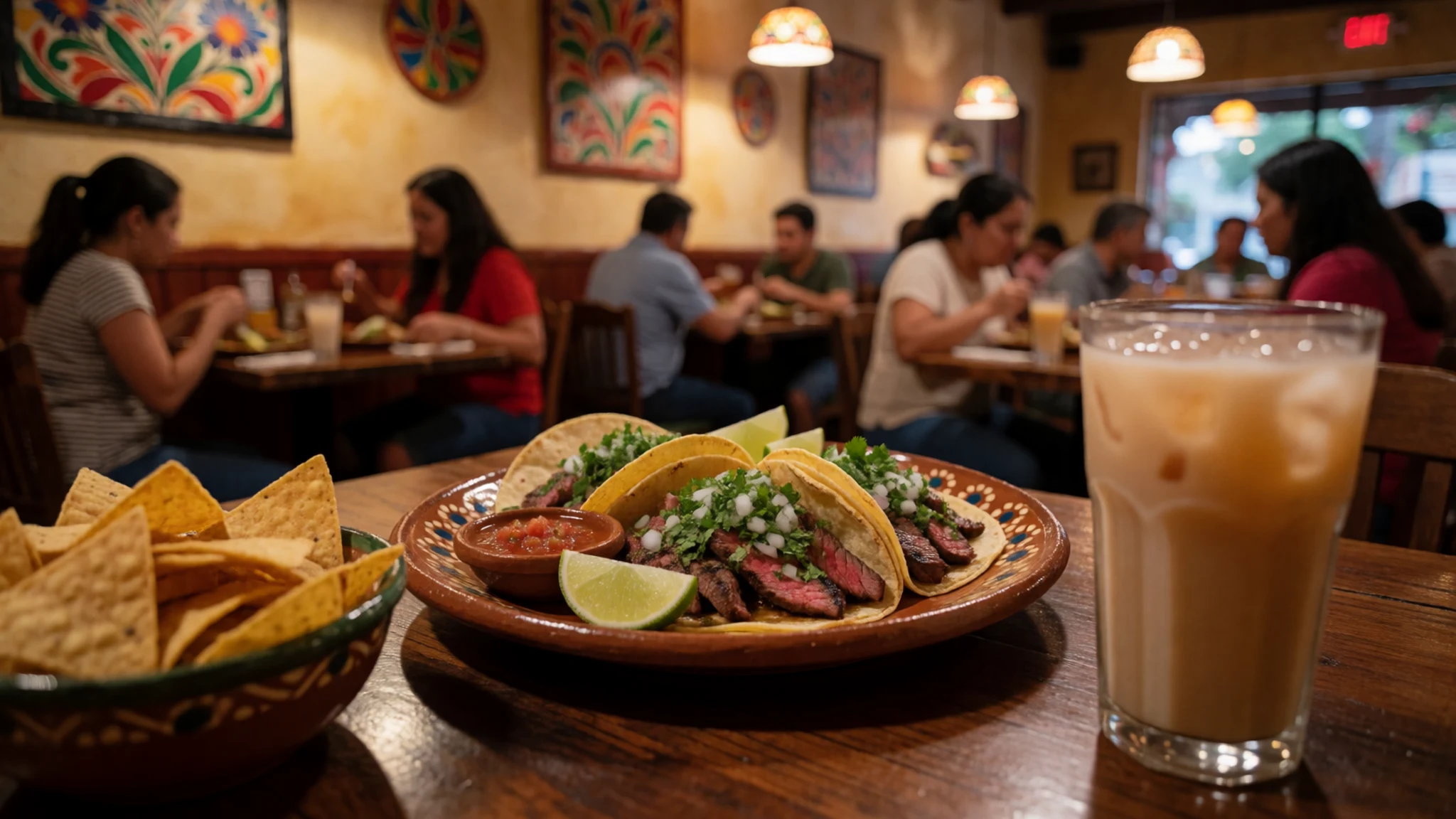
- Pacific Rim noodle soups — A neighbourhood eatery in the island's towns, such as Pho Kauai
Pacific Rim cooking brings Vietnamese noodle soup and other dishes from across the ocean to the island's tables. Pho Kauai is a local eatery serving authentic Pacific Rim food for an everyday meal rather than a special night out. - Local burgers — Casual counters in Kapaa, Hanalei and Poipu
Burger counters are the island's casual staple. Bubba Burger has three outlets, in Kapaa, Hanalei and Poipu, so it fits easily into a route round the island. Portions are generous, and the mood at the counter is easy-going. - Pizza and fresh bread — A bakery and pizza kitchen in Kilauea, north of the island
Kilauea Bakery & Pizza makes fresh bread and good pizza, and its outside tables suit a lazy lunch. The bakery is in Kilauea, on the north side of the island, a convenient stop before a beach walk.
Plan it
Best time. April to September are the drier months on the south and west shores, with the driest spell from June to August. Winter brings heavier rain and big surf to the north shore, and the wet central mountains can get rain in any month.
How long. 3–4
Getting there. Lihue Airport on the east side is the main air gateway, and most visitors fly in from Honolulu and then hire a car. Cruise ships call at the deep-water port at Nawiliwili.
Budget. mid
Tips
- Book the rental car and accommodation early, and study a map of the island before choosing where to stay
- Visit Waimea Canyon and Opaekaa Falls early, before cloud builds over the mountains
- Carry cash for small markets and roadside stands, since card payment is common but not universal
- Carry plenty of water, especially on trails and at the canyon lookouts
- Check current trail and access conditions on official park and National Park Service information before setting out
Etiquette
- Leave rocks, sand and plants where you find them
- Keep your distance from wildlife and never feed it
- Respect private land and gates, since some valleys sit beside family homes
- Dress modestly and keep your voice down at churches and cultural sites
Nearby
Sources
- Wikidata Q201026 (CC0)
- Wikipedia (rev 1379103617) (CC BY-SA 4.0)
- Wikivoyage (rev 5406391) (CC BY-SA 4.0)
- Kauai from space, photos/01-kauai-from-space-2.jpg (Public domain)
- Captain James Cook statue, photos/02-captain-james-cook-statue-waimea-kauai-hawaii.jpg (CC BY 3.0)
- Kamehameha I portrait, photos/03-kamehameha-i-portrait-by-james-gay-sawkins.jpg (Public domain)
- Fort Elizabeth reconstruction, photos/04-view-on-the-fortress-from-a-bird-s-eye-view.jpg (CC BY-SA 4.0)
- Aerial view of Kauai, photos/05-2017-kauai-island.jpg (CC BY-SA 4.0)
- Na Pali Coast, photos/06-na-pali-coast.jpg (CC BY-SA 4.0)
- Coast of Kauai, photos/07-coast-of-kauai-hawaii.jpg (CC BY 2.5)
- Falls at Waimea Canyon, photos/08-falls-at-waimea-canyon.jpg (CC BY-SA 4.0)


