Kapilavastu
Kapilavastu, India
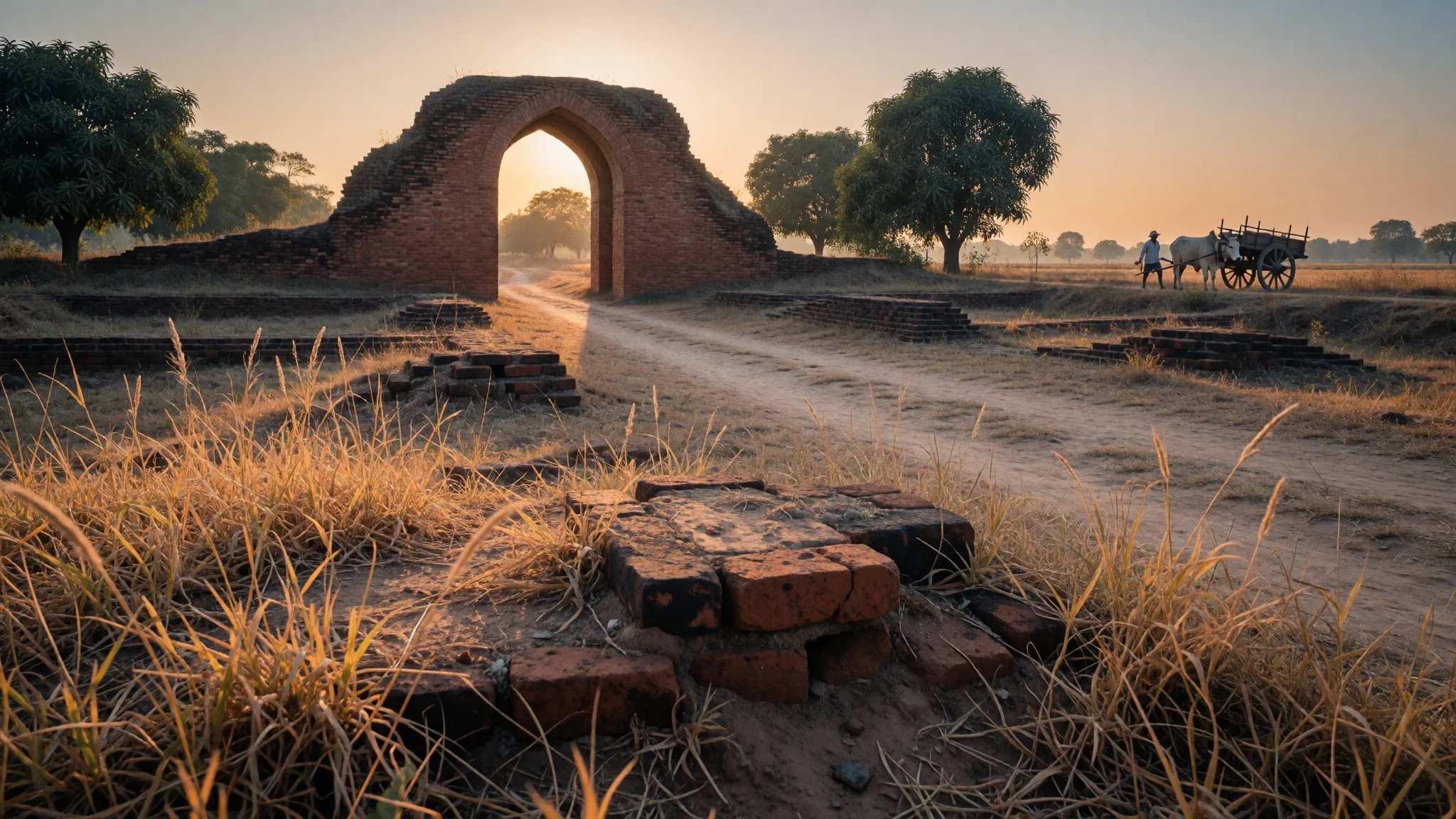
Kapilavastu is a quiet field of old brick where the Buddha's boyhood city is said to have stood, and where scholars still debate its exact site.
The place
Kapilavastu is an ancient Buddhist city in the flat, farmed plains below the Himalayan foothills, close to the border between India and Nepal. Today the name belongs to an argument as much as to a place. Two sites claim it: Piprahwa on the Indian side, in Uttar Pradesh, and Tilaurakot across the line in Nepal. Neither looks like the busy city shown in early Buddhist sculpture. What survives is low brick footings, grassy mounds, a few restored gateways and fields in every direction. The setting is rural: mustard, wheat and sugar cane, mango groves, bullock carts and tractors sharing narrow roads, and small market towns with tea stalls at every junction. Silence is the main feature, broken by birdsong and by the occasional coach of pilgrims. In the late Iron Age, around the sixth and fifth centuries BC, this was the capital of the Shakya clan, a kind of republic ruled by King Suddhodana. Buddhist texts treat it as the childhood home of Siddhartha Gautama, who lived here until he left at twenty-nine. The name is often explained as meaning a tawny area, a nod to the reddish sandy soil. Compared with Lumbini nearby, Kapilavastu never became a major pilgrimage destination, and that shows: fewer facilities, fewer crowds, and more reliance on a guide or a good map. Anyone expecting a grand ruin tends to be disappointed; those content with an open archaeological landscape and a sense of the countryside usually are not.
Its story
Kapilavastu enters history through Buddhist texts, which describe it as the seat of the Shakyas and the home of Prince Siddhartha Gautama. In that telling, his father Suddhodana and mother Maya lived here, and the prince grew up inside the palace walls until, at twenty-nine, he left to search for an end to suffering. That departure is among the most carved scenes in Buddhist art, and the gateways at Sanchi show it, with the palace procession and Maya's dream also appearing in stone. After the Buddha's lifetime the city slips out of view. Chinese travellers of the medieval period still wrote about it, placing it in what they called Central India, but as Buddhism declined in the subcontinent the exact location was forgotten. Modern searches began from those pilgrim accounts and have produced two rival candidates. At Piprahwa, excavators found a reliquary inside a mud stupa, with evidence of Buddhist activity from the fifth to fourth century BCE, close to the time of the Buddha's death. Tilaurakot, on the Nepali side, has the layout of a fortified settlement with gates and brick structures. Scholars have not settled the matter, and some argue the ancient city was always smaller than the legends suggest. For a visitor, the honest story is a layered one: a text-based city, a sculpted city and a partly excavated city that do not entirely agree.
What to see
- Piprahwa stupa and monastery remains — Piprahwa, Uttar Pradesh
Piprahwa, on the Indian side in Uttar Pradesh, is the site where a reliquary was found inside an early mud stupa. The mound and surrounding monastery foundations are modest to look at, but the finds make this one of the strongest candidates for the ancient city. - Tilaurakot archaeological site — Taulihawa, Kapilvastu District, Nepal
Tilaurakot, across the border in Nepal, is a large fenced field of brick walls, gateways and house foundations. It is easiest to understand with a local guide, who can point out the likely palace area, the surrounding moat line and the stretches of wall.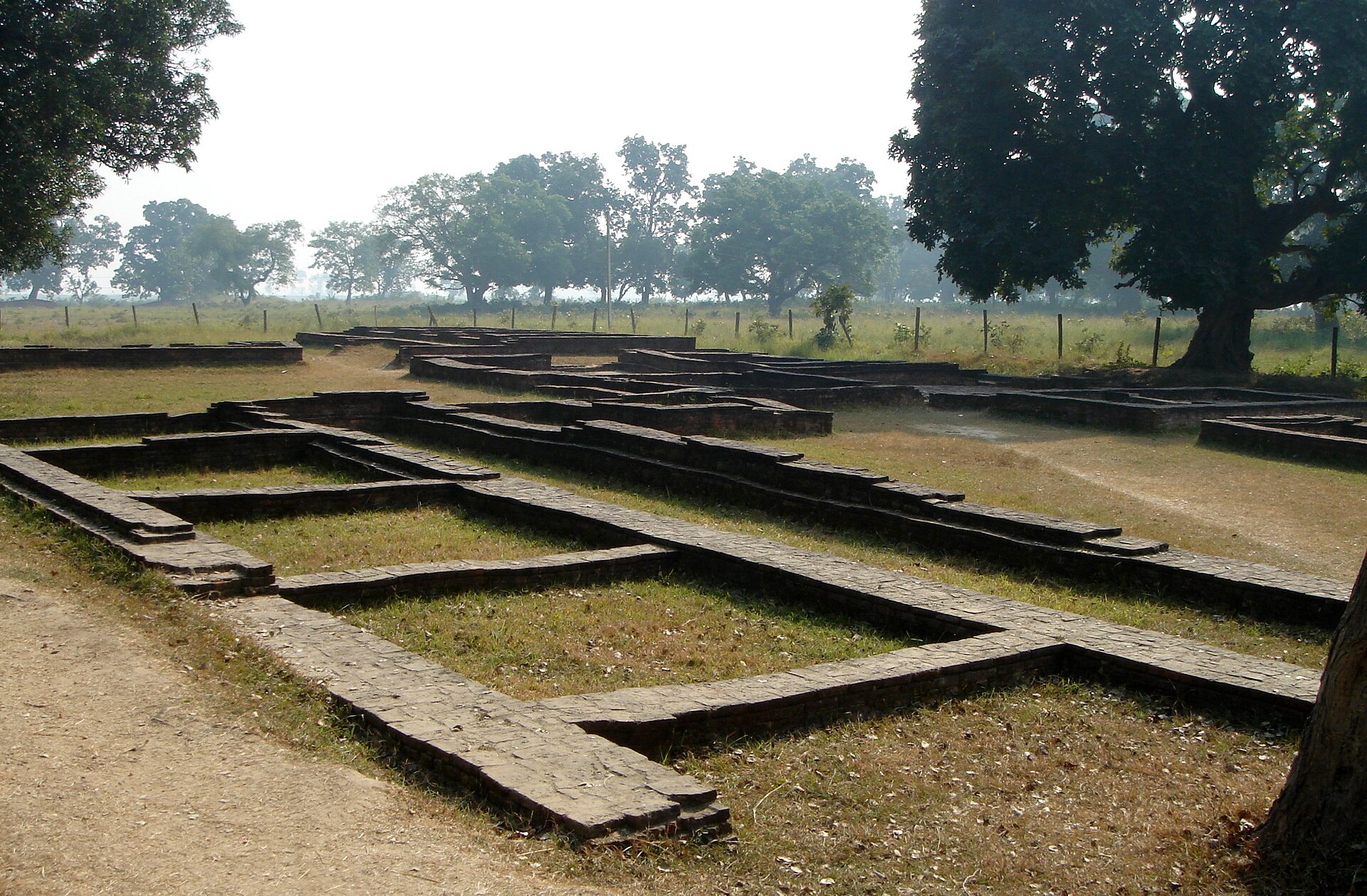
- East gate of Suddhodana's palace — Tilaurakot, Nepal
At Tilaurakot, the restored east gate is where most people stop for photographs. Its brick passage and wide approach give a better sense of scale than the scattered foundations elsewhere, and the walk around the ramparts is pleasantly shaded in places.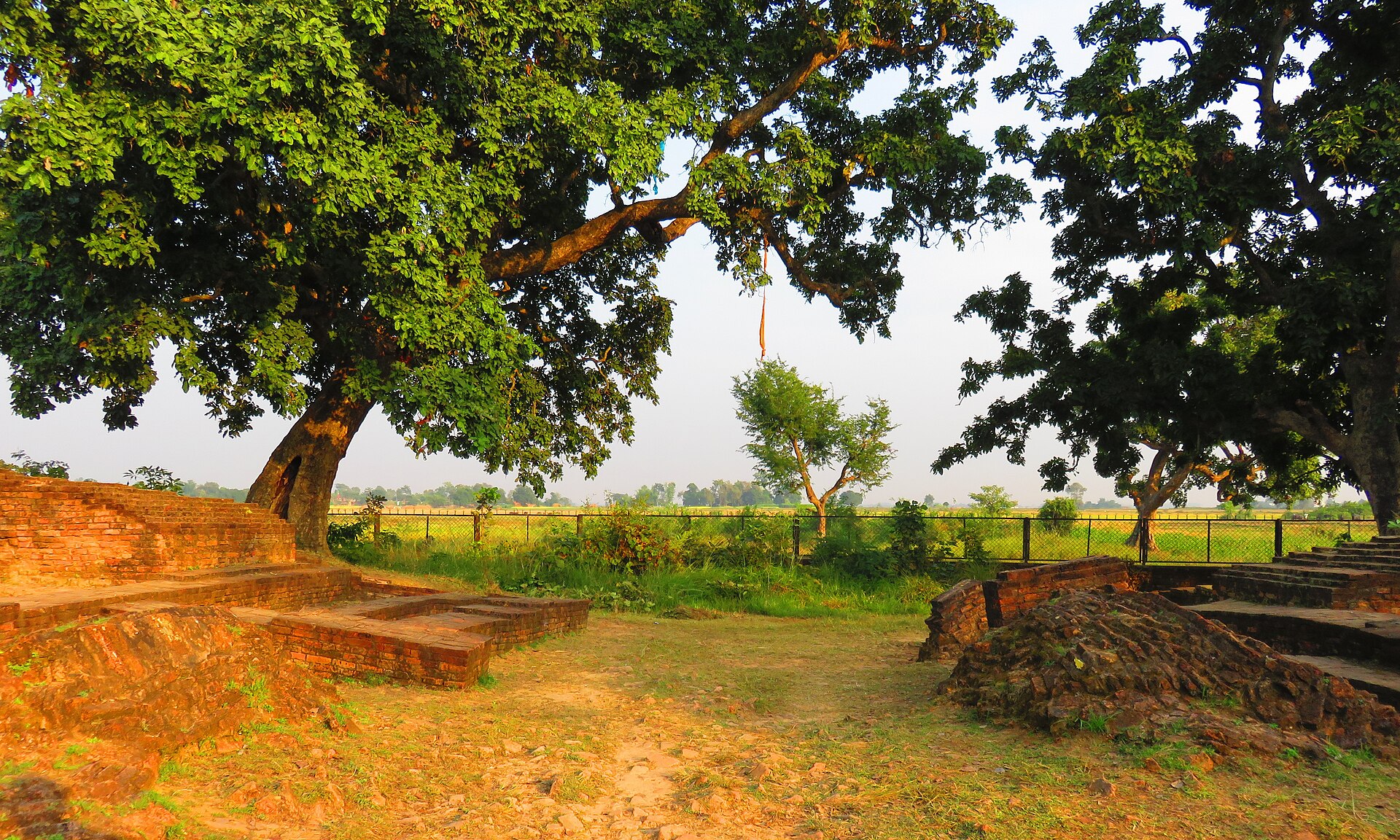
- Bagh Devi temple — Anandbagh, Taulihawa, Nepal
Bagh Devi is a local Hindu temple in Anandbagh, a neighbourhood of Taulihawa, the district headquarters. It is a useful reminder that the area is a living community rather than a museum, with everyday worship continuing close to the ancient mounds.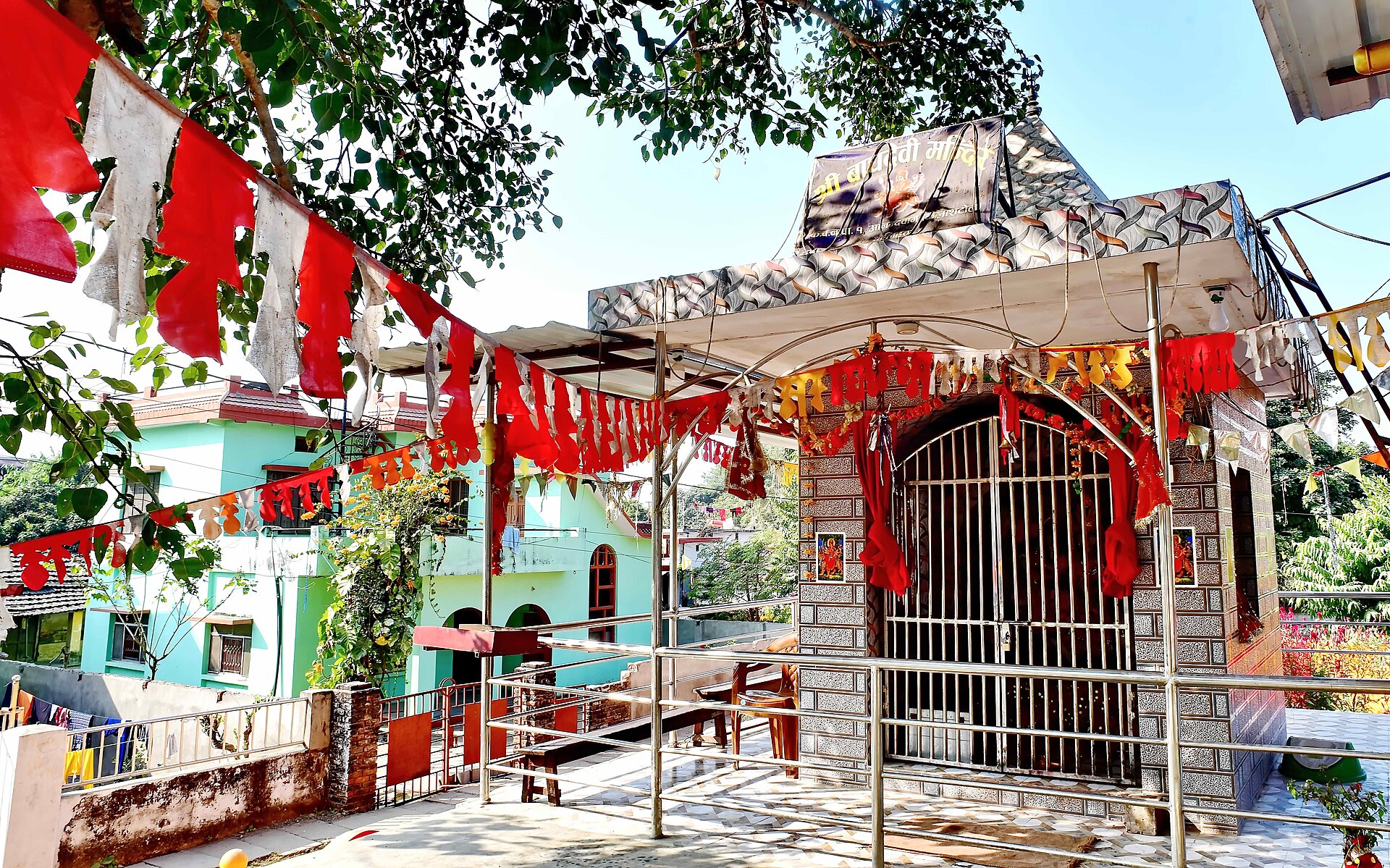
- Kapilavastu scenes at Sanchi — Sanchi, Madhya Pradesh
Far to the south-west, the carved gateways of the Great Stupa at Sanchi show the procession of King Suddhodana leaving Kapilavastu. Seeing them first, in photographs or in person, gives the empty fields a visual story to hang on to.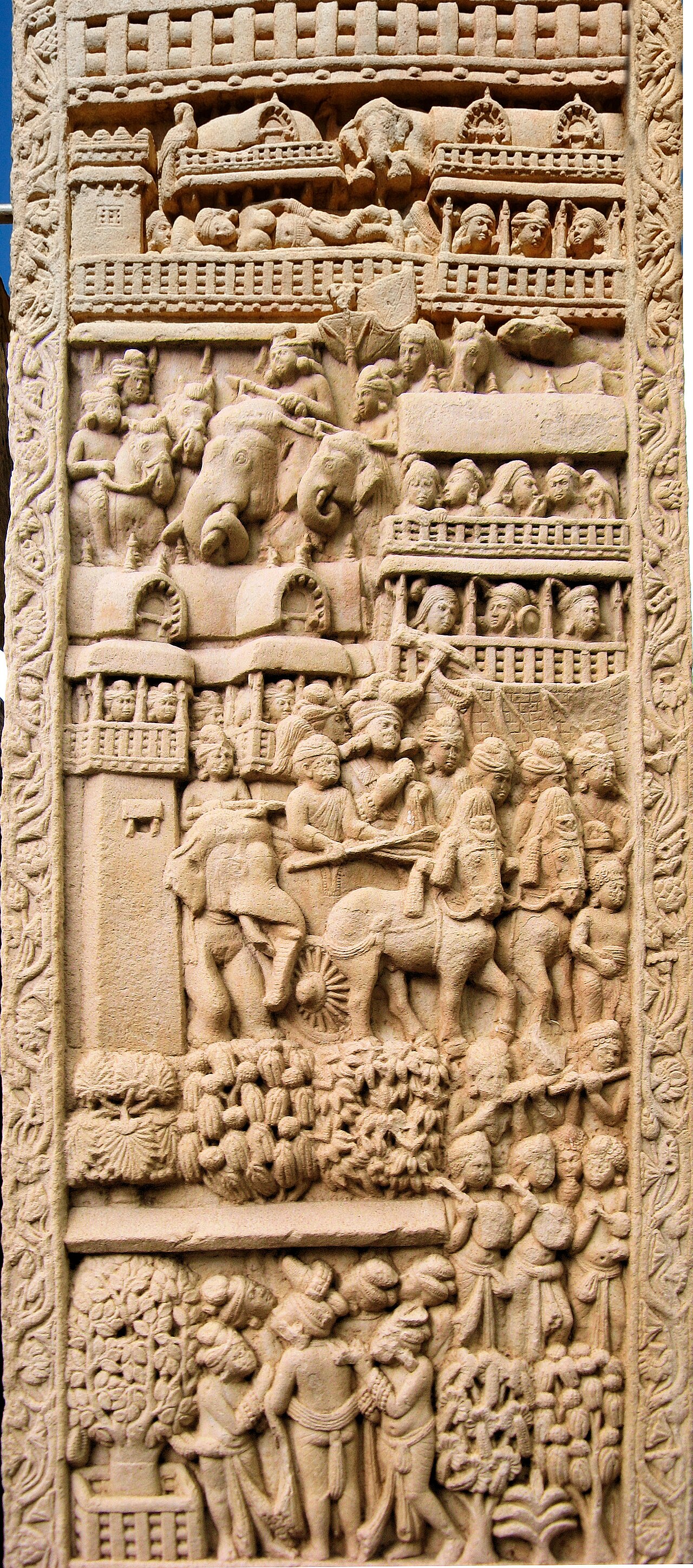
Culture
Kapilavastu sits in a borderland where Buddhist, Hindu and Muslim communities have shared the same plains for centuries, and the culture here is largely that of the farming villages around it. Daily life follows the agricultural year: sowing and harvest, wedding seasons, and festivals that fill the roads with music and processions. For Buddhists, the site matters because it frames the early life of the Buddha, the prince who gave up palace comforts. Pilgrim groups, often from Sri Lanka, Thailand, Japan, Tibet and elsewhere in Asia, come to chant, meditate and walk the paths around the mounds. The Buddha's birthplace at Lumbini is usually part of the same journey, and many visitors treat Kapilavastu as a quieter companion to it. Local people may also see the ruins as part of Hindu village geography, with small shrines and sacred trees nearby. Because the identification of the city is still debated, guides sometimes disagree about which site is the real one, and the polite response is curiosity rather than a verdict. Tea, conversation and a willingness to hear several versions of the story go a long way. Expect curious questions about where you come from, especially if you arrive without a tour group. Remove your shoes and hat before stepping onto any stupa platform or shrine, and ask before photographing monks, pilgrims or villagers at prayer.
What to wear
Kapilavastu has no single costume of its own, but clothing here reflects the wider Gangetic plains and the Nepali Terai. Traditional dress for women includes the sari in cotton or silk, often worn with a blouse and a shawl, and the salwar kameez in lighter cotton for daily wear. In Nepali communities the kurta suruwal and the cotton or wool shawl are common, and Tharu women in the Terai are known for bright embroidered cloth and heavy silver jewellery on festival days. Men wear dhoti or lungi in villages, kurta pyjama for ceremonies, and the topi cap for formal occasions. These textiles are worn most at weddings, religious festivals and temple visits. Day to day, most people wear what is practical for farm work and heat: cotton shirts, trousers, simple saris, and rubber sandals. Younger people in towns lean towards jeans, T-shirts and sports shoes, and school uniforms are a common sight on the roads. A visitor should dress for heat, dust and respect together. Light, loose cotton clothing that covers shoulders and knees suits both the climate and the religious setting, and a scarf or shawl is handy for shade and for shrines. Wear sturdy shoes or sandals that slip off easily, since the ruins involve uneven brick and grass, and bring a hat and sunglasses for the open fields.
What to eat
- Litti chokha — roadside stalls and small eateries on the highways
Litti chokha is a baked wheat ball stuffed with roasted gram flour and served with mashed smoky aubergine and potato. It is a staple of eastern Uttar Pradesh and Bihar, found at roadside stalls and small eateries on the main highways. - Dal bhat tarkari — local eateries in Taulihawa and nearby villages
Dal bhat is the everyday Nepali meal of rice, lentil soup and seasonal vegetable curry, often with pickle and greens. On the Nepali side of the border, local eateries serve it as a filling plate that suits pilgrims after a long walk. - Samosa and jalebi — sweet shops and market corners in small towns
A hot samosa followed by a crisp, syrupy jalebi is the classic morning snack across the plains. Sweet shops fry both in large pans from early hours, and they are easy to eat while you wait for transport. - Sattu paratha — dhabas and family-run eateries on the roads between villages
Sattu paratha is a flatbread filled with roasted gram flour, onion, green chilli and spices. It is a village favourite, hearty enough for a farm day, and is usually eaten with curd, pickle or a simple vegetable dish. - Masala chai with biscuits — tea stalls near the sites and at every junction
Masala chai is made with milk, tea, ginger and cardamom, boiled strongly in small pans and served in tiny cups or clay cups. It is the natural pause between sites, and tea stalls near the ruins are where most local conversations happen.
Plan it
Best time. October to December and February to March are the most comfortable months, with clear skies and mild days; winter mornings can be foggy and cold. April to June is very hot on the open plains, and the monsoon from June to September brings humidity, mud and flooded fields.
How long. 1–2
Getting there. Fly to Gorakhpur on the Indian side or to Bhairahawa on the Nepali side, both with onward road links. Gorakhpur is also a major rail junction. The last leg is by taxi or hired car on rural roads; local drivers know the sites, and the border crossing needs valid documents.
Budget. low
Tips
- Start early, since the sites are open fields with little shade and midday heat is strong
- Hire a local guide, because the ruins are hard to read alone and the signage is limited
- Carry cash and drinking water, as cards and shops are scarce near the sites
- Check the official site or local tourism office for opening times and entry rules before you go
- Combine the visit with Lumbini and treat Kapilavastu as a quieter half-day
Etiquette
- Remove shoes before stepping onto stupa platforms and shrines
- Ask before photographing monks, pilgrims and villagers
- Keep voices low and do not climb on the old brickwork
Nearby
Sources
- Wikidata Q30610827 (CC0)
- Wikipedia — Kapilavastu (ancient city), rev 1380989127 (CC BY-SA 4.0)
- Wikivoyage — Kapilavastu (CC BY-SA 4.0)
- Photo 01-kapilavastu.jpg (CC BY-SA 2.5)
- Photo 02-procession-of-king-suddhodana-from-kapilavastu-in-full-sanch.jpg (CC BY 2.5)
- Photo 03-stupa-icon-thailand.png (CC0 1.0)
- Photo 04-suddhodana-palace-east-gate.jpg (CC BY-SA 4.0)
- Photo 05-maya-s-dream-sanchi-stupa-1-eastern-gateway.jpg (CC BY 3.0)
- Photo 06-departure-of-the-buddha-from-kapilavastu-sanchi-stupa-1-nort.jpg (CC BY 2.5)
- Photo 07-078-the-buddha-on-almsround-in-kapilavastu.jpg (CC BY-SA 4.0)
- Photo 08-baghdevi-temple-anandabag-tauihawa-kapilbastu-lumbini-zone-n.jpg (CC BY-SA 4.0)


