Kamakura
Kamakura, Japan
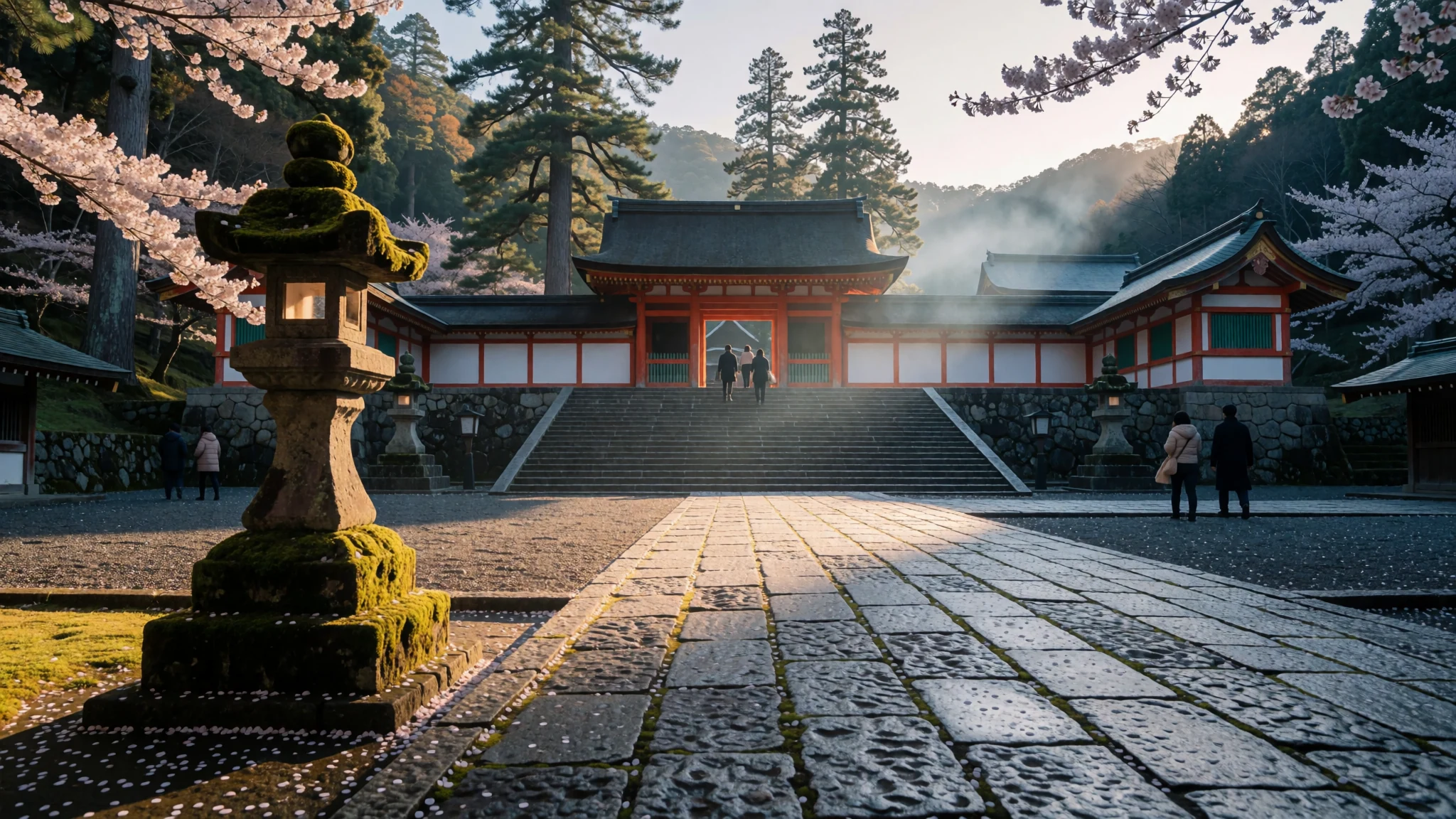
A short train ride from Tokyo, Kamakura gives you old temples, a Great Buddha and a seaside stroll in one easy day.
The place
Kamakura is a city of about 173,000 people in Kanagawa Prefecture, south-west of Tokyo and one of the easiest day trips from the capital. The town sits in a bowl of wooded hills that run round its northern, eastern and western edges, with Sagami Bay opening to the south. That geography is why it felt so defensible in the twelfth century, and it still gives the place its character: narrow lanes climb into the hills, temples sit on the slopes, and the beach is never far away.
Walking is the best way to see it. The centre is compact, but the sights are spread out, so expect to use buses or simply cover a lot of ground on foot. Many temples and shrines are tucked into valleys or set on terraces, and several are quieter than their reputation suggests once you leave the main approach to Tsurugaoka Hachimangū.
The seaside side is different. In summer the beach to the south of the station fills with temporary bars, some with live bands, and locals come down for the evening. Komachi-dōri, the shopping street leading from the station, has cafés and small shops that fill up at weekends.
The main drawback is crowds. Weekends, public holidays and cherry-blossom weeks bring large numbers of day-trippers, and the narrow approaches to the big temples can congest by late morning. Go early or choose a weekday. Two nights is comfortable, and one full day covers the main sights at a steady pace.
Its story
Kamakura's story begins long before it was a seat of government. Stone tools found near Jōraku-ji point to people living in the area in the Old Stone Age, and pottery from hillside settlements goes back many thousands of years. At one stage the sea reached far inland, covering the flat ground that is now the centre of town. Only later did the coastline settle near where it is today, and farming gradually replaced hunting and fishing as the main livelihood.
The town's rise came in the late twelfth century. Minamoto no Yoritomo established his government here in 1185, and the Kamakura shogunate ruled from the town until 1333. Hills on three sides and the sea on the fourth made the place easy to defend, and the warrior government built its headquarters and its temples in the valleys. Yoritomo's shrine at Tsurugaoka Hachimangū still anchors the old centre of the town.
When the shogunate fell, Kamakura declined sharply. Its fortunes revived in the Edo period, when townspeople from Edo came as pilgrims and holidaymakers, drawn by the temples and the sea. The Great Kantō Earthquake of 1923 destroyed much of the historic fabric, and many buildings and treasures were lost. What survives, from the Great Buddha to the wooden Kannon at Hasedera, has been rebuilt or carefully kept in the decades since.
What to see
- Tsurugaoka Hachimangū — Yuigahama and Komachi area
The town's great Shinto shrine sits at the top of a long approach, with a wide stone staircase and a lotus pond below. It was founded by Yoritomo and is the largest shrine in a town otherwise dominated by Buddhist temples. Go early, before the tour groups arrive, and look for the Kagura-den stage and the smaller shrines in the grounds.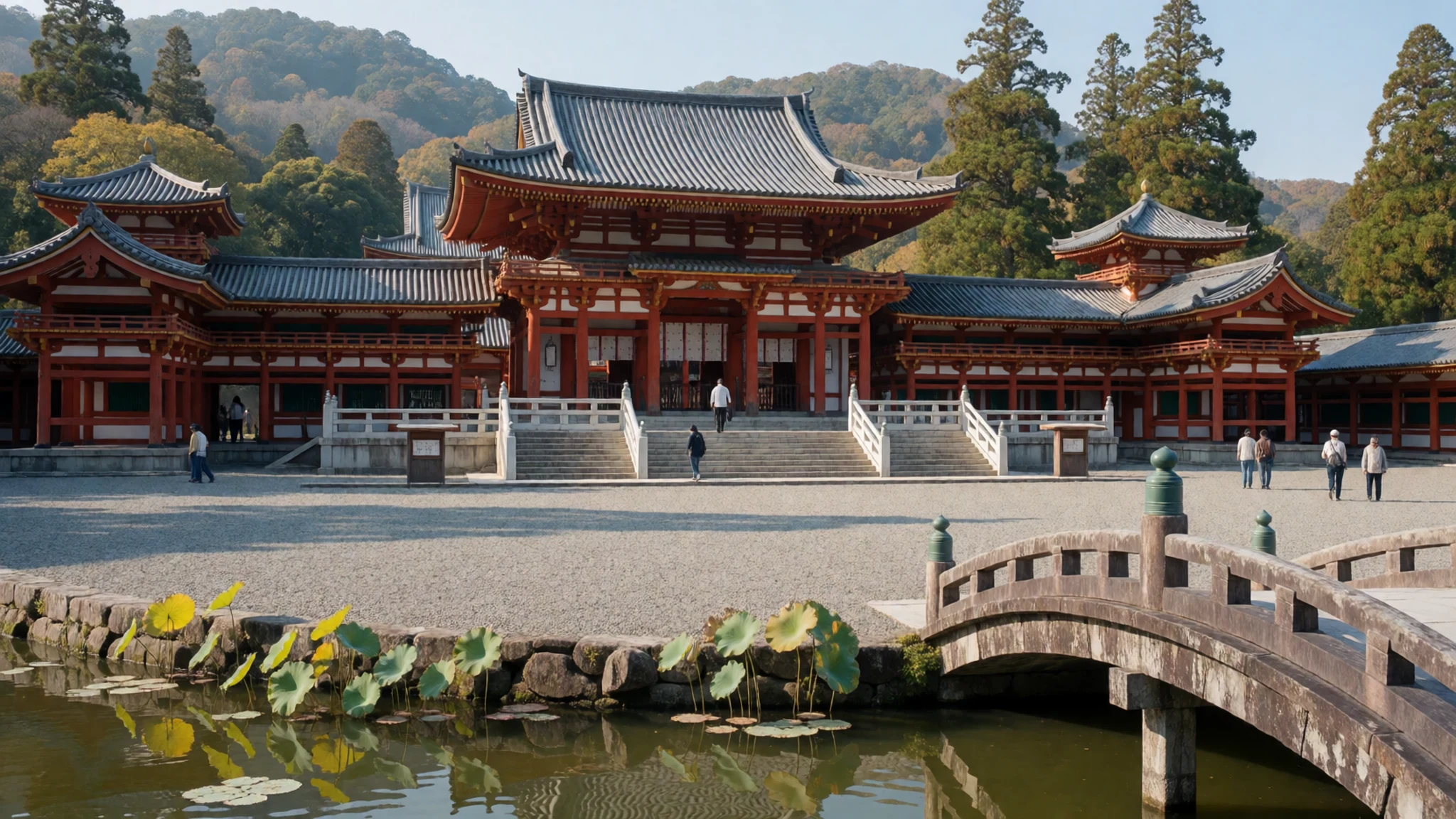
- Kōtoku-in and the Great Buddha — Hase and Great Buddha area
The bronze Daibutsu here is a seated figure of Amida, about 13 metres tall, and one of the best-known sights in the city. You can walk inside the statue for a small fee. The statue sits in an open courtyard, so it is worth visiting in the late afternoon when the crowds thin.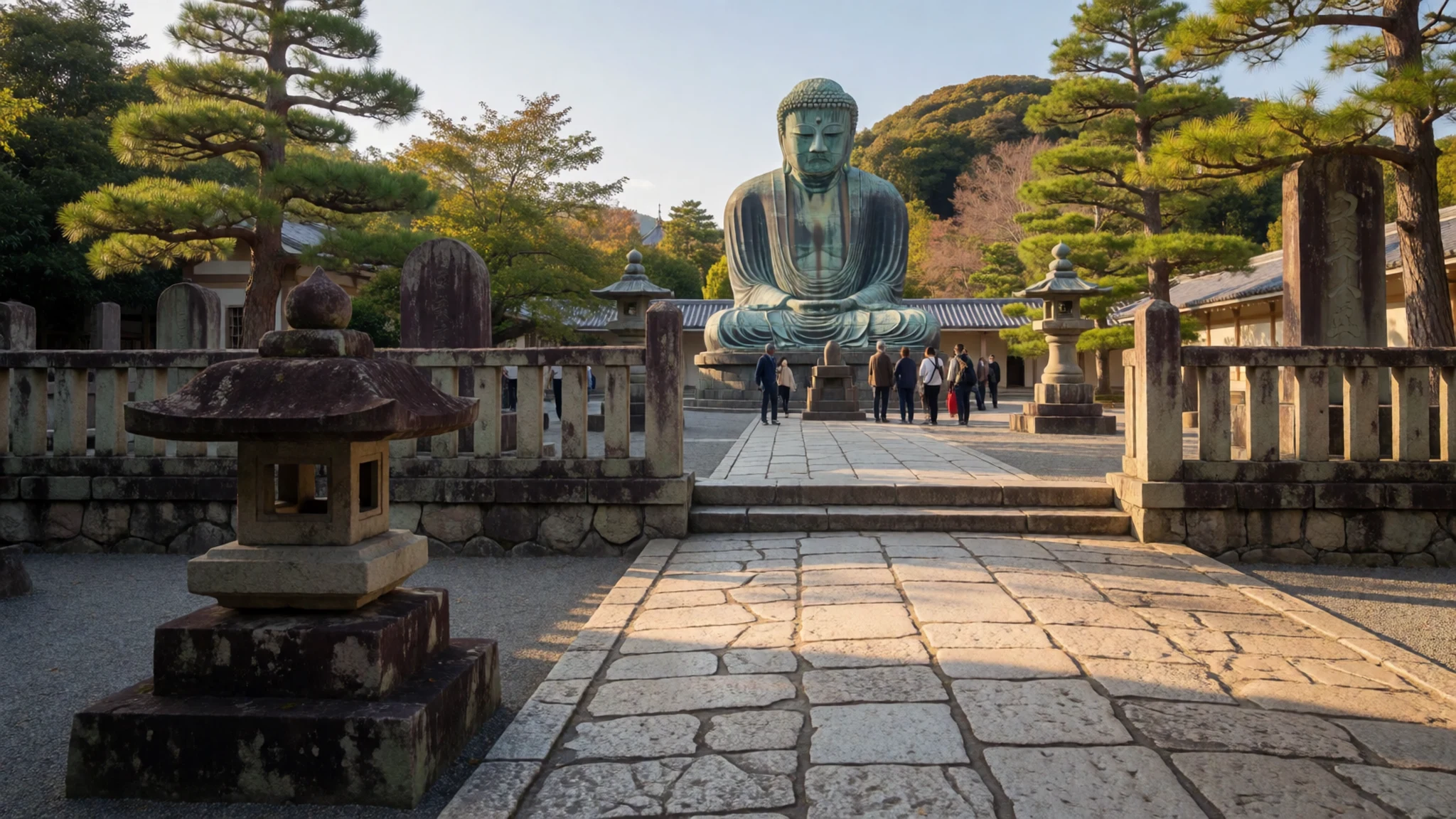
- Hasedera — Hase district
This temple, also called Hase Kannon, is home to the largest wooden statue in Japan, a figure of the Buddhist deity Kannon. The hillside grounds have terraces, a cave shrine and views across the bay. The climb up the steps is steep, so take it at an easy pace.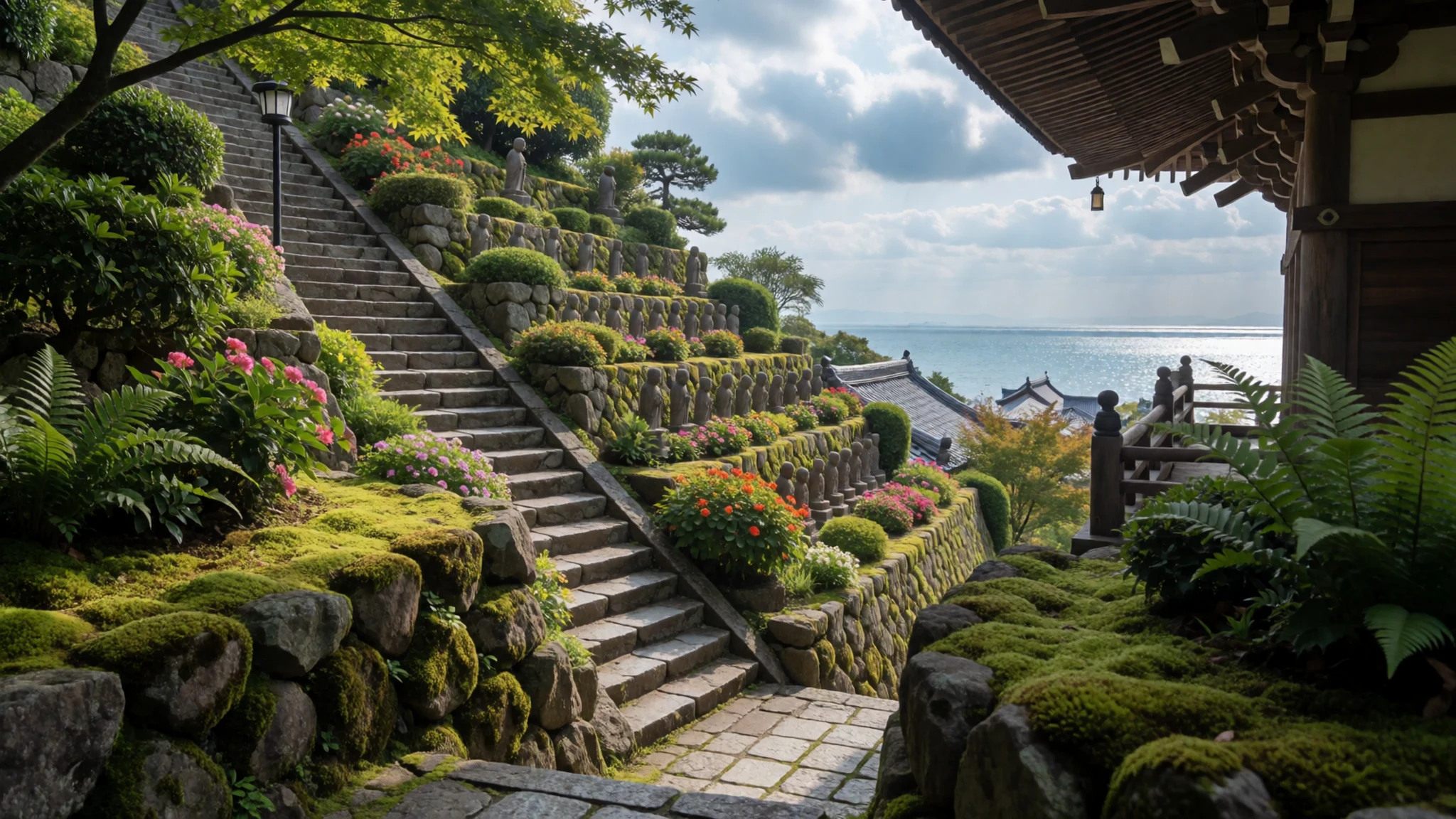
- Zeniarai Benten Shrine — Zeniarai, the hills north of the centre
An atmospheric shrine set in the wooded hills, dedicated to the deity Benzaiten. Visitors come to wash coins in the spring water cave, believing the money will be doubled. The path from the entrance is narrow and wet, so wear shoes with grip and expect a short queue at the cave on busy days.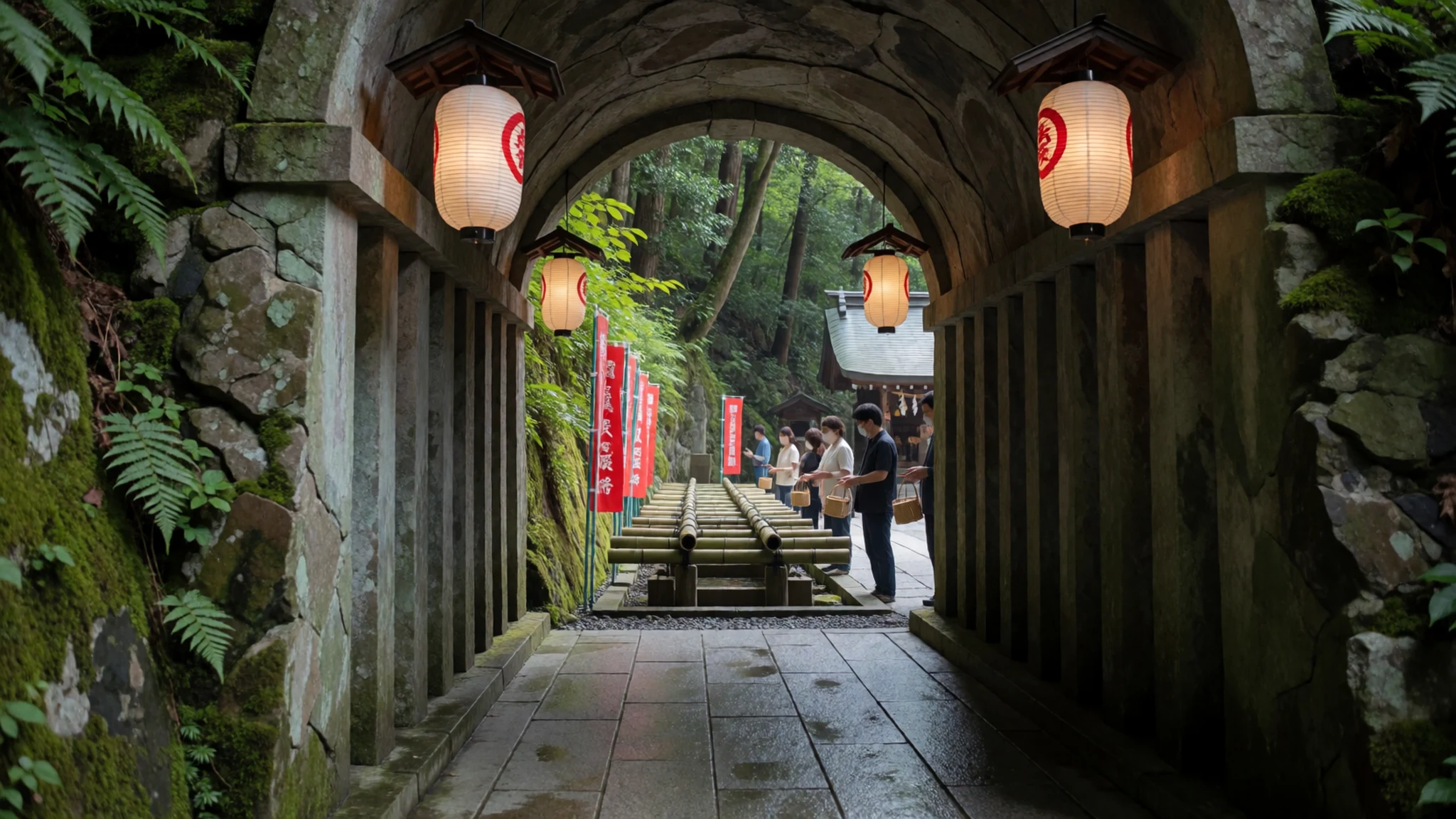
- Myōhōji Temple — Honmachi area
A quiet temple whose cemetery holds the grave of the creator of Ultraman, the 1960s television hero. Fans leave toy Ultraman figures at the grave, so you will see them among the offerings. Visit respectfully, as this is a working cemetery, and keep to the paths between the graves.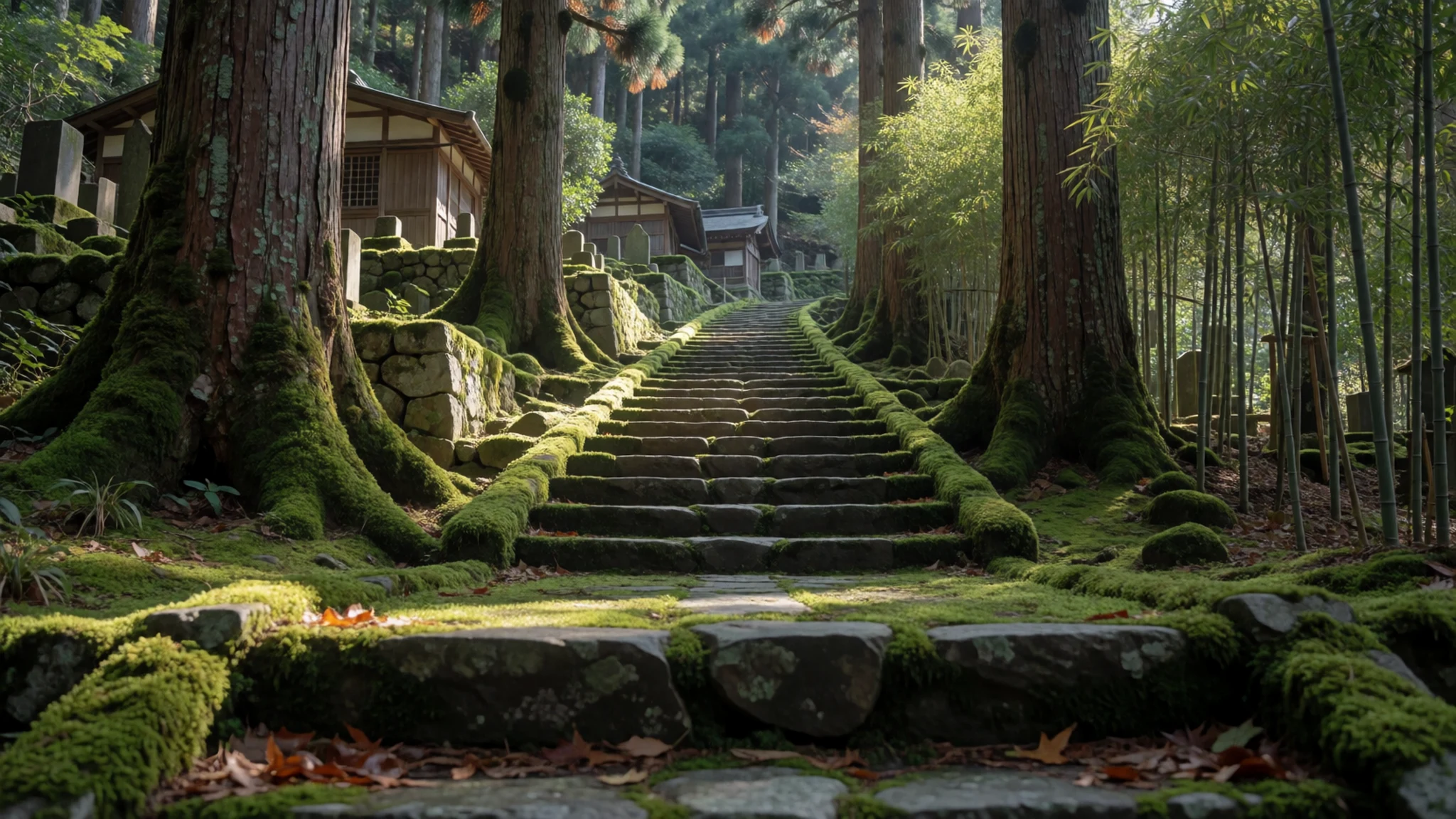
Culture
Kamakura's festivals are smaller and more local than Kyoto's. Businesses often sponsor them, and they are organised around the temples and shrines, which together hold over a hundred events across the year. January is particularly busy because it opens the year, and workers, fishermen and artisans gather to pray for safety and prosperity. On 4 January, Tsurugaoka Hachimangū hosts Chōna-hajimeshiki, a ceremony in which local construction workers use traditional tools to mark the start of their working year. Most attendees are residents, so visitors are watching a community occasion rather than a show.
Religion sits easily alongside daily life here. Buddhist temples and Shinto shrines share the same hillsides, and many people visit both. Quiet is valued in temple grounds, and people speak softly along the approaches. Most visitors come on day trips, and shopkeepers and restaurant staff are used to them, so courtesy goes a long way.
Look for small wooden plaques called ema, which visitors write wishes on, and watch how others approach the water basin and the main hall. Stepping to the side of the central path at a shrine is the custom, and you should not photograph people at prayer without asking first.
What to wear
Traditional dress in Kamakura is the same as anywhere in Japan. The kimono, a long wrapped robe tied with a broad sash called an obi, is made from silk or cotton, and a cotton summer version called the yukata is worn for festivals and evening events. Shoes for formal wear are zōri, flat sandals, or geta, raised wooden clogs, and the cotton and silk fabrics are often dyed with indigo or patterned in the designs of the season. Kimono are worn mostly for ceremonies and special occasions rather than everyday life.
What people wear now is mostly relaxed Western clothing. Locals dress neatly for the restaurants along the main street and the cafés near the station, and in the hills you will see walkers in practical trainers. Summer brings plenty of light cotton and sun hats, and many people carry umbrellas in the rainy season.
For visitors, dress for the terrain and the climate. Wear shoes with good grip, as the temple steps and the hill paths can be steep and wet, and pack a light layer for cool temples and wet days. Modest clothing suits the temples, and shoulders covered is a good habit. Some restaurants have a dress code, so avoid rough clothing such as shorts and jeans in the smarter places.
What to eat
- Murasaki-imo soft ice cream — stalls and shops in the lanes around Kamakura Station
The local speciality is a soft-serve ice cream made from purple sweet potato, a root grown across Japan. It looks odd and the colour is an unusual lilac, but the taste is mellow and creamy, far better than the description suggests. It is a cheap snack to eat as you walk between temples.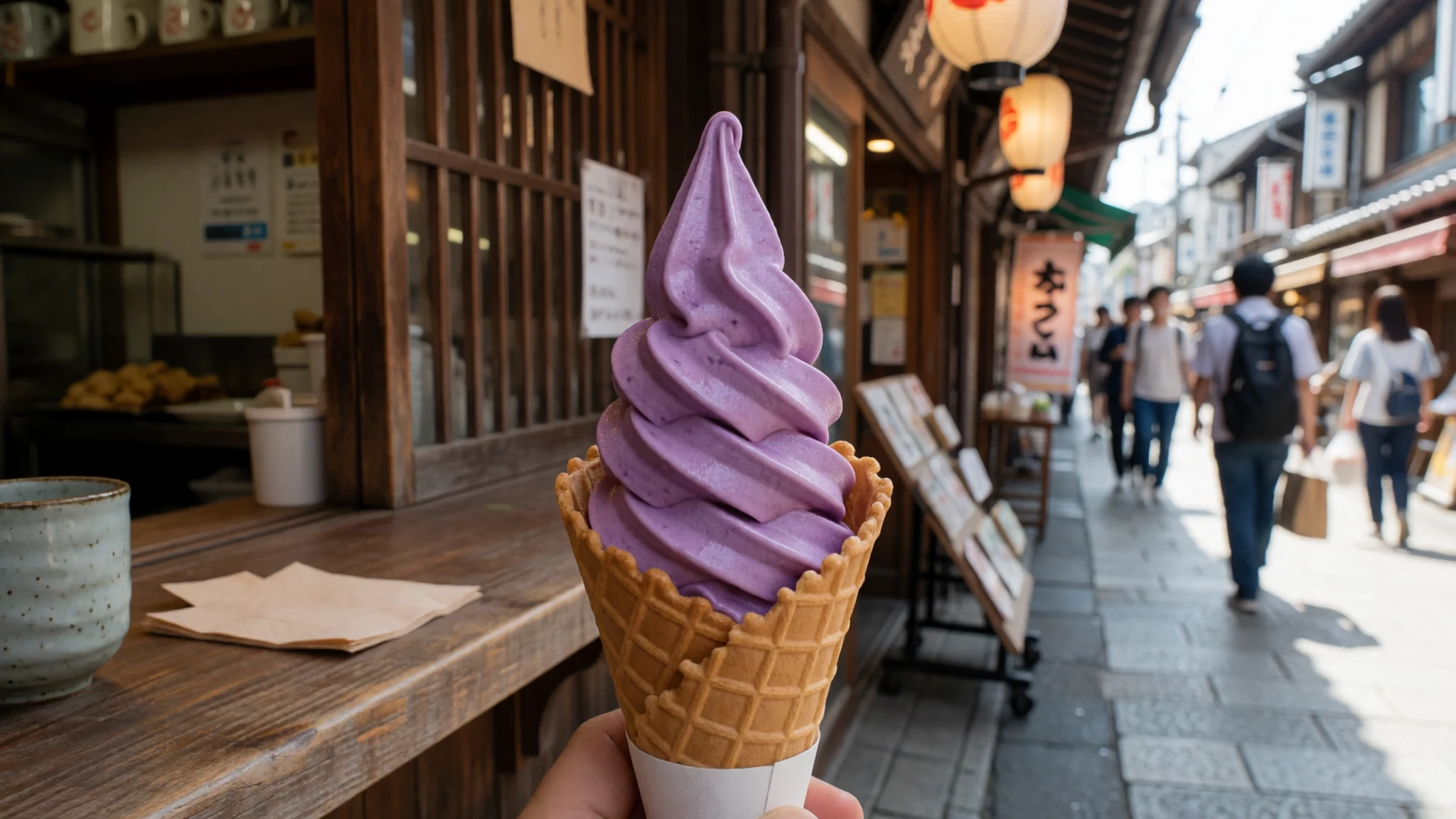
- Toasted senbei — the rice cracker shop on Komachi-dōri
Rice crackers are cooked over a flame in a shop on Komachi-dōri, and you toast your own. The crackers come in several flavours, and the smell draws people in from the street. It makes a good snack on the walk back to the station.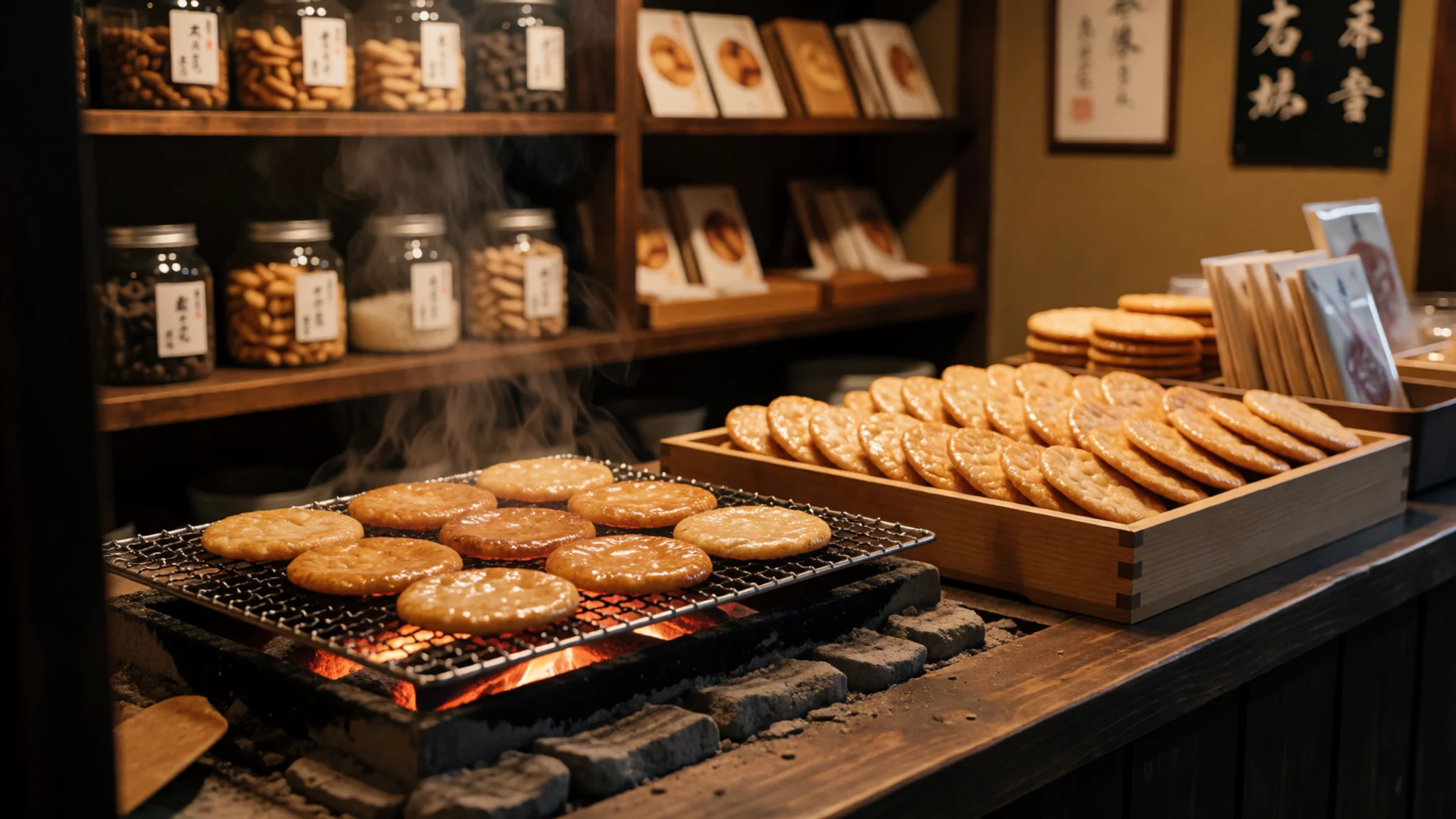
- Soba noodles — soba restaurants near the station and in the lanes behind the main temples
Buckwheat noodles are served hot or cold, with a clear dipping broth, and the best places make their noodles fresh. Expect to pay a bit more than at a simple counter, but a bowl at lunch is a good way to rest after the hills.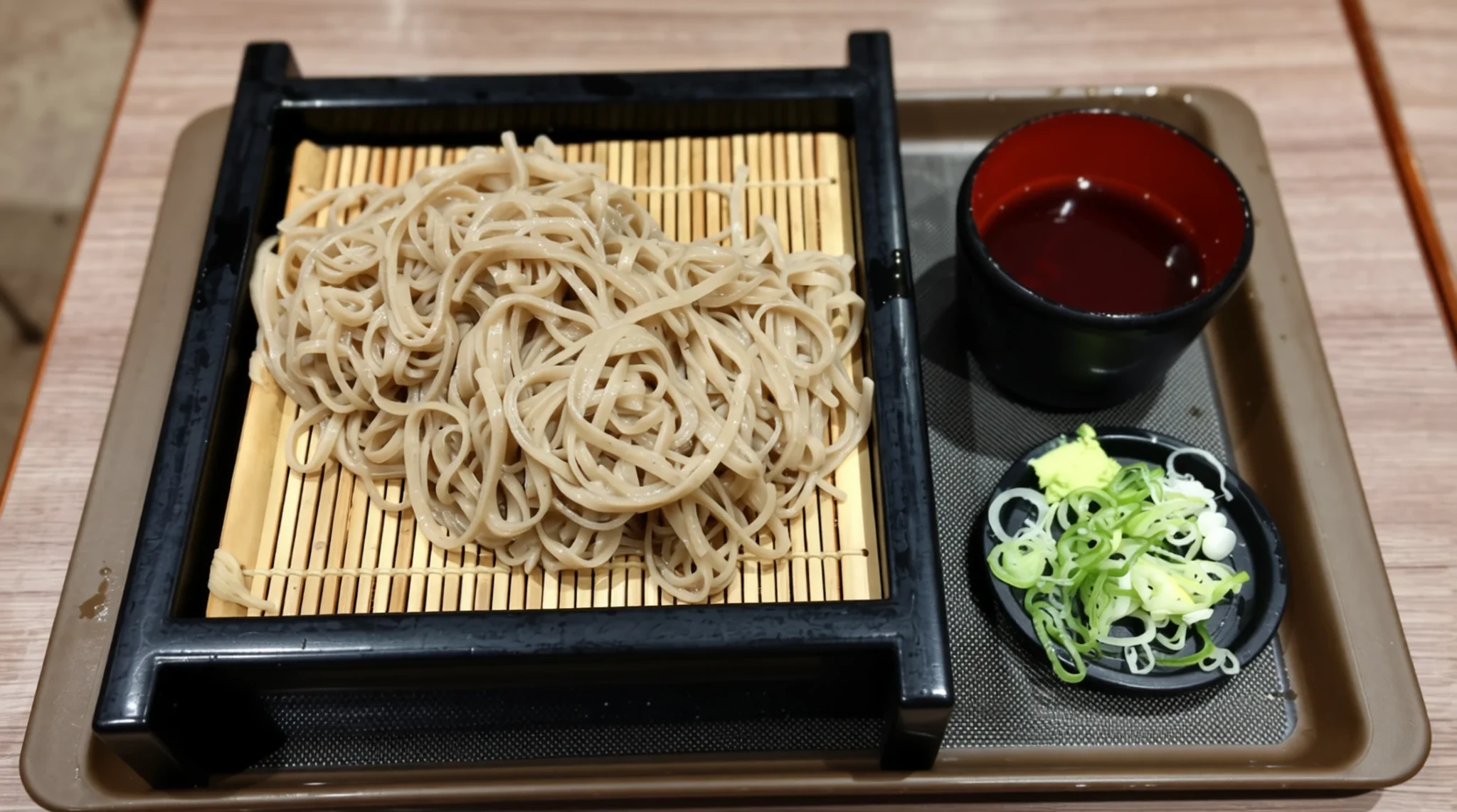
- Roast beef dinner — a restaurant with a dress code, reached on foot from the centre
Kamakura has a restaurant known for its roast beef, a special-occasion meal that suits an evening after the day's sightseeing. The place has a dress code, so dress smartly and book ahead if you can. - Cheesecake at a café — cafés close to Kamakura Station
Several cafés near the station are known for their cheesecake, and it makes a good break between temples. Sit by the window if it is wet and watch the street. The cakes are rich, so one slice is usually plenty.
Plan it
Best time. Spring, March and April, for blossom and mild weather, and November, the driest autumn month, for cooler days and colour. June is the rainy season, and August is hot and humid.
How long. 2–3
Getting there. From Tokyo, take a JR train on the Yokosuka Line to Kamakura Station. From Narita Airport, take the Narita Express towards Yokohama or Ofuna and change to the Yokosuka Line, about 2 hours with one change. Fares and timetables change, so check before you travel.
Budget. low
Tips
- Start at Tsurugaoka Hachimangū early, before tour groups arrive
- Check the official city website for event dates and opening times, which vary
- Carry some cash for small shops, stalls and temple fees
- Wear shoes with grip for steep temple steps and wet hill paths
- Visit the hills in the cooler morning hours, and the bay in late afternoon
Etiquette
- Keep your voice low inside temple grounds
- Step to the side of the central path at shrines
- Ask before photographing anyone at prayer
Nearby
Sources
- Wikidata Q200267 (CC0)
- Wikipedia: Kamakura (rev 1380983054) (CC BY-SA 4.0)
- Wikivoyage: Kamakura (rev 5406187) (CC BY-SA 4.0)
- Photo: Enoden train at Shichirigahama, 663highland (CC BY-SA 4.0)
- Photo: Kagura-den at Tsurugaoka Hachiman-gū, Urashimataro (Public domain)
- Photo: Kōtoku-in Temple, ProtoplasmaKid (CC BY 4.0)
- Photo: Garan at Kenchō-ji, Tarourashima (Public domain)
- Photo: Oratory at Kamakura-gū, Urashimataro (Public domain)
- Photo: View from Yuigahama, くろふね (CC BY 4.0)
- Photo: Portrait of Minamoto no Yoritomo, Fujiwara no Takanobu (Public domain)
- Photo: Okura Bakufu stele, Urashimataro (Public domain)


