Kaikōura
Kaikōura, New Zealand
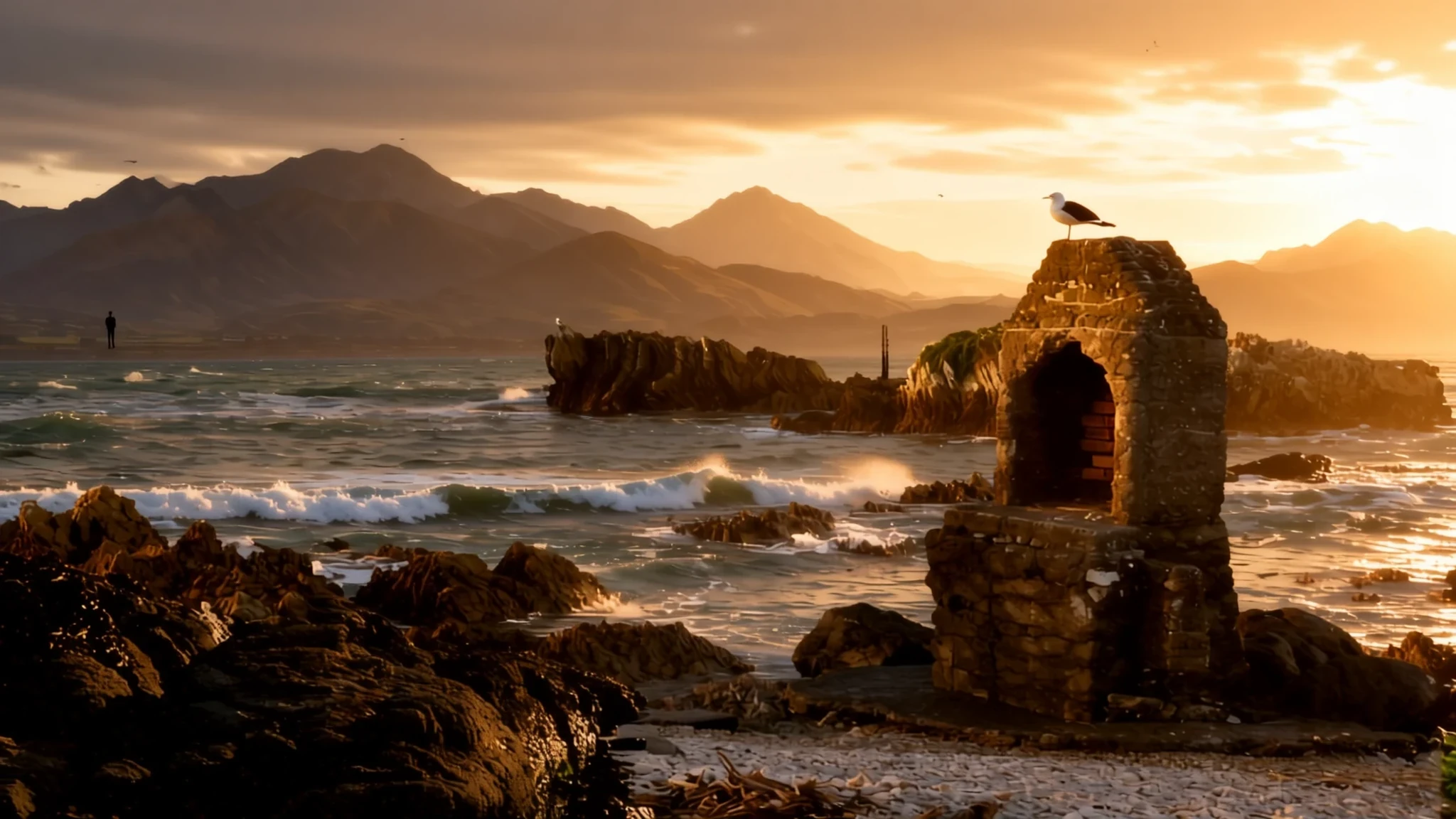
Kaikōura is a small coastal town on New Zealand's South Island, built around marine life: whales, dolphins, seals and seabirds.
The place
Kaikōura sits on the east coast of the South Island of New Zealand, on State Highway 1, about 180 km north of Christchurch. The town has around 2,400 permanent residents and is the seat of the Kaikōura District, which belongs to the Canterbury region. Its setting is dramatic. The Seaward Kaikōura Range rises steeply behind the town, often snow-capped in the cooler months, while the Kaikōura Peninsula reaches out into the Pacific as a long finger of rock and grass.
Those two features explain much of the place. The mountains fall close to the sea, and the sea floor drops away quickly offshore, which brings nutrient-rich water near the coast. That supports a remarkable concentration of life. Whales, dolphins, fur seals and a long list of seabirds, including several albatross species, can be reached within a short trip. The town grew up around this abundance, first as a whaling centre and later as a base for crayfish fishing, which still shapes the local economy and menus.
Today the town is a tourism hub, with around 1 million visitors a year coming for whale watching, dolphin swims and coastal walks. The beachfront roads, Beach Road and West End, hold most of the cafes, takeaways and small guesthouses. Outside the busy months the pace is quiet, and because the town is small, most sights can be reached on foot or by a short drive. Road access was disrupted by the 2016 earthquake and the highway has since reopened, though roadworks can still cause short single-lane stretches.
Its story
Māori mythology places Kaikōura Peninsula, known as Te Taumanu-o-te-waka-a-Māui, as the spot where Māui sat while fishing the North Island up from the depths of the sea. Māori have lived here for many generations, and archaeological evidence shows that moa were hunted on the peninsula. During excavations near the old whaling station, an ancient burial site was found holding the egg of a South Island giant moa. The egg is the largest known moa egg and is now held in the national collections in Wellington.
After the moa declined, the area stayed attractive because of its rich seafood. The Ngāi Tahu iwi have lived in the district for a long time, and numerous fortified village sites are scattered around the coast. The English navigator James Cook sighted the coast in 1770 but did not land, reporting a fleet of double-hulled canoes approaching his ship. Earlier, in the years before European settlement, a bloody battle at Niho Maaka pitted musket-armed Ngāti Toa against Kāti Kurī of Ngāi Tahu, with many killed or captured.
European settlement came in the mid-century. The land was sold on to newcomers, who mostly built sheep farms. Mount Fyffe, located in the Seaward Kaikōura Range, pays tribute to Robert Fyffe and relatives of his, who were the earliest Europeans to settle the district. The whaling industry gave the town its early shape, and the name itself, meaning meal of crayfish, points to the crayfish that the coast still yields.
What to see
- Fyffe House — Town centre
The town's oldest building, Fyffe House has a core that dates from the early settler period. Its earliest section is said to sit on whale vertebrae foundations, a reminder of the whaling era that built the town. Visit it to see how the early settlers lived, and to understand how local life once depended on the sea.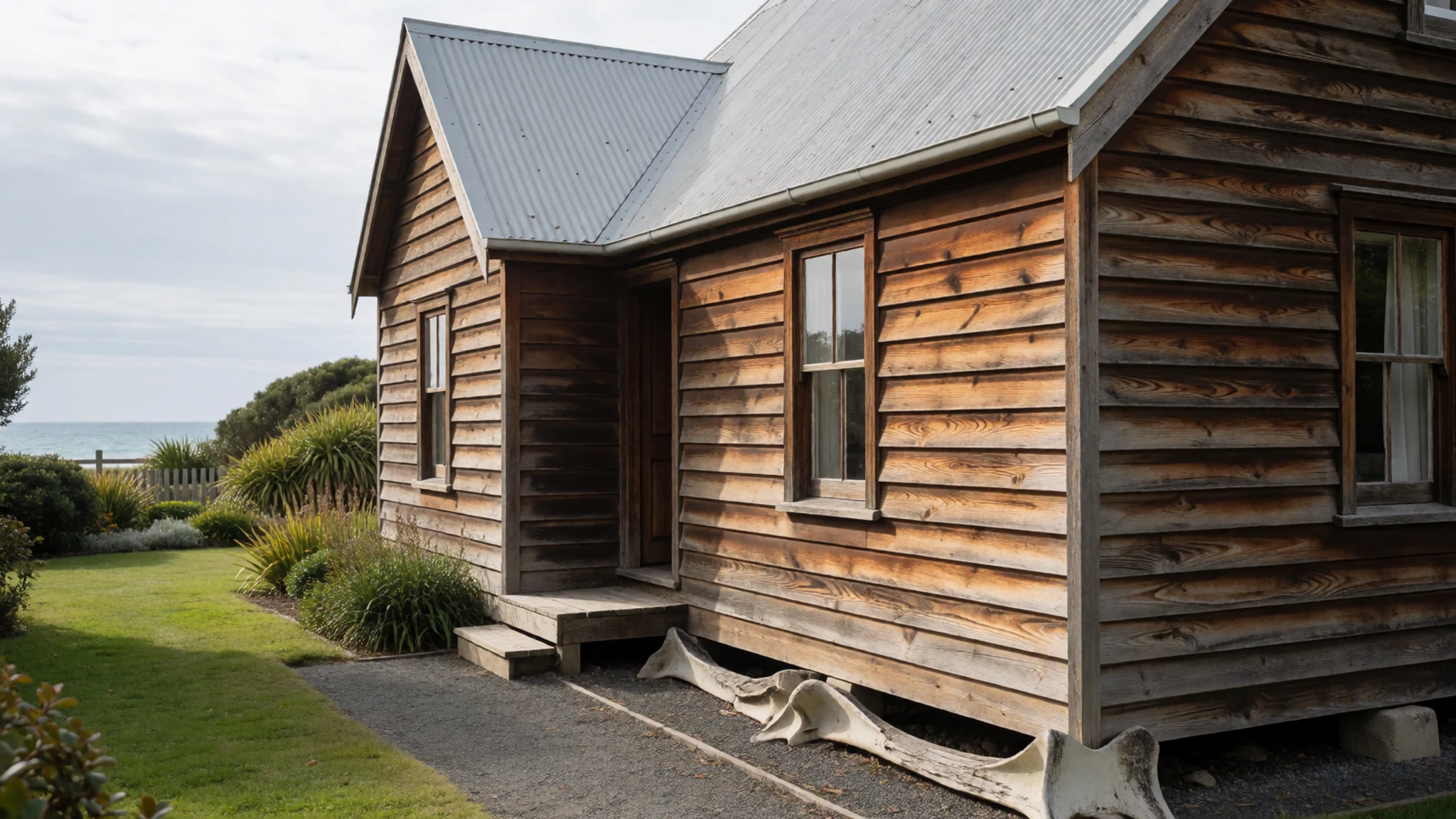
- Kaikōura Museum — Town centre
The museum covers natural history, social history and the 2016 earthquake, which changed the coastline and roads around the town. Its exterior is built to resemble a crayfish pot woven from supplejack, a fitting nod to the local catch. Allow an hour or so for the exhibits, which are compact and well laid out.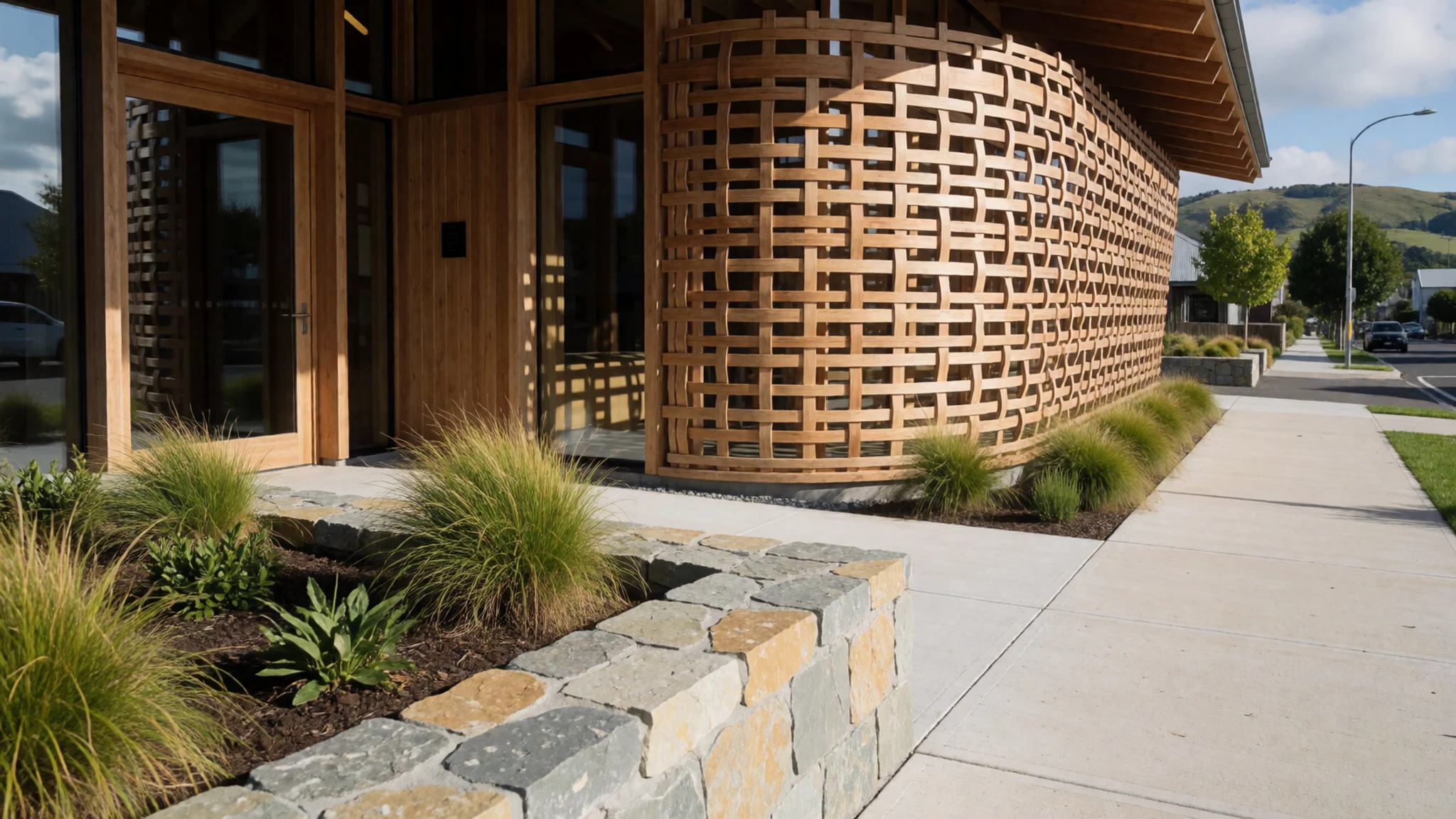
- Point Kean Viewpoint — Kaikōura Peninsula
At the tip of the Kaikōura Peninsula, the viewpoint looks over fur seals sunbathing on the rocks and seagulls nesting along the cliffs. Paths run close to the animals, but the seals can turn aggressive if approached too closely. Go early for quieter light and keep a clear distance from the wildlife at all times.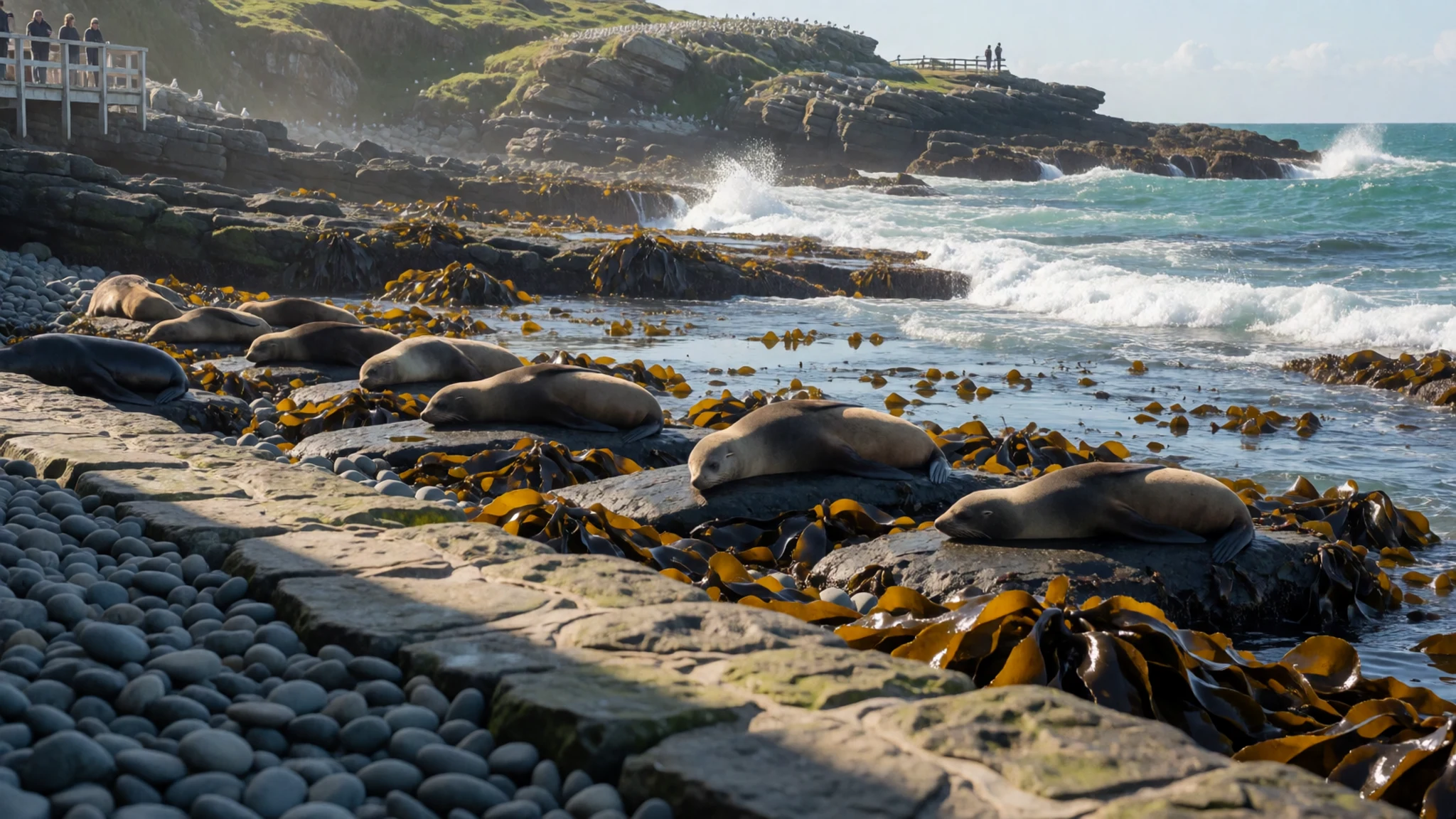
- Peninsula Walkway — Kaikōura Peninsula
This well-kept walkway begins at Point Kean and follows the top of the cliffs for several kilometres, with views across the sea to the mountains. It runs out to South Bay Beach, and a loop back through the streets makes a longer walk. Wear sturdy shoes, carry water and take a hat, as the path is open and exposed to the sun and wind.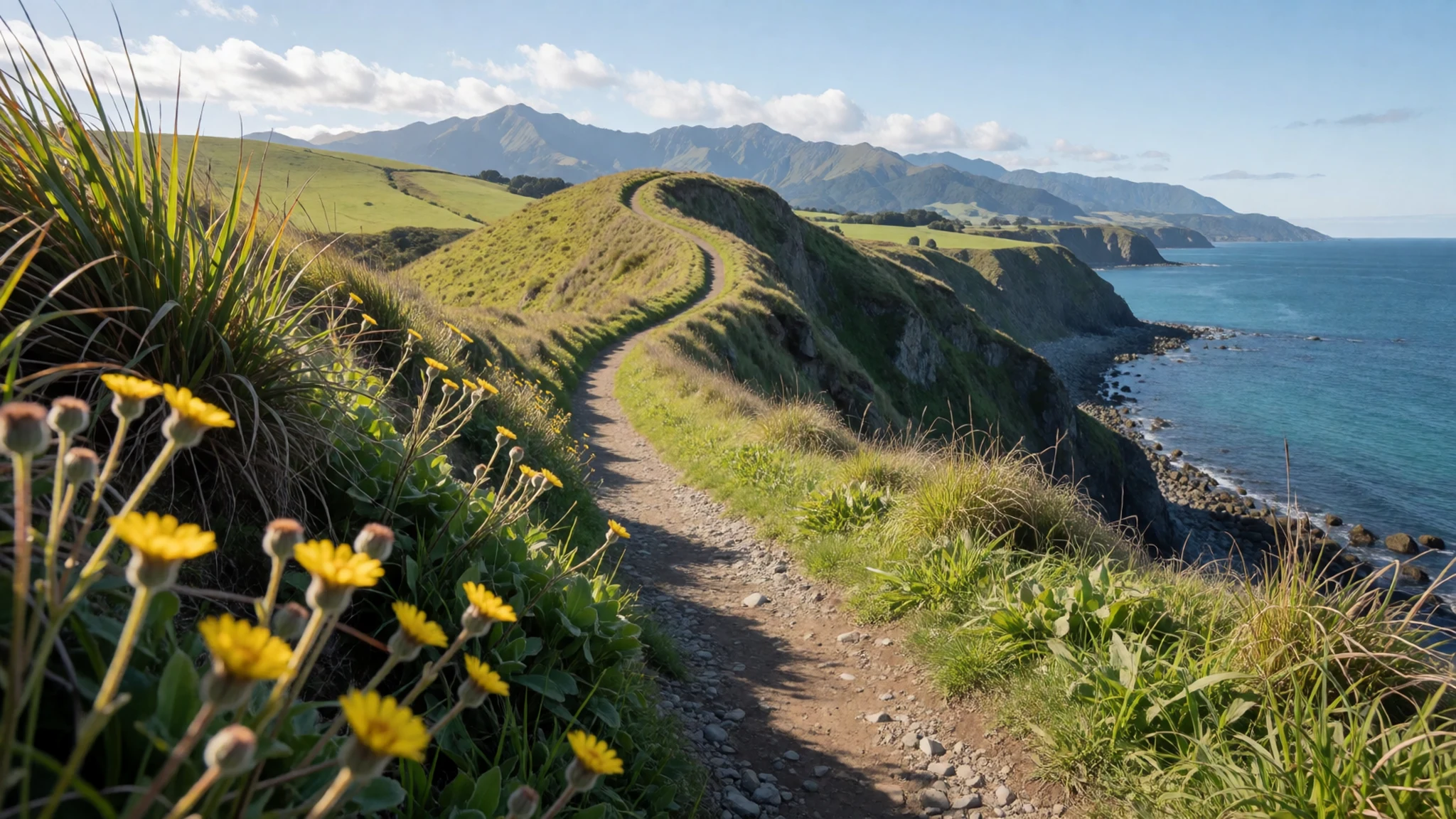
- Dolphin swims and Dive Kaikōura — Harbour and marina area
Guided operators run boat trips to swim with dusky dolphins, which are the most common species here, and a PADI dive centre offers tours through kelp forests and limestone reefs. Both need a wetsuit, since the water is cold even in summer. Choose operators who keep a respectful distance and follow the local wildlife rules.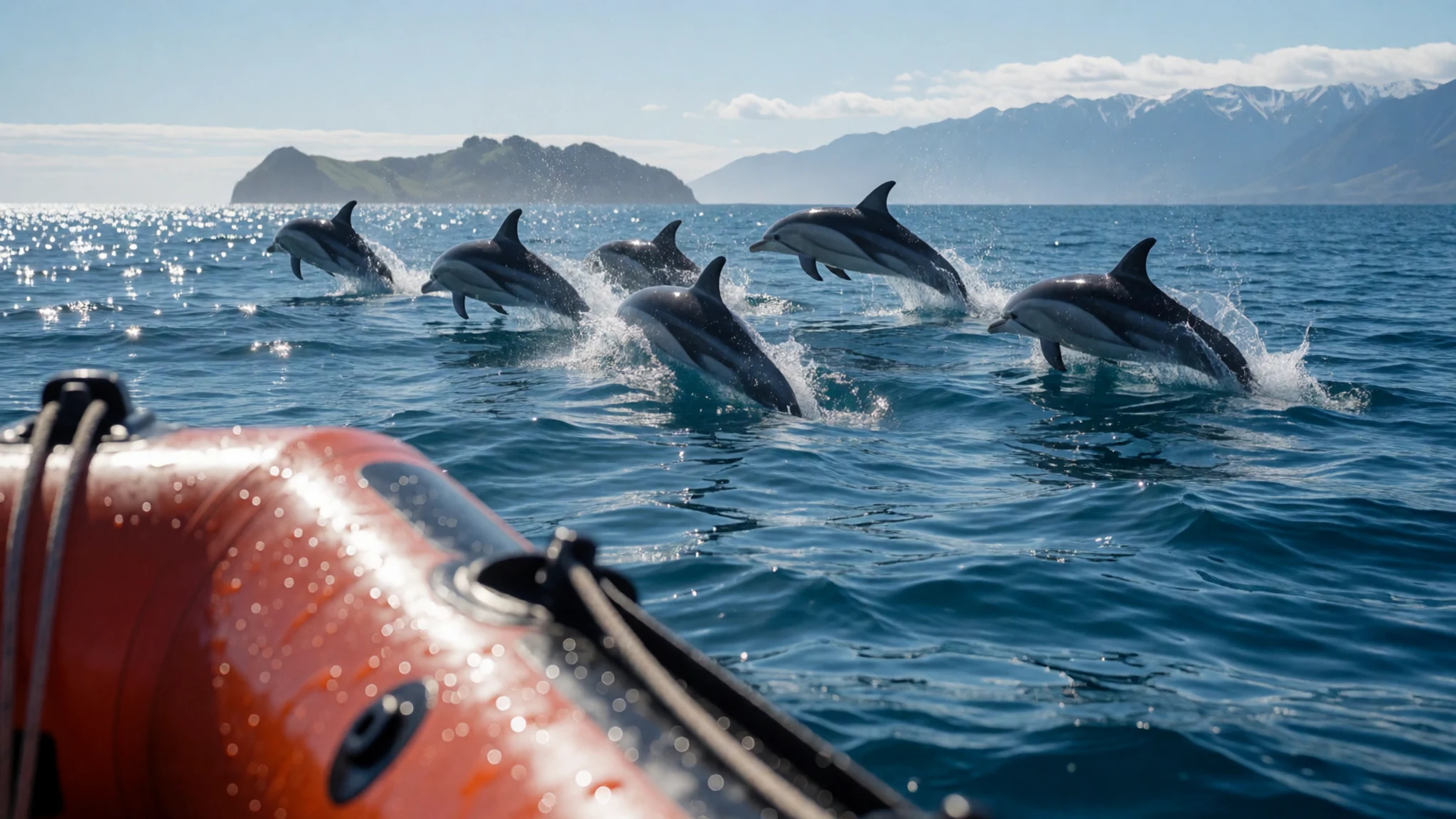
Culture
Kaikōura lies in Ngāi Tahu territory, and Māori names for the peninsula, the range and the sea are part of everyday speech here. Say them as written where you can, and ask locally when unsure of pronunciation, since a careful attempt is always welcome. The town's identity has long been tied to the ocean, first through whaling and now through crayfish fishing and marine tourism. Local operators follow strict guidelines when approaching whales and dolphins, and visitors are expected to follow the same rules. On the peninsula, fur seals and nesting birds lie close to the paths, and it is tempting to step nearer for a better photograph. Tipping is not expected in New Zealand, though it is appreciated for exceptional service. Keep to the distance marked on the signs, and never approach seals or nesting birds to take a photograph.
What to wear
Kaikōura sits in a cool, windy coastal climate, so what people wear reflects the weather more than any single tradition. Traditional Māori dress here, as across Aotearoa, centres on the kākahu, a cloak woven from harakeke (New Zealand flax) and often decorated with feathers or dyed fibres. Such cloaks are worn on ceremonial occasions and are passed down through families. Weaving with flax remains a living craft, and the textile skills behind the kākahu still inform local art and gift shops.
Day to day, locals dress for the outdoors. Fleece, merino base layers, waterproof jackets and sturdy boots are common, and the cafes and pubs on the beachfront stay relaxed about dress. Boat and wildlife tours supply or recommend warm, windproof clothing.
For a visit, pack layers that handle sun, wind and sudden rain, since the weather changes quickly. A hat and sunglasses matter on the open walks, and a thin waterproof is useful on the peninsula. Wear closed shoes with good grip for the rocky coast and the Mt Fyffe track. Bring a wetsuit or swimwear suited to cold water if you are joining a dolphin swim or dive, and avoid cotton for anything you expect to get wet.
What to eat
- Crayfish (kōura) — Seafood counters on the beachfront roads
The town's name means a meal of crayfish, and the local catch is still the centrepiece of many menus. Look for it at the seafood counters and takeaways along Beach Road and West End, where it is often grilled or served cold with lemon and bread.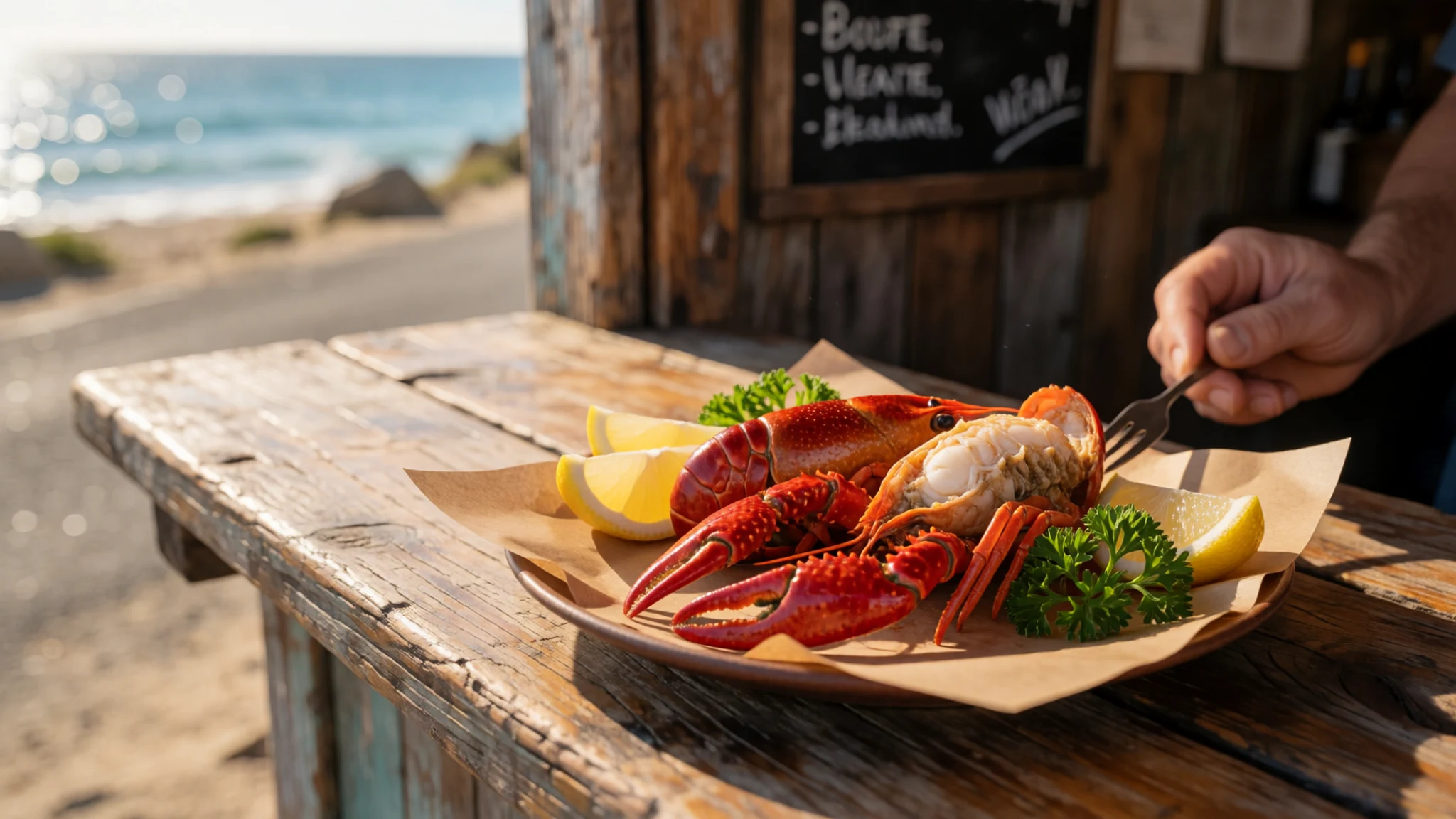
- Fish and chips — Beach side of the main road, north of the centre
Battered or grilled fish with chips, eaten from paper on the sea wall, is the simplest meal in town. The best places sit on the beach side of the main road, a short walk north of the centre. Eat in or take away, and keep an eye on the gulls.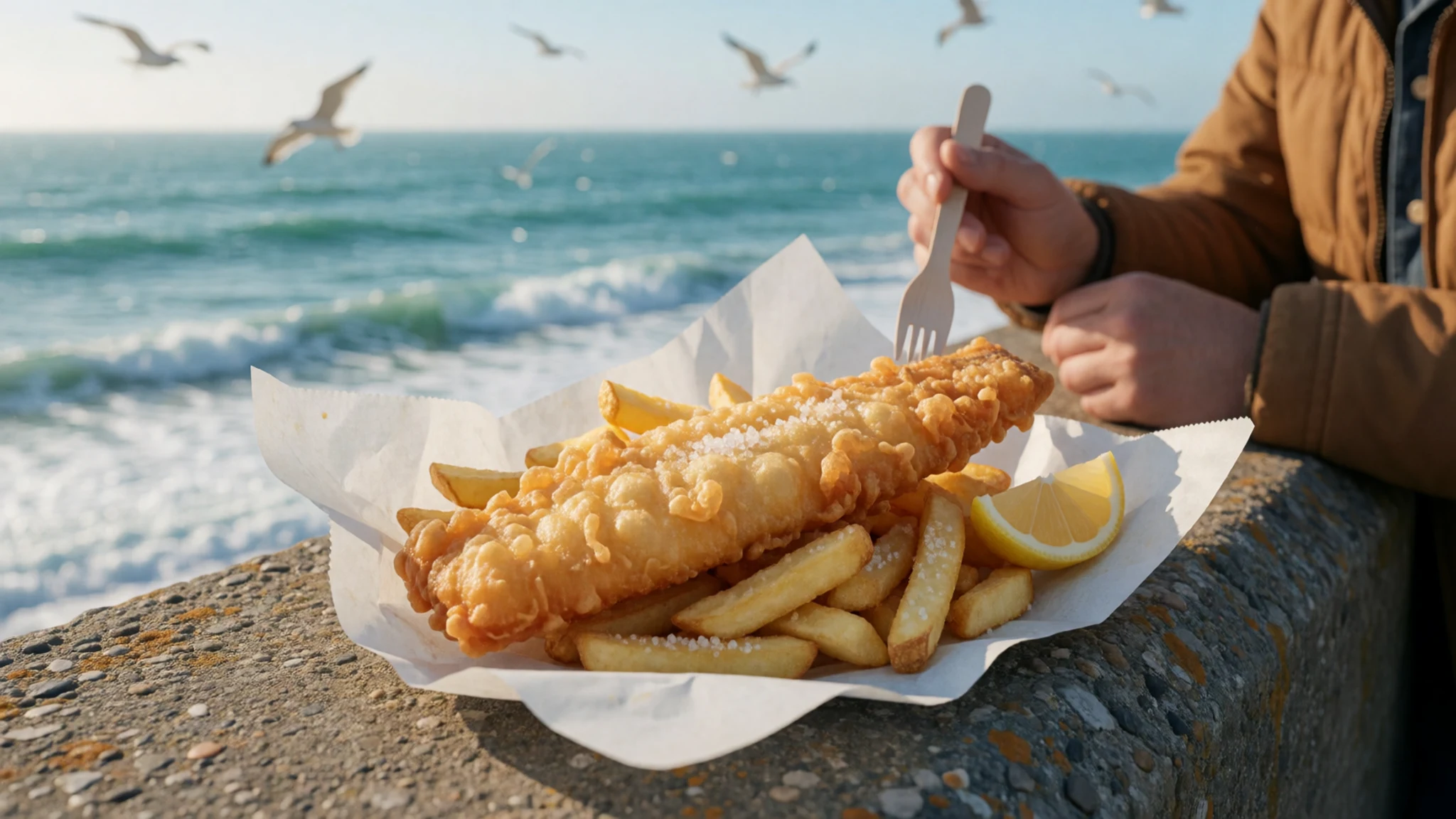
- Seafood from a caravan — Roadside caravans on the highway north of town
Caravans parked on the highway north of town sell crayfish, mussels and other seafood takeaways, and most have picnic tables where you can eat on the spot. Bring a windproof layer, since the coast is breezy at lunchtime. - Seafood chowder and bread — Cafes and pubs on the beachfront roads
A bowl of seafood chowder with thick bread is a comforting order in the cafes and pubs along the beachfront. Ask for the catch of the day, which often includes local fish and shellfish. Eat by the window if you can, for the view of the sea. - Pizza — Casual eateries on Beach Road and West End
Pizza is the easy choice after a day on the water. Casual pizza places sit among the beachfront eateries along Beach Road and West End, and most suit families and groups. Expect a busier room in the summer months, when the town fills with visitors.
Plan it
Best time. December to February suits the sea and the long daylight for dolphin swims and coastal walks, though it brings the most visitors. The shoulder months in autumn and spring are quieter, and the mountains are often snow-capped for much of the year. Expect cold water and wind at any time.
How long. 2–3
Getting there. Christchurch is the nearest major airport, about two and a half hours' drive south on State Highway 1. Intercity runs two buses a day along the route, and the Coastal Pacific train stops here from October through April.
Budget. mid
Tips
- Book dolphin swims and whale trips ahead in summer, as places sell out
- Go out early for calmer seas and quieter viewpoints
- Carry cash for small takeaways and roadside caravans, and check card acceptance first
- Pack layers and water, since the coastal walks are exposed to sun and wind
- Check road conditions before driving, as roadworks can cause short single-lane stretches
Etiquette
- Keep the distance marked for seals and nesting birds on the peninsula
- Follow the operator's rules when approaching whales and dolphins
- Respect Māori place names and ask locally if unsure how to say them
Nearby
Sources
- Wikidata Q25834 (CC0)
- Wikipedia (rev 1381410902) (CC BY-SA 4.0)
- Wikivoyage (rev 5406092) (CC BY-SA 4.0)
- Photo 01-kaikoura-city.jpg (CC BY 3.0)
- Photo 02-kaik-ura-seen-from-kaik-ura-peninsula.jpg (CC BY-SA 4.0)
- Photo 03-diving-sperm-whale-near-kaikoura.jpg (CC BY-SA 4.0)
- Photo 04-boat-with-hutton-s-shearwaters.jpg (CC BY-SA 4.0)
- Photo 05-kaik-ura-civic-centre-mrd.jpg (CC BY 4.0)
- Photo 06-kaikoura-movie-theatre.jpg (CC BY 3.0)
- Photo 07-locomotive-kaikoura-coastal-pacific.jpg (CC BY-SA 4.0)
- Photo 08-early-morning-sun-on-snow-capped-seaward-kaikoura-range.jpg (Public domain)


