Dudhsagar Falls
Dudhsagar Falls, India
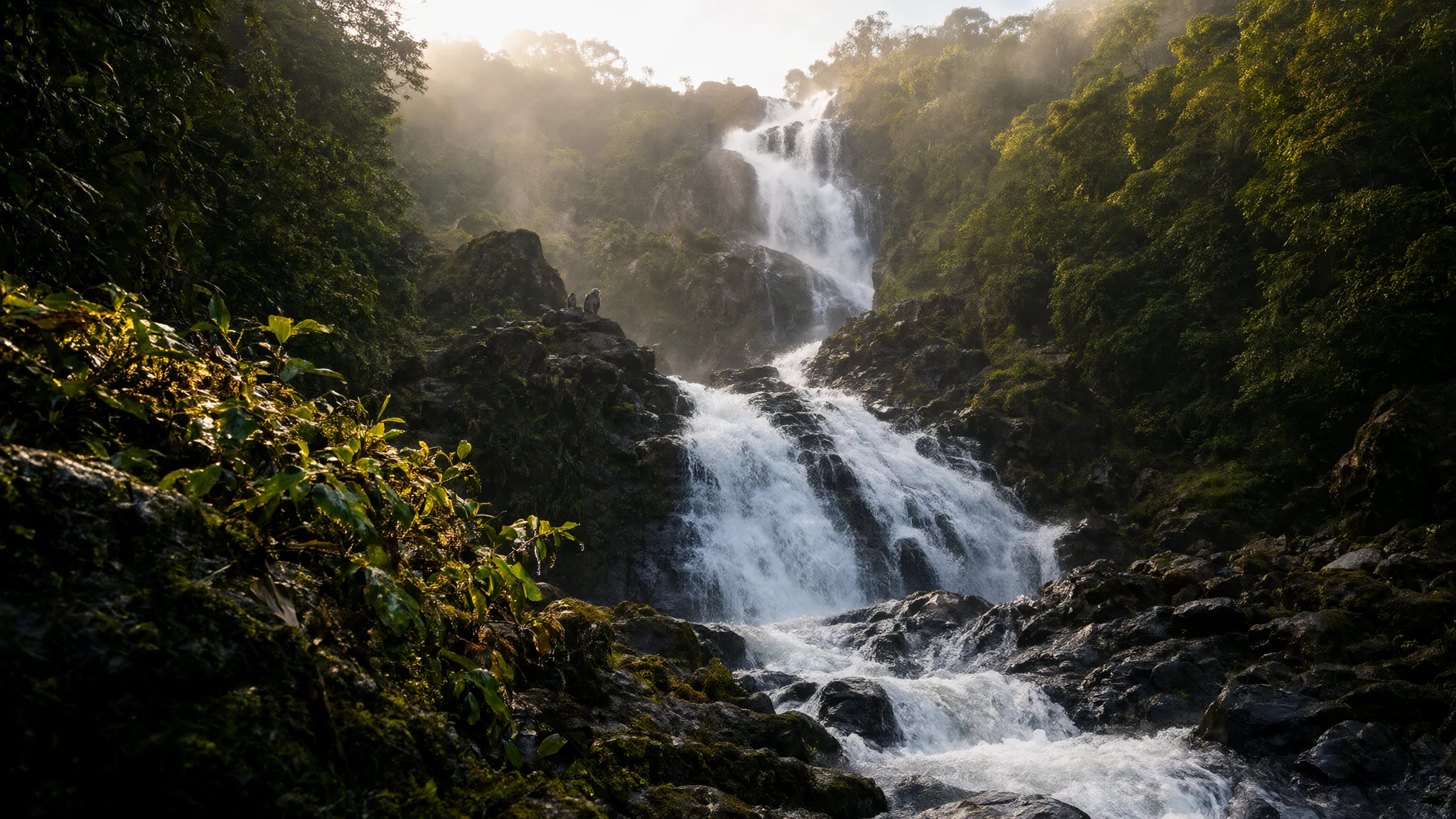
Witness a towering four-tiered cascade plunging through dense sanctuary forests, where roaring waters mirror an overflowing sea of milk.
The place
Dudhsagar Falls stands as a dramatic natural landmark within the Western Ghats, positioned along the borderlands where the Indian state of Goa meets neighbouring regions. Set deep inside the protected boundaries of the Bhagwan Mahaveer Sanctuary and Mollem National Park, the waterfall marks an arresting passage for the Mandovi River as it winds from upland forests down toward coastal estuaries and the Arabian Sea. The local designation translates to the Sea of Milk, a title inspired by the heavy foam and white spray kicked up as the water crashes down across four distinct tiers of rock. Surrounded by thick deciduous woodlands and rugged green valleys, the site forms part of a rich ecosystem known for its diverse birdlife and dense forest cover. Visitors approaching the area travel through the forest gateway at Collem, navigating rugged tracks that cut through the surrounding wilderness. The character of the landscape shifts dramatically across the year. During the heavy monsoon period, the river swells and the cascade pounds the valley with immense force, while the drier months see the water flow recede significantly as the surrounding greenery bakes under the tropical sun. The setting remains wild and remote, bounded by steep slopes, winding forest paths, and the historic railway line that cuts across the mountain face directly opposite the falls, offering a striking vantage point where rumbling trains cross iron bridges right against the sheer wall of white water.
Its story
Dudhsagar Falls carries deep roots in local folklore, anchored by a traditional tale that links the foaming waters to royal modesty and forest legends. According to regional lore, a royal princess once lived in a palace on the edge of these dense forest grounds, spending her days bathing in a cool woodland lake. Following her bath, it was her daily ritual to drink sweetened milk from a golden jug while resting among the trees. One afternoon, while enjoying her usual refreshment, she noticed a handsome prince watching her from the nearby thickets. Overwhelmed by embarrassment at her simple bathing attire, the princess acted quickly to protect her modesty. She poured the stream of sweet white milk from her jug across the rocks before her, creating an improvised milky curtain to shield herself from the stranger's gaze while her maidservants rushed forward to cover her with garments. The folklore holds that the milky liquid poured by the royal princess continues to cascade down the mountain slope to this day, preserving a tribute to her virtue and modesty in the rushing foam. Beyond this romantic legend, the area has long been shaped by the rugged demands of the mountains. The construction of the historic mountain railway line cut a vital transport artery through the difficult terrain of the Braganza Ghats, forever altering how travellers and traders moved between coastal ports and the inland plateau. Today, the falls exist at the intersection of this industrial history and ancient wilderness, where railway bridges and roaring water share a dramatic mountain stage.
What to see
- Dudhsagar Falls Base — Bhagwan Mahaveer Sanctuary
Stand at the foot of the magnificent tiered cascade where the Mandovi River crashes into a rocky basin. Watch the heavy spray rise through the valley air and observe the railway bridge spanning the rock face above.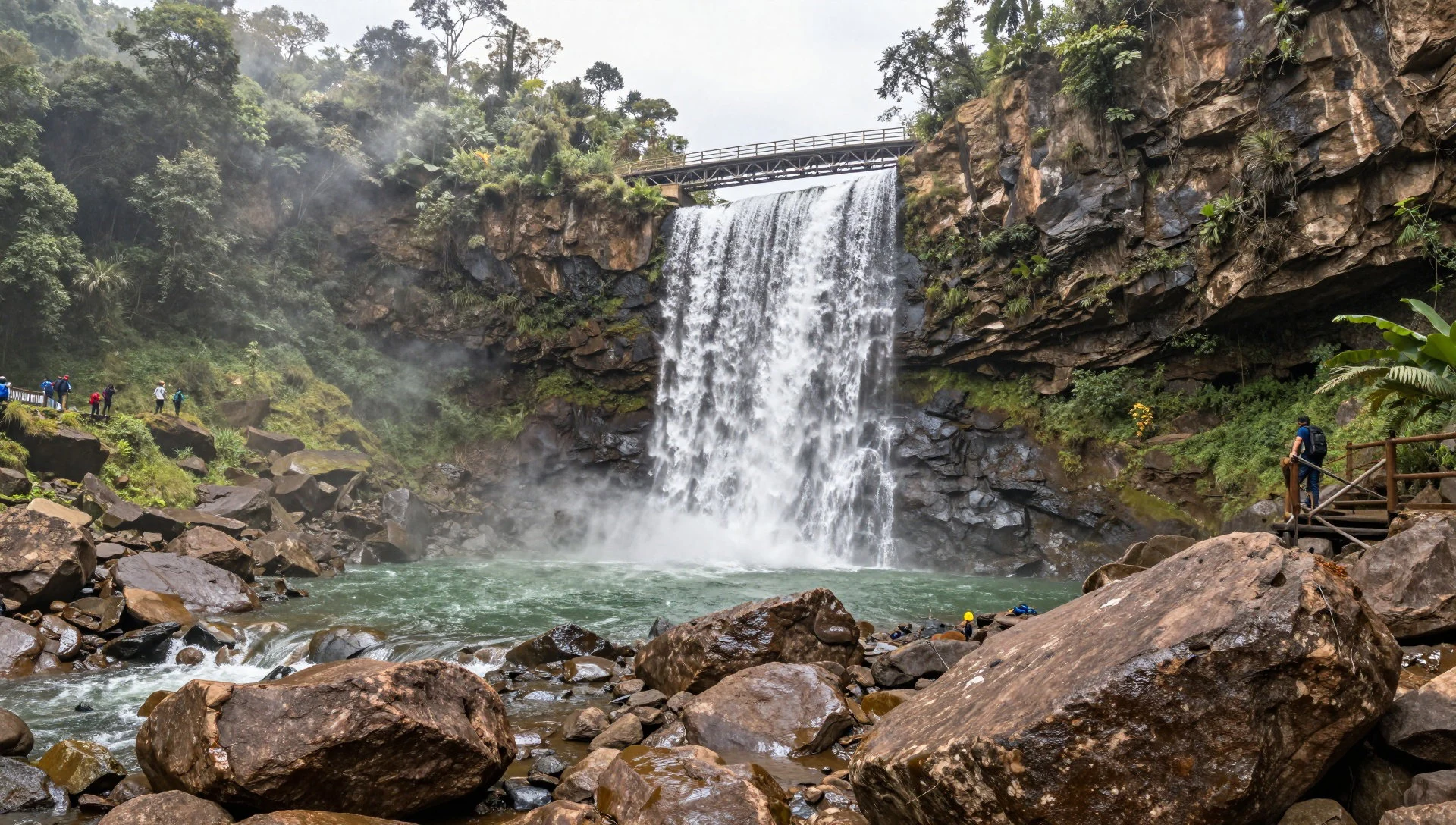
- Tambdi Surla Temple — Mollem forest foothills
Explore an ancient stone temple tucked away in the forest foothills, carved from basalt and surviving as a treasured architectural heritage site from centuries past amidst the dense trees.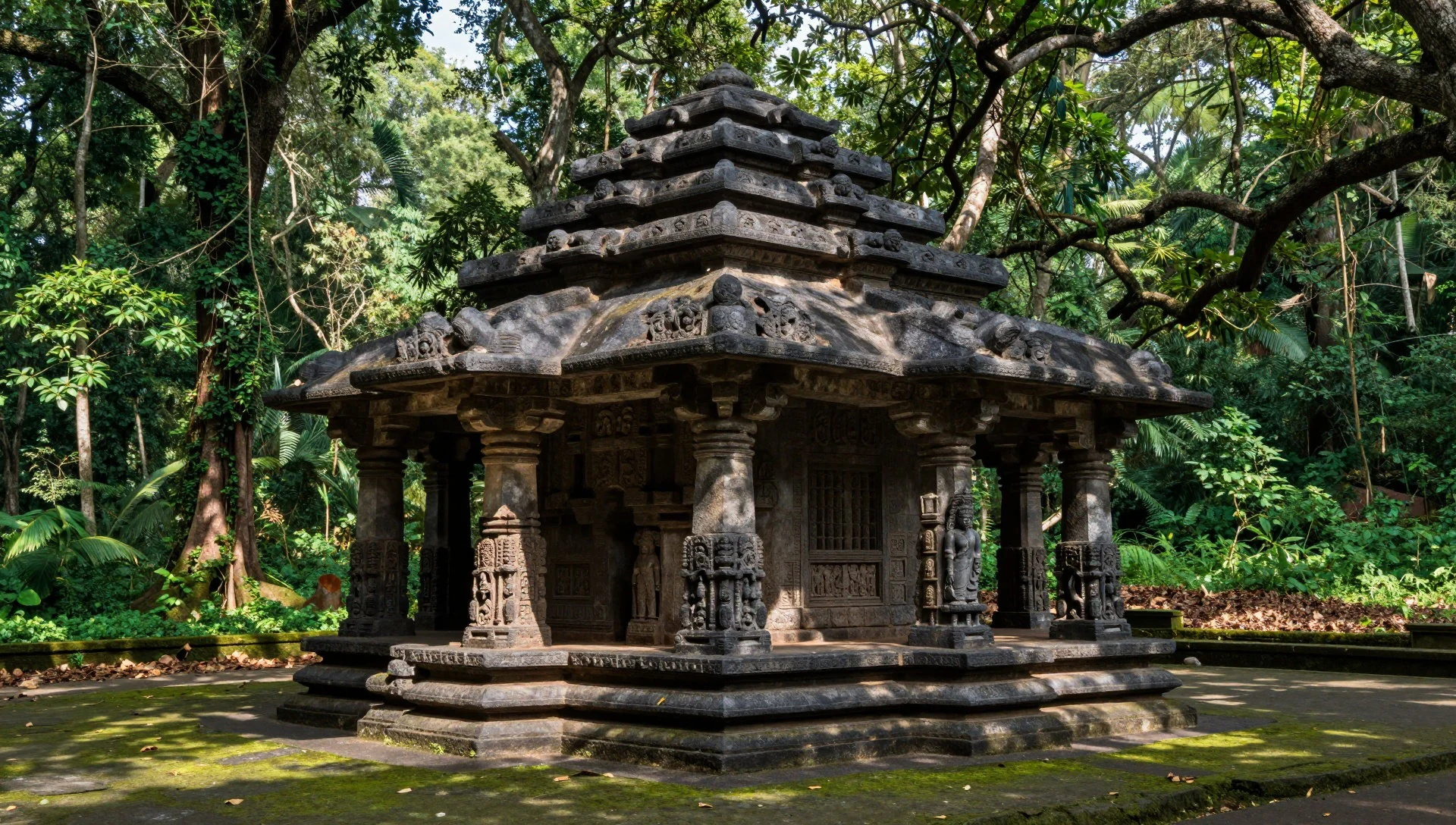
- Devil’s Canyon — Khandepar River gorge
View a striking geological canyon where river currents have carved deep, dark channels through solid basalt rock. The gorge is notoriously treacherous, featuring strong undercurrents and deep waters.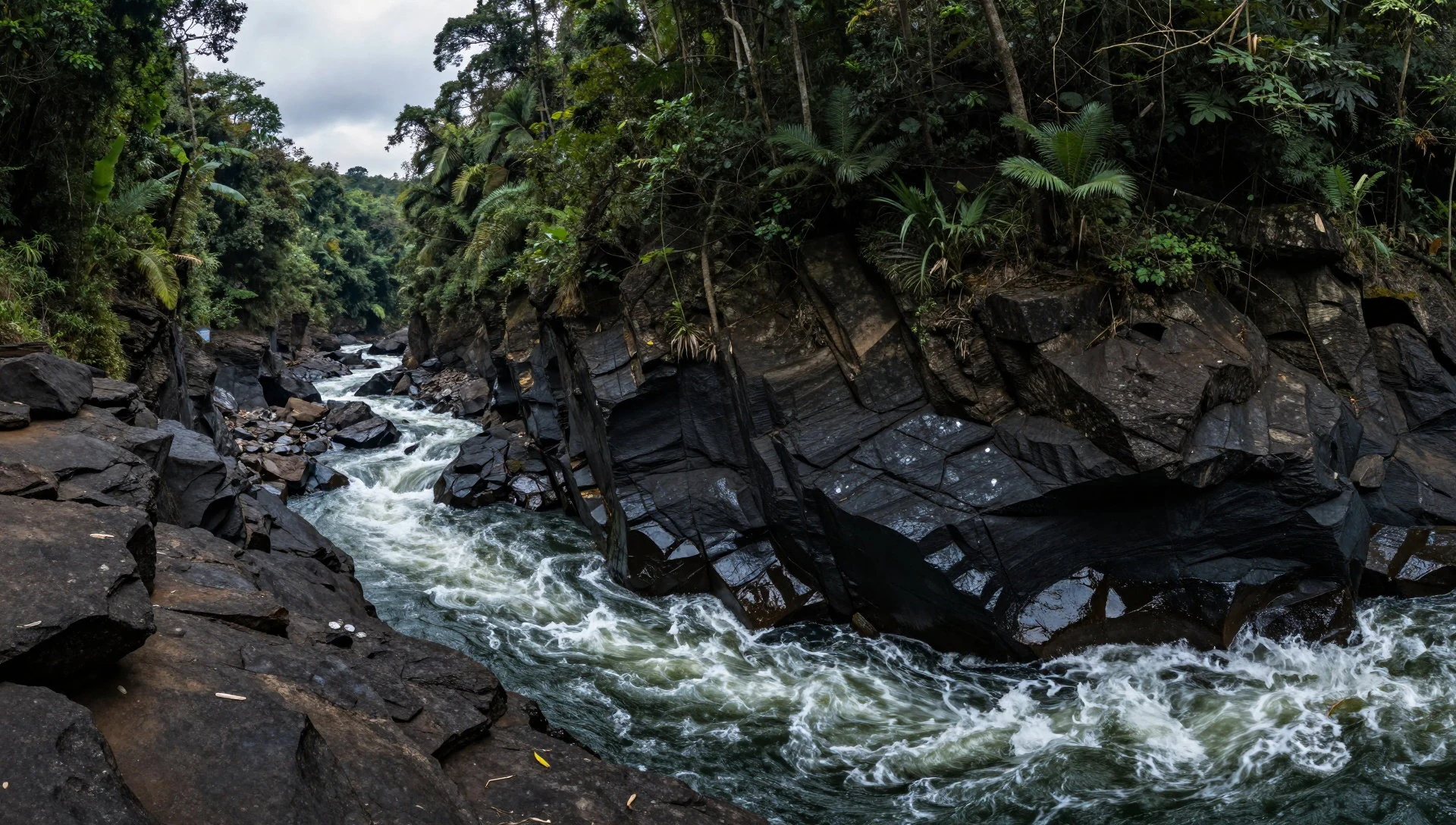
- Bondla Wildlife Sanctuary — Ponda interior
Wander through a compact protected woodland area set in the interior hills, offering shaded nature trails, quiet gardens, and opportunities to observe regional wildlife and rescued animals.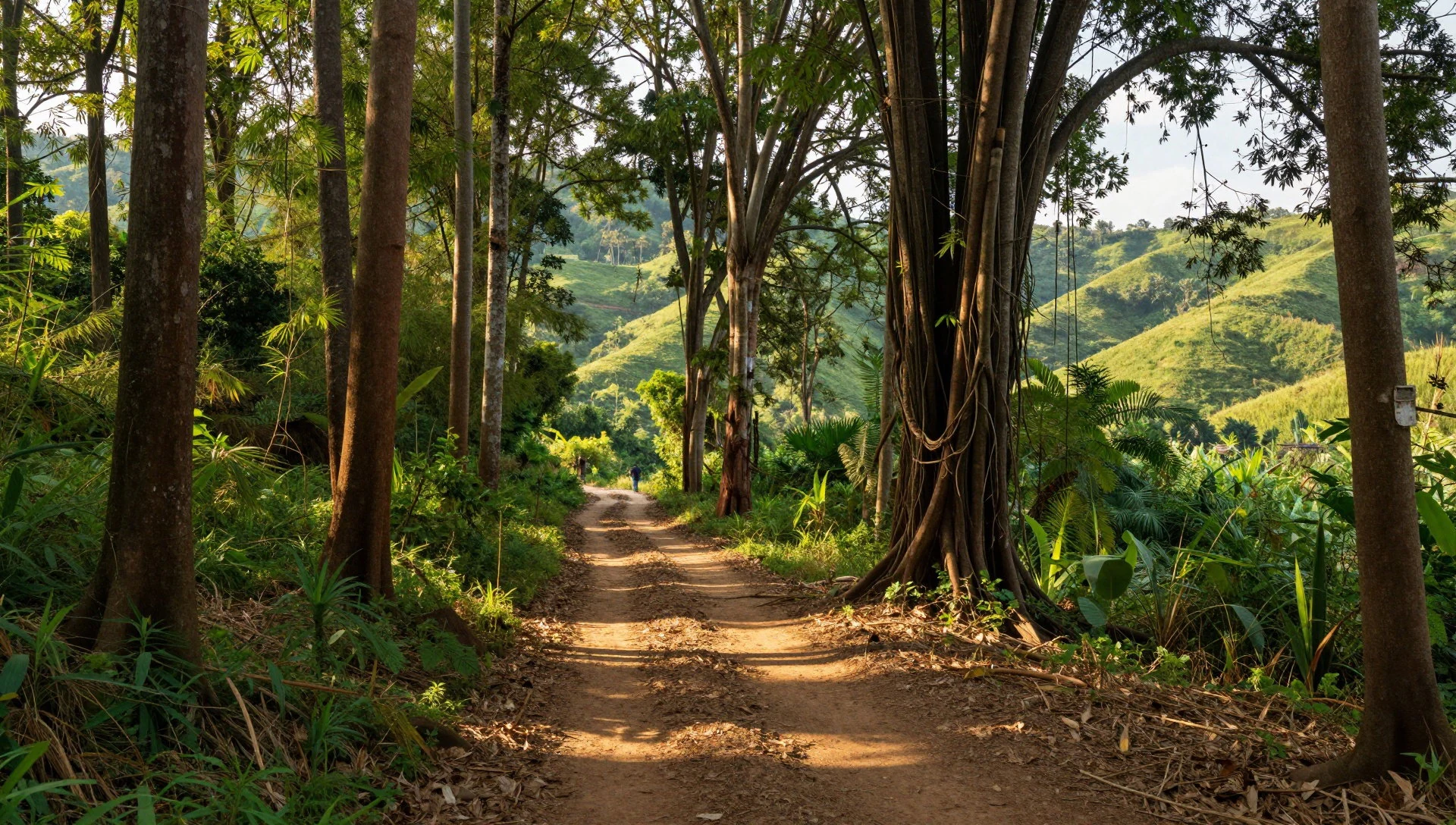
Culture
The cultural fabric surrounding Dudhsagar Falls is deeply intertwined with the rural traditions of Goa and the Konkan region, where village life moves at a gentle pace dictated by seasonal rhythms and forest stewardship. Communities living near the park boundaries maintain strong ties to the natural landscape, celebrating local festivals that honour river deities, harvest cycles, and forest protection. Konkani is widely spoken here, and local residents share a distinct heritage that blends traditional Hindu customs with centuries of coastal trade and regional history. Visitors exploring the sanctuary and surrounding villages will find a welcoming atmosphere rooted in quiet hospitality, though the wilderness itself demands a respectful and cautious approach. The forest is viewed not merely as a scenic backdrop, but as a living ecosystem that sustains local wildlife, medicinal plants, and traditional livelihoods. When visiting local temples such as Tambdi Surla or rural shrines near the park entrance, remove your footwear before stepping inside sacred spaces and dress in modest attire that covers your shoulders and knees.
What to wear
Clothing choices around Dudhsagar Falls are shaped by the humid tropical climate of the Western Ghats and the practical demands of outdoor exploration. Traditional wear in the rural communities surrounding the sanctuary typically includes lightweight cotton garments suited to the heavy heat, with local artisans crafting various textiles for daily wear and festival occasions. Modern daily dress for residents in the nearby villages and towns generally consists of comfortable everyday attire, such as casual shirts, trousers, and modest dresses or traditional kurtas. For travellers visiting the waterfall and the surrounding national park, practical clothing is essential. Lightweight, breathable fabrics that dry quickly are best for managing tropical humidity and potential rain showers. Sturdy walking shoes or hiking boots with good grip are necessary for navigating the boulder-strewn paths, forest tracks, and damp earth around the cascade. Visitors should also pack an insect repellent and modest clothing layers that cover shoulders and knees, particularly if stopping at village shrines or heritage temples on the journey to the park gates.
What to eat
- Goan Fish Curry and Rice — Local eateries near Collem and Mollem
A comforting staple of coastal cuisine featuring fresh catch simmered in a rich, tangy gravy flavoured with coconut, kokum, and ground spices, served alongside steamed white rice.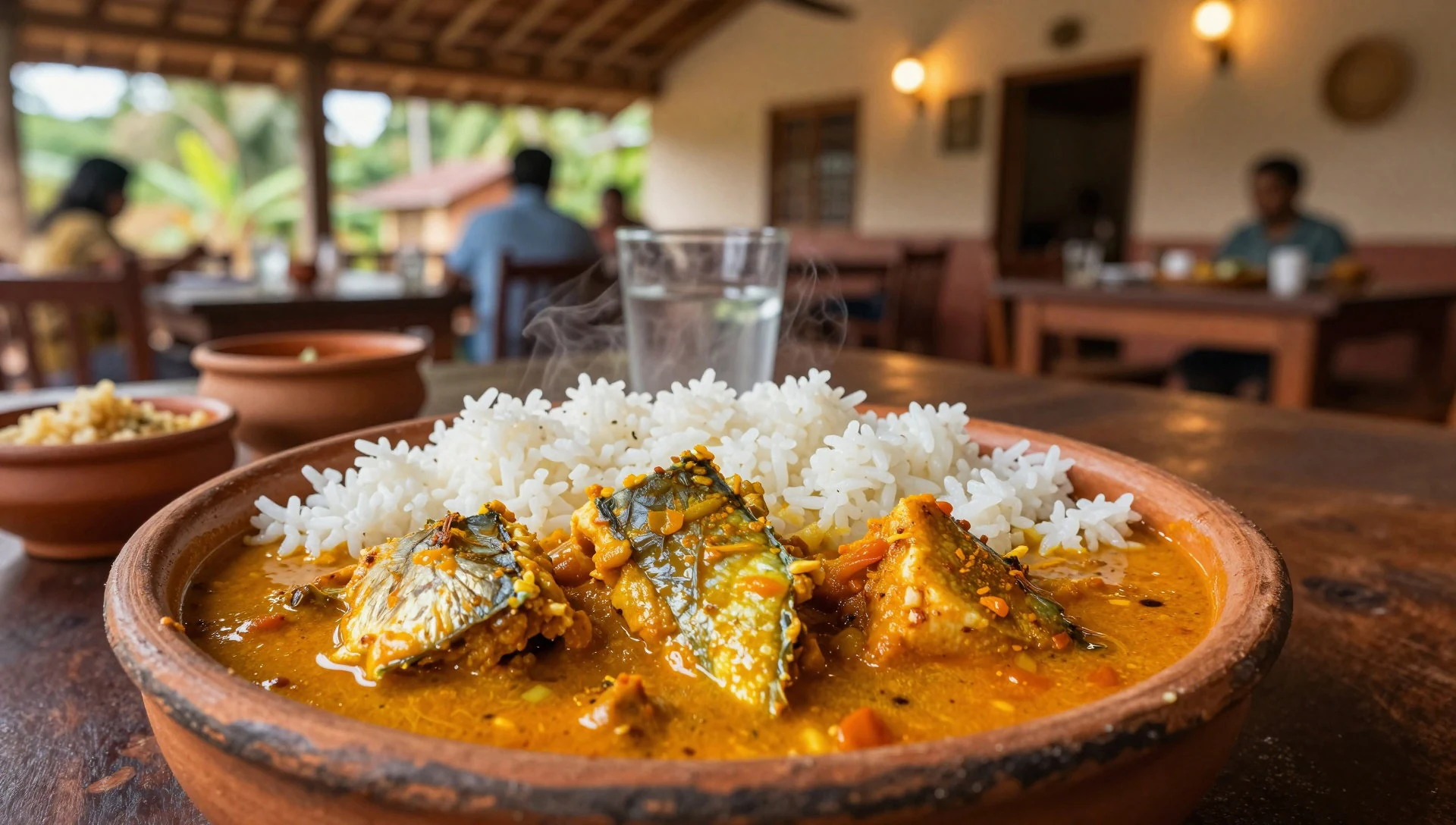
- Xacuti — Highway roadside restaurants
A fragrant, deeply spiced curry prepared with roasted coconut, poppy seeds, and dried chillies, usually cooked with chicken or mutton and enjoyed with local bread or rice.
- Bebinca — Ponda bakeries and markets
A traditional layered Goan dessert made from egg yolks, coconut milk, sugar, and flour, baked slowly to create a rich, multi-tiered sweet treat.
- Local Thali — Eateries along National Highway 4-A
A balanced platter featuring a variety of small dishes including vegetable preparations, dal, pickles, papad, and fish curry served on a banana leaf or steel tray.
Plan it
Best time. November to February offers the most pleasant weather and drier trails after the monsoon rains have ended, while the hot, humid months from March to May and the monsoon months from June to September bring either uncomfortable heat or difficult, muddy forest conditions.
How long. 1–2
Getting there. Arrive by train at Collem station or by road via National Highway 4-A to Mollem, then continue to the forest gate by local transport or rugged 4WD vehicles.
Budget. mid
Tips
- Arrive early in the morning before ticket sales close in the afternoon
- Hire union-approved 4WD jeeps from Collem for the rough jungle track
- Carry sufficient cash as card facilities are limited near the park entrance
- Bring insect repellent and plenty of drinking water for the forest trail
- Wear sturdy footwear with good grip for walking over wet boulders
Etiquette
- Remove footwear before entering rural temples and sacred shrines
- Do not attempt to swim in the dangerous waters of Devil's Canyon
- Respect local wildlife and avoid feeding the resident monkeys
Nearby
Sources
- Wikidata Q37545 (CC0)
- Wikipedia (CC-BY-SA 4.0)
- Wikivoyage (CC-BY-SA 4.0)