Jodhpur
Jodhpur, India
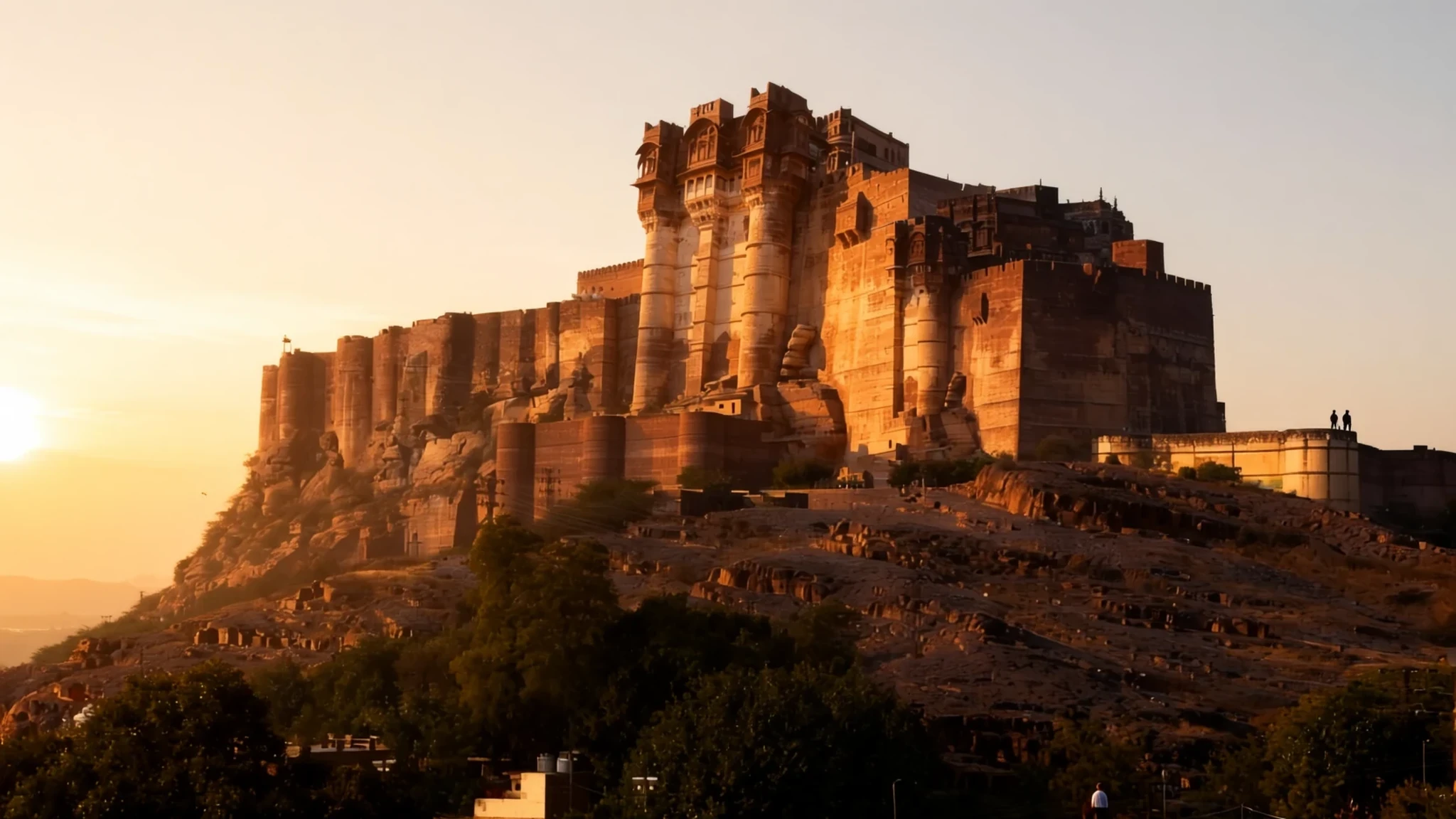
Jodhpur offers a mesmerizing maze of indigo-washed lanes beneath an immense desert fortress.
The place
Jodhpur sits in the stark, sun-baked landscape of the Thar Desert, acting as a gateway for travellers exploring the western reaches of Rajasthan. Known widely as the Blue City because of the striking indigo and turquoise paint that coats the houses of its old quarter, the urban layout is a dense labyrinth designed to keep out the fierce desert heat. The old town wraps tightly around the base of a massive rocky ridge, bounded by historic defensive walls pierced by several stone gates.
Climatically, Jodhpur experiences a hot desert regime with intensely high potential evaporation. The monsoon between June and September brings heavy rain and muggy air that makes the heat feel worse, while the surrounding environment remains arid and rugged. As a major administrative hub in the region, the city balances its bustling modern outer districts with the timeless rhythms of its historic core, where narrow alleys hum with trade, the clatter of auto-rickshaws, and the rich scents of street-side snacks. It serves as a practical and atmospheric base for travellers venturing deeper into the Thar Desert.
Its story
The history of the region surrounding Jodhpur stretches back through epic literature and ancient inscriptions. Early accounts mention various tribes and migrant groups inhabiting the area, while the Ghatiyala pillar inscription records early regional administration. Before the rise of the city itself, nearby Mandore served as the seat of local power under the Pratihara rulers, who eventually established marital alliances with the Rathore clan.
In the fifteenth century, a Rathore chief named Rao Jodha shifted his base from Mandore to a more defensible rocky hill nearby, founding Jodhpur in 1459. This strategic location along the vital trade route connecting Delhi to Gujarat allowed the new capital to flourish and expand. The rulers of Marwar navigated centuries of shifting imperial powers until the mid-twentieth century, when the last ruler signed the Instrument of Accession shortly before Indian independence, embedding the former kingdom into the modern state of Rajasthan.
What to see
- Mehrangarh Fort — Historic centre
This immense fortress commands the skyline from its high rocky perch, dominating the surrounding cityscape. Founded in the fifteenth century as the core of Rao Jodha's new capital, it evolved over subsequent generations into an architectural masterpiece of courtyards, palaces, and thick defensive ramparts overlooking the blue lanes below.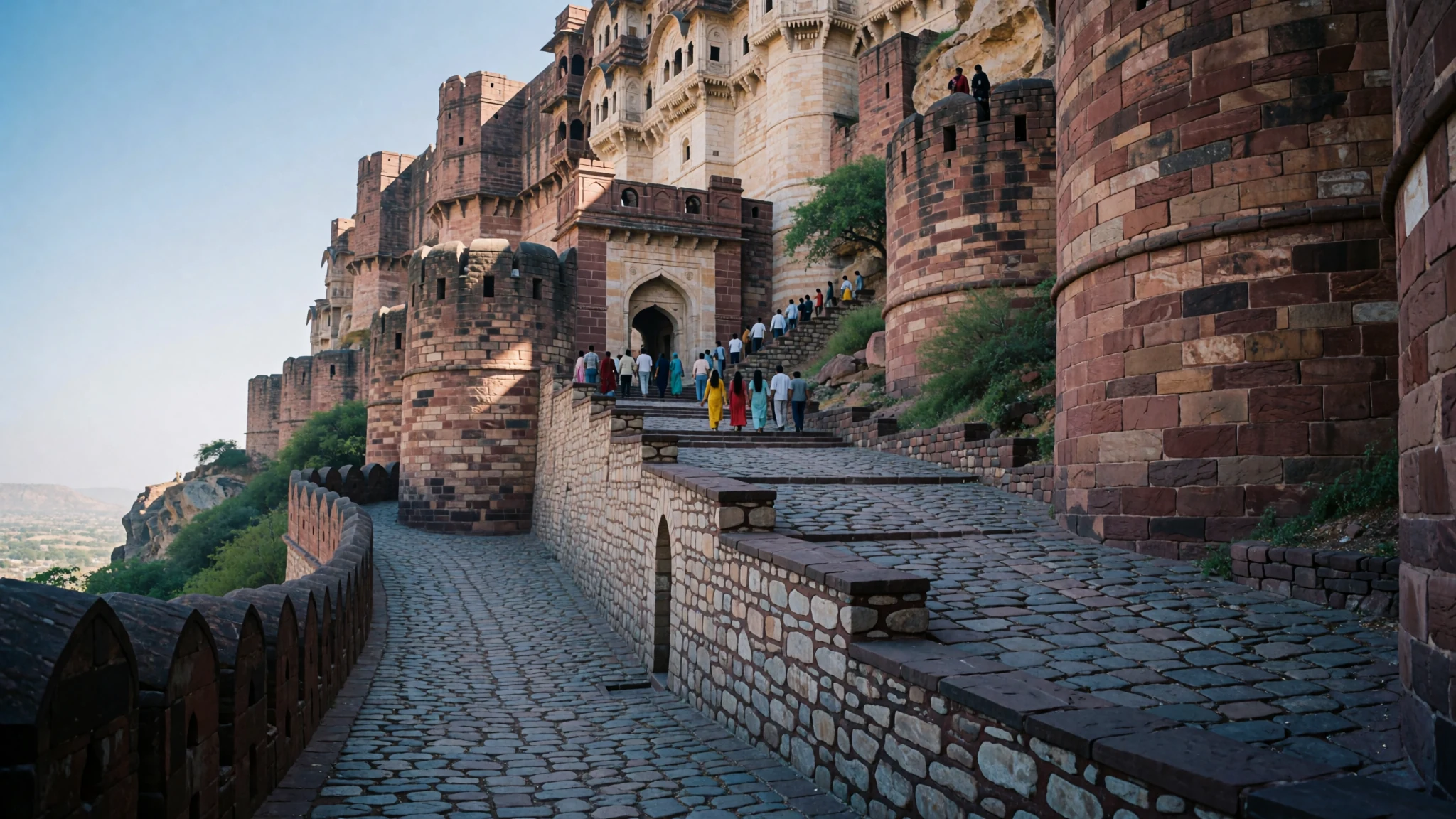
- Jaswant Thada — Near the fort
Built as a royal memorial in gleaming white marble, these ornate cenotaphs stand beside a tranquil desert lake frequented by birds. The terraced gardens and intricate stone fretwork offer a peaceful contrast to the bustling city streets, alongside sweeping vantage points looking back toward the neighbouring fort.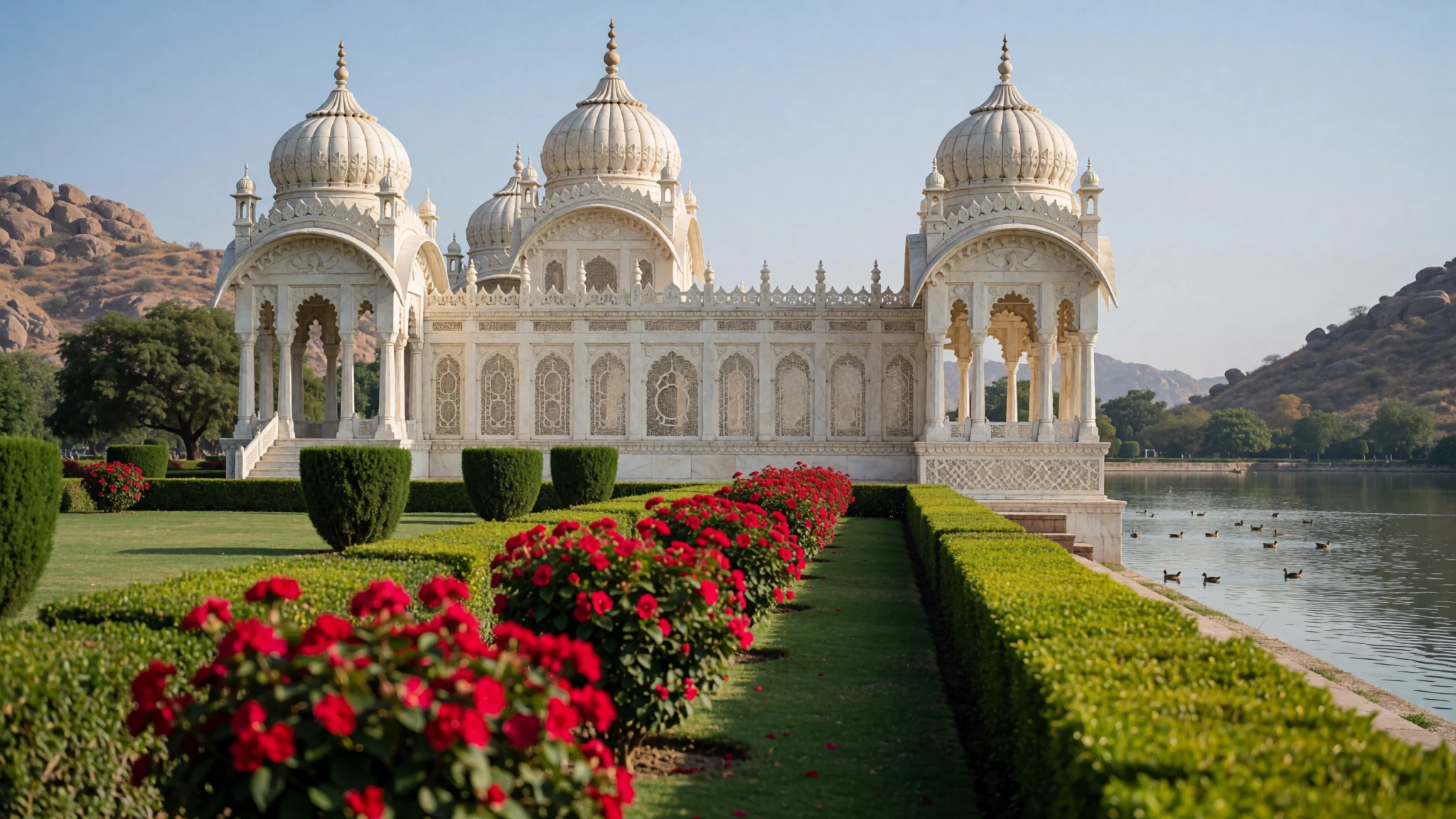
- Ghanta Ghar — Sardar Market
Standing proudly at the heart of the busy market area, this historic clock tower was built by Maharaja Sardar Singhji. At night, the stone structure is illuminated with colourful lights, marking the vibrant commercial pulse of the old town where spice sellers and textile merchants gather.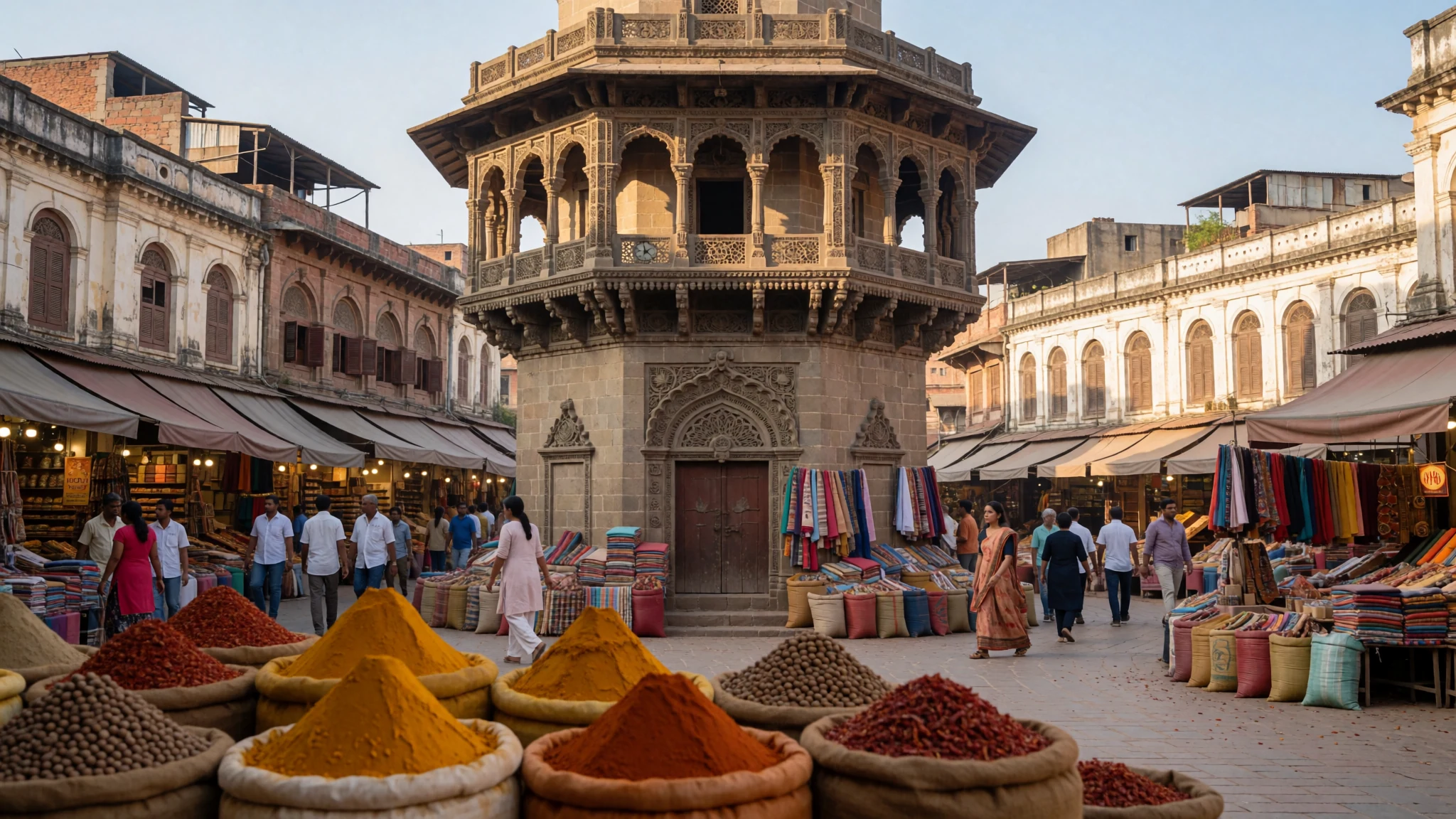
- Mandore Gardens — Mandore
Located just north of the modern city, this ancient capital of Marwar features weathered chhatris, rock-cut shrines, and manicured gardens. It provides a fascinating look at the dynastic heritage that predated the establishment of Jodhpur proper.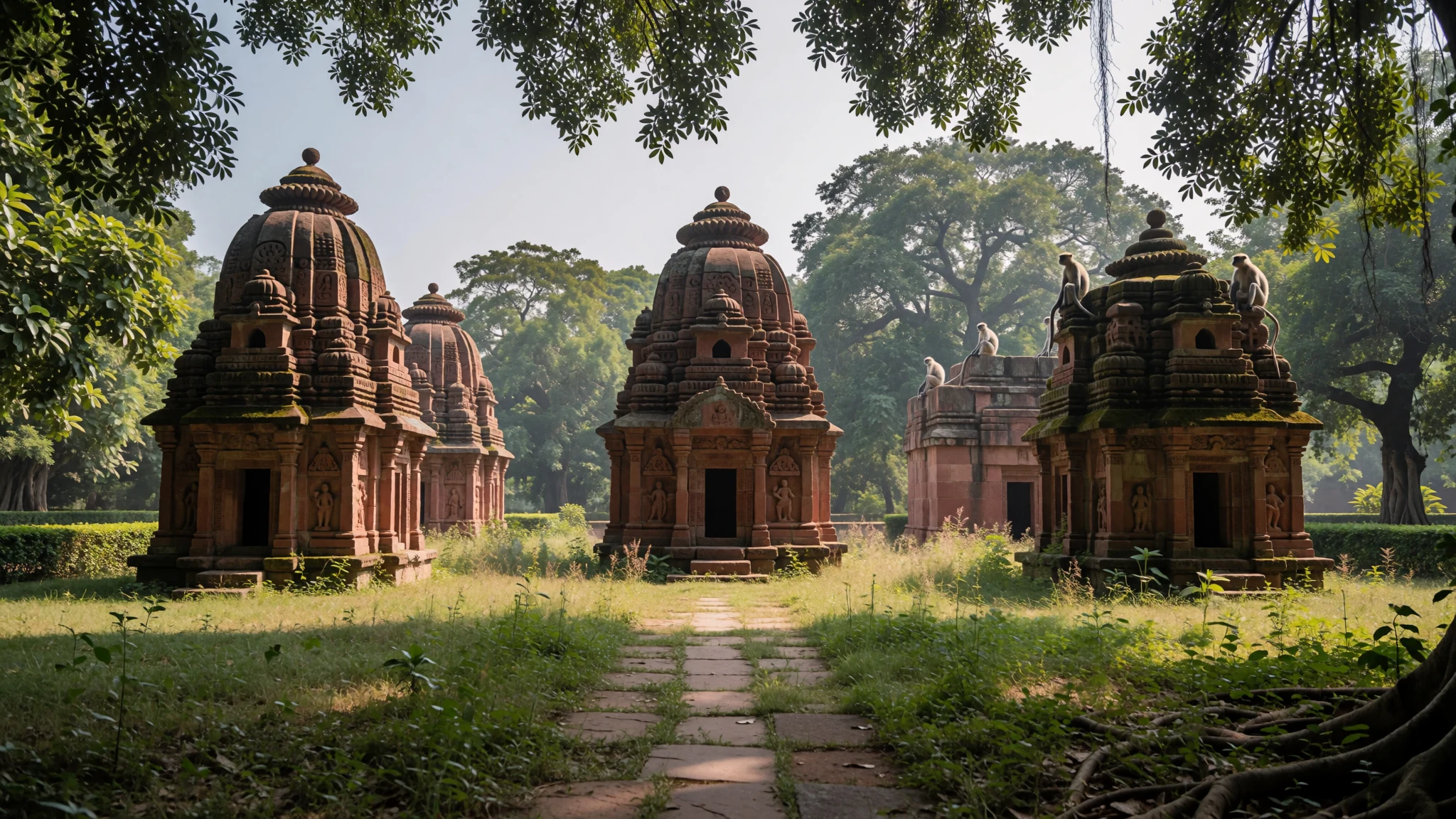
- Umaid Bhawan Palace — Southern district
Completed in the mid-twentieth century as one of the last grand palaces built in India, this expansive sandstone residence cuts an imposing figure to the south of the city, combining traditional Rajput aesthetics with Art Deco details.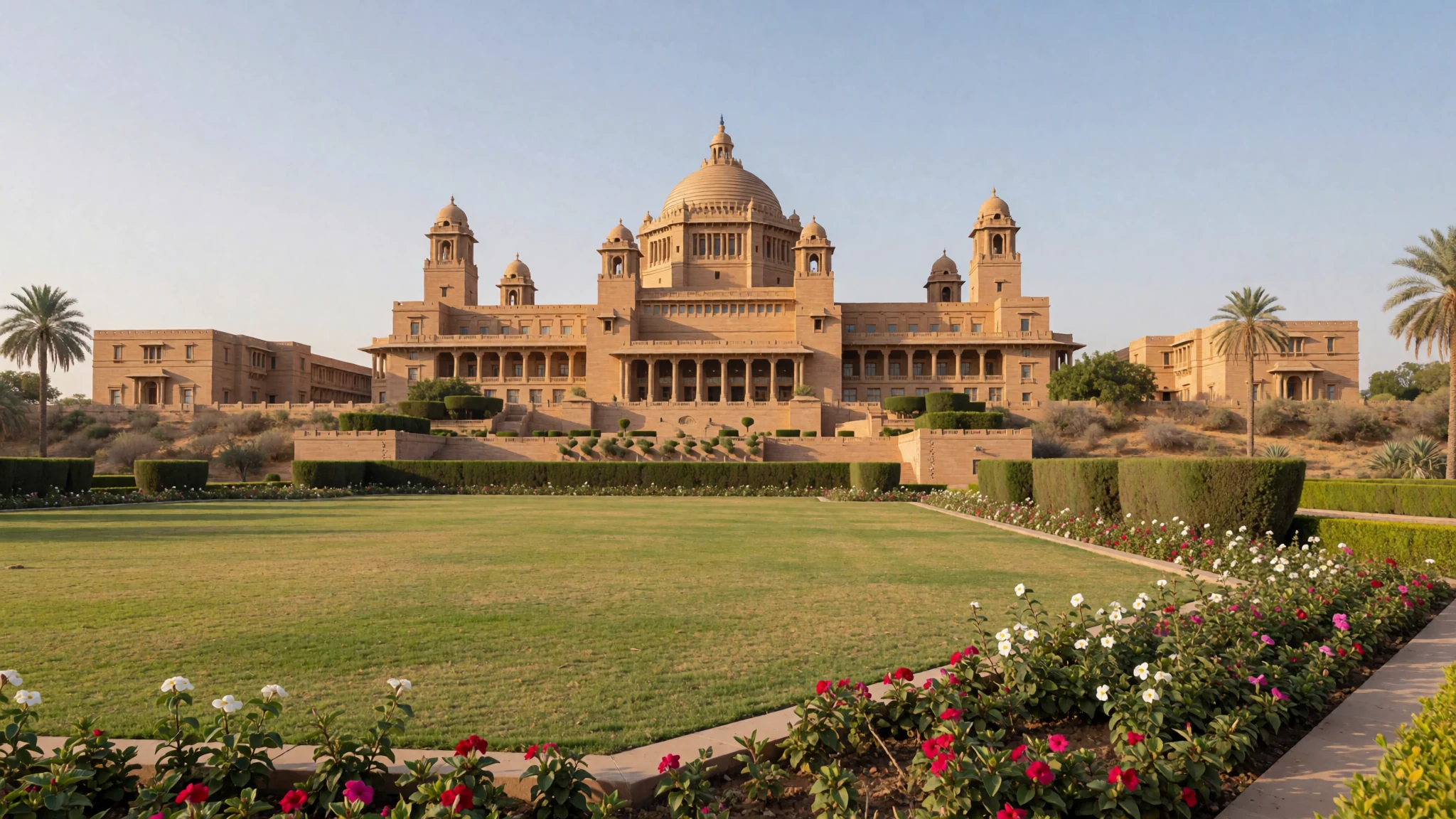
Culture
Culturally referred to by locals as Jodhana, the city possesses a fiercely preserved identity rooted in the traditions of the Marwar region and the shifting sands of the Thar Desert. Nomadic communities such as the Banjara have historically settled in parts of the city, contributing to its distinct folk music and craft traditions. Culinary culture is a point of immense local pride; sweet shops carrying the name Jodhpur Sweets can be found across India, reflecting the city's legendary status for rich, syrup-laden confections and fiery street snacks. Visitors navigating the narrow lanes will encounter a society deeply tied to its historical lineages, family-run textile workshops, and daily temple rituals. Dress modestly with shoulders and knees covered when entering places of worship or traditional residential quarters.
What to wear
Traditional attire in Jodhpur reflects its royal desert heritage. Men often wear traditional safa turbans—distinctly tied and dyed in vibrant shades of red, pink, or saffron—alongside cotton kurtas and dhotis or tight-fitting churidar trousers. Women traditionally don brightly coloured ghagra cholis and odhnis embellished with intricate mirror work, bandhani tie-dye, and block printing originating from local artisan communities.
In daily modern life, younger generations and urban residents lean towards contemporary western or casual Indian clothing, though traditional textiles remain ubiquitous in the markets. For travellers exploring the dusty, uneven streets of the old town, lightweight, breathable cotton or linen clothing is essential to cope with the desert heat. Comfortable walking shoes are a must for navigating steep stone steps, uneven alleys, and gravel pathways around the forts and water reservoirs.
What to eat
- Mirchi Bada — Sardar Market stalls
A fiery Marwari street snack made by stuffing large green chillies with a spiced potato mixture, dipping them in gram flour batter, and deep-frying until golden and crisp. Best enjoyed hot from street-side stalls near the old market gates.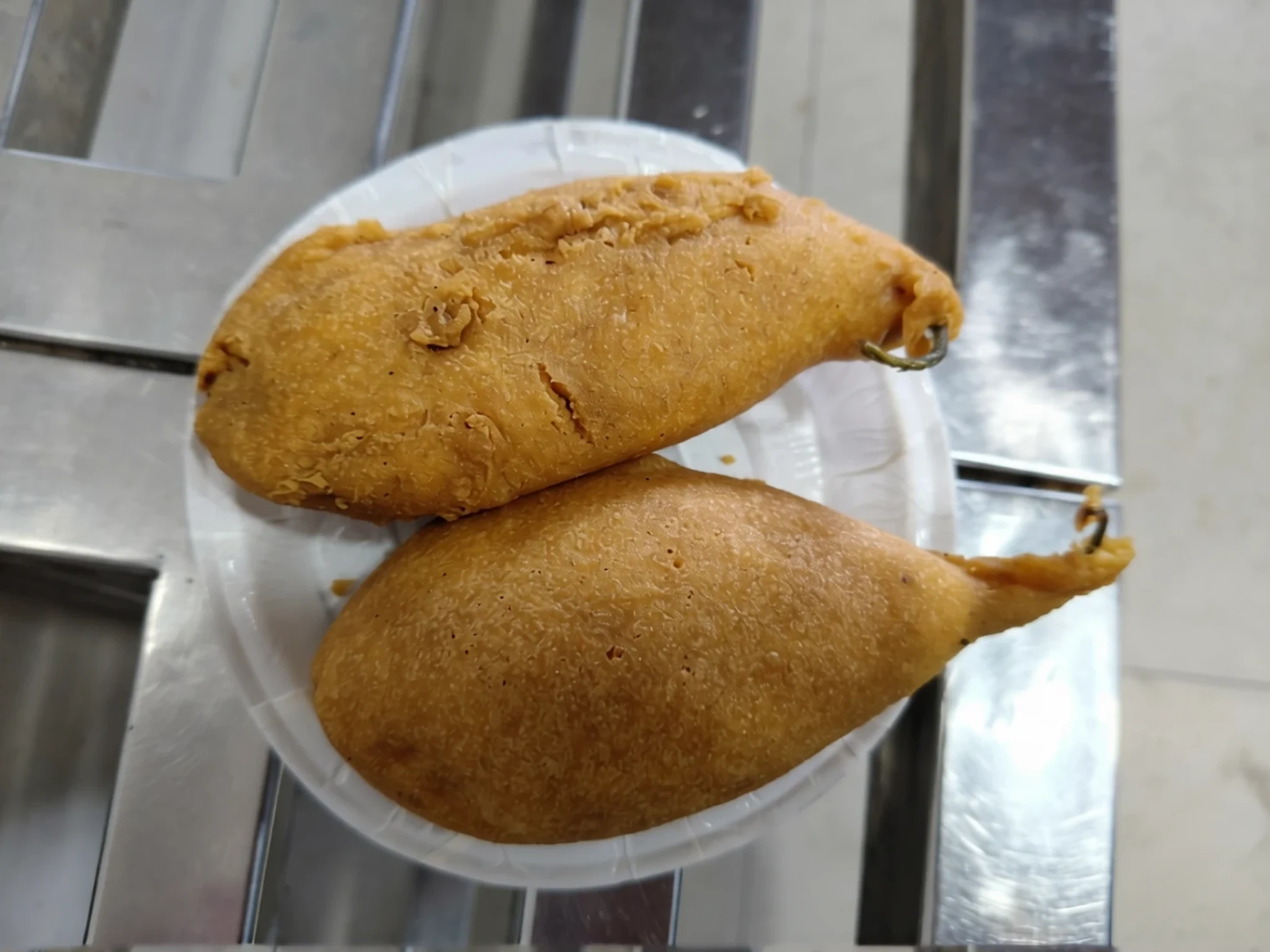
- Rabdi Ghewar — Shandar Sweet Home
A celebratory honeycomb-textured sweet disc made from refined flour and ghee, soaked in sugar syrup and topped with rich, thickened sweetened milk and chopped nuts. Widely available in traditional sweet shops throughout the old city.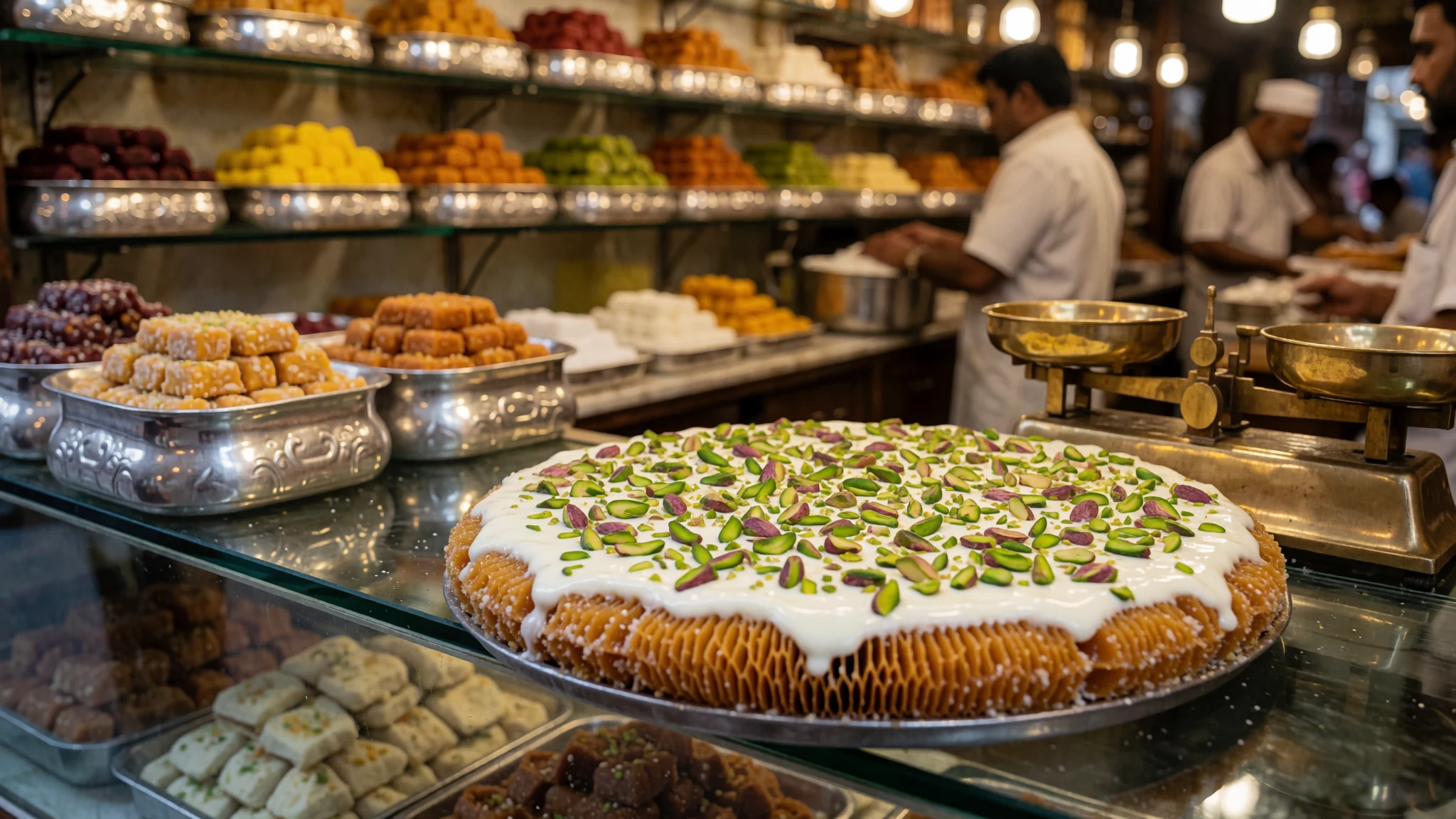
- Mawa Kachori — Chaturbhuj Ramesh Chandra Sweets
A decadent pastry stuffed with a rich filling of sweetened dried whole milk and nuts, deep-fried and then dipped in warm sugar syrup. It is a legendary local specialty found across heritage confectioners. - Gulab Jamun ki Sabji — Pokar Sweets
An unusual and inventive local savoury dish featuring un-sweetened fried gulab jamun dumplings cooked in a rich, spiced tomato and onion gravy. A unique culinary curiosity best sampled at local family-run eateries. - Kabuli — Shandar Sweet Home
A fragrant, layered rice dish featuring dried fruits, nuts, and aromatic spices, offering a subtly sweet and savoury taste profile rooted in the royal kitchens of Marwar.
Plan it
Best time. November to February offers pleasant daytime temperatures and cooler desert evenings, making it ideal for sightseeing without the searing heat of summer.
How long. 2–3
Getting there. Well connected by rail and road to major Indian cities. Trains arrive directly from Delhi, Mumbai, Jaipur, and Agra at Jodhpur Junction, where auto-rickshaws and taxis wait outside.
Budget. mid
Tips
- Arrive at Mehrangarh Fort early in the morning to beat the midday heat and crowds.
- Carry cash for small purchases in the old bazaars where card machines are scarce.
- Drink plenty of bottled water and protect yourself against the strong desert sun.
- Book candlelit terrace restaurants ahead of time for evening views over the illuminated fort.
Etiquette
- Always remove your shoes before entering temples or private homes.
- Ask permission before photographing local residents in the narrow old lanes.
Nearby
Sources
- Wikidata Q200019 (CC0)
- Wikipedia (rev 1382723537) (CC BY-SA 4.0)
- Wikivoyage (rev 5405915) (CC BY-SA 4.0)