Jim Jim Falls
Jim Jim Falls, Australia
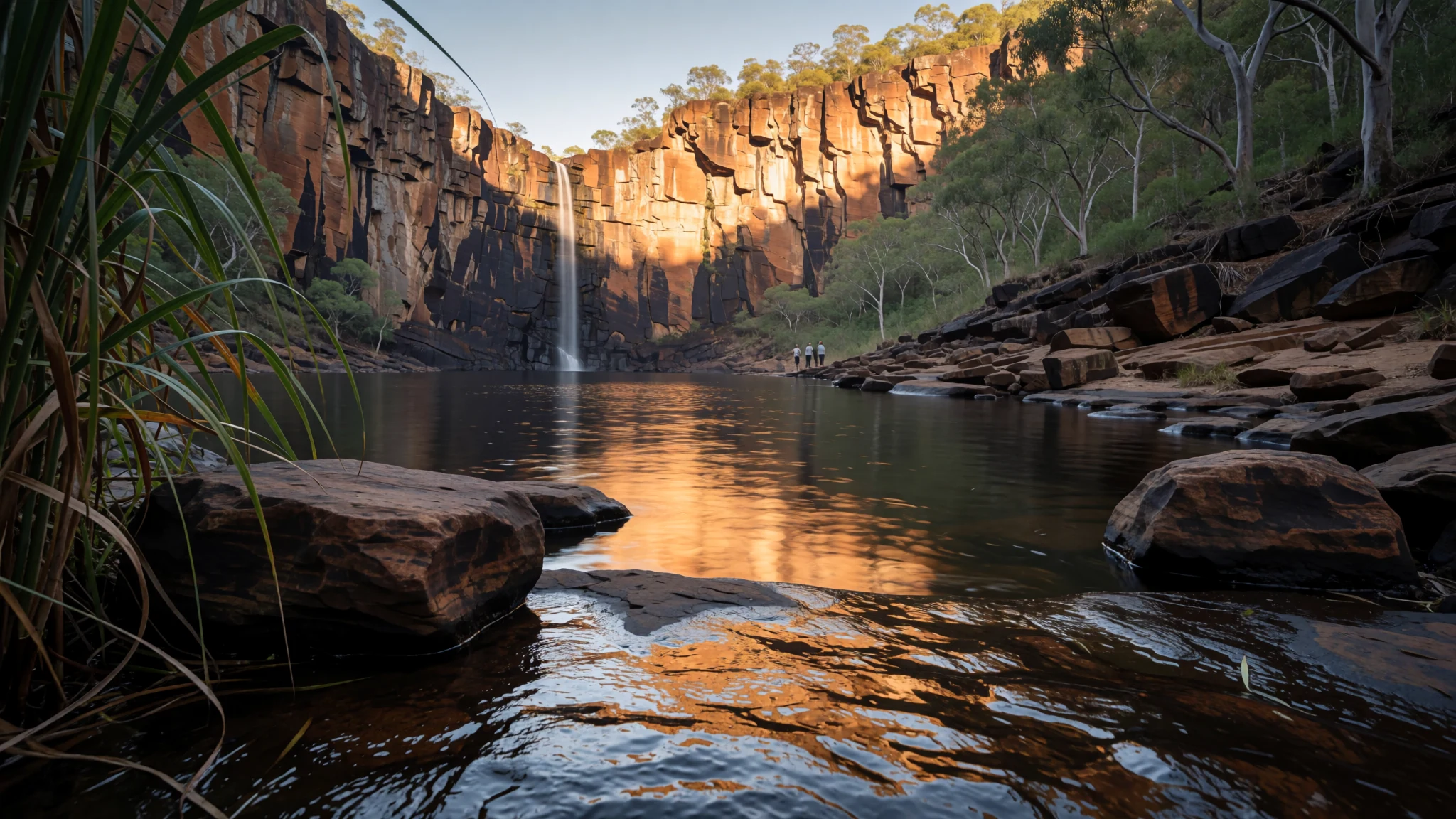
A plunge waterfall in Kakadu National Park, reached only by a dry-season track and often seen from the air.
The place
Jim Jim Falls is a plunge waterfall on Jim Jim Creek in the Northern Territory of Australia, inside Kakadu National Park, a World Heritage-listed park in the country's tropical north. The water drops from the edge of the Arnhem Land escarpment, starting at a height of 259 metres above sea level, in one long fall of roughly 140 to 200 metres into a plunge pool in the creek. The falls lie near the eastern boundary of the park, about 28 kilometres south of Jabiru, the main town in the area. Reaching them depends almost entirely on the season. In the dry months a gravel road of about 60 kilometres leaves the Kakadu Highway, and its last 11 kilometres are passable only in a four-wheel drive. That same dry period is when the water often thins out or stops altogether, leaving a bare cliff face above a quiet pool. When the wet season arrives the road becomes impassable for any vehicle, and the falls are best seen from the air, often together with the nearby Twin Falls. The area is registered on the Australian National Heritage List and carries the traditional Aboriginal name Barrkmalam. Visitors come for a short walk, a look at the pool, and a sense of how this tropical landscape changes with the rains. Plan around the calendar rather than the day, because a trip in the wrong month can mean a dry cliff and a closed road.
Its story
Jim Jim Falls owes its shape to a much older coastline. About 140 million years ago, much of what is now Kakadu lay under a shallow sea. The steep wall that became the Arnhem Land escarpment was once a line of sea cliffs, while the land above it formed a flat plateau rising out of the water. As the sea withdrew, the plateau was left high and dry, and the escarpment became the edge of a tableland running a long way along the park's east side. Today that escarpment rises to 330 metres above the plains. Near Jim Jim it is almost vertical, while further north it steps down in ledges and isolated outliers. Creeks draining off the plateau have worked back into its rock over long periods, and at Jim Jim the water finds a single hard drop over the cliff, which is why the falls are a plunge rather than a cascade down many tiers. The place also has a human story far older than any written record. The name Barrkmalam belongs to the traditional owners, whose knowledge of this land runs back through many generations, and landowner-led tours are one of the best ways to hear about that connection today. Geology explains the cliff; the people explain what it means.
What to see
- Jim Jim Falls — Kakadu National Park, eastern boundary
Jim Jim Falls is the reason many people make the long drive into Kakadu. The water plunges from the top of the escarpment in one drop into a pool framed by sheer rock. The full fall needs wet-season water, but the wet season also closes the road, so many people see it from the air. In the dry season the cliff can look bare, so check conditions first.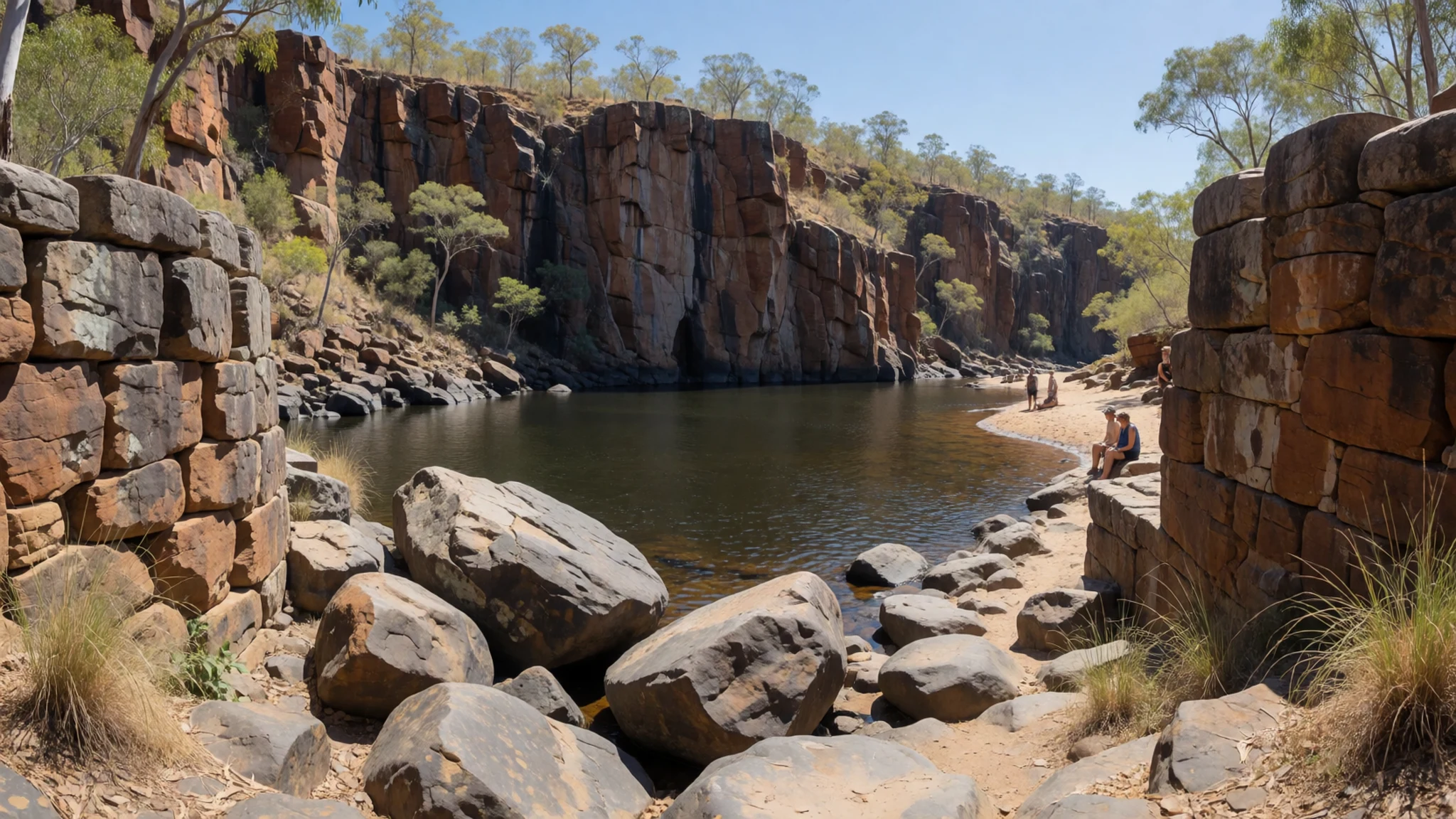
- Arnhem Land escarpment — Eastern Kakadu, running north into Arnhem Land
The escarpment is the long rock wall that gives this part of Kakadu its character. It rises to 330 metres above the surrounding plains and runs along the eastern side of the park into Arnhem Land. Near the falls it is almost vertical, while further north it breaks into stepped cliffs and isolated outliers. Walking along its base, you can read the layers that record its ancient sea-cliff origins.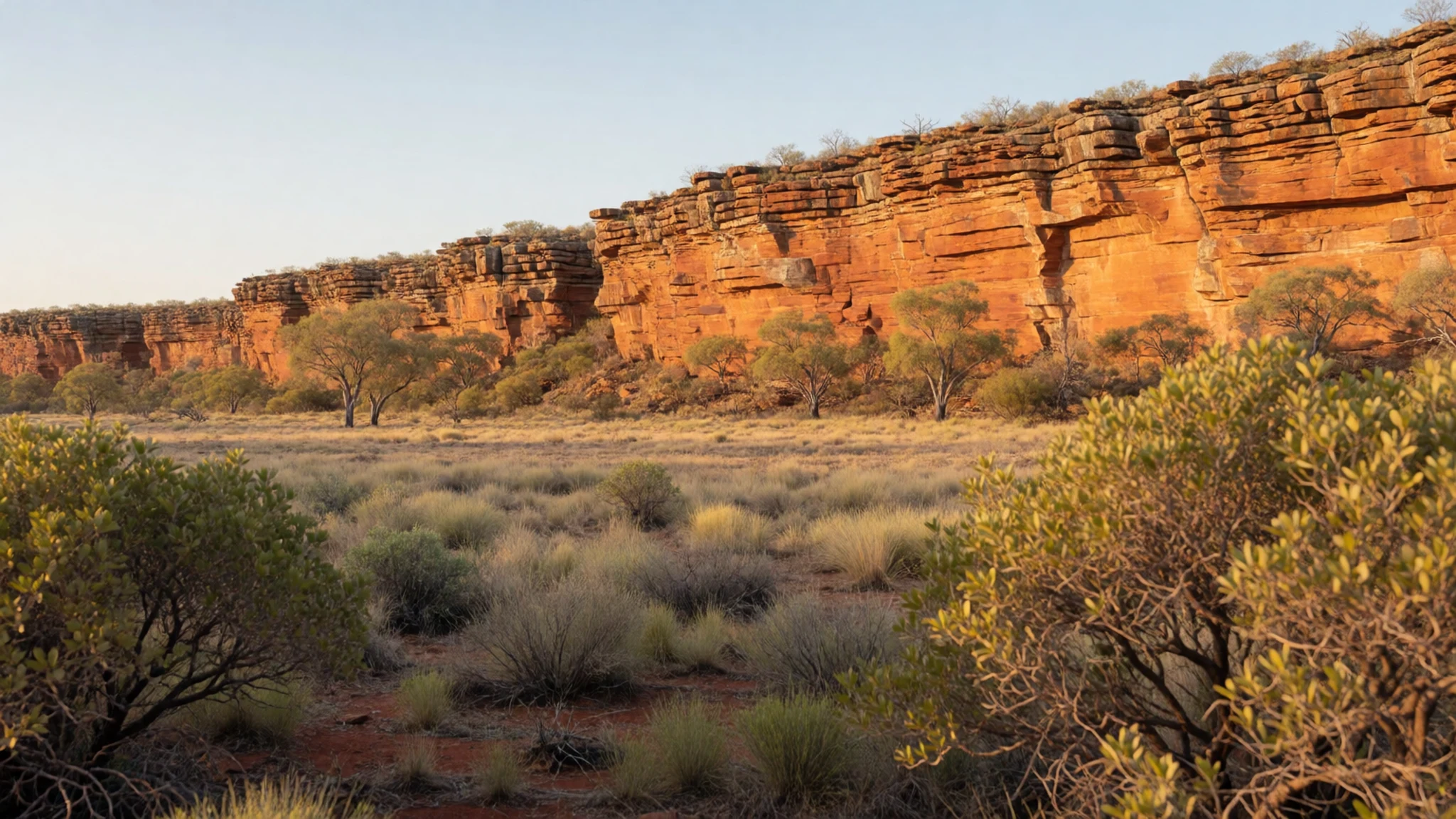
- Museum and Art Gallery of the Northern Territory — Darwin city centre
The Museum and Art Gallery of the Northern Territory in Darwin is the best single stop for context before or after your trip. Its collections include material culture and art from Aboriginal peoples, visual arts, crafts, and works from Southeast Asia and Oceania, alongside maritime archaeology, Territory history and natural sciences. Allow a few hours. It shows how the region's landscapes, peoples and trade links fit together, which makes the falls easier to understand.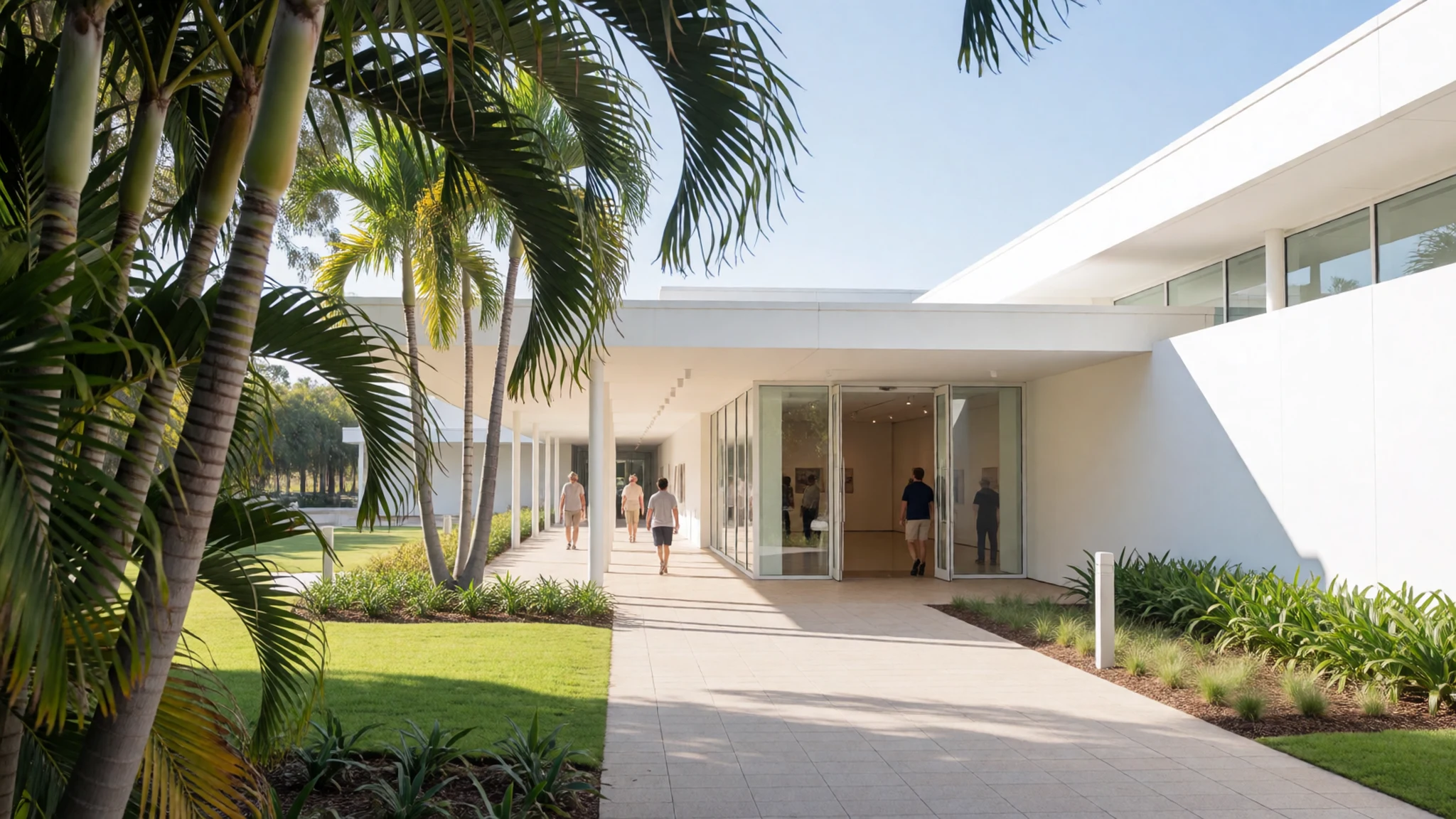
- Fannie Bay Gaol — Fannie Bay, Darwin
Fannie Bay Gaol operated as Darwin's major prison for almost a century, and its grim history is still felt as you walk through. The cells, the yards and the sense of confinement make a sober contrast to the relaxed city outside. It works well as a short visit on a day in Darwin, either before or after the drive into Kakadu.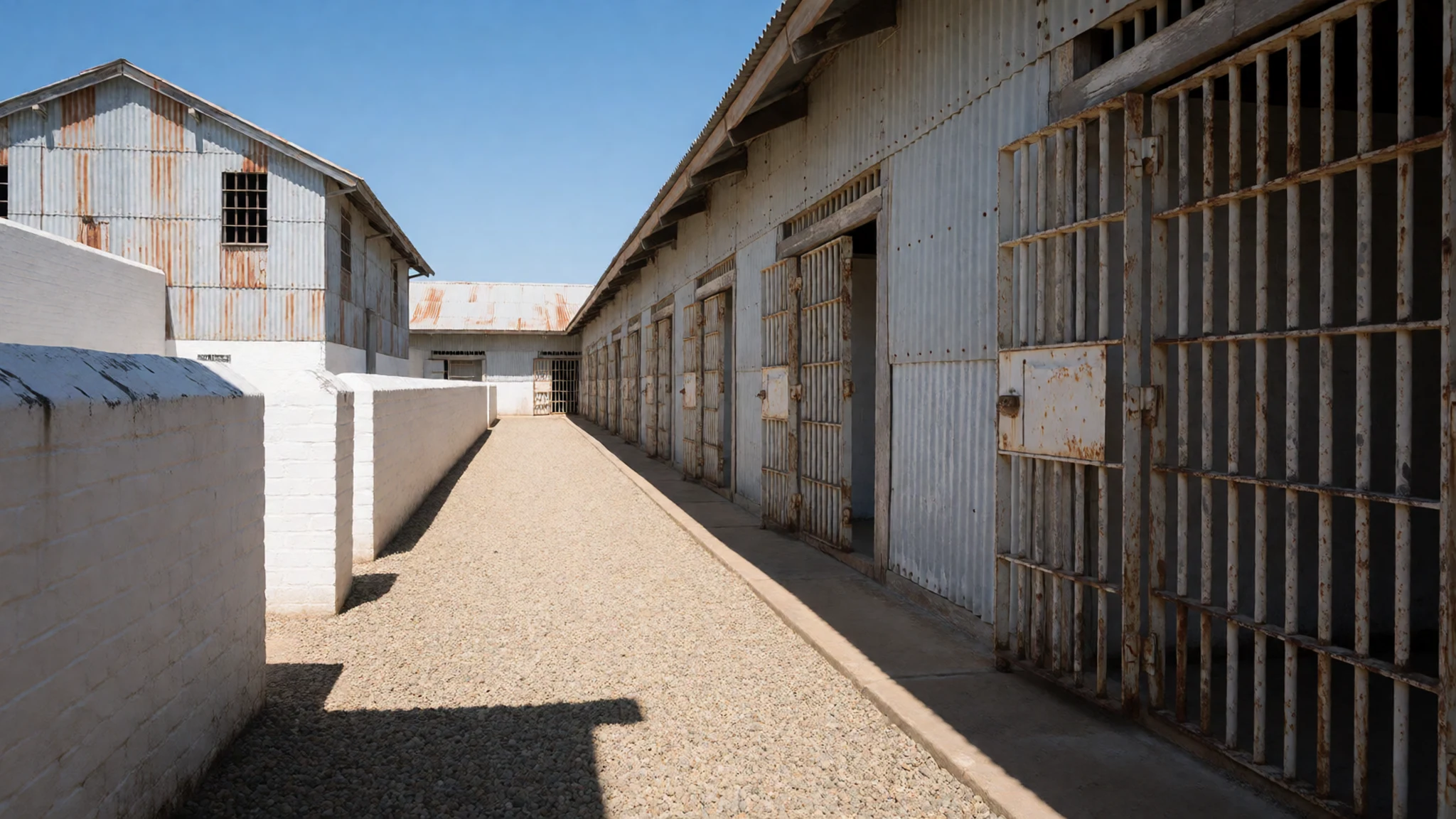
- Crocodylus Park — Berrimah, a short distance from Darwin
Crocodylus Park in Berrimah, a short drive from Darwin, is the easiest way to meet the Territory's saltwater crocodiles at close range. The park keeps large reptiles in enclosures and is a useful reminder of what lives in the rivers and billabongs of the Top End. Go in the cooler part of the day, and take the handrails and signs as seriously as the animals.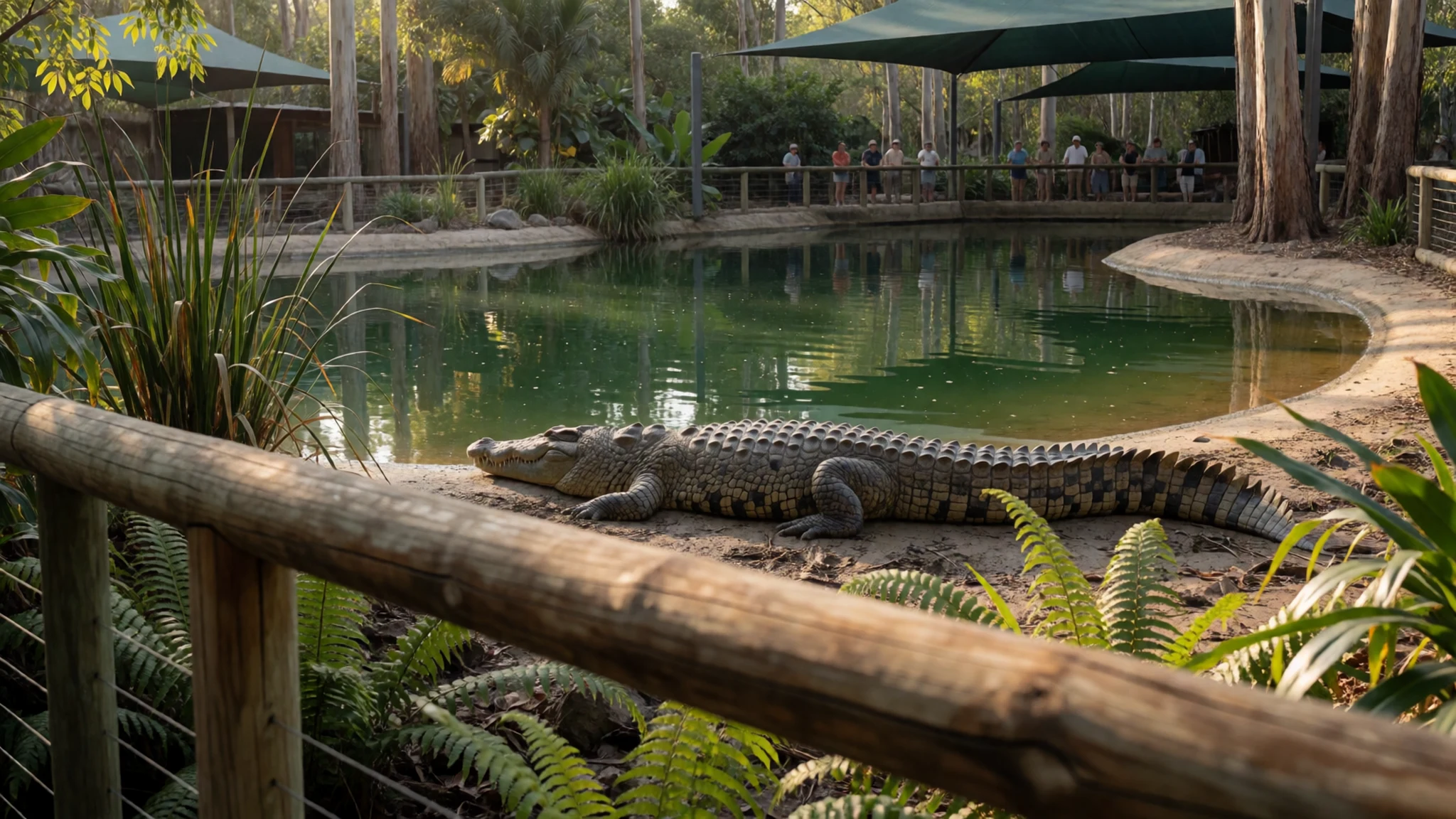
Culture
Jim Jim Falls lies inside Kakadu National Park, on land that the traditional owners know as Barrkmalam, and that connection shapes how visitors should behave. Many of the richest insights come from tours led by landowners, who share dreamtime stories, bush food knowledge and art, so choose that kind of guide when you can. The Northern Territory is wide open country, and people in small towns are friendly and keen to talk, with outback pubs forming a real part of local social life. Rules on drinking in public vary from area to area, so ask locally before opening a bottle outdoors. Photographing people needs their permission, and sacred sites are not places for casual snaps. Stay out of creeks and the plunge pool unless local guidance says the water is safe, because saltwater crocodiles live in these waters.
What to wear
Jim Jim Falls is reached by rough tracks in a hot, humid tropical climate, so clothing is mostly about sun, insects and rocky ground. The traditional dress of Aboriginal people in this region is not something this guide can describe in detail, since it varies among the many language groups and communities of the Top End. Art and craft, particularly painting, are central to local identity, and a landowner-led tour is the best way to learn how clothing, body decoration and ceremony fit together. Day to day, people across the Northern Territory wear light cotton and linen, shorts and T-shirts in Darwin, and sturdy boots or work clothes on the road. Visitors should pack loose, long-sleeved shirts in quick-drying cotton or nylon, long trousers for walking through grass and against insects, a wide-brimmed hat, and closed shoes with grip for wet rock and gravel. Swimwear is fine at the pool where swimming is allowed, but cover up when you visit towns and any community you are invited into.
What to eat
- Parap market stalls — The Parap markets, Darwin
Parap is the place to eat cheaply in Darwin, with stalls offering Chinese, Mexican and gourmet food cooked on the spot. Go hungry and graze your way along the rows, sharing plates as you go. It makes a good first or last meal before or after the drive to Kakadu.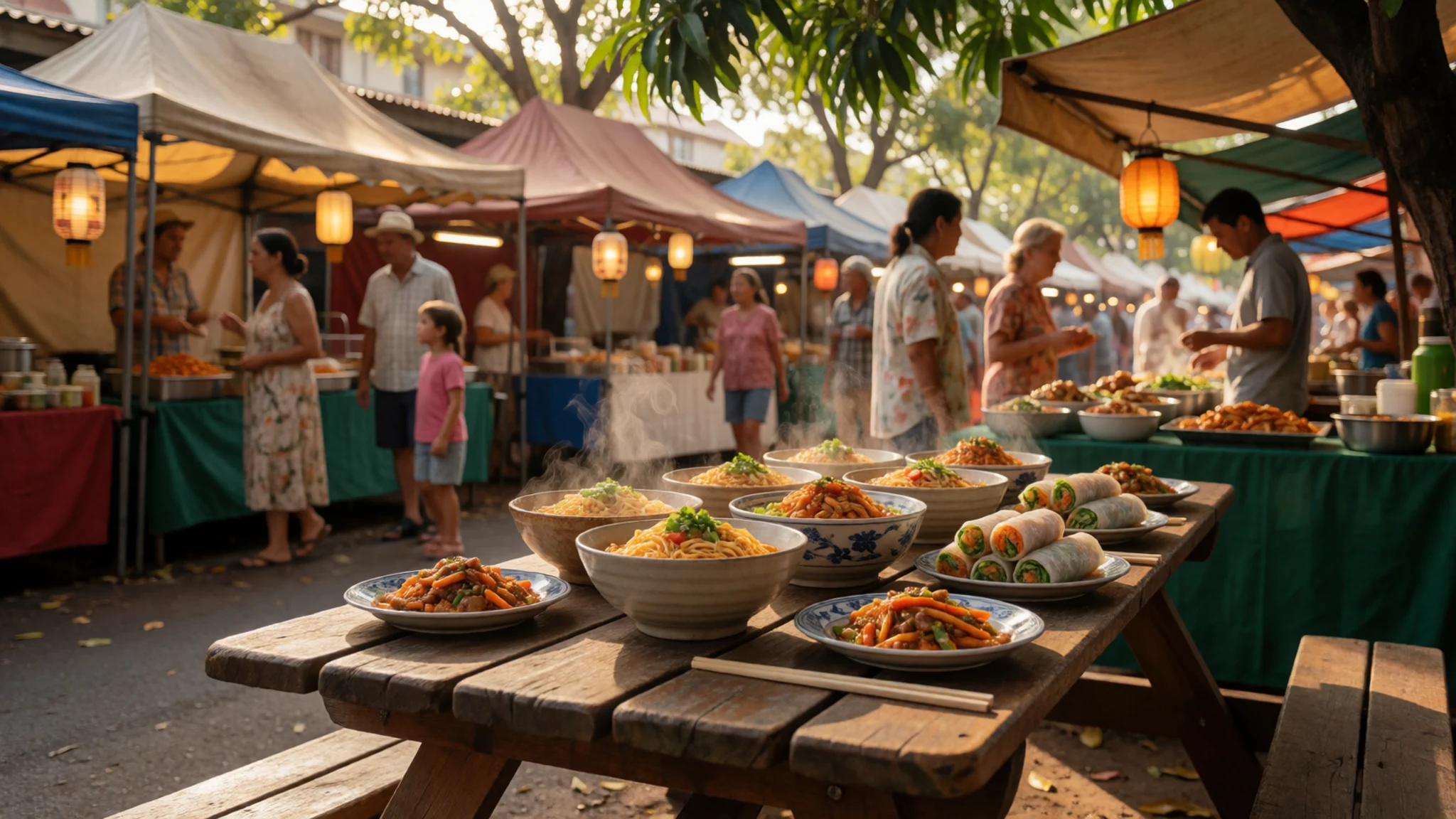
- Barramundi at Cullen Bay — Cullen Bay seafood restaurants, Darwin harbour
Cullen Bay in Darwin has a run of seafood restaurants with wide harbour views. Barramundi, the fish that anglers chase in the Territory's rivers and estuaries, is a common choice on the menu. Sunset is the time to sit outside, so ask for a table with a view of the water.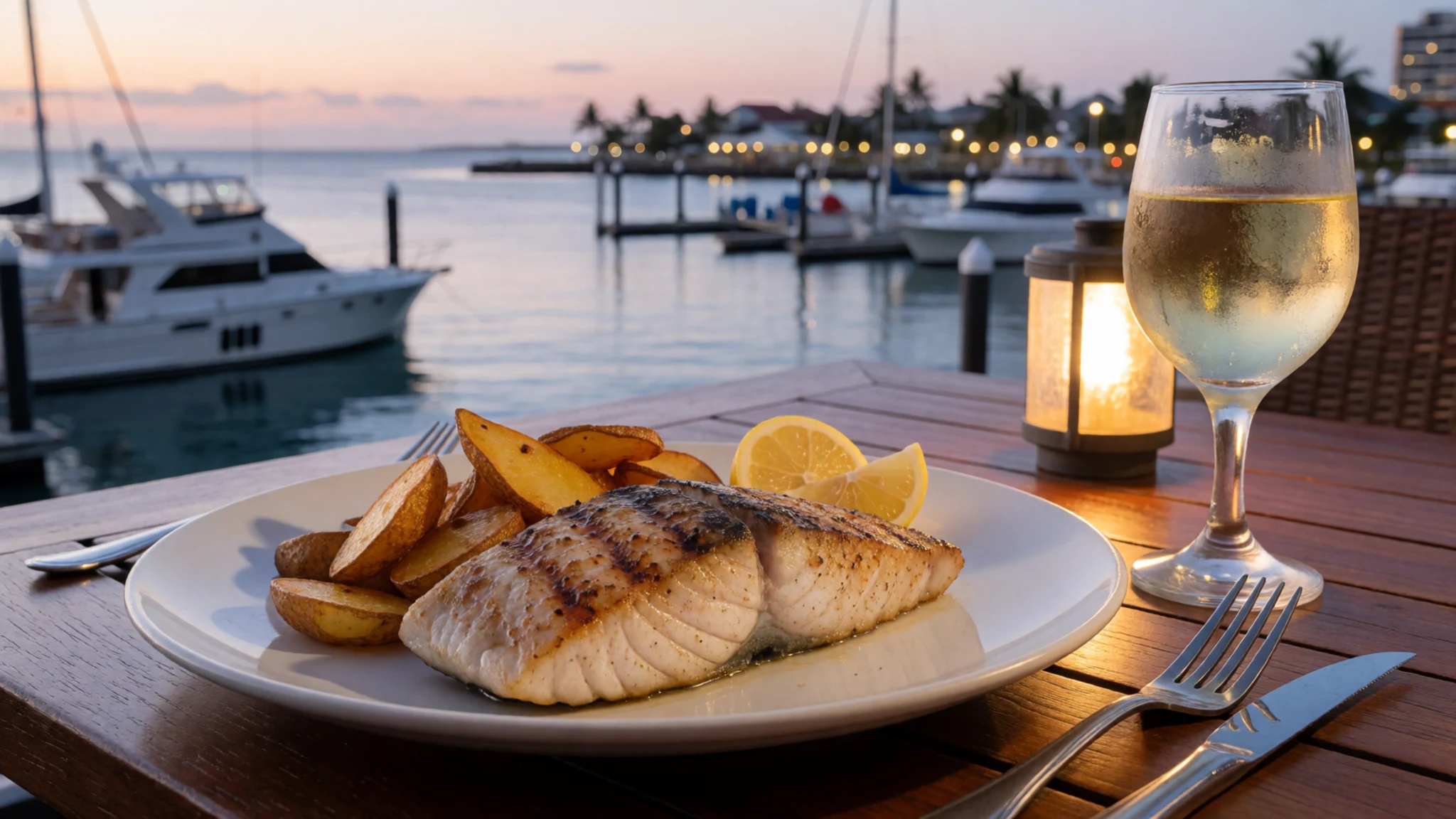
- Takeaway at Stokes Hill Wharf — Stokes Hill Wharf, Darwin
Stokes Hill Wharf is the answer if you want picnic-style takeaway food near the water in Darwin. Pick something up and eat it on the wharf, watching the boats and the tide. It is a relaxed, low-fuss lunch that suits a day of sightseeing around the harbour. - Bush tucker on a landowner-led tour — Landowner-led tours in Kakadu National Park
Bush tucker is the food traditionally gathered and prepared by Aboriginal people in the tropical north. Landowner-led tours in Kakadu can introduce you to local plants, fruits and the ways they were used. Ask the guide what is in season and what is safe to eat, and never pick a plant you have not been shown. - Basic meals at Kakadu rest stops — Rest stops and park museums around Kakadu
Kakadu has few places to eat, so food is simple. Rest stops and park museums along the main roads offer basic meals and snacks, which is the practical choice on a day trip out to the falls. Pack extra water, because services are far apart and the heat is strong.
Plan it
Best time. The early dry season, roughly May and June, is the practical compromise: the road is usually open and some water may still be running. The wet season, roughly November to April, brings the strongest flow but closes the road to any vehicle. The deep dry season, roughly July to October, is often too dry for the falls to run. Confirm current conditions with the park before you set off.
How long. 2–3
Getting there. Fly into Darwin, which has domestic flights from the state capitals and international links from Singapore, Denpasar and Dili, then drive into Kakadu National Park. The falls lie about 28 kilometres south of Jabiru, reached on a gravel road of about 60 kilometres from the Kakadu Highway.
Budget. mid
Tips
- Check road and waterfall status with the park before you go, since the falls can dry up and the road can close.
- In the dry season, use a four-wheel drive for the last 11 kilometres of gravel track.
- Start early, both for the drive and for cooler walking before the heat builds.
- Carry all your own water and food, since services are few and fuel stops can be far apart.
- Mobile coverage is limited outside the regional centres, so tell someone your plans.
- Carry some cash for remote stops, where card payment may not work.
Etiquette
- Stay on marked tracks and follow signs near the cliff edge and the pool.
- Do not swim in creeks or pools without local advice, because saltwater crocodiles live here.
- Ask before photographing people, especially at community sites.
- Take all your rubbish out with you.
Nearby
Sources
- Wikidata Q1525596 (CC0)
- Wikipedia: Jim Jim Falls (rev 1364197208) (CC BY-SA 4.0)
- Wikivoyage: Northern Territory (rev 5383968) (CC BY-SA 4.0)