Jeonju
Jeonju, South Korea
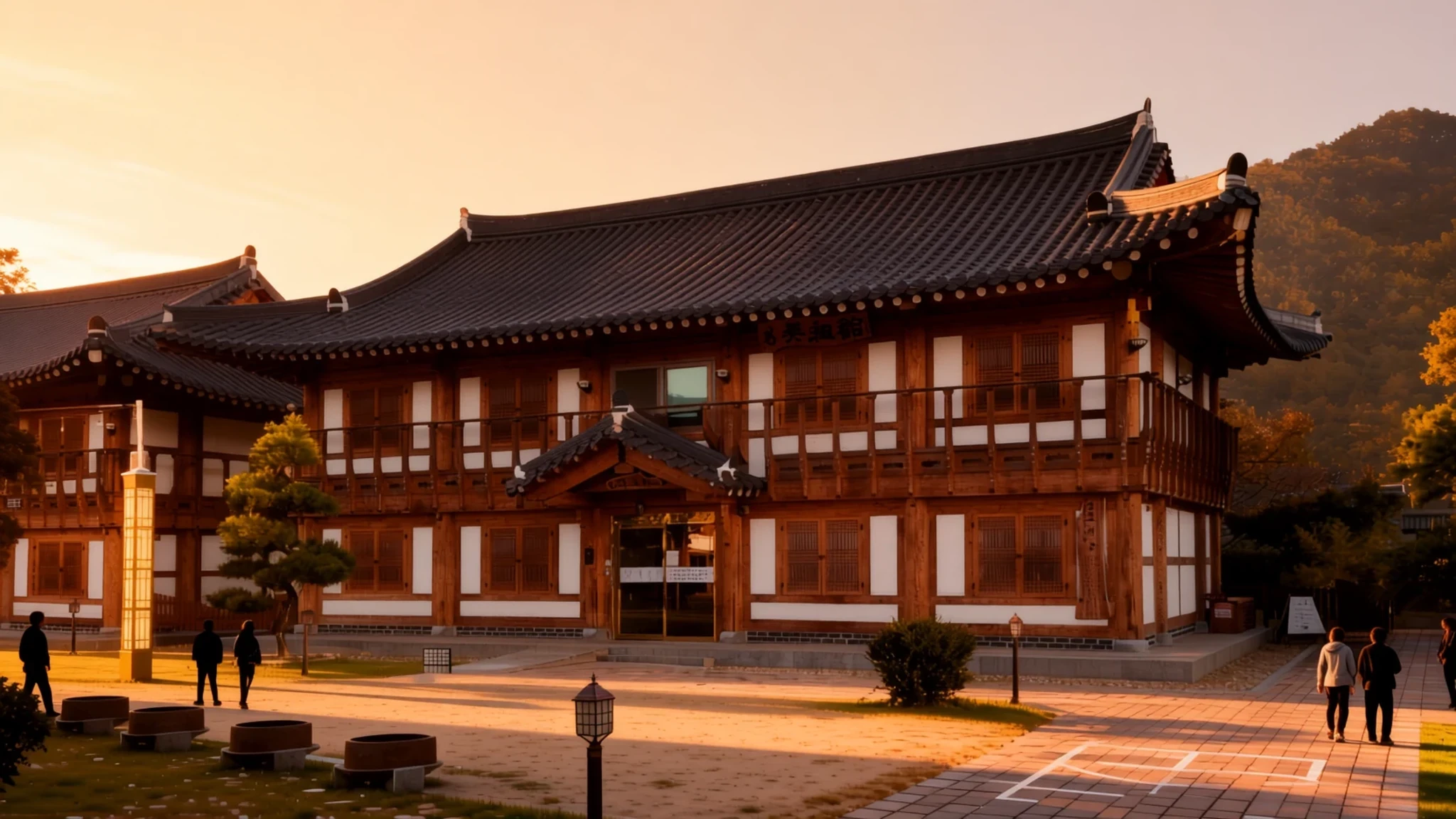
Korea's Creative City for Gastronomy, with a historic hanok village, a paper museum and a food culture you can eat your way through.
The place
Jeonju sits on a plain about 50 metres above sea level and serves as the capital of North Jeolla Province, with a population of around 340,000. It feels more like a large town than a metropolis. You can walk from the old quarter to the riverside in a morning, and within a few minutes the streets give way to fields and orchards. Wanju County almost entirely surrounds the city, and many people who live there commute in every day, so the boundary between urban and rural is soft.
What draws visitors is food and old buildings. Jeonju has a long reputation for home cooking handed down through families and markets. UNESCO's Creative Cities Network named it a Creative City for Gastronomy, recognising its traditional kitchens, its food research and its festivals. Many of the best meals are simple: rice with seasonal vegetables, bean sprout soup, griddle pancakes and cold buckwheat noodles.
The heart of the city is the Hanok Village, where hundreds of timber houses with tiled roofs stand in lanes behind low walls. Some are guesthouses, some are craft workshops and some are still family homes, so it is worth walking quietly and keeping to the paths. Beyond it, a hillside fortress, a paper museum and royal halls give the city more depth than a single attraction.
Expect a place that is busy at weekends and calmer on weekdays. Summers are hot and humid, and the monsoon rains arrive in the warm months, so spring and autumn suit a walking itinerary best.
Its story
Jeonju's recorded history begins in the Baekje kingdom, which controlled the south-west of the peninsula. Early on, the settlement was a market town within Baekje, a place where goods and people met. That changed when the rival kingdom of Silla conquered Baekje, and the town became one of Silla's provincial capitals. As Silla weakened, heavy taxes drove peasant revolts across the countryside, and Jeonju became the base of Gyeon Hwon, one of the strongest rebel leaders of the period.
Gyeon Hwon renamed the town Wansan and made it the capital of a revived Later Baekje kingdom. From there he attacked Silla, and his campaign ended with the Silla capital destroyed and the Silla king assassinated. The peninsula then became a contest between Gyeon Hwon and Wang Geon of the Goryeo kingdom. Wang Geon eventually invaded Later Baekje, and Jeonju surrendered to him.
Under Goryeo the city returned to being a provincial capital and enjoyed a period of stability and economic growth. Its markets and surrounding farmland kept it prosperous, and it remained an important regional centre.
Under the Joseon period, much of the timber architecture that visitors see today was built, including the hanok houses that still line the old quarter. The city's royal associations, including ceremonies held in halls honouring the king, reflect its standing as a centre of regional administration. Today the layered past is presented less as a museum display and more as a living continuity, and the national museum keeps relics from the Baekje days.
What to see
- Jeonju Hanok Village — Old town, Hanok Village
Described as the largest traditional hanok village in Korea, this neighbourhood holds hundreds of timber houses, many built during the Joseon period. Walk the lanes early, before tour groups arrive, step into a guesthouse or teahouse, and look for small workshops making paper, pottery and wooden items. Many houses are still lived in, so keep your voice low once you leave the main street.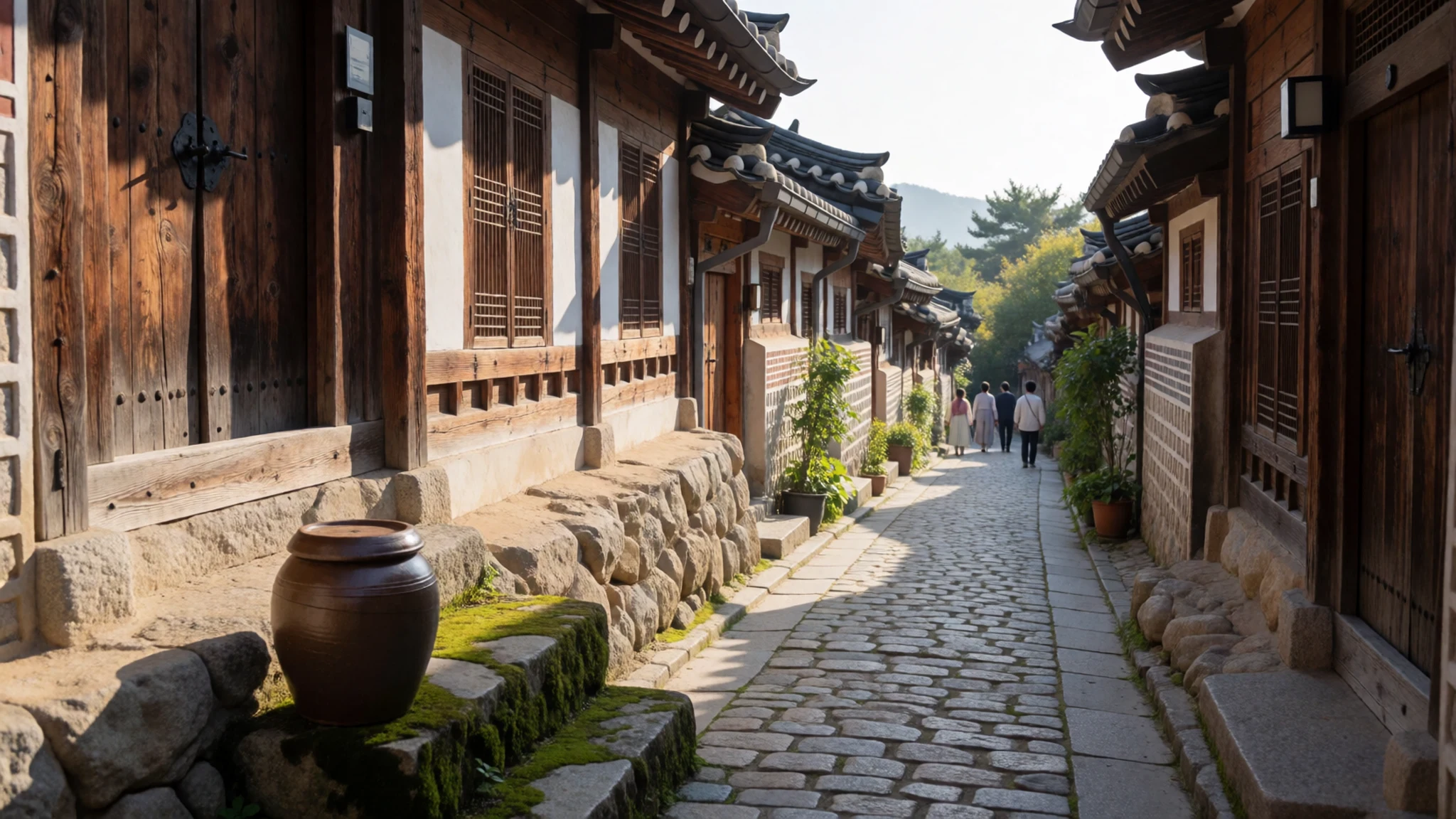
- DeokJin Park — Lakeside park in town
A lakeside park with a bridge across the pond and beds of changpo, the sweet flag herb. You can take a duck boat in daylight. In the evening, the bridge is lit and a musical fountain plays, which makes it a pleasant place to sit on a bench after a day of walking the old lanes.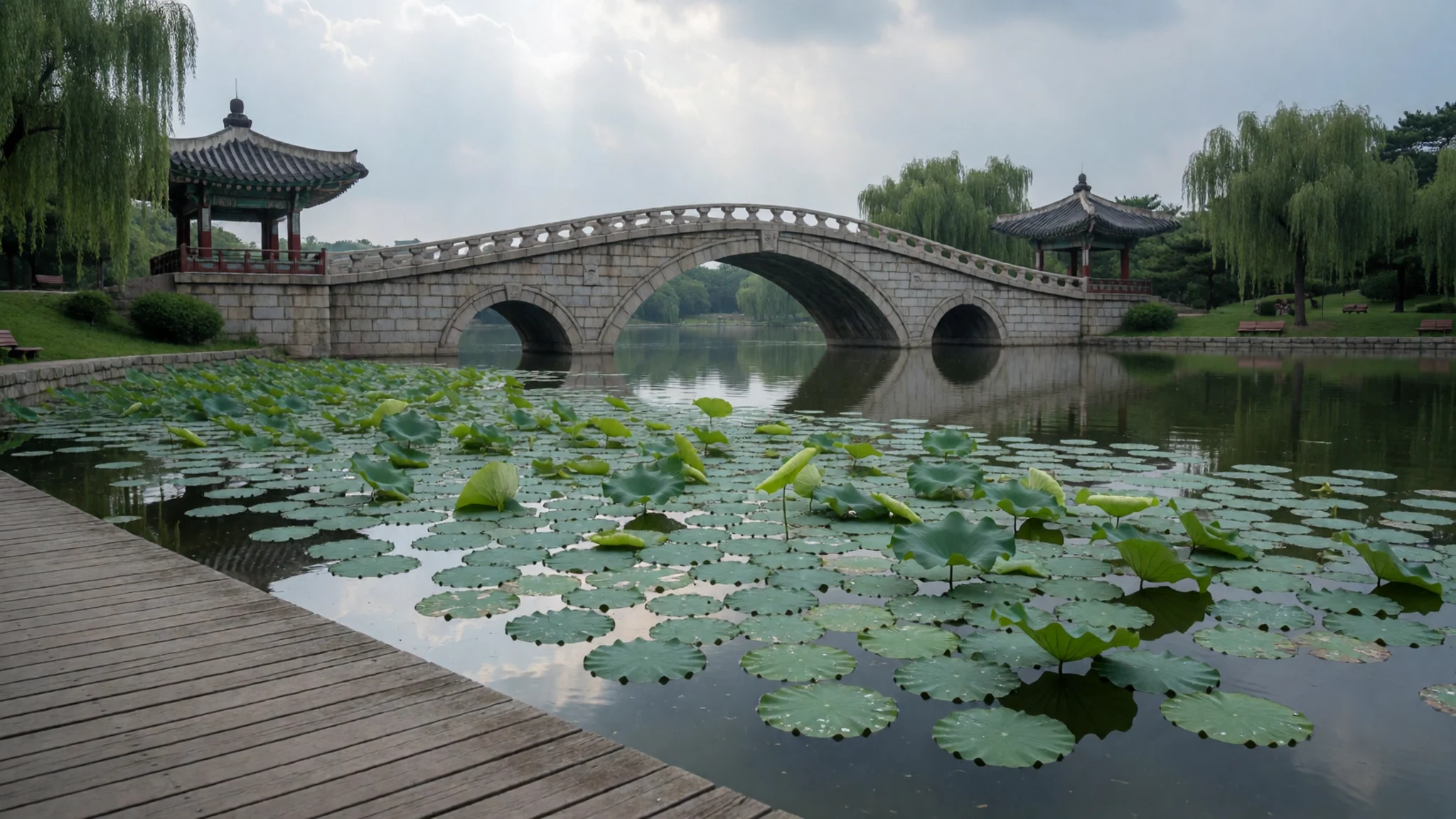
- Gaeksa Building — Old town
A traditional pavilion built to accommodate important visitors, and once the setting for rituals honouring the king. Today it is also a gathering place, and older residents often meet here to talk. It feels more like a neighbourhood meeting room than a monument, so go in the morning if you want a quiet look at the wooden structure.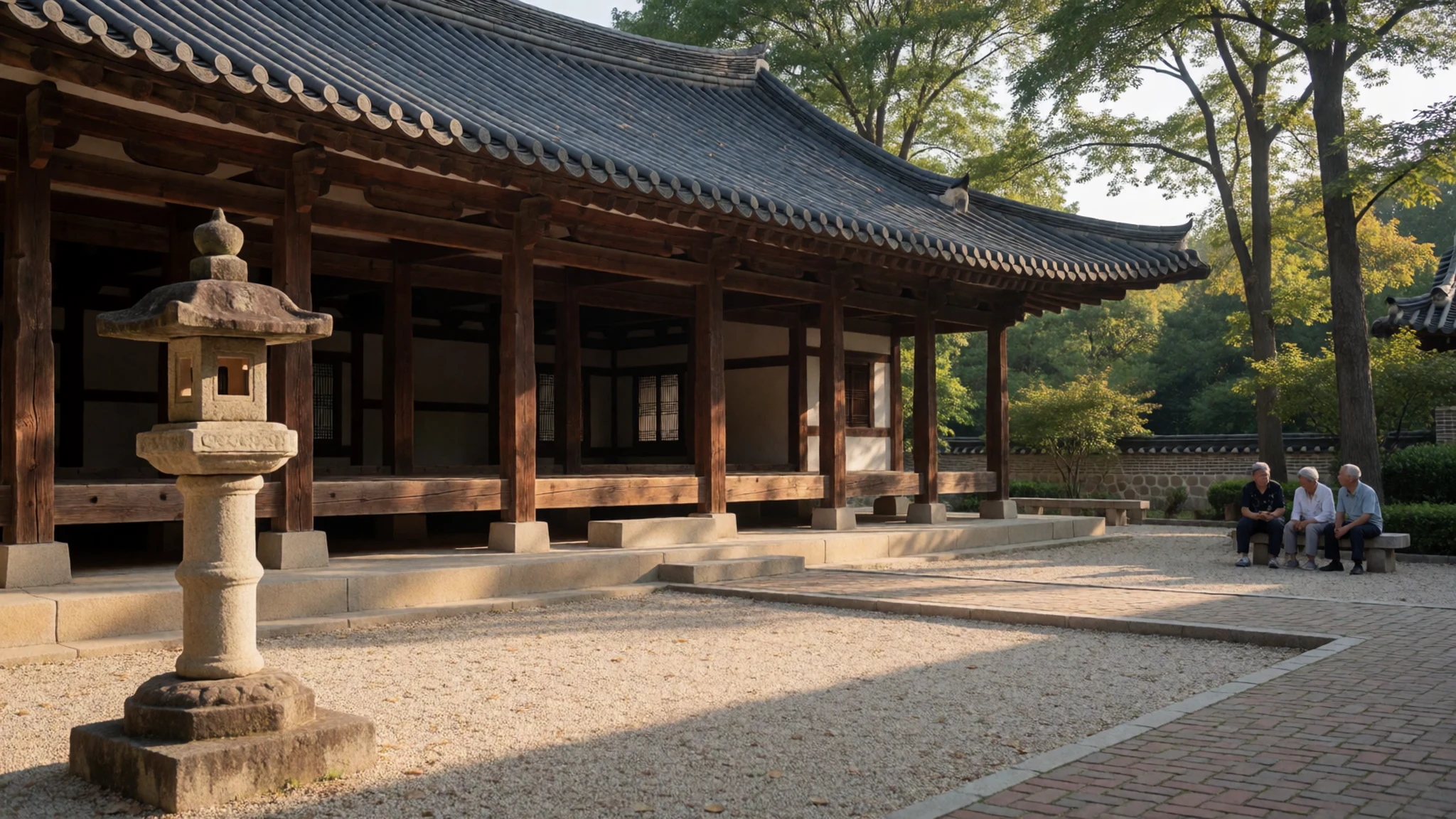
- Jeonju National Museum — City museum
Go here for the ancient side of the city. The museum exhibits relics from the Baekje kingdom, which held this region before its conquest by Silla. Follow the displays in order to understand how the area developed. Visit mid-morning on a weekday for the quietest galleries, and allow a relaxed hour or two.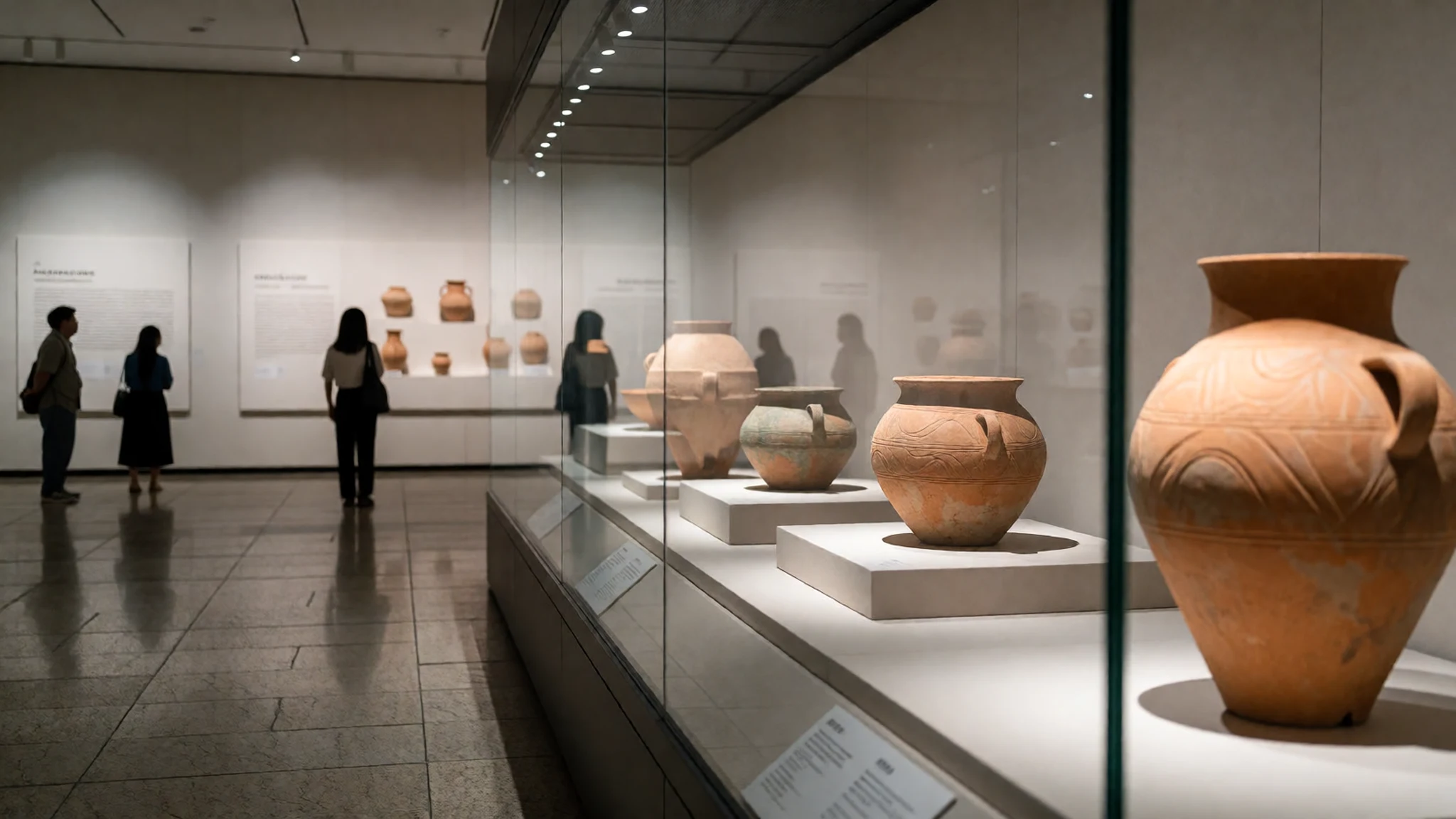
- Hansol Paper Museum — City museum
Founded as Korea's first paper museum, it frames paper as a vessel for a nation's culture. Exhibits explain traditional handmade paper, its making and its uses in daily life. It pairs well with a visit to the city's craft shops, and plan at least an hour so you can read the panels properly.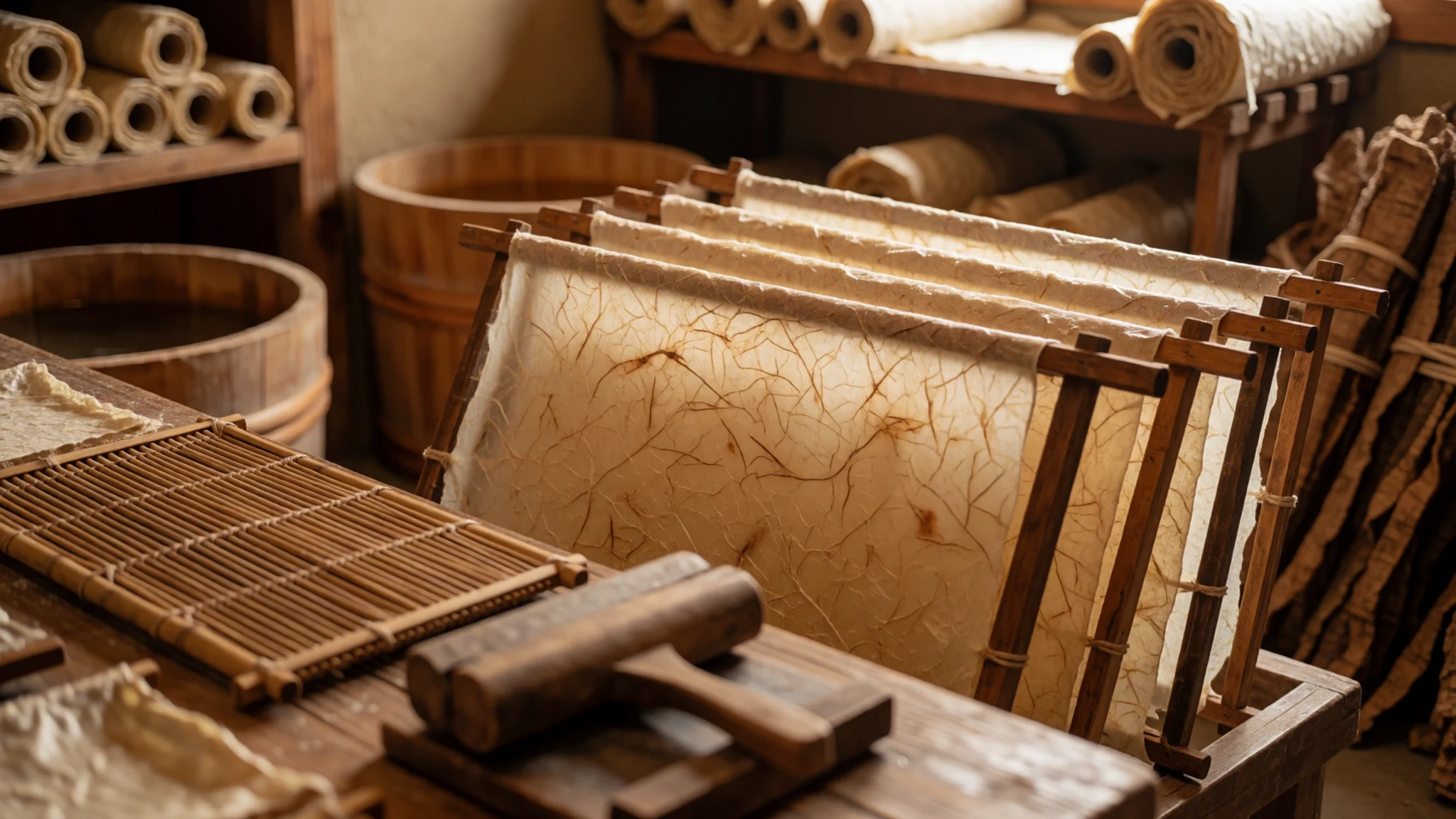
Culture
Jeonju's culture is closely tied to its food and its old houses. Bibimbap is the dish most visitors associate with the city, and families and restaurants take real pride in home-style cooking that has been passed down for generations. Meals are social and unhurried, so expect to share side dishes from the middle of the table and to take your time rather than rushing through.
The Hanok Village is a living neighbourhood as well as a tourist district. Some houses take guests, some run craft workshops, and others are simply family homes with timber doors and tiled roofs. Respect for elders runs deep in Korean life: wait to be offered a seat, and use both hands when giving or receiving something. Festivals show how the city presents its traditions to visitors, including the film festival in late spring and the annual paper fashion show.
Take off your shoes before stepping onto the raised wooden floor of a hanok guesthouse or a restaurant room, and never walk into a house's inner courtyard uninvited.
What to wear
Traditional dress in Jeonju is the hanbok: for women, a short high-waisted jacket called the jeogori worn over a long wrap skirt, the chima, and for men, a jacket with loose trousers. Silk was the cloth of the wealthy, while ramie and cotton served for everyday wear. Colours were clear and bold, and the garments were finished with careful stitching. Paper has a local twist, because the city's annual paper fashion show displays clothing made from paper, turning the craft of handmade hanji into design.
In everyday life, people in Jeonju dress much like anyone else in a Korean city, in jeans, knitwear, sneakers and smart coats. Hanbok appears at weekends, at ceremonies and for photographs in the hanok lanes, where many visitors hire a costume for the day and walk the streets in it.
For a visit, choose comfortable closed shoes with good grip, because the old lanes are cobbled, uneven and sometimes steep. Slip-on shoes help, since you will take them off often. Dress in layers for spring and autumn, which suit the city best, and carry a light waterproof for the monsoon. At temples and cathedrals, cover your shoulders and knees, and avoid very short or revealing clothing.
What to eat
- Jeonju bibimbap — Restaurants in the Hanok Village and the downtown streets
Rice topped with seasonal vegetables, a raw egg yolk and meat or mushroom, all mixed together at the table. Jeonju's version is well known across South Korea. Several popular vegetarian restaurants here serve it, often with pine wine. Ask for the local style when ordering.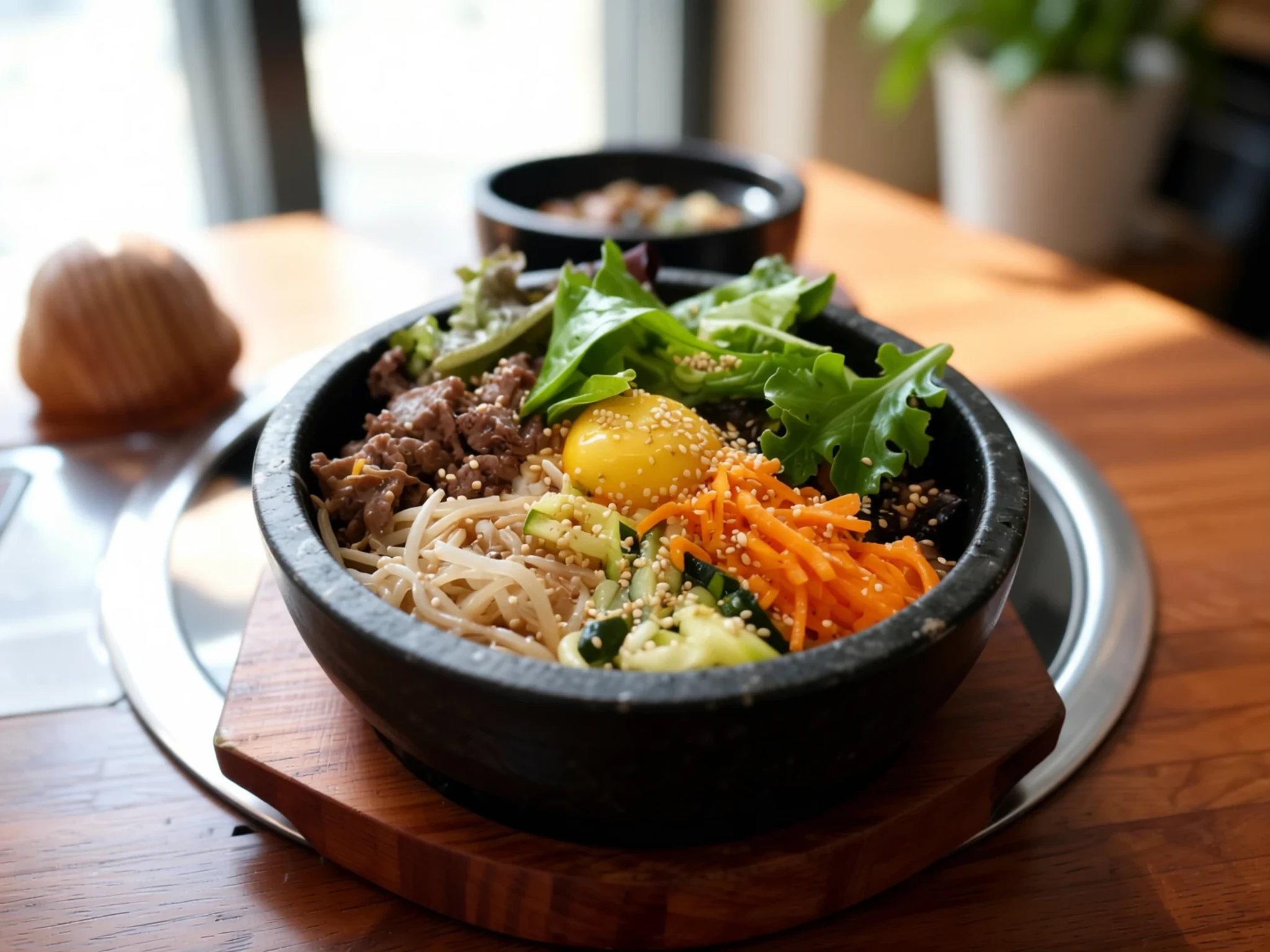
- Kongnamul gukbap — Small eateries near the market
A rice soup with bean sprouts, eaten a great deal in winter. Rice comes in a bowl with a clear broth, and you season it to taste at the table. It is a cheap, warming breakfast, so look for a small eatery near the market where locals are eating early.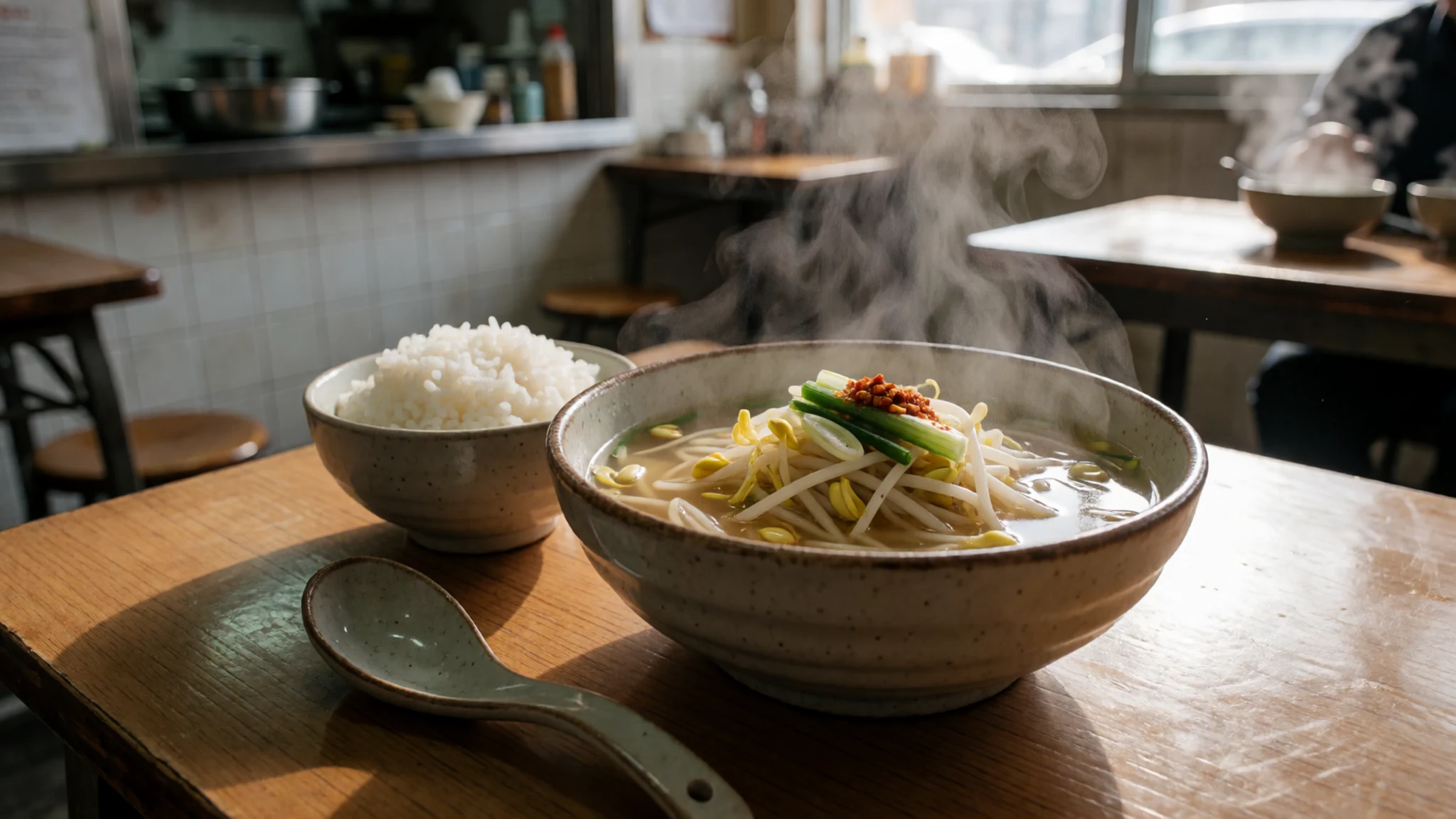
- Yukjeon — Griddle restaurants in the old town
A savoury pancake made from thinly sliced meat, coated in batter and pan-fried until golden. It is mild and makes a good shared starter. Look for griddle-cooking restaurants in the old town, where pancakes are cooked to order. - Memil naengmyeon — Noodle houses in the city centre
Cold buckwheat noodles served in a chilled, tangy broth with garnishes. It is a summer dish, and noodle houses in the centre are often busy at lunchtime. Order it when the weather is warm, and expect a generous bowl. - Shrimp pan-fried dumplings — Dumpling shops downtown
Dumplings from a small dumpling shop, and the shrimp version is one of the most popular orders. The dumplings are crisp on the base and soft inside. Expect a short queue at lunchtime, and order a few kinds to share.
Plan it
Best time. Late April and October suit a city walk best, with mild temperatures and drier weather than in summer. Summer is hot and humid, and the monsoon rains arrive in the warm months, so keep indoor plans for wet days. Winter is cold, though the soups are at their best.
How long. 2–3
Getting there. KTX high-speed trains run to Jeonju Station from Seoul Station and Yongsan Station, the quickest route from the capital. Express buses from Seoul's Central City Terminal are the other main option, and the intercity and express bus terminals sit beside each other by the river. The last leg into town is a short taxi ride or walk.
Budget. mid
Tips
- Book KTX seats in advance for weekends and holiday travel
- Visit the Hanok Village early or on weekday evenings, when the lanes are quieter
- Carry cash for market stalls and small eateries, and use cards in larger restaurants
- Take water and a sun hat in summer, as many lanes have little shade
- Leave time for the paper and craft workshops, which move at a slower pace
Etiquette
- Remove your shoes before entering a hanok guesthouse or a room with a raised floor
- Ask before photographing people, especially in residential lanes where families live
- Keep voices low in the lanes after dark
Nearby
Sources
- Wikidata Q42140 (CC0)
- Wikipedia: Jeonju (rev 1379135207) (CC BY-SA 4.0)
- Wikivoyage: Jeonju (rev 5410205) (CC BY-SA 4.0)
- Downtown Jeonju, July 2018 (Shamus7792003) (CC BY-SA 4.0)
- Jeonju Hanok Maeul 01 (Bernard Gagnon) (CC0 1.0)
- Jeonju National Museum (Trainholic) (CC BY 3.0)
- Pungnammun, Jeonju (Minseong Kim) (CC BY-SA 4.0)
- Jeonju Gyeonggijeon (Mobius6) (CC BY-SA 4.0)
- Jeondong Catholic Cathedral (Mobius6) (CC BY-SA 4.0)
- Sunset in Jeonju (Giuseppe Milo) (CC BY 3.0)
- Jeonju City Hall (Mobius6) (CC BY-SA 4.0)


