Java
Java, Indonesia
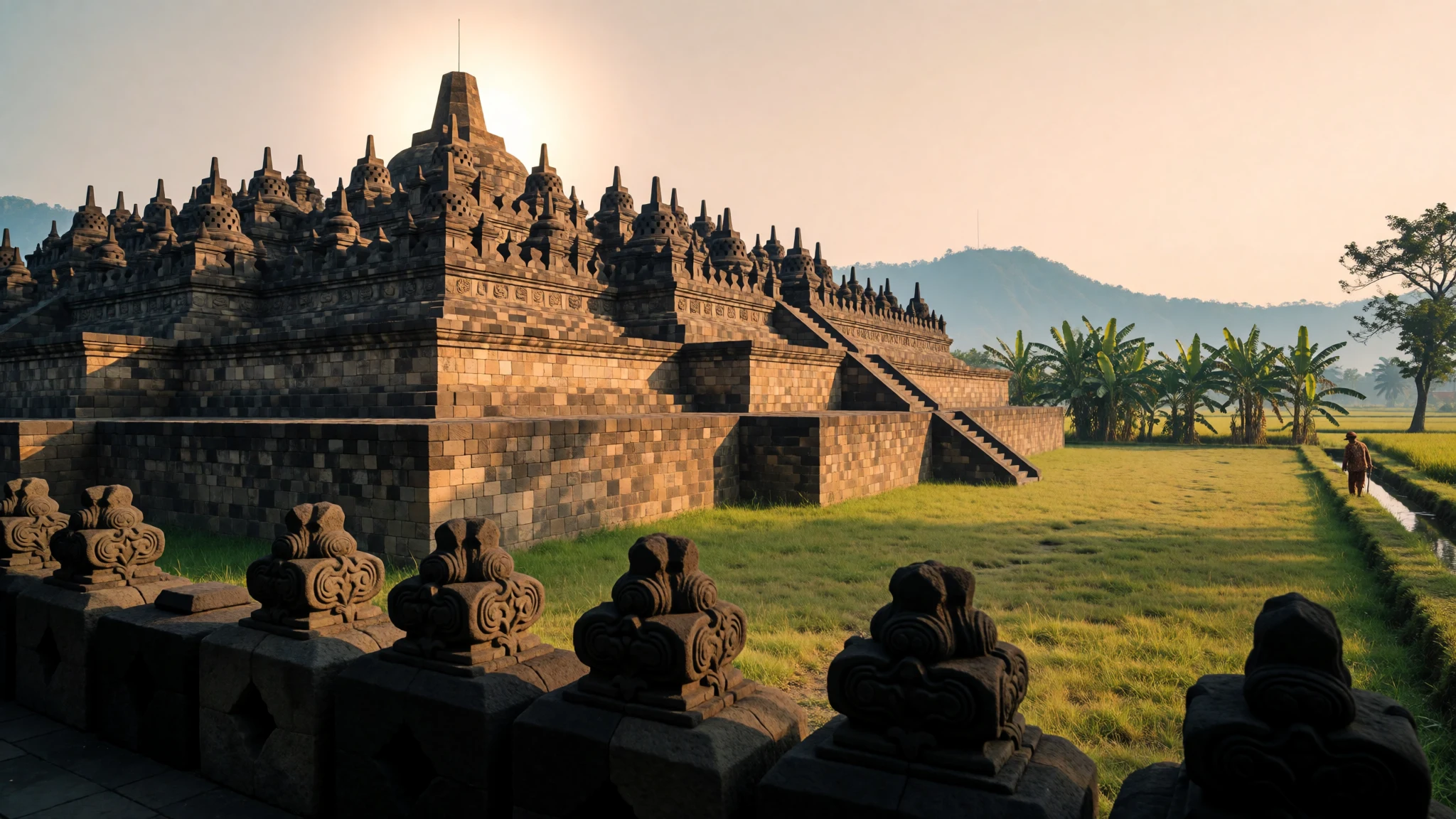
Java packs ancient temples, active volcanoes, palace cities and early-human fossil sites into one crowded, fertile island that rewards slow travel.
The place
Java is the political and cultural core of Indonesia, a long, narrow island with the Indian Ocean on its southern shore and the Java Sea along the north. About 160 million people live here, which is more than half of Indonesia's population squeezed onto a small share of its land. Jakarta, the capital, sits on the north-west coast, and the other big cities, Bandung, Yogyakarta, Semarang and Surabaya, are strung along the road and rail lines that run from west to east.
A chain of volcanoes forms the island's spine. They exist because the Australian Plate slides beneath the Sunda Plate, and the result is rich soil, terraced rice, tea estates on cool slopes and craters that can be reached for sunrise. Semeru, an active volcano in the east, rises to 3,676 m. The south coast is a different world: heavy surf, strong currents and few of the calm beaches people picture when they think of Indonesia. Gentler sand and coral lie in offshore groups such as Karimunjawa and the Thousand Islands (Pulau Seribu).
Four languages dominate daily life. Javanese is spoken across the centre and east, Sundanese in the west, and Madurese and Betawi, the local speech of Jakarta, sit alongside them. Most visitors arrive with a list of temples and volcanoes, then find that the real pace is set by traffic, heat and the rhythm of rice farming. Distances look small on a map but take time. Day trains and toll roads help, and a week is enough to see two or three regions properly, though not the whole island.
Its story
Java's human story starts long before any kingdom. Beside the Bengawan Solo River, fossils of Homo erectus, nicknamed "Java Man", have been dated to about 1.3 million years ago. Sites at Sangiran, Trinil and Ngandong show that the species stayed on the island for an extraordinarily long stretch, and the Ngandong group may be among the last of its kind anywhere. Plant remains from Trinil, including grasses, ferns and fig trees, suggest a wet, grassy landscape close to lowland rainforest rather than open dry plain.
Much later, the island became the stage for Hindu-Buddhist kingdoms, whose rulers raised huge stone monuments across the fertile central plains. Islamic sultanates followed, and the courts of Yogyakarta and Surakarta still carry that inheritance in ritual, music and craft. The Dutch then made Java the working heart of the Dutch East Indies, running ports, plantations and railways from Batavia, which is today's Jakarta. Rice farming carried the early economy, and the volcanic soil explains why so many people settled here in the first place.
In the last decades of colonial rule Java also became the centre of the push for independence, and the republic's politics, business and culture have revolved around it ever since. That layering is what makes travel here rewarding. A prehistoric excavation, a Buddhist stupa, a sultan's palace and a colonial railway station can sit within a day's journey of one another, and each tells a different chapter of the same crowded island.
What to see
- Borobudur — Magelang, Central Java
Borobudur is a vast Buddhist monument of stacked stone terraces rising from the plain near Yogyakarta, with carved panels along its galleries. Go at opening time, before the heat and the tour groups. Rules on climbing and ticketing change, so check the official booking channel before travelling. - Prambanan — Near Yogyakarta, Central Java
Prambanan is a Hindu temple complex of tall, pointed towers east of Yogyakarta. Its carved reliefs reward a slow walk, and late afternoon light is kind to the stone. It pairs well with Borobudur for anyone wanting to compare the island's two great religious building traditions. - Bromo-Tengger-Semeru National Park — East Java
Pre-dawn jeeps climb to a viewpoint above a sea of cloud, with Bromo's smoking crater and the cone of Semeru beyond. It is cold at that hour and busy at the viewpoint, so bring layers and patience. Many visitors then walk across the ash plain to the crater rim.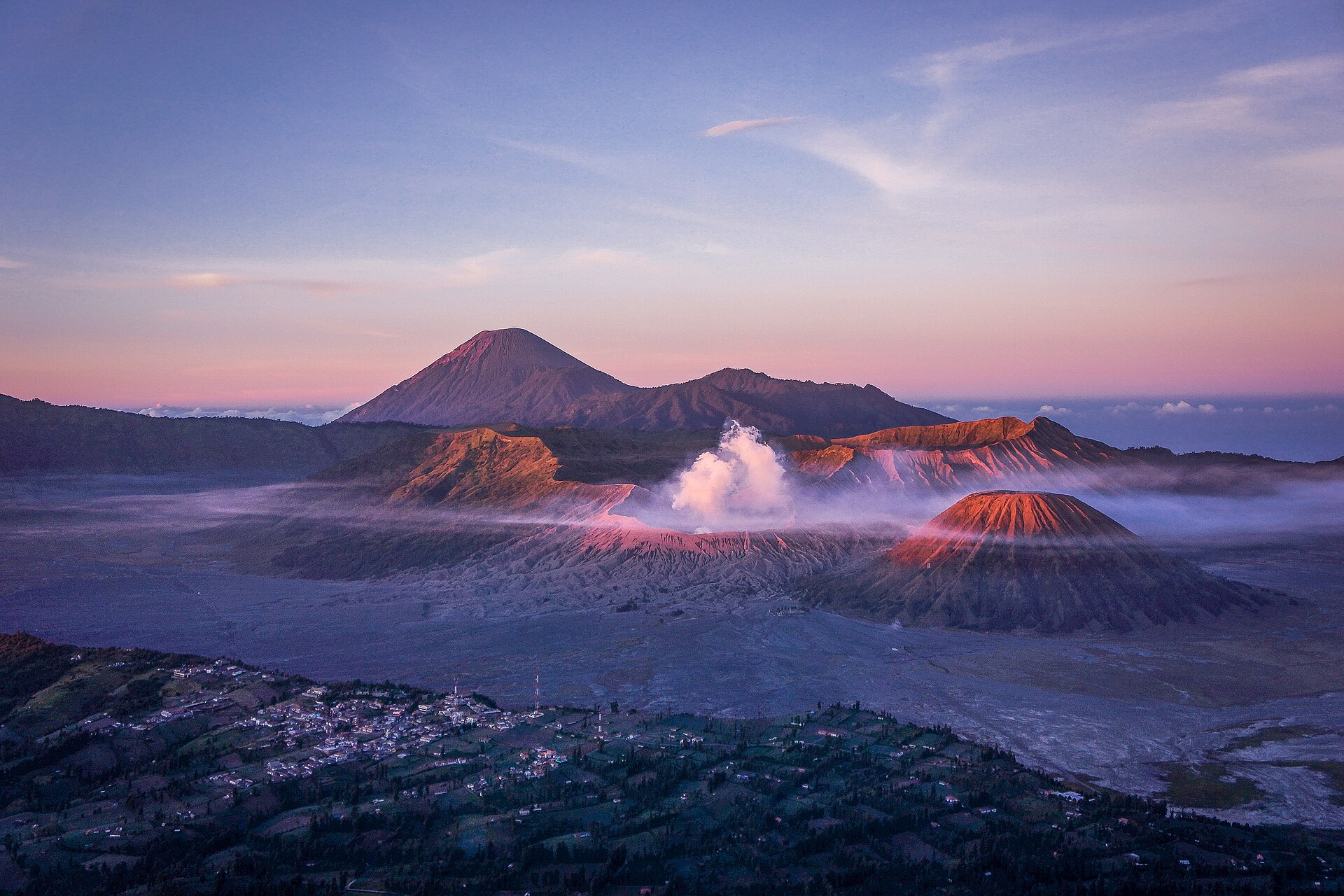
- Mount Merapi and Yogyakarta — Central Java
Merapi is a restless volcano north of Yogyakarta, closely watched by local authorities. Visits to its slopes depend on current activity, so follow official advice. Yogyakarta itself offers a sultan's palace, batik workshops and street life, and works as a base for the central plains.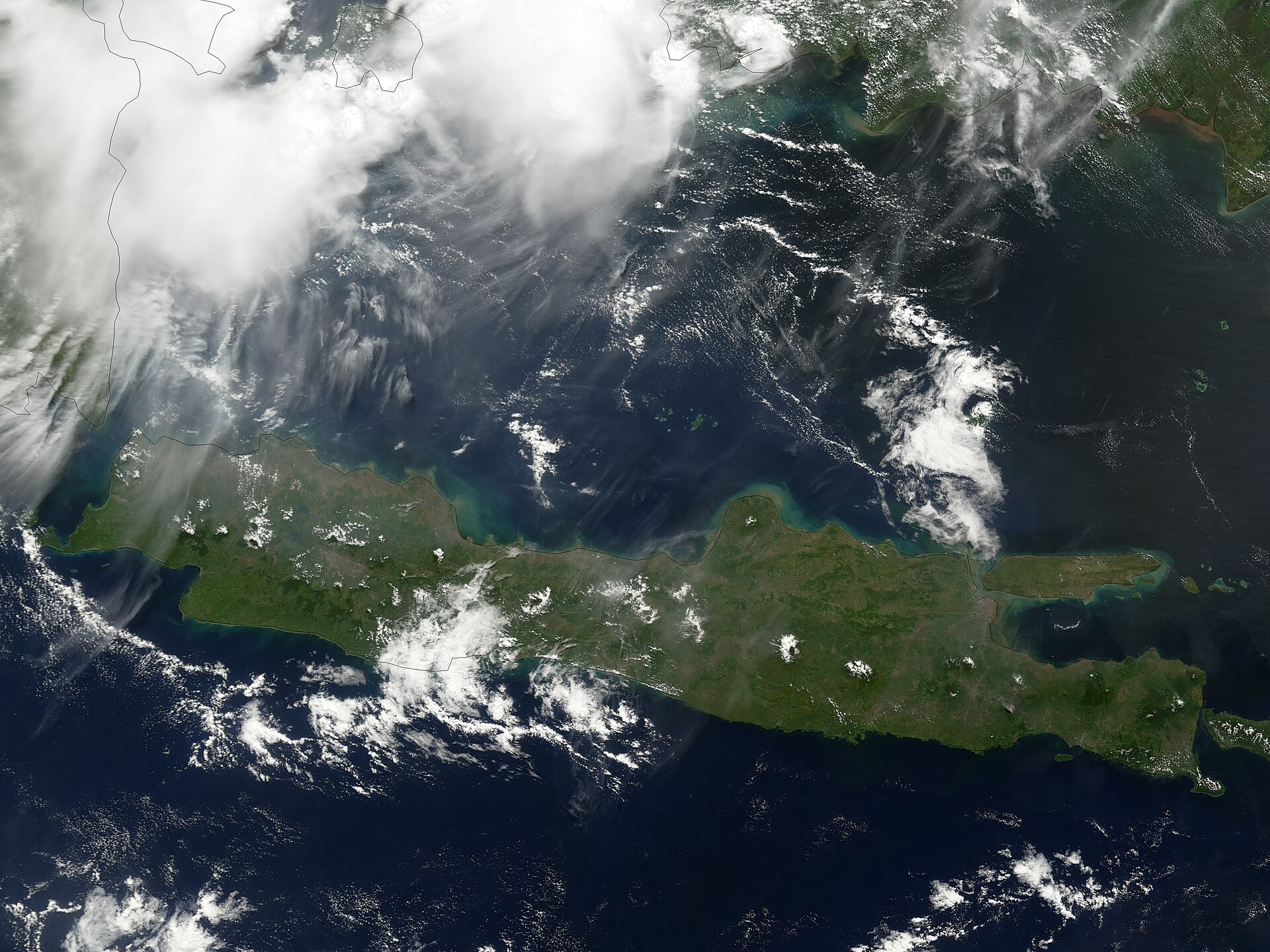
- Sangiran Early Man Site — Near Solo, Central Java
Sangiran is where fossils of Homo erectus have been dug out of eroded hillsides, and its museum explains the finds with skulls, tools and the animals that lived alongside them. It suits anyone curious about deep human history and makes a quiet half-day from Solo.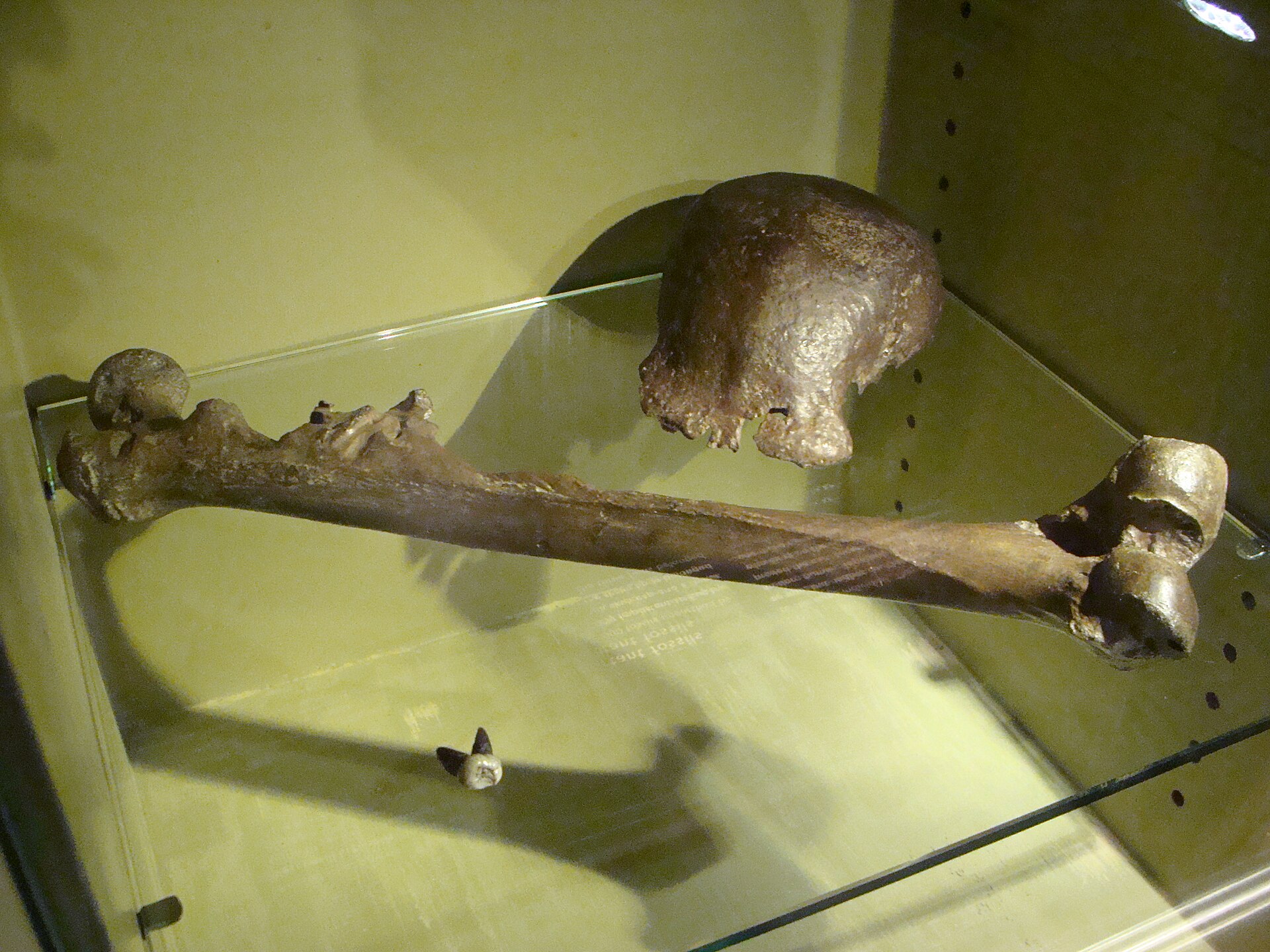
- Ujung Kulon National Park — Banten, West Java
Ujung Kulon is a lowland rainforest reserve on Java's western tip, reached by boat and on foot. It is for travellers who want wildlife habitat and long, humid walks instead of monuments. Arrange permits and guides through official channels, and expect rain at any time of year.
Culture
Java is mostly Muslim, with Hindu and Buddhist heritage visible everywhere in its monuments, myths and performing arts. Javanese courtly life prizes politeness, restraint and indirectness, so raised voices and open anger tend to backfire. Greetings are soft, and offering or receiving things with the right hand is the norm.
The arts here are rooted in the courts. Gamelan orchestras of bronze gongs and metallophones accompany dance and wayang shadow-puppet theatre, in which leather figures retell episodes from Indian epics with Javanese humour and philosophy. Performances can run for many hours, and visitors are welcome to drift in and out. Batik, the wax-resist cloth, is both craft and social code, with certain patterns once reserved for royalty.
Daily rhythm follows prayer times. Mosque loudspeakers carry the call before dawn, and some shops pause briefly at midday on Fridays. During the fasting month, many eateries draw curtains by day and fill at sunset, which is a good time to join the evening crowd. Communal life matters too: neighbourhood gatherings, shared meals and family visits shape weekends and festivals.
Bargaining is normal in markets but not in fixed-price shops, and it is best done with a smile. Dress a little more conservatively than at home when away from beach resorts, and expect a lot of friendly curiosity from strangers. Remove your shoes before entering a mosque, a temple's inner area or a private home, and cover shoulders and knees when you do.
What to wear
The most recognised traditional textile of Java is batik, cotton or silk cloth patterned by drawing hot wax on the surface and dyeing around it. Yogyakarta and Solo are known for deep browns, indigo and cream, while coastal towns favour brighter colours. Women's formal dress is the kebaya, a fitted lace or cotton blouse, worn with a wrapped batik skirt called a jarik. Men may wear a batik shirt and, at ceremonies, a folded headcloth known as a blangkon. Sundanese dress in the west has its own variations. Traditional outfits come out for weddings, court events and national days.
Day to day, most people in cities wear jeans, T-shirts and loose cotton, with a headscarf common for many Muslim women. Office workers often wear a long-sleeved batik shirt on Fridays, which counts as smart dress. In villages, sarongs and light shirts are normal at home.
Visitors should plan for heat and humidity: light, breathable cotton or linen, with sleeves and trousers or long skirts that cover the knees when visiting temples, mosques and palaces. A sarong is useful, and some sites lend one. Sturdy closed shoes suit volcano trails, which can be sandy and steep, and the pre-dawn viewpoints at Bromo are cold enough for a fleece and a windproof layer. Sandals that slip off easily make temple and mosque visits simpler. Keep swimwear for resorts and islands rather than towns.
What to eat
- Gudeg — Yogyakarta, at small family eateries and morning stalls
Gudeg is young jackfruit simmered for hours with palm sugar and coconut milk until sweet and soft, served with rice, egg and spicy sauce. It is the signature dish of Yogyakarta, found at morning stalls and small family eateries around the city. - Soto — Roadside stalls and local eateries across Java
Soto is a fragrant turmeric-tinged soup, usually with chicken or beef, rice or noodles, and lime and chilli on the side. Every region has its own version. It is a dependable breakfast or lunch, sold at roadside stalls and bus-station eateries across the island. - Rawon — Surabaya and eateries around East Java
Rawon is a dark beef soup from East Java, coloured and given a nutty depth by black keluak nuts. It comes with rice, bean sprouts and salted egg, and is a good reward after a Bromo sunrise. Look for it in Surabaya and nearby towns. - Gado-gado — Jakarta street stalls and market food courts
Gado-gado is a plate of blanched vegetables, tofu, tempeh and egg under a warm peanut sauce, often with crackers on top. It suits vegetarians and is easy to find in markets and food courts, where it is mixed fresh to order. - Sate — Night stalls and street corners in towns and cities
Sate is skewered meat, usually chicken, goat or beef, grilled over charcoal and served with peanut or sweet soy sauce. Cooked at night stalls, with smoke drifting across the street, it is best eaten hot with rice cakes. Choose busy stalls with fast turnover.
Plan it
Best time. May to September, the drier months, give clearer skies for volcano sunrises and temple visits. The wet season brings heavy downpours, slippery trails and cloud over the peaks, though temples and cities remain open and are quieter.
How long. 5–8
Getting there. Soekarno-Hatta International Airport (CGK) in Jakarta is the main gateway. Surabaya, Bandung, Semarang, Solo and Yogyakarta also take some international flights, often via Malaysia or Singapore. Ferries link Sumatra (Bakauheni to Merak) and Bali (Gilimanuk to Ketapang). Day trains run between Jakarta and Yogyakarta.
Budget. low
Tips
- Book Borobudur and other timed entries through official channels and check current rules before you go
- Start volcano trips in the dark and carry a warm layer, torch and sturdy shoes
- Drink only boiled or sealed bottled water, and avoid ice of unknown origin
- Keep phones out of sight near roads, especially in Jakarta and other big cities
- Cross busy roads steadily and make your intention clear; traffic will not stop for crossings
Etiquette
- Remove shoes at mosques, inner temple areas and homes
- Cover shoulders and knees at religious sites
- Use your right hand for giving, receiving and eating
Nearby
Sources
- Wikidata Q3757 (CC0)
- Wikipedia: Java (CC BY-SA 4.0)
- Wikivoyage: Java (CC BY-SA 4.0)
- Photo: Gunung Merapi 2006-05-14, MODIS (NASA) (Public domain)
- Photo: Topography of Java (Sadalmelik) (Public domain)
- Photo: Bromo yang menakjubkan (Ahmadwahyudi7) (CC BY-SA 4.0)
- Photo: De weg van Buitenzorg naar de Preanger Regentschappen (Abraham Salm) (CC BY 3.0)
- Photo: Cymbidium dayanum (Orchi) (CC BY 3.0)
- Photo: Pithecanthropus erectus fossils (Peter Maas) (CC BY 3.0)
- Photo: Ngandong 14, Homo erectus (Ryan Somma) (CC BY-SA 2.0)
- Photo: Indonesia (Java) figure, sculpture (Unknown author) (CC0 1.0)


