Jasper National Park
Jasper National Park, Canada
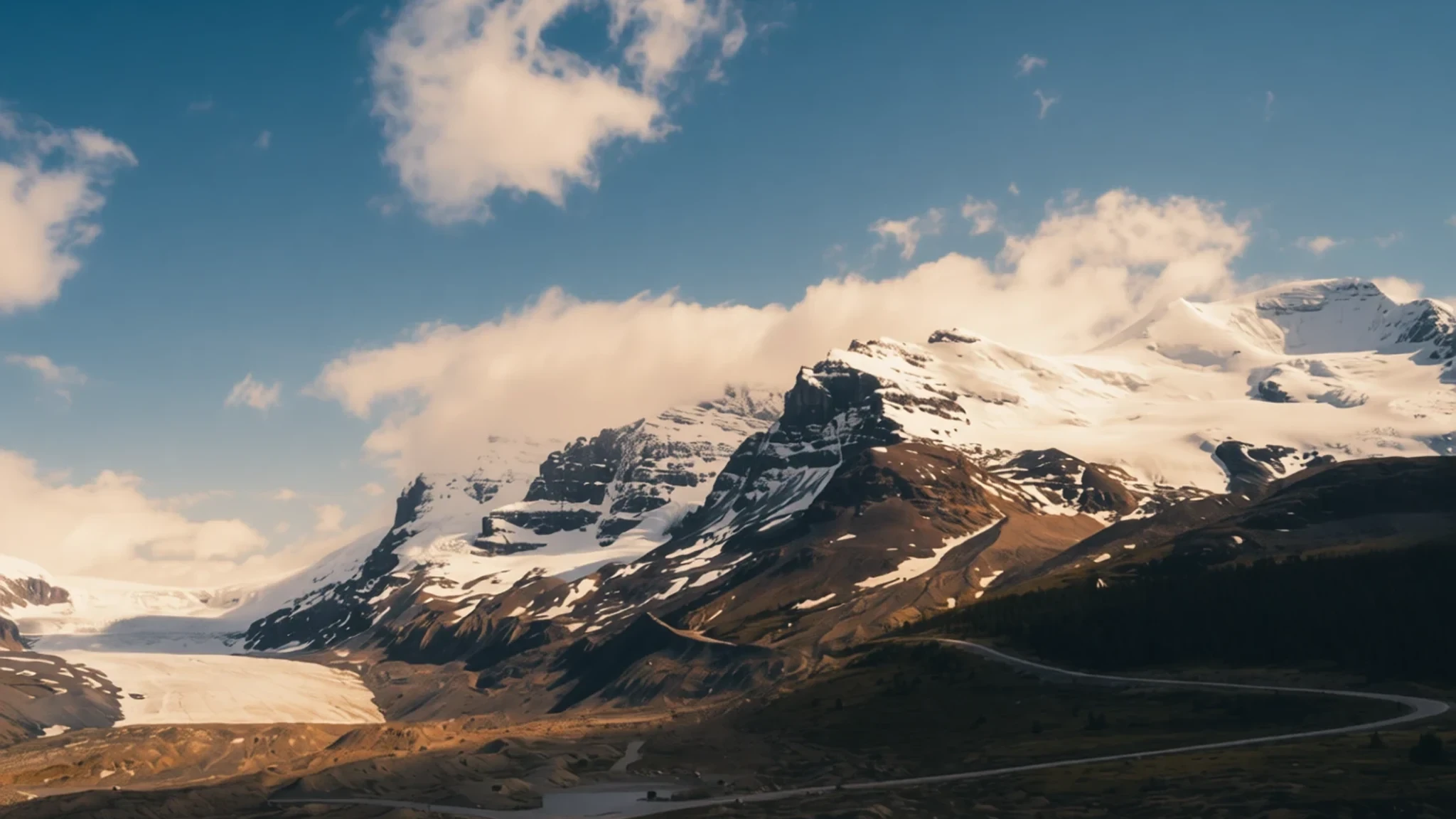
Jasper National Park offers vast alpine wilderness, ancient glaciers, and dark skies within the dramatic peaks of the Canadian Rockies.
The place
Jasper National Park sits within the rugged expanse of the Canadian Rockies in Alberta, Canada. Encompassing a massive territory, the protected area forms a dramatic landscape of permanent icefields, tumbling waterfalls, alpine lakes, and dense pine forests carved by ancient geological forces. Most of the territory acts as the high-altitude headwaters for major northern river systems, feeding cold, clear streams that eventually find their way towards distant northern basins.
The terrain shifts constantly from broad valley floors dominated by braided river channels up to jagged limestone and quartzite peaks that catch the changing light of the northern sky. Glacial meltwater supplies many of the prominent water bodies, lending them distinctive mineral colours ranging from deep emerald to milky turquoise. Wildlife moves freely across these varied habitats, from thick valley bottom woodlands up to exposed tundra ridges where mountain goats and bighorn sheep pick their way along sheer precipices.
Weather here is shaped entirely by high elevation and continental mountain patterns. Winters bring deep snow and long freezing periods, while summers are short and warm by day, with July the hottest month and June the wettest, though nights often stay near freezing. Because light pollution is strictly controlled across the entire region, the night skies offer extraordinary clarity for stargazing, drawing astronomers and casual observers alike to the darkness of the mountain night. This combination of protected ecology, monumental geology, and sweeping vistas creates an environment where natural processes remain front and centre for every visitor who arrives to explore the valleys and heights.
Its story
The lands forming Jasper National Park have a deep human history stretching back millennia before the establishment of modern borders. Indigenous groups including Nakoda, Cree, Secwépemc, and Dane-zaa peoples hunted, gathered, and moved through these high mountain passes following seasonal migrations of ungulates. Archaeological evidence such as early projectile points discovered near the river basins confirms that human presence in the valleys goes back thousands of years. As climatic conditions and animal populations shifted over centuries, Indigenous stewardship shaped the ecology of the ranges.
European presence in the region expanded significantly during the early nineteenth century with the growth of the continental fur trade. Companies sought viable routes across the continental divide to reach western river systems, bringing brigades of fur traders and Indigenous guides deep into the upper reaches of the river valleys. Post sites were established near the waterways to manage supply caches and support travellers crossing the high mountain paths.
By the opening of the twentieth century, growing recognition of the unique ecological and geological value of the region prompted government action. The territory was initially set aside as a protected forest reserve before being officially designated as a national park. Decades later, international recognition followed when the broader mountain parks system was inscribed as a protected global heritage site, acknowledging the exceptional natural beauty, glacial phenomena, and critical wildlife habitats preserved within these borders for future generations.
What to see
- Whistler's Mountain — Southern mountain ridge above the townsite
Board the cabin tramway to rise smoothly above the tree line towards the upper slopes, then finish the journey on foot via a steep walking path leading directly to the summit panorama.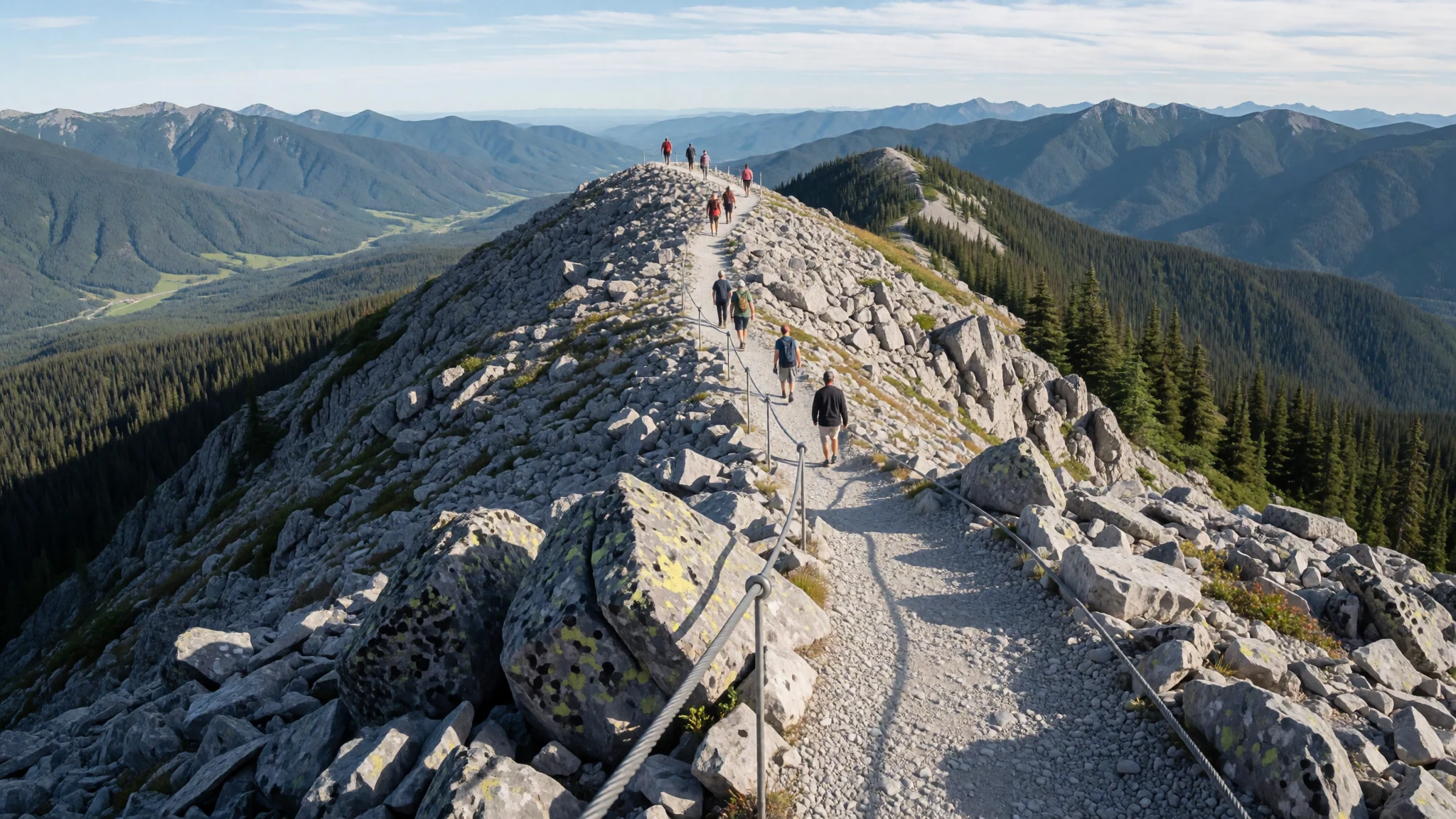
- Maligne Lake — Southeast interior valley
Embark on a boat excursion across long glacial waters bounded by towering vertical peaks, cruising out to view the iconic tiny island framed by evergreen forests and distant ice fields.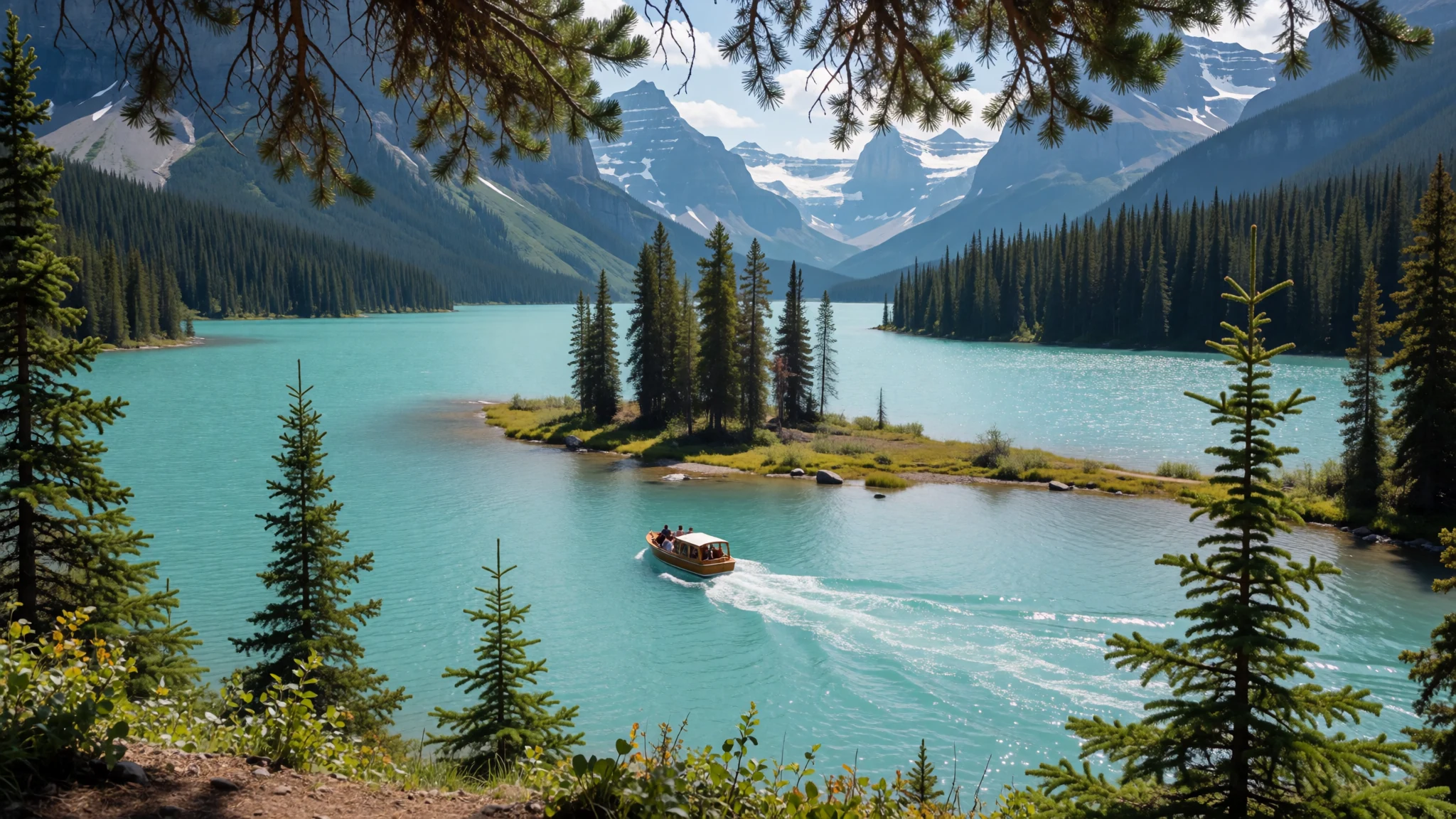
- Medicine Lake — Maligne Valley road corridor
Observe a unique hydrological phenomenon where this lake drains primarily through underground limestone sinkholes in its bed rather than following a standard surface outlet channel.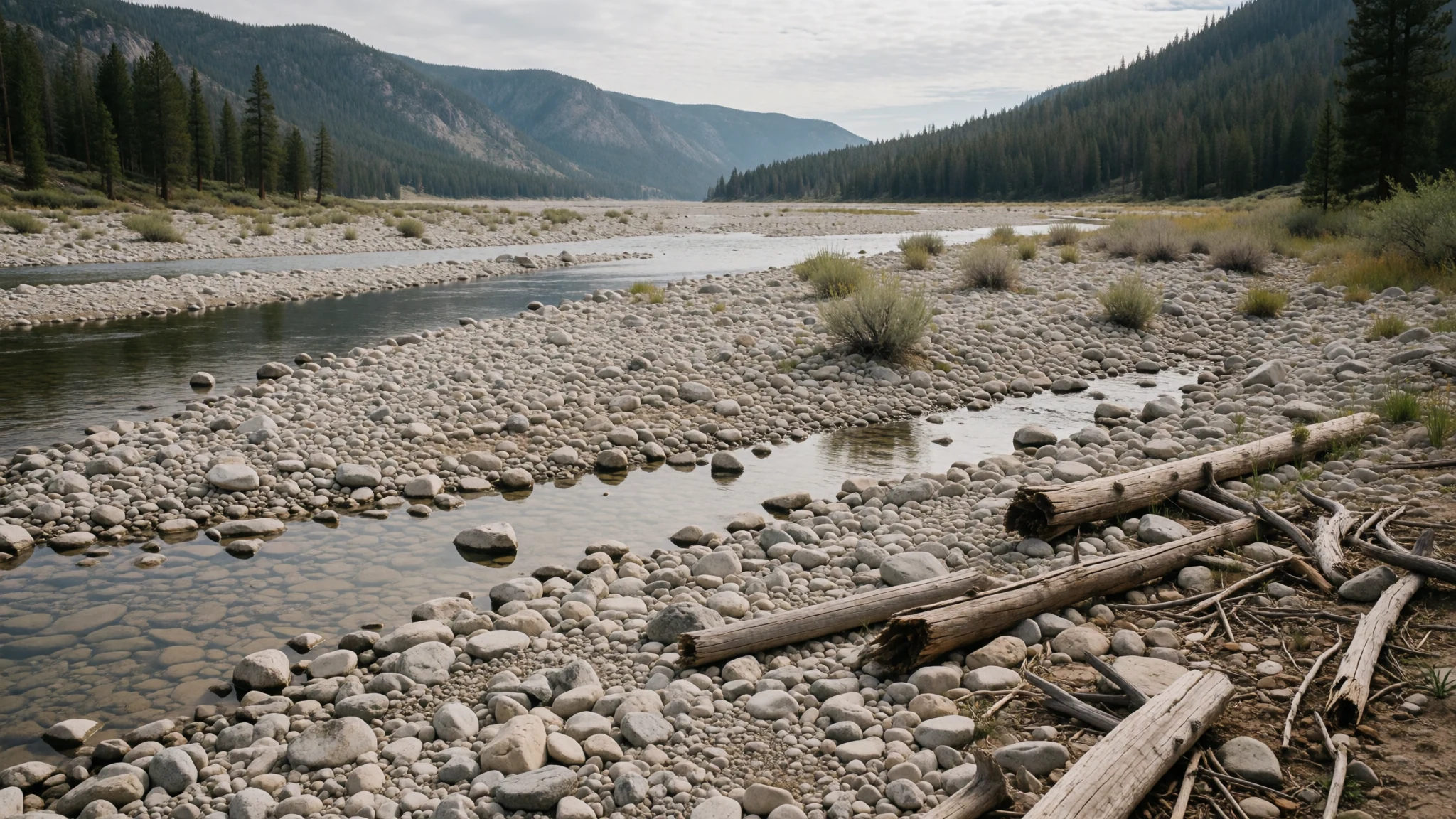
- Beaver Lake — Foothills trail network
Follow a modest woodland walking trail through quiet pine bush and clearings to reach an exceptionally transparent tarn tucked quietly between two prominent mountain ranges.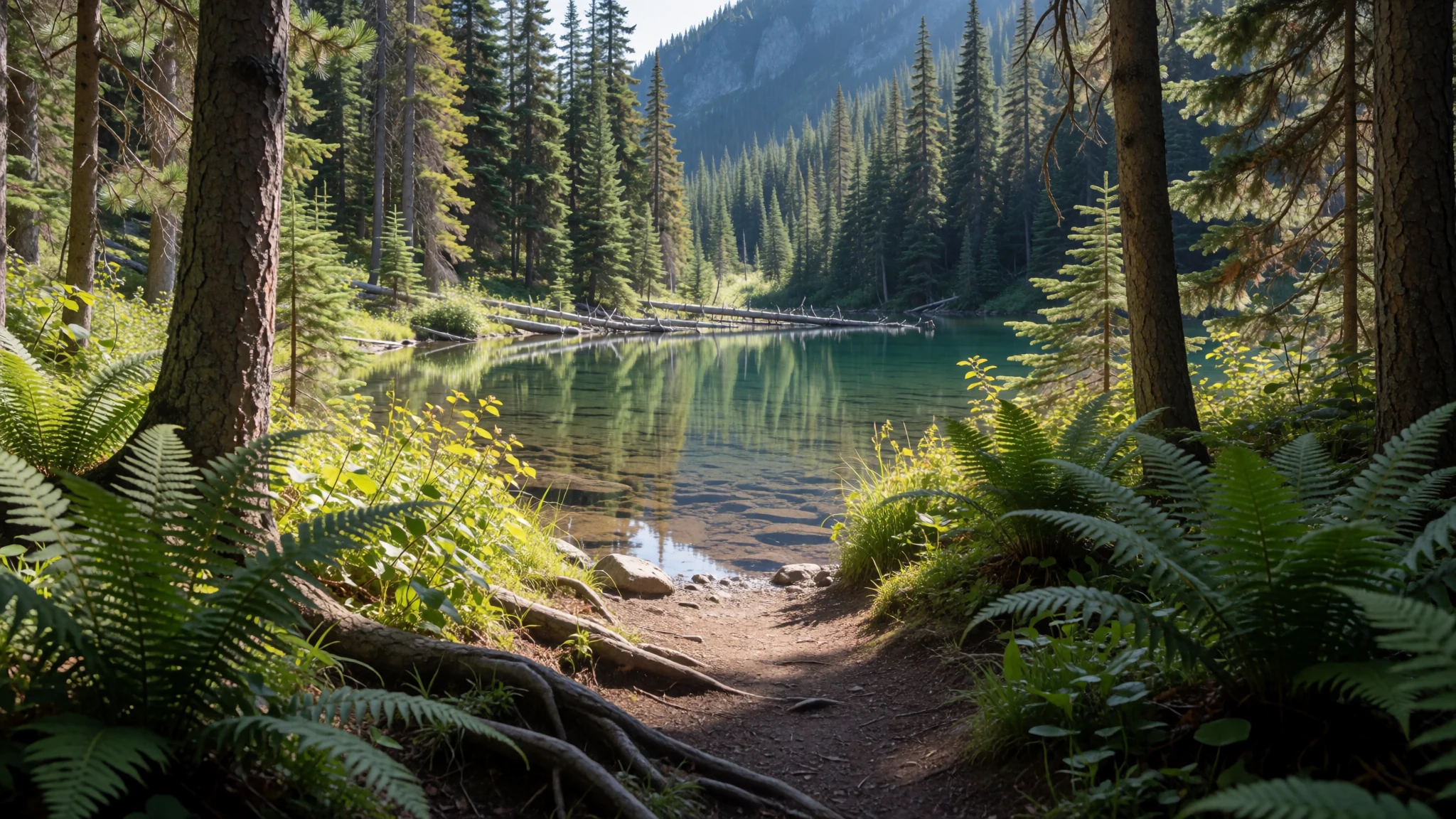
- Athabasca Falls — Icefields Parkway corridor
Witness a powerful rush of mountain water thundering through a narrow gorge, carving deep geometric channels into ancient rock while framed by sweeping valley views.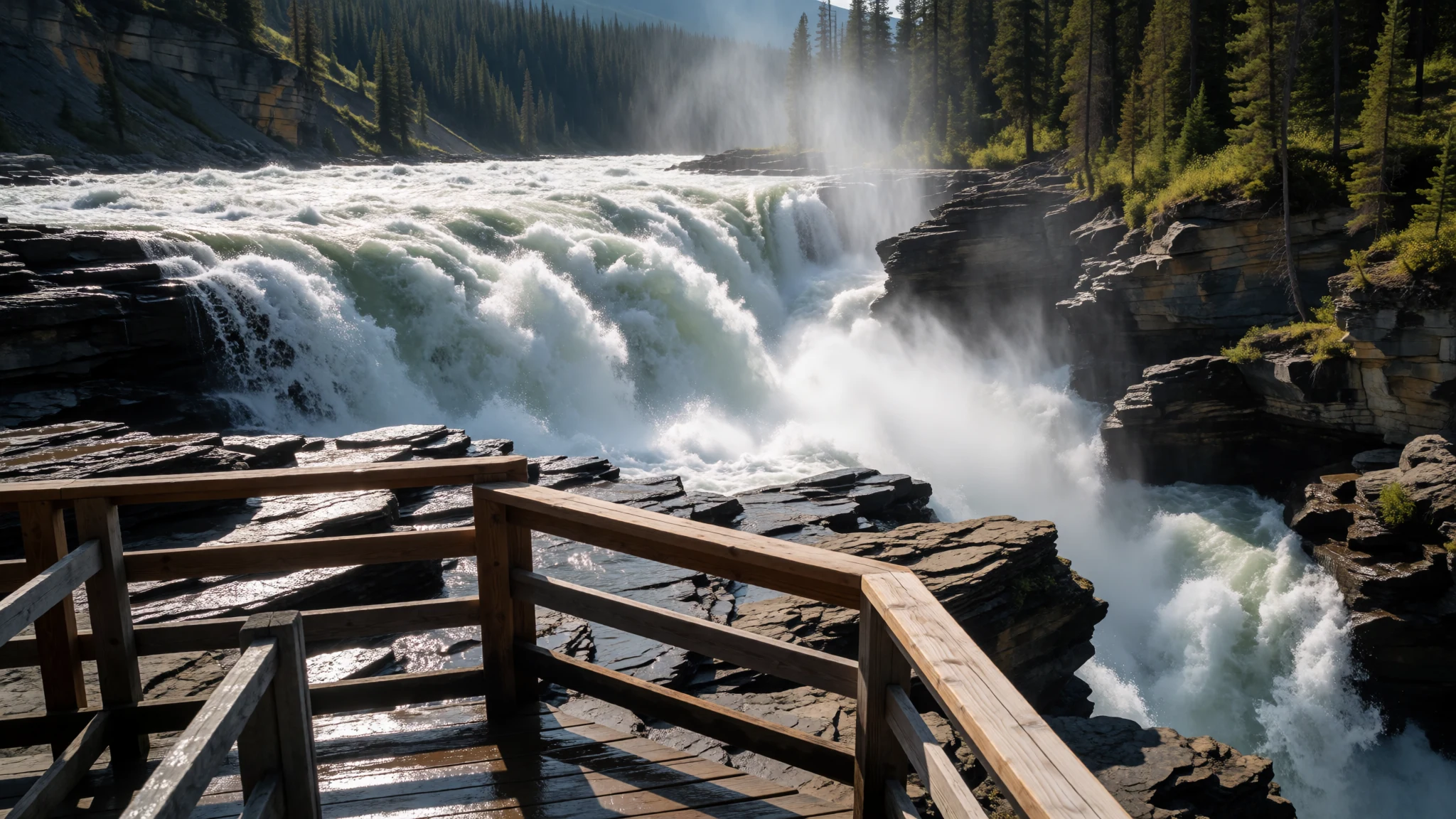
Culture
Jasper National Park reflects a culture deeply rooted in wilderness stewardship, outdoor recreation, and respect for the natural environment. Local residents and park personnel share a strong commitment to conservation, working to protect delicate alpine flora and ensure safe coexistence with large wildlife populations. Traditional Indigenous connections to the land remain a vital part of the regional identity, with ongoing cultural presence maintained by communities whose ancestors lived, hunted, and gathered across these valleys for generations. Visitors will find a quiet, welcoming mountain atmosphere focused on outdoor exploration rather than urban bustle, where community life revolves around seasonal shifts in weather and visitor numbers.
Always dispose of all food waste and packaging exclusively in heavy-duty bear-proof containers provided throughout Jasper National Park to protect local wildlife.
What to wear
In Jasper National Park, practical outdoor gear forms the standard dress code for residents and travellers alike, reflecting the demanding mountain climate. Traditional local clothing historically relied on durable animal hides, heavy woollens, and woven textiles suited for trapping and travelling through cold alpine winters. Today, contemporary wear prioritises functional performance fabrics, fleece layers, waterproof shells, and sturdy hiking footwear designed to handle sudden weather shifts, rain, and rocky terrain. Visitors exploring Jasper National Park should always dress in versatile layers, packing a waterproof jacket, insulating fleece, comfortable walking boots, and a warm hat regardless of the season, as high-altitude temperatures can drop sharply without warning.
What to eat
- Park Lodge Dining — Historic lodge dining rooms near the townsite
Enjoy hearty North American comfort food, local game meats, and warming soups served in rustic timber dining rooms overlooking the surrounding mountain forests.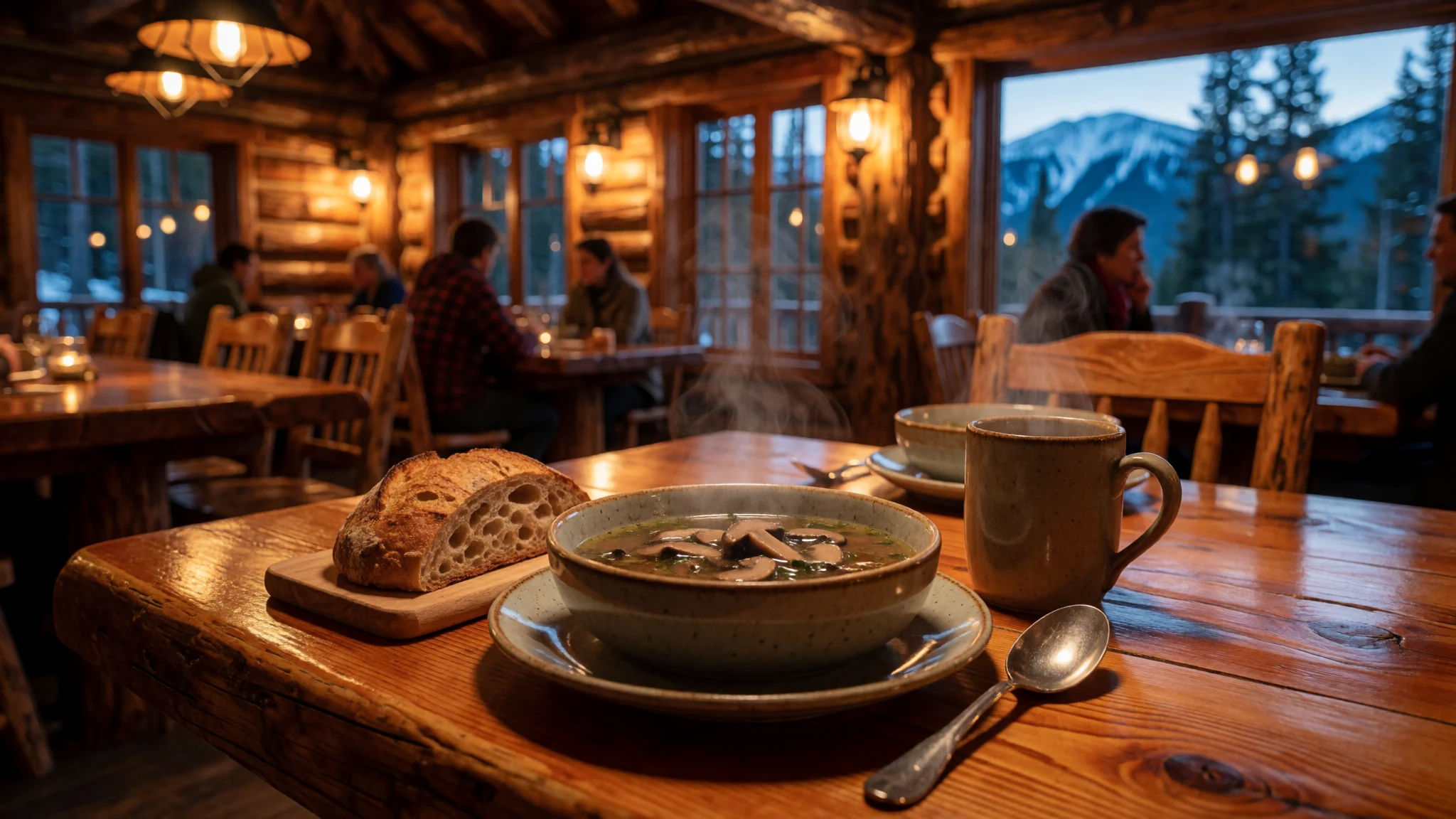
- Townsite Bakery Fare — Local bakeries along the main commercial streets
Sample freshly baked pastries, artisan breads, and hot beverages crafted by local bakers to fuel up before a morning of trail walking.
- Glacier Cafeteria Meals — The visitor facility near the major ice field complex
Grab quick hot meals, simple sandwiches, and warm drinks while taking in panoramic views of the surrounding ice fields from elevated viewpoints. - Lakeside Snacks — Service kiosks near the main lake boat docks
Purchase simple takeaway provisions and light refreshments from basic service counters before heading out onto the water or nearby walking trails.
Plan it
Best time. June to September offers clear trails and accessible roads; winter brings deep snow for backcountry travel.
How long. 3–4
Getting there. Arrive by car via major regional highways from nearby cities, or take long-distance passenger rail services stopping directly at the mountain station.
Budget. mid
Tips
- Store all food securely in designated bear-proof containers at all times
- Check local road conditions and weather forecasts before setting out
- Carry sturdy footwear and layers for sudden temperature drops
- Start early in the day to secure parking at popular trailheads
Etiquette
- Keep a safe distance from all wildlife and never feed bears or other animals
- Pack out all litter and respect fragile alpine vegetation by staying on marked paths
Nearby
Sources
- Wikidata Q503429 (CC0)
- Wikipedia (CC-BY-SA 4.0)
- Wikivoyage (CC-BY-SA 4.0)