Jamkaran Mosque
Jamkaran Mosque, Iran
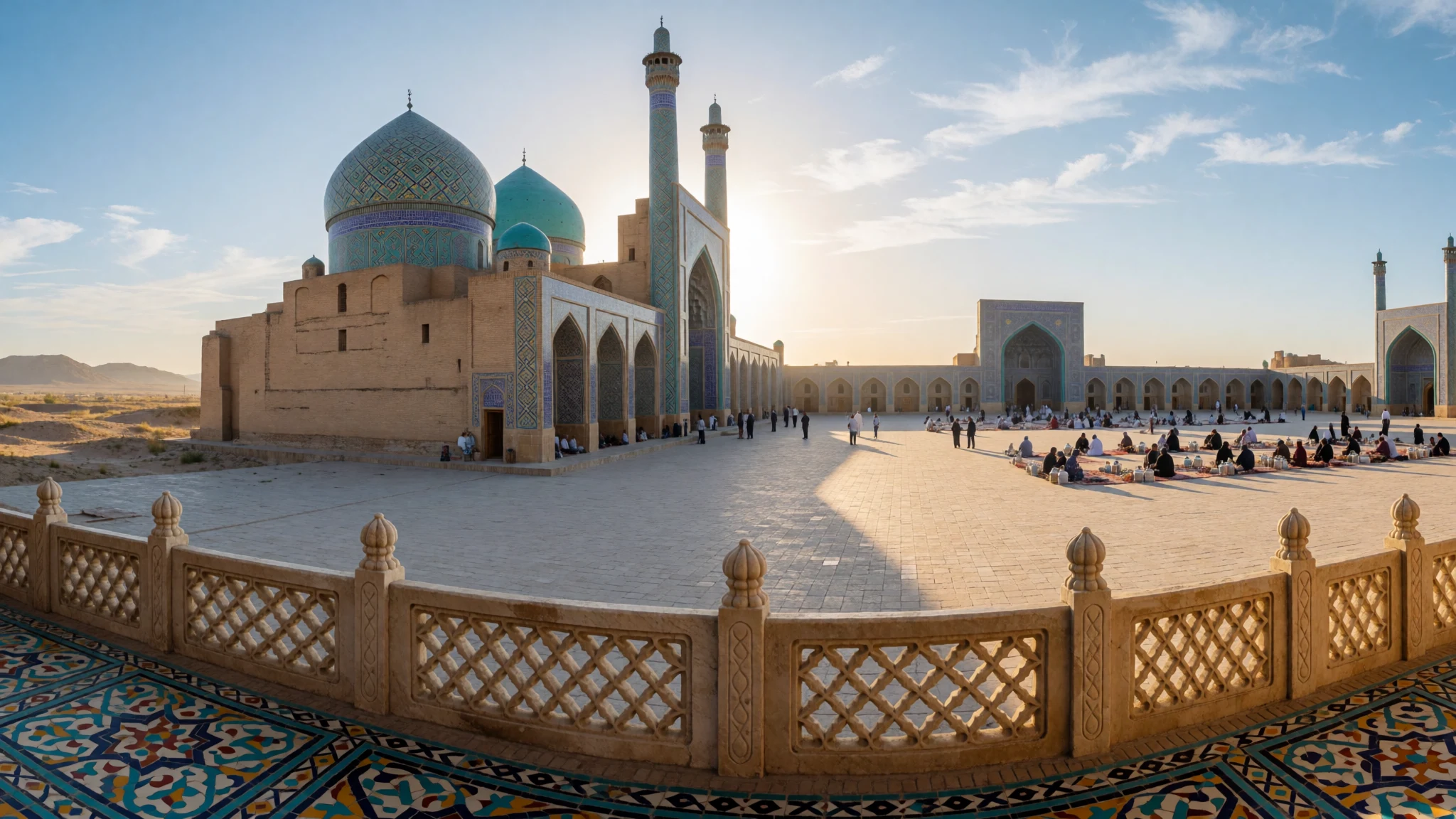
Visit Jamkaran Mosque to witness one of Shia Islam's most vibrant pilgrimage hubs, drawing millions of faithful every week.
The place
Jamkaran Mosque sits on the outskirts of the holy city of Qom in Iran, standing as a monumental destination for Shia Muslims across the globe. According to Twelver belief, the promised Mahdi—the twelfth Imam—once visited this site to pray. Today, the shrine receives millions of pilgrims annually, transforming the desert fringes into a bustling spiritual metropolis. The atmosphere shifts dramatically as the week progresses, culminating in immense gatherings on Wednesday nights when tens of thousands arrive to pray, picnic on the vast courtyards, and participate in nightly devotions. The architecture features soaring minarets, intricate tilework in shades of turquoise and blue, and expansive courtyards designed to accommodate massive waves of visitors. Pilgrims move through the complex with a palpable sense of devotion, turning the sprawling courtyards into spaces of communal reflection and fervent prayer. While ordinary days offer a calmer environment to admire the intricate tilework and vast scale of the compound, visiting during peak gathering times reveals the sheer scale of modern Iranian pilgrimage culture. Vendors line the perimeter parking areas, families set out rugs for communal meals, and thousands wait patiently for evening prayers. It is a place where deep-rooted faith meets monumental architectural ambition, creating an experience unlike any other shrine in the region.
Its story
The history of Jamkaran is deeply intertwined with local legends and the growth of Qom as a spiritual centre. The settlement has ancient roots, expanding significantly after refugees fled to Qom during early Islamic uprisings. According to foundational accounts, the sacred status of the site began when Sheikh Hassan ibn Muthlih Jamkarani experienced a vision involving the Twelfth Imam and the prophet Al-Khidr. Instructed to halt local farming and finance a sanctuary on noble land, the initial shrine was established centuries ago. For long periods, the mosque remained modest, with only dedicated scholars making the journey to spend nights in prayer. Its modern prominence grew largely through the persistent efforts of figures like Mohammad Taqi Bafiqi, who walked to the remote site weekly with students to lead evening and night prayers. By the late twentieth and early twenty-first centuries, the mosque gained immense renown, drawing younger generations and vast crowds from across the nation. At the rear of the complex lies the revered well of requests, where pilgrims gather to tie small notes and knotted strings around metal grids, hoping to reach the hidden Imam. Custodians regularly clear the offerings, while thousands continue the weekly tradition of gathering outside the overflowing prayer halls. The communal kitchen provides thousands of free meals to those in need, maintaining a tradition of hospitality that sustains the steady influx of travellers.
What to see
- The Main Courtyard
The vast open courtyards form the heart of the complex, capable of holding tens of thousands of worshippers during peak evening gatherings. Families gather here on rugs to share meals, converse, and await congregational prayers beneath towering minarets.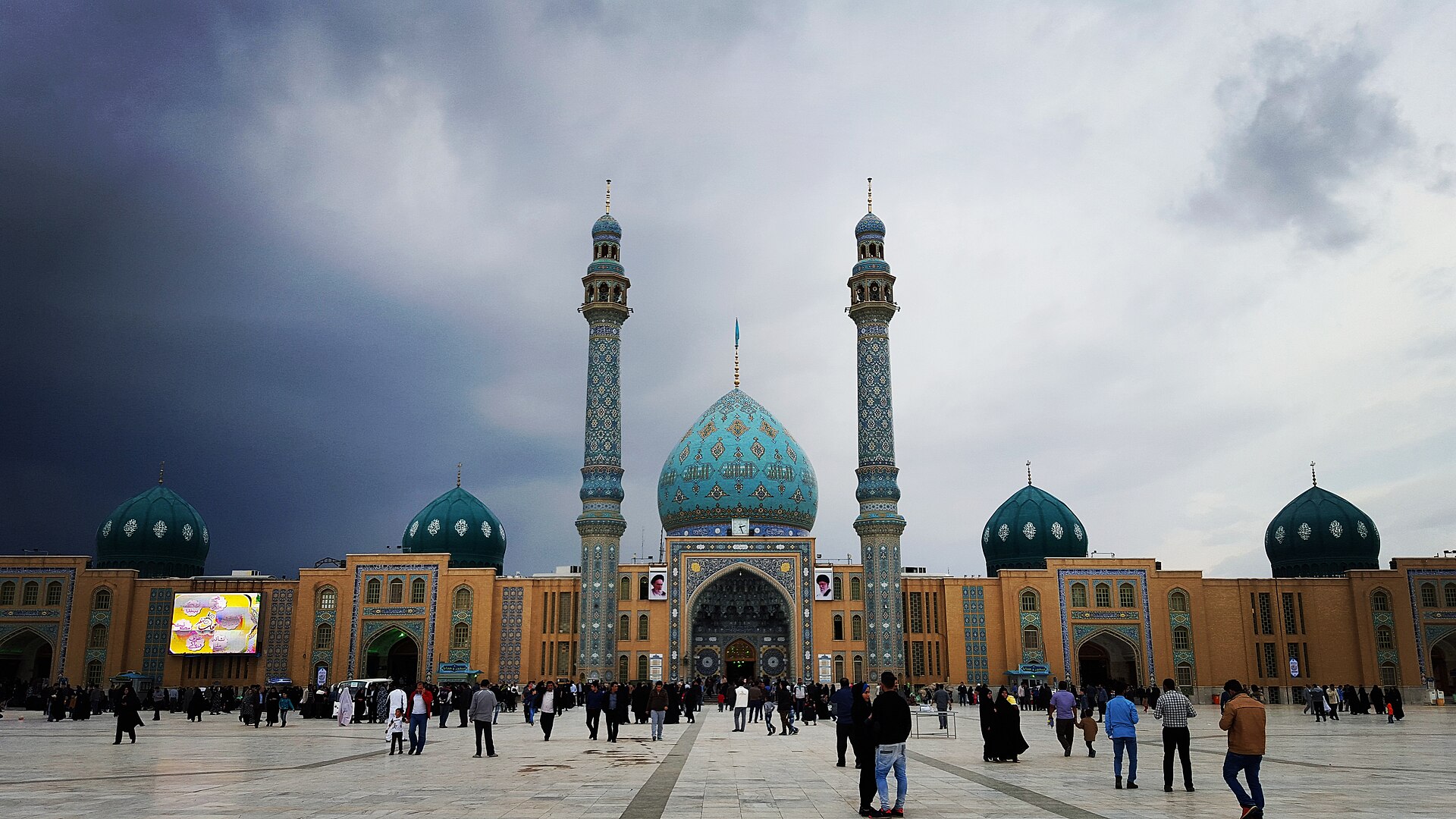
- The Well of Requests
Located at the rear of the mosque, this sacred spot is where pilgrims tie small strings and notes onto protective metal grids. It marks the legendary location associated with the Twelfth Imam, drawing long queues of hopeful visitors.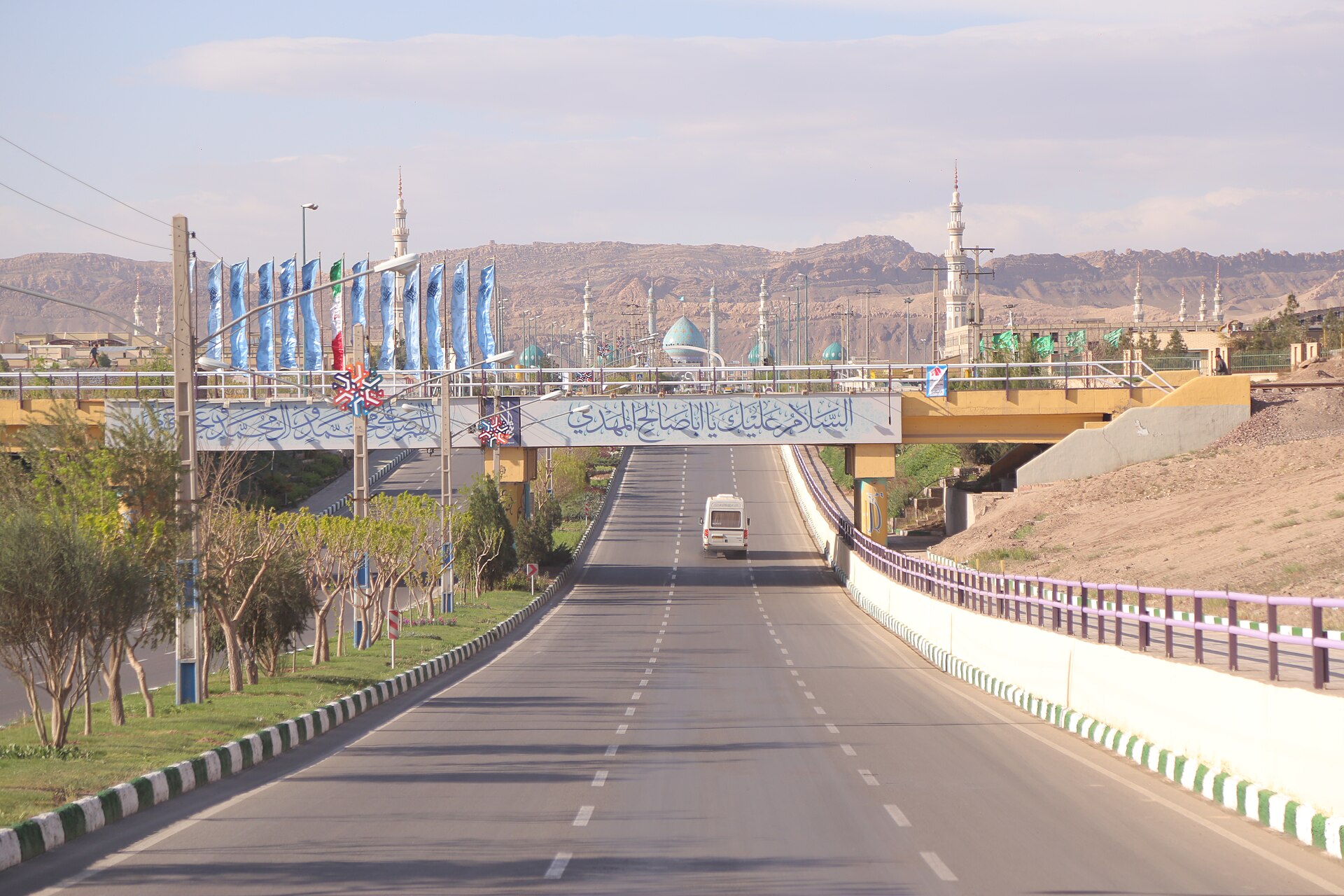
- The Prayer Halls
Expansive indoor sanctuaries feature intricate tile mosaics, patterned carpets, and soaring domes designed to echo traditional Iranian Islamic architecture. These halls fill to absolute capacity during Wednesday night services.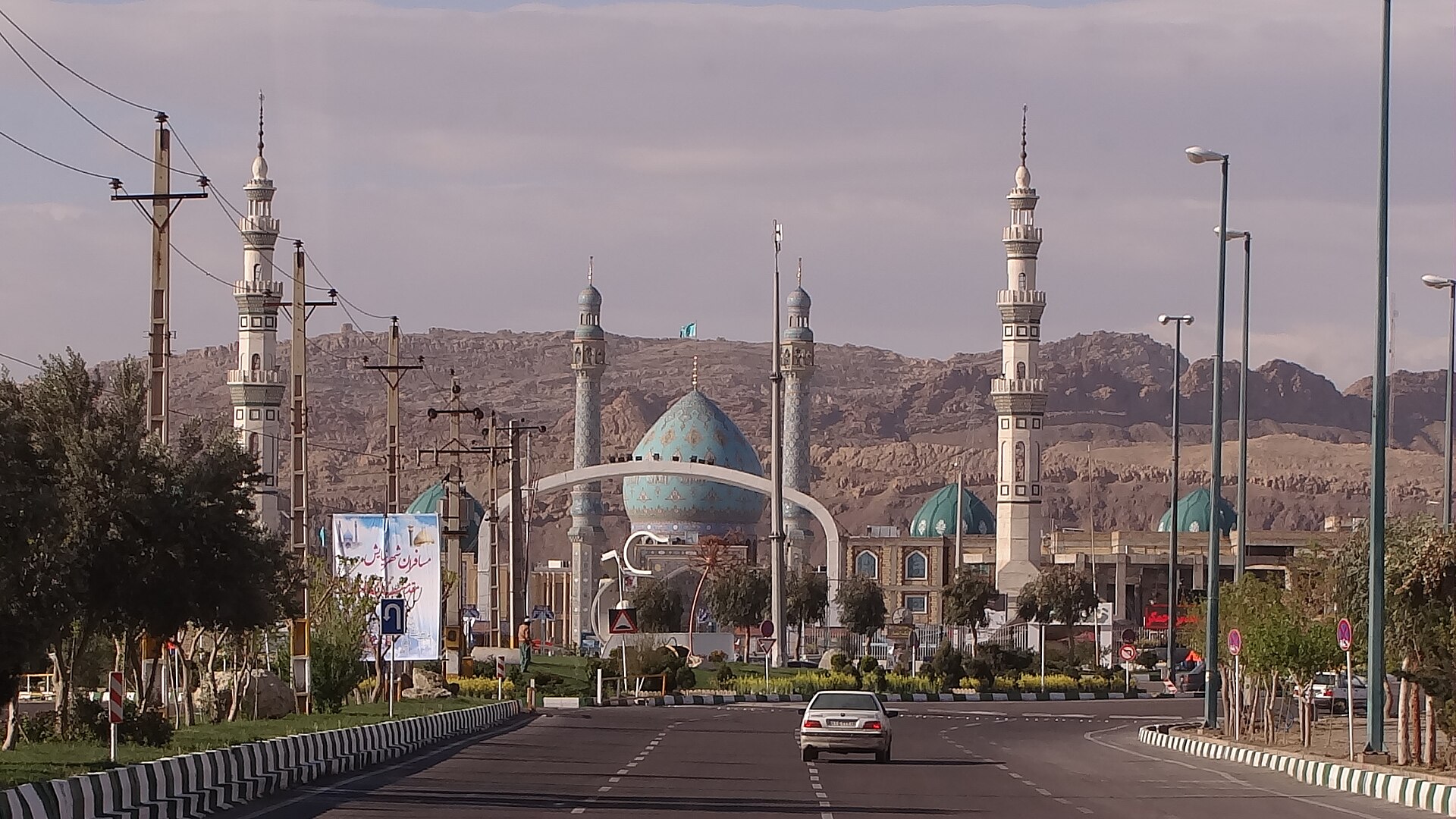
- The Peripheral Bazaar and Perimeter
Surrounding parking areas and walkways transform into lively markets on busy nights, featuring vendors selling religious books, prayer beads, sweets, and simple refreshments to the sea of arriving pilgrims.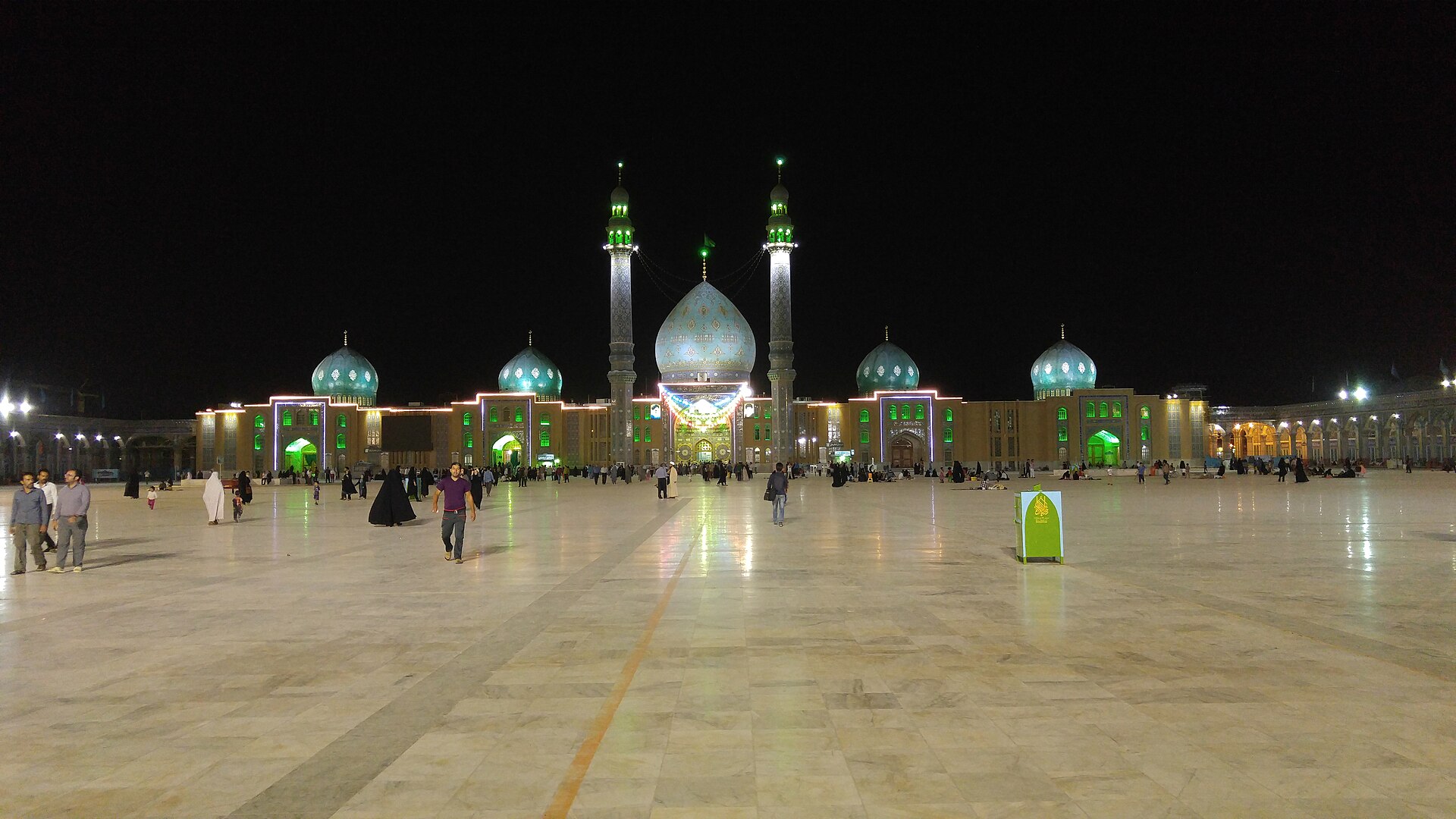
Culture
Pilgrimage culture at Jamkaran is defined by communal devotion, family gatherings, and strict adherence to religious traditions. Visitors will notice a clear separation of spaces for men and women, particularly around sacred zones like the prayer halls and the well of requests, where dedicated cordoned-off areas ensure privacy and modesty. Wednesday nights hold special significance as a time of heightened spiritual anticipation, transforming the courtyards into open-air congregations reminiscent of massive family picnics intertwined with intense prayer. Hospitality is paramount, with community kitchens distributing free meals to the less fortunate and volunteers guiding newcomers through the vast complex. Modesty in behaviour and dress is expected from all who enter the gates, reflecting the profound sanctity the site holds for millions of Shia Muslims. Always dress conservatively, ensuring full coverage and wearing a chador for women within the shrine grounds.
What to wear
Traditional clothing around Qom and its shrines reflects conservative Iranian customs. Local men often wear simple trousers, shirts, and sometimes traditional tunics or clerical robes. Women traditionally wear the chador—a large, fluid piece of dark or patterned fabric draped over the head and body—alongside loose garments underneath. In everyday urban settings across Iran, women commonly wear a headscarf (hijab), a long coat or tunic (manto), and trousers, while men wear standard western-casual shirts and trousers. For visitors entering Jamkaran Mosque, dress codes are strictly enforced. Women are required to wear a full chador inside the shrine boundaries, which can often be borrowed or purchased near the entrance gates if needed. Men should wear long trousers and shirts with sleeves, avoiding shorts or overly casual attire. Comfortable slip-on footwear is practical, as shoes must be removed before entering carpeted prayer halls and stored in designated shoe-handling booths.
What to eat
- Chelo Kebab — Local restaurants and roadside eateries around Qom
Iran's signature dish features succulent skewers of saffron-marinated lamb or chicken served over buttery Persian rice garnished with grilled tomatoes. Available at traditional eateries throughout Qom and near the pilgrimage approaches. - Ghormeh Sabzi — Traditional dining rooms and bazaar restaurants in Qom
A fragrant herb stew slow-cooked with kidney beans, tender pieces of lamb, and dried limes, offering a deeply savoury and slightly tart profile. Find it served fresh in family-run dining houses across the city. - Ash-e Reshteh — Street stalls and local soup kitchens near pilgrimage routes
A thick, comforting soup loaded with noodles, beans, and plenty of leafy greens, topped with fried onions, garlic, and fermented whey. Often served warm from street-side stalls near major transit hubs and shrines. - Sohan — Confectionery shops throughout Qom
Qom's famous brittle sweet made from wheat sprout flour, sugar, butter, saffron, and cardamom, generously studded with pistachios and almonds. Pick up fresh tins at specialist confectionery shops across the city.
Plan it
Best time. Spring (March to April) and autumn (October to November) offer pleasant weather; summers are very hot and dry.
How long. 1–2
Getting there. Fly into Tehran, then take a taxi, bus, or train south to Qom (about 150 km), followed by a short local taxi ride to Jamkaran village.
Budget. low
Tips
- Visit on Wednesday night to experience the peak pilgrimage atmosphere, or come during daylight hours for a quieter architectural visit
- Keep local currency (Iranian Rial) on hand for small purchases, transport, and bazaar stalls as international cards are not accepted
- Dress respectfully and ensure women have a chador ready before entering the main shrine gates
- Carry bottled water, as the expansive outdoor courtyards can involve a lot of walking under the sun
Etiquette
- Remove shoes before stepping onto carpeted indoor prayer spaces
- Respect gender-segregated areas for prayer and lining up at the well
- Ask permission before photographing people within the shrine grounds
Nearby
Sources
- Wikidata Q1681449 (CC0)
- Wikipedia (CC BY-SA 4.0)
- Photo 01-.jpg (CC BY-SA 4.0)
- Photo 02-jamkaran-mosque-05.jpg (CC BY-SA 4.0)
- Photo 03-jamkaran-001.jpg (CC BY-SA 4.0)
- Photo 04-jamkaran-002.jpg (CC BY-SA 4.0)
- Photo 05-jamkaran-003.jpg (CC BY-SA 4.0)
- Photo 06-jamkaran-005.jpg (CC BY-SA 4.0)
- Photo 07-jamkaran-006.jpg (CC BY-SA 4.0)
- Photo 08-the-jamkaran-mosque.jpg (CC BY-SA 4.0)
- Wikivoyage (CC BY-SA 4.0)


