Isle of Skye
Isle of Skye, United Kingdom
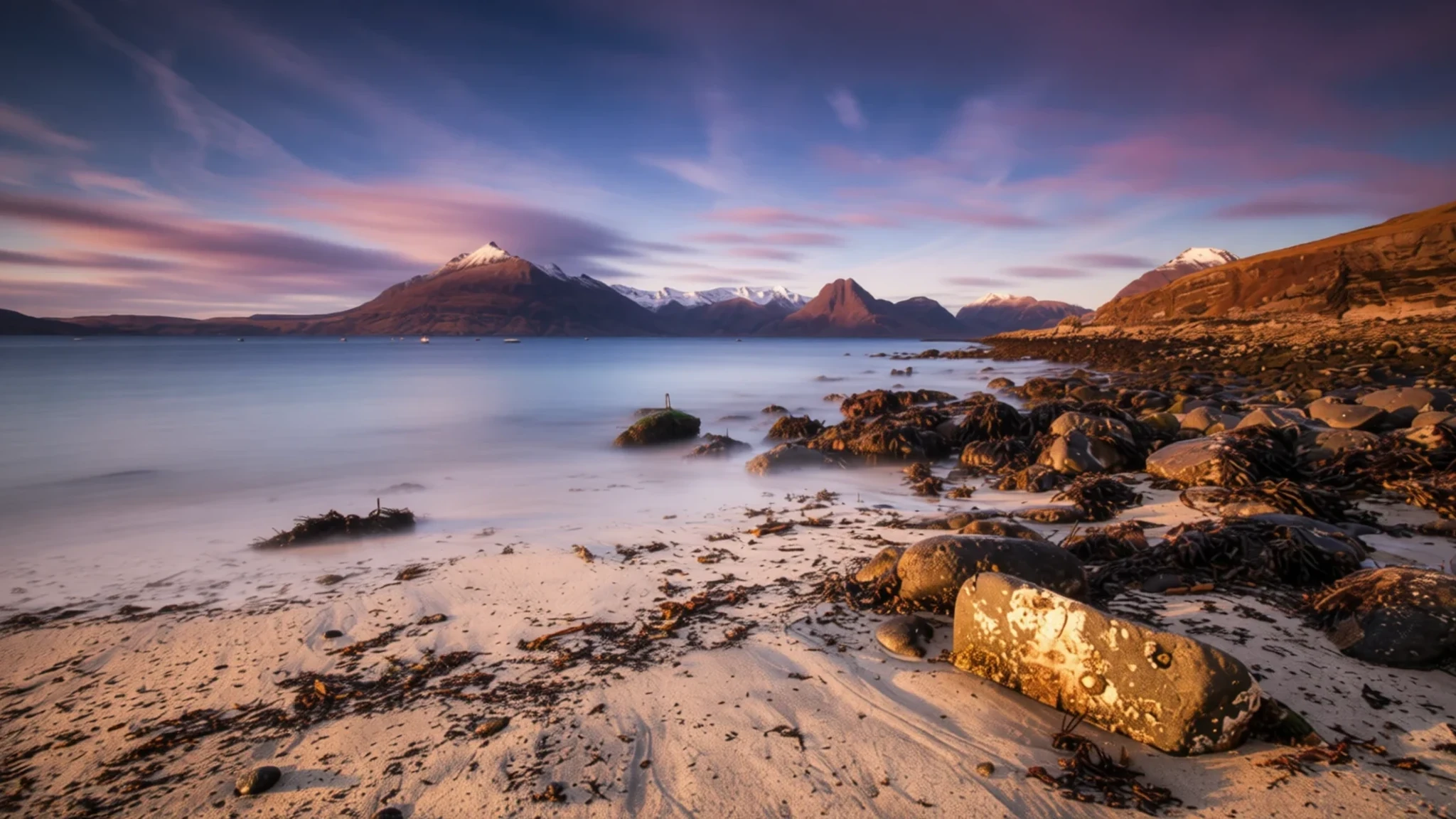
Skye is an island of sharp mountain ridges, sea lochs and changeable weather, best seen over a few days with a waterproof jacket.
The place
The Isle of Skye is the largest island in the Inner Hebrides, and its northern peninsulas push out into the Atlantic like the points of a star. At the centre sits a knot of peaks called the Cuillin, whose rough, steep ridges draw walkers and climbers from all over the world. Its highest ground rises to 993 metres, and the Cuillin dominate almost every view from the main road.
A road bridge now links the island to the mainland, so the drive from the south no longer needs a ferry, and that has made Skye easy to reach and very popular. Portree, the main town, sits on the east coast and holds most of the shops, the harbour and the places to stay.
About 10,000 people live here, and the economy rests mainly on tourism, with farming, fishing and forestry alongside it. Much of the land is open moor and rough pasture, and the weather can turn within the hour, from grey drizzle to bright sun and back again. Cloud often sits on the mountains, so a clear view is never guaranteed.
Gaelic is still spoken in the island's communities, and many road signs carry both Gaelic and English names. The island is a patchwork of small settlements, scattered crofts and single-track roads, and it rewards slower travel.
Its story
The Isle of Skye has a human history that reaches back long before written records. The earliest evidence is a set of stone tools from the far north of the island, of a type linked to the end of the last Ice Age, when the landscape was still settling after the ice withdrew.
Later, Mesolithic hunter-gatherers camped at An Corran in Staffin, and the remains there count among the oldest archaeological sites in Scotland. Bloodstone tools found on the coast near Dunvegan suggest that people also travelled to the island from the nearby island of Rùm.
Over the centuries, Celtic peoples including the Picts and the Gaels were followed by Scandinavian settlers. By the late medieval period, the powerful Norse-Gaelic clans of MacLeod and MacDonald held much of the land. Norway regarded the island as under its overlordship until a treaty transferred control to Scotland.
The Jacobite risings, fought across the Highlands, broke the old clan order. The clearances that followed emptied whole townships to make way for sheep farms, and some families were forced to emigrate overseas. The population fell steadily for generations and was still falling late in the last century.
The modern island leans on visitors more than it once did. The northern peninsula of Trotternish owes its strange scenery to a huge landslip at the end of the last Ice Age, when a mountainside slumped and left jagged rock formations behind.
What to see
- The Old Man of Storr — Trotternish, north of Portree
The Old Man of Storr is a tall rock pinnacle on the Trotternish ridge, visible from the road and from the path that climbs towards it. The walk up is steep in places and can be muddy after rain, so sturdy boots matter. Going early means quieter paths and a clearer view of the pinnacle, and the viewpoints give a better angle than the loose scree beneath it.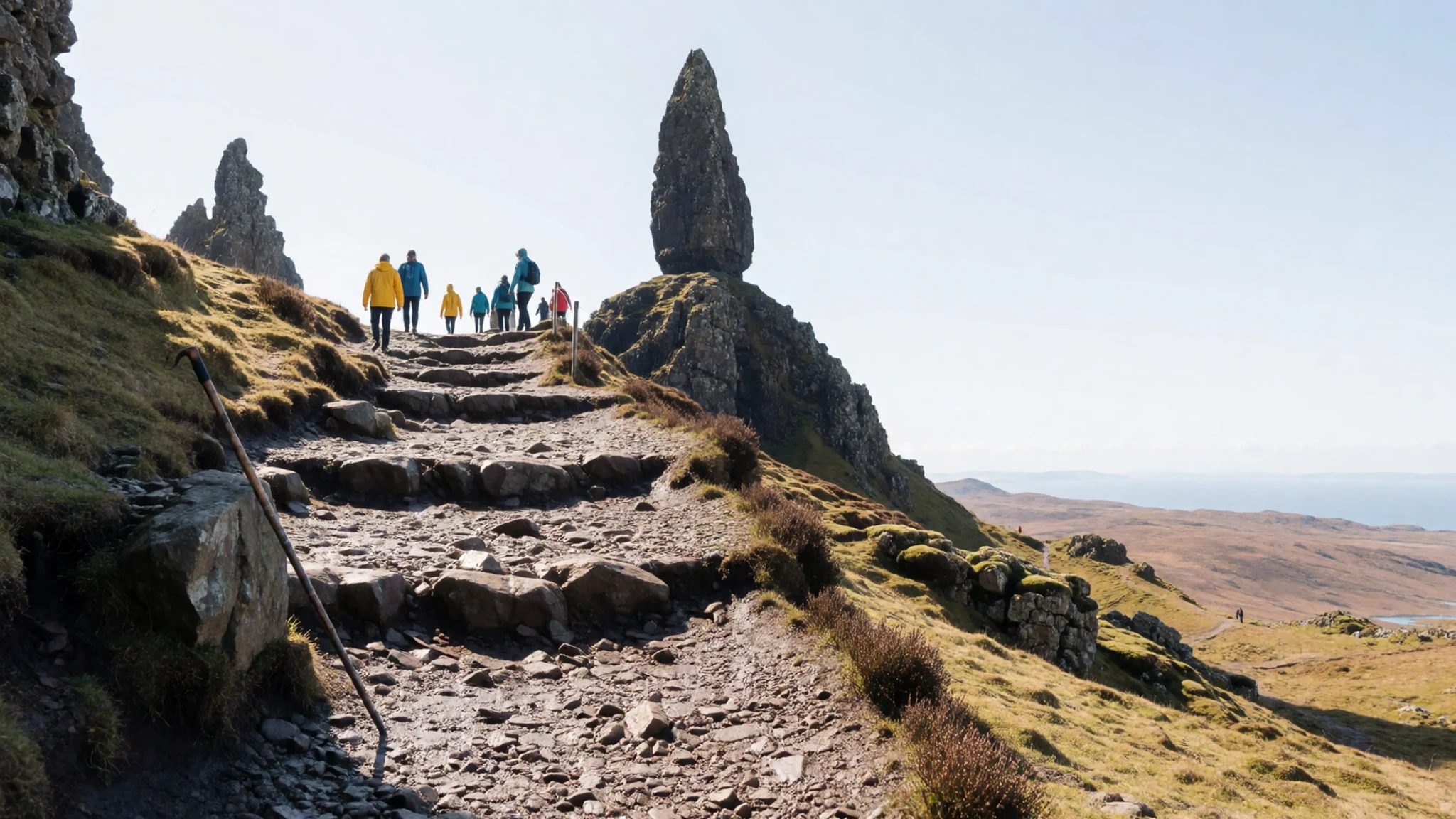
- Kilt Rock — Trotternish, east coast
Kilt Rock is a dolerite sea cliff on the east side of Trotternish. The name is a stretch, since the rock barely looks like a kilt, but the regular columns in its face are striking. Viewpoints stand above the cliff, the drop is sheer, and the wind can be strong, so keep well back from the edge. A small museum nearby covers the island's fossil finds.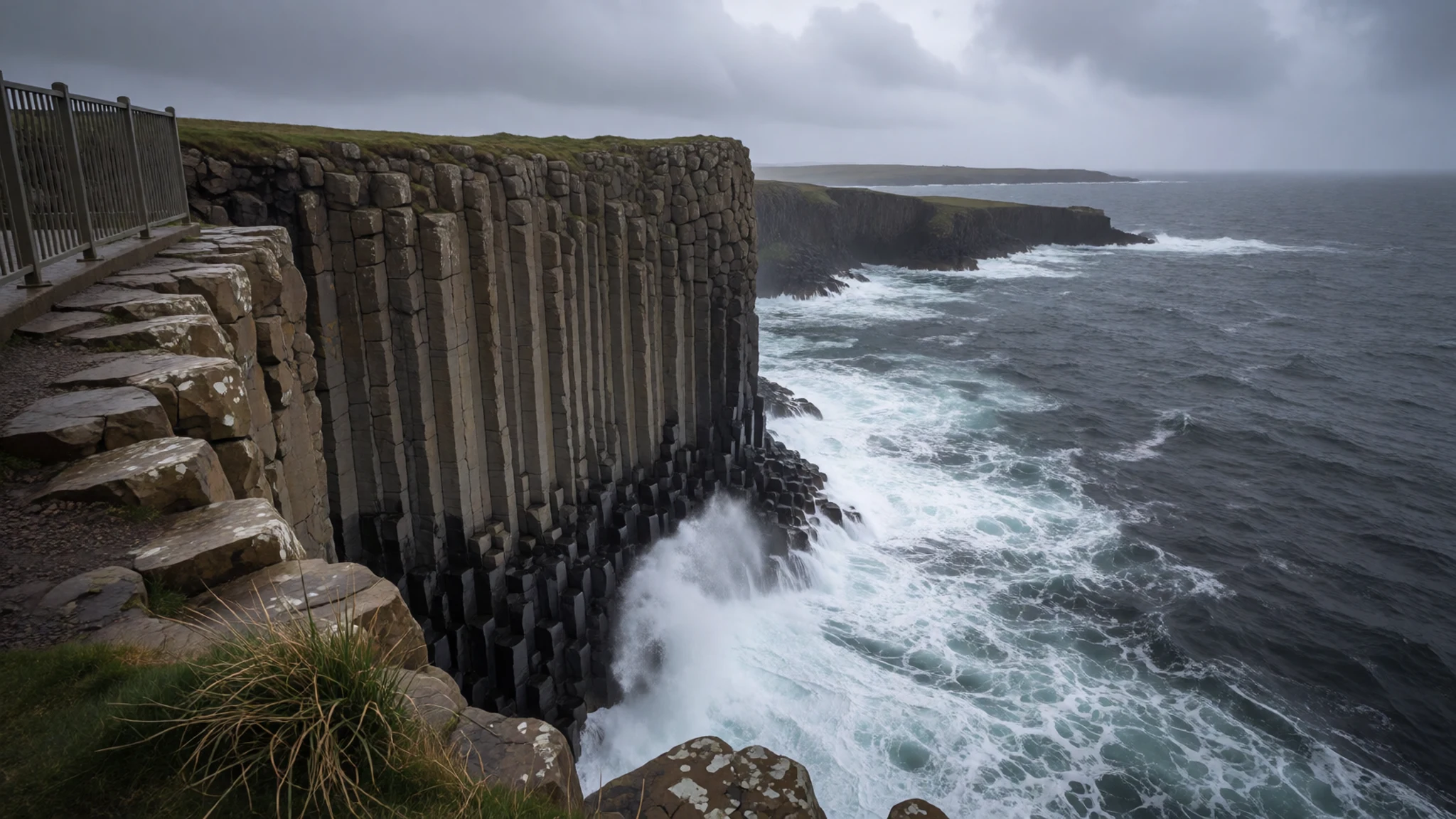
- The Quiraing — Trotternish, above the road
The Quiraing is a plateau hemmed in by rock pillars, and the road gives only a limited view of it. For a closer look, walk the loop, which takes a few hours over uneven ground with steep sections and wide views. The high ground is exposed, so check the forecast and choose a day with good visibility.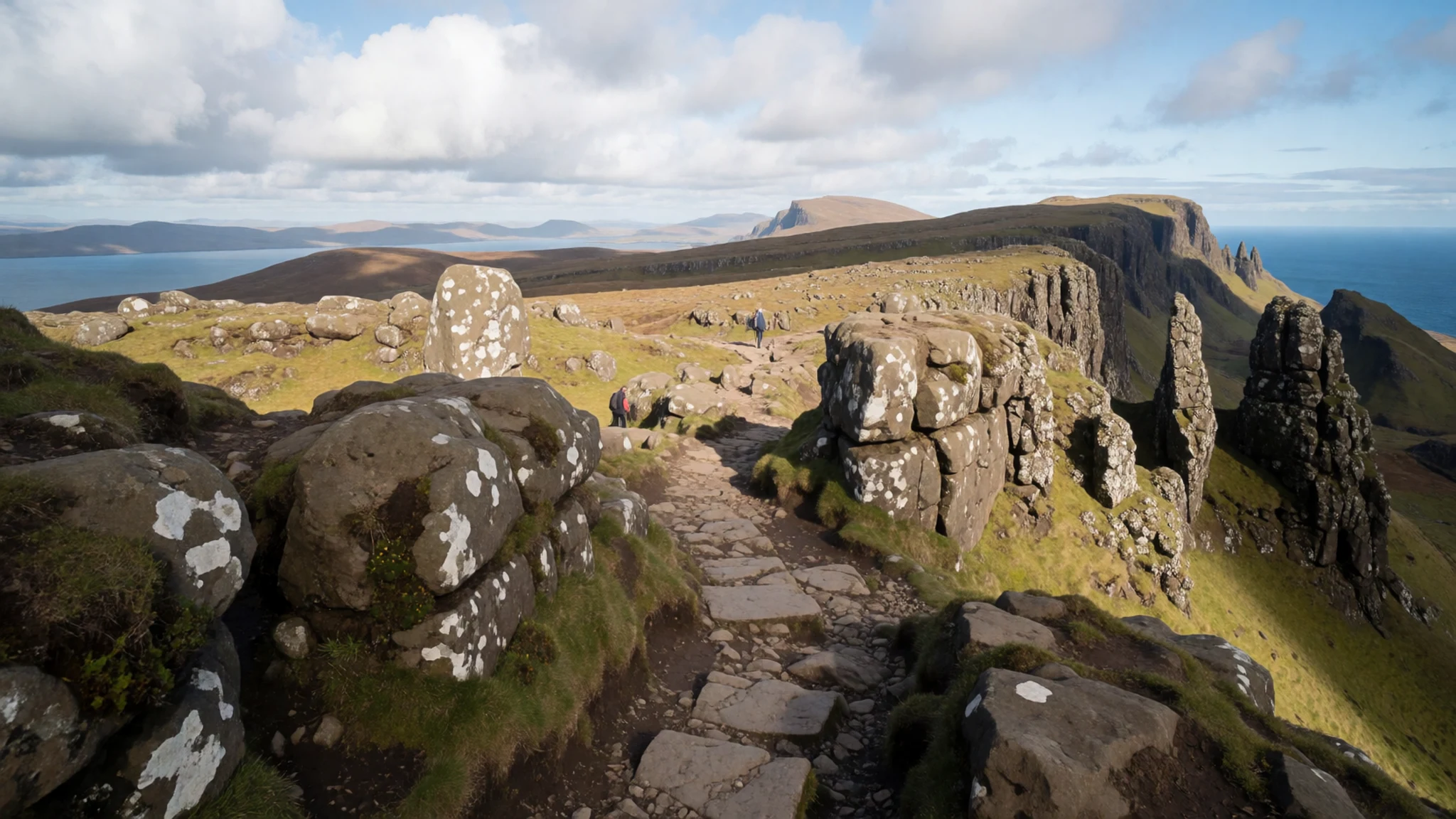
- Dunvegan Castle and Gardens — Duirinish, west of Portree
Dunvegan Castle is the grandest building on Skye and the home of the MacLeod clan. The castle and its gardens sit on a rocky promontory above Loch Dunvegan, and the gardens reward a slow wander in fair weather. Opening times and tickets change, so check the official site before travelling.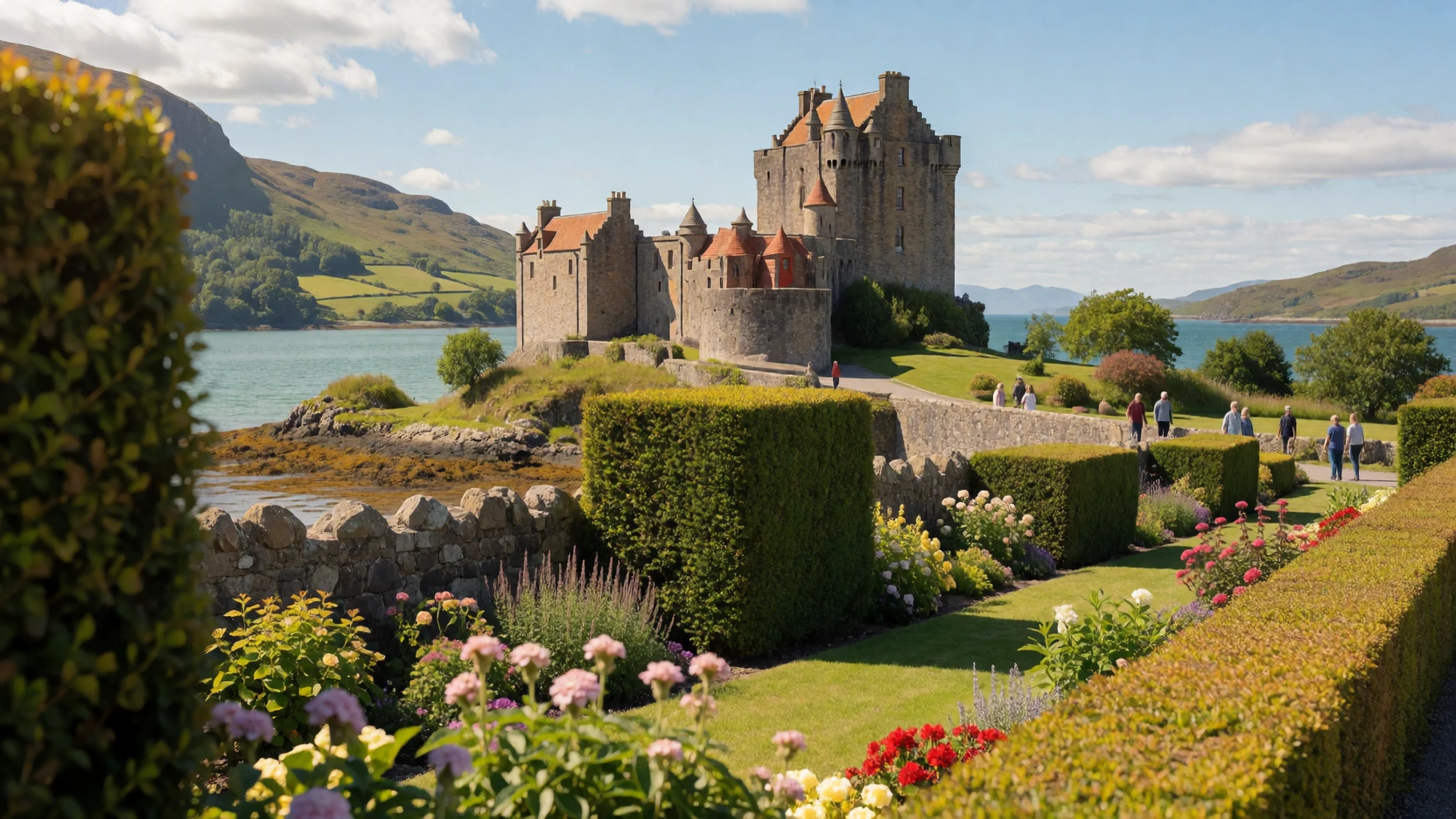
- Macleod's Maidens — Western tip, near Dunvegan
Macleod's Maidens are sea stacks off the western tip of the island, near Dunvegan. Walkers can reach them by a long hike, but most visitors see them from a boat, which gives a better view than the cliffs above. Calm weather makes the trip far more enjoyable, so plan a flexible day for it.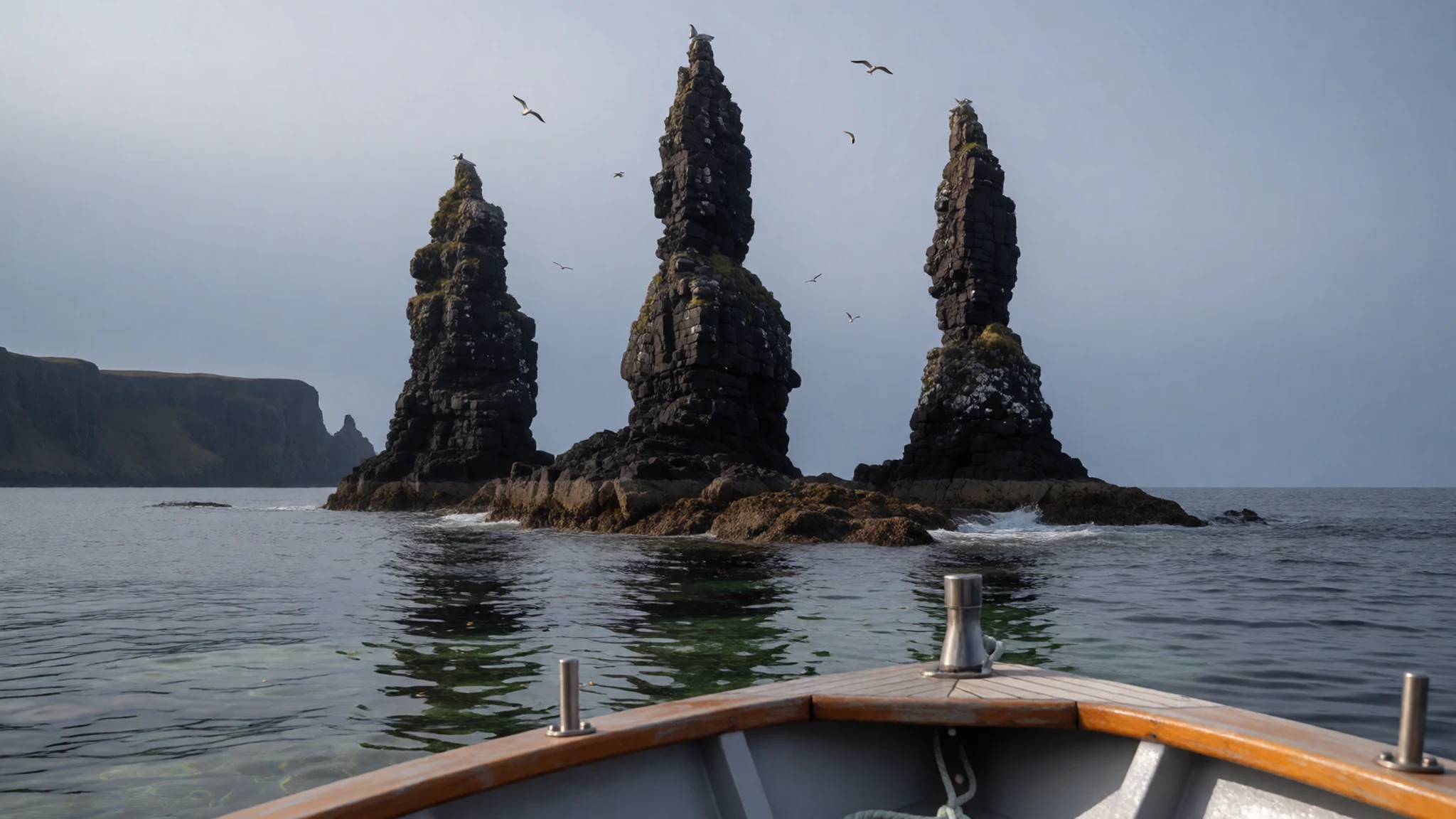
Culture
The Isle of Skye is a working landscape as much as a tourist one, and that shapes how visitors should behave. Many of the hills and glens are crofts, small holdings where families keep sheep and cattle, and fences and gates are part of daily life. Gaelic is still heard in some communities, and bilingual signs carry the language into everyday use. Residents are used to visitors, but the summer season brings crowds that test patience on narrow roads and in small villages. Hospitality is warm, and a friendly greeting goes further than a camera pointed at a stranger. Walkers should keep to marked paths and remember that the moorland and the crofts belong to someone who earns a living from them. Close every gate behind you and keep dogs on a lead around sheep and cattle, especially in spring.
What to wear
On the Isle of Skye, traditional dress means Highland wear: the kilt in clan tartan, a wool jacket, and a sporran at the front. Tartan is woven in heavy wool, and the older cloths were dyed from plants and lichens found on the moor. Harris tweed, woven in the Outer Hebrides, is the island-style cloth most often sold in local shops. Highland dress is worn today for weddings, ceilidhs and formal occasions, not for everyday life.
What people actually wear now is practical. Waterproof shells, fleeces, walking boots and knitwear are the norm in towns and villages, and farmers and fishermen dress for wind and rain. The climate changes quickly, so layers work better than a single heavy coat.
A visitor should pack a waterproof shell, a warm mid-layer and a hat and gloves, even in summer. Sturdy boots with good grip suit wet rock, scree and boggy paths. Dress in religious buildings should be modest, and smart clothes are only needed for formal events at the castle or a wedding.
What to eat
- Langoustines and shellfish — The harbour at Portree and fishing villages on the west coast
Langoustines, scallops and crab appear on menus across the island when the boats have been out. Portree's harbour and the fishing villages on the west coast are the places to ask what came in that morning. Simple cooking, with butter and good bread, usually shows them at their best.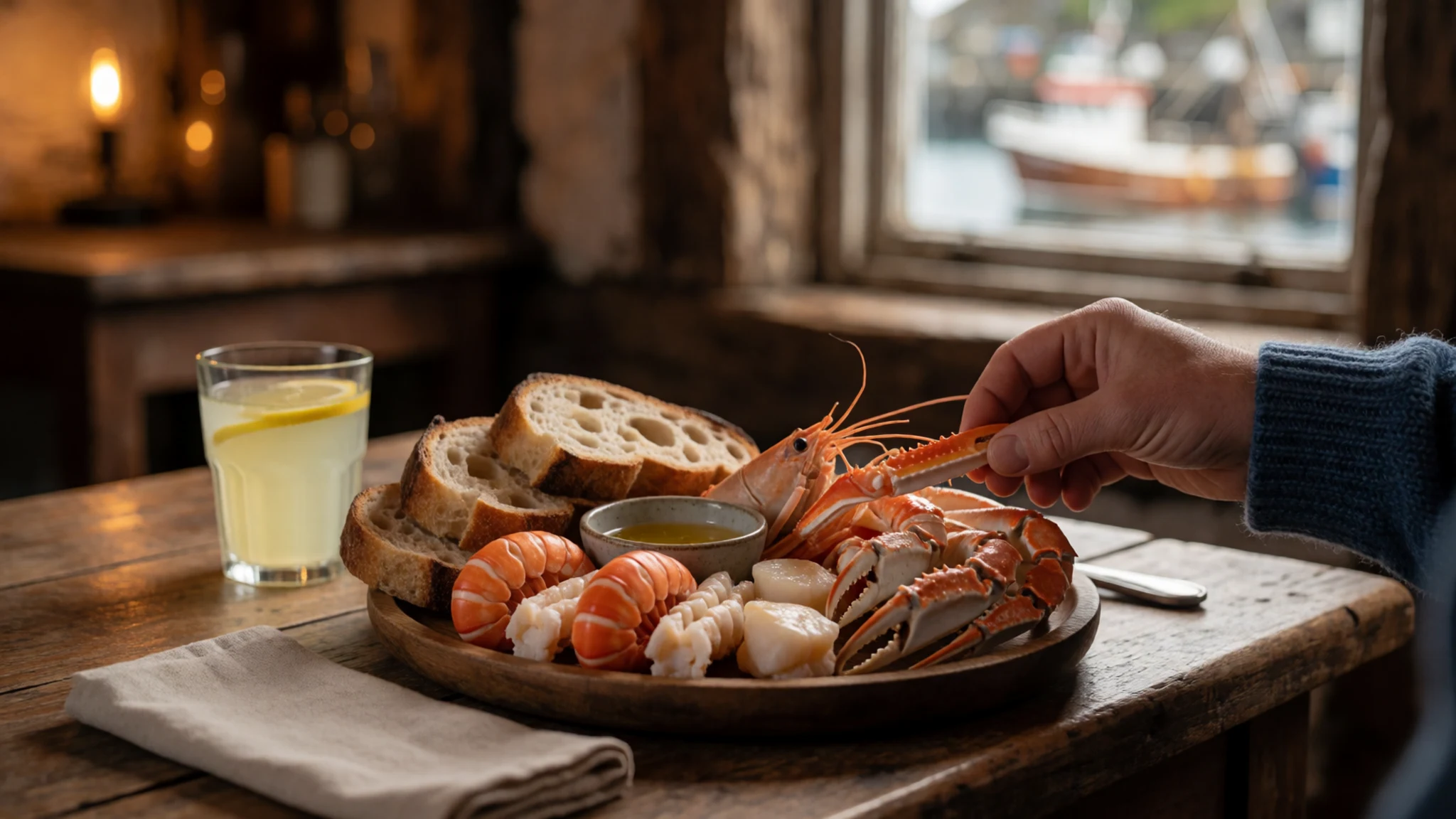
- Smoked salmon and trout — Smokehouses along the coast road and pubs in Portree
Smoked fish is a long-standing island product, and it is sold in small smokehouses and served in pubs. Buy a piece to eat on a windy headland, or ask for it on a plate with oatcakes and a little lemon. Smokehouses along the coast road are the most useful first stop.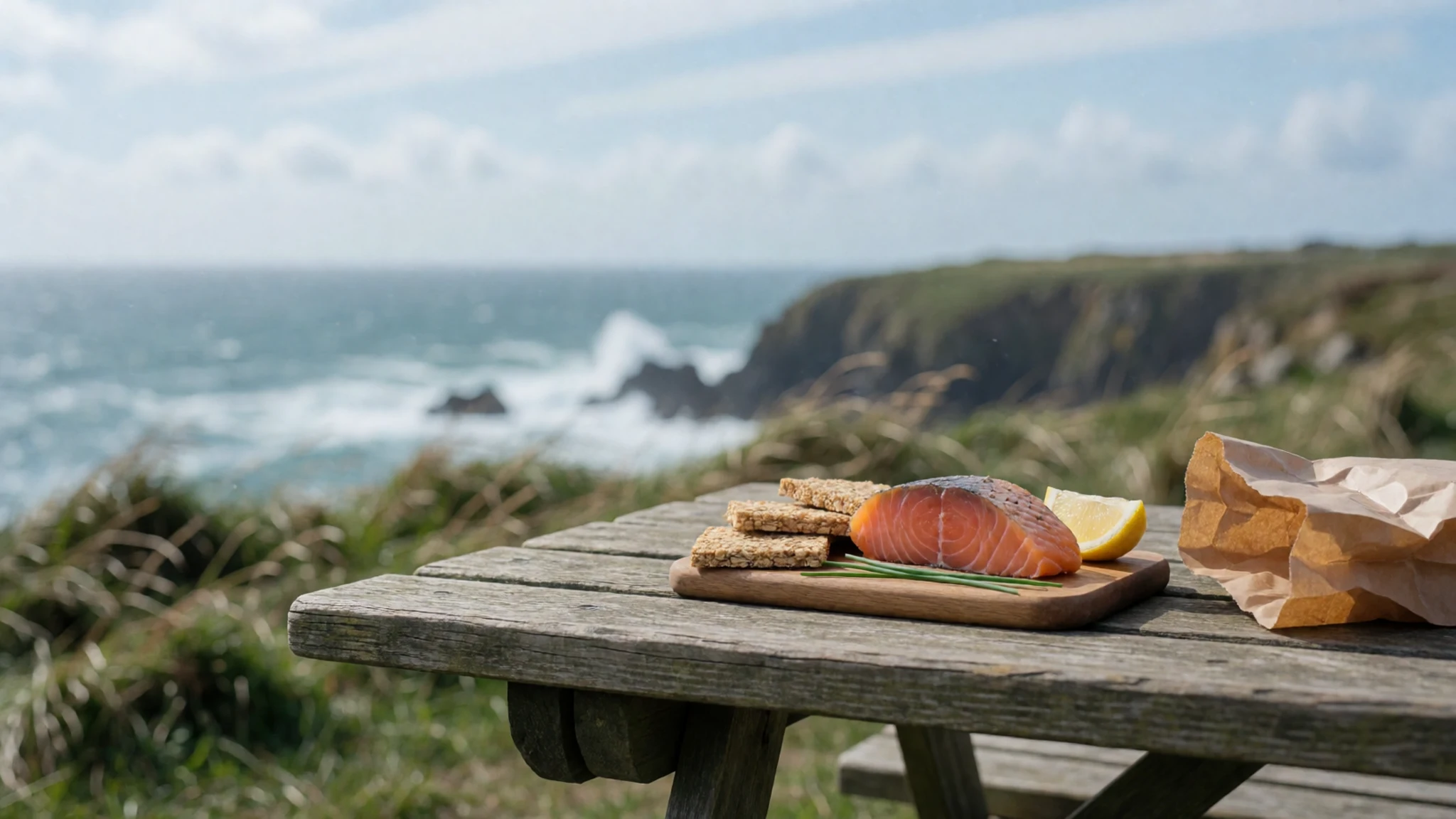
- Cranachan — Tearooms and pubs, especially in Portree
Cranachan is a Scottish dessert of whipped cream, toasted oats, raspberries and a splash of whisky. It is a good way to finish a long walk. Tearooms and pubs across the island serve it, and the main town has several options.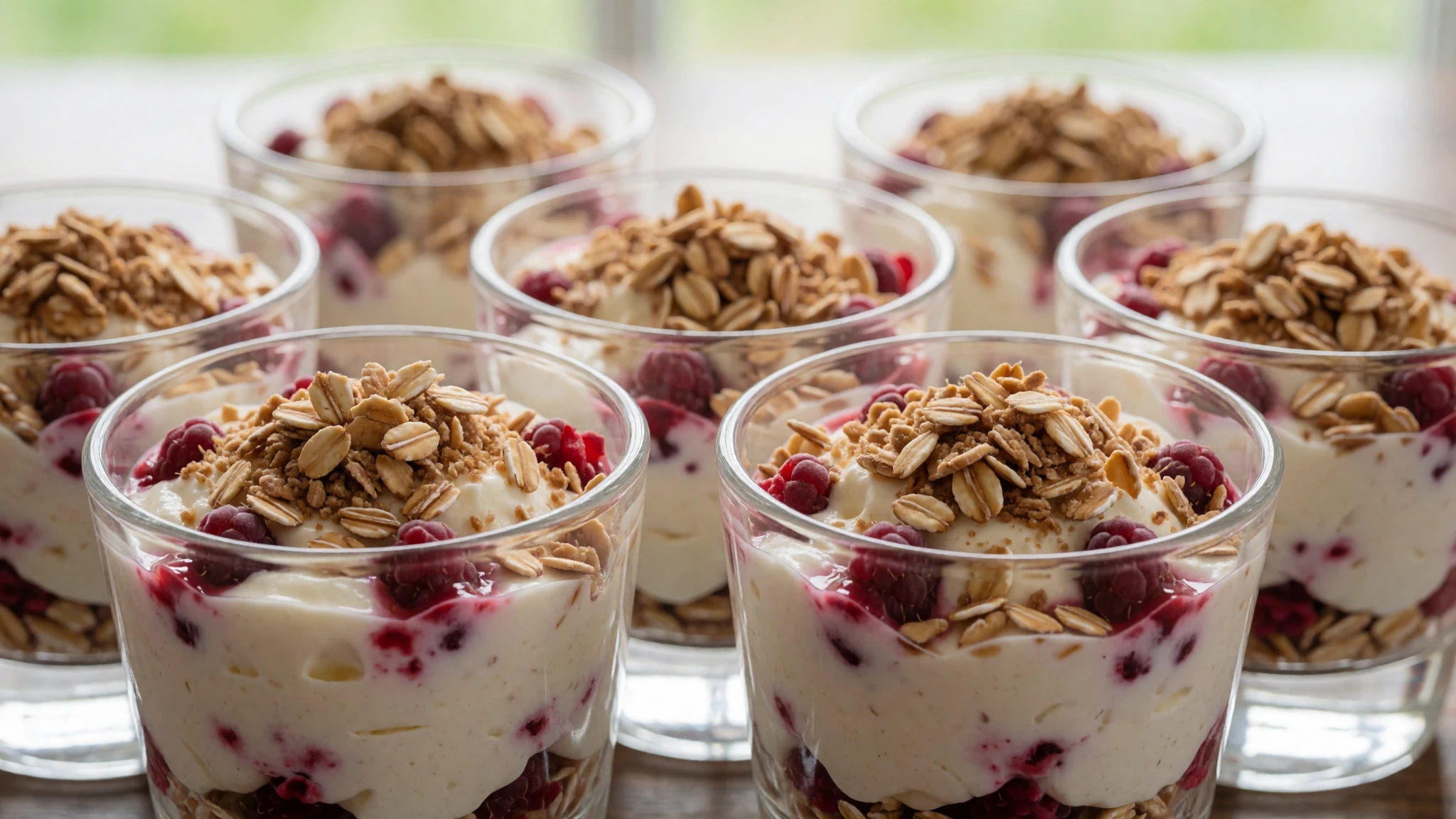
- Island beers — Brewery shops at Sligachan and Uig, and pubs across the island
The island's brewers offer tours and shop sales, and their bottled ales turn up in many pubs. Black Cuillin is a dark porter, Red Cuillin an amber ale, and Hebridean Gold a golden ale. Ask a pub which one is on tap before ordering a second. - Single malt whisky — Distilleries at Carbost and Sleat, and Raasay reached from Sconser
Talisker at Carbost is the best-known distillery, and Torabhaig in Sleat also offers tours. The Raasay distillery is a day trip from Sconser. Isle of Skye Whisky is a blended product made near Edinburgh, not on the island, so look for the distillery name on the label.
Plan it
Best time. May, June and September give the best mix of long days and manageable crowds. The main season runs from Easter through September, and July and August are the busiest months, with midges at their worst on calm summer evenings. Winter is quiet, dark and wet, and some services run on reduced hours.
How long. 3–4
Getting there. Fly to Inverness, Glasgow or Edinburgh, then drive or take a bus across the road bridge; the island has no airport and no railway. The nearest rail stations are Kyle of Lochalsh and Mallaig, and the Mallaig route ends with a ferry to Armadale. Buses run from Glasgow and Inverness, and the Glasgow journey takes most of a day.
Budget. mid
Tips
- Book beds early for summer, because some hotels are block-booked by coach tours
- Start the Old Man of Storr and the Quiraing walks early, before the car parks fill
- Check the weather and mountain forecast before any climb in the Cuillin
- Carry cash for small cafés, honesty boxes and farm shops, and expect cards elsewhere
- Fill up with fuel before rural stretches, and pack midge repellent and a waterproof shell
Etiquette
- Use passing places on single-track roads and let faster traffic by
- Keep to paths on crofts and farmland, and close every gate
- Give sheep and cattle plenty of room and keep dogs on a lead
- Take all litter away, because bins are few in remote spots
Nearby
Sources
- Wikidata Q107393 (CC0)
- Wikipedia: Isle of Skye (rev 1382392911) (CC BY-SA 4.0)
- Wikivoyage: Skye (rev 5371639) (CC BY-SA 4.0)
- Skye Bridge photo, W. Bulach (CC BY-SA 4.0)
- Cattle near Neist Point, JoachimKohler-HB (CC BY-SA 4.0)
- Old Man of Storr, Sanshiro Kubota (CC BY 2.5)
- Dunvegan Castle & Gardens, Dunvegancastle (CC BY 3.0)
- The Cuillin Hills NSA, Enric (CC BY-SA 4.0)
- Isle of Skye relief map, Nilfanion and Ruhrfisch (CC BY 3.0)
- River Rha waterfall, DeFacto (CC BY-SA 4.0)
- Sauropod track at Duntulm, Mirror 2 sky (CC BY-SA 4.0)


