Isle of Harris
Isle of Harris, United Kingdom
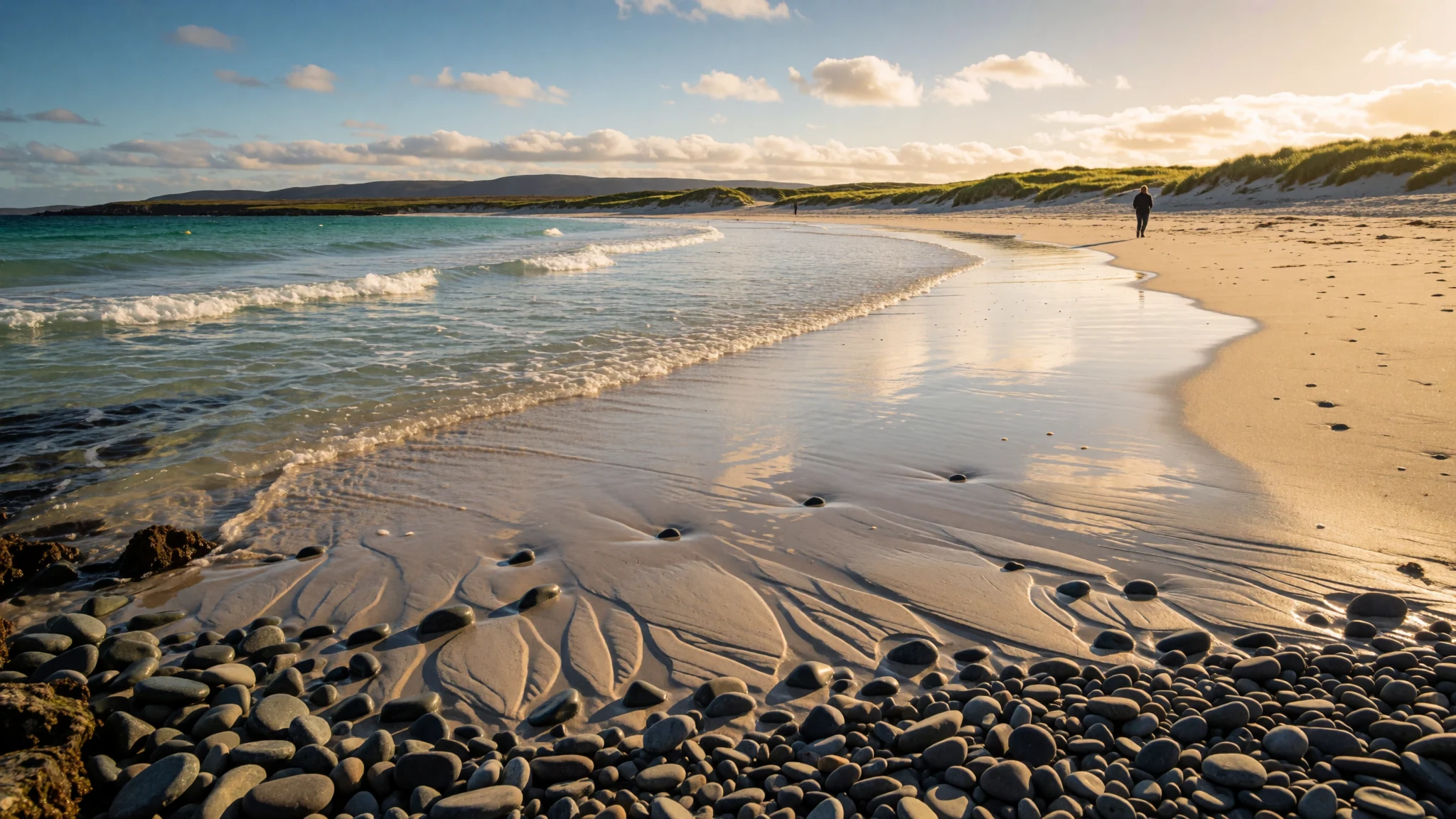
Go for white-sand beaches, bare hills and a slow pace of life, not for nightlife or shops open on a Sunday.
The place
Harris (Scottish Gaelic Na Hearadh) is the southern and more mountainous half of Lewis and Harris, the largest island in the Outer Hebrides. Although it is not an island in its own right, it is often called the Isle of Harris to set it apart from Lewis to the north. The two halves are divided by West and East Loch Tarbert and meet at a narrow isthmus at Tarbert, the main settlement.
Much of the bedrock is Lewisian gneiss, laid down in the Precambrian and broken by later igneous intrusions. The summit plateau of Roinebhal is one of these intrusions, made of anorthosite, a rock that geologists compare with material from the mountains of the Moon. Historically Harris was part of Inverness-shire, and it keeps a strong Gaelic identity in its place names and its rhythms.
The usually resident population is about 1,900, spread along the coasts and single-track roads. The land is a mix of rock, peat bog and machair, the shell-sand grassland where wildflowers grow in summer. Settlements cluster near the sea while the hills rise sharply behind them, so the island can feel open and enclosed within a short drive.
Its story
Harris has long lived by its land, its sea and its wool. Its best-known product is Harris Tweed, a cloth that is mostly woven on Lewis, with the main finishing mills at Shawbost and Stornoway. Every length is stamped with the Orb, the official symbol the Harris Tweed Association trademarked in 1909, and that stamp is the quickest way to check that a piece is genuine.
Tourism has become one of the steadiest sources of income. The Scottish Government describes it as by far the mainstay industry of the Outer Hebrides, and visitors are split unevenly across the islands, with Harris taking a smaller share than Lewis but still a meaningful one. Summer brings the most people, while winter quiets the roads and coastal paths almost entirely.
Travel has always been shaped by water. Car ferries from Uig on Skye land at Tarbert, and a Sunday service from Berneray to Leverburgh now runs all year, having been introduced with relatively little controversy. Sunday sailings to Stornoway came later. Ferry timetables still decide when most visitors can arrive and leave, which is why many people plan their whole trip around them.
Sabbath observance runs deep. Shops close on Sunday, and the debates over Sunday ferries show how carefully the community has weighed change against long-held practice.
What to see
- The Golden Road — East coast, Tarbert to Rodel
The Golden Road follows the east coast between Tarbert and Rodel, a route of rocky shore, machair and hill slopes that can be driven or cycled. The road is narrow in places and suits a slow pace, so allow time and pull into passing places for oncoming cars. Stop at the viewpoints to look across the water towards the hills of the south.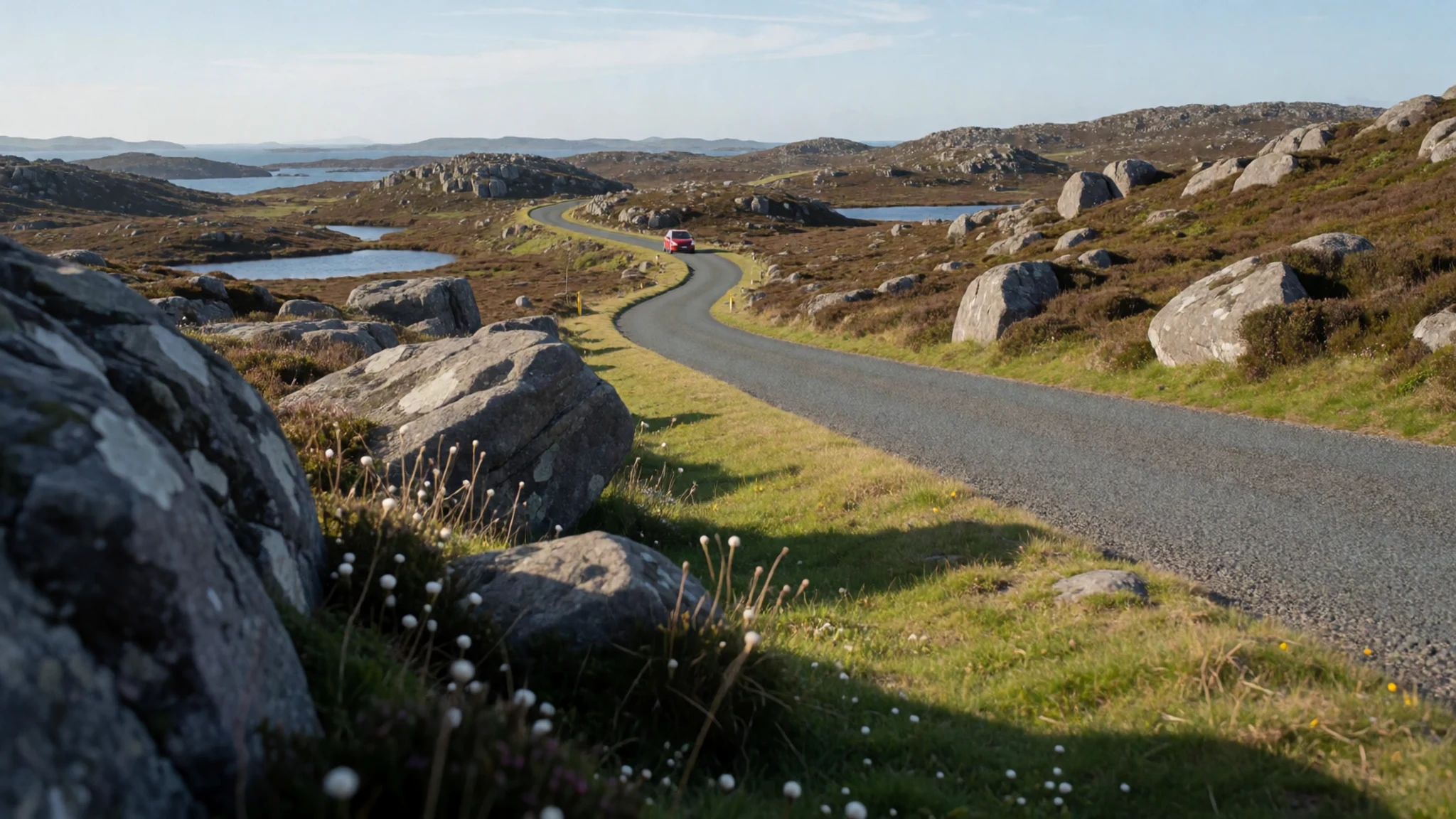
- Rodel church — South Harris, south of Leverburgh
The church at Rodel, south of Leverburgh, is one of the best-known old buildings in the south of the island. Its setting near the water makes a short stop worthwhile on a drive down the southern road. Keep to the churchyard paths, and avoid visiting during a service unless you have been invited.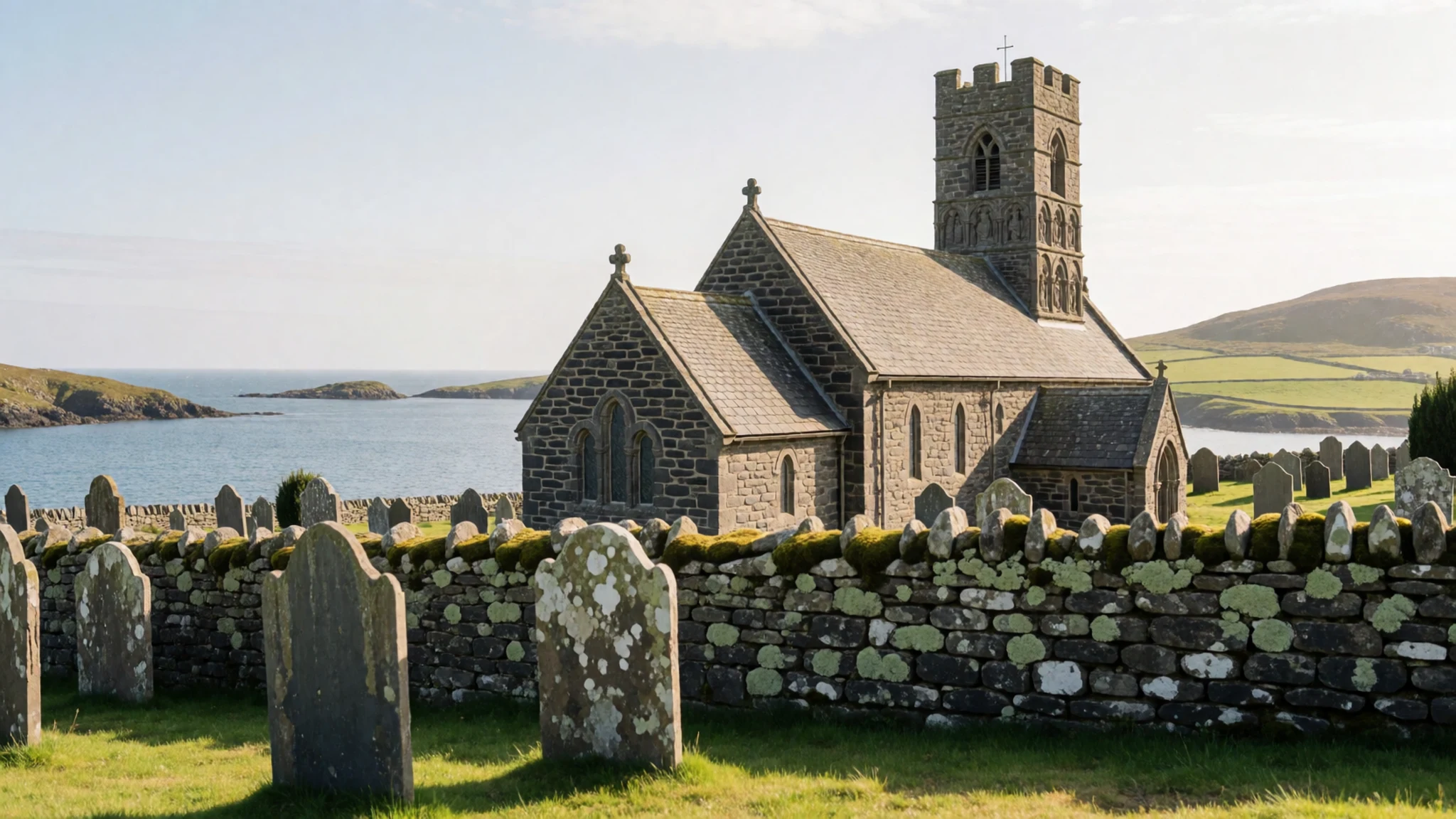
- Luskentyre beach — West coast, South Harris
Luskentyre is a wide sweep of pale sand on the west coast, backed by dunes and machair grass. In good light the water turns turquoise, though it stays cold even in midsummer. Wind is the main hazard on open sand, so take a windproof layer and expect little shelter.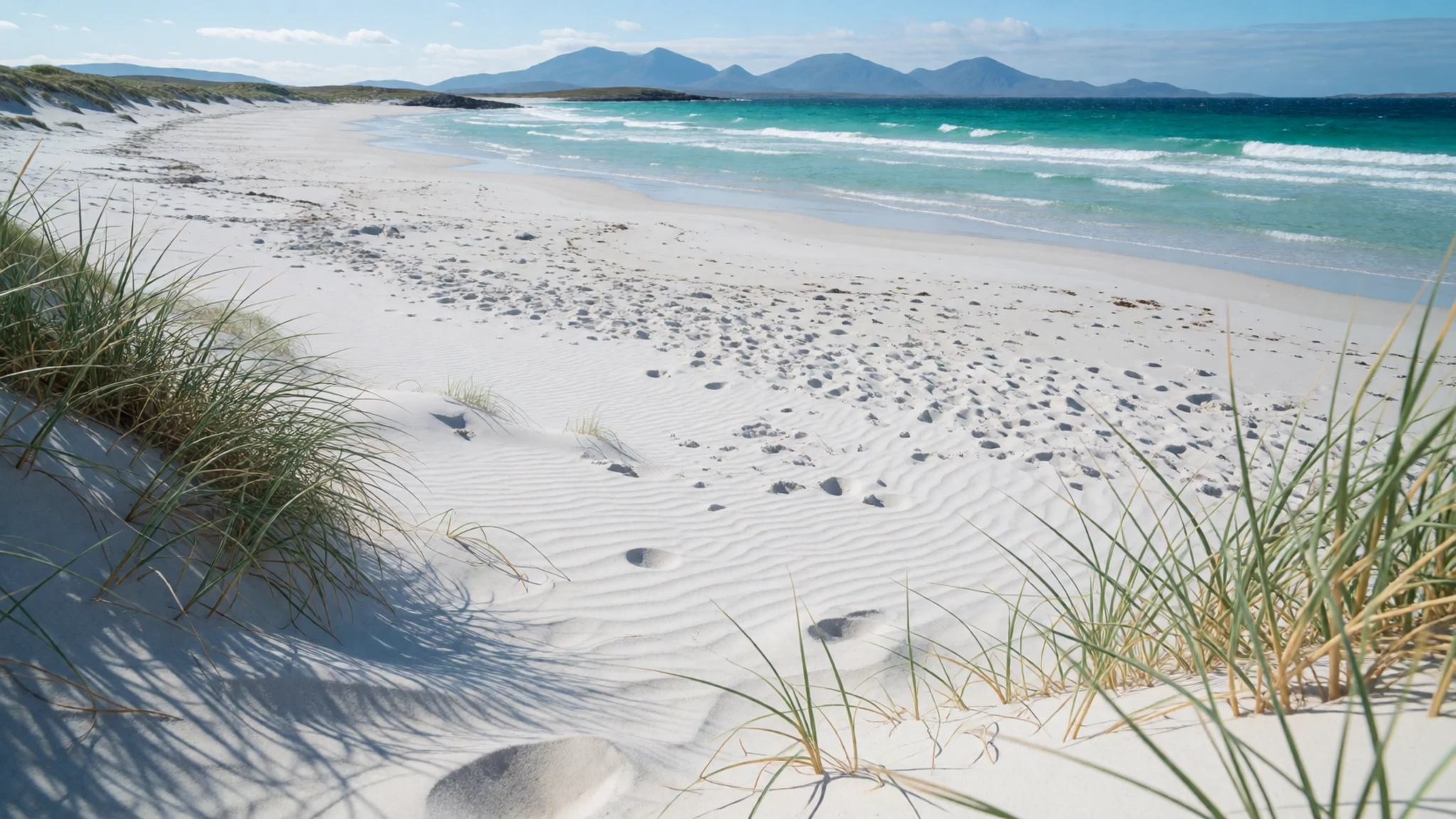
- Clisham — North of Tarbert
Clisham rises north of Tarbert and is described as the only Corbett in the Western Isles, a Scottish hill class rather than a height rating. Walkers come for the ridge and the views across both coasts. It is a full day's walk on open ground, so check the forecast and carry a map and waterproofs.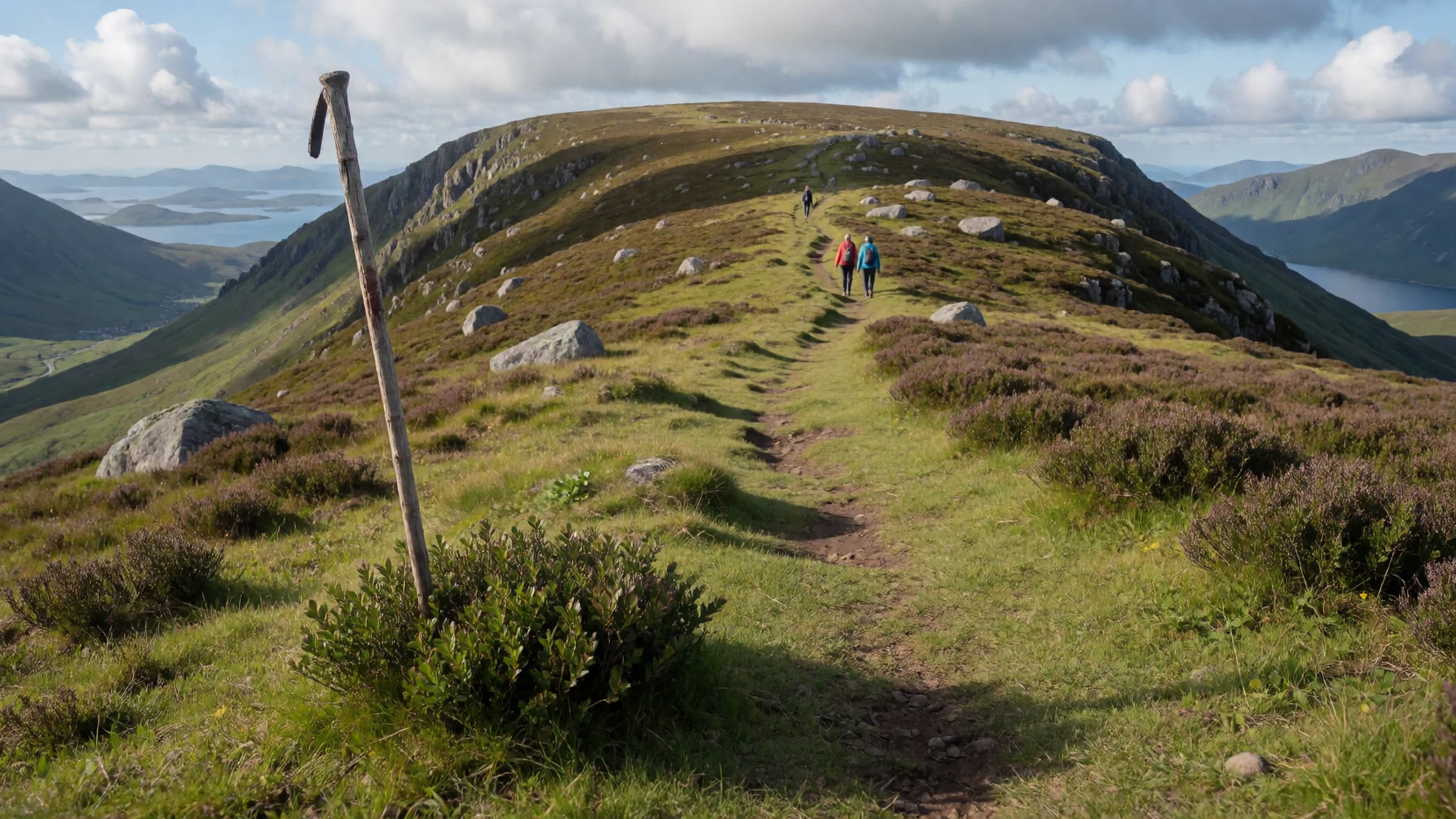
- The Postman's Path — Above Rhenigidale, north-east Harris
The Postman's Path runs above Rhenigidale, a remote village reached on foot past abandoned settlements. The track is long and rough, with boggy ground and exposed stretches, so it suits experienced walkers. Carry food, water and waterproofs, and plan the return leg early in the day.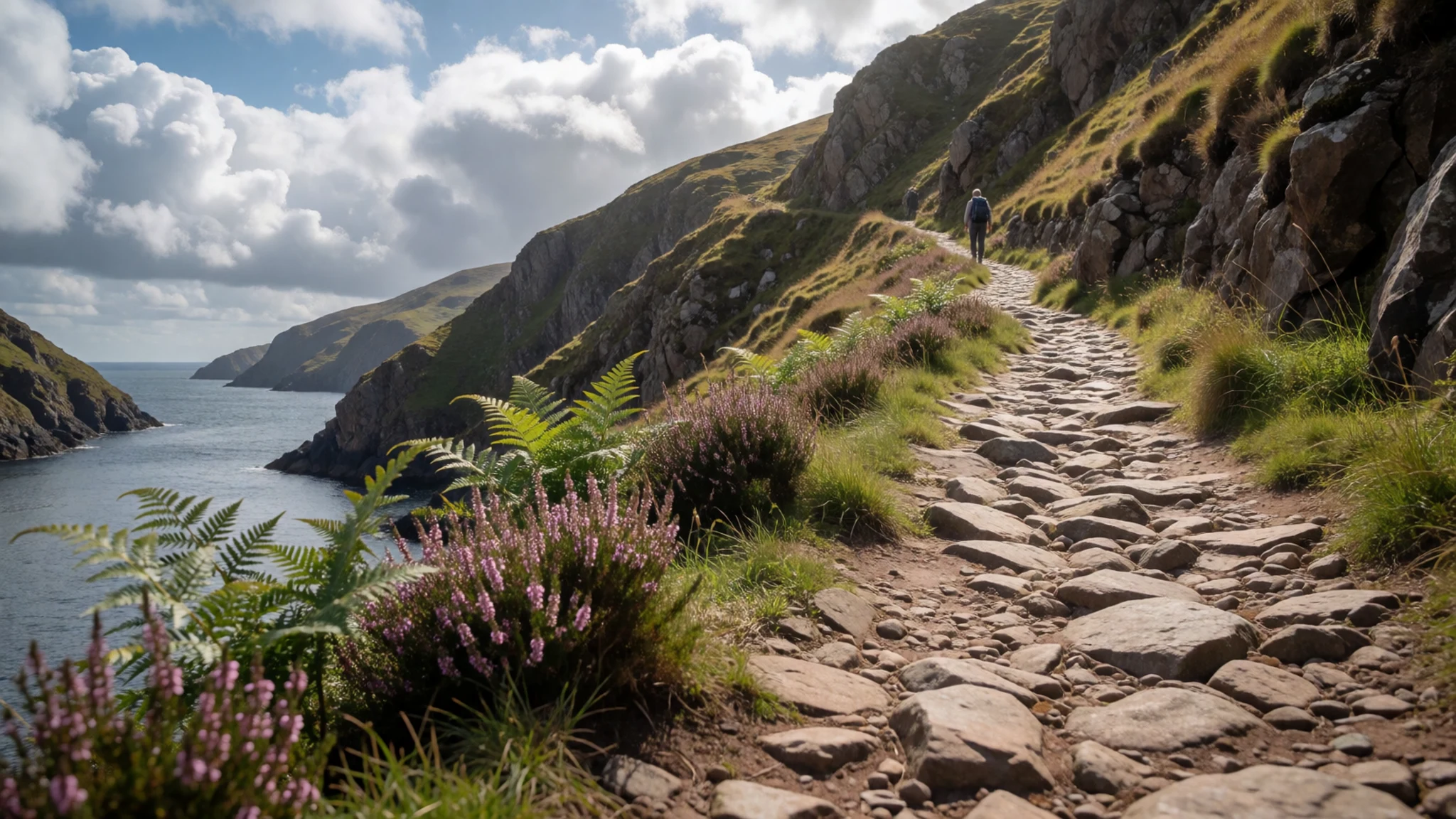
- Shiant Islands boat trip — Sea trips from Harris to the Shiant Islands
Half-day boat trips run to the Shiant Islands, where seals and seabirds gather on the rocks. Puffins can be seen in spring and early summer, which makes that season the best time to go. Sailings depend on weather and sea state, so book ahead and keep a flexible day in reserve.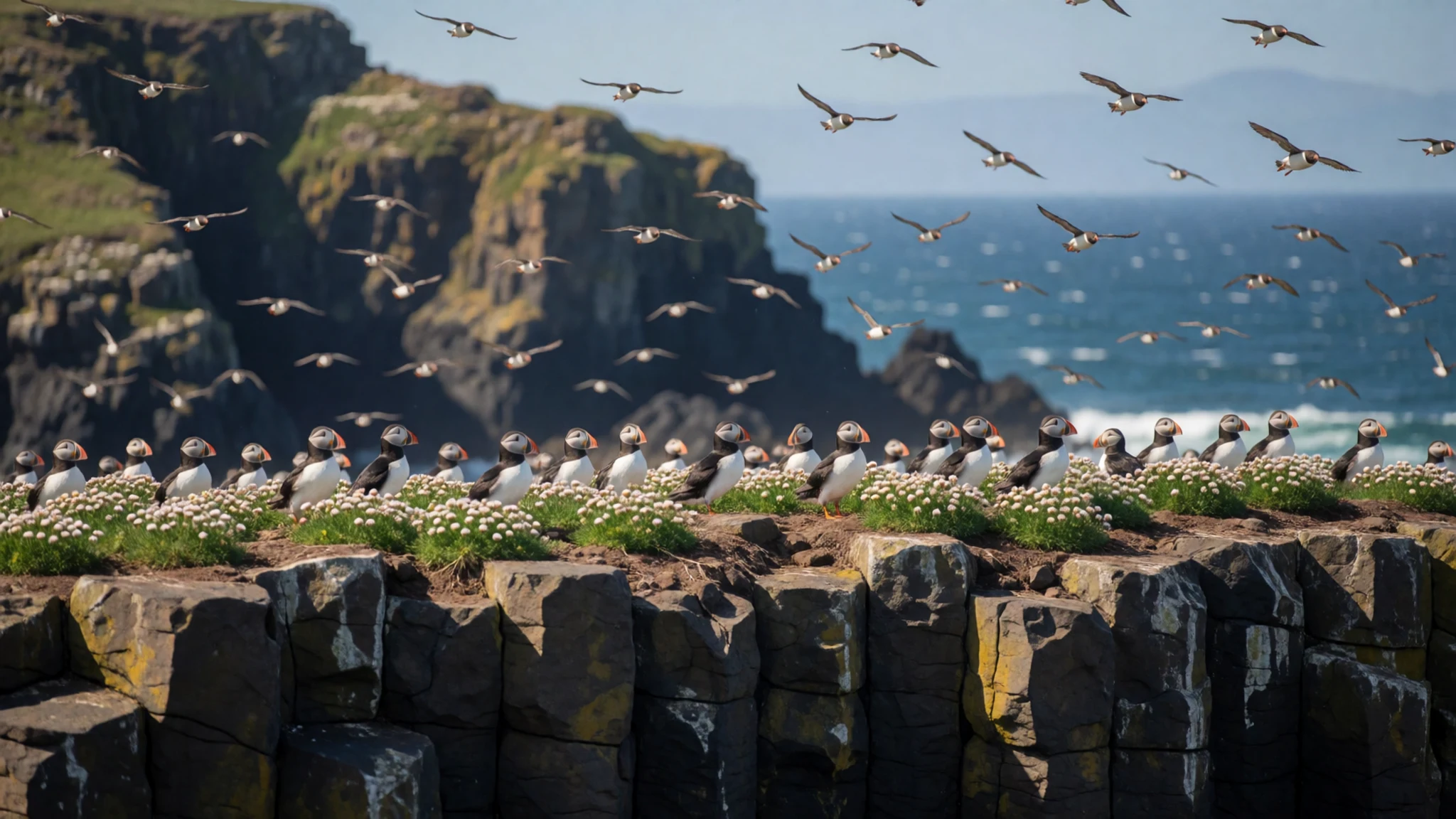
Culture
Harris is a largely Presbyterian community, and Sunday is kept quiet in a way that surprises many first-time visitors. Shops and retail outlets close for the day, and the rhythm of island life runs around church services and family time. Many residents treat Sunday as a day of rest, so it is not the day for shopping trips or loud gatherings.
Change has come carefully. A Sunday ferry between Berneray and Leverburgh now runs all year, and it was introduced with relatively little controversy. Sunday sailings to Stornoway came later, which shows how seriously islanders weigh new services against long-held practice. The gradual pace is part of the island's character, and it rewards visitors who plan ahead.
Visitors who plan around the Sunday closures will have an easier trip, and many of the island's best pleasures, from beaches to hill paths, cost nothing at all. On a Sunday, buy supplies the day before, keep noise down near churches and homes, and ask before photographing anyone at a service.
What to wear
Harris is best known for its tweed, and its traditional dress is really the cloth itself. Harris Tweed is a durable wool, woven in the Outer Hebrides and stamped with the Orb, and it has long been cut into jackets, skirts and caps. The cloth is mostly woven on Lewis, which is why local shops sell it as a regional product rather than a costume.
What people wear now is practical and mostly modern. Waterproof jackets, fleeces and walking boots are common on the hills and beaches, with a tweed jacket or cap for a smarter evening or a shop purchase. Wellingtons appear on wet ground, and the dress is relaxed almost everywhere.
Visitors should pack for changeable weather: layers, a waterproof shell and a warm hat even in summer. Sturdy boots suit the machair and hill tracks, where the ground can be soft and wet. For restaurants and churches, smart-casual clothes are enough, and modest, quiet dress is a sensible choice on a Sunday.
What to eat
- Gin and whisky at the distillery — The distillery, Tarbert
The Isle of Harris Distillery in Tarbert makes gin and scotch whisky and runs tours. A visit suits a wet afternoon, and the gin is an easy bottle to take home. Tasting rooms and shop sales vary, so check the official site before you go.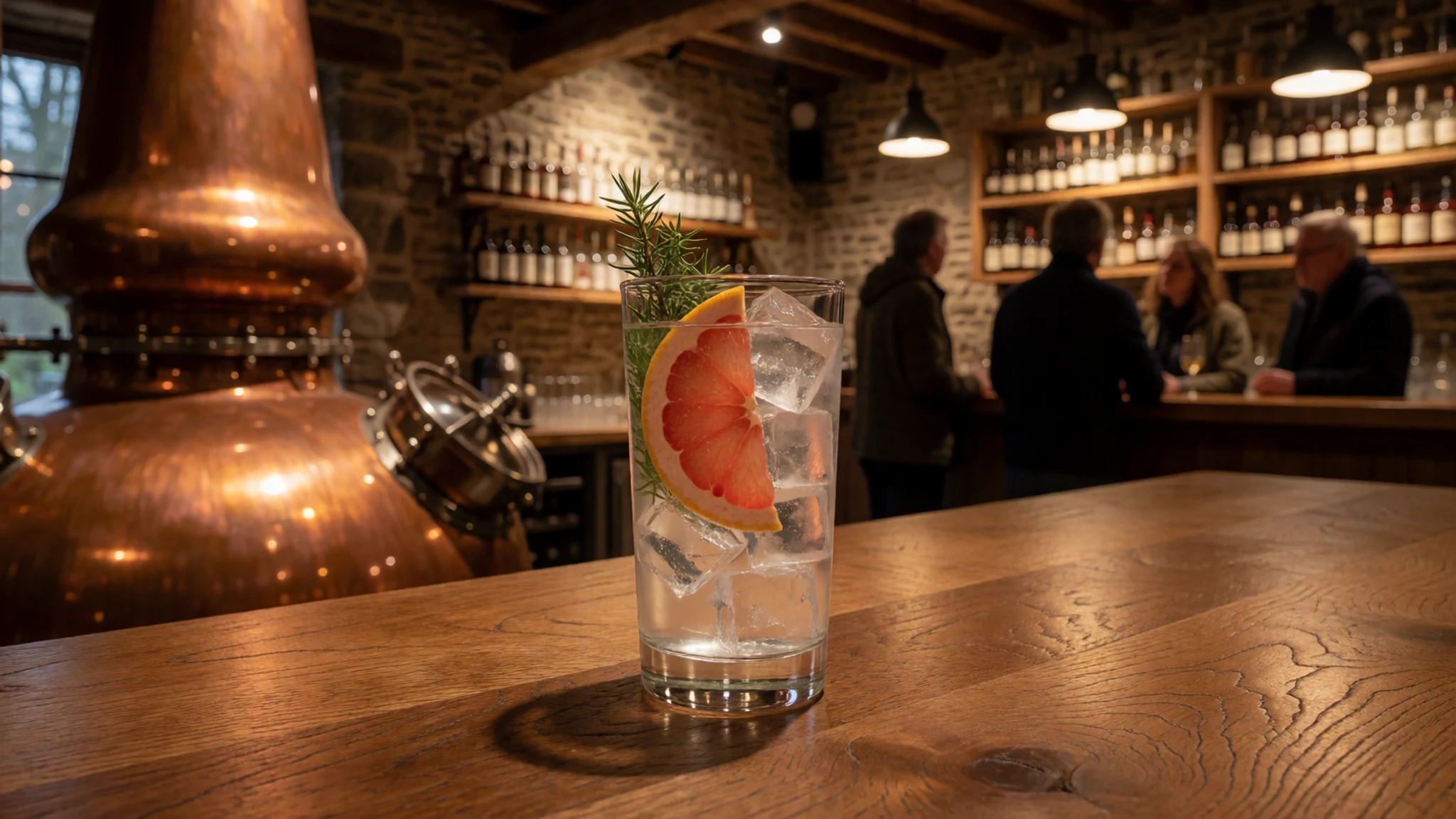
- Café lunch on the main road — Cafés along the main road, including Northton
Small cafés line the main road, with the Temple Cafe and Skoon Gallery at Northton as examples. They are good for a simple lunch, soup, cakes and hot drinks between stops. Many close early in the afternoon, so plan your midday meal around opening times.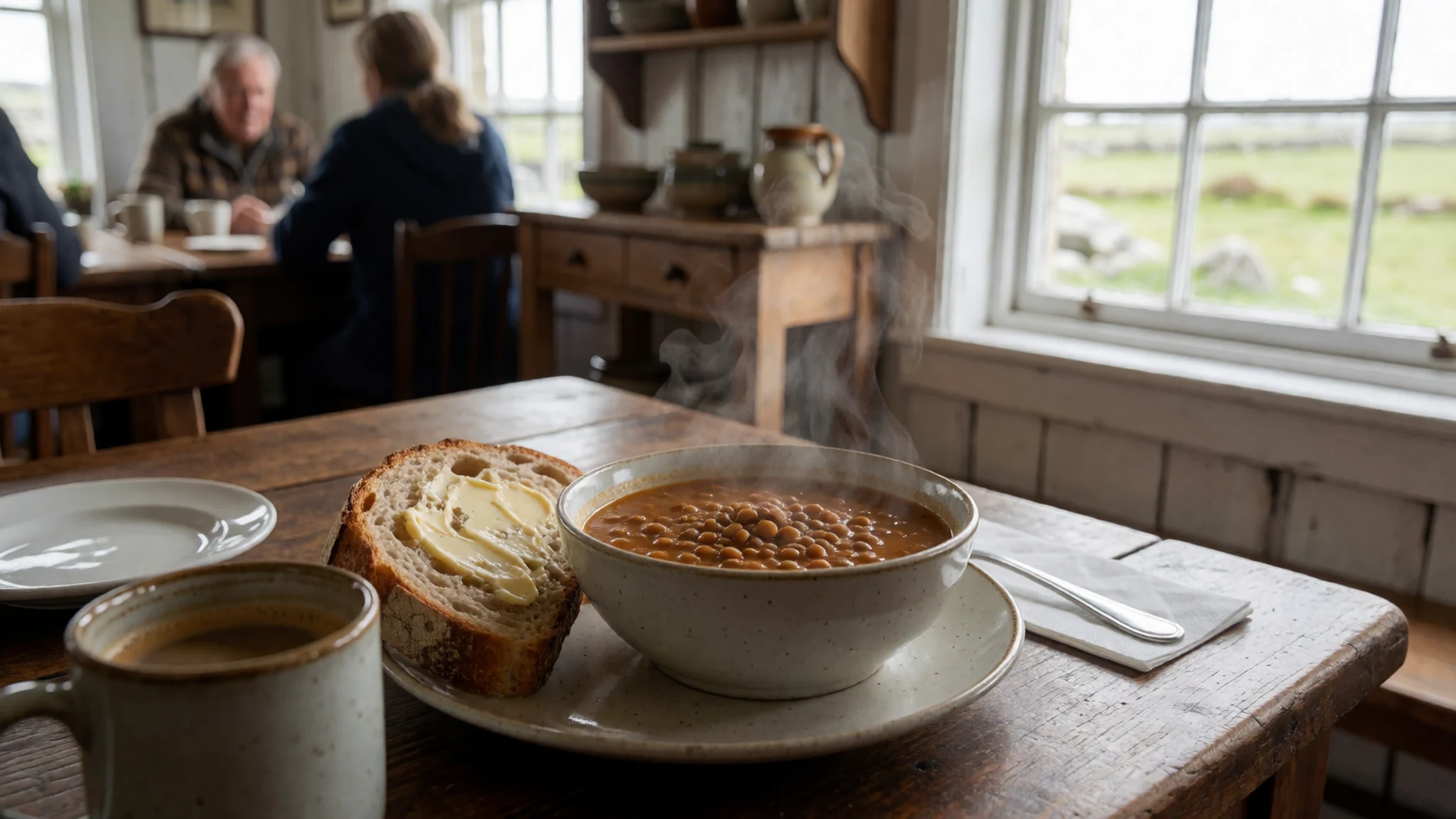
- Public bar meals in Tarbert — The two hotels in Tarbert
Harris has no pubs, so the public bars in Tarbert's two hotels fill that role. They are the main evening option for many visitors and suit a hearty meal after a day on the hills. Booking a table ahead in summer is a sensible precaution. - Self-catering with local produce — Village shops in Tarbert and around the island
Many visitors stay in self-catering cottages, which usually change over on Saturdays. Stock up at the village shops before the weekend, and buy local bread and cheese for the days ahead. Shops stay closed on Sunday, so plan the week's shopping around that.
Plan it
Best time. Late spring and summer suit the coast and hills best, with long daylight for walking and the best chance of puffins from spring into early summer. Winter brings fewer ferries and shorter days, and some sailings run only one way on certain days.
How long. 2–3
Getting there. Calmac car ferries sail from Uig on Skye to Tarbert twice a day, taking under two hours, and from Berneray to Leverburgh four times a day, taking about an hour. Harris has no airport, so fly to Stornoway from Glasgow or Edinburgh and drive south, or fly to Benbecula and take the Berneray ferry.
Budget. mid
Tips
- Book car ferries ahead for summer weekends, since sailings are limited.
- Allow extra time on single-track roads and use the passing places.
- Check Sunday and winter timetables, which run fewer sailings.
- Book Tarbert accommodation early, because most beds are there.
- Carry cash as well as a card for small shops and tours.
- Pack waterproofs and layers, since the weather changes quickly.
Etiquette
- Pull into passing places to let oncoming traffic through.
- Shut gates behind you and give livestock room on the road.
- Keep Sundays quiet, as shops are closed and many residents attend services.
- Ask before photographing people, especially at services.
Nearby
Sources
- Wikidata Q1122196 (CC0)
- Wikipedia: Harris, Outer Hebrides (CC BY-SA 4.0)
- Wikivoyage: Harris (CC BY-SA 4.0)
- Photo: Section of the Golden Road on Harris (Zenit) (CC BY-SA 2.5)
- Photo: Tarbert, Harris (Giorgio Galeotti) (CC BY-SA 4.0)
- Photo: An Cliseam from the Abhainn Mharaig (geograph) (CC BY-SA 2.0)
- Photo: Isle of Harris Distillery in Tarbert (Helmut Seger) (CC BY-SA 4.0)
- Photo: Traigh Niosaboist (Helmut Seger) (CC BY-SA 4.0)
- Photo: West Loch Tarbert (Phillip Capper) (CC BY 2.5)
- Photo: South Harris, Scotland (Wojsyl) (CC BY-SA 2.5)
- Photo: Engraving of a man with gun and dogs (Wellcome) (CC BY 4.0)


