Isalo National Park
Isalo National Park, Madagascar
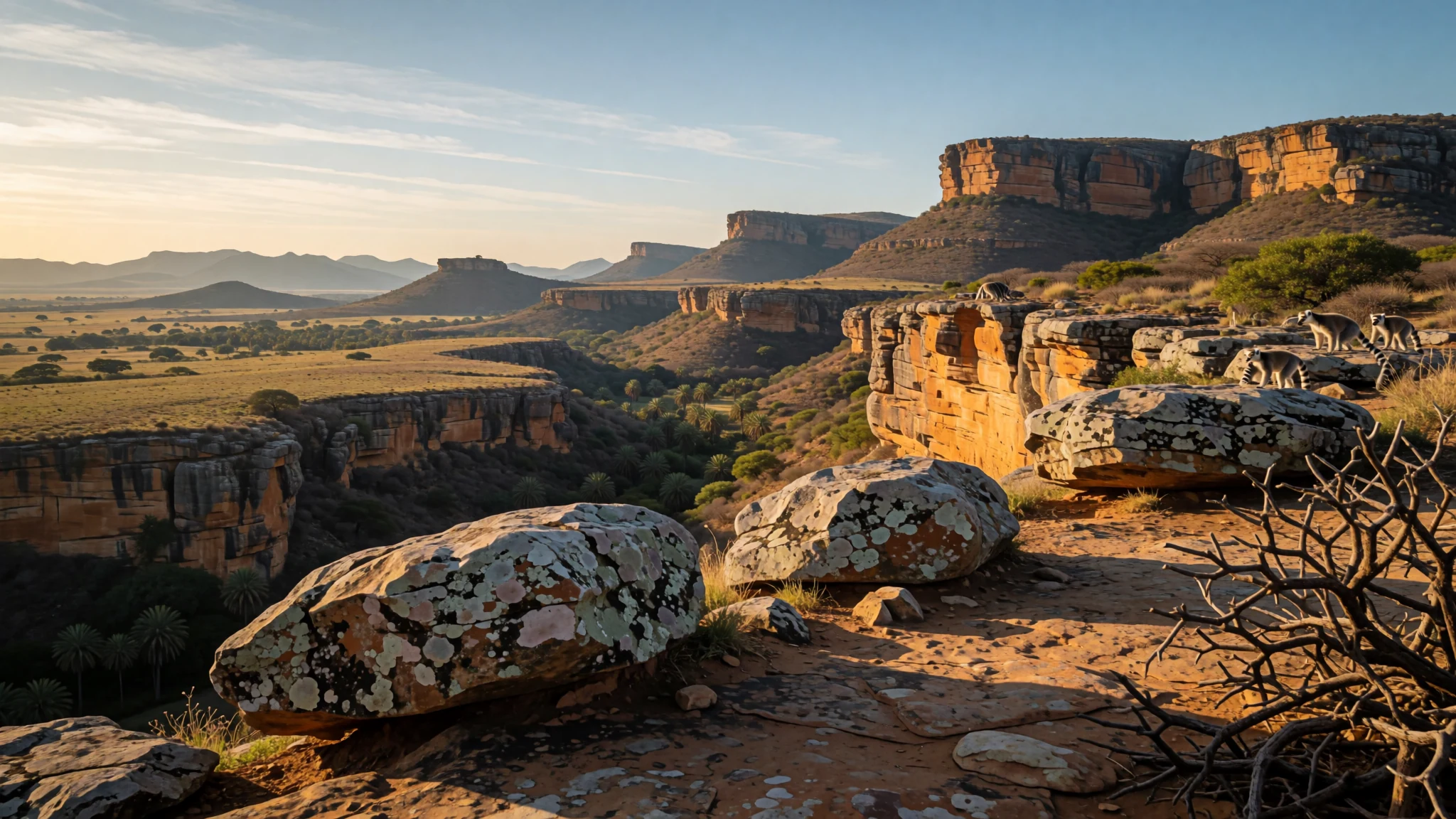
Go for sandstone canyons, odd eroded rock shapes, lemurs and sunset at a natural arch, in the cooler months.
The place
Isalo National Park lies in the Ihorombe Region of Madagascar, in the south-western corner of Fianarantsoa Province. The nearest town is Ranohira, and the nearest cities are Toliara and Ihosy. The park is a sandstone country that wind and water have worn into rocky outcrops, plateaus, broad plains and canyons reaching up to 200 m (660 ft) deep. Permanent rivers and streams run through it alongside many seasonal watercourses, and the ground starts at about 510 m and climbs from there.
The rock belongs to the Isalo Group, a thick run of coarse sandstone laid down by braided rivers in the Triassic and early Jurassic. Erosion has left flat-topped mountains, sandstone domes and steep outcrops cut into strange shapes, which local usage calls runiform, after a French word meaning carved. Vegetation follows the terrain. Woodlands of the endemic tapia tree cover parts of the massif, while palm-lined oases, grassland and natural swimming pools fill the valleys. Some lichens here are known from only one location anywhere.
Entry to the park requires a local guide, and in Ranohira you can engage porters as well as guides. Treks range from a few hours to a week or longer, so the park suits both a short walk and a multi-day route.
Its story
Isalo National Park was established in 1962, and since 1997 the Madagascar National Parks body has managed it. Long before that, the land was home to the Bara people, a nomadic community whose living came from zebu cattle. The Bara bury their dead in natural mountain caves that they regard as sacred, and the burial places of the older Sakalava people are also found in the area.
The human history of the rock reaches further back than the park. A 2024 archaeological study examined rock-cut niches at a site called Teniky, carved into the sandstone. Dating them to between the tenth and twelfth centuries CE, the researchers suggested they may have a Zoroastrian origin. That remains a hypothesis for scholars to test rather than a settled answer.
The ecology tells a story of loss. Dry deciduous forest blankets much of the region, but almost 40% of its original area has been lost. Isalo's woodlands are dominated by tapia, a tree found only in Madagascar's central highlands, and some of the largest intact stands of it survive here. Thirteen plant species are known only from Isalo, and two members of the plant family Sarcolaenaceae, a family found only in Madagascar, grow only within the park.
The main pressure now is fire. Illegal wildfires are set to clear woodland and extend grassland for cattle, shrinking the forest the park is meant to protect. Looking after the place means balancing grazing, farming and the fragile remnants of woodland.
What to see
- Fenetre — The sandstone massif, a sunset viewpoint
Fenetre, the word for window, is a natural arch in the sandstone and a favourite spot for watching the sun go down. It is one of the park's most straightforward sights, and it is reached with a local guide after paying the park entrance fee. Go before the light fades, and bring a torch for the walk back.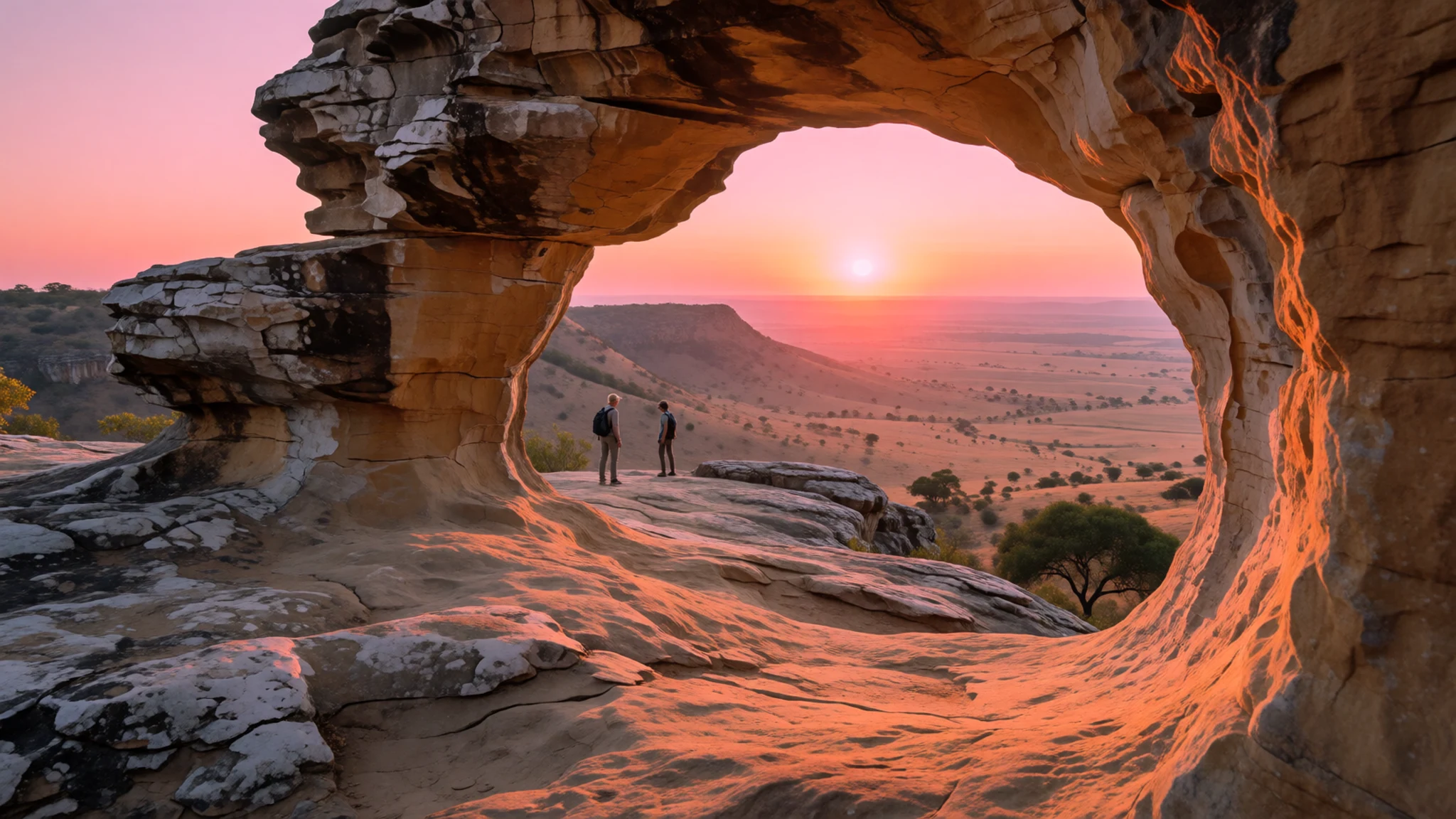
- The canyons — Canyon country inside the park
Cut by water and wind through the Isalo sandstone, the canyons are the park's most dramatic feature, with walls up to 200 m (660 ft) deep. Walking along a canyon floor gives a close view of the layered rock and the plants that cling to it. Start early, before the heat builds, and allow time for the climb back out.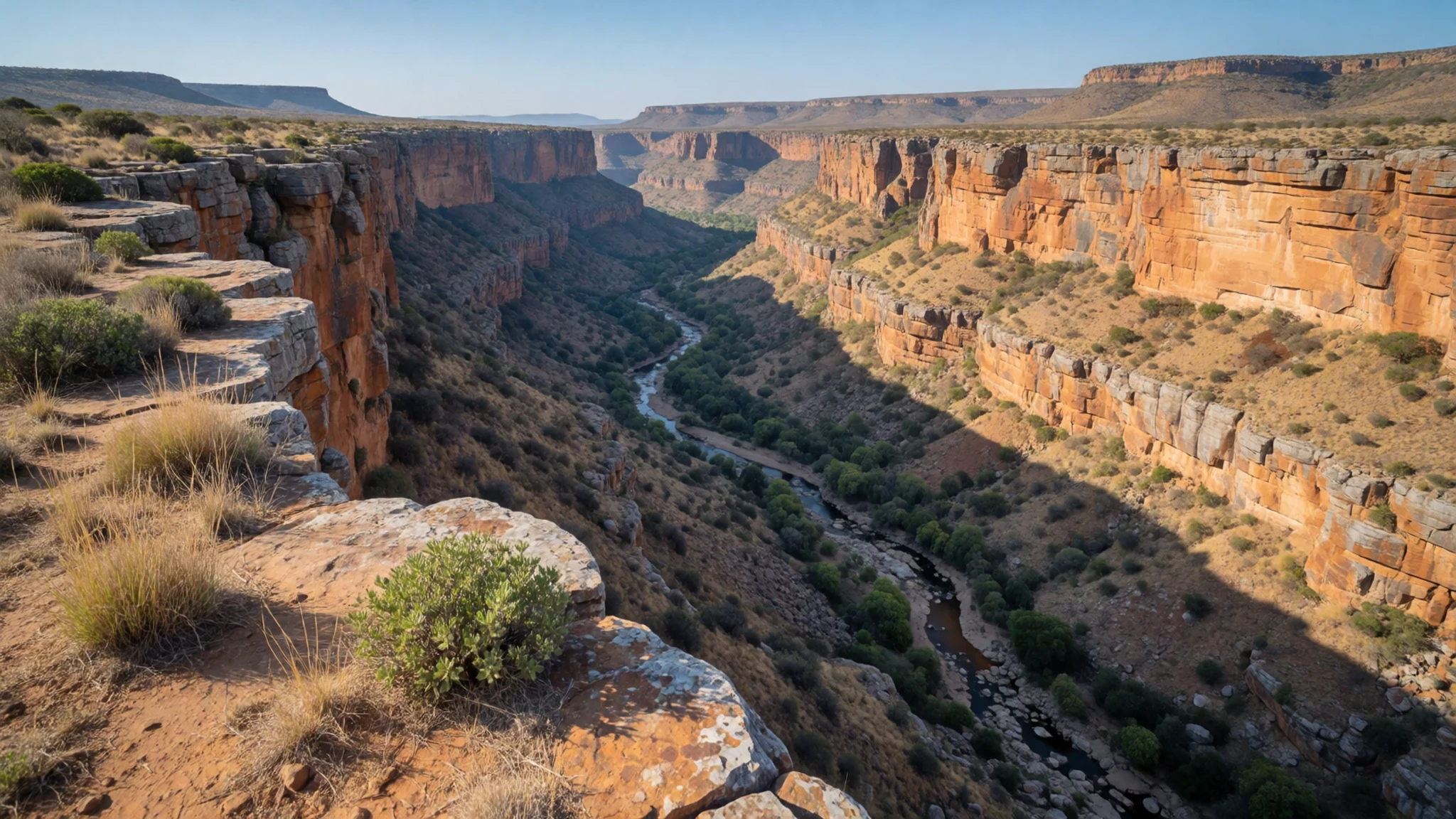
- Runiform rock formations — The steep sandstone outcrops across the massif
The runiform outcrops are the park's signature shapes: steep-sided sandstone blocks dissected by erosion into odd forms. The name comes from the French word for carved, and many of the forms look sculpted, from pillars to flat-topped ridges. A guide can show a good range of them on a single walk.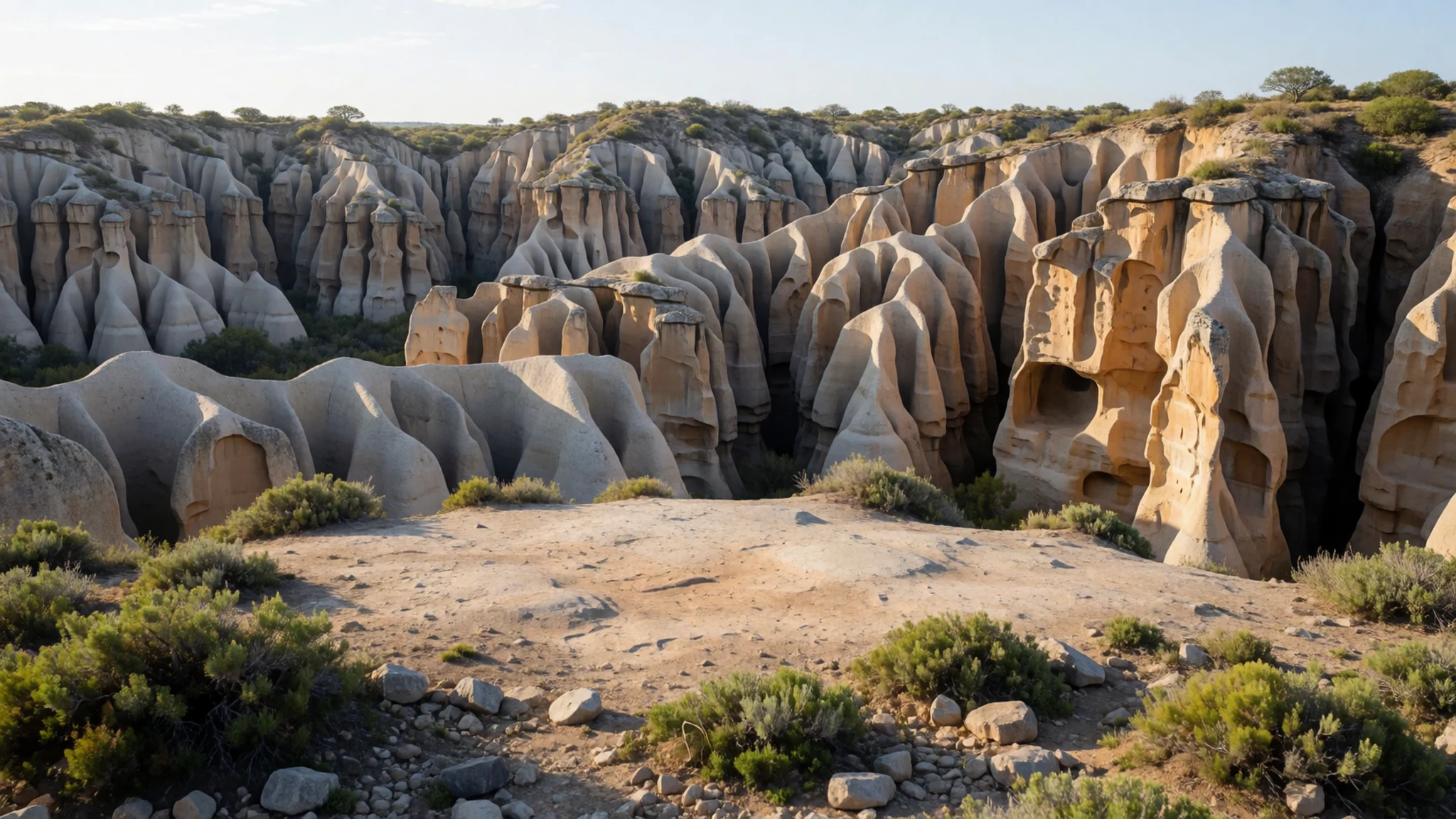
- Natural swimming pools — Pools along the valley trails
The park includes several natural swimming pools, popular with visitors who come to cool off after a walk. They are also excellent places to look for Benson's Rock Thrush, a bird that is easy to see near water. Pack water shoes, since the rock can be slippery at the edges.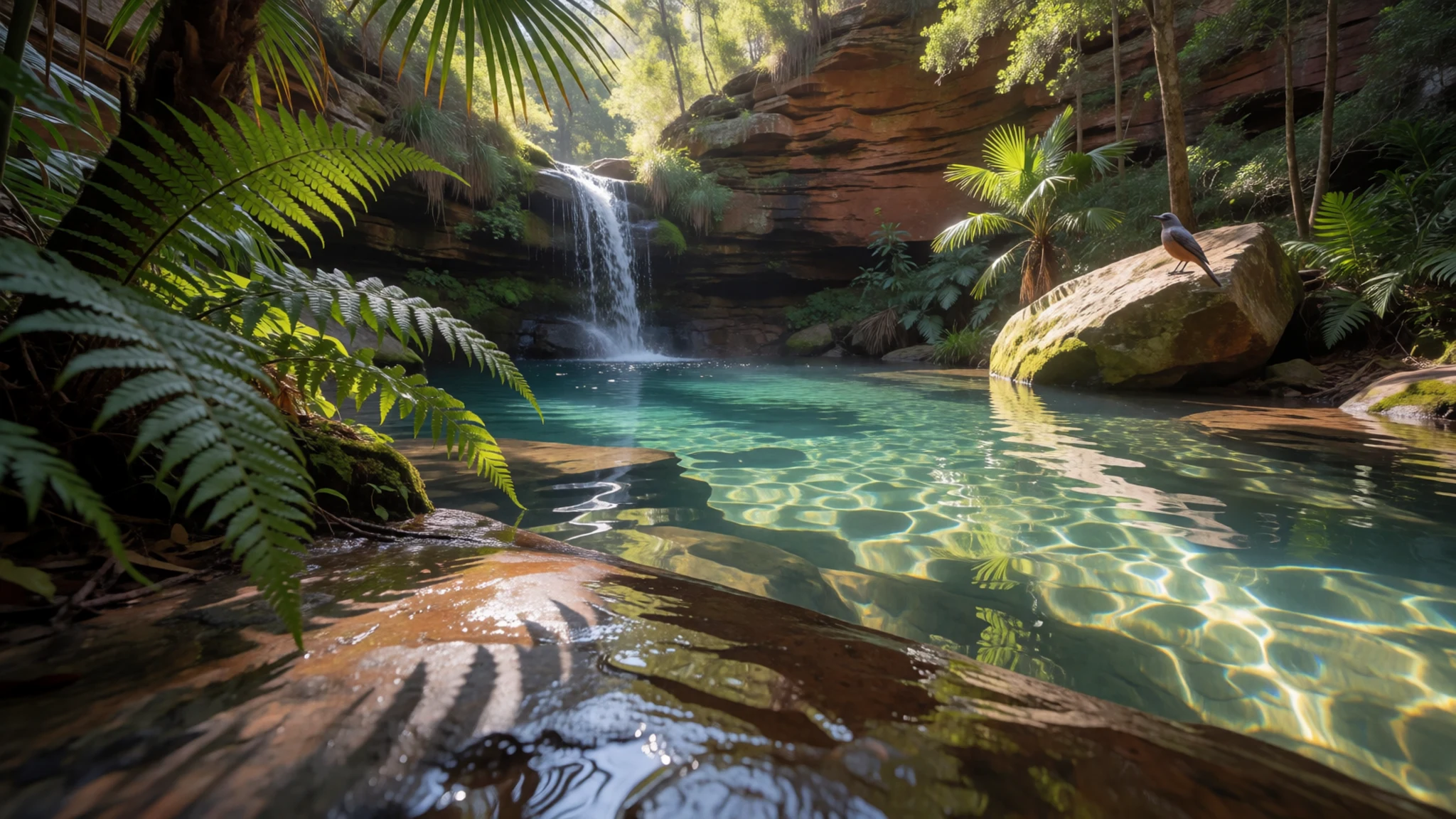
- Teniky rock-cut niches — A rock-cut site in the park, reached with a guide
Teniky is a site with rock-cut niches carved into the sandstone, studied in 2024 and dated to the tenth to twelfth centuries CE. Researchers have suggested a possible Zoroastrian origin. These are archaeological features, so keep clear of carvings, do not climb into the niches, and go with a guide who knows the route.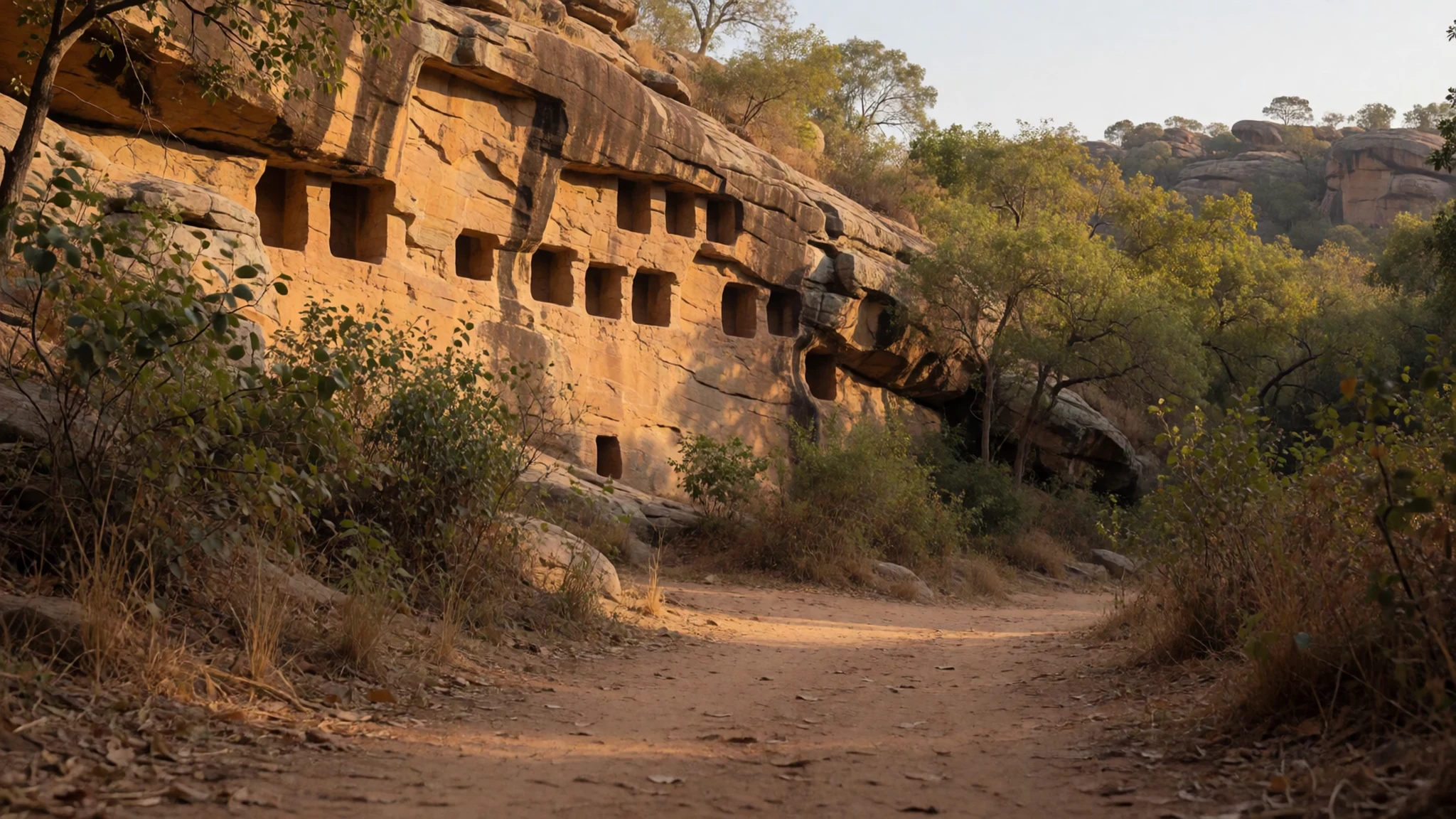
Culture
Isalo National Park is shared with communities whose customs matter on every walk. The Bara people have traditionally lived in the area as cattle herders, and cattle remain central to their way of life. They bury their dead in mountain caves regarded as sacred, so the landscape carries meaning beyond its scenery. Many guides in Ranohira come from local families, and their knowledge of the land is part of the visit.
The requirement for a local guide is one practical way that presence is recognised. Stay on marked routes, avoid disturbing livestock, and keep a respectful distance from homesteads. Lemurs are wild animals, so do not feed or handle them, and keep food packed away. Never enter or photograph a burial cave, and ask before photographing any person you meet on the trail.
What to wear
Isalo National Park sits in a region where traditional dress and everyday clothing sit side by side. Across Madagascar the lamba is the classic textile, a long wrapped cloth worn over the shoulders or around the body, often woven from cotton, with silk used for finer pieces. It appears most at ceremonies and in cooler weather, and older women in villages are still likely to wear it.
In towns such as Ranohira, most people wear western-style clothing for work and travel. Cattle herders may wear practical, layered cloth suited to long days outdoors.
For a visit to Isalo National Park, pack light, breathable long-sleeved shirts and trousers for sun and scrub, plus a wide hat. Sturdy closed shoes with good grip are essential on sandstone, and a warm layer helps on cool evenings. In villages and near burial areas, dress modestly, covering shoulders and knees. Swimwear belongs at the pools only.
What to eat
- Romazava — Simple eateries in Ranohira, served with rice
A stew of beef or zebu with leafy greens, usually flavoured with ginger and served with rice. It is a common midday meal, and the simplest version is cheap and filling after a long walk.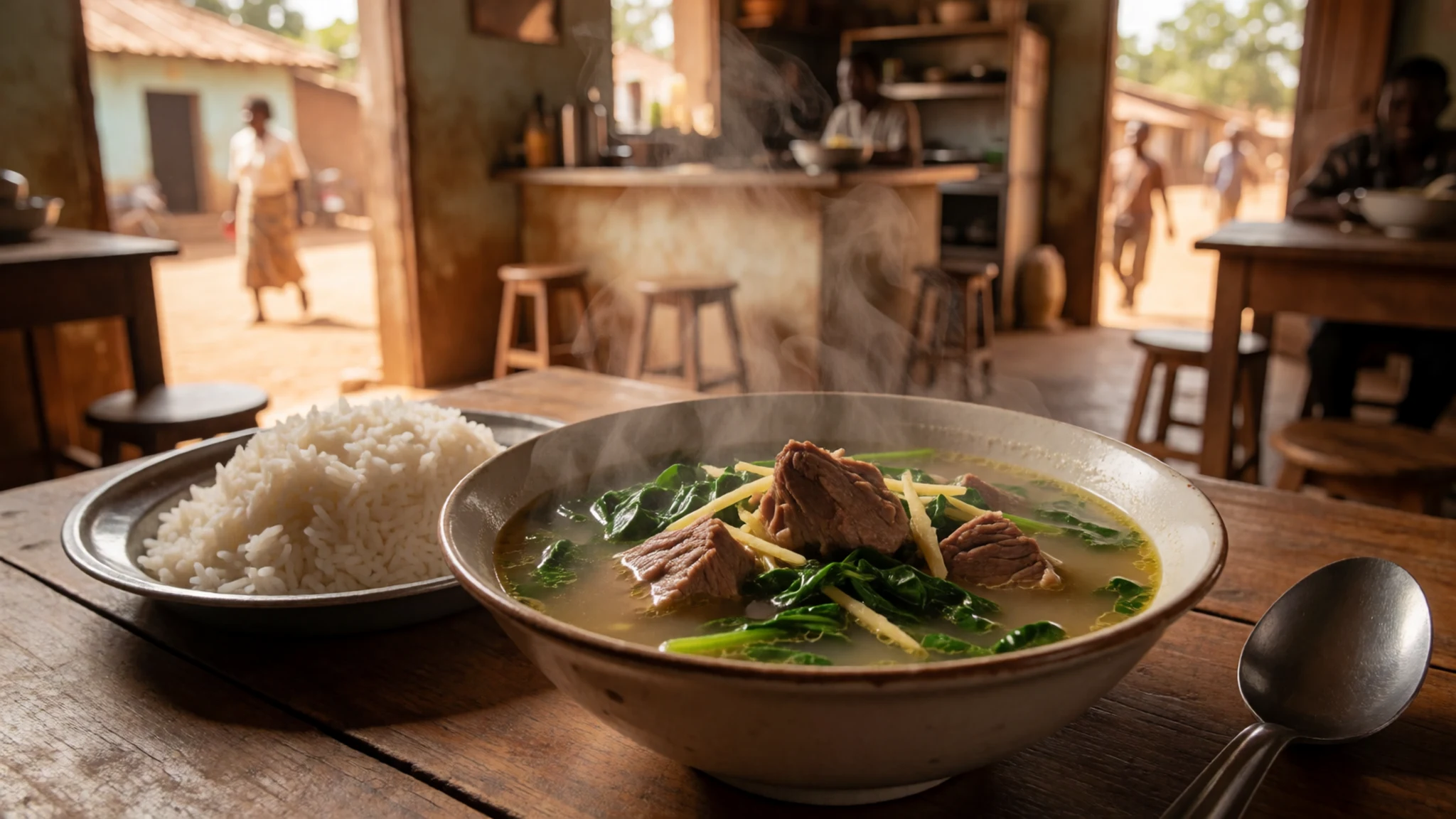
- Mofo gasy — Morning street stalls in Ranohira
Fritters made from a rice-flour batter, cooked in small moulds and eaten warm. They are often a breakfast or snack, and they travel well for a morning on the trail.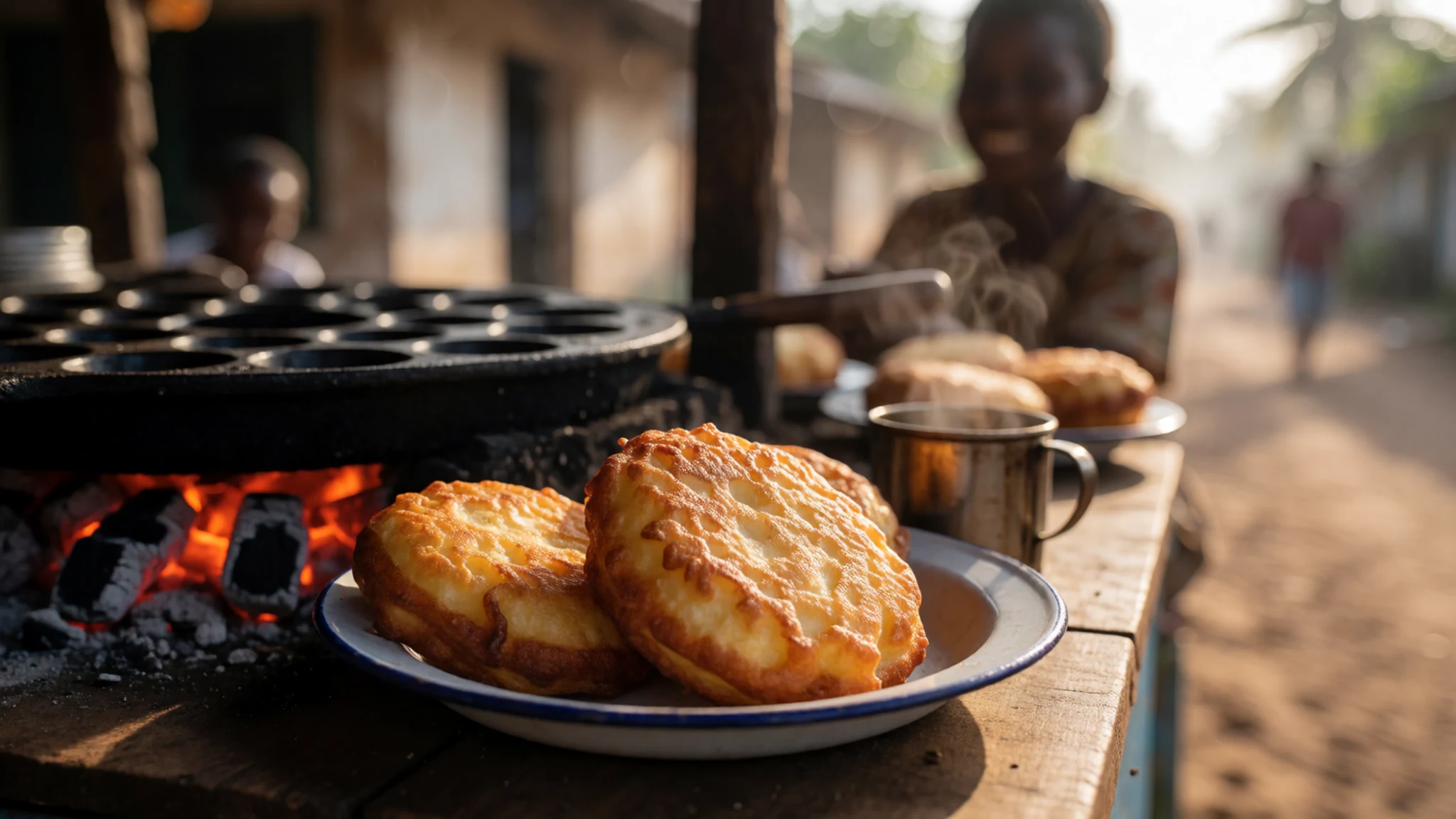
- Koba akondro — A market stall or small shop in Ranohira
A sweet made from mashed banana, ground peanuts and rice flour, wrapped in leaves and steamed. It keeps well for a day or two, which makes it useful for a trek. - Ravitoto — Midday eateries on the main road through Ranohira
Cassava leaves pounded until smooth and cooked slowly, often with pork or beef. It has a strong, earthy flavour and sits well alongside rice. - Zebu brochettes — Grill stalls in Ranohira and at the park's edge
Skewers of zebu meat grilled over charcoal, a reminder of the cattle that shape life in the region. They are best eaten hot and fresh from the grill.
Plan it
Best time. The cooler, drier season, which lasts five to seven months, is the time to go. August is the driest month, while December to February is the wettest, with heavy rain that can make tracks difficult. April to October gives the most reliable walking.
How long. 2–3
Getting there. Reach Toliara, the closest city, by air or road, then continue by road towards Ranohira. Taxi-brousses run to Ranohira from Fianarantsoa, Ambalavao and Ihosy, which is the usual shared-taxi route.
Budget. mid
Tips
- Hire your local guide and porters in Ranohira before you set off, since a guide is required to enter the park.
- Check whether the 2,000 Ar community tax per room per night is included in any quoted lodging price in Ranohira.
- Visit Fenetre for sunset with a local guide and the entrance fee paid, then plan longer treks separately.
- Start walks early and carry plenty of water, as the heat builds quickly on open sandstone.
- Check the official site before travel for current entrance details: http://www.parcs-madagascar.com/fiche-aire-protegee.php?Ap=18
Etiquette
- Ask your guide before entering any cave, and never enter a burial cave.
- Do not feed or handle the lemurs, and keep food packed away.
- Ask before photographing people in villages.
Nearby
Sources
- Wikidata Q120414 (CC0)
- Wikipedia, Isalo National Park (rev 1339904296) (CC BY-SA 4.0)
- Wikivoyage, Isalo National Park (rev 5326996) (CC BY-SA 4.0)
- Photo: Rock at Isalo park (Zigomar) (CC BY-SA 2.5)
- Photo: A canyon at the Isalo National Park (JialiangGao) (CC BY-SA 2.5)
- Photo: Dermatiscum thunbergii lichen (LoJallen) (CC BY-SA 4.0)
- Photo: Sign for Isalo National Park (Gripso banana prune) (CC BY 3.0)
- Photo: Propithecus verreauxi (Bernard Robert) (CC BY 3.0)
- Photo: Eulemur rufifrons (Bernard Gagnon) (CC BY 3.0)
- Photo: Red-fronted brown lemur showing teeth (SurreyJohn) (CC BY-SA 4.0)
- Photo: Red-fronted brown lemur scolding visitors (Karen Coppock) (CC BY 3.0)


