Ilha Grande
Ilha Grande, Brazil
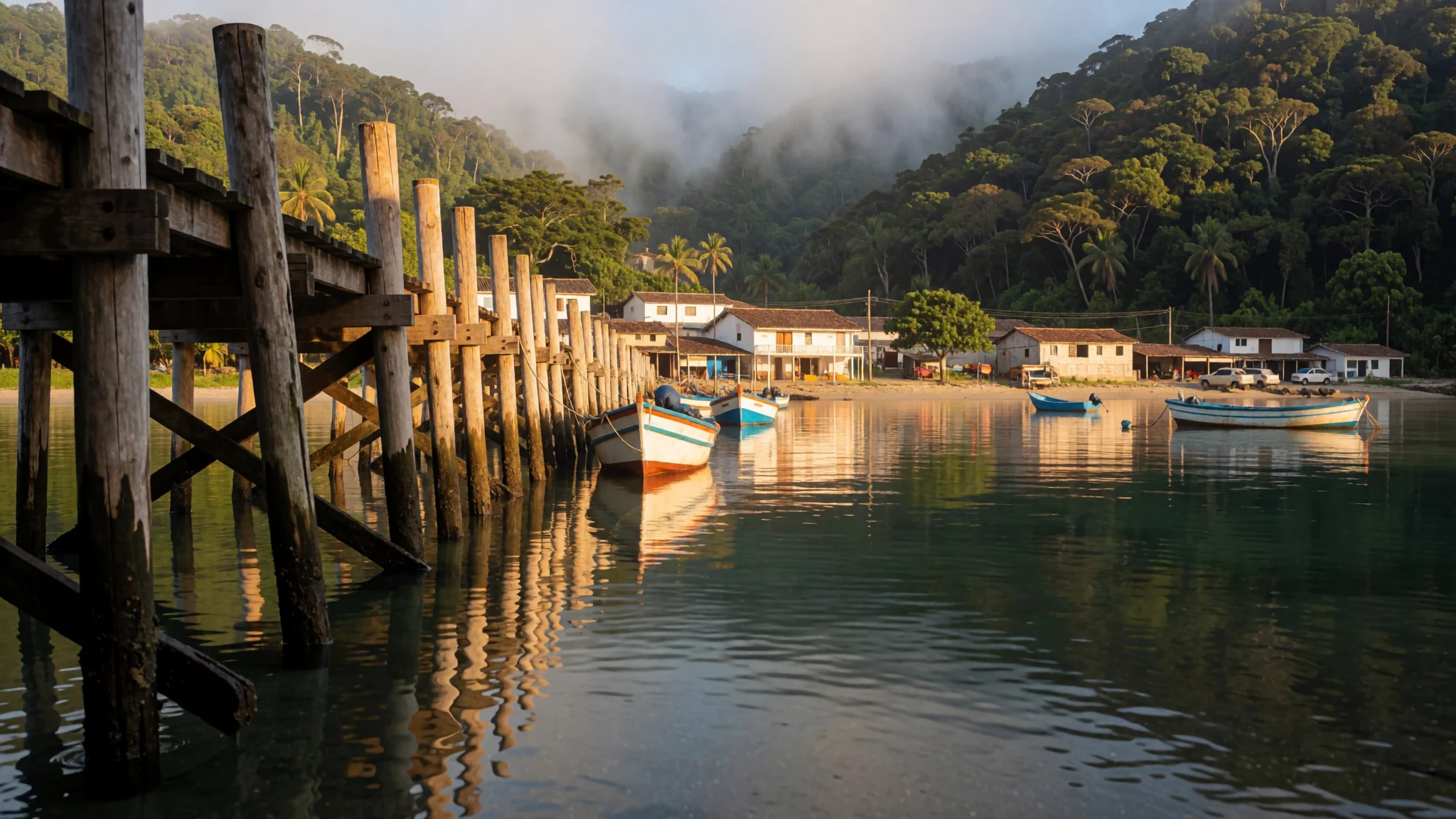
A forested island off Rio de Janeiro state, with marked trails, quiet beaches and a former prison you can still walk past.
The place
Ilha Grande lies about 12 km (7.5 mi) off the coast of Rio de Janeiro state, a boat ride from the town of Angra dos Reis. The name means 'big island', and it is large enough to hold a network of footpaths, a few small settlements and long stretches of coast with no road at all. Most of its roughly 193 km (75 sq mi) is covered in Atlantic forest. The highest point, Pico da Pedra D'Água, rises to 1,031 m (3,383 ft), so the interior is steep and cloud can sit on the ridges for hours.
Getting around is on foot or by boat. Almost everyone arrives at Vila do Abraão, the main village on the north side, where the ferries dock and where most of the guesthouses, restaurants and bars are clustered. The permanent population is small, around 3,000, so the village feels more like a fishing settlement than a resort. From it, paths lead to beaches that range from sheltered and busy to open and surf-exposed. Many are reachable only on foot or by water taxi, and a few are quiet enough that the sound of the sea is the main thing you hear.
The island suits people who want to walk, swim and eat fish, not people chasing nightlife. Expect rain at any time of year, and expect the forest to be damp underfoot most of the time.
Its story
For almost a century Brazil's government kept Ilha Grande closed to ordinary visitors. The island first hosted a quarantine facility for immigrants, and afterwards the Dois Rios penal colony, a top-security jail. Its inmates included some of the most dangerous offenders in the country. The colony was closed in 1994, and the ruins of its buildings are still on the island, unrestored, at Dois Rios on the eastern side. Earlier, a lazareto, a hospital for people with leprosy, had been built on the coast, and the island's older history also includes enslaved labour and pirates, as well as many local stories of ghosts seen on the beaches at Parnaioca and Caxadaço.
The island's modern history is shaped by the landscape as much as by the state. On 1 January 2010, mudslides triggered by heavy rain killed at least 19 people. The steep slopes above the settlements are unstable after storms, which is why local operators watch the weather closely and why trails are sometimes closed after big downpours.
In recognition of its forest and its cultural layers, Ilha Grande and the nearby town of Paraty were inscribed together as a UNESCO World Heritage Site on 5 July 2019. For the visitor, the story is easiest to read on the ground: a prison you can walk through, a hillside that has been replanted, and a village that has been working out how to host tourists without losing its fishing base.
What to see
- Igreja de São Sebastião — Vila do Abraão
The Catholic church in Vila do Abraão is the village's most recognisable building. Look up at its wood-panelled ceiling and the bell tower, which give the interior a warmth that stone churches rarely have. It is a short walk from the pier, so it fits easily between ferry arrival and lunch. Step quietly inside, as it is a working church.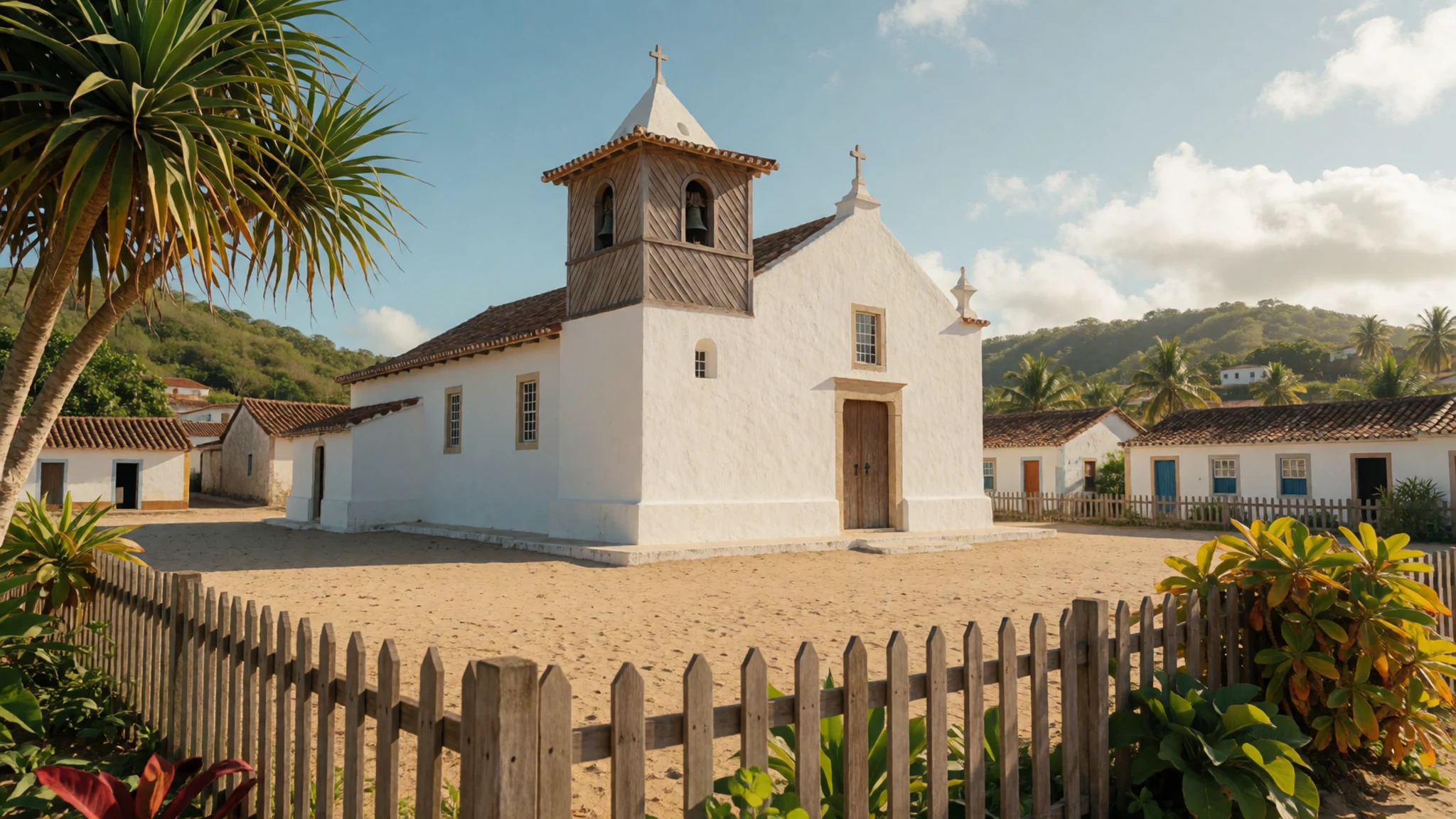
- Abraão tourist pier — Vila do Abraão waterfront
Most visitors step off the boat here. The tourist pier is the best place to orient yourself: the Tourist Information Centre is nearby, and the second street back from the sea holds many of the budget hostels. The waterfront has boat operators selling trips to the beaches, so compare options before paying anyone. Bring cash, because many businesses on the island do not take cards.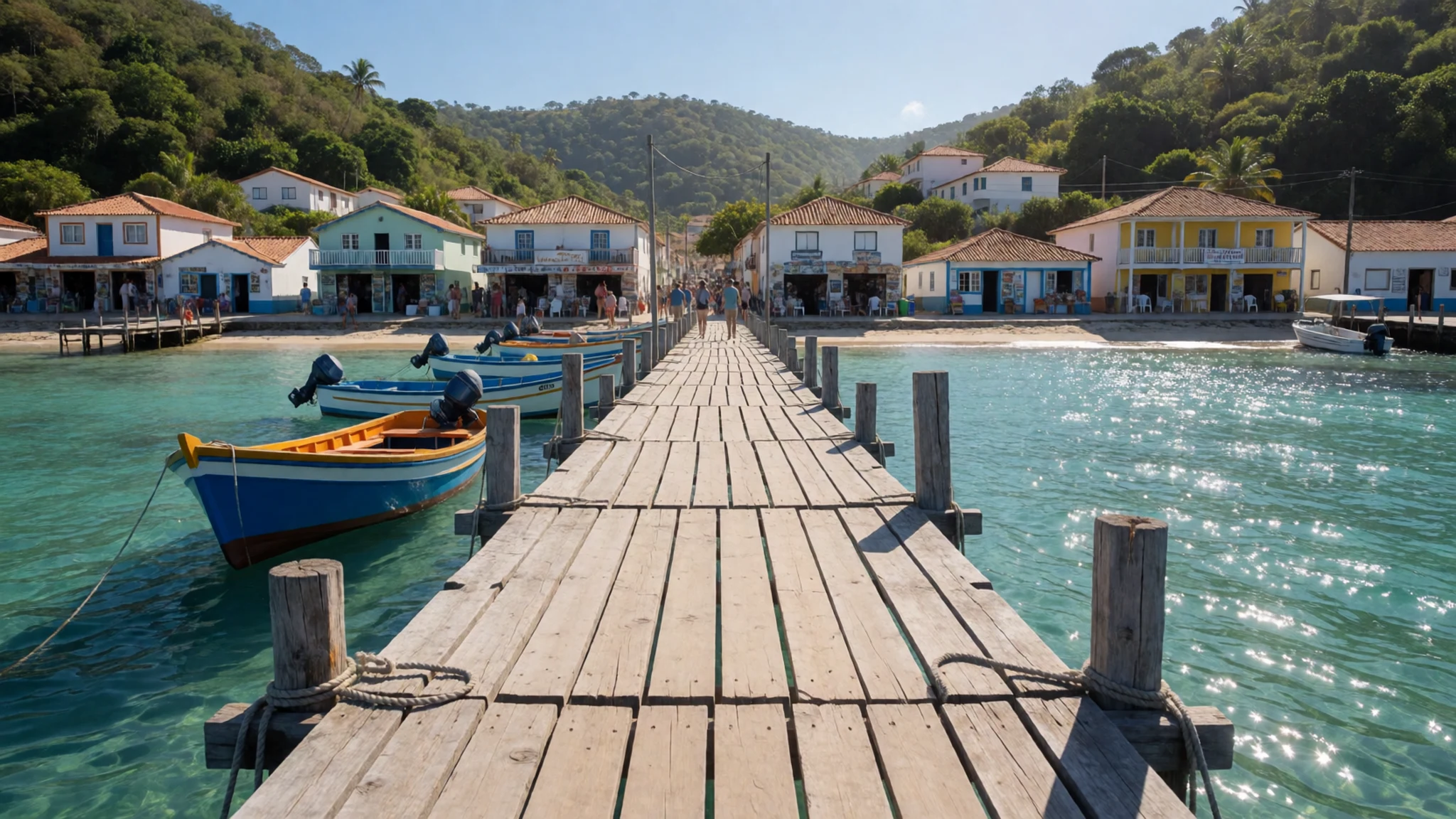
- Ecomuseu Ilha Grande — Ilha Grande, eastern side
The ecomuseum tells the island's story through its environment, history and community, and is a useful stop before a walk. Exhibits are worth reading alongside a visit to the old prison site, because the two together explain why the island was closed for so long. Check the official site or ask locally for opening days, as small museums here change their hours.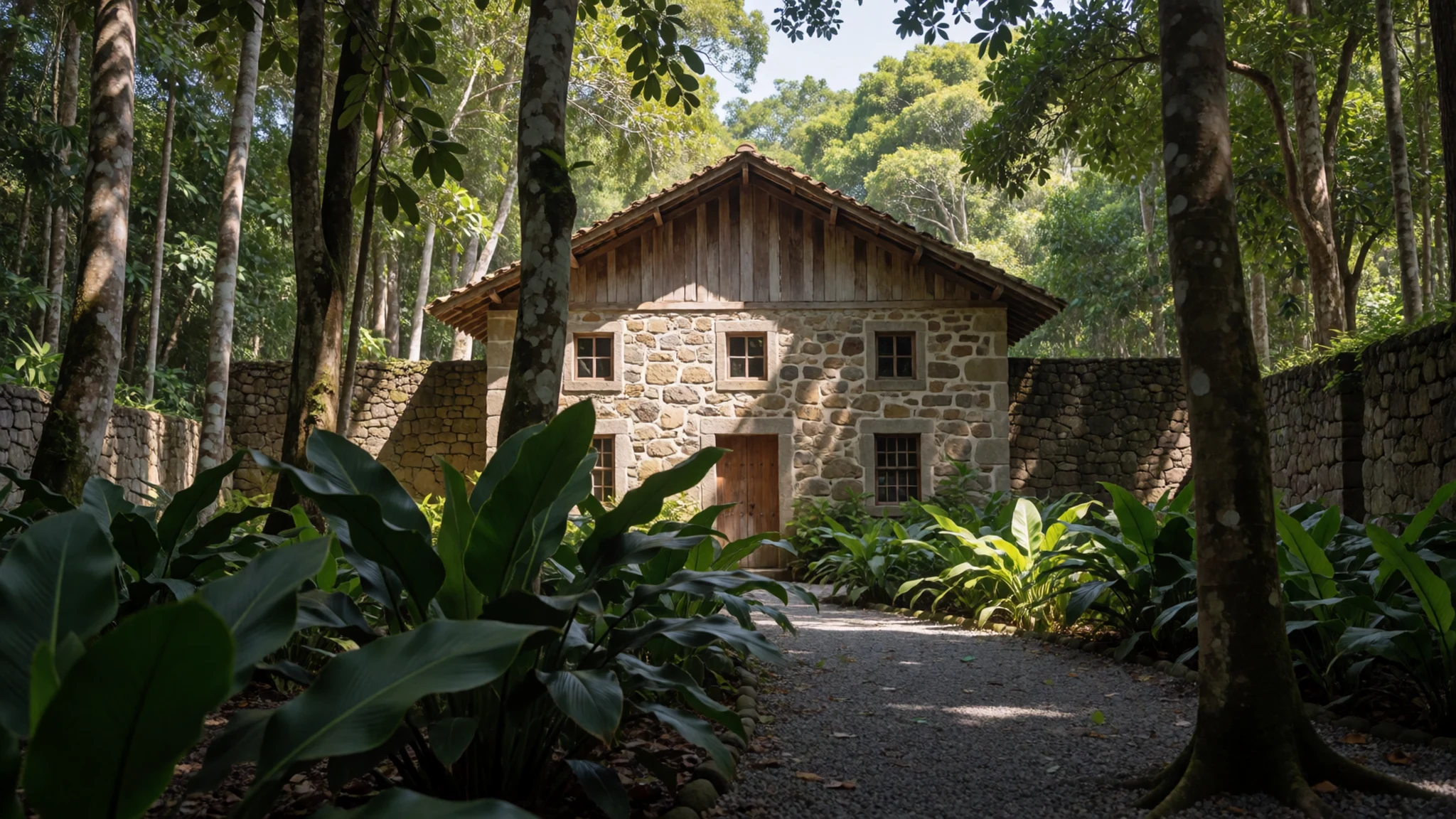
- Dois Rios prison ruins — Dois Rios
The remains of the Cândido Mendes penal colony stand at Dois Rios. They have not been preserved or restored, so the walls are overgrown and the site is raw. Go to remember what the place held, not to be entertained. Wear proper shoes, watch for uneven ground, and do not climb on unstable masonry. Plan the walk with a local guide or a reliable map.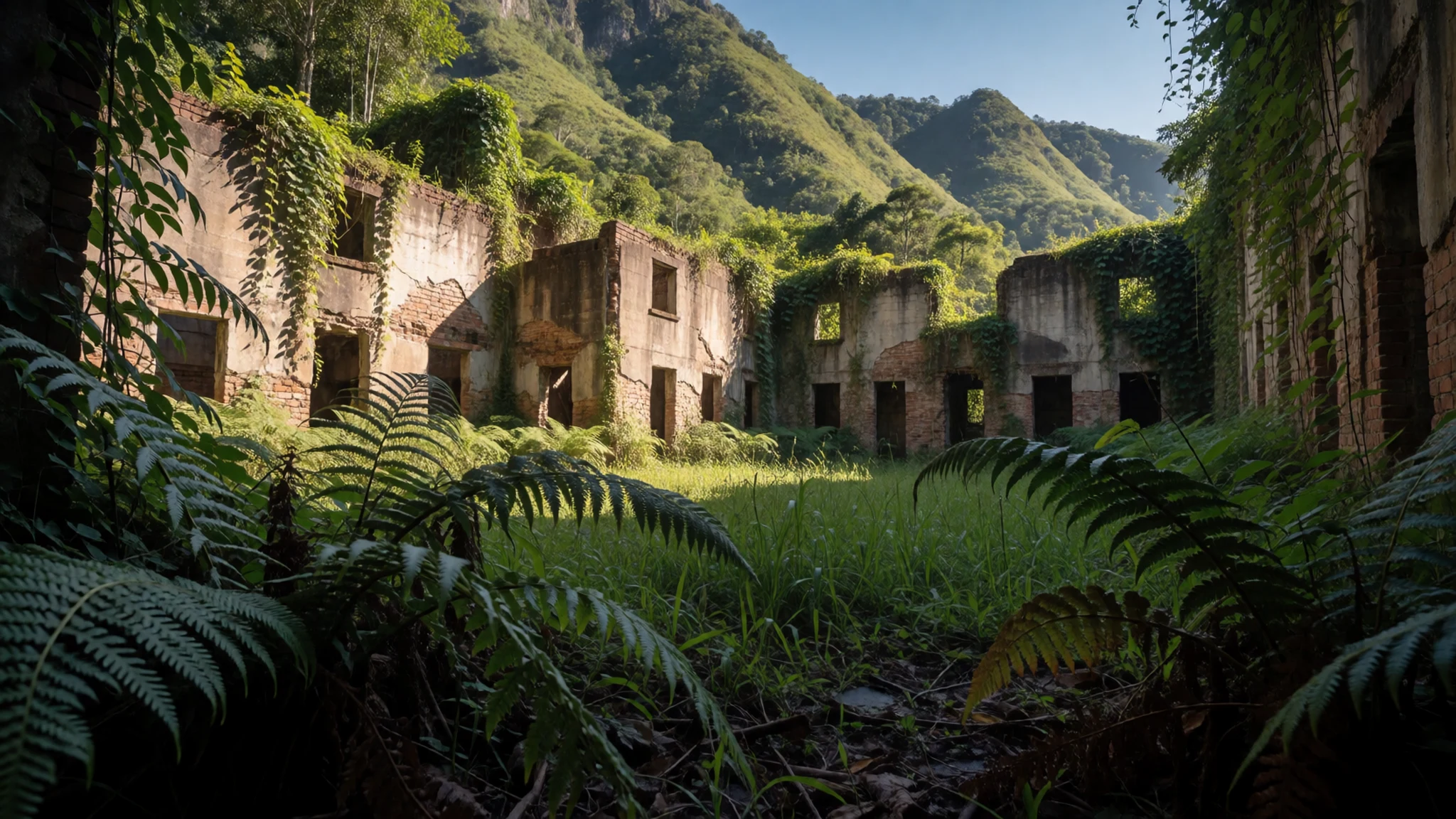
- Pico do Papagaio — Interior, above Abraão
The Papagaio Peak hike is the classic walk on the island, roughly two to three hours to the summit through rainforest. The trail is marked, and the view from the top across the bays is the reward. Start early, carry plenty of water and expect wet, slippery roots after rain. Some locals warn about the route, but the marking is good for a fit walker in normal conditions.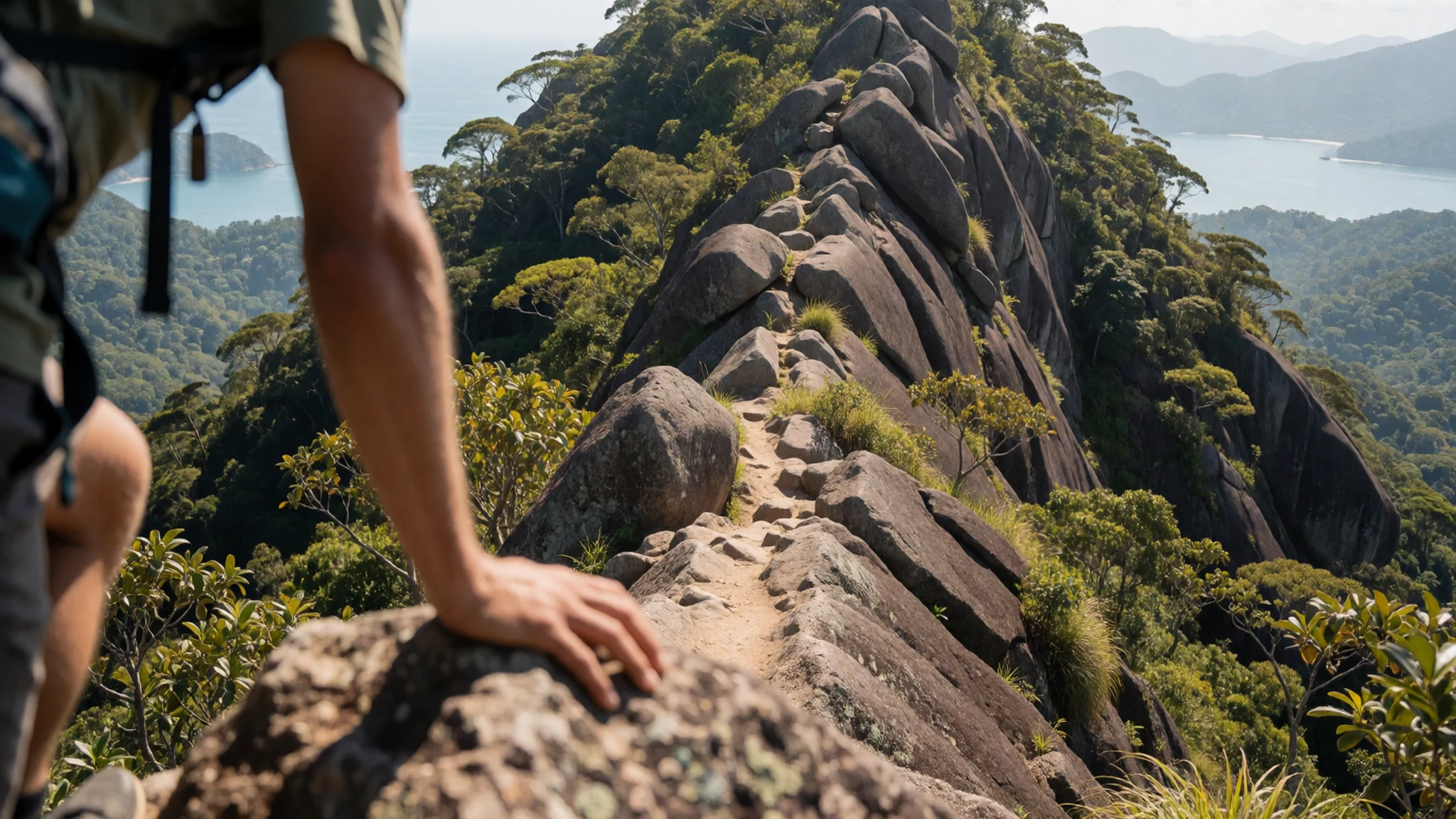
- Praia de Lopes Mendes — Eastern-south coast
Lopes Mendes is the beach people name when they talk about Ilha Grande. A boat takes you to the far side of the island, then roughly twenty minutes of steep footpath brings you down to the sand. Vogue once listed it among the world's top ten beaches. The water is shallow for a long way out, but there are strong currents further off, so stay close to shore unless you know the conditions.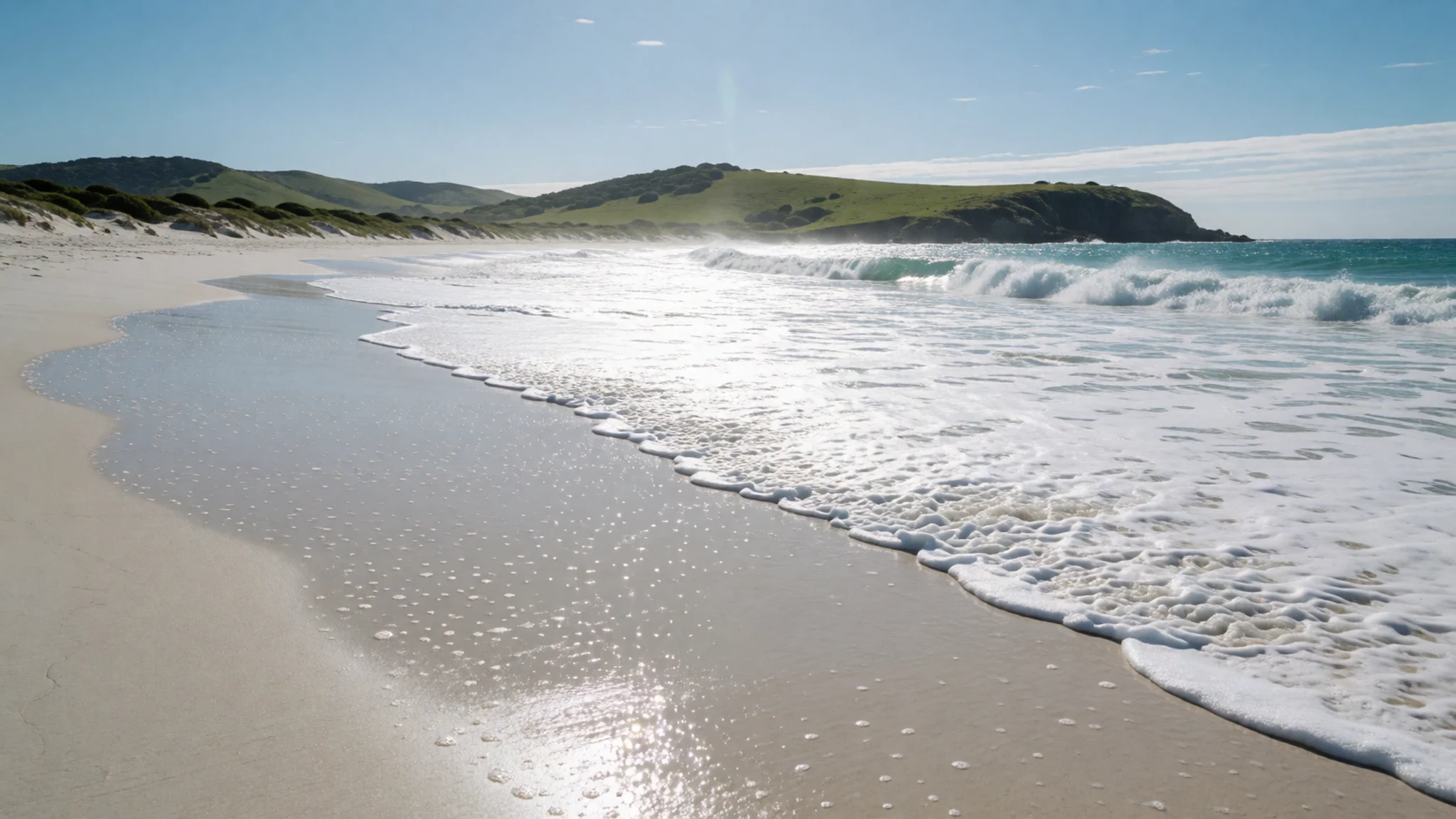
Culture
Ilha Grande's culture is that of a small coastal community that lives from fishing, guesthouses and boat trips, and it has learned to be patient with visitors. Portuguese is the working language, and a few words of it go a long way in the village. Music is part of the evening. Rather than nightclubs, people gather on the main square and in beach bars to drink beer, dance to live bossa nova, forró and samba, and share a plate of fish. Barbecue nights and shisha are common at some beachfront bars, which is part of the relaxed atmosphere many people come for.
The island's past sits uneasily with its present. The prison and lazareto sites are places of suffering, and locals sometimes speak of them with a seriousness that visitors should match. Ghost stories are told around the beaches, but they should be heard as stories, not as entertainment at the expense of the dead.
Finally, respect the forest and the people who live from it. Stay on marked trails, take your rubbish back to the village, and ask before photographing fishermen or families at work on the beach.
What to wear
The brief I was given records no distinctive traditional costume or local textile for Ilha Grande, so I will not invent one. The island's older dress, like that of many Brazilian coastal fishing communities, would have been practical work clothing: cotton shirts, loose trousers or skirts, and bare or simple footwear suited to boats and wet sand. Traditional colours and fabrics are not documented here, and a visitor who wants a precise answer should ask at the Ecomuseu.
What people wear now is casual and sun-ready. Locals in Vila do Abraão wear shorts, flip-flops, vest tops and swimwear through the day, and in the evenings a light shirt or dress is common at the square and bars. Beachwear is accepted on the sand and the pier, but it is polite to cover up when you walk through the village streets and to the church.
For a visitor, the answer is layers and grip. Pack quick-drying clothes, a light waterproof, and a hat for the open beaches. For the Papagaio hike and any walk into the forest, wear closed shoes with good tread, because the roots and mud after rain are slippery. Sandals are fine for the village and boat trips. Dress modestly for the church, and carry a long-sleeved layer for mosquitoes in the evening.
What to eat
- Seafood casserole for two — Seafront restaurants in Vila do Abraão
Many restaurants serve a casserole with several kinds of seafood in one pot, sized for two people. It is pricier than most meals on the island, but the portions are generous and the quality is generally very good. Share one and order a salad. Ask what came in that day, because the catch changes with the boats.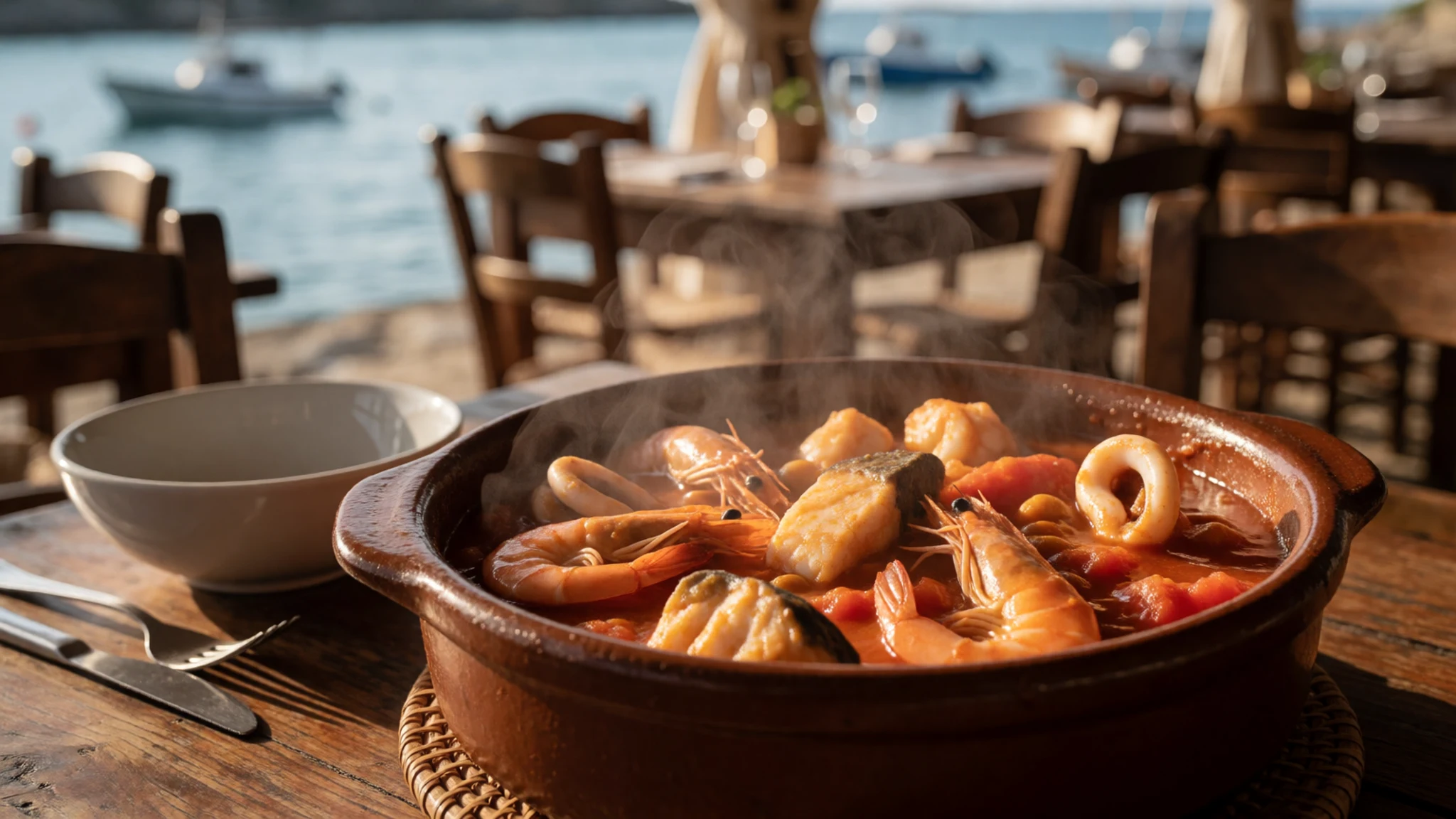
- Brazilian fish stew — The seafront strip along Rua da Praia
A fish stew with coconut and palm oil is a Brazilian coastal classic, and the seafood here makes it worth ordering at least once. The best-known place for traditional Brazilian food is on Rua da Praia, the village's main seafront street. Eat it with rice and farofa, and keep a napkin handy, since it is often served messily and happily.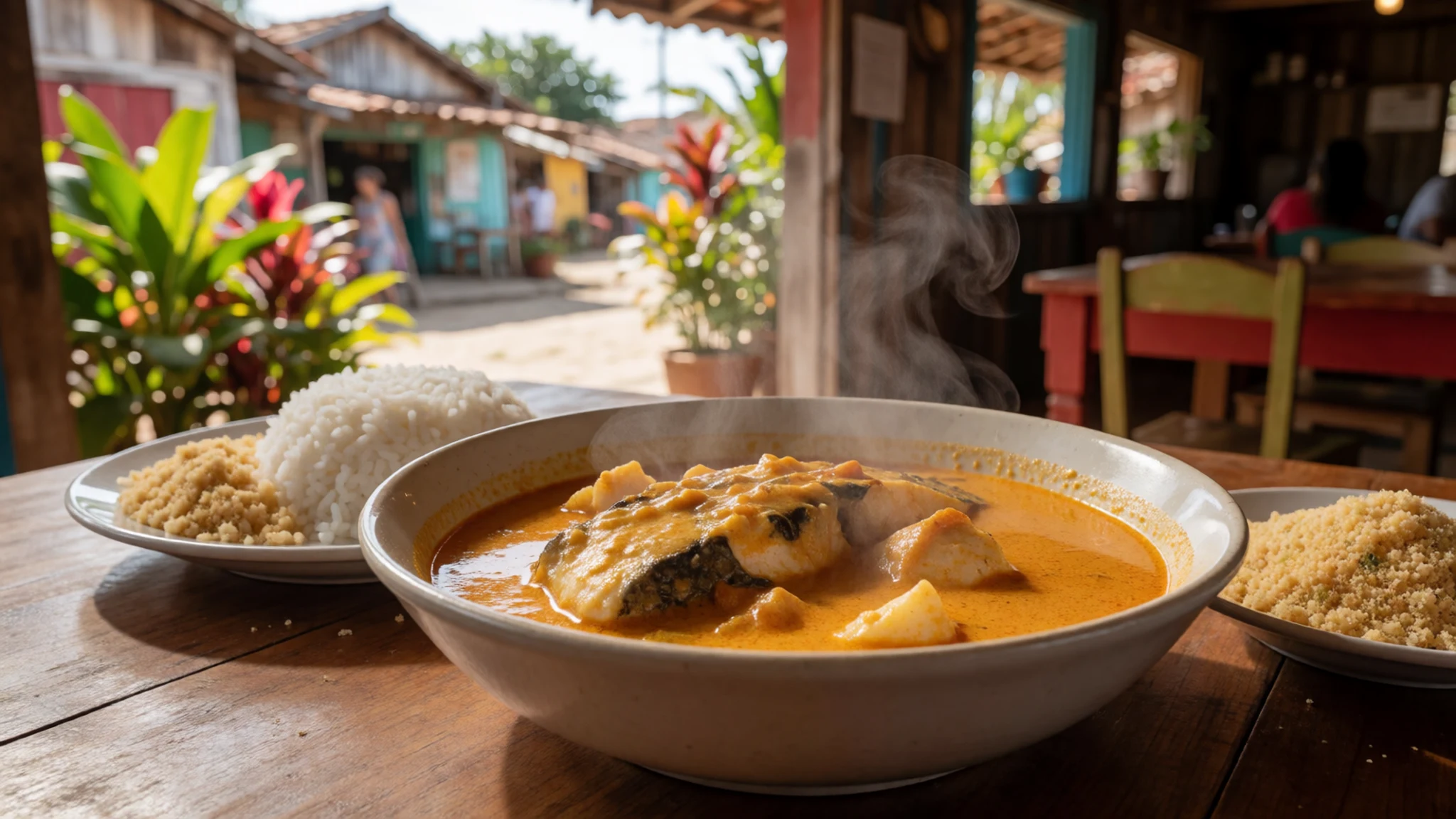
- Pastel de frango — Beach stalls, including at Crena Beach
A deep-fried pastry filled with chicken makes a cheap, filling lunch when you are walking. It is a good option for the beaches, where you can buy it from small stalls and eat it on the sand. Keep a few coins or reais in cash, as stalls do not always take cards. - Self-service buffet by weight — Eateries in the village, often near the centre
Several eateries run a per-kilo buffet, where you fill a plate with rice, beans, salads and grilled dishes and pay for the weight. It is one of the most budget-friendly ways to eat well on the island. Look for the weighing scale at the counter and check the price per 100 g before you fill up, since the rate can change. - Grilled kebabs and cold drinks — Beachfront bars on the eastern side of Vila do Abraão
Greek-style kebabs and a caipirinha are the easy evening choice in the village, and a beachfront bar on the eastern side of Vila do Abraão is a good place to sit with them. Expect a relaxed pace, cold beer and live music on some nights. Ask the staff which kebab is freshest before you order.
Plan it
Best time. April to May and June to July suit most visitors, because the weather is milder than the summer peak, the rain is lighter and the beaches are less crowded. December to February are the busiest and wettest months, with heavy rain and frequent storms, while September and October are the hottest, with highs near 36 °C. Rain can fall in any month and makes the forest trails slippery, so check the forecast before a long walk.
How long. 2–3
Getting there. Ilha Grande is reached only by boat. Take an intercity bus from Rio de Janeiro to Angra dos Reis, then a taxi or local bus for about 2 km to the port, or walk about 25 minutes. The ferry runs from Angra dos Reis to Vila do Abraão. Another route is the ferry from Mangaratiba, which took about 105 minutes in a dated listing, so check current times with the operator before you travel.
Budget. mid
Tips
- Carry cash, because there are no banks on the island and many places do not take cards; use an ATM in Angra dos Reis before you cross
- Check current ferry times with the operator, as published timetables have been out of date
- Book accommodation ahead in high season, when the hostels and campsites can fill
- Start the Papagaio hike early, carry plenty of water and wear proper shoes
- Avoid unlicensed boats from Conceição de Jacareí, which are dangerous and uncomfortable
Etiquette
- Keep to marked trails and take your rubbish back to the village
- Ask before photographing fishermen, families or the Dois Rios ruins as a place of memory
Nearby
Sources
- Wikidata Q1369095 (CC0)
- Wikipedia: Ilha Grande (rev 1381492064) (CC BY-SA 4.0)
- Wikivoyage: Ilha Grande (rev 5404718) (CC BY-SA 4.0)
- Photo 01-view-ilha-grande.jpg (Public domain)
- Photo 02-ilha-grande-topographic-map-en.png (CC BY 3.0)
- Photo 03-coruja-em-ilha-grande-rj-1376056863.jpg (CC BY 2.5)
- Photo 04-golfinho-que-acompanhou-nosso-barco-1376042755.jpg (CC BY 2.5)
- Photo 05-tartaruga-verde-ou-aruan-praia-de-lopes-mendes-ilha-grande-r.jpg (CC BY-SA 4.0)
- Photo 06-20210116081318-ru-nas-lazareto-ilha-grande.jpg (CC BY-SA 4.0)
- Photo 07-20210116081323-ru-nas-lazareto-ilha-grande.jpg (CC BY-SA 4.0)
- Photo 08-20210321130914-pico-do-papagaio-ilha-grande.jpg (CC BY-SA 4.0)


