Ik Kil
Ik Kil, Mexico
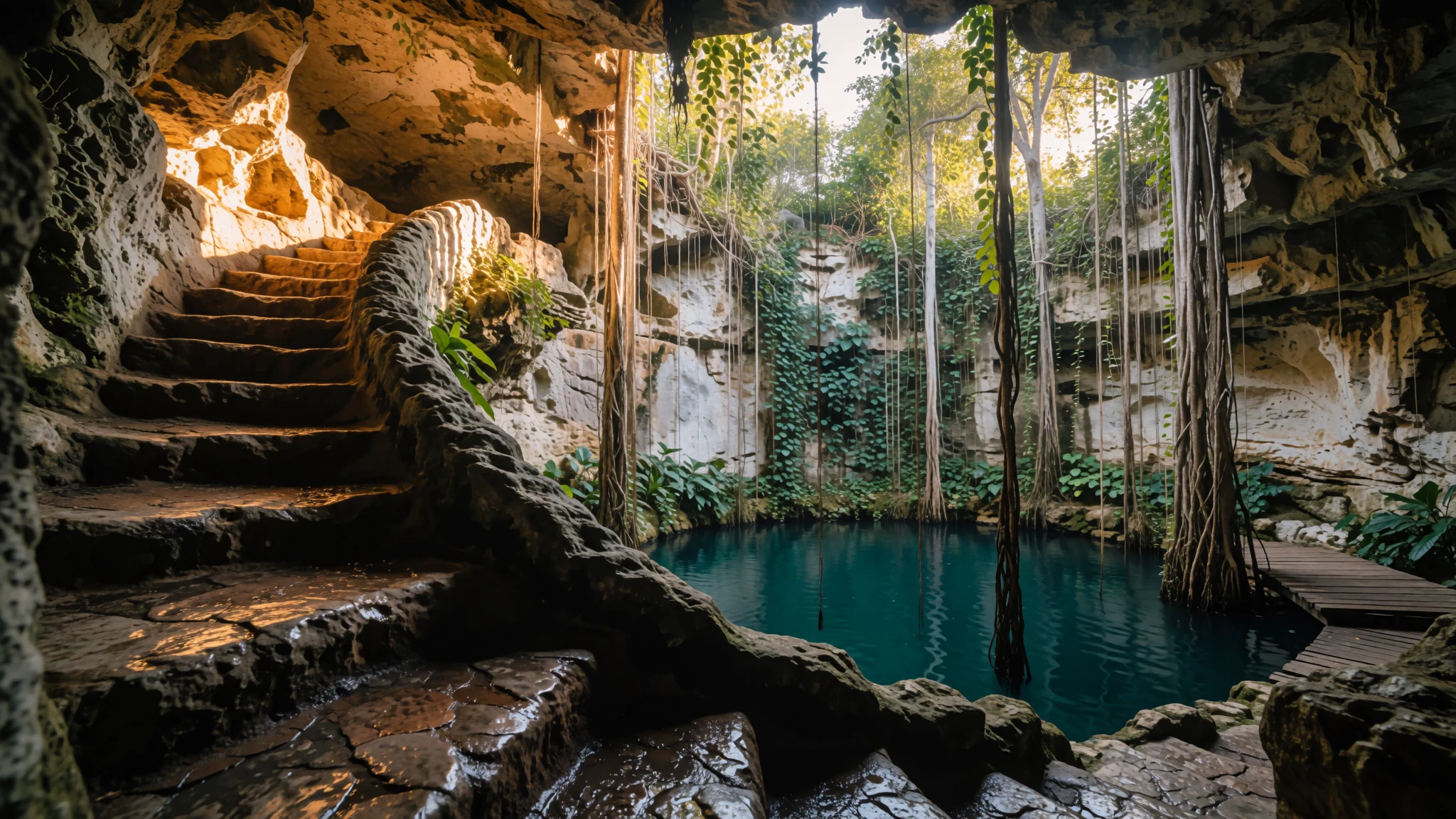
A sunken limestone pool with a carved stairway down to the water, close enough to Chichén Itzá to fold into the same day.
The place
Ik Kil is a cenote, a sinkhole in the limestone of the Yucatán Peninsula where the ground has collapsed to reveal a pool of fresh groundwater. It lies just outside Pisté, in the Tinúm Municipality of Yucatán state, in the northern centre of the peninsula. The cenote is part of the Ik Kil Archaeological Park, and it sits close enough to Chichén Itzá that many visitors combine the two in a single day.
The pool is open to the sky. Its water sits well below the lip of the surrounding rock, and a carved stairway descends the side to a swimming platform, so the drop from the top is a real descent rather than a gentle slope. The water is cool and clear, and the walls are pale stone with roots hanging down in places. The site also includes a restaurant and a hotel, so you can stay for the afternoon rather than dipping in and leaving.
Getting around is simple. The cenote lies beside the highway to Valladolid, so it works well as a stop on a loop through the region's ruins and colonial towns. Plenty of cenotes in the area are open for bathing, but Ik Kil is one of the more developed, with facilities that suit families and first-time visitors.
Yucatán has several thousand of these water-filled sinkholes, formed as rainwater slowly dissolves the limestone beneath the surface. Many connect to underground rivers, which is why the peninsula has few surface rivers worth the name. For a visitor, the land looks flat and dry above ground, and the real surprises are underneath.
Its story
The Maya who lived here regarded Ik Kil as sacred. For them, water in the ground was a gift from Chaac, the rain god, and a sinkhole holding a deep pool was an obvious place to make an offering. Archaeologists and cave divers have recovered bones and pieces of jewellery from the water, evidence that people were sacrificed here in ceremonies asking for rain. The remains span a long stretch of use, and what the offerings meant is read from the objects and from later accounts rather than from a tidy written record.
After the Spanish arrived, the region around the old cities changed, and the sinkhole's sacred use faded from everyday life. In the modern era the cenote was rediscovered as a place to swim, and it became a stop on tours of the area. Its steep walls and high rim also drew the organisers of the Red Bull Cliff Diving World Series, who held events here in several seasons. Watching divers leave the rim gives a sense of how far the drop really is.
Today the story is quieter. Families cool off in the water, and visitors climb the steps back up with wet hair and tired legs. The contrast between the cenote's use as a place of offering and its present role as a swimming spot is what makes it worth a second look. Standing at the edge, it is easy to imagine how the water would have seemed to someone who depended on it for rain, and that dependence still runs close to the surface of life across the peninsula.
What to see
- The Ik Kil cenote — Pisté, Tinúm Municipality
The cenote itself is the reason to come. Open to the sky, with its water well below ground level, it draws you down a carved stairway to a swimming platform. Go early for calmer water and softer light on the stone walls, and bring a towel and water shoes, because the steps and platform get slippery. Give yourself an unhurried morning rather than a quick dip.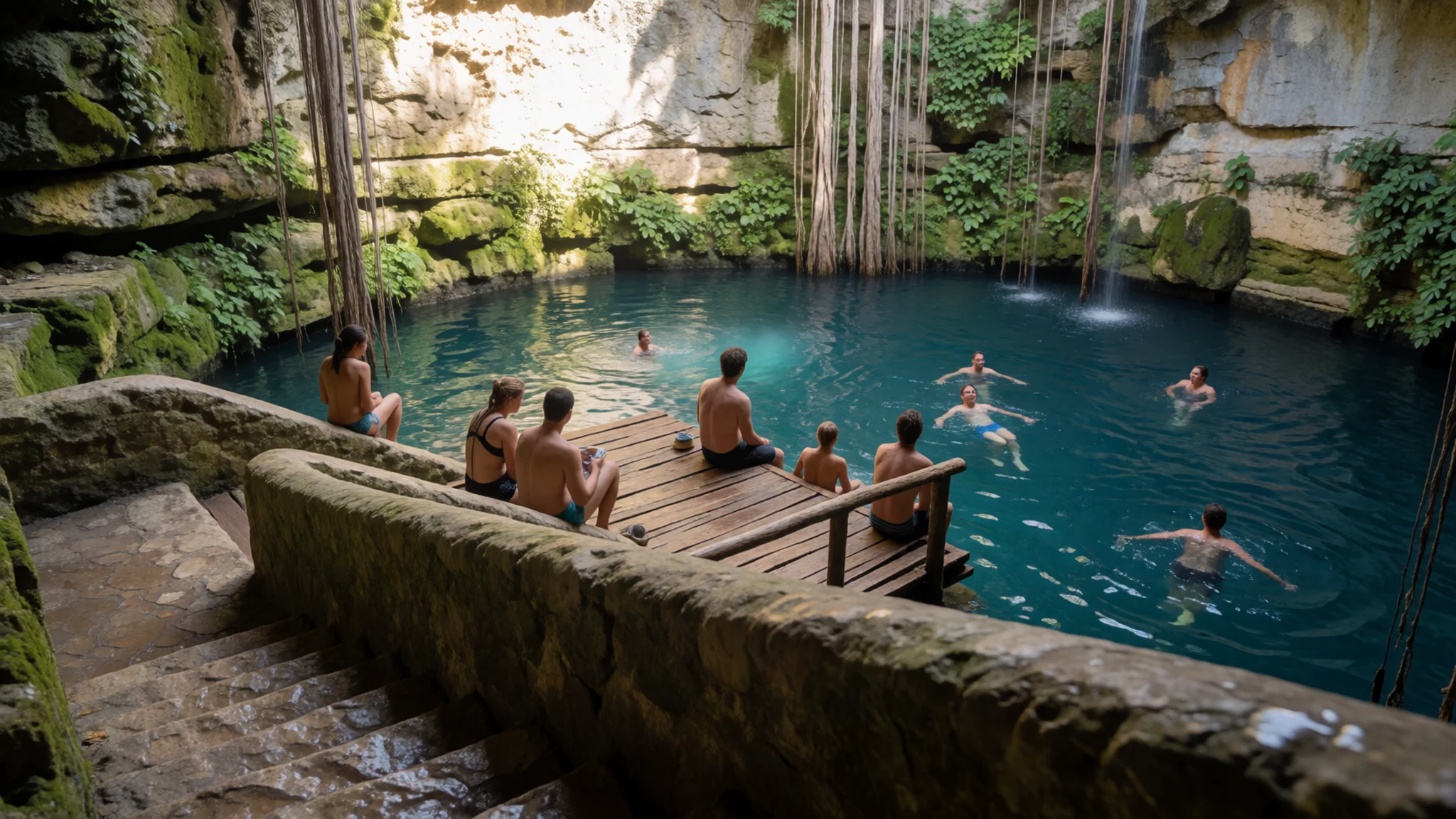
- Chichén Itzá — Chichén Itzá archaeological zone
The Maya ruins a short drive away are why many visitors plan a day around this cenote. The temple and ball court make a natural pairing with a swim, since they show the same world that treated the sinkhole as sacred. Arrive early, when it is cooler and the crowds are thinner, and check the official site for opening times before you set out.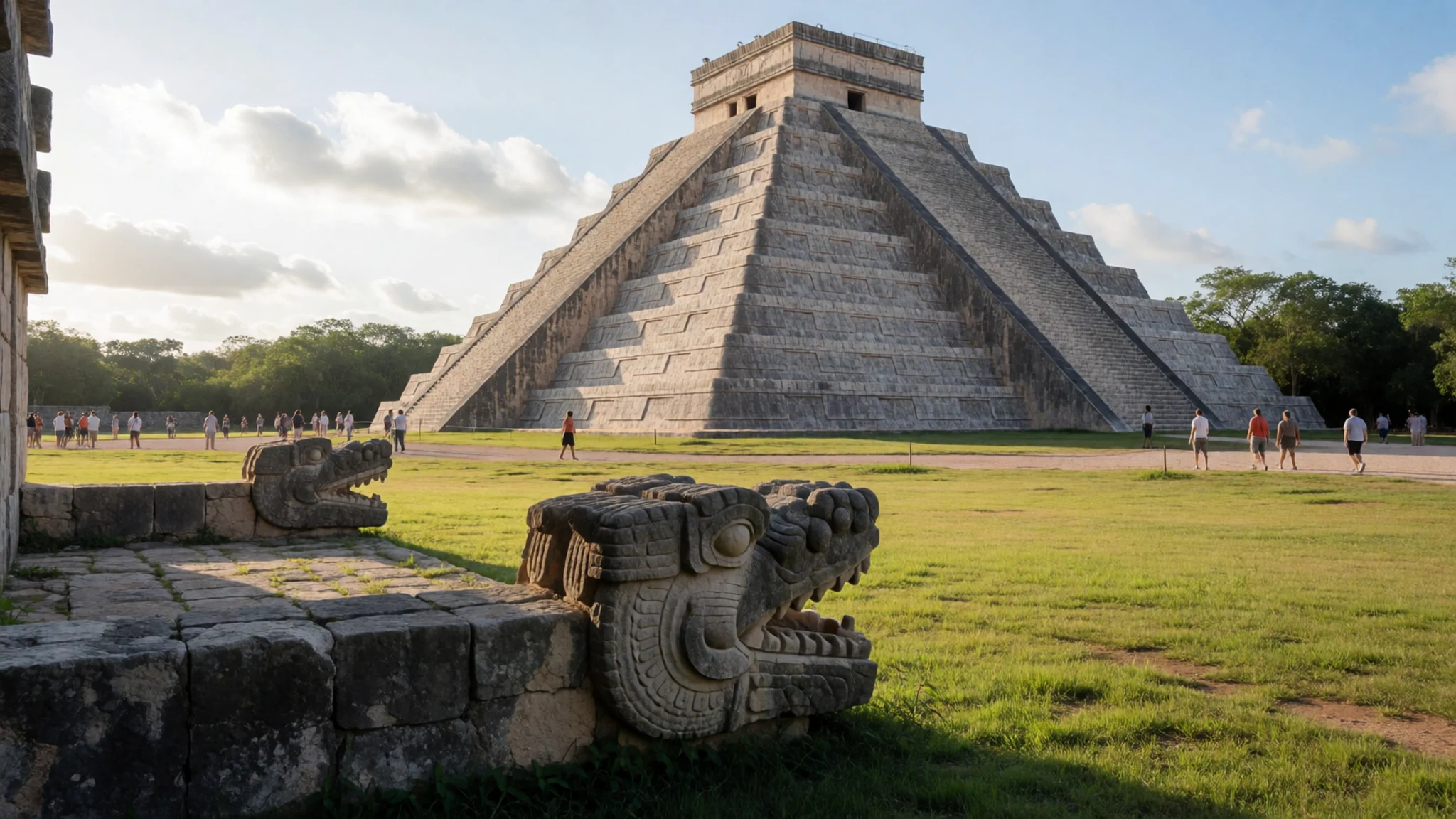
- Valladolid — Historic centre, Valladolid
The colonial city on the highway to the east is an easy stop on the same road. Its streets are lined with painted houses and small plazas where people gather in the evening. Several cenotes lie within a short ride of the centre, so it makes a good base for a day of swimming. Eat at a plaza restaurant or near the central market, and walk the streets in the cooler hours.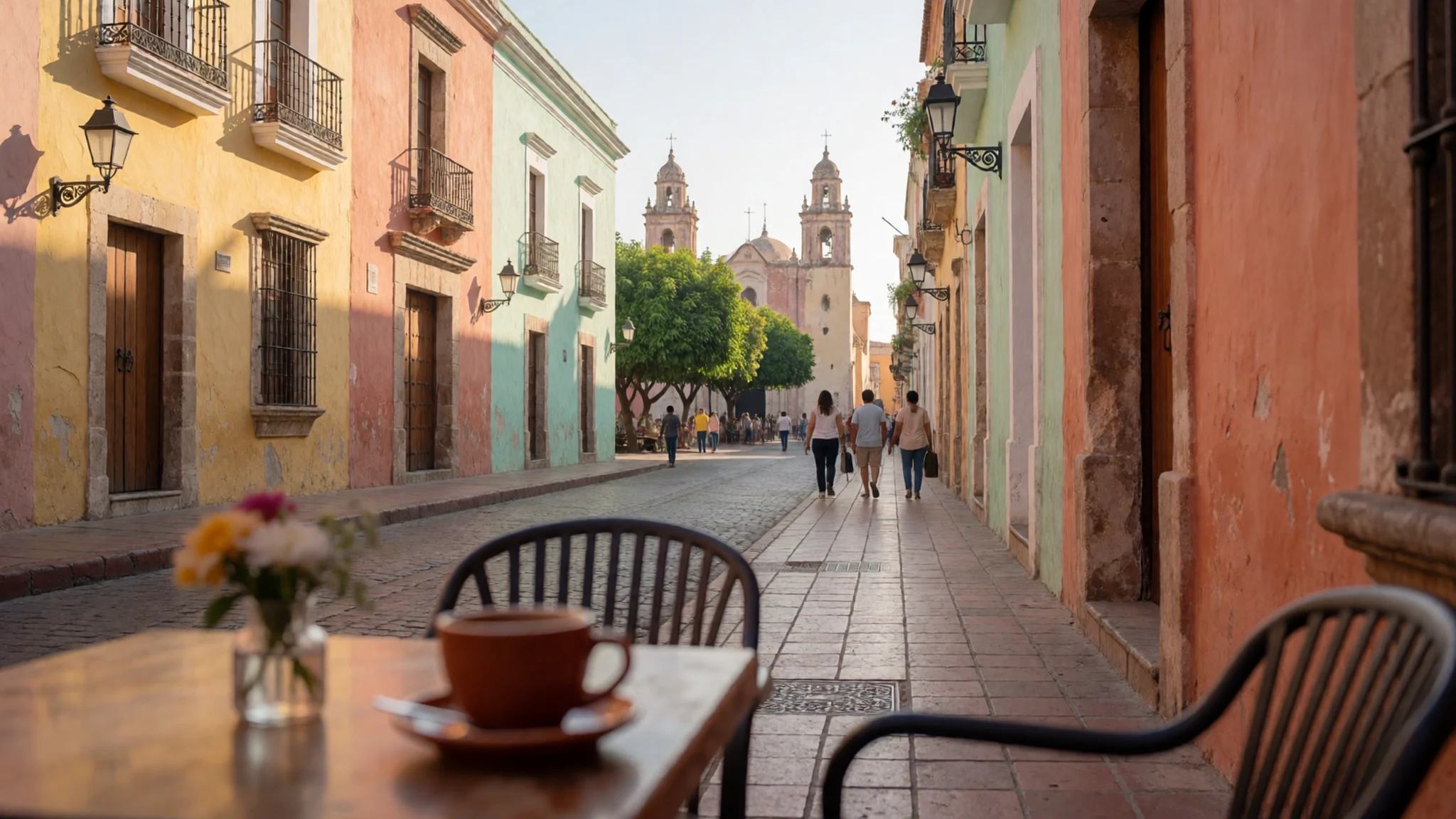
- Izamal — Town centre, Izamal
Izamal is a small town known for its yellow walls and a large colonial monastery built over an older Maya platform. It is quieter than Valladolid and less of a tour stop, so it suits a slow afternoon. The streets are easy to walk, and trains on the Tren Maya serve the town. Dress modestly to enter the church, and check opening times on arrival rather than assuming.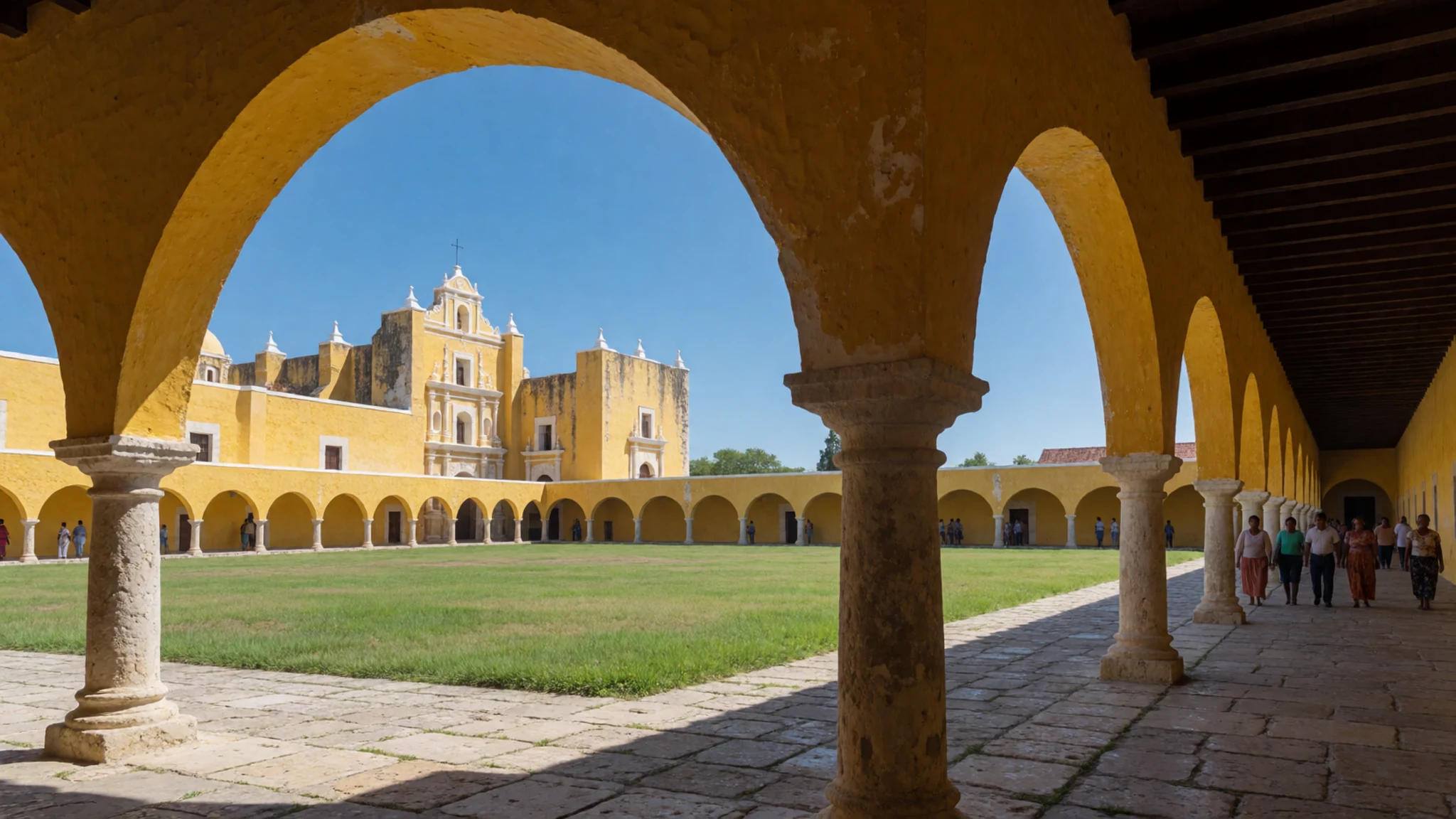
Culture
Ik Kil is a sacred place in the memory of the Maya as well as a swimming spot, and that history shapes how local people expect visitors to behave. Yucatecans tend to be reserved and polite, so greet staff and shopkeepers with a simple buenos días before asking anything, and expect a warm but measured reply. Maya ceremonies are held through the year at a ceremonial centre within the Maya Jungle Reserve at Hacienda Chichen, and anyone who attends should follow the guidance of the hosts and keep their voices low.
Photography needs some care. Locals sometimes approach visitors to practise their English, and most are shy, so a smile goes further than a camera. Never photograph police, military installations or children without permission, and check before you lift a camera near a ceremony or a private family gathering.
At the cenote, the lively part of the day is the swim, but the water is also a place of memory. Keep noise down near the steps, do not throw anything into the pool, and stay within marked areas on the rock walls. Visitor etiquette: ask before you photograph anyone, and never photograph police, military sites or children.
What to wear
Traditional dress in Yucatán centres on the huipil, a loose, straight-cut tunic usually made of white or pale cotton and often embroidered at the neckline and hem with flowers and geometric motifs. Women in villages still wear huipiles for everyday work and for festivals, and the finest pieces can take a long time to stitch. The terno, a long, full embroidered dress, is the formal version worn at fiestas and celebrations. Men's dress is less distinctive, and the guayabera, a pleated shirt with vertical pockets, is the regional garment most often seen.
What people wear now is a mix. In Mérida and Valladolid, everyday clothing is ordinary western wear, while many women and older men still wear traditional pieces at church, at markets and at celebrations. The guayabera has become a common smart-casual shirt across Mexico, and you will see it in offices and restaurants as well as at weddings.
For a visit to Ik Kil, dress for heat and water. Pick light, loose cotton, a hat and sunglasses. Wear a swimsuit under your clothes, and bring water shoes or sandals with good grip, since the stone steps and platform are wet. At churches and any ceremonial site, cover shoulders and knees, and carry a light layer for the cool air of restaurants.
What to eat
- Pollo pibil — Family restaurants in Valladolid and Mérida
Chicken marinated in achiote and sour orange, wrapped in banana leaves and slow-cooked until it falls apart. Its earthy red colour and tender texture make it the classic dish of the peninsula. It is often served with pickled red onion and warm tortillas.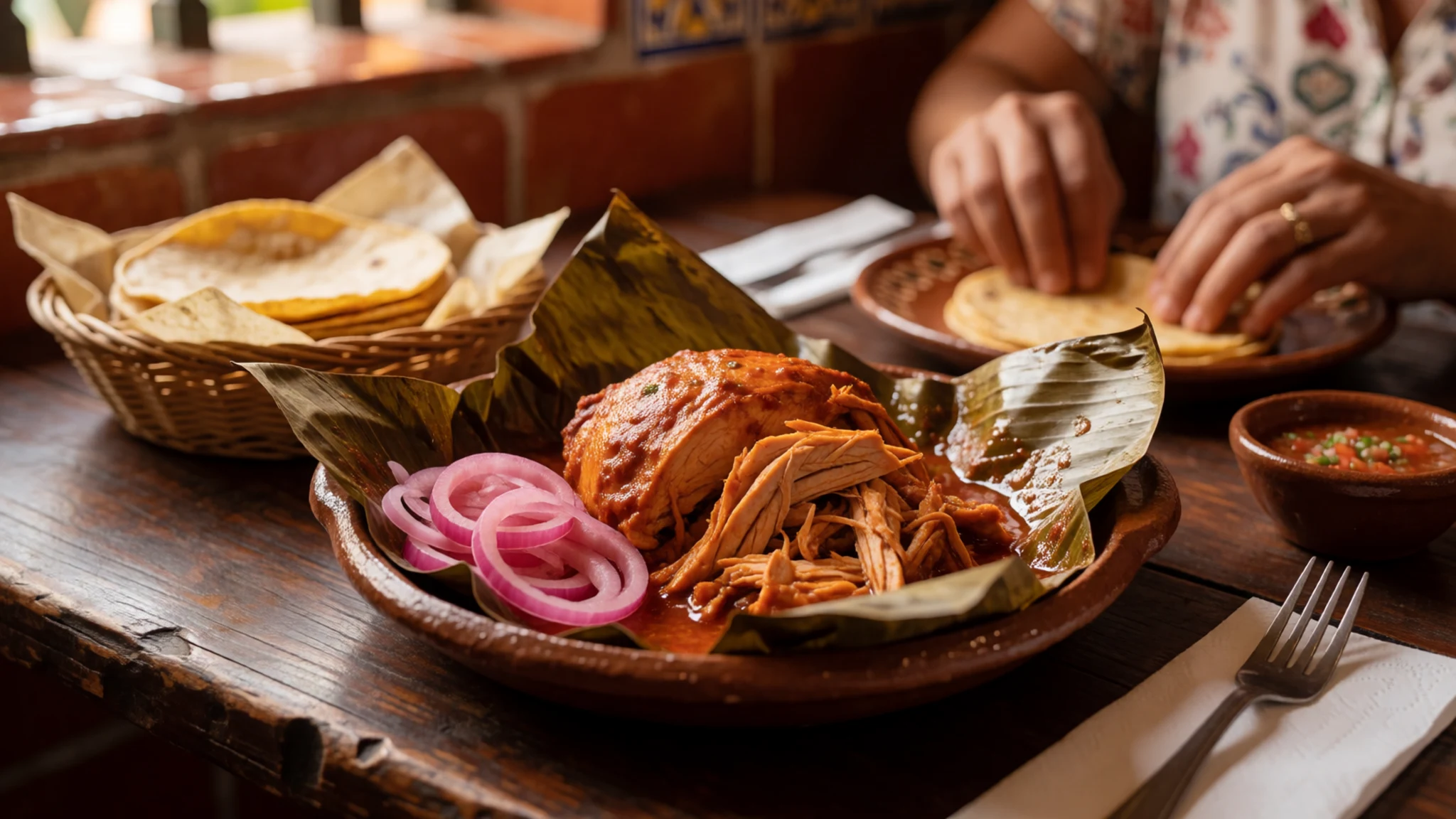
- Sopa de lima — Lunchtime eateries around the central market in Valladolid
A chicken soup brightened with lime juice and topped with crisp strips of fried tortilla. It is light, sour and refreshing, a good choice at midday when the heat is at its height.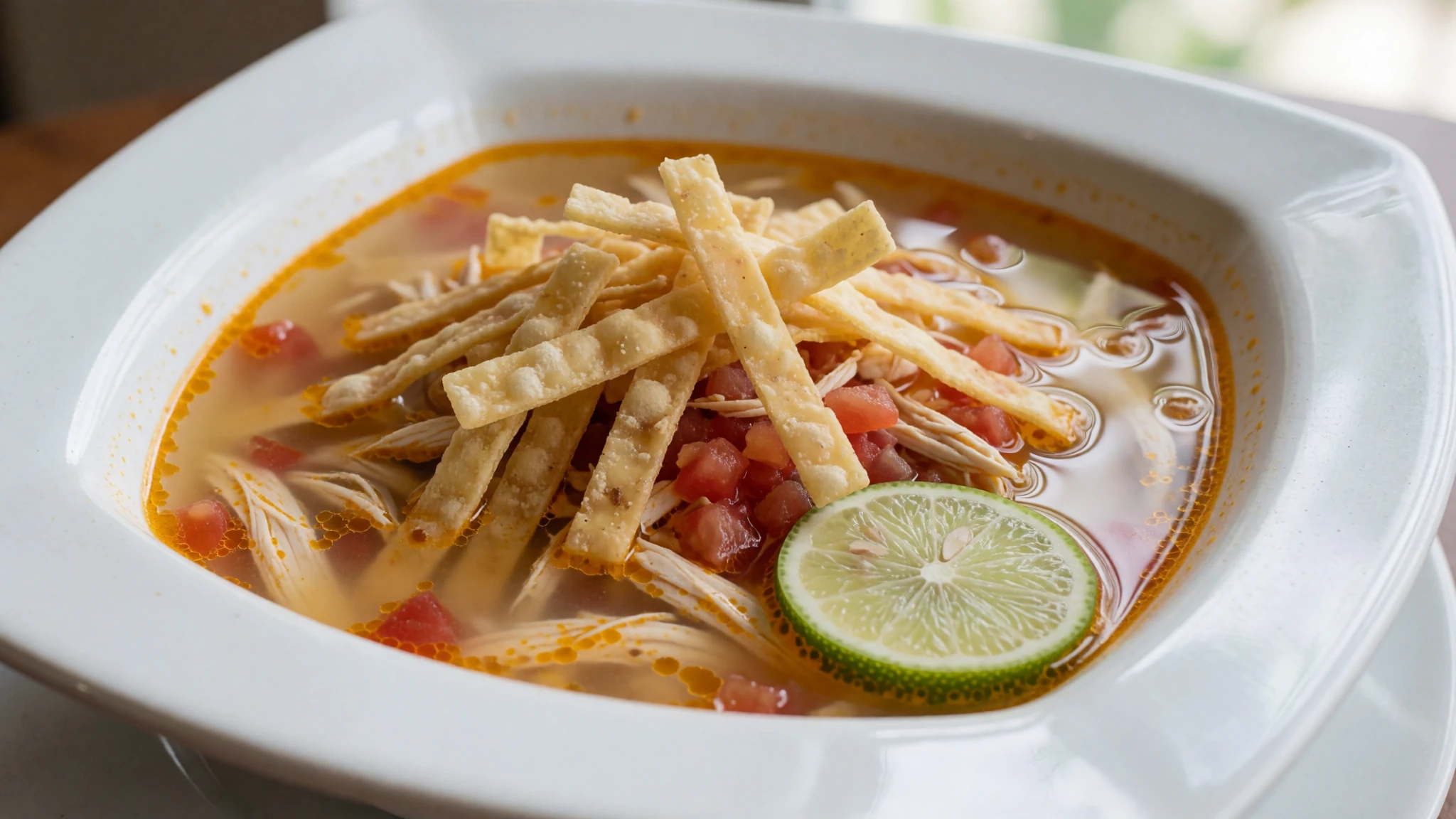
- Poc chuc — Grill stalls at town markets in Valladolid and Mérida
Thin slices of pork marinated in sour orange and spices, then grilled until tender with a charred edge. It is usually served with black beans, onion and tortillas, and it is a staple of home cooking.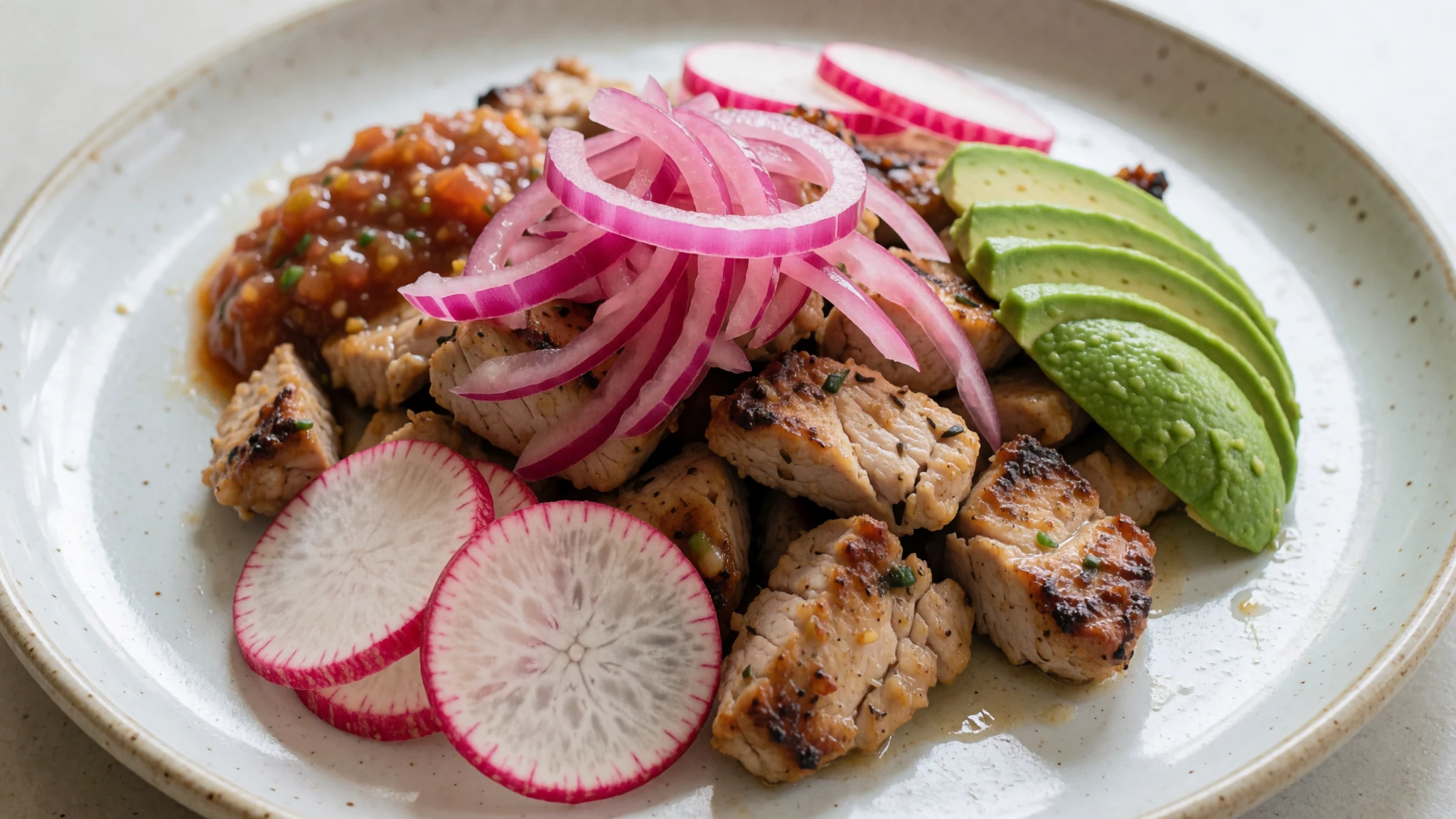
- Chilmole — Family-run eateries in town centres, especially at weekends
Turkey in a dark, spicy sauce built on roasted chillies and a deep, smoky base. It is a richer, older-style dish that turns up on weekend menus and at family celebrations. - Roadside honey and fruit — Roadside stalls on the way to Valladolid and Chichén Itzá
Honey is often sold from roadside stands in old whisky bottles, and it is usually good. Buy from a stall you can see clearly, and taste a little first. Fresh fruit stands along the road are worth a stop too, but pass up any fruit that has already been peeled.
Plan it
Best time. The cooler, drier months from about November to April are the most comfortable. The heat and humidity build through the summer, and the rainy season brings afternoon storms, so a morning swim is the sensible plan at any time of year.
How long. 2–3
Getting there. Fly into Mérida (MID) or Cancún (CUN), then take a car, bus or the Tren Maya towards Chichén Itzá. The Tren Maya calls at Chichén Itzá and Valladolid, and Ik Kil lies on the Valladolid highway, a short drive from the ruins.
Budget. mid
Tips
- Go early in the day, when the cenote is cooler and quieter
- Check tickets and opening times on the official site before you set out
- Bring cash for small stalls and roadside honey
- Carry plenty of drinking water, as the midday heat is strong
- Pack a towel, swimsuit and water shoes, and keep valuables locked in the car
Etiquette
- Follow the staff instructions at the steps and platform
- Stay within marked areas and do not climb the rock walls
- Drink bottled water in the countryside, as tap water can cause stomach trouble
Nearby
Sources
- Wikidata Q1818515 (CC0)
- Wikipedia: Ik Kil (rev 1378908900) (CC BY-SA 4.0)
- Wikivoyage: Yucatán (rev 5299429) (CC BY-SA 4.0)
- Photo: Cenote Ik Kil, Dmadeo (CC BY 3.0)
- Photo: The Ik Kil cenote, Luis Miguel Bugallo Sánchez (CC BY 3.0)
- Photo: IMG_4313lll, Christine Zenino (CC BY 2.5)
- Photo: 2009 Cenote Ik-Kil, Silvio Chiozini (CC BY 3.0)
- Photo: 2010 Mexico - Cenote near Piste Yucatan, dave ungar (CC BY-SA 2.0)
- Photo: Cenote, Christine Zenino (CC BY 2.5)
- Photo: Cenote, Christine Zenino (CC BY 2.5)
- Photo: Cenote 1, Tony Hisgett (CC BY 2.5)


