Hyams Beach
Hyams Beach, Australia
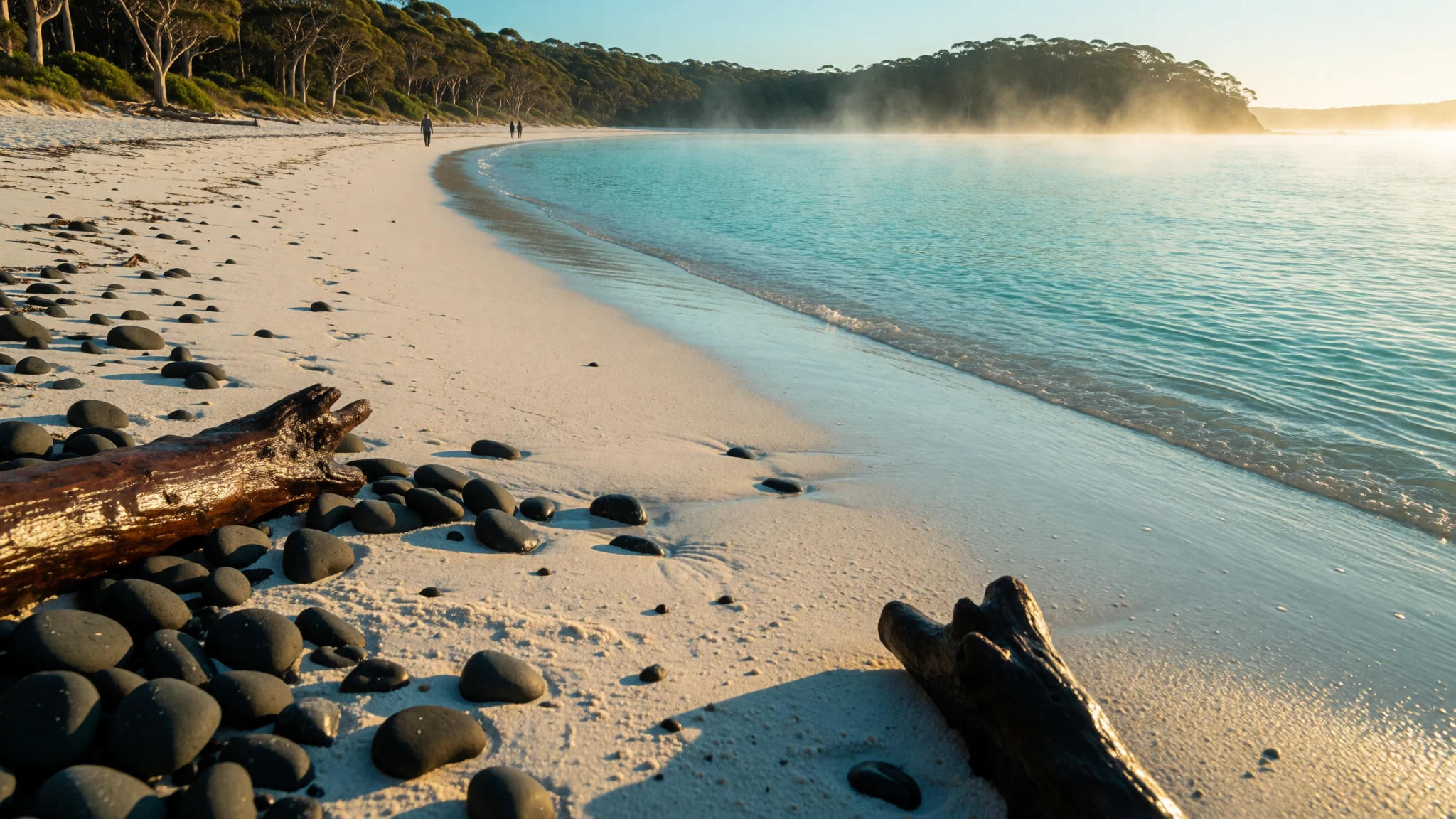
Hyams Beach offers turquoise waters and fine, squeaky white quartz sand bordered by pristine coastal national parks.
The place
Hyams Beach is a small seaside locality situated in the City of Shoalhaven within New South Wales. Positioned along the shores of Jervis Bay, the community is framed by Chinaman's Beach to the north and Seaman's Beach to the south, while the main settlement sits quietly between these sandy stretches. The marine environment here features remarkably clear turquoise and aqua tones, washing onto shores formed from exceptionally pure quartz grains. Because these mineral particles lack impurities, they create a brilliant white appearance and produce a distinctive squeak underfoot.
The eastern edge of the village looks directly across the bay toward Point Perpendicular and out onto the broader Pacific Ocean. On land, the settlement is closely hemmed in by protected environments: Jervis Bay National Park lies directly to the north, while Booderee National Park and its associated botanic gardens anchor the southern border. This positioning gives the entire area a distinct natural bush feel, where coastal woodlands meet coastal dunes. Visitors frequently encounter diverse native flora alongside abundant birdlife and resident fauna that inhabit the surrounding bush tracks, tidal inlets, and marine reserves.
Its story
The lands surrounding Hyams Beach carry deep historical significance as the traditional territory of a group of the Yuin people, referred to by early European arrivals as the Jervis Bay tribe. Specifically, these custodians were the Wandandian people, whose traditional tongue was Dharamba, considered the northernmost dialect of the broader Dhurga language group. For generations, these communities managed the coastal resources, forests, and estuarine environments according to traditional cultural laws.
European presence in the area expanded following mid-century land grants. The locality took its name from Michael Hyam, who received an initial portion of land in the area. Decades later, property speculators sought to transform the wider Jervis Bay region into a major urban centre. A prominent developer acquired extensive tracts following the designation of the surrounding territory, advertising residential allotments as part of an ambitious regional scheme that ultimately failed to materialise. Instead, the pocket evolved at a much slower pace, with early holiday shacks and cottages constructed for seasonal visitors long before municipal electricity reached the gravel roads and coastal tracks of the village.
What to see
- Hyams Beach Shoreline — Central Hyams Beach
The central stretch of coastline is renowned for its strikingly pale quartz sand and clear turquoise shallows. Visitors come to walk along the shoreline, paddle in the sheltered bay waters, and enjoy expansive views across the marine park toward the rugged headlands of the northern peninsula.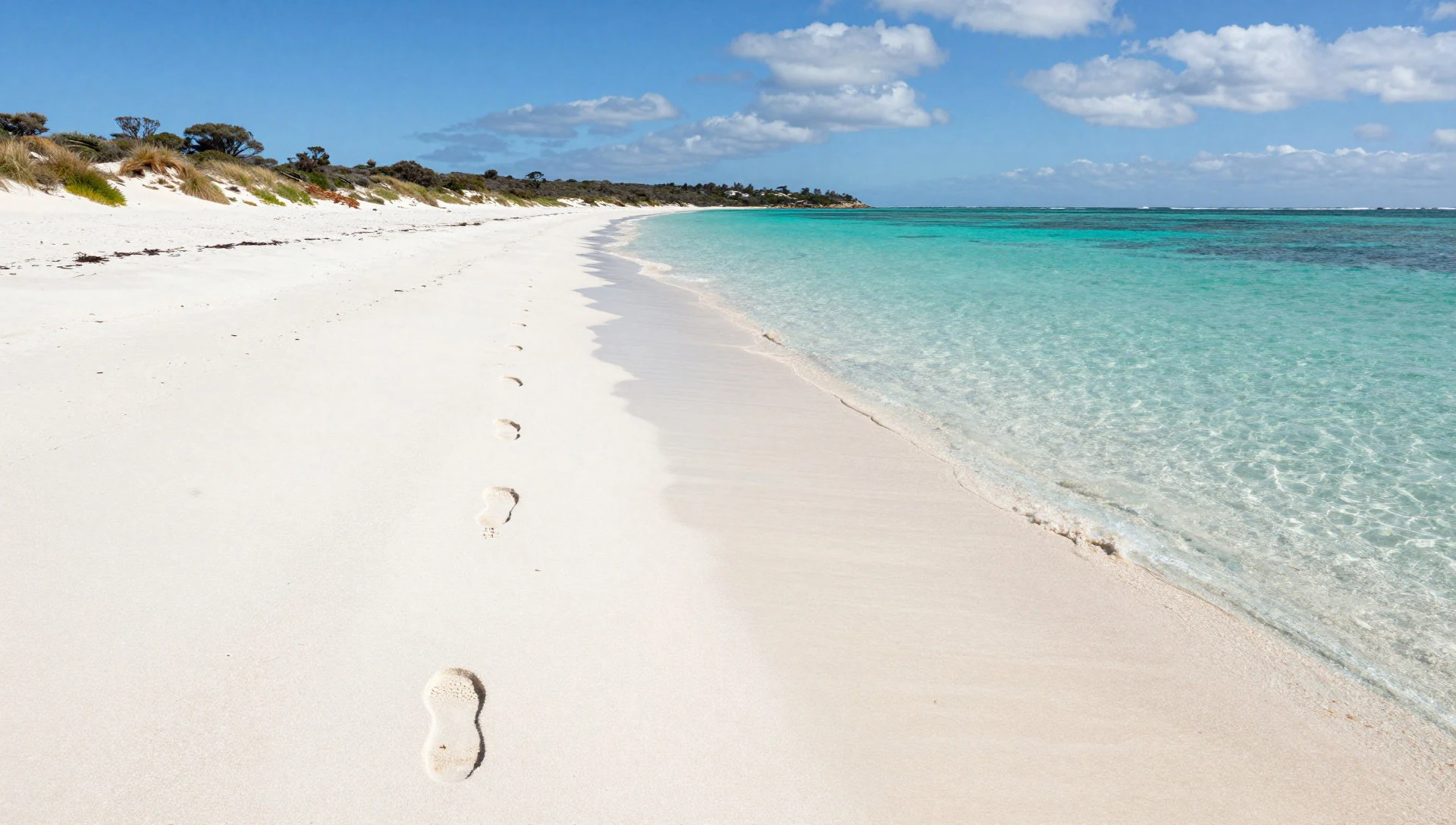
- Chinaman's Beach — Northern Hyams Beach
Located immediately north of the main village, this quieter sandy expanse offers a more secluded coastal experience. Backed by native coastal scrub and dunes, it provides a peaceful walking route away from the busier central beach access points during peak holiday periods.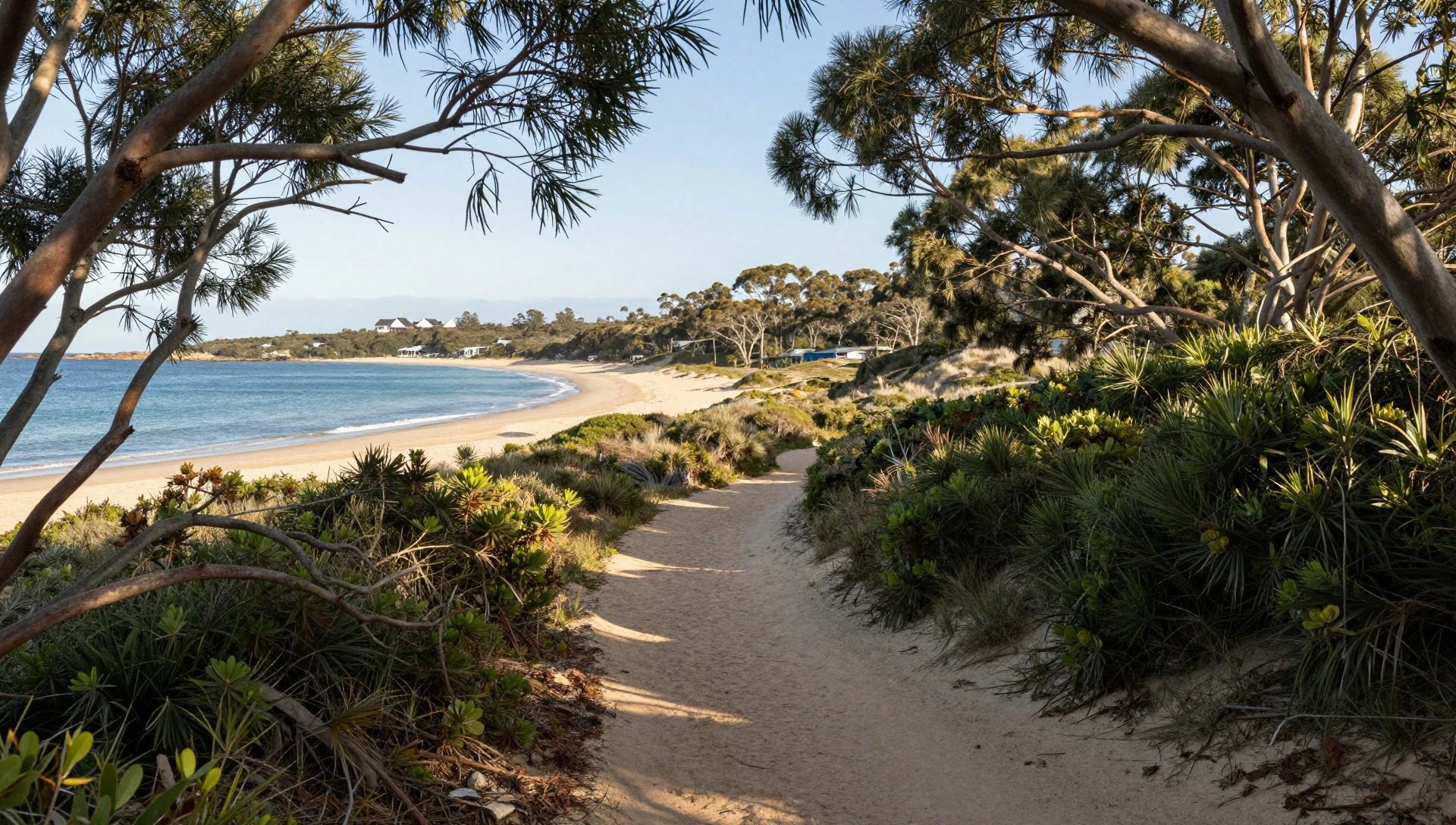
- Seaman's Beach — Southern Hyams Beach
Sometimes referred to locally as Sailors Beach, this southern sandy stretch sits toward the approach to the national park boundaries. It features the same brilliant quartz sand found across the area, backed by rocky outcrops and coastal vegetation characteristic of the Shoalhaven coastline.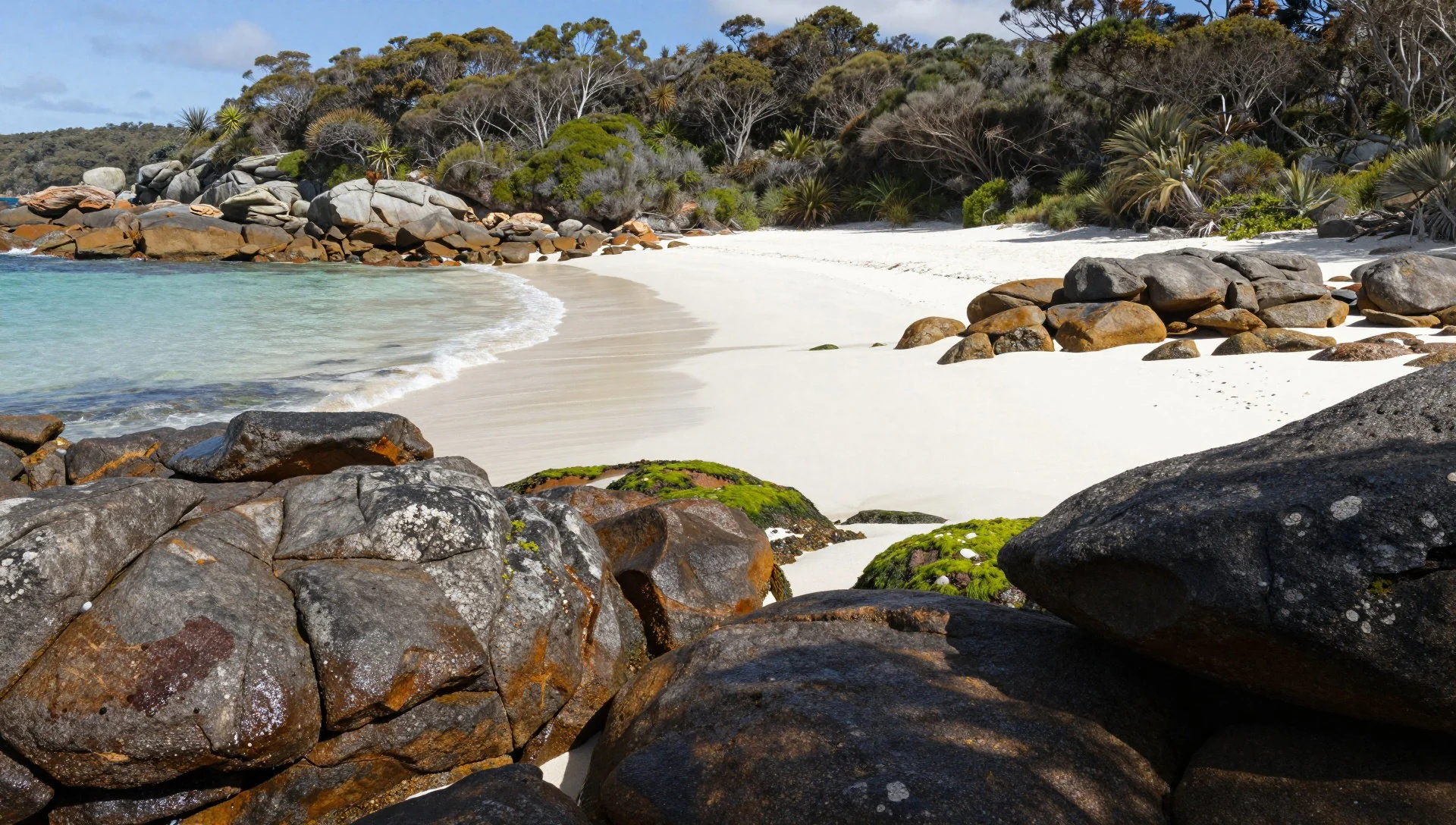
- Jervis Bay National Park — North of village
Bordering the settlement to the north, this protected reserve preserves vital coastal wetlands, saltwater swamps, and open eucalyptus forests. Walking tracks wind through the bushland, offering opportunities to observe native birds, small marsupials, and diverse coastal plant communities thriving in an undisturbed habitat.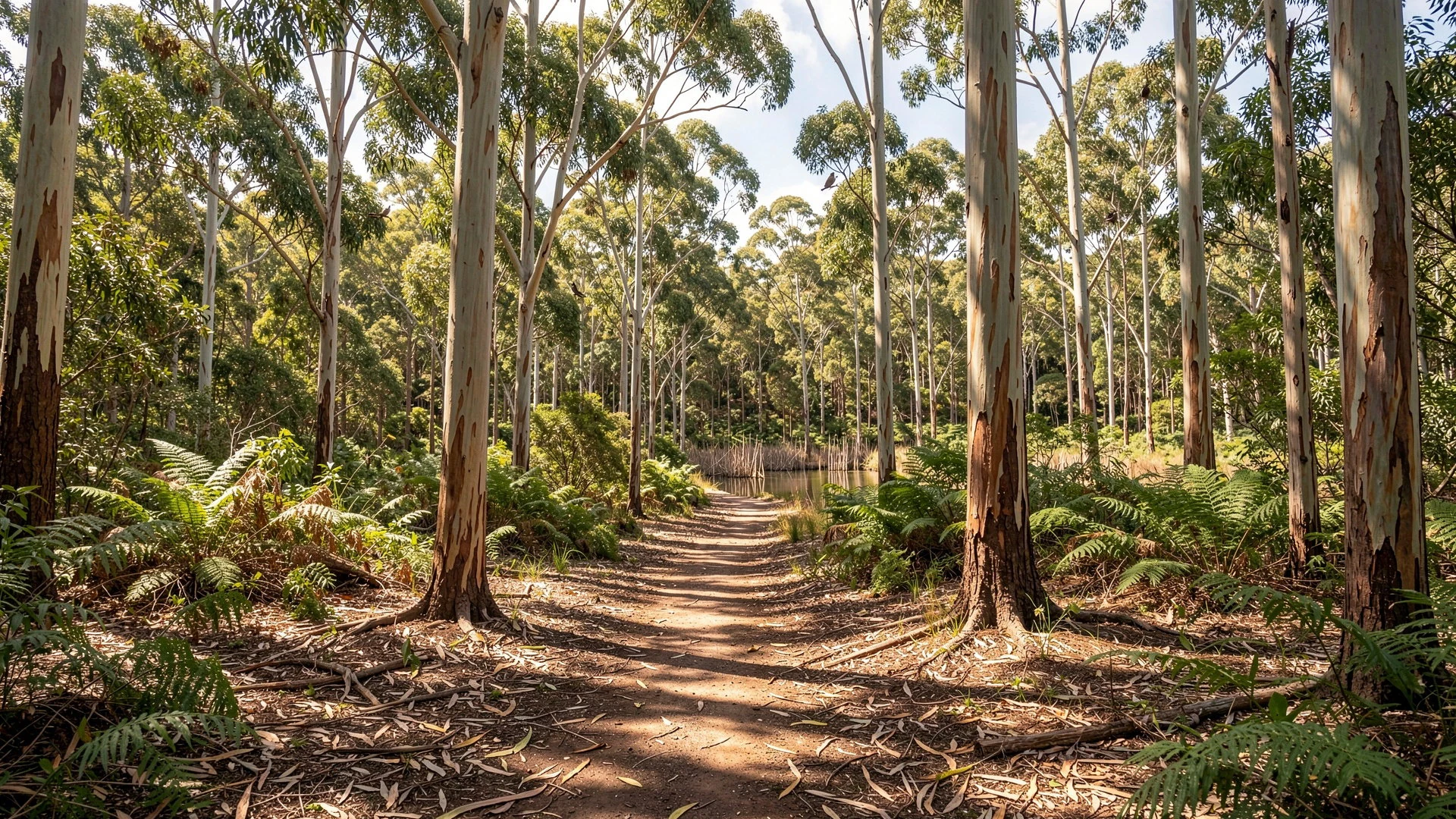
- Booderee National Park — South of village
Situated on the southern side of the bay, this expanse encompasses dramatic sea cliffs, pristine beaches, and the Booderee Botanic Gardens. Managed in partnership with its traditional Aboriginal owners, the park combines rich cultural heritage with diverse ecosystems ranging from heathlands to sheltered coastal rainforest gullies.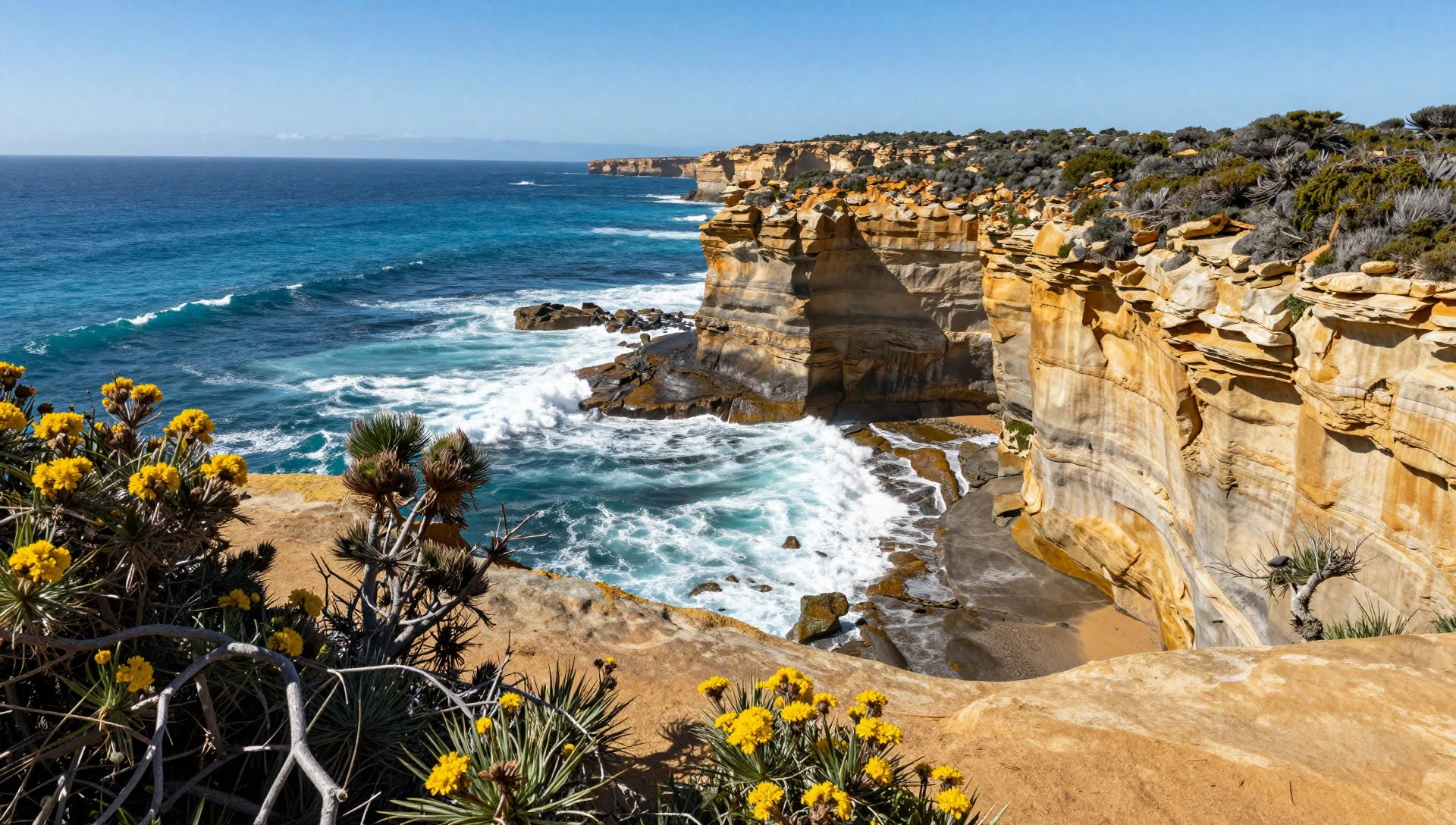
Culture
The social fabric of Hyams Beach reflects a quiet coastal community deeply intertwined with its surrounding natural environment. Daily life moves at a relaxed pace, shaped by the rhythms of the tides, seasonal migration patterns of coastal birdlife, and the influx of visitors seeking out the marine park during warmer months. Respect for the natural landscape is paramount among locals and traditional custodians alike, with strong emphasis placed on preserving the delicate balance of the coastal dunes, marine habitats, and native bushland. Visitors are encouraged to adopt a mindful approach when exploring the area, keeping to designated paths to protect fragile dune vegetation and ensuring all waste is properly managed. Smoking is strictly prohibited indoors across all public spaces, hospitality venues, and shared transport networks, as well as in outdoor areas where food is served and in private vehicles carrying children. Please ensure all cigarette butts and general refuse are disposed of responsibly in designated public bins.
What to wear
Coastal style at Hyams Beach is entirely practical, casual, and sun-focused, reflecting the relaxed atmosphere of a quiet seaside village. Traditional attire in the broader region historically adapted to coastal working life, though today's residents and visitors favour lightweight, breathable modern garments suited to outdoor pursuits. Everyday wear revolves around comfortable cotton shirts, shorts, swimwear, and casual sun dresses suitable for moving easily between sandy shores and bush tracks. Because the village sits directly adjacent to sensitive national parks, footwear is an important consideration; sturdy walking sandals, trainers, or lightweight hiking shoes are essential for exploring the unpaved forest trails and rocky headlands safely. Sun protection is a constant priority, so wide-brimmed hats, UV-protective sunglasses, and lightweight long-sleeve layers are standard items for anyone spending extended periods outdoors. When visiting nearby settlements or local cafes after a day on the shore, simple smart-casual attire paired with comfortable footwear is entirely appropriate.
What to eat
- Local Coastal Seafood — South Coast restaurants and local cafes
The wider South Coast region is celebrated for fresh seafood, featuring catches from local waters including prawns, rock lobster, and finfish served simply grilled or paired with seasonal salads at coastal eateries.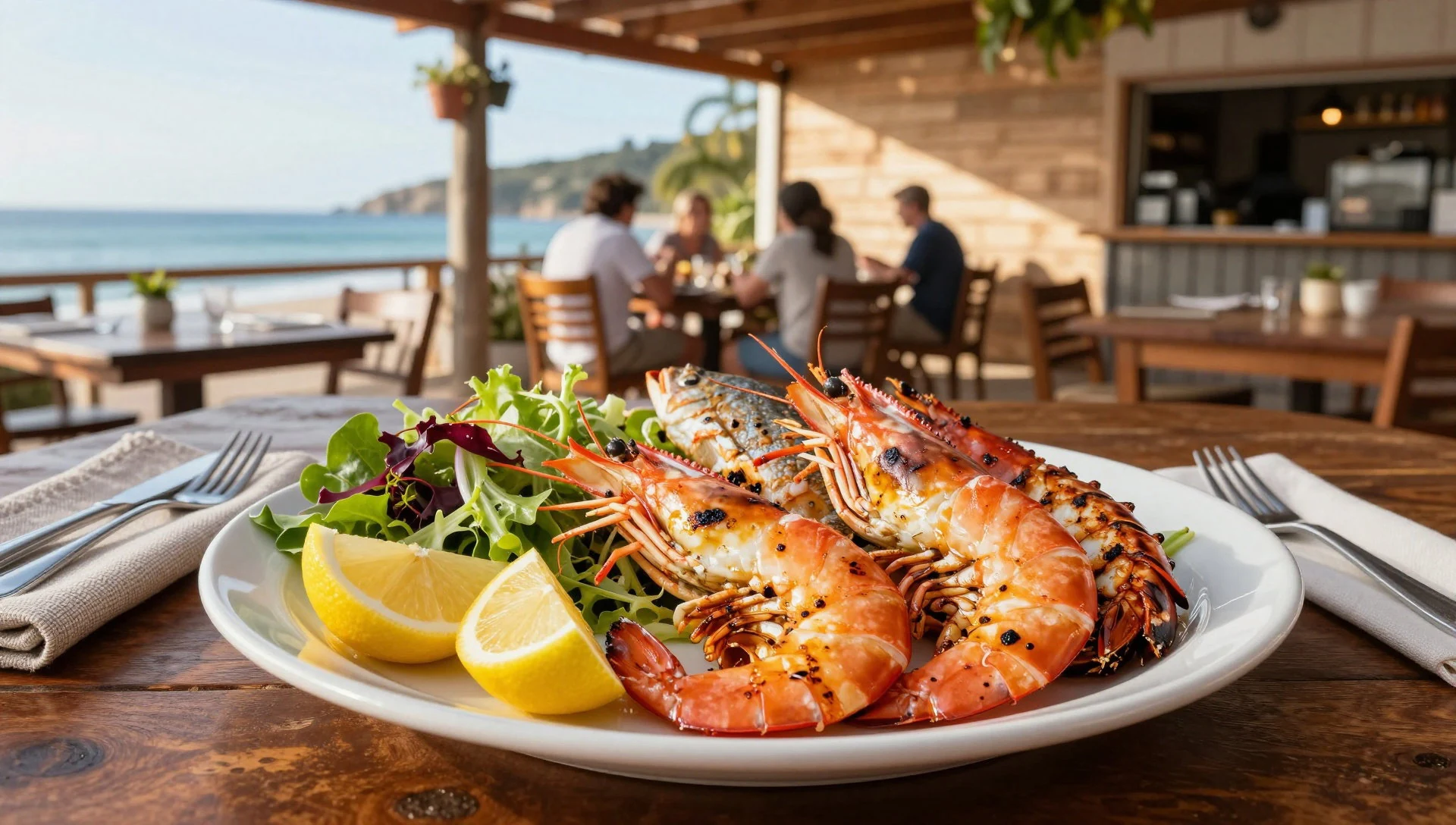
- Village Cafe Fare — Hyams Beach village store and cafe
The local hub serves straightforward daytime meals, hearty breakfast plates, and specialty coffee, providing a welcoming gathering space for visitors before heading down to the beach or exploring the surrounding national parks.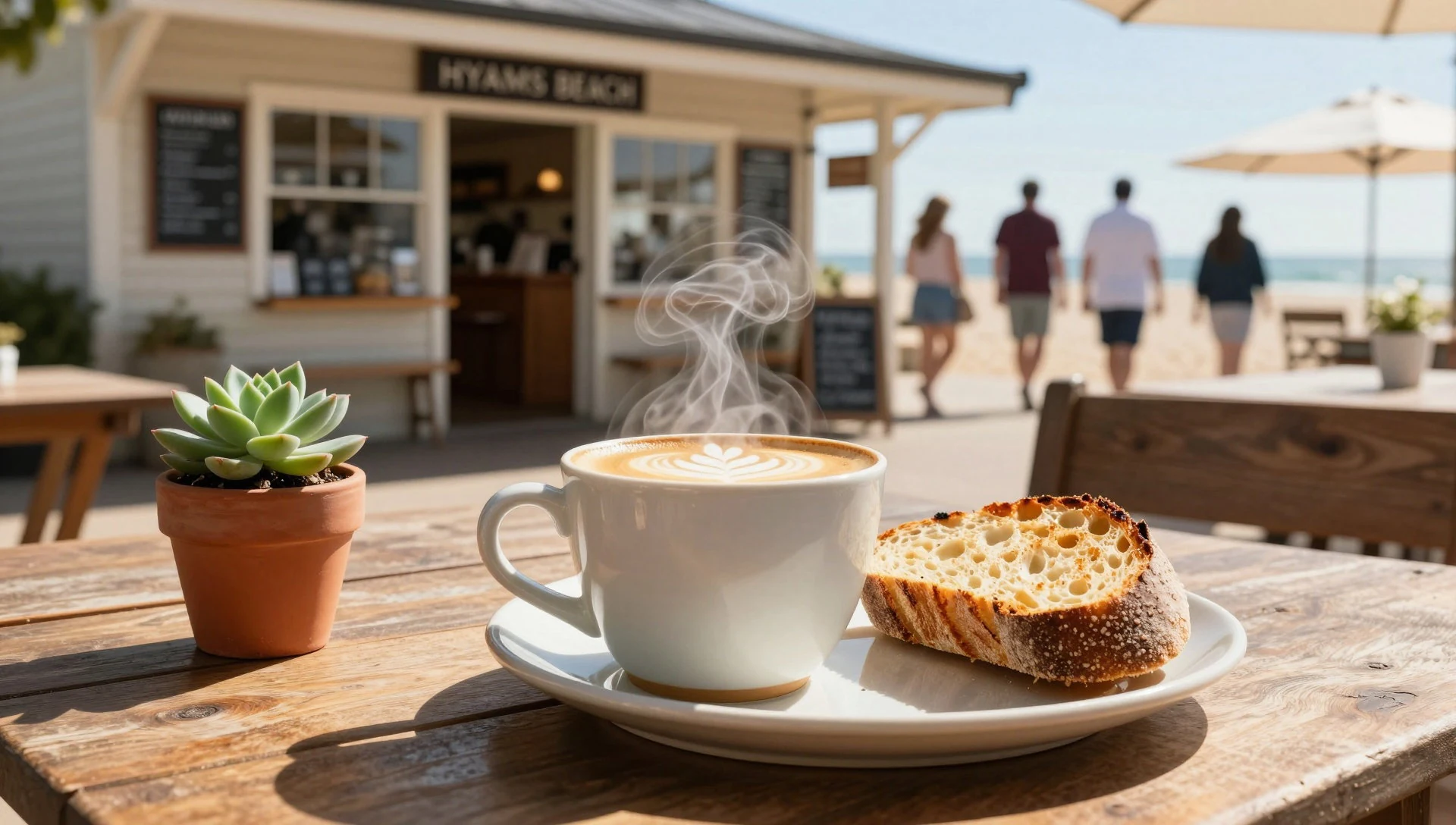
- Regional Produce Dishes — Shoalhaven district eateries and markets
Nearby hinterland areas contribute fresh fruits, vegetables, and artisan ingredients that frequently feature on menus throughout the Shoalhaven district, highlighting seasonal flavours from surrounding farms and orchards. - Plant-Based Cafe Options — South Coast cafes and dining spots
Regional eateries increasingly cater to vegan and vegetarian preferences, offering creative plant-based dishes crafted from locally sourced vegetables, grains, and fresh regional produce alongside standard menus.
Plan it
Best time. November through April brings warm summer and autumn weather ideal for swimming, snorkelling, and coastal bushwalking, though weekends and school holidays draw significant crowds.
How long. 2–3
Getting there. Fly into Sydney, then drive south along the Princes Highway and through Nowra (approximately 180 km); public transport options are limited for the final coastal approach.
Budget. mid
Tips
- Arrive early during summer mornings to secure parking near popular beach access points
- Respect strict quarantine rules regarding the transport of fresh fruit and vegetables across regional pest-free zones
- Keep a safe distance from marine life and watch for strong rips when swimming outside patrolled zones
- Carry drinking water and sun protection when exploring surrounding national park trails
Etiquette
- Stay on marked walking tracks to protect fragile coastal dune ecosystems and native vegetation
- Observe strict no-smoking regulations in all outdoor dining areas and public spaces
- Dispose of all rubbish responsibly or carry it out with you to maintain the cleanliness of local beaches
Nearby
Sources
- Wikidata Q5952749 (CC0)
- Wikipedia (CC BY-SA 4.0)
- Wikivoyage (CC BY-SA 4.0)
- Photo 01-hyams-beach.jpg (CC BY-SA 4.0)
- Photo 02-hyams-beach-booderee-national-park-jervis-bay-marine-park.jpg (CC BY-SA 4.0)
- Photo 04-hyams-beach-002.jpg (CC BY 3.0)
- Photo 05-hyams-beach-003.jpg (CC BY 3.0)
- Photo 07-hyams-beach-jervis-bay-marine-park.jpg (CC BY-SA 4.0)


